Advancing Digital Forests, Impact Metrics & Blended Finance at NEF ImpactTech 2026
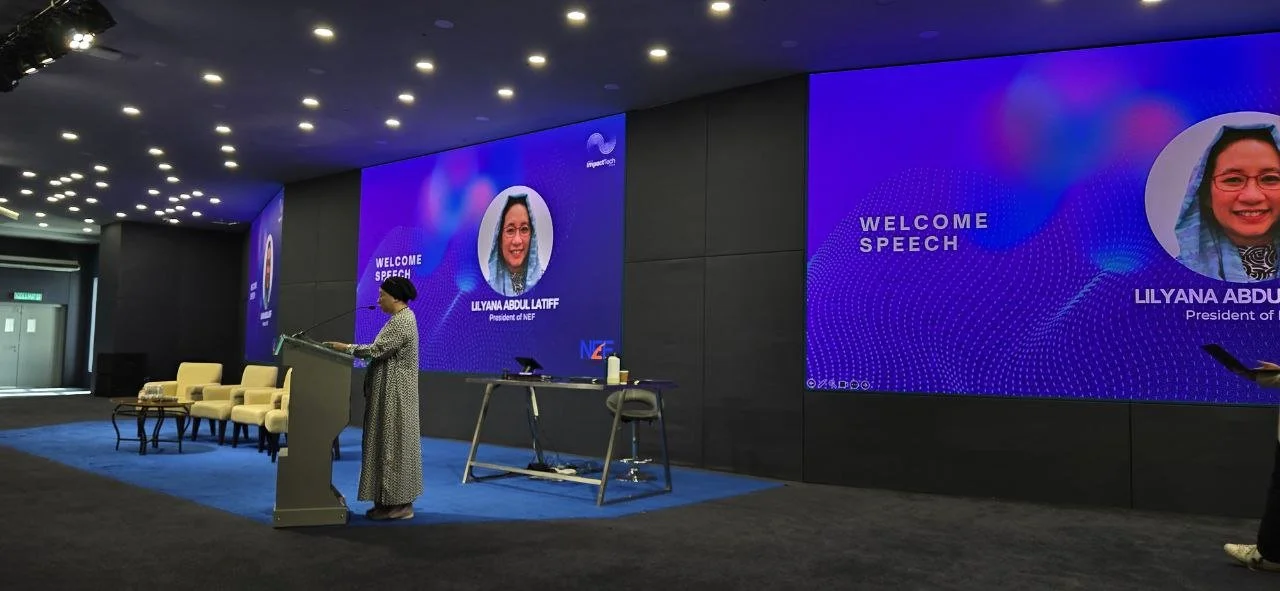
Digital Forest & Alternative Funding Sources
Kuala Lumpur, 17 January 2026 — We were honoured to participate as a speaker at NEF ImpactTech 2026, a national impact-technology forum organised by NEF Malaysia, a Malaysian industry association supporting Bumiputera ICT and creative entrepreneurs.
The forum convened entrepreneurs, technologists, ecosystem builders, and policymakers to explore how digital innovation, sustainability technology, and impact-driven entrepreneurship can be translated into measurable economic, environmental, and social outcomes, with a strong emphasis on real-world deployment and scalability.
Digital Forests as Active, Measurable Assets
Under the theme Digital Forest & Alternative Funding Sources, we shared our perspective on Digital Forests as operational, data-driven, and investment-ready systems, grounded in field implementation rather than conceptual frameworks.
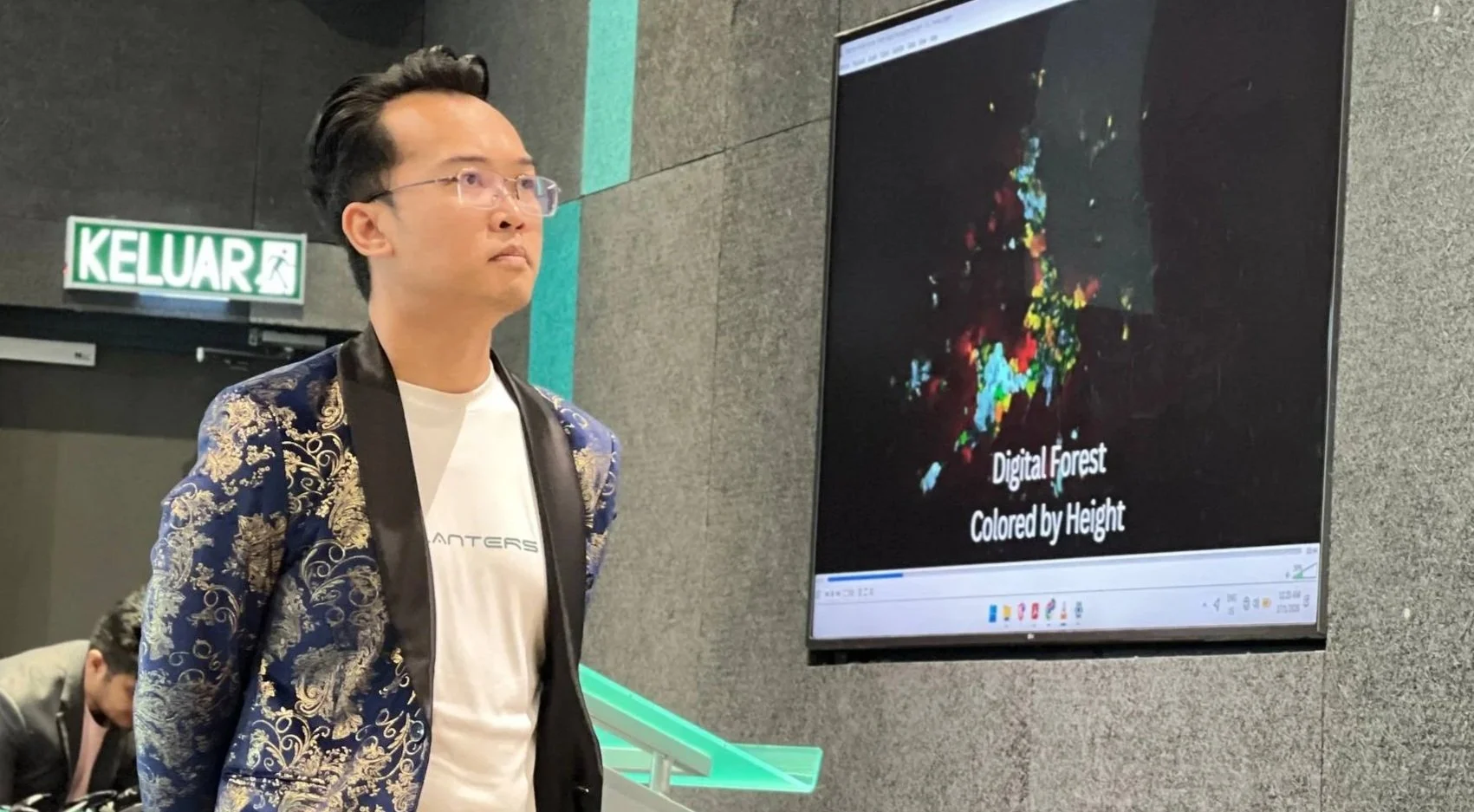
Central to this approach is Active Forest Asset Management (AFAM) — a model that treats forests as actively managed digital assets, supported by continuous data capture, governance mechanisms, and performance measurement. Digital Forest infrastructure enables enforcement, restoration planning, biodiversity assessment, and long-term forest stewardship, while ensuring outcomes remain quantifiable, auditable, and finance-ready.
This model shifts conservation from static protection toward dynamic, evidence-based forest management aligned with investor, regulatory, and policy requirements.
SLAM-Enabled Technology for Digital Forestry
Advanced field technologies play a critical role in enabling Digital Forest systems. During the session, we highlighted the use of SLAM (Simultaneous Localization and Mapping) equipment to capture accurate forest data in challenging environments such as dense mangrove and riparian ecosystems.
By integrating SLAM with LiDAR, GNSS, and remote-sensing datasets, forest landscapes can be mapped with high precision, enabling reliable ground-truthing, scalable monitoring, and cost-effective deployment. These technologies form the technical backbone of Digital Forest monitoring and verification.
Impact Matrices & Performance-Based Measurement
A key focus of the discussion was the role of impact matrices in translating Digital Forest data into decision-grade metrics.
Through AFAM and CFIL-aligned projects, impact matrices are used to:
Measure ecological, social, and governance outcomes
Enable transparency, comparability, and accountability
Support performance-based financing and reporting
Align local projects with international impact and sustainability standards
These structured metrics bridge the gap between on-ground implementation and capital allocation, allowing environmental performance to be clearly communicated to funders and development partners.
Alternative Funding Sources & Blended Finance Pathways
Beyond technology, the session explored how alternative funding sources can support long-term Digital Forest and Greentech initiatives.
We shared our experience with blended finance structures, where public, private, and outcome-linked capital are aligned to reduce risk and scale impact. Through our involvement in Malaysia’s Climate Finance Innovation Lab (CFIL), our work has expanded engagement with global development and climate finance institutions, including the World Bank, International Finance Corporation (IFC), Asian Development Bank (ADB), and United Nations Development Programme (UNDP).
This demonstrates how Digital Forest systems, supported by credible impact metrics, are increasingly aligned with global climate finance and development-bank expectations.
Coastal Oasis: Sungai Klang — A Digital Forest Use Case
As a practical example, we referenced Coastal Oasis: Sungai Klang, a large-scale riverine and coastal restoration initiative integrating Digital Forest monitoring, AFAM, impact matrices, and blended finance mechanisms.
The project illustrates how complex urban and industrial landscapes can be governed using transparent digital systems while remaining attractive to long-term, outcomes-focused capital.
Looking Ahead
NEF ImpactTech 2026 provided a valuable platform to demonstrate how Digital Forest infrastructure, impact matrices, and alternative funding sources can work together to deliver scalable, finance-ready nature-based solutions.
We appreciate the opportunity to contribute to this dialogue and look forward to continued collaboration with partners across technology, finance, and development ecosystems to advance digitally enabled, performance-driven conservation initiatives in Malaysia and beyond.
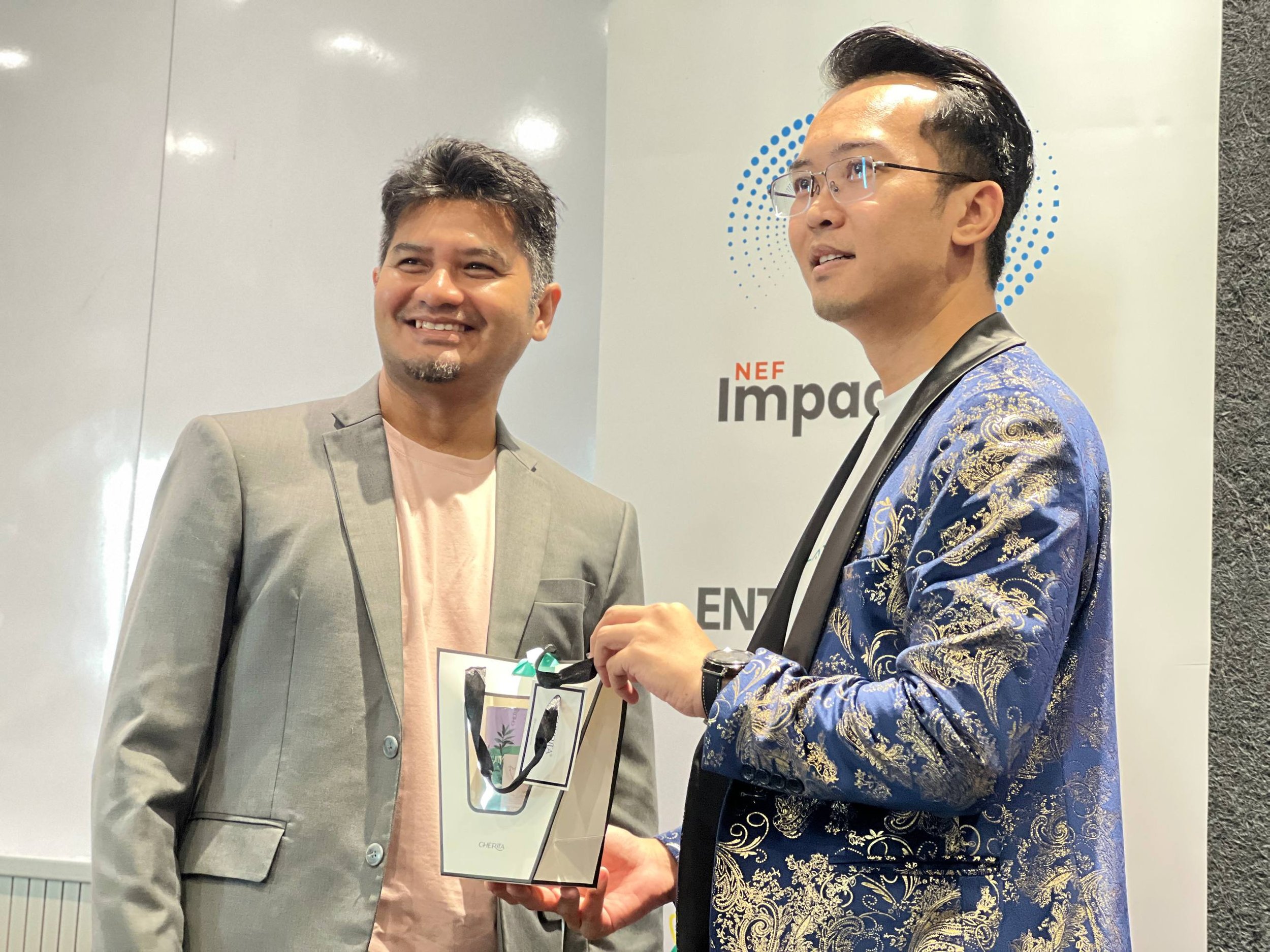
MyNEF CEO, Hamdi Mokhtar