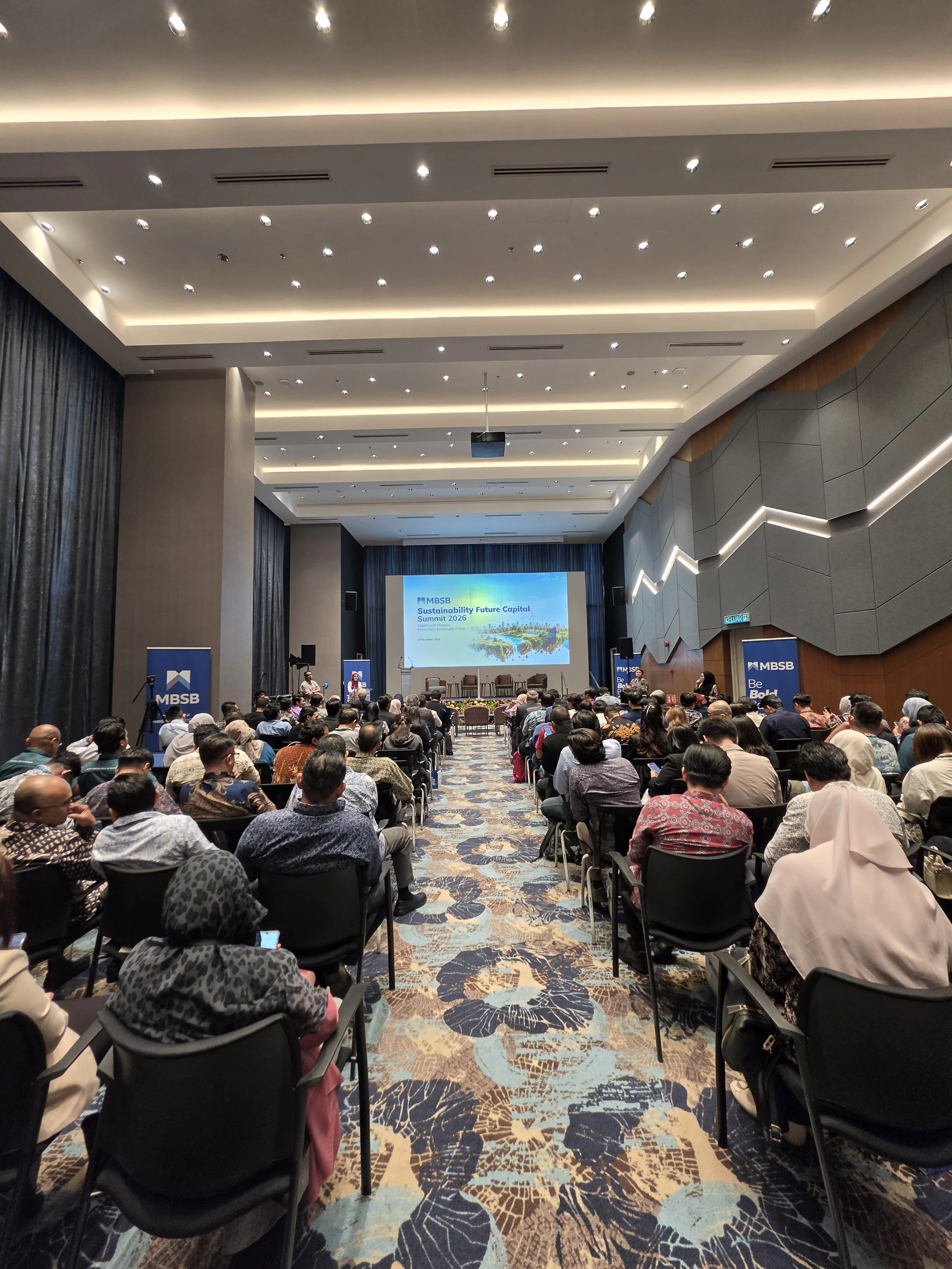
MBSB Sustainability Future Capital Summit 2026
23 November 2026 | Sustainability & Climate Finance
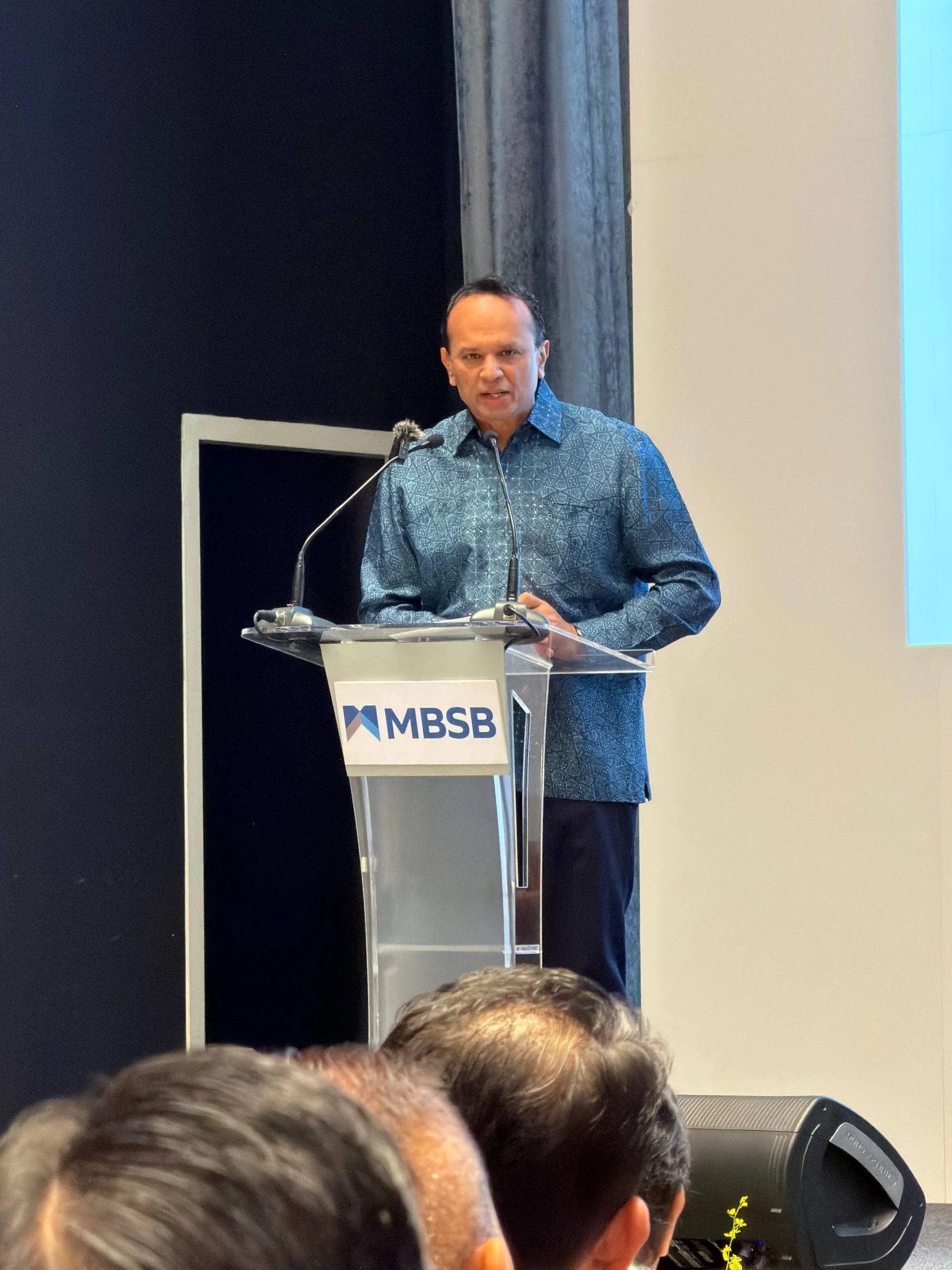
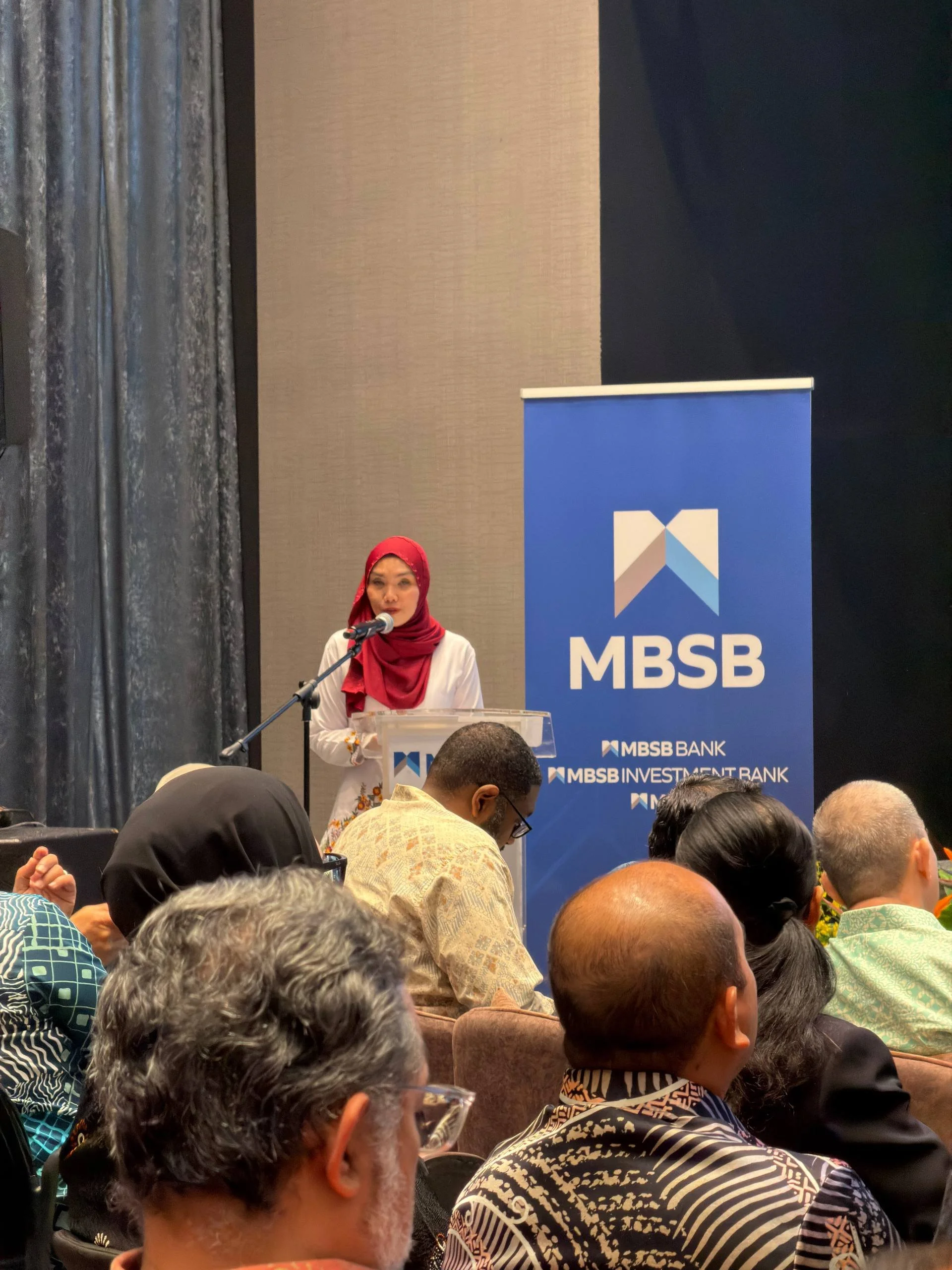
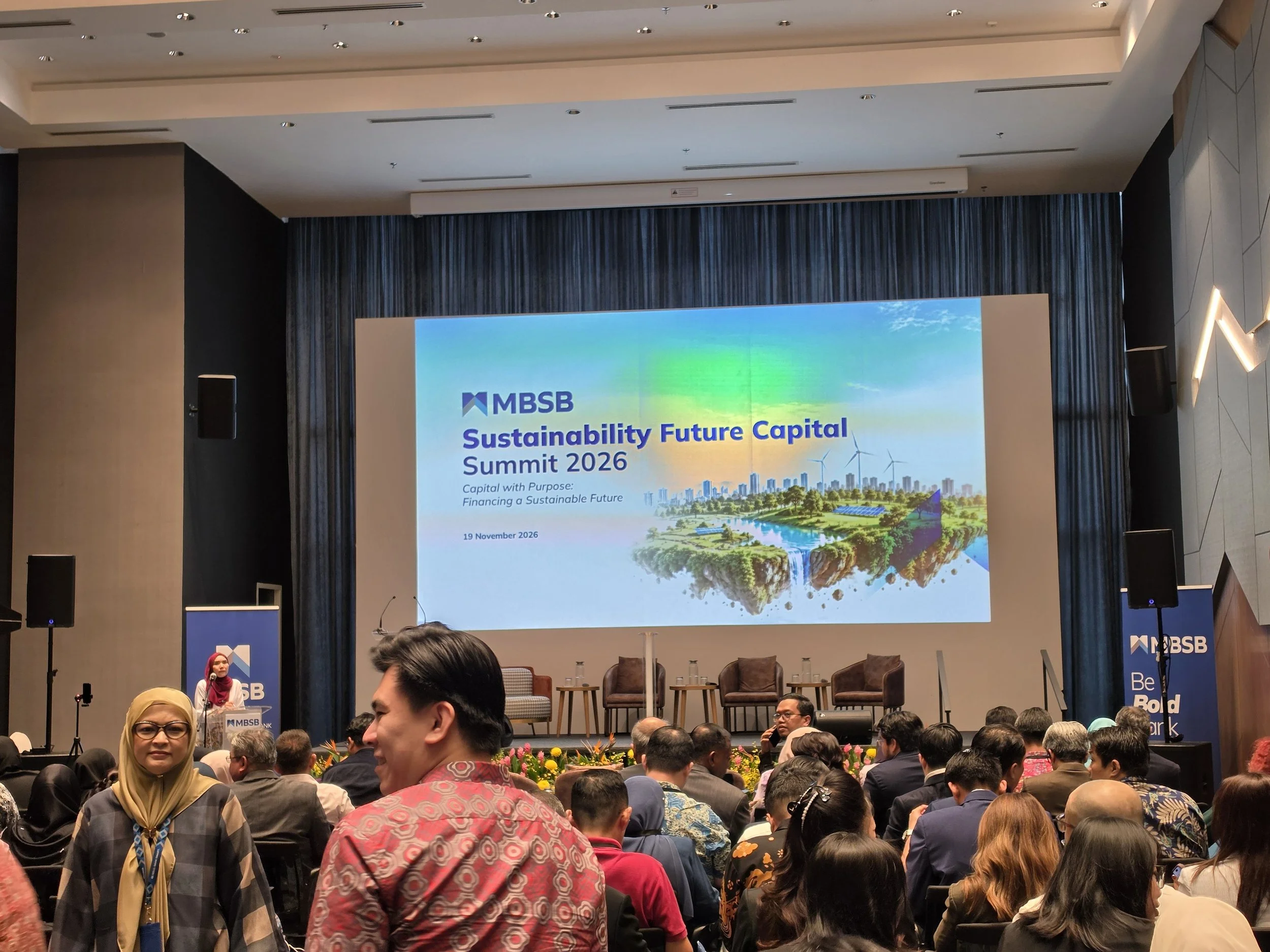
Malaysia's transition towards a more resilient, resource-efficient and low-carbon economy took another step forward at the MBSB Sustainability Future Capital Summit 2026, held on 19 November 2026 at Menara MBSB Bank.
Under the theme “Capital with Purpose: Financing a Sustainable Future,” the summit brought together policymakers, financial institutions and industry leaders to examine how sustainable finance, energy transition and circular economy initiatives can translate national ambitions into measurable economic and environmental outcomes.
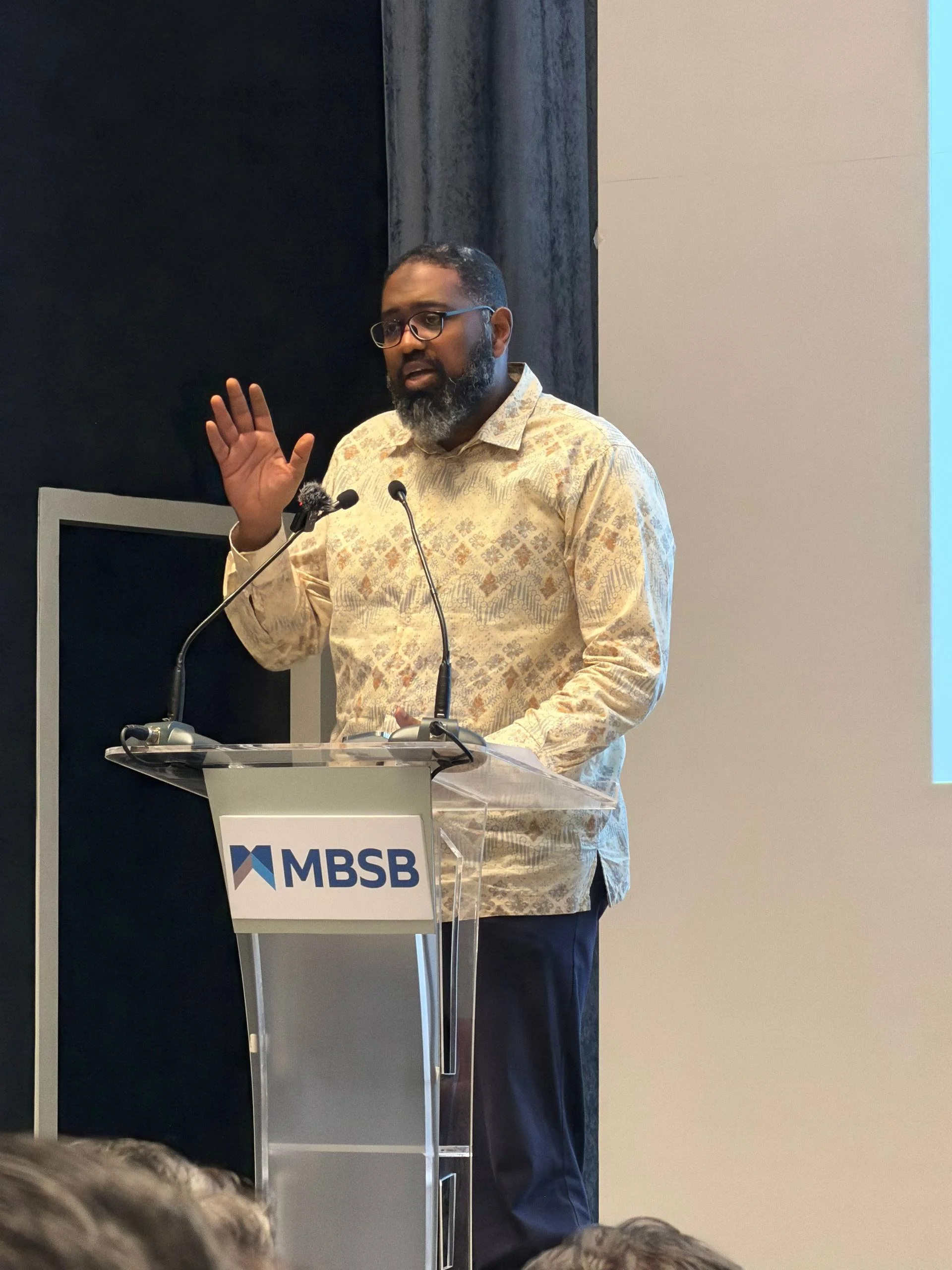
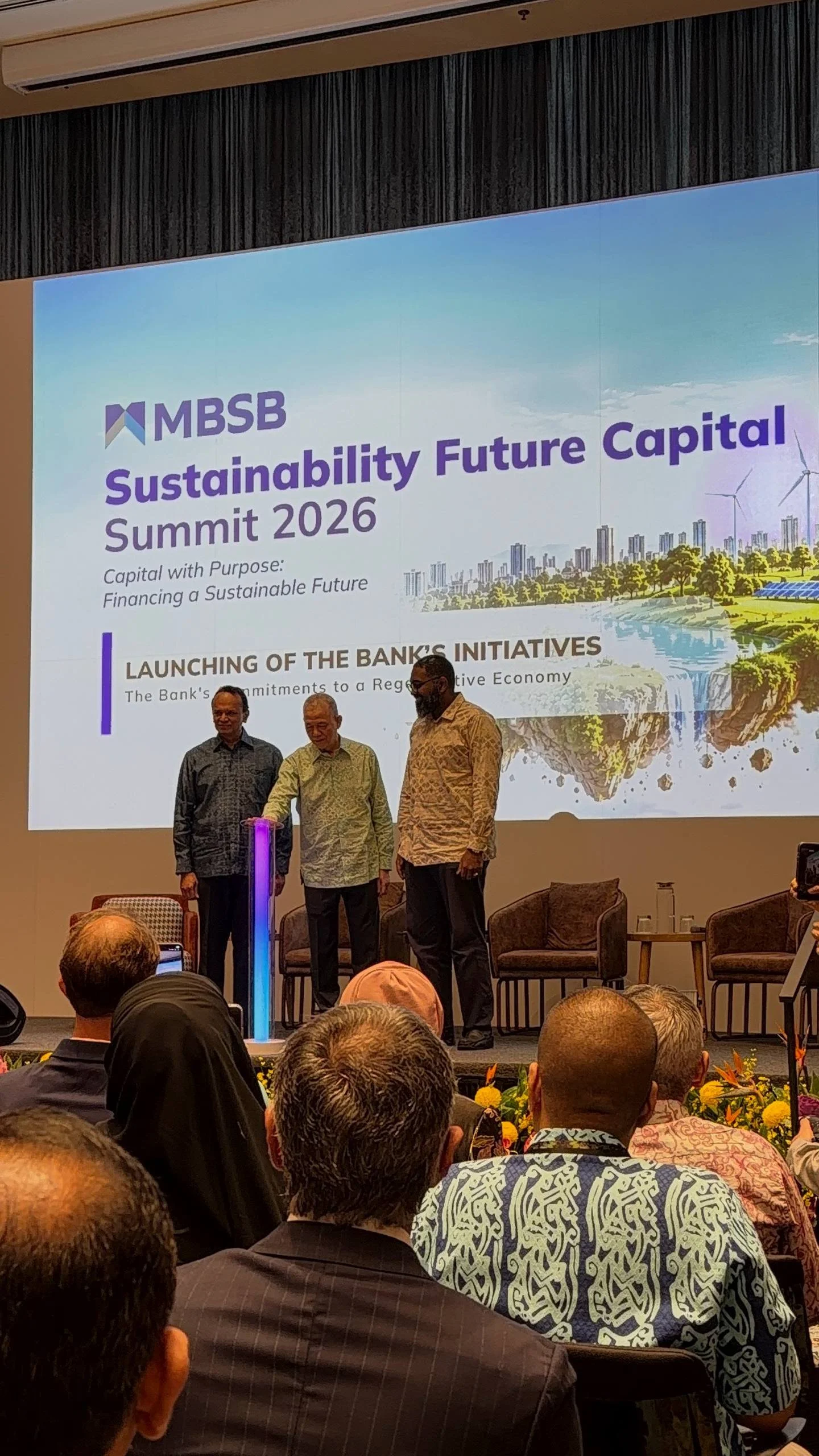
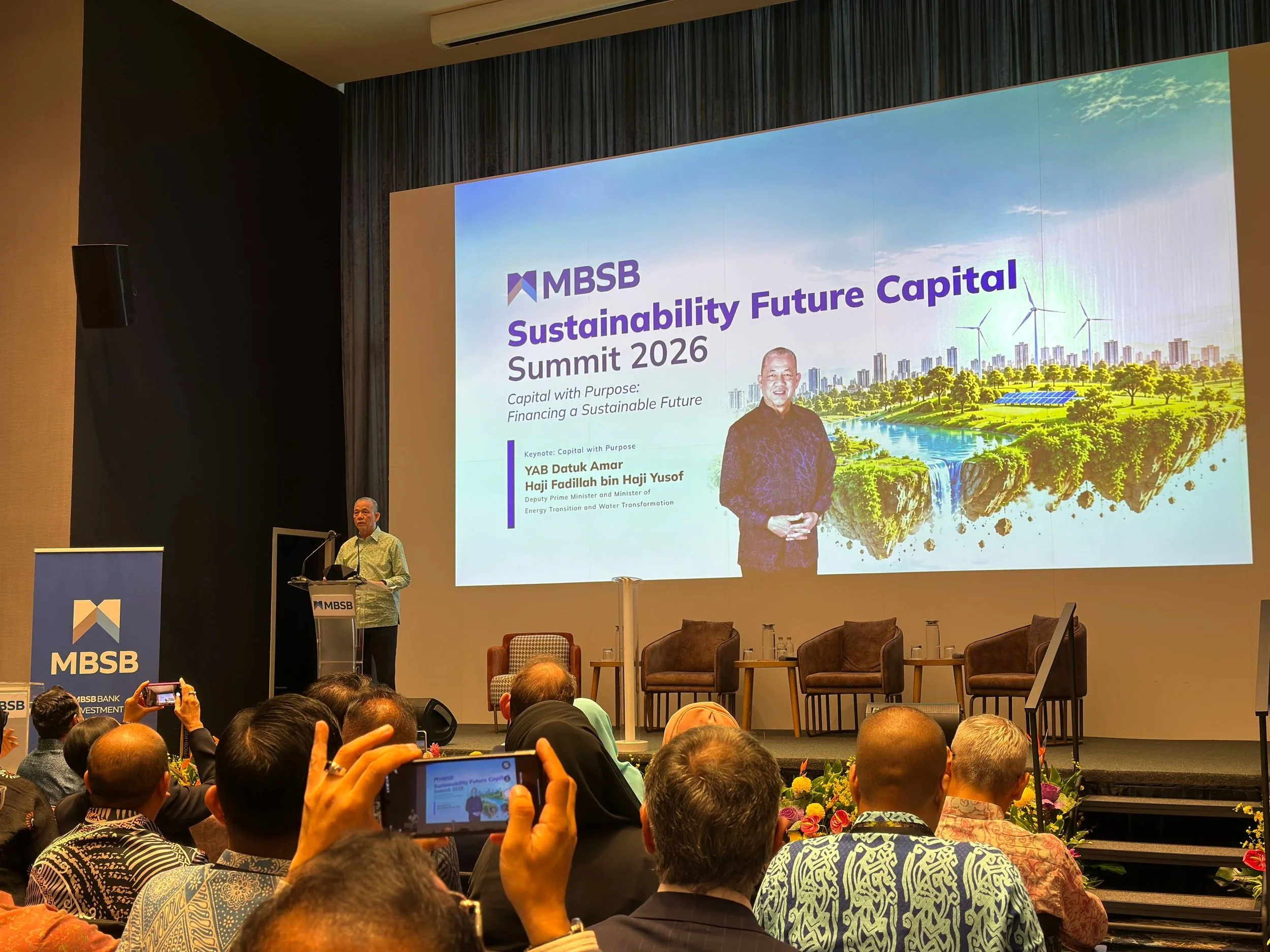
The event featured a keynote address by Deputy Prime Minister and Minister of Energy Transition and Water Transformation, YAB Datuk Amar Haji Fadillah bin Haji Yusof, alongside the launch of three sustainability initiatives by MBSB Bank.
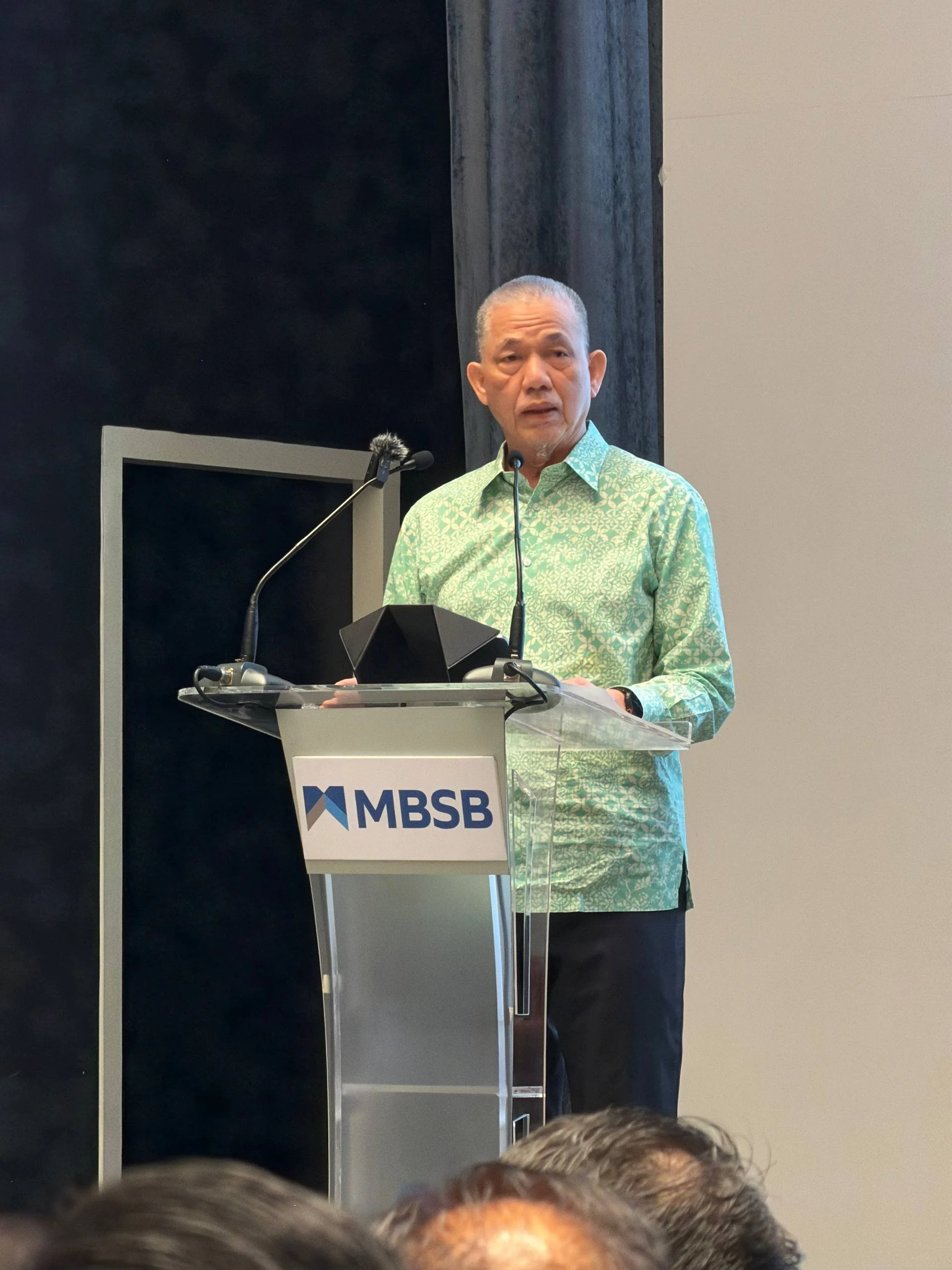
Deputy Prime Minister and Minister of Energy Transition and Water Transformation, YAB Datuk Amar Haji Fadillah bin Haji Yusof
Financing the Transition, Not Just the Outcome
A central message emerging from the summit was the importance of enabling businesses to undertake their sustainability transition, rather than directing capital exclusively towards enterprises that have already achieved strong environmental performance.
In his keynote address, the Deputy Prime Minister emphasised the responsibility of financial institutions to recognise credible transition potential, manage risks responsibly and support businesses throughout their transformation.
The discussion reflected a growing recognition that sustainable finance must extend beyond established green industries to include businesses seeking to improve resource efficiency, reduce emissions and modernise their operations. This approach is particularly relevant to Malaysia's small and medium enterprises (SMEs), which face increasing expectations around environmental performance while managing operational costs and competitiveness.
MBSB Launches RM500 Million Transition Advantage Financing Campaign
Among the summit's major announcements was the launch of MBSB Bank's RM500 million Transition Advantage Financing Campaign, designed to encourage businesses to pursue measurable sustainability improvements. The campaign supports eligible sustainable and transition financing activities, including renewable energy, resource efficiency, decarbonisation, circular economy initiatives, sustainable water and waste management, and pollution control.
A distinguishing feature is its performance-linked incentive mechanism. Eligible customers who achieve their agreed Sustainability Performance Targets (SPTs), subject to verification and campaign conditions, may receive a one-off financing incentive equivalent to 0.1% of the total financing disbursed by the first annual review. The campaign runs from 19 November 2026 until 31 December 2027, or until its RM500 million allocation is fully taken up.
The initiative illustrates how financing institutions can encourage environmental improvements through measurable business performance rather than sustainability commitments alone.
TRACE: Supporting Malaysia's Circular Economy Transition
The summit also introduced TRACE — Transition Readiness Assessment for Circular Economy, an Islamic circular economy advisory platform for businesses.
Developed through collaboration involving MBSB Bank, INCEIF University and RFI Foundation, the initiative seeks to help businesses understand circular economy opportunities, improve resource utilisation and identify pathways towards more sustainable operations. Circular economy approaches encourage businesses to retain the value of materials and resources through more efficient sourcing, reuse, recovery, recycling and the development of new commercial applications for by-products.
For Malaysian enterprises, these approaches can potentially reduce material costs, strengthen supply chain resilience and create new revenue opportunities. By connecting sustainability advisory with financing solutions, initiatives such as TRACE could help businesses move from identifying environmental challenges towards implementing commercially viable improvements.
Connecting Nature-Based Solutions with Sustainable Finance
A third initiative launched at the summit was the Nature-Based Decarbonisation Partnership between MBSB Bank, Wild Asia and HyveGeo. The partnership brings together Islamic finance, ecological expertise and carbon market connectivity to explore opportunities for nature-based decarbonisation. Nature-based solutions, including ecosystem conservation, restoration and sustainable land management, can contribute to climate mitigation while delivering wider environmental and socioeconomic benefits.
However, successful implementation depends on credible methodologies, appropriate safeguards, measurable outcomes and long-term project governance. The growing interest of financial institutions in nature-based solutions reflects increasing recognition that natural ecosystems form part of the infrastructure supporting climate resilience and sustainable economic development.
Malaysia's Energy Transition and Investment Priorities
During his keynote, the Deputy Prime Minister reiterated Malaysia's commitment under the National Energy Transition Roadmap to achieving 70% renewable energy installed capacity by 2050.
He also highlighted approximately RM17 billion in investment and financing initiatives under Budget 2027, including RM15 billion for strengthening the national electricity grid, RM1 billion for energy storage and hybrid projects, and RM1 billion through KWAP's Dana Iklim⁺ for climate-focused investments. These commitments reflect the scale of investment required to strengthen Malaysia's energy infrastructure, industrial competitiveness and long-term resilience.
Beyond renewable energy, the Deputy Prime Minister highlighted the economic potential of resource recovery and biomass utilisation.
Malaysia generates almost 39,000 tonnes of waste daily and an estimated 60 million tonnes of biomass annually, according to figures cited during the summit. With appropriate technologies, investment and industry partnerships, these resources present opportunities for renewable products, carbon removal, industrial applications and the development of new value chains.
The broader challenge is therefore not simply the availability of resources, but the ability to mobilise capital and translate those resources into sustainable economic activity.
Future Capital: Building Resilience Through Industry Transformation
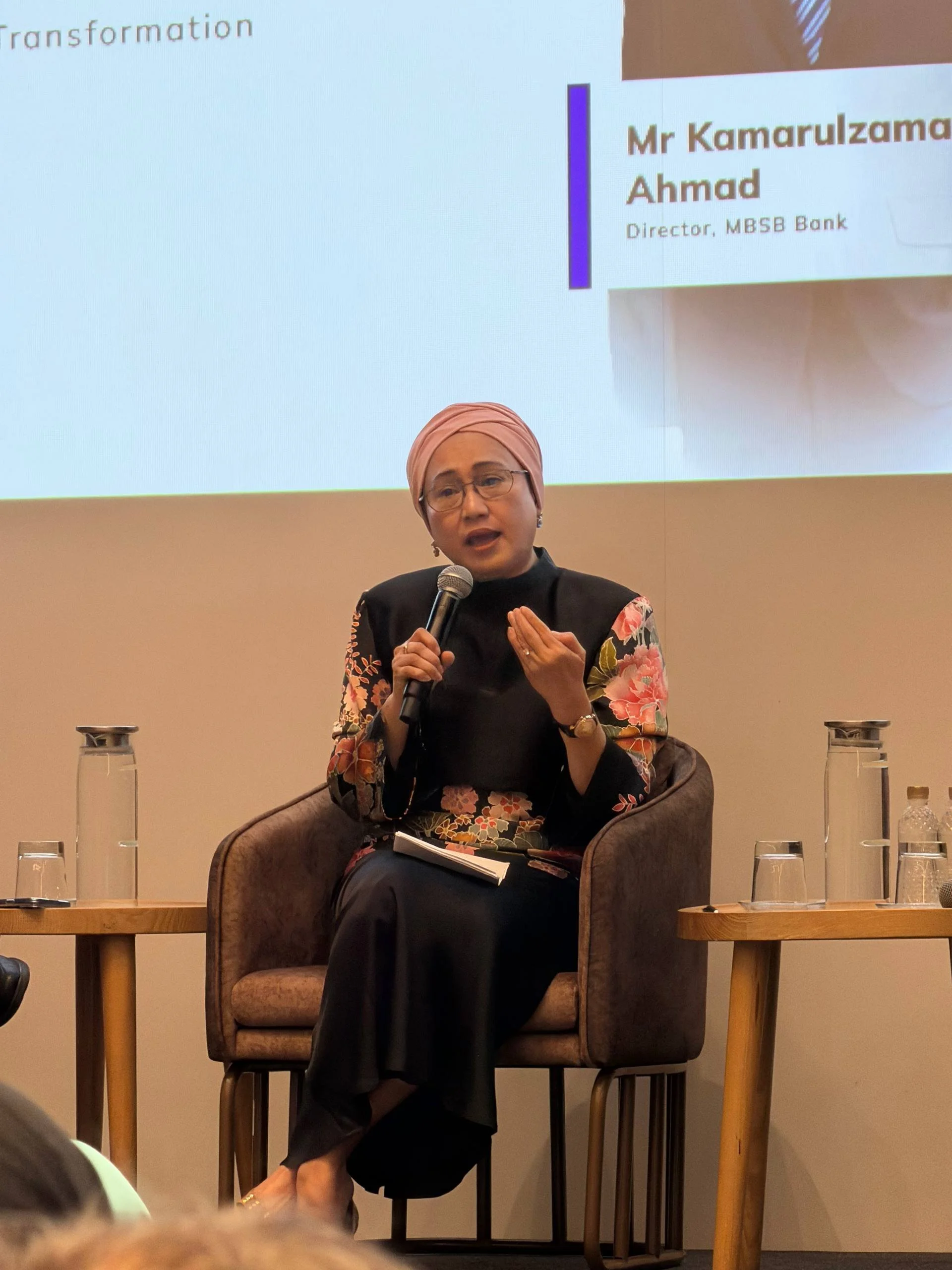
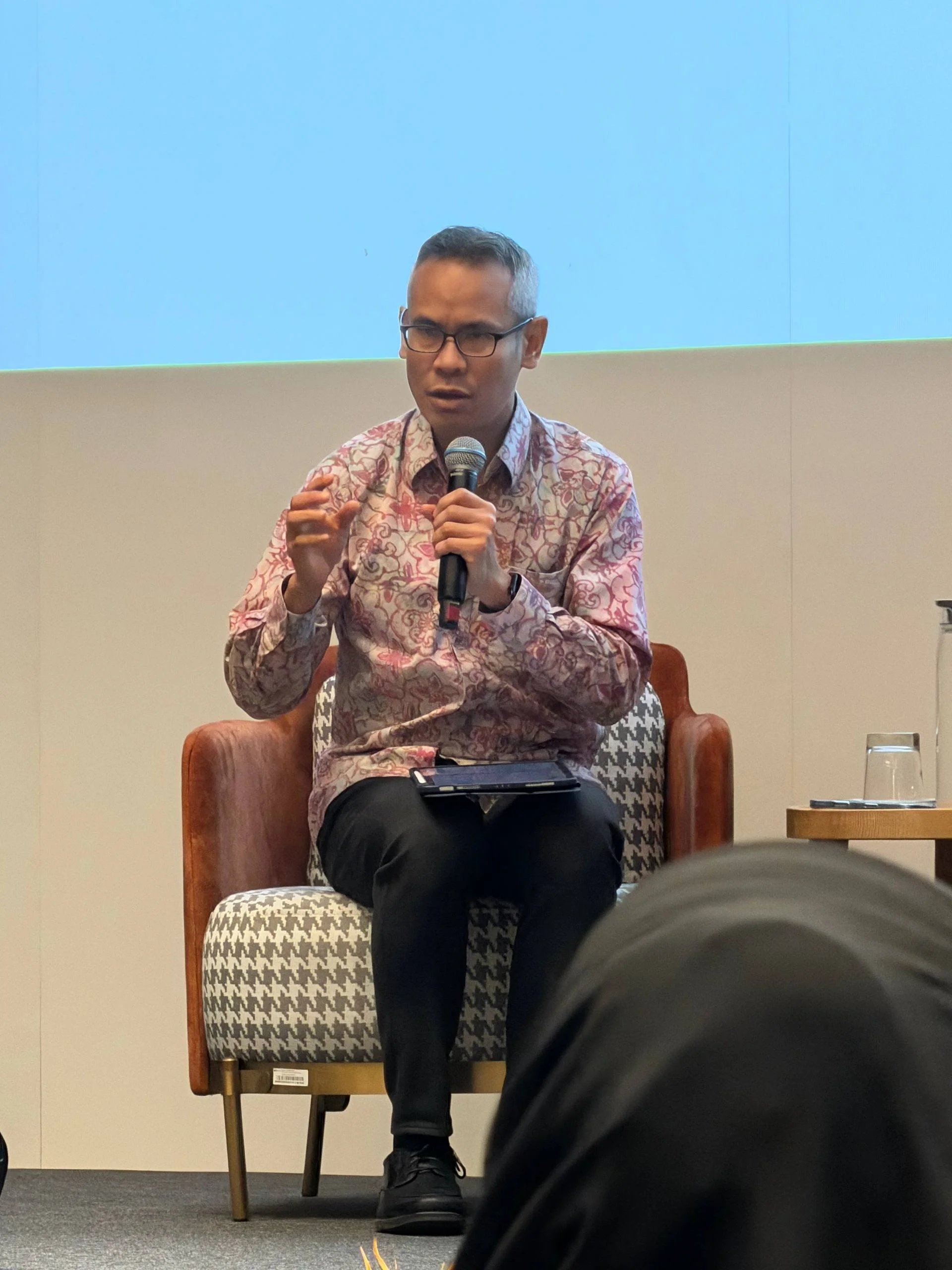
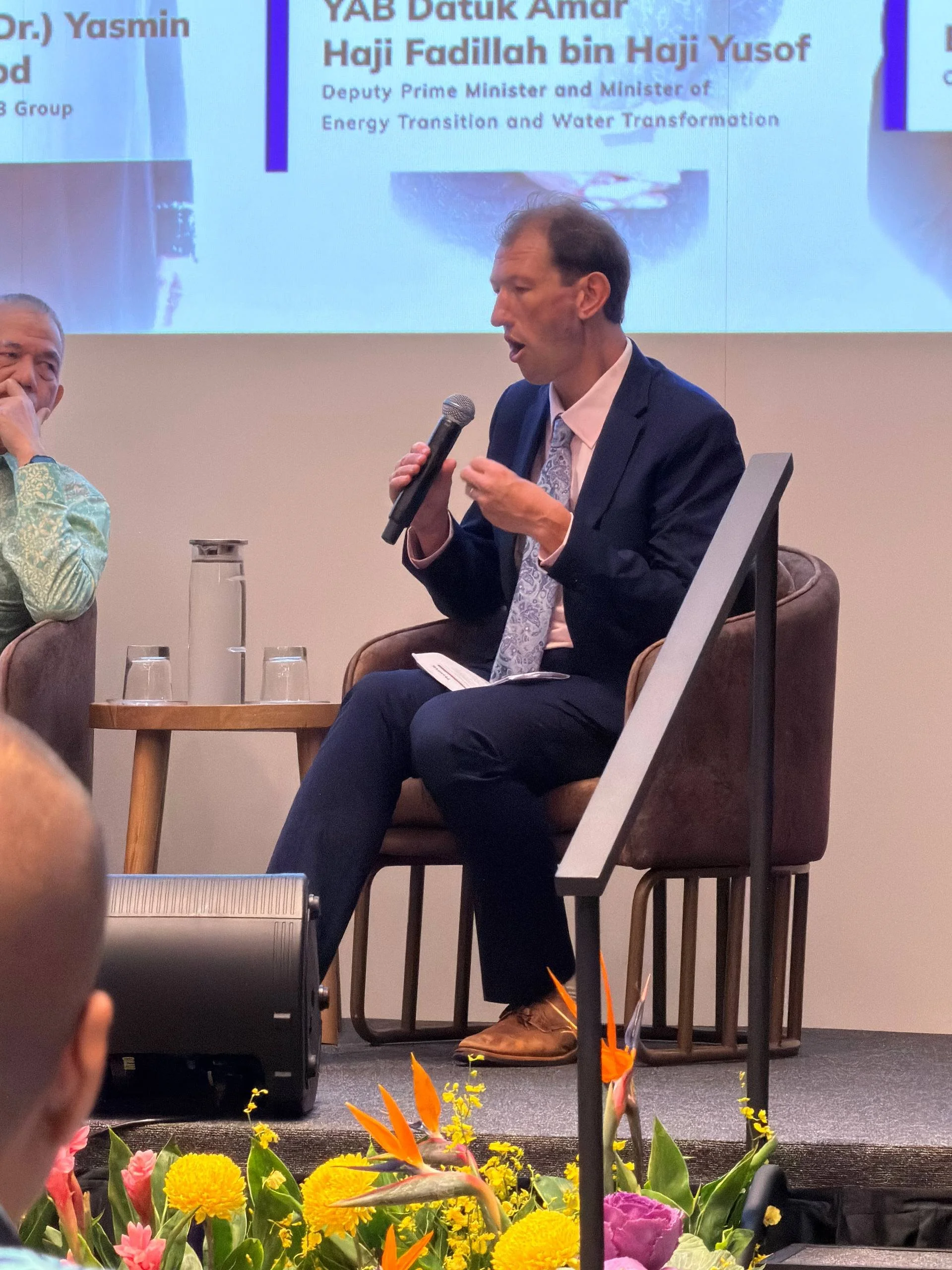
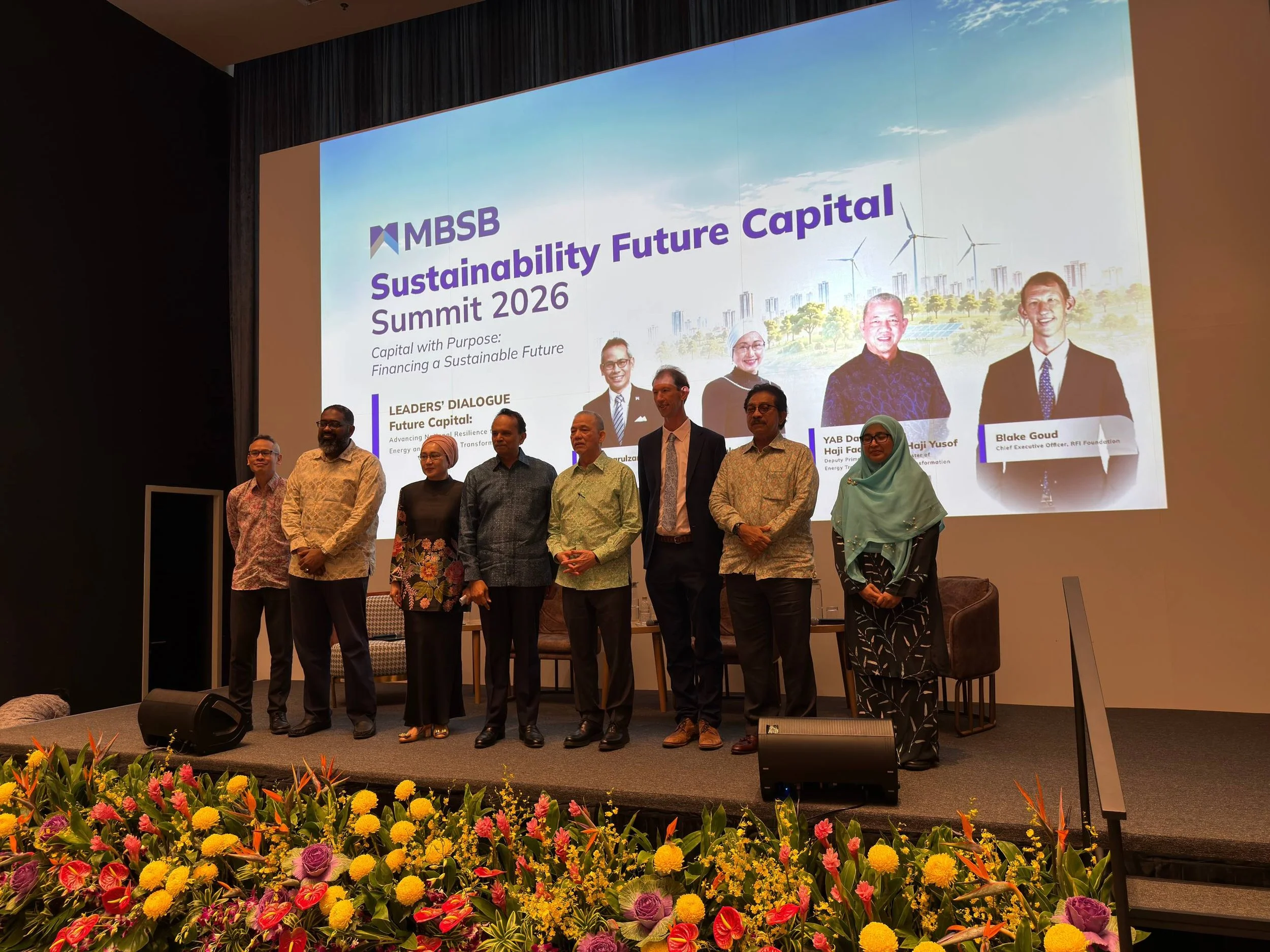
The summit's Leaders' Dialogue, titled “Future Capital: Advancing National Resilience through Energy and Industrial Transformation,” brought together the Deputy Prime Minister, MBSB Group Director Datuk (Dr.) Yasmin Mahmood, and RFI Foundation Chief Executive Officer Blake Goud.
Moderated by MBSB Bank Director Kamarulzaman bin Ahmad, the discussion examined the relationship between policy certainty, investment confidence, technology, circular economy adoption and economic resilience. A recurring theme was the need for businesses to understand vulnerabilities across their operations and supply chains. Technology and improved access to data can support more informed decisions, particularly among smaller enterprises that may previously have lacked access to specialised sustainability advisory services.
The dialogue also reinforced the importance of implementation. Financing commitments, regulatory frameworks and sustainability strategies must ultimately translate into completed projects, improved operational efficiency, measurable emissions reductions and lasting benefits for communities.
From Climate Commitments to Implementation
The summit took place against the backdrop of international climate discussions at COP31, where climate finance, resilience and the implementation of national commitments remain important priorities. For Malaysia, the connection between international climate ambitions and domestic investment mechanisms is increasingly significant.
Sustainable finance must support the infrastructure, technologies, enterprises and environmental programmes capable of delivering measurable outcomes. This includes renewable energy, circular economy systems, resource recovery, environmental monitoring, ecosystem restoration and nature-based solutions. The effectiveness of these initiatives will depend on coordination between government, financial institutions, industry and communities.
Planters International's Perspective
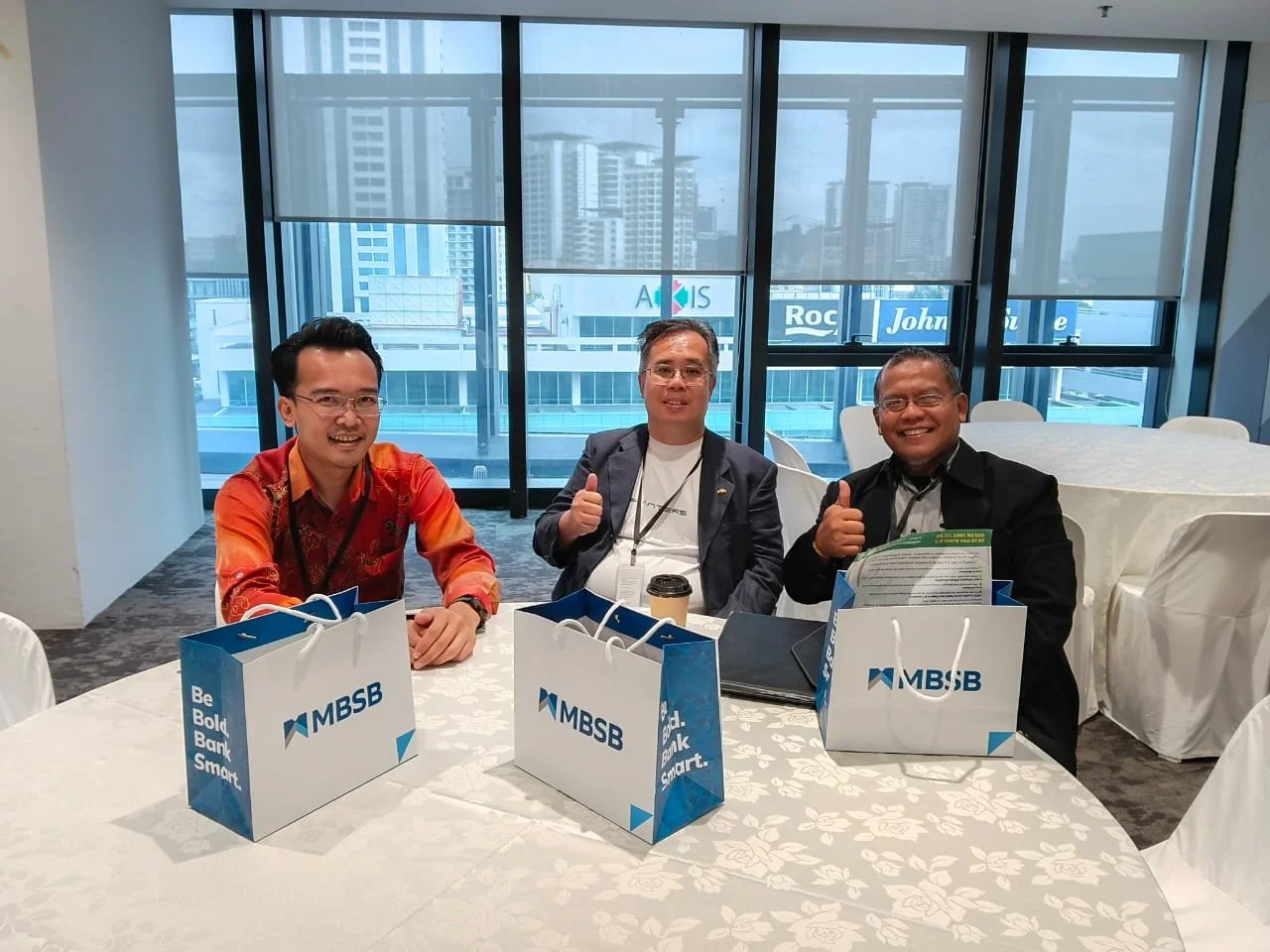
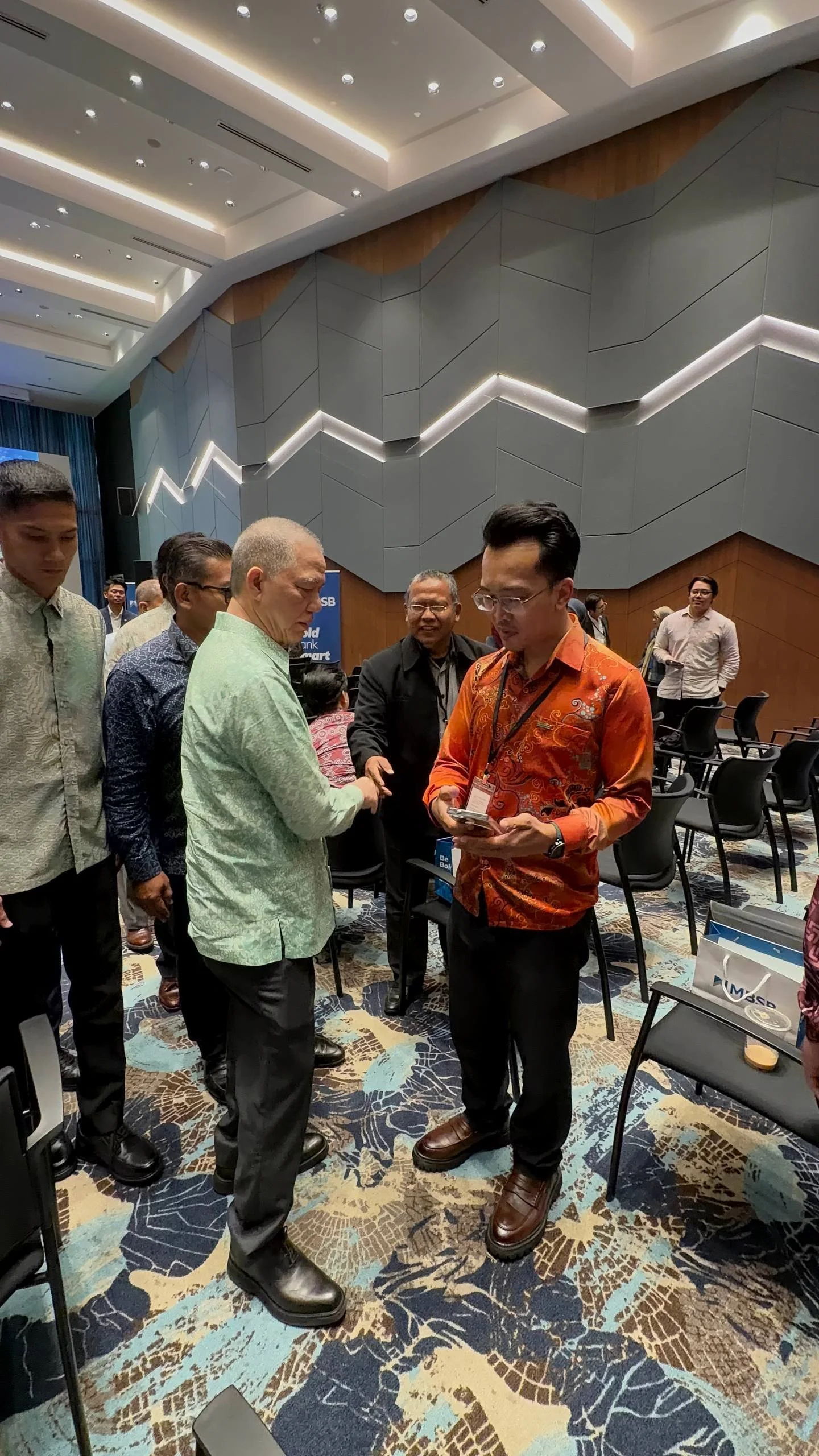
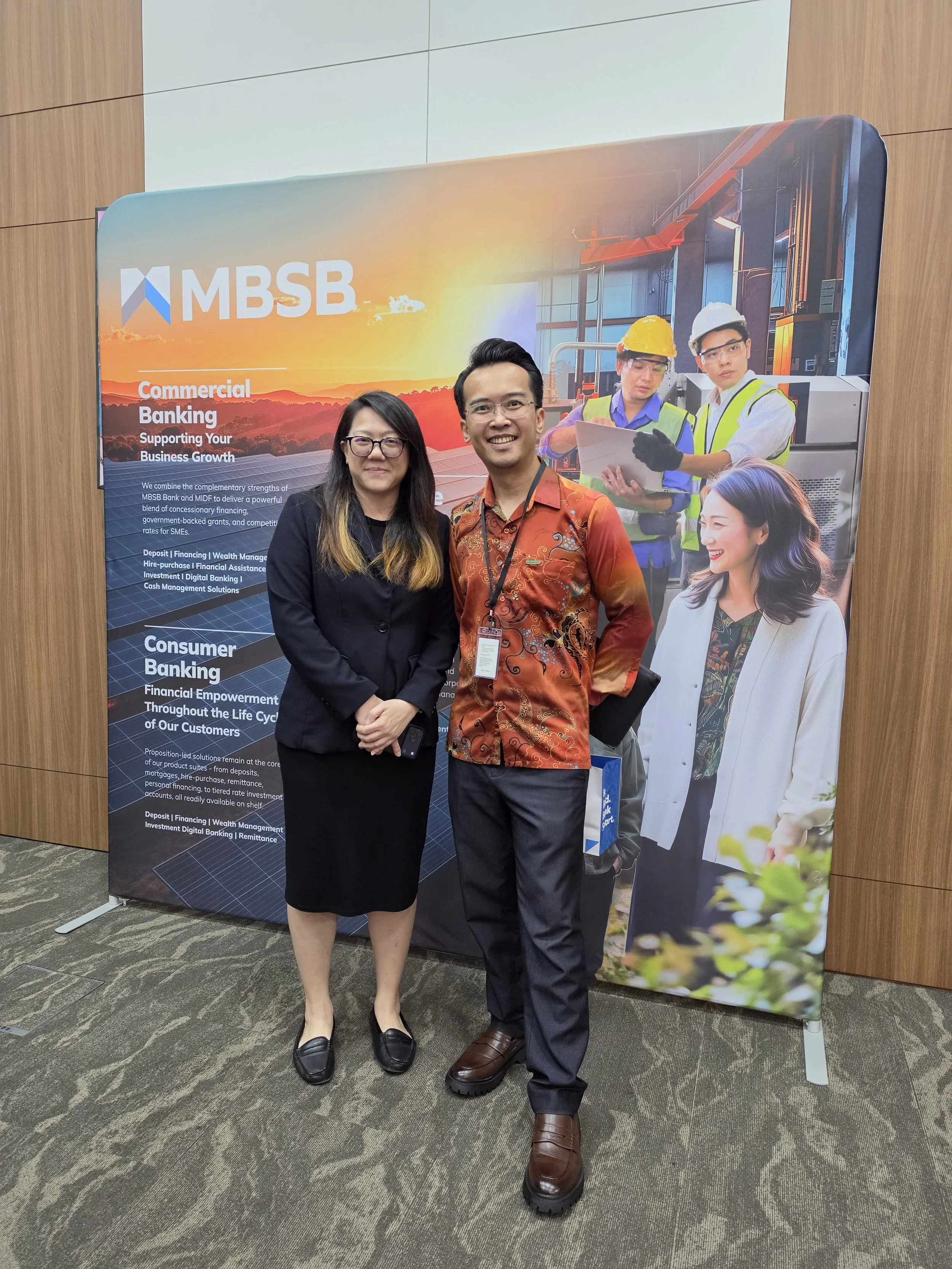
Representatives of Planters International Berhad attended the summit as part of the company's continuing engagement with developments in sustainable finance, environmental infrastructure and nature-based solutions.
Through initiatives including the Coastal Oasis: Sungai Klang & Coastal Isles Eco-Restoration and Biodiversity Innovation Program, Planters is advancing an integrated approach to ecosystem restoration, environmental monitoring, waste interception, resource recovery and biodiversity management. These activities are supported by the company's Active Forest Asset Management (AFAM) capabilities, incorporating geospatial technologies, field inventories, environmental sensing and monitoring methodologies.
The discussions at the summit reinforced the importance of connecting practical environmental implementation with credible financing structures, measurable performance and long-term economic value.
As Malaysia continues to develop its sustainable finance ecosystem, collaboration between financial institutions, policymakers and project implementers will remain essential. Ultimately, the significance of sustainable capital lies not only in the amount mobilised, but in the lasting environmental, economic and societal outcomes it helps deliver.
Planters International Berhad attended the MBSB Sustainability Future Capital Summit 2026 on 19 November 2026. This article provides an independent account of selected summit announcements and discussions. References to MBSB initiatives do not imply a financing arrangement, endorsement or formal partnership with Planters International Berhad.