JC3 Journey to Zero 2026: From Climate Ambition to Investable Nature and Resilience
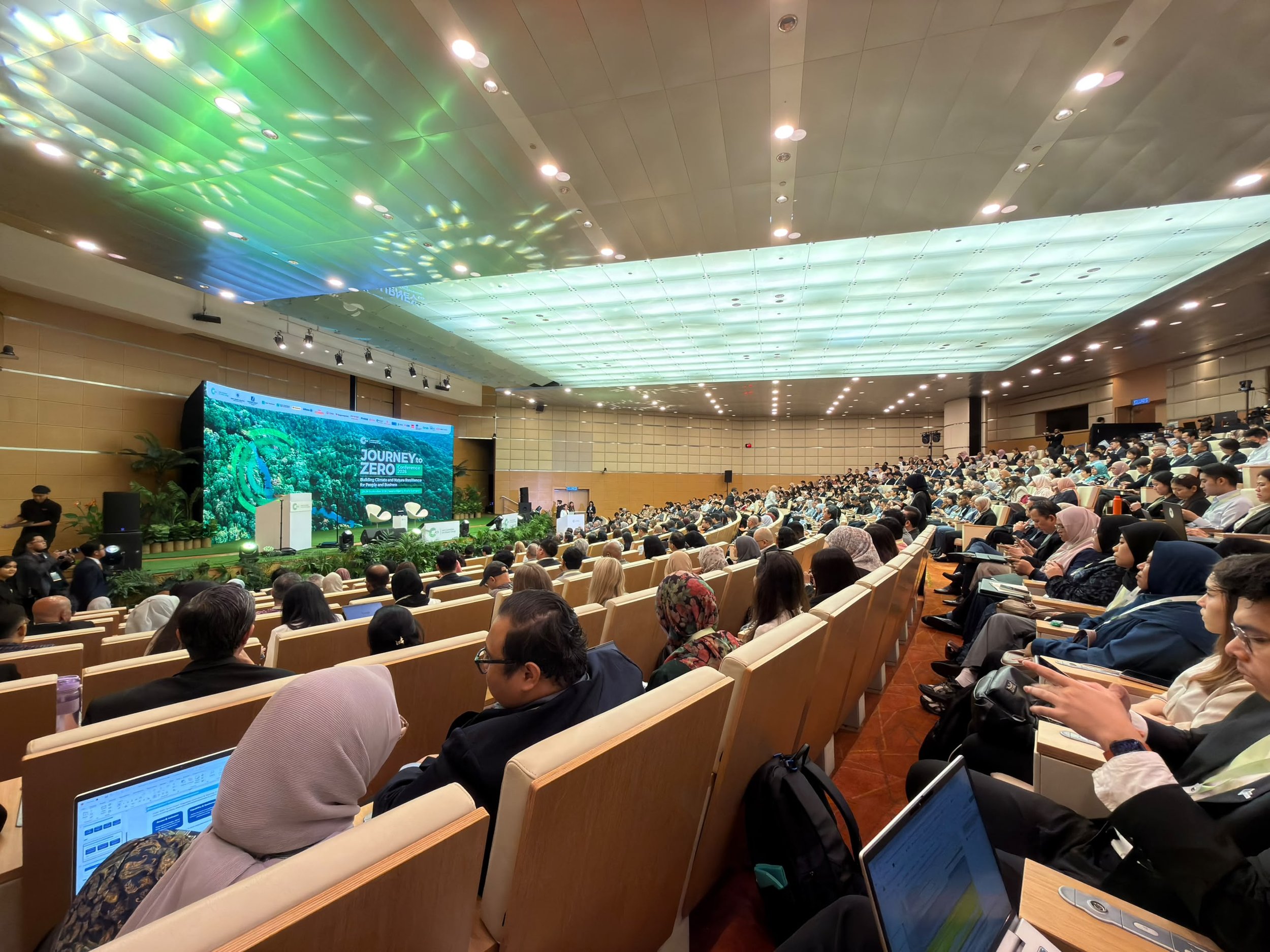
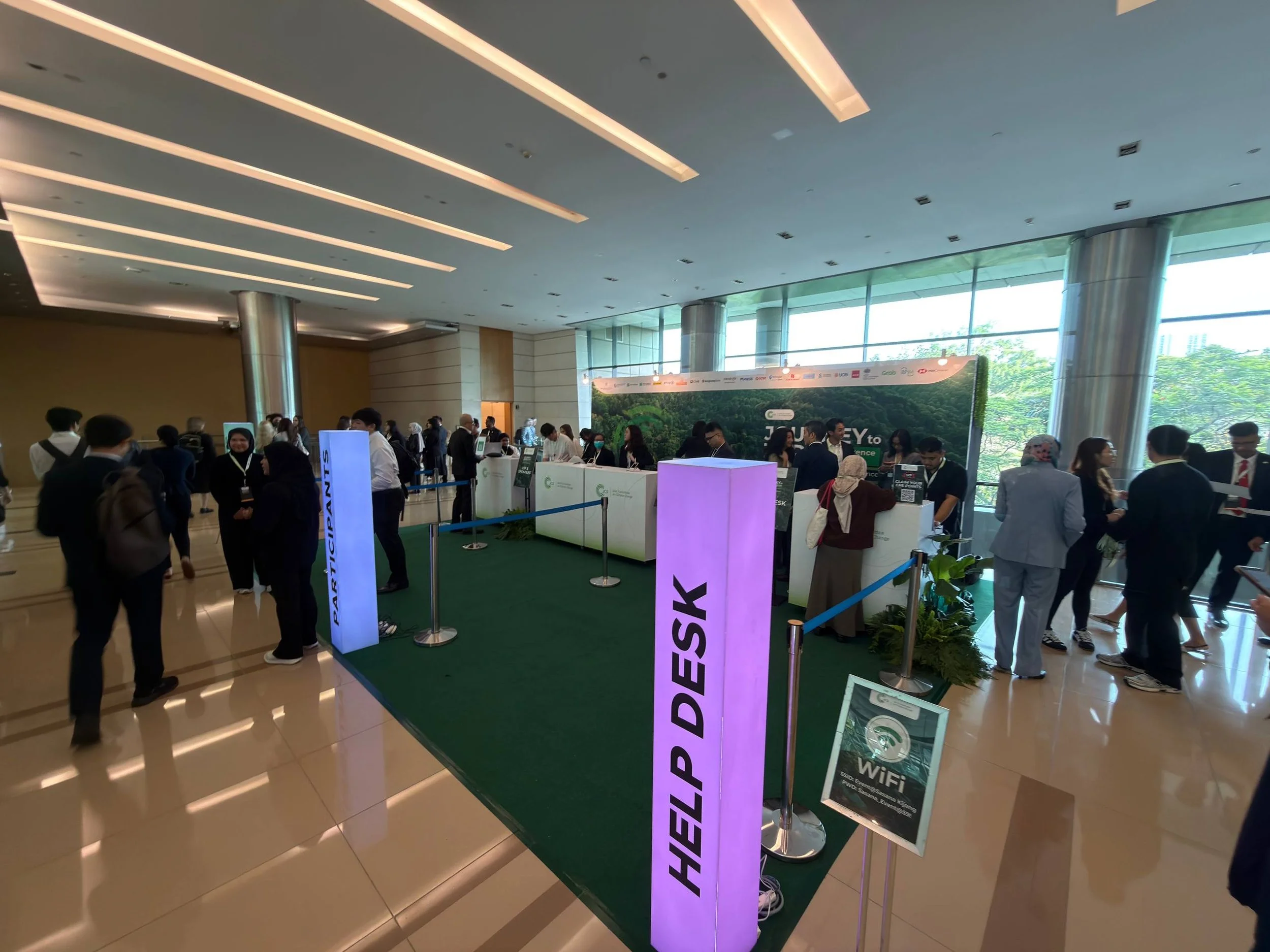
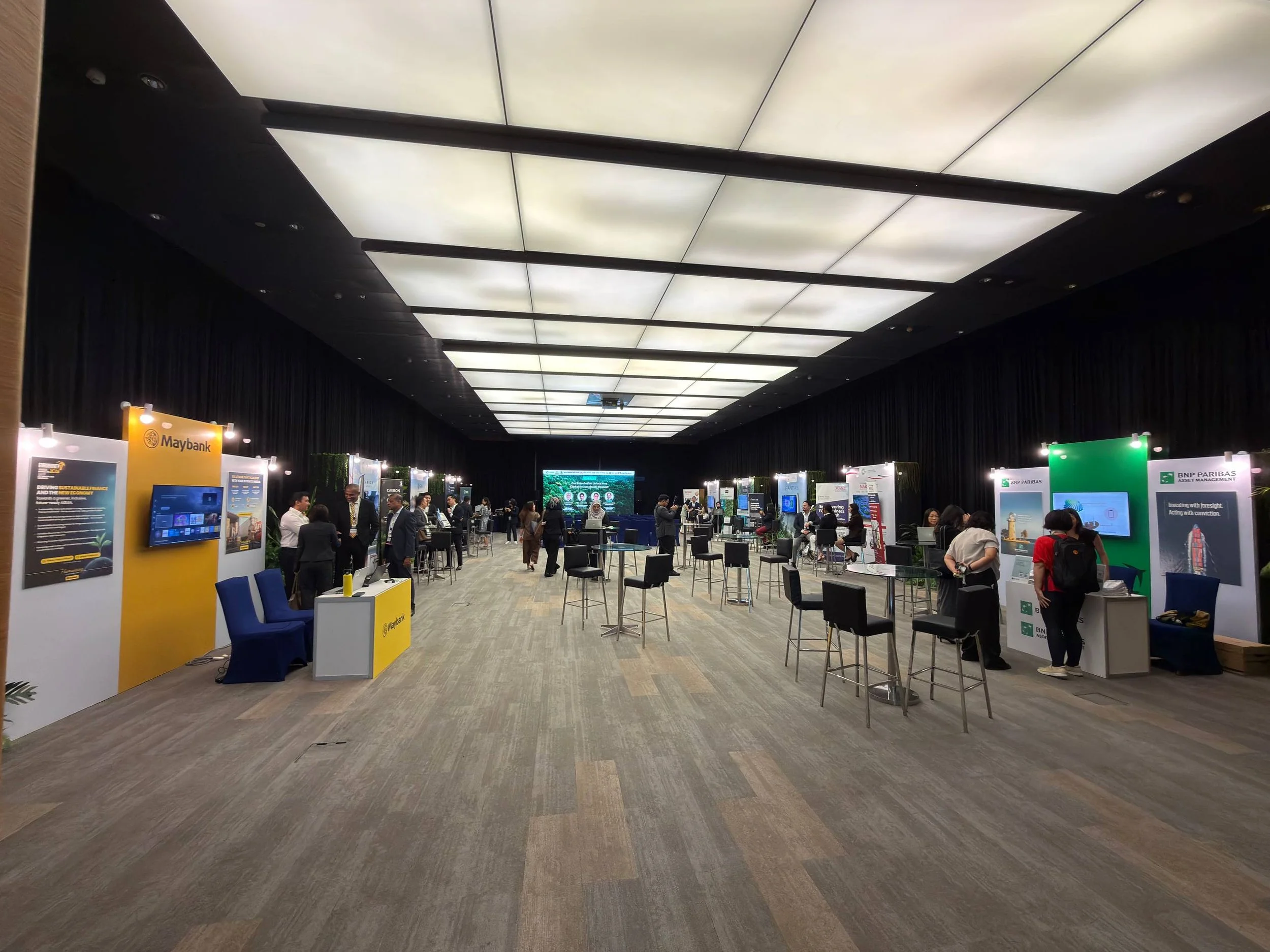
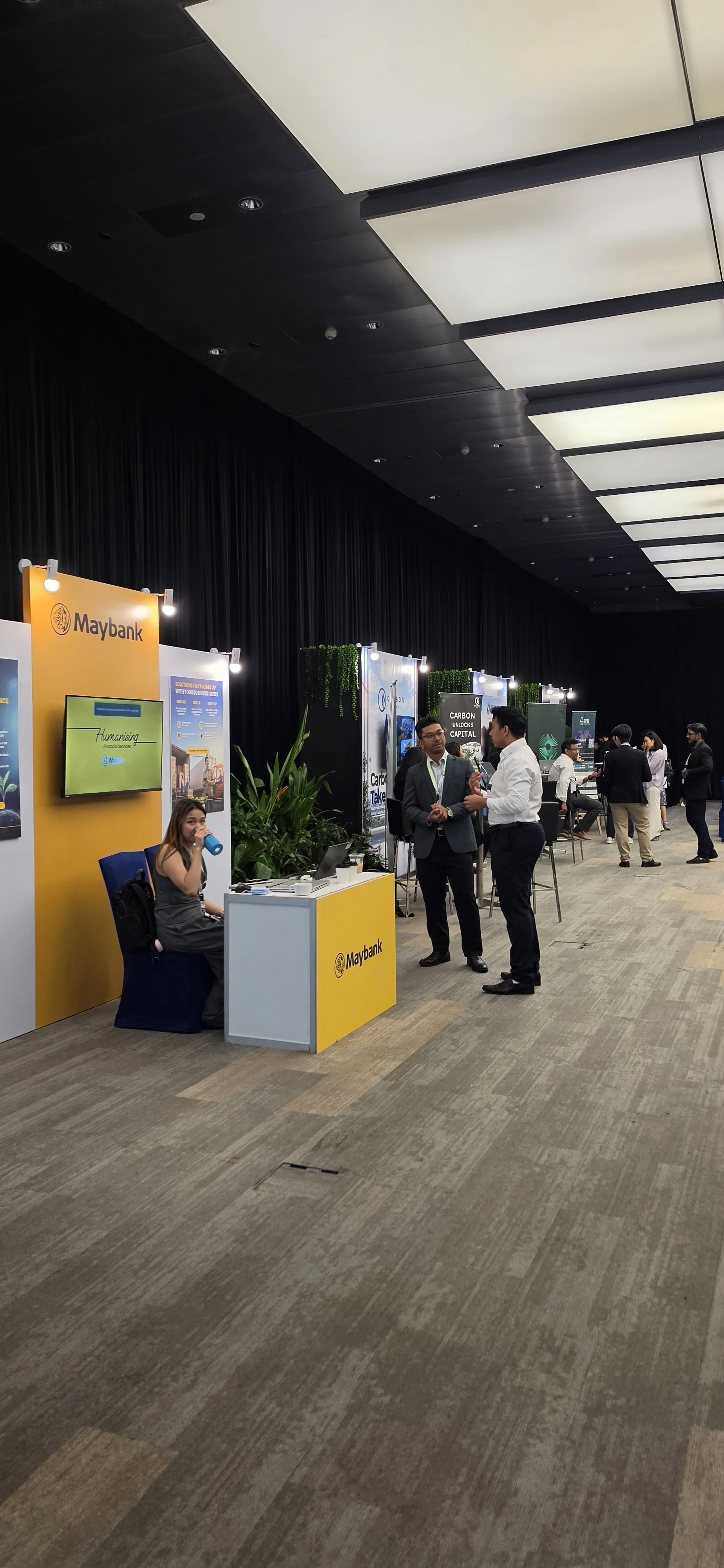
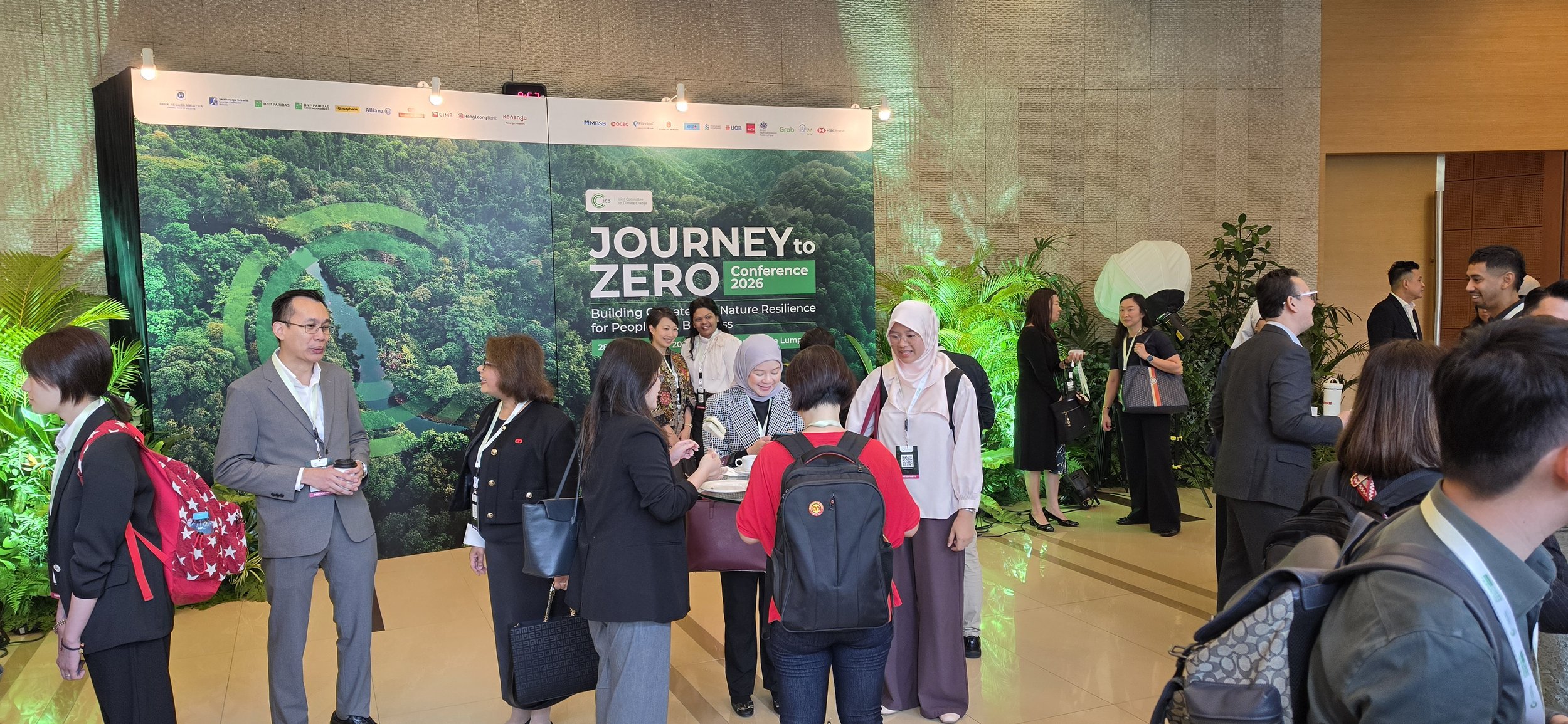
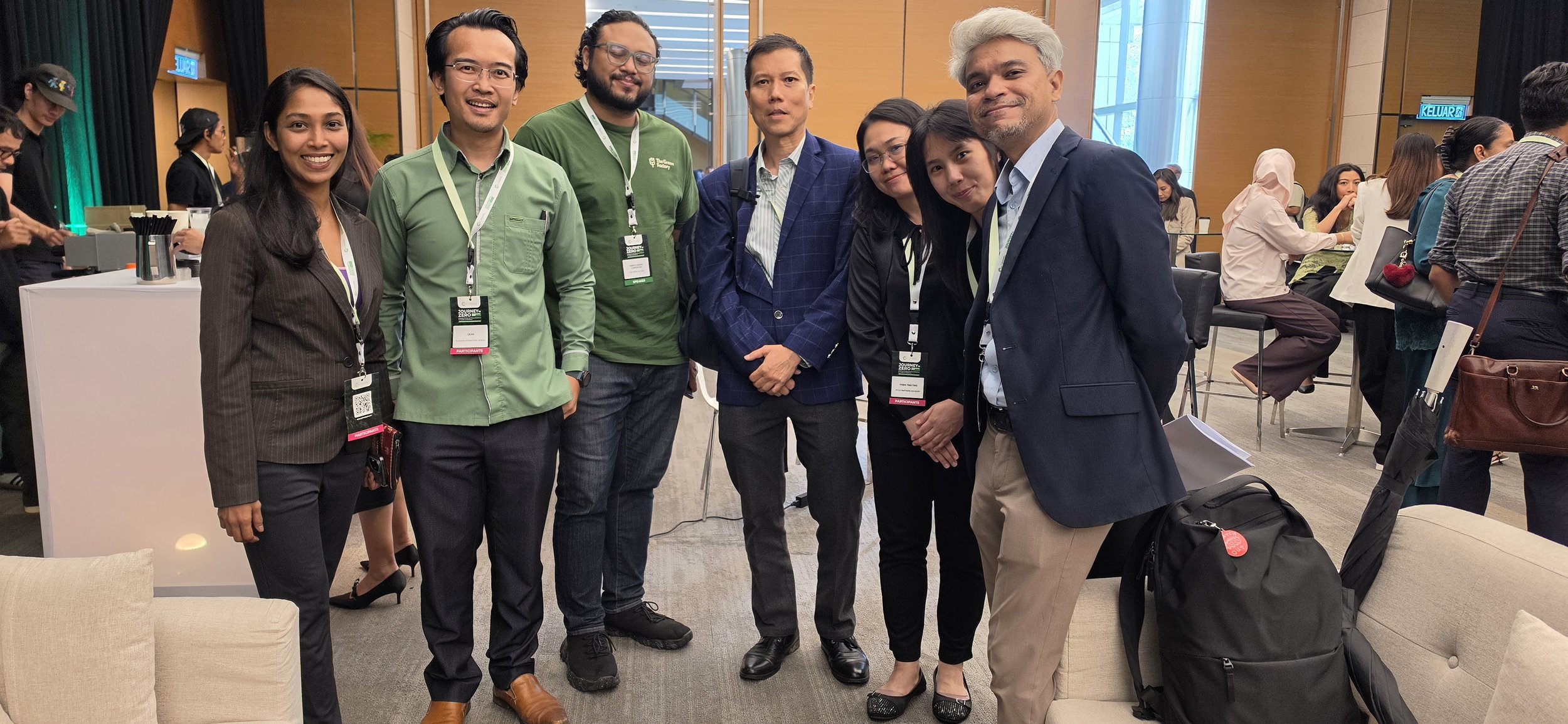
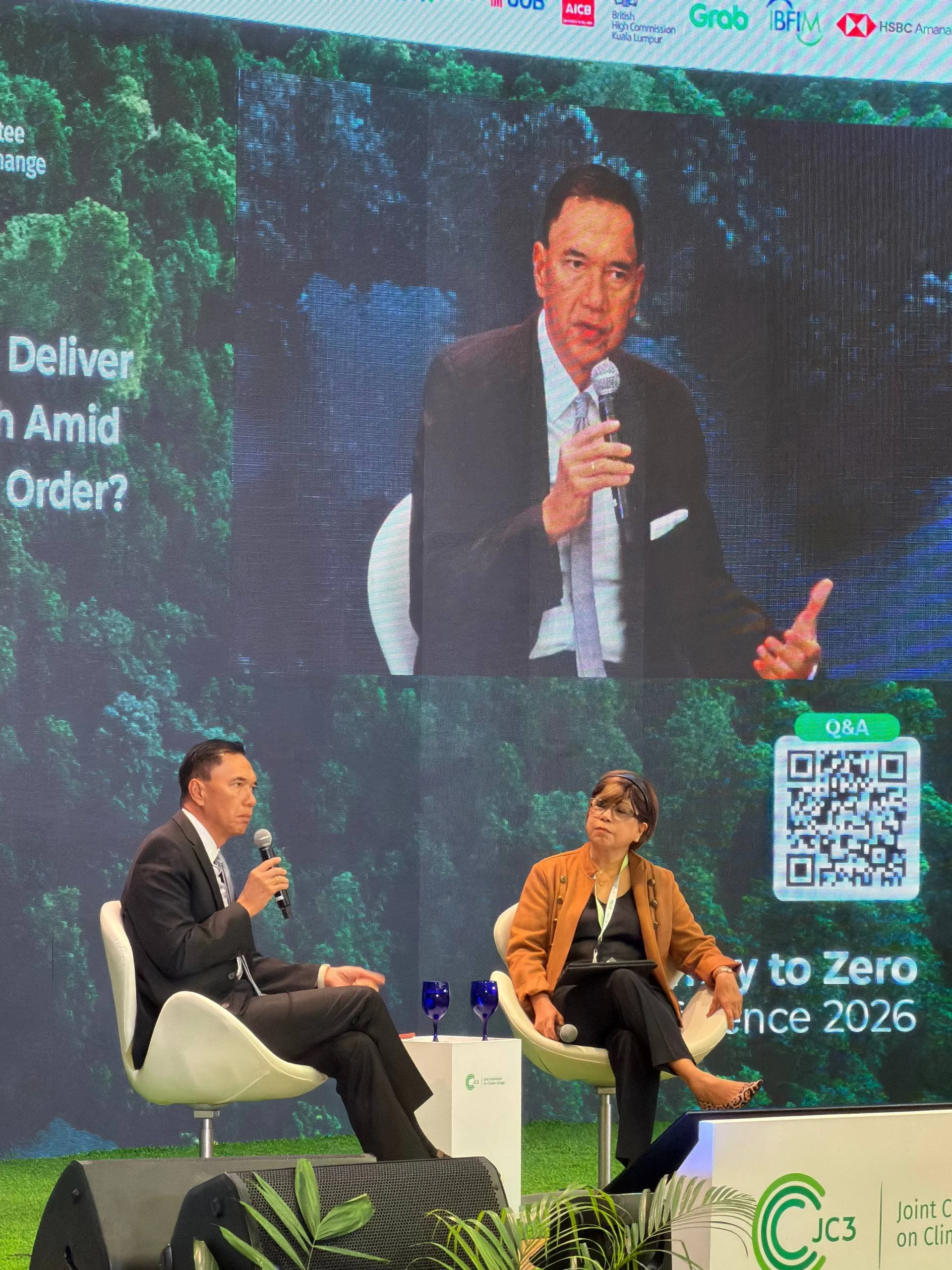
Planters International Berhad joined the JC3 Journey to Zero Conference 2026 at Sasana Kijang, Kuala Lumpur, where discussions on climate finance, energy transition, adaptation, nature resilience and capital markets converged around one increasingly important challenge: moving from ambition to measurable delivery.

Joint Committee of Climate Change Journey to Zero Conference 2026
Held on 28–29 September 2026, the JC3 Journey to Zero Conference 2026 is themed “Building Climate and Nature Resilience for People and Business.” The conference brings together policymakers, financial institutions, investors, businesses, project developers and sustainability practitioners to explore practical pathways for mobilising capital, scaling bankable solutions and strengthening resilience across the real economy.
For Planters, participating on 28 September was particularly relevant to our work through the Coastal Oasis: Sungai Klang & Coastal Isles Eco-Restoration and Biodiversity Innovation Program, which is already part of the climate-finance ecosystem through the JC3 Climate Finance Innovation Lab (CFIL).
Across discussions on climate risk, energy, biomass, sustainable finance, capital markets, adaptation and the future green workforce, a common theme emerged.
The next stage of climate and nature action is not simply about setting more targets. It is about execution, investability and measurable outcomes.
Climate Resilience Is Becoming an Investment Question
The opening of JC3 Journey to Zero 2026 established the relationship between climate resilience and investment.

Dato’ Mohammad Faiz Azmi, Executive Chairman of the Securities Commission Malaysia
In his keynote address, Dato’ Mohammad Faiz Azmi, Executive Chairman of the Securities Commission Malaysia, highlighted the growing importance of credible climate data in demonstrating Malaysia’s resilience to international investors.
As physical climate risks increasingly influence investment decisions, countries and businesses need to be able to understand, measure and communicate those risks.
The question is therefore no longer only whether climate risks exist. Investors increasingly need reliable information to assess exposure, resilience and the implications for long-term capital allocation.
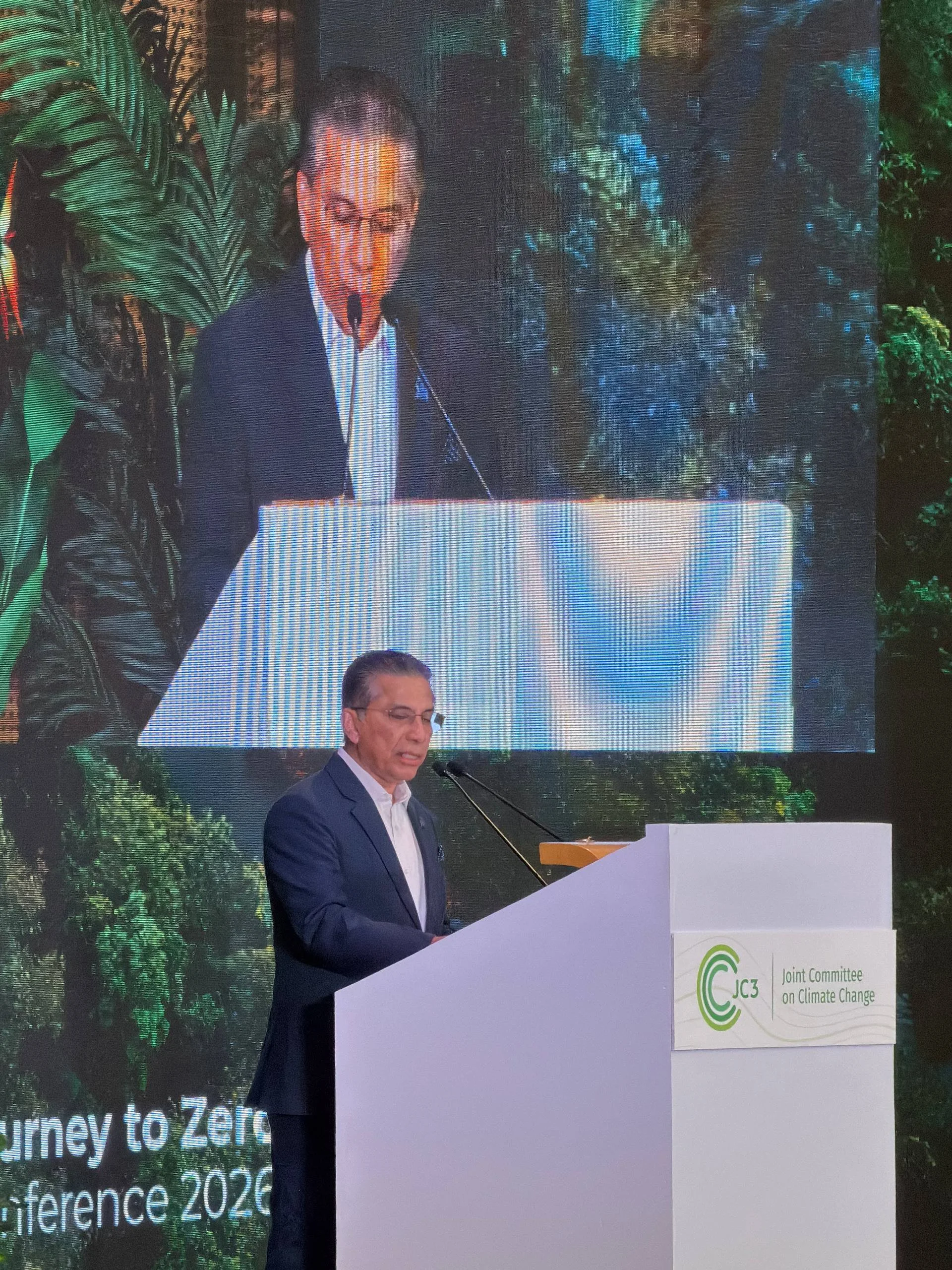
YB Tuan Syed Ibrahim bin Syed Noh, Deputy Minister of Natural Resources and Environmental Sustainability (NRES)
Later in the programme, YB Tuan Syed Ibrahim bin Syed Noh, Deputy Minister of Natural Resources and Environmental Sustainability (NRES), brought the discussion directly into climate adaptation.
His Special Address highlighted the role of Malaysia’s National Adaptation Plan in identifying adaptation priorities and helping mobilise both public and private climate finance.
Together, the two addresses framed an important challenge for Malaysia:
climate risks need to be understood, adaptation priorities need to be identified, outcomes need to be measurable, and projects ultimately need pathways towards financing and implementation.
For nature restoration programmes such as Coastal Oasis, these questions are already closely interconnected.
Turning Climate and Nature Uncertainty into Investable Risk
The opening session on Southeast Asia’s future extended the conversation beyond climate policy.
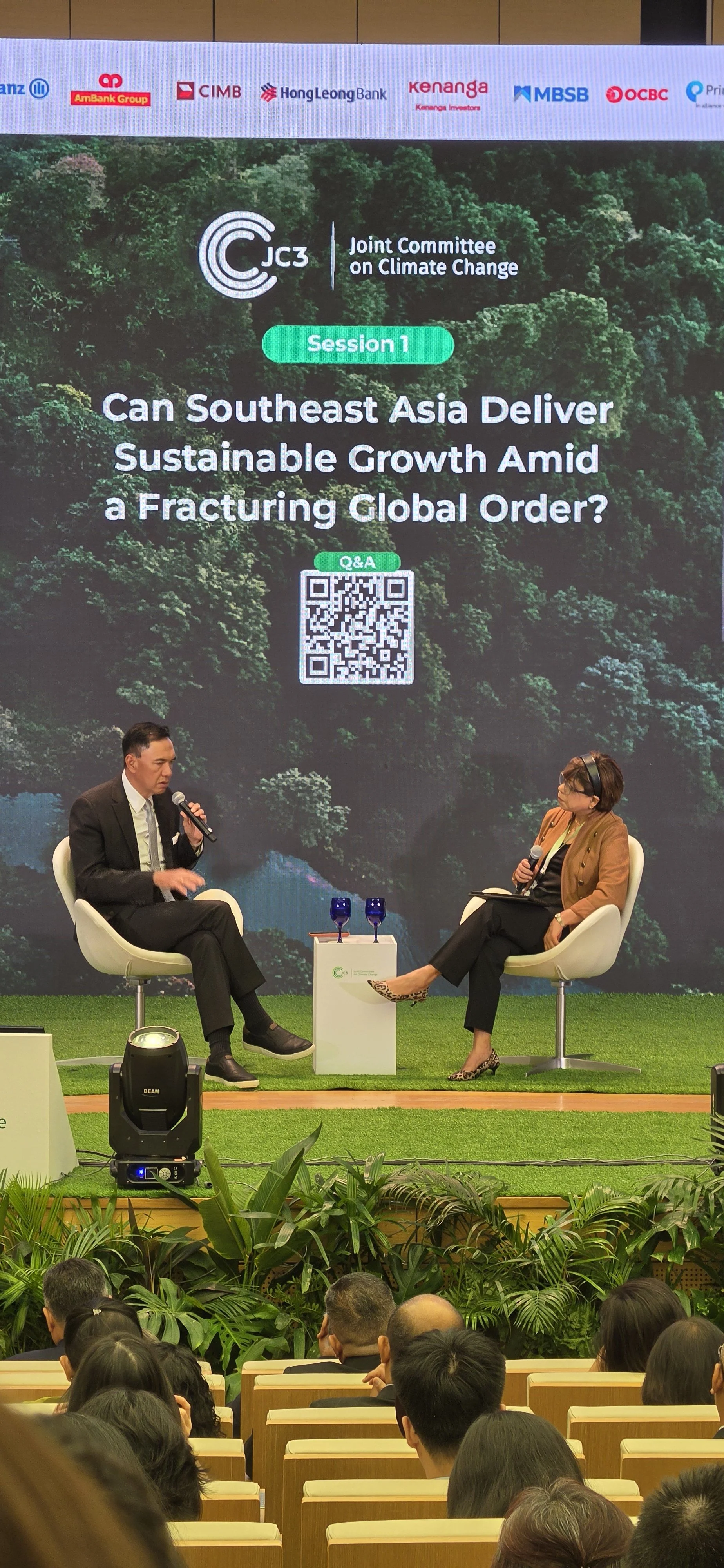
Gita Wirjawan, former Trade Minister of Indonesia, explored Southeast Asia’s position amid geopolitical fragmentation, technological disruption, growing energy requirements and competition for investment.
One observation was particularly relevant to climate and nature finance: capital requires the ability to translate uncertainty into risks that can be understood and assessed.
For nature-based projects, this is fundamental.
A forest, river, mangrove or biodiversity restoration programme may possess significant environmental and social value. But capital providers still need to understand what is being protected or restored, what risks exist, who is responsible for delivery, how progress will be measured and whether the intervention can generate measurable outcomes.
This places environmental data and evidence increasingly close to the financing equation.
For Planters, environmental intelligence therefore goes beyond monitoring conservation activities.
Geospatial mapping, forest and tree inventories, water-quality monitoring, biodiversity surveillance, remote sensing, field verification and long-term environmental data can contribute towards a stronger evidence base for understanding baseline conditions, intervention progress, risks and resilience.
The objective should ultimately be to move from:
uncertainty → measurable risk → credible outcomes → investment confidence.
Energy Transition: From Targets to Execution
Malaysia’s energy transformation provided another illustration of the implementation challenge.
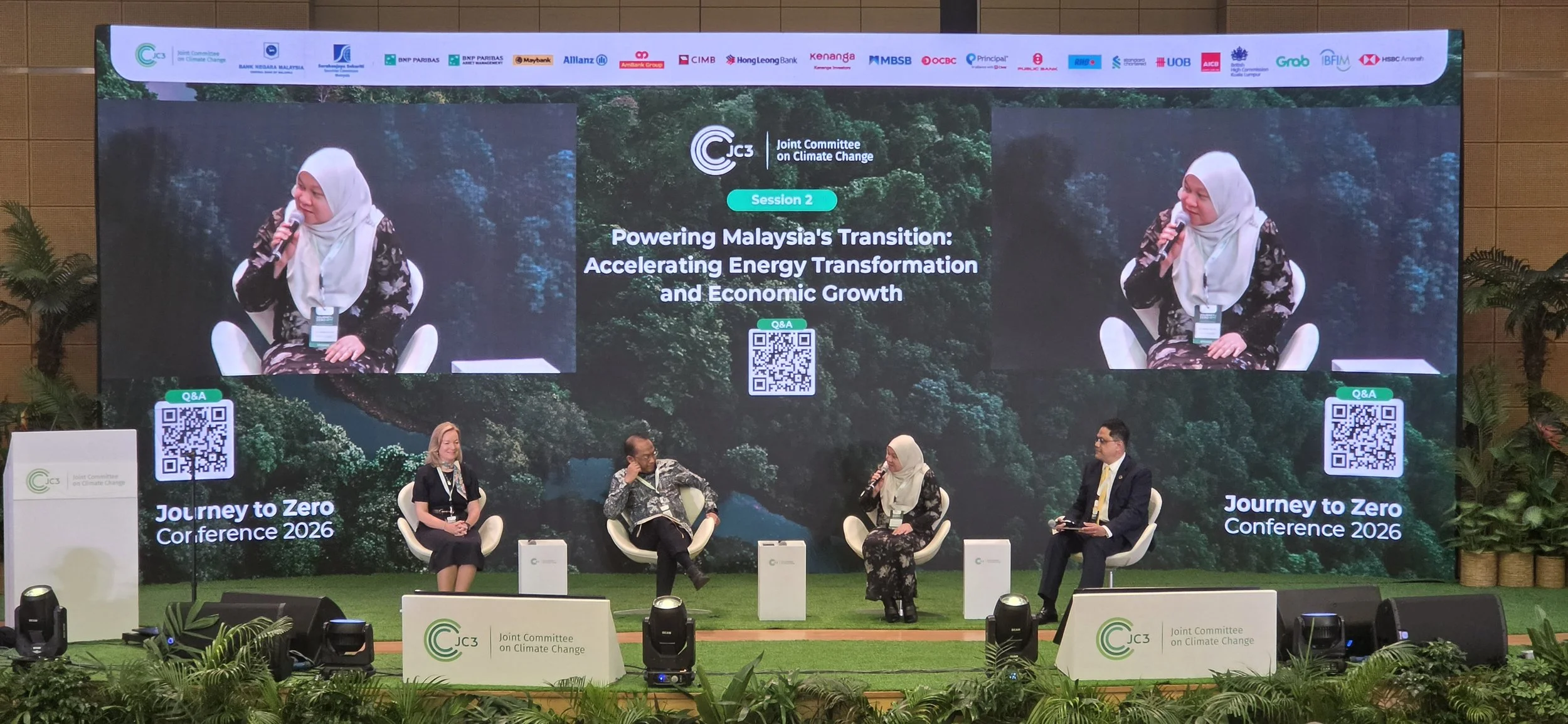
A panel involving Siti Safinah Salleh, Chief Executive Officer of Suruhanjaya Tenaga; Dato’ Ir. Ts. Razib Dawood, Executive Director of the ASEAN Centre for Energy; and Charlotte Wolff-Bye, Vice President and Group Chief Sustainability Officer of PETRONAS, examined the interaction between energy security, renewable energy, rapidly expanding electricity demand, grid infrastructure, technology and regional integration.
The discussion reinforced an important principle: technologies cannot be considered independently of the systems supporting them.
Generation, transmission, storage, gas systems, electricity demand, affordability and investment recovery are interconnected.
Rapid data-centre development illustrates the challenge. New demand can materialise considerably faster than the generation and grid infrastructure required to support it.
The transition is consequently not merely a technology question.
It is increasingly a question of system integration, demand certainty, infrastructure readiness, capital recovery and execution capability.
The discussion also examined the ASEAN Power Grid, energy storage and the potential future role of nuclear energy as part of a diversified energy system.
One conclusion captured the challenge particularly well:
It is no longer simply a race for targets. It is a race for execution and delivery.
Biomass: Feedstock Is Infrastructure
For Planters, one particularly relevant discussion concerned biomass.
The technology required to convert biomass into useful energy or products is not necessarily the principal obstacle to commercial deployment.
The larger challenge can be the feedstock ecosystem.
A significant biomass resource does not automatically constitute a bankable project.
Commercial deployment requires confidence in feedstock quantity and quality, traceability, harvesting schedules, logistics, storage, processing specifications, sustainable replenishment and long-term availability.
In this context, feedstock itself becomes infrastructure.
The lesson extends beyond biomass.
Technologies become increasingly financeable when the physical, commercial and operational systems supporting them are sufficiently reliable.
For Malaysia, this also creates opportunities to build domestic capabilities around biomass, bioenergy and wider bio-based value chains.
Climate and Nature Cannot Be Separated
The energy discussion also addressed the relationship between infrastructure development and nature.
Malaysia is one of the world’s megadiverse countries. As new transmission networks, renewable-energy infrastructure, ports, subsea cables and other major assets are developed, avoiding and minimising impacts on ecosystems becomes increasingly important.
PETRONAS highlighted initiatives including its Blue Carbon Collective, which combines mangrove research, restoration, biodiversity considerations and community participation.
The wider lesson extends beyond carbon.
Climate mitigation, biodiversity, ecosystem resilience and community outcomes cannot always be treated as separate issues.
Infrastructure developed for a low-carbon economy should not inadvertently create new nature-related risks.
For Coastal Oasis, this landscape perspective is fundamental.
Rivers, riparian forests, mangroves, coastal ecosystems and communities operate as interconnected systems. Environmental impacts do not stop at project or administrative boundaries.
Activities upstream can affect water quality, sedimentation, biodiversity, habitats and communities downstream.
Conversely, restoration can generate benefits across the same boundaries.
Nature-positive development therefore requires us to understand not only individual interventions, but the wider ecosystem within which they operate.
Malaysia’s Funding Ecosystem Is Becoming More Diverse
The afternoon programme turned towards Malaysia’s capital-market funding ecosystem and the financing lifecycle of private companies.
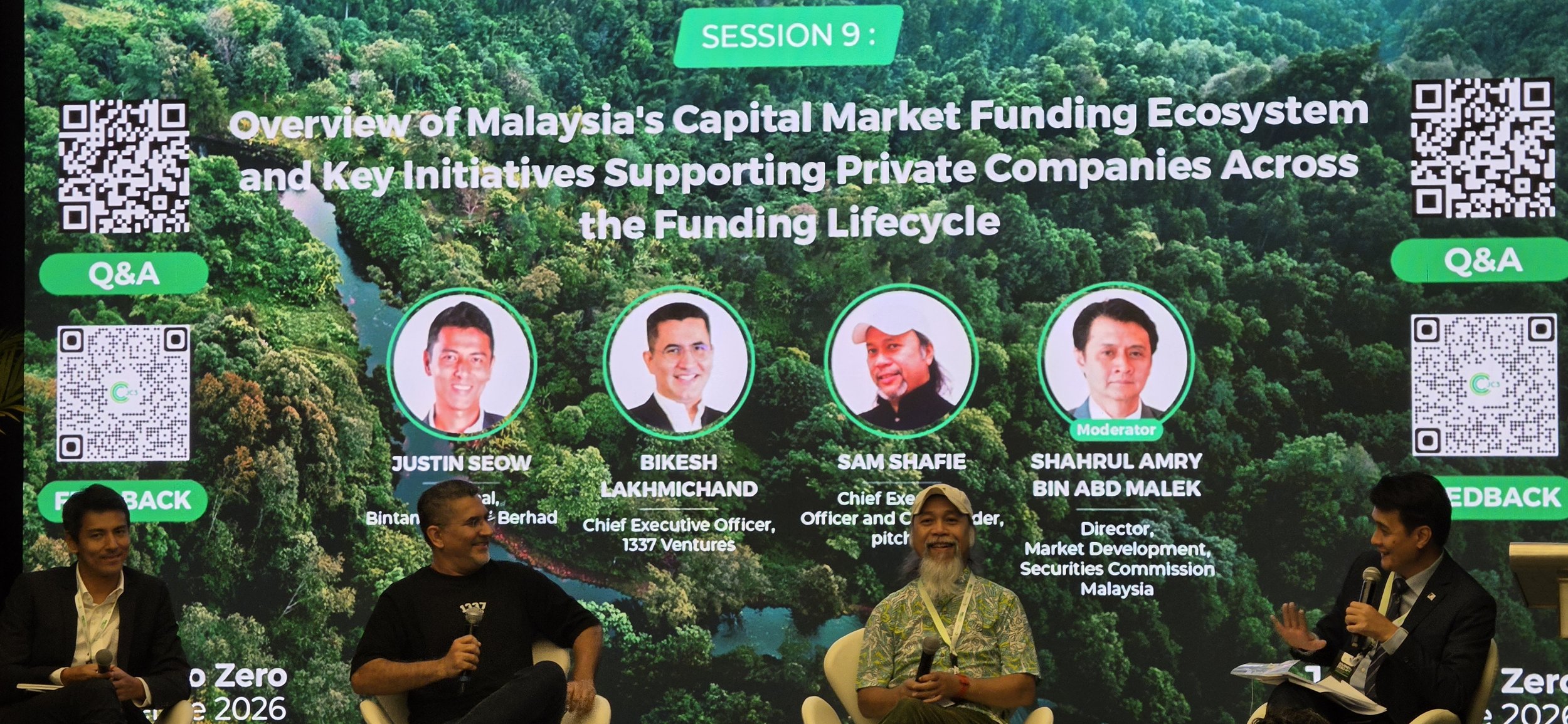
Discussions covered equity crowdfunding, peer-to-peer financing, venture capital, private equity, private debt and the LEAP Market.
The important distinction was not simply where money comes from.
Different forms of capital finance different forms of risk.
Debt is generally better suited to activities where cash flows are sufficiently predictable to support repayment.
Equity can absorb greater uncertainty, but introduces dilution and ownership considerations.
Hybrid instruments can occupy the space between the two.
Malaysia’s evolving co-investment mechanisms and proposed enhancements to the LEAP Market also support a broader concept discussed during the session: the funding escalator.
Companies do not necessarily need one financing instrument capable of funding every stage of their development.
Capital structures can evolve as businesses mature, revenues become clearer, governance strengthens and risks become increasingly measurable.
The same principle is highly relevant to climate and nature projects.
Scientific studies, project development, restoration, infrastructure, monitoring and mature revenue-generating activities may each have different risk profiles.
Building investable nature projects may therefore require a capital stack, matching different activities and stages with the forms of capital most suited to them.
CFIL and the Challenge of Financing Climate and Nature Projects
This challenge is already being addressed through the Climate Finance Innovation Lab (CFIL) under JC3.
CFIL was established to identify climate and nature projects, explore innovative funding solutions, mobilise capital and strengthen public-private collaboration.
As at January 2026, CFIL had onboarded 30 projects with total funding requirements exceeding RM4 billion.
Planters’ Coastal Oasis initiative is among the projects being developed through this ecosystem.
CFIL’s process is significant because it goes beyond simply matching projects with financiers. Selected projects undergo structured development involving analysis, industry expertise and engagement with capital providers before progressing towards implementation and fundraising.
This reflects one of the central lessons from Journey to Zero 2026.
Nature projects require more than capital.
They require project preparation, governance, appropriate risk allocation, measurable outcomes, reliable environmental information and financing structures capable of matching different components with appropriate forms of capital.
For Planters, this is where restoration, environmental intelligence and sustainable finance increasingly converge.
Beyond Activities: Measuring Actual Outcomes
One of the most important discussions of the day approached climate action from another perspective: the generation that will inherit the consequences of decisions being made today.
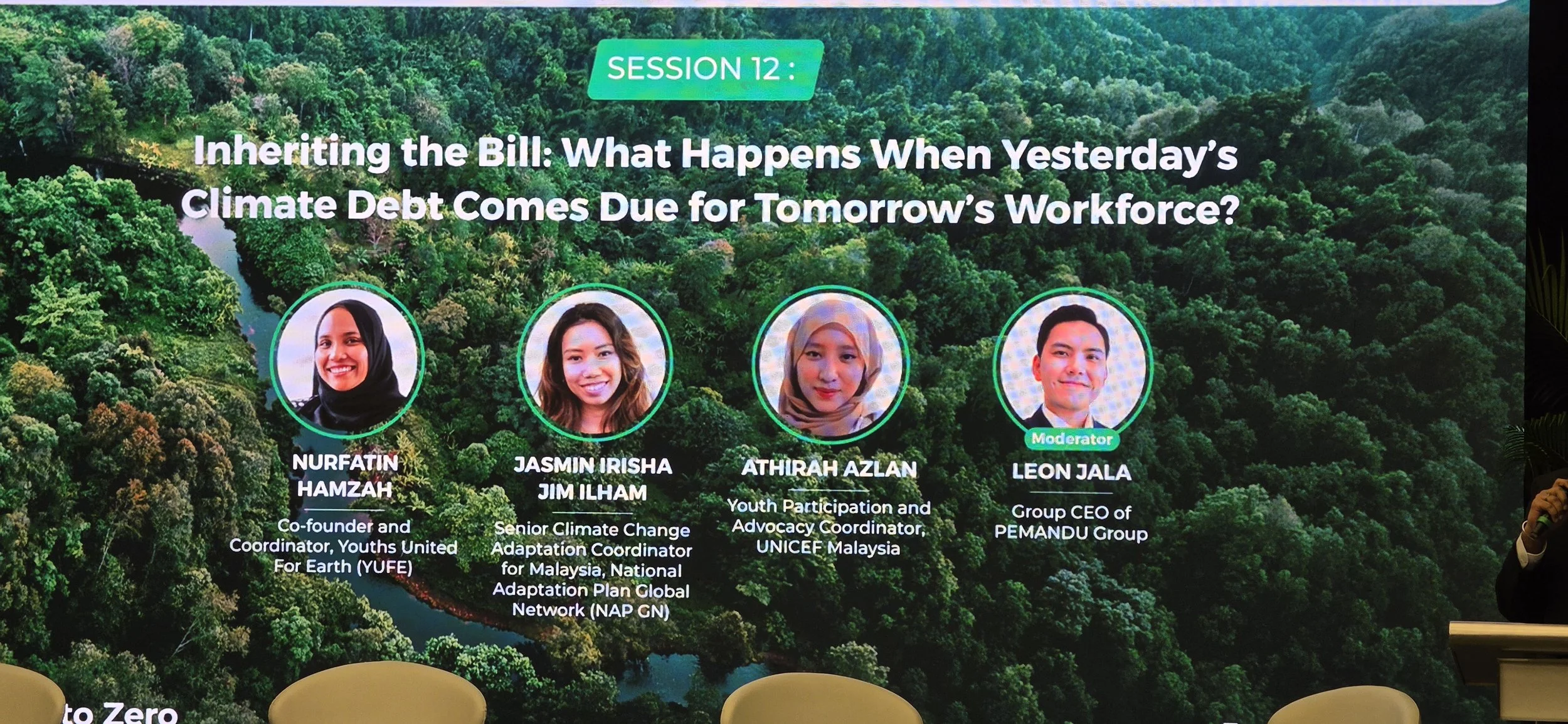
Young climate and conservation practitioners discussed environmental degradation, climate adaptation, education, employment, community participation and the barriers young people encounter when attempting to enter the sustainability sector.
A particularly important distinction emerged between activities and outcomes.
The number of trees planted, consultations conducted, sensors installed, people trained or kilometres of river monitored can demonstrate activity.
They do not necessarily demonstrate success.
For nature restoration, the more difficult questions are:
Has ecological condition improved?
Has water quality changed?
Has biodiversity recovered?
Has restoration survived and matured?
Has vulnerability to climate hazards declined?
Are communities becoming more resilient?
Did community participation actually influence project design and implementation?
These are considerably more demanding questions, but they are increasingly the ones that matter.
Meaningful Community Participation Must Begin Earlier
The youth discussion also challenged conventional approaches to stakeholder engagement.
Inviting communities or young people after a project or policy has largely been designed may fulfil a consultation requirement, but it does not necessarily constitute meaningful participation.
Meaningful engagement begins earlier.
It requires affected communities to have opportunities to contribute to project design, the resources necessary to participate and visibility over how their input influences decisions.
This is particularly important in river and landscape restoration.
People living and working within a landscape can possess knowledge that cannot be obtained solely from satellite imagery, models or technical studies.
Scientific evidence and technology remain essential, but local and indigenous knowledge can provide another layer of understanding.
The objective should not be to choose between them.
It should be to combine them.
Building Malaysia’s Nature and Resilience Workforce
The transition towards a climate-resilient and nature-positive economy will also require new capabilities.
The energy transition needs engineers, technicians and skilled trades.
Nature restoration and climate adaptation will similarly require restoration practitioners, environmental field teams, community wardens, biodiversity specialists, water-quality technicians, drone operators, geospatial specialists, environmental data professionals and people capable of translating field observations into credible environmental information.
Not every pathway needs to begin with a university qualification.
People who have spent years working within forests, rivers and coastal environments may possess considerable practical knowledge of those ecosystems.
With appropriate training and professional pathways, this experience can become part of a skilled nature and resilience workforce.
For programmes such as Coastal Oasis, this creates an opportunity to move beyond short-term community employment towards progressive environmental skills development.
A pathway can begin with exposure to nature and environmental education, continue through field experience and technical training, and ultimately lead towards professional roles in restoration, environmental monitoring, biodiversity surveillance and stewardship.
Experience can create interest.
Interest can become skills.
Skills can create livelihoods.
And livelihoods can sustain long-term stewardship.
From Climate Ambition to Investable Nature
Our takeaway from the JC3 Journey to Zero Conference 2026 is straightforward.
Climate and nature ambition must ultimately be translated into execution.
Climate resilience increasingly matters to investment decisions.
Adaptation requires finance.
Energy transition requires systems capable of delivering it.
Biomass requires reliable feedstock ecosystems.
Nature finance requires measurable outcomes.
Communities need to participate meaningfully rather than simply appearing as beneficiaries.
And capital needs credible information with which to understand risk.
For Planters, these are not separate conversations.
They converge in the work required to develop large-scale restoration programmes such as Coastal Oasis: Sungai Klang & Coastal Isles.
Nature restoration cannot be separated from finance.
Finance cannot be separated from credible outcomes.
And credible outcomes increasingly depend on our ability to combine field implementation, communities, science, technology, governance and reliable environmental data.
The challenge ahead for nature finance is therefore not simply to demonstrate that ecosystems have value.
It is to build the governance, evidence, financing structures and implementation capacity capable of protecting and restoring that value at scale.
That is the journey from targets to delivery.
Planters International Berhad participated in the JC3 Journey to Zero Conference 2026 on 28 September 2026 at Sasana Kijang, Kuala Lumpur. The Joint Committee on Climate Change (JC3) is a collaborative platform established to build climate resilience within Malaysia’s financial sector.