KPMG in Malaysia Expands Nature Action to Life on Land with Planters at Bukit Cerakah

KPMG in Malaysia - Corporate Biodiversity & Ecosystem Restoration Programme with Planters International Berhad
KPMG in Malaysia expands its continuing nature and biodiversity efforts through the Corporate Biodiversity & Ecosystem Restoration Programme with Planters International Berhad — bringing employee volunteering into biodiversity education, hands-on restoration and longer-term stewardship within the Hutan Simpan Bukit Cerakah landscape.
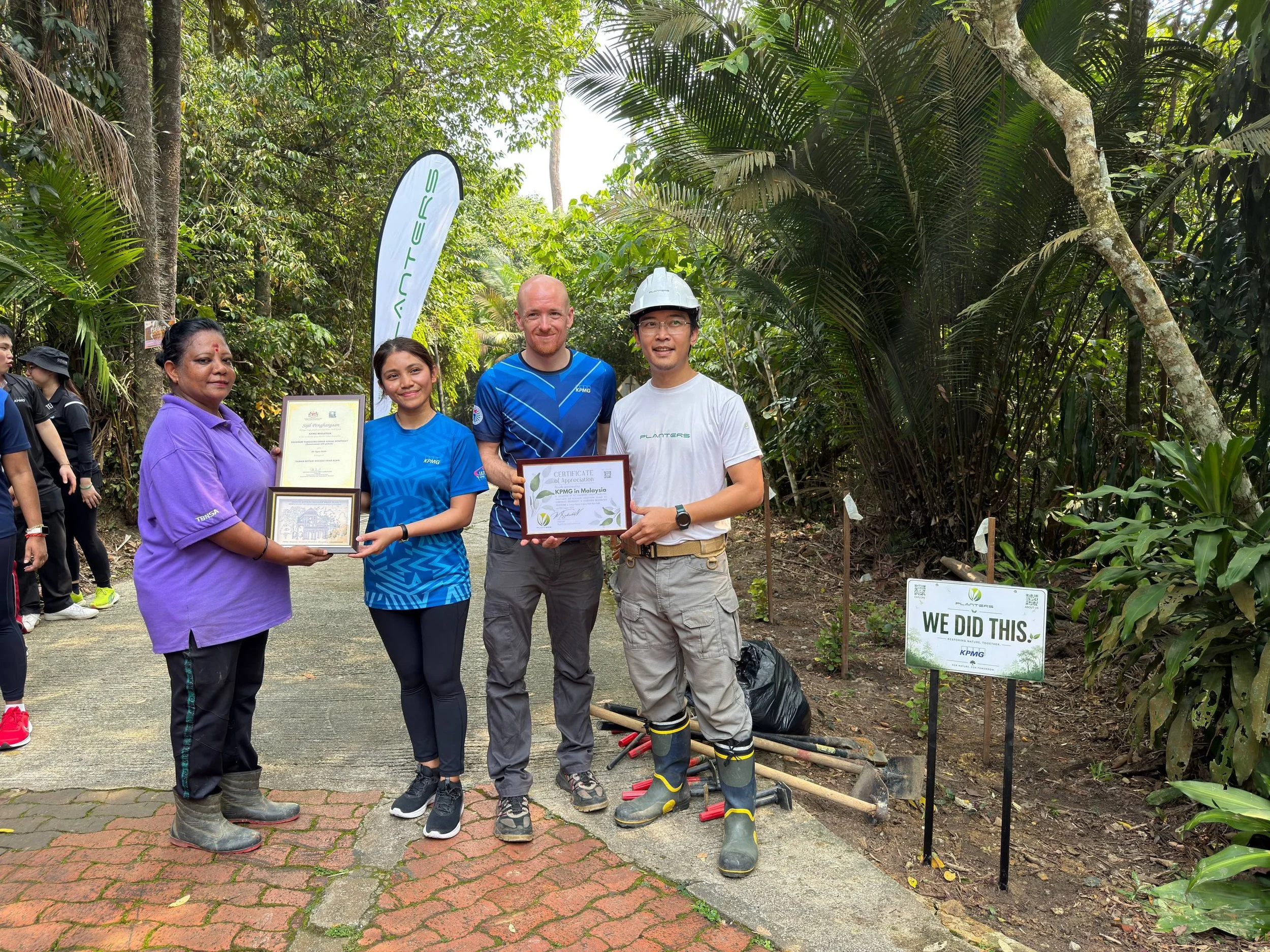
SHAH ALAM, 29 August 2026 — KPMG in Malaysia has expanded its environmental action into UN Sustainable Development Goal 15: Life on Land through the Corporate Biodiversity & Ecosystem Restoration Programme, delivered in collaboration with Planters International Berhad at Taman Botani Negara Shah Alam (TBNSA).
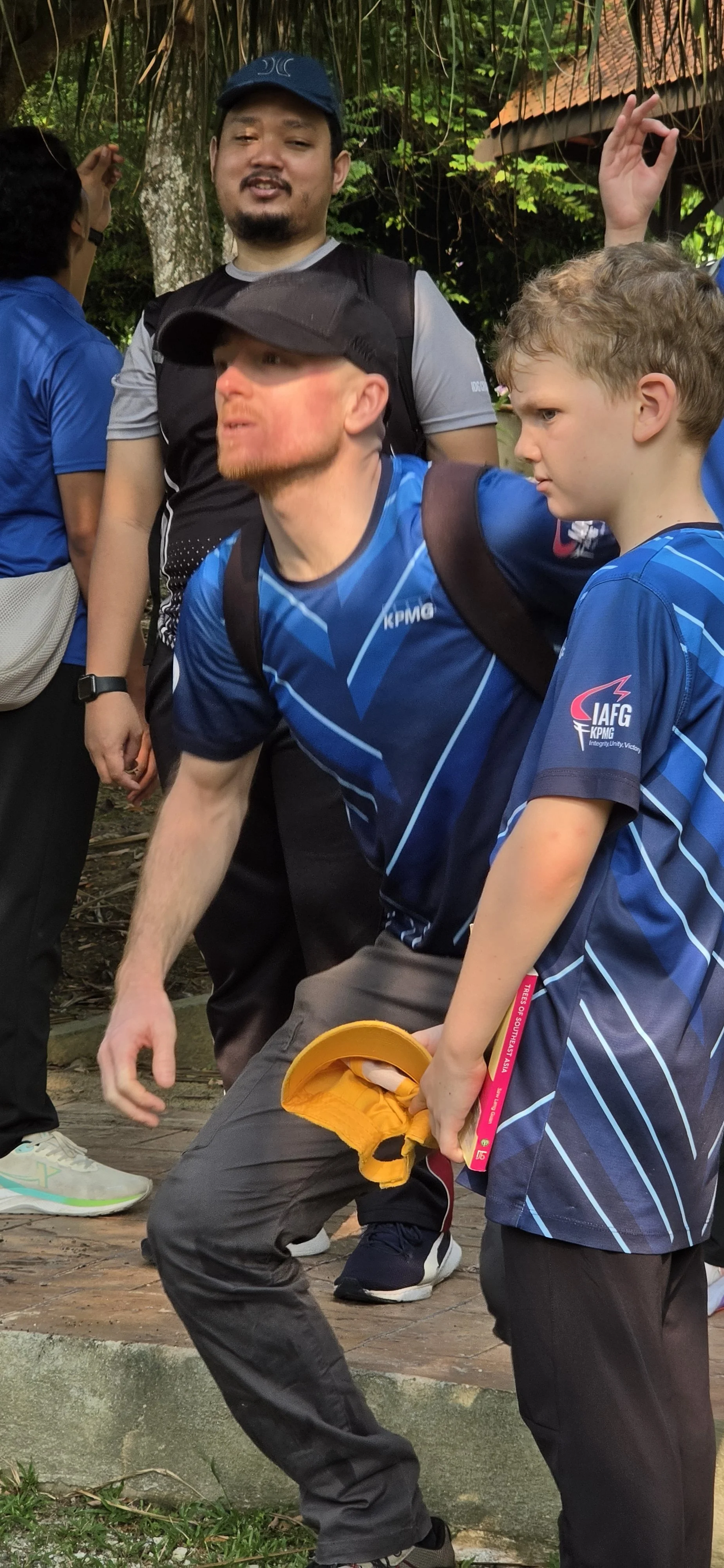
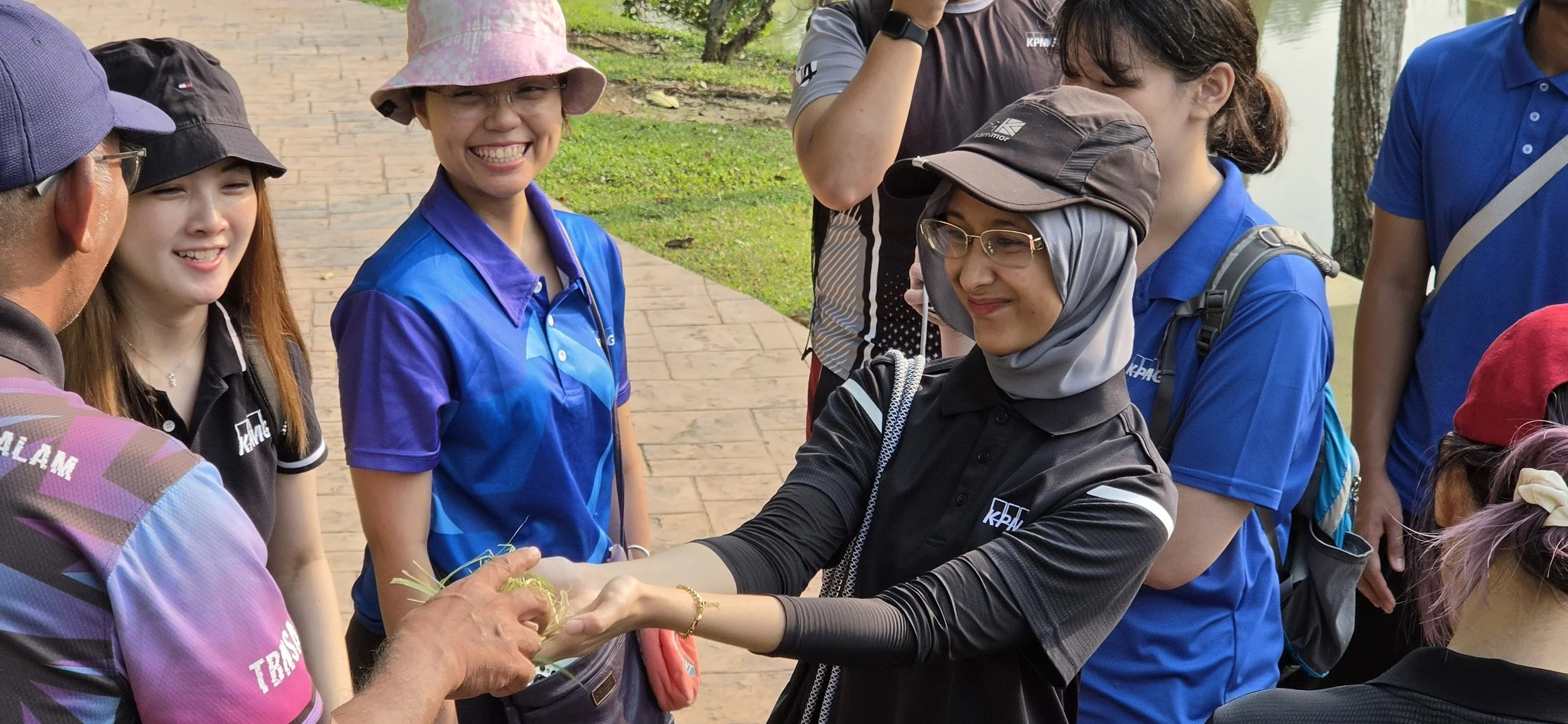
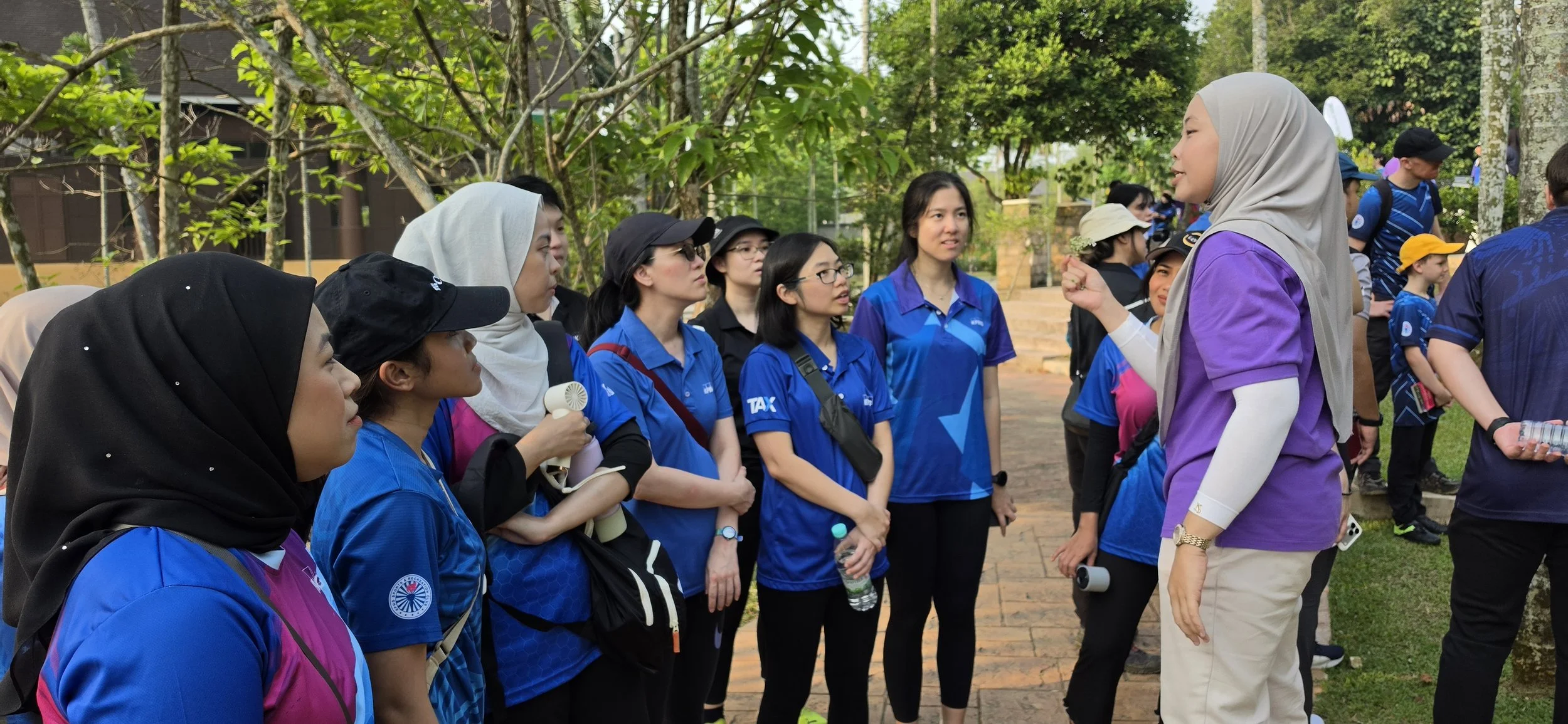
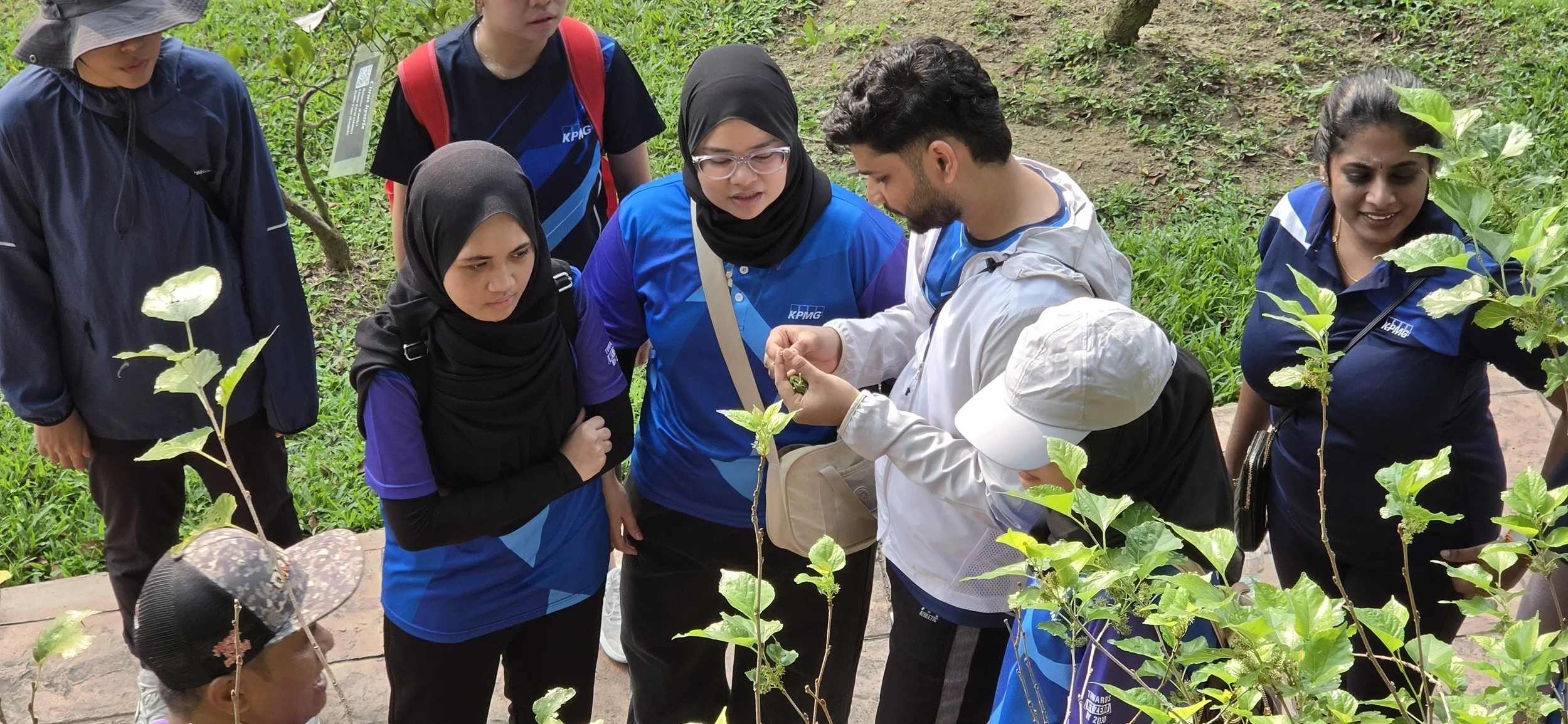
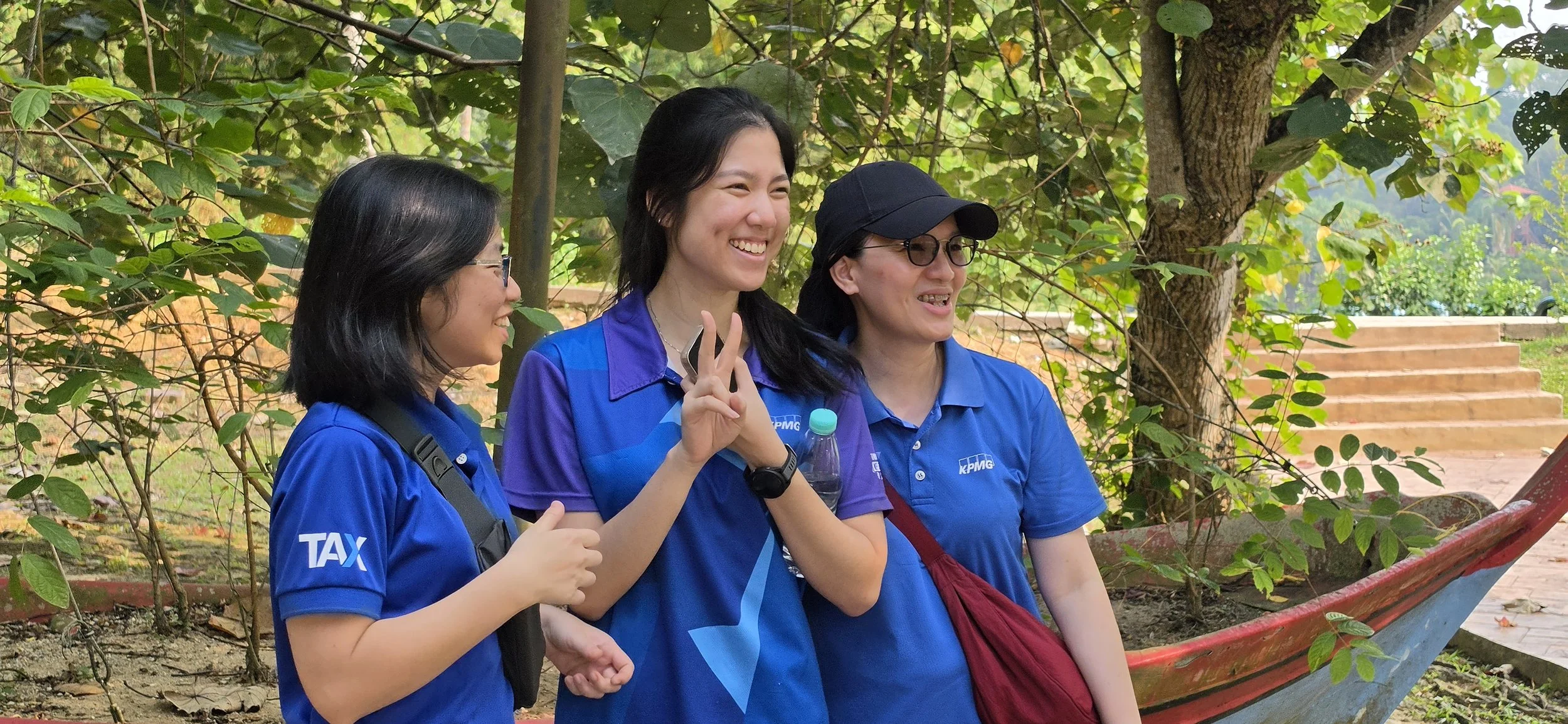
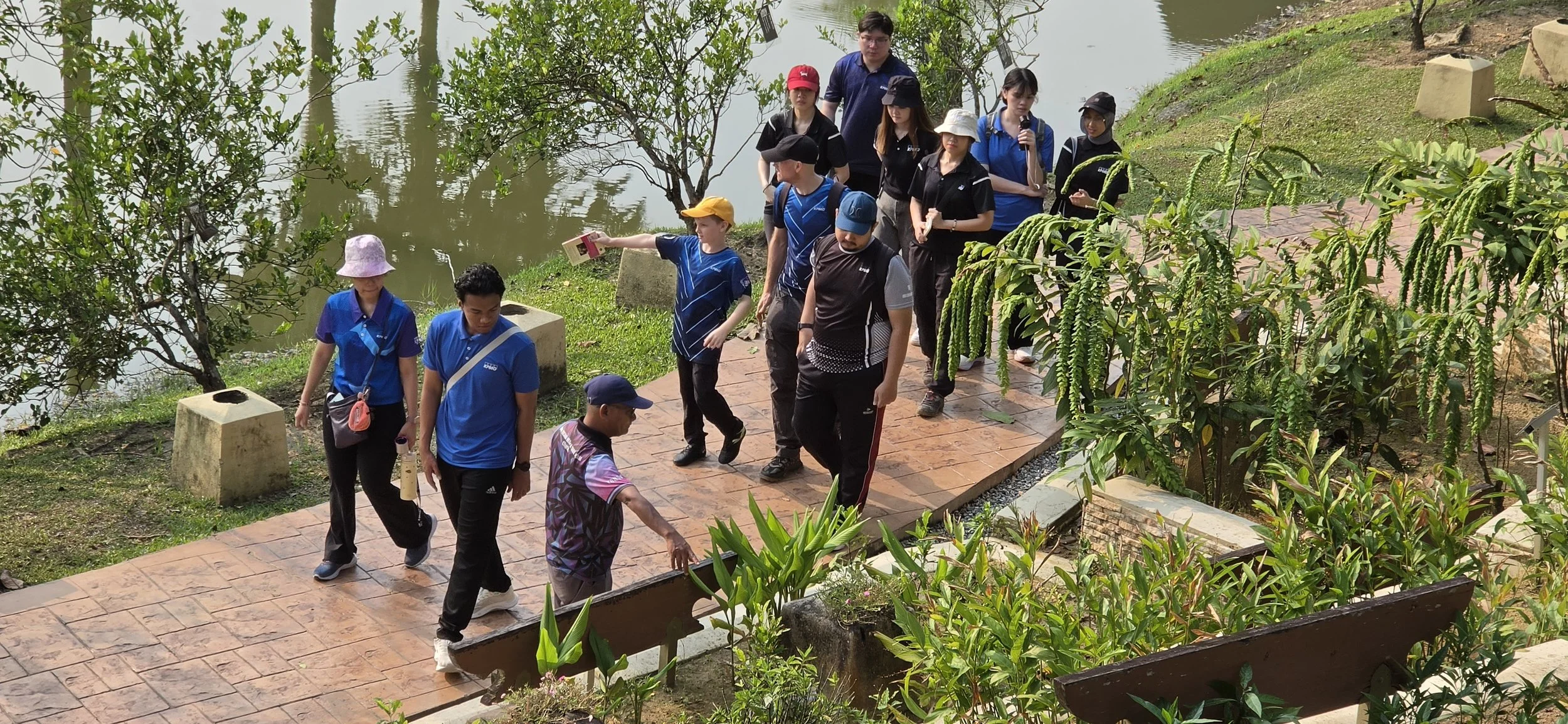
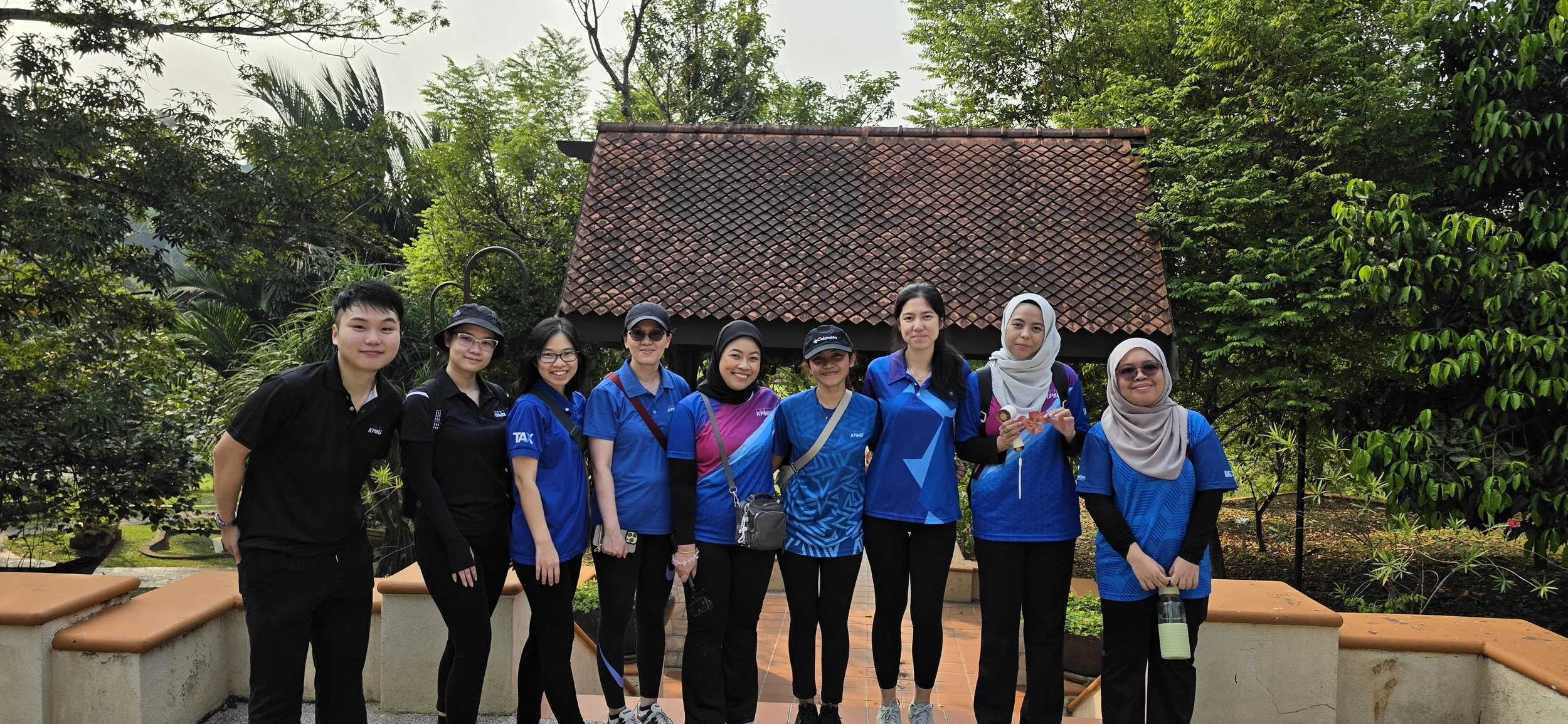
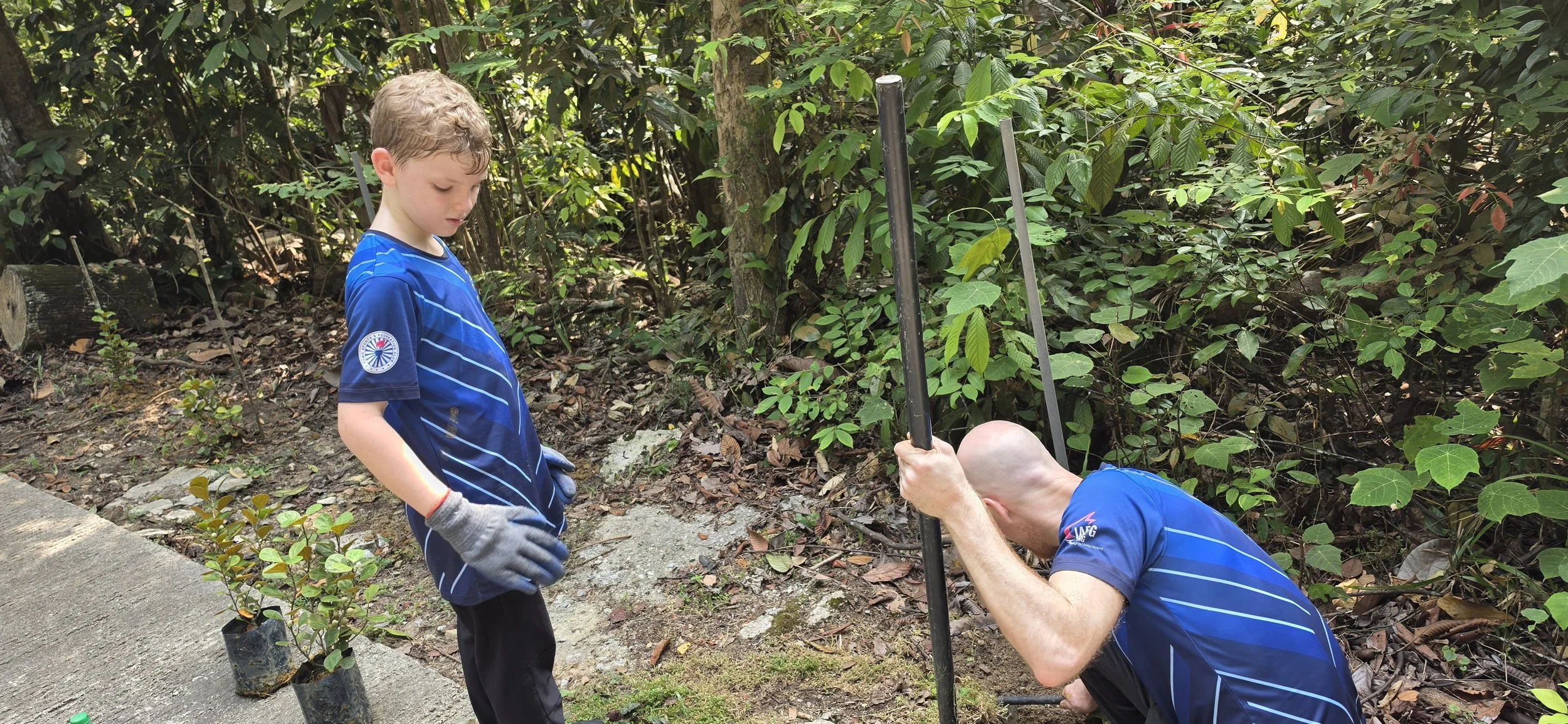
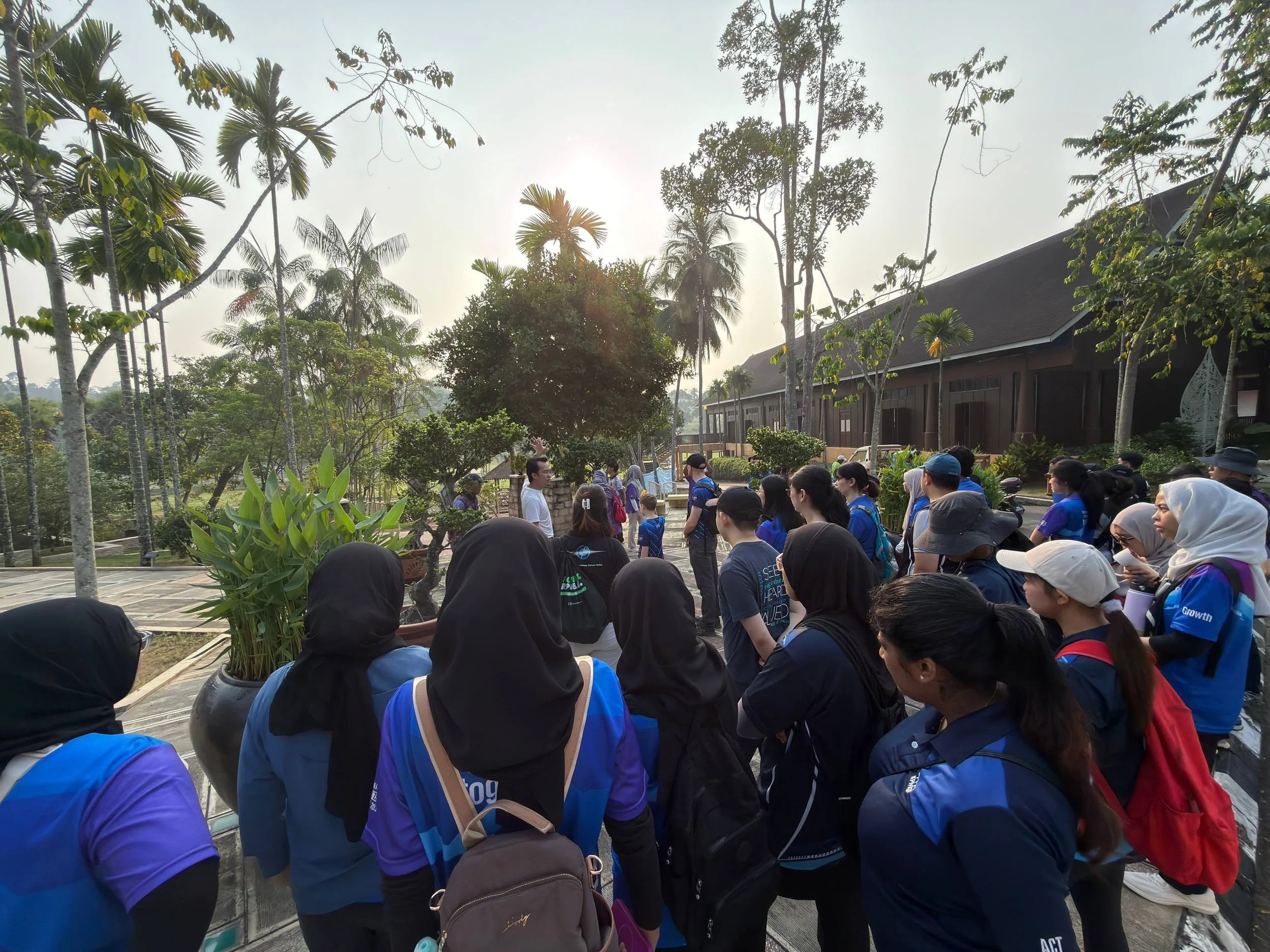
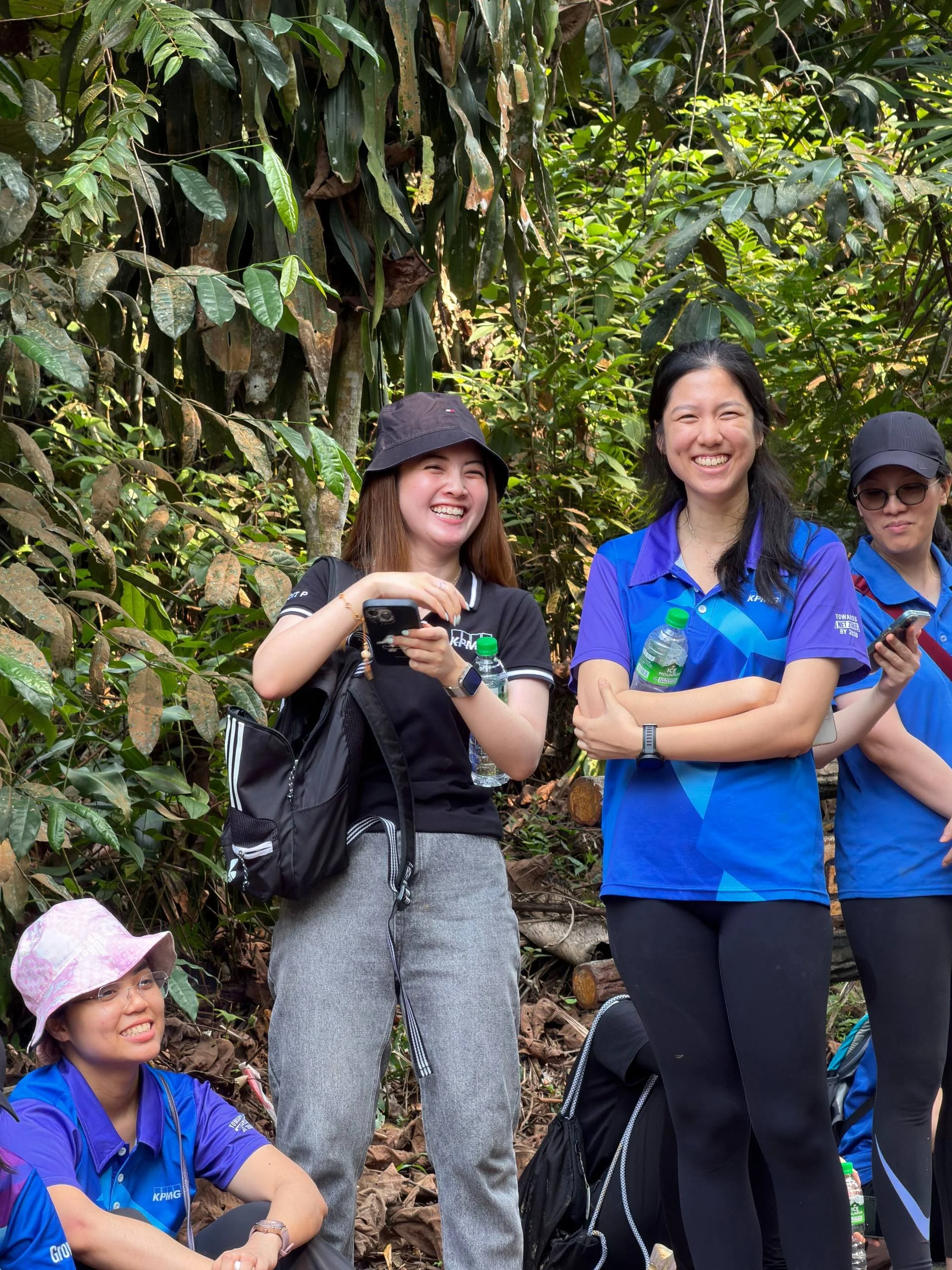
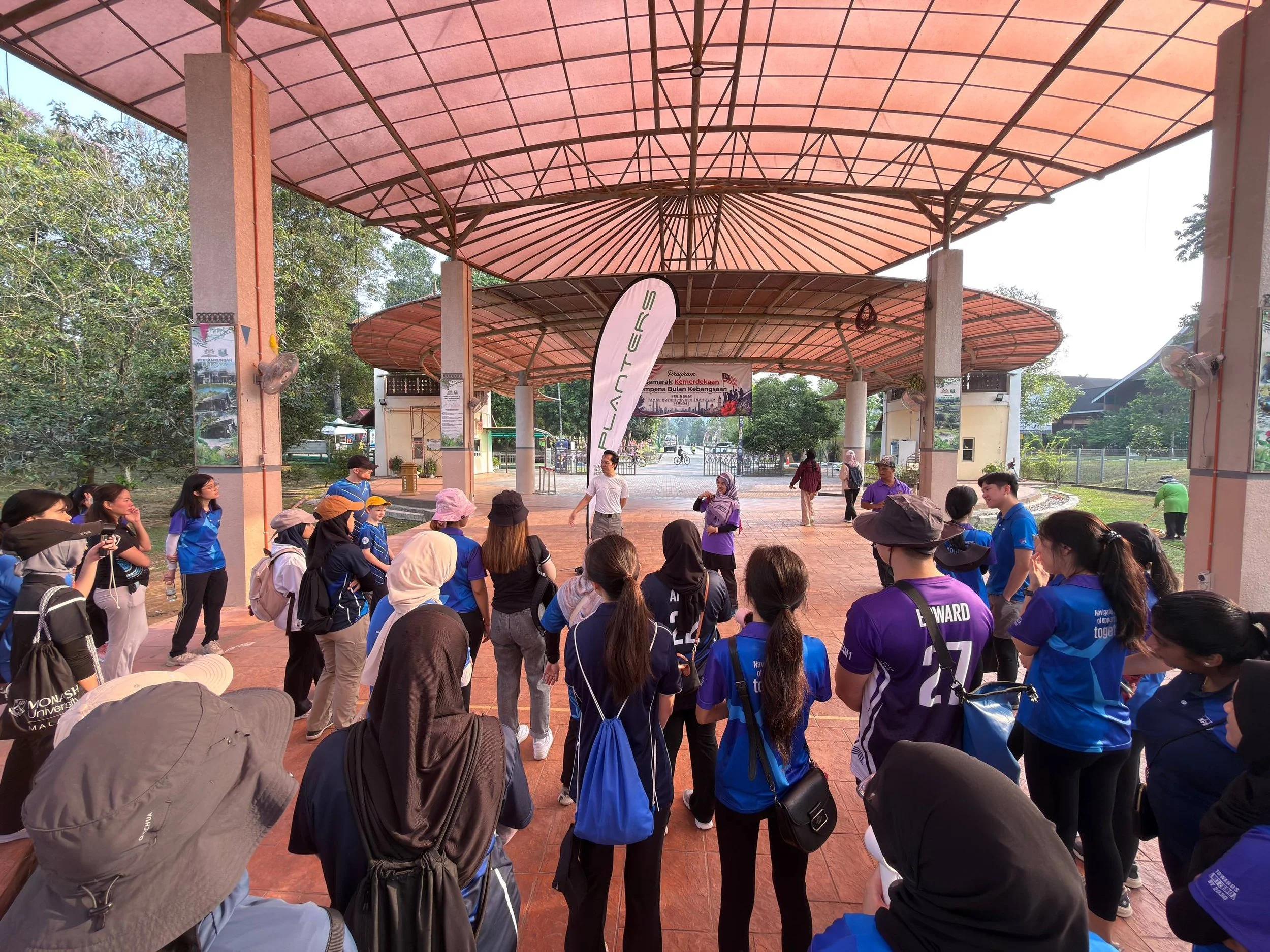
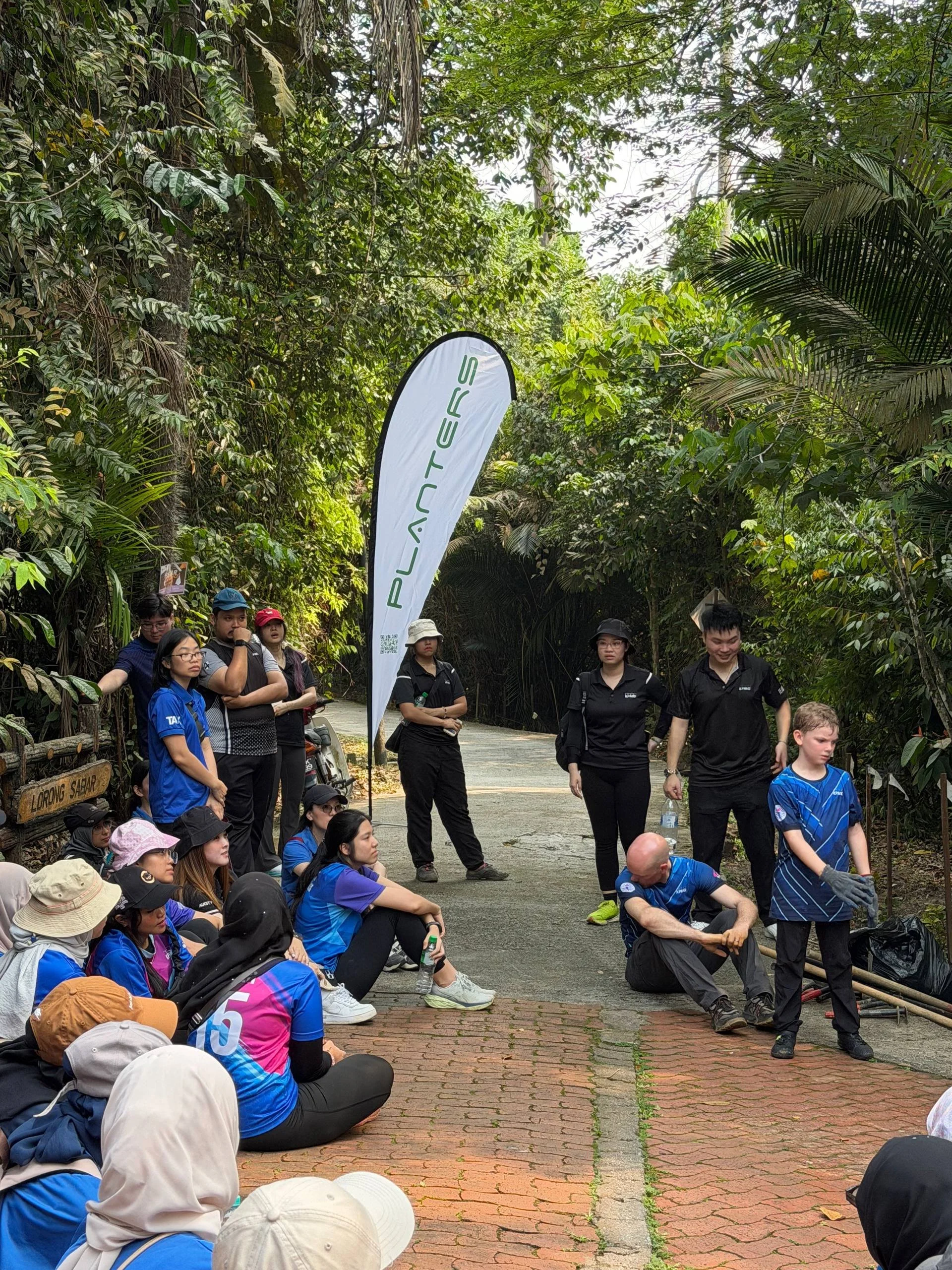
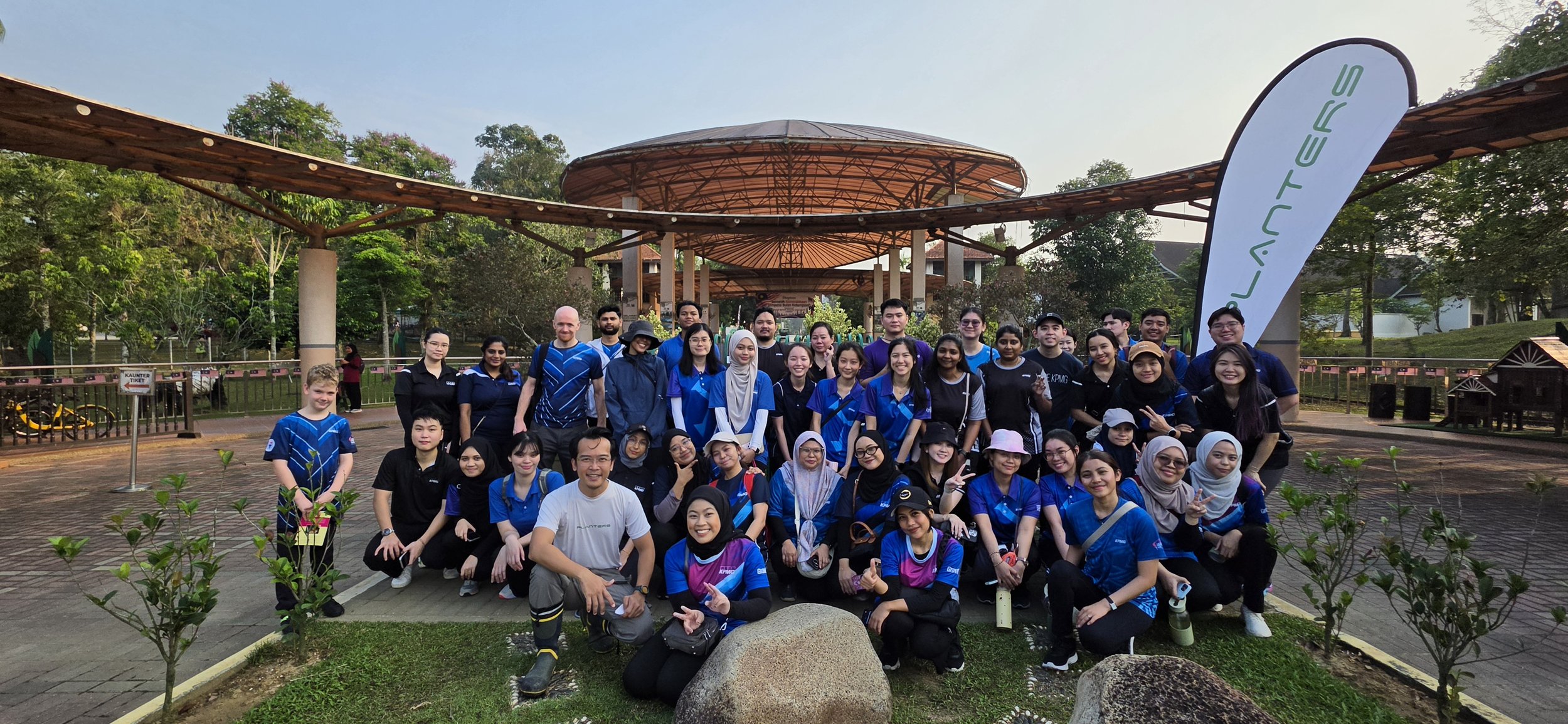
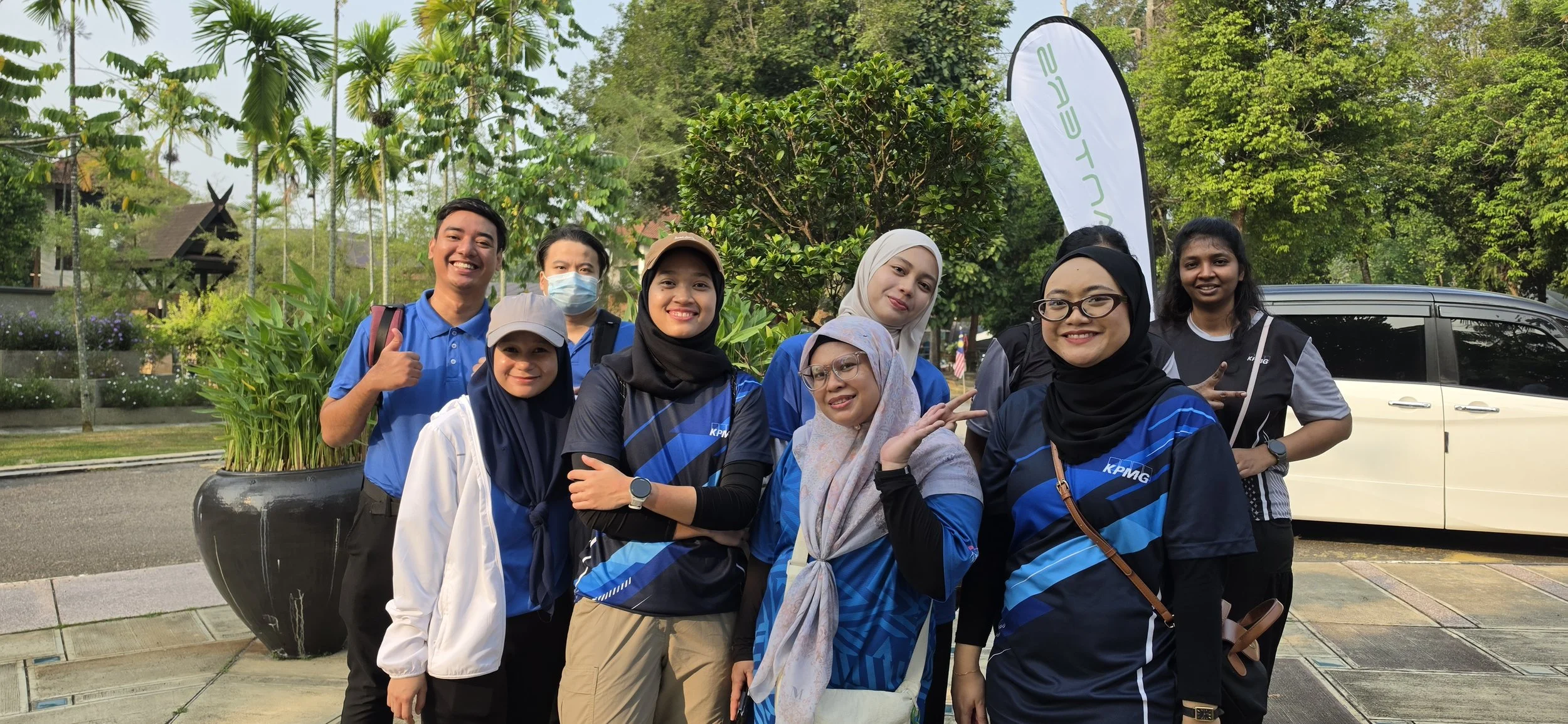
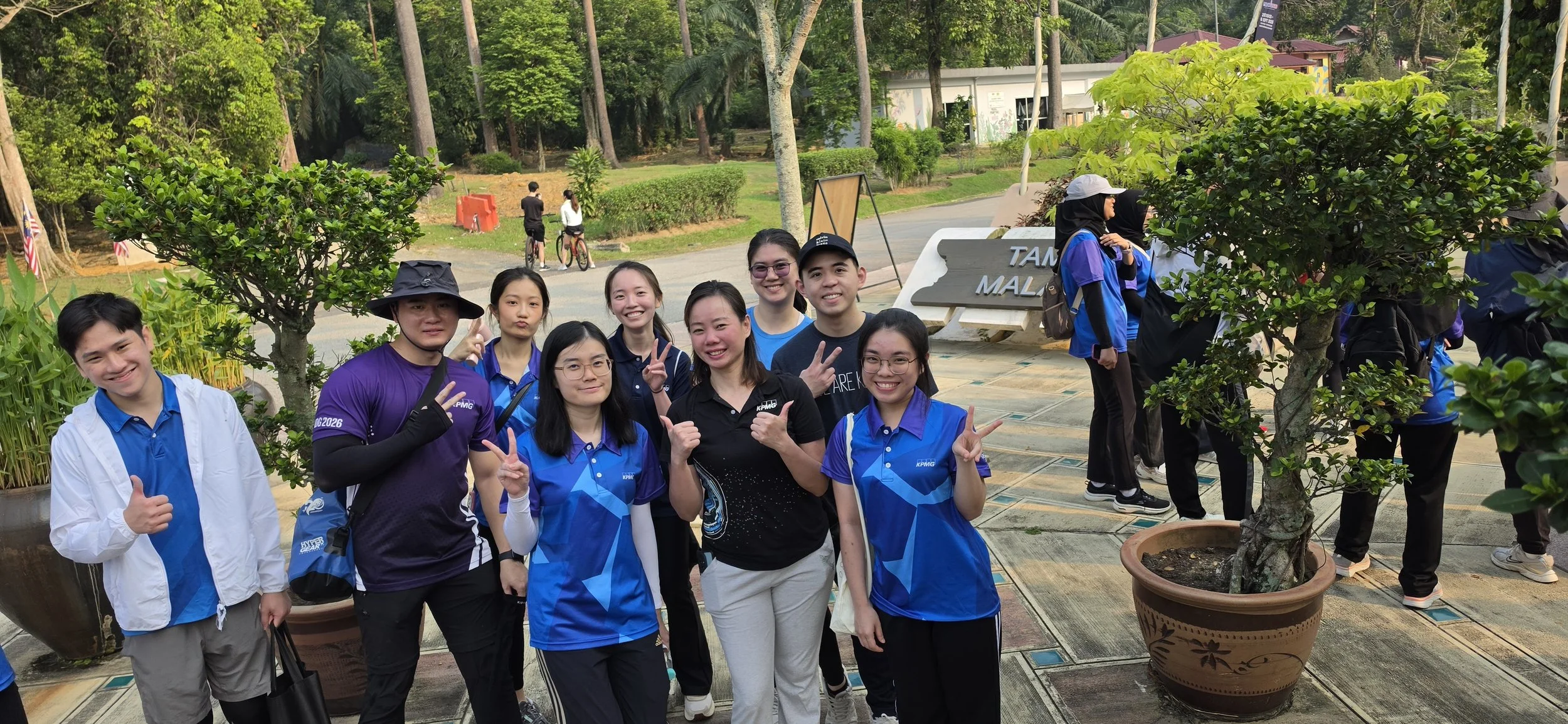
The half-day programme brought together 50 KPMG participants, contributing hundreds of volunteer hours towards biodiversity education, purposeful planting, ecosystem maintenance and hands-on restoration.
More importantly, the programme was designed as more than a one-day corporate volunteering activity.
Taking place within the Hutan Simpan Bukit Cerakah landscape, the initiative provides a starting point for longer-term biodiversity stewardship — where planting is followed by maintenance, periodic monitoring, plant-health assessment and progress reporting.
Expanding KPMG's environmental action from water to land
KPMG in Malaysia is not new to hands-on environmental conservation.
Its longstanding Eco Dive programme with Reef Check Malaysia, which began in 2007, has enabled KPMG's certified divers to participate in reef-health assessments, scientific monitoring, coral rehabilitation and conservation at its adopted reefs around Tioman Island. KPMG's FY2024 Impact Plan describes it as one of its longest-standing corporate partnerships.
KPMG's wider ESG commitments are organised through its People, Planet, Prosperity and Governance pillars, while its local Impact@KPMG initiative has been operating since 2021 to enable employees to participate in purposeful action. (KPMG)
The collaboration with Planters therefore does not replace KPMG's existing environmental initiatives.
It expands them onto land.
Through the Corporate Biodiversity & Ecosystem Restoration Programme, Life on Land becomes another avenue through which KPMG employees can participate directly in nature and biodiversity action — this time through terrestrial ecosystem restoration and longer-term stewardship.
More than a corporate tree-planting day
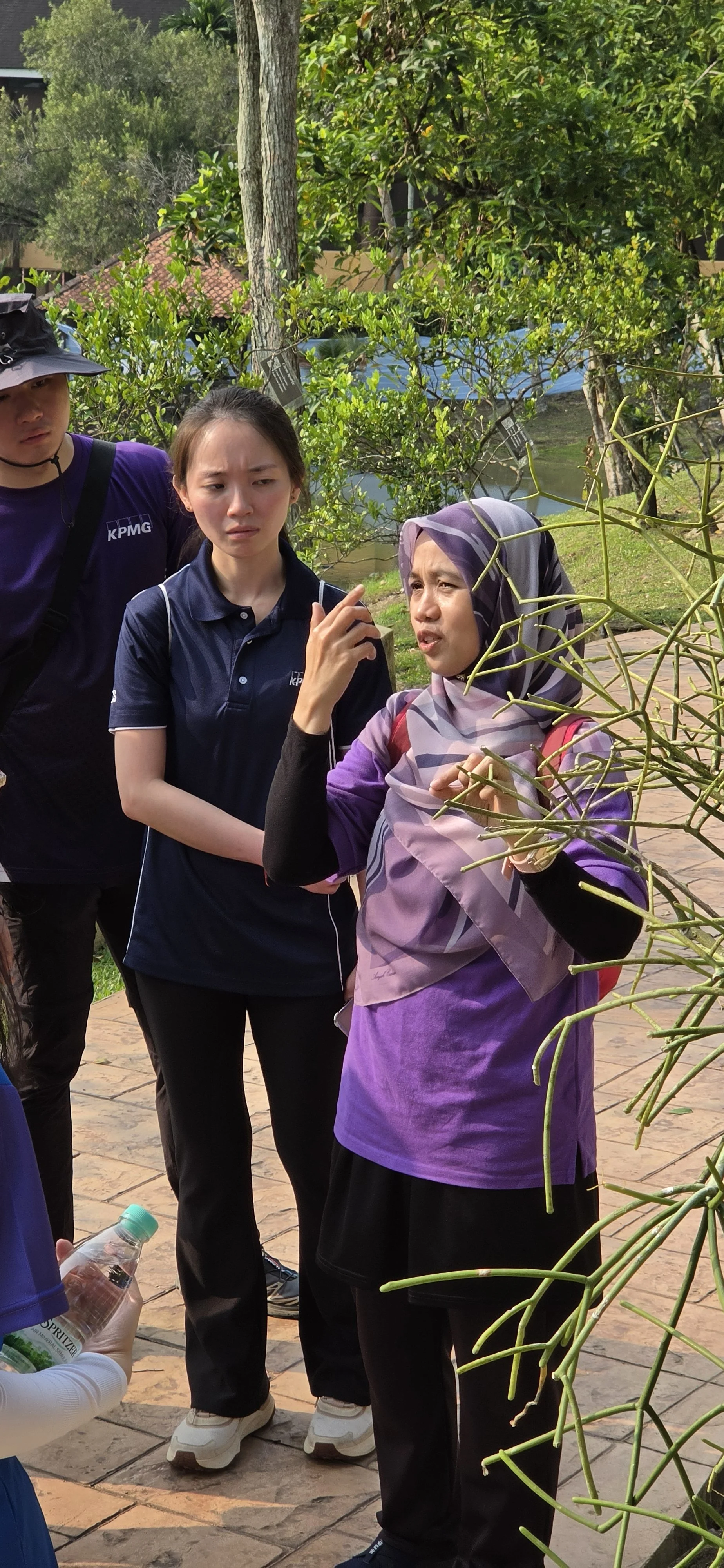
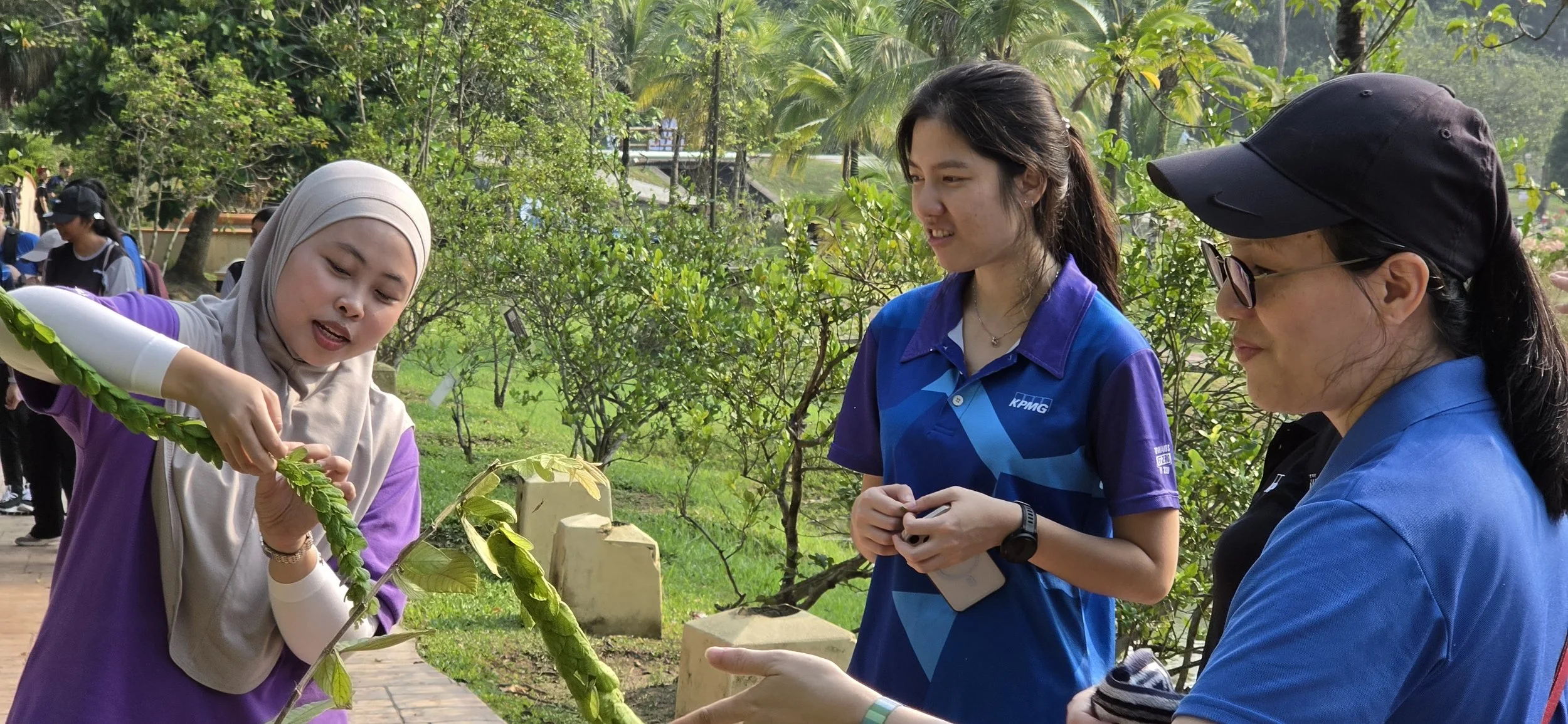
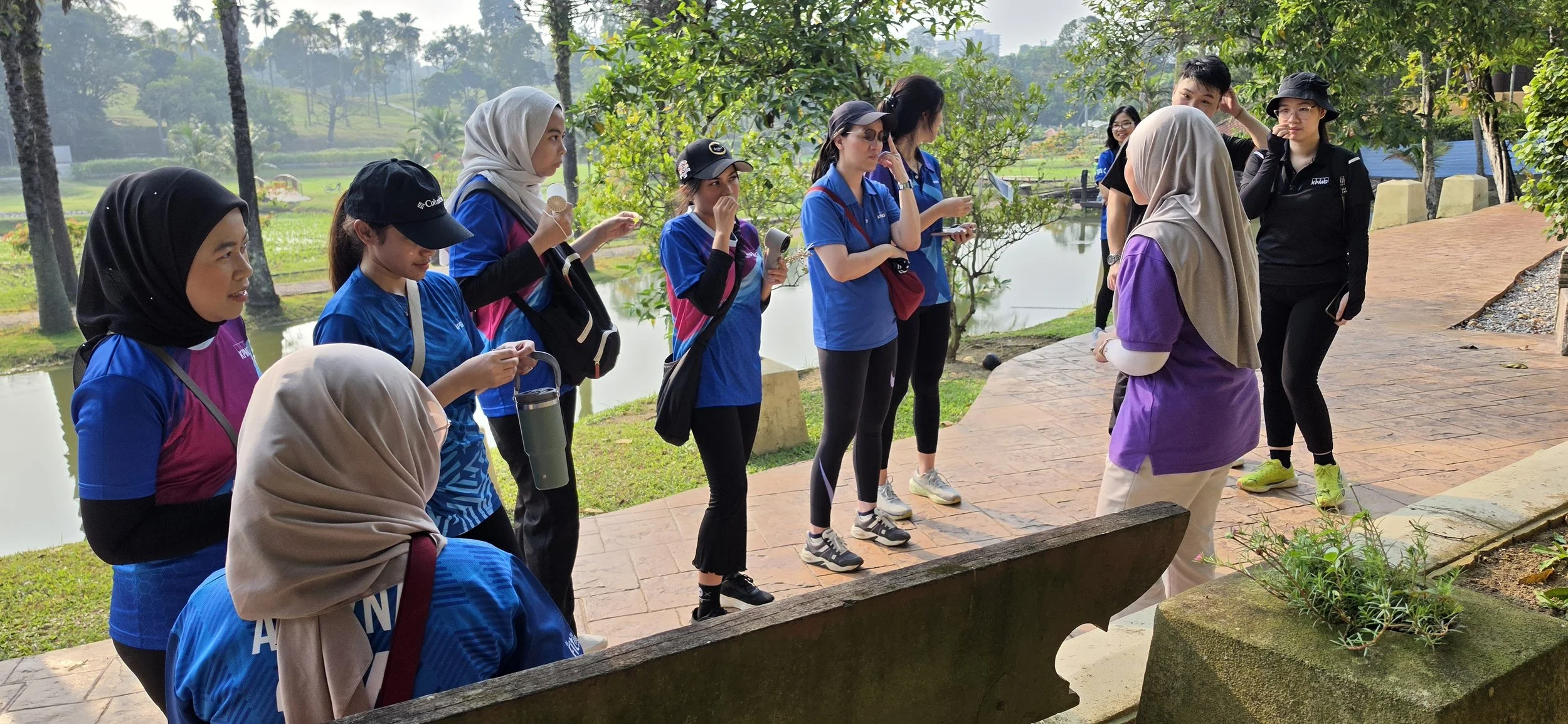
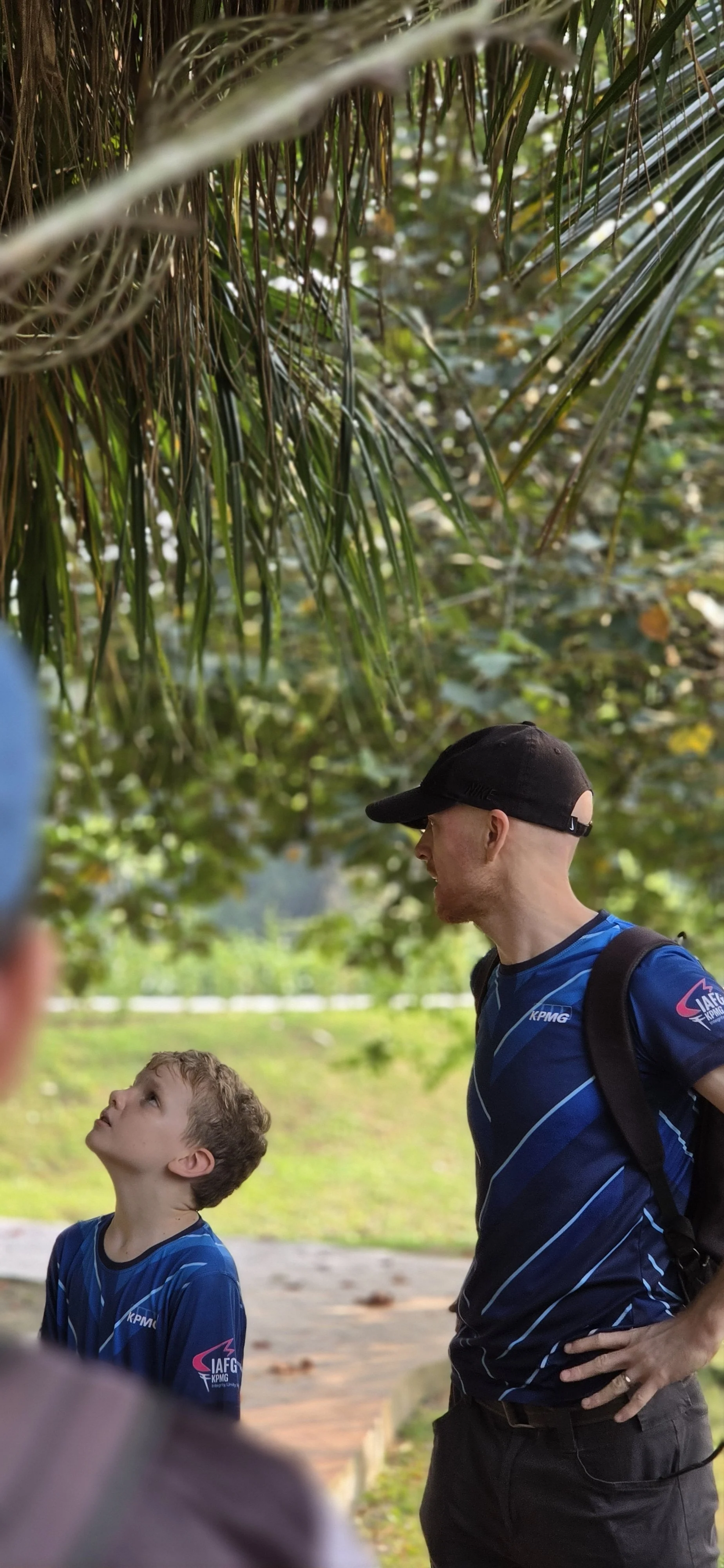
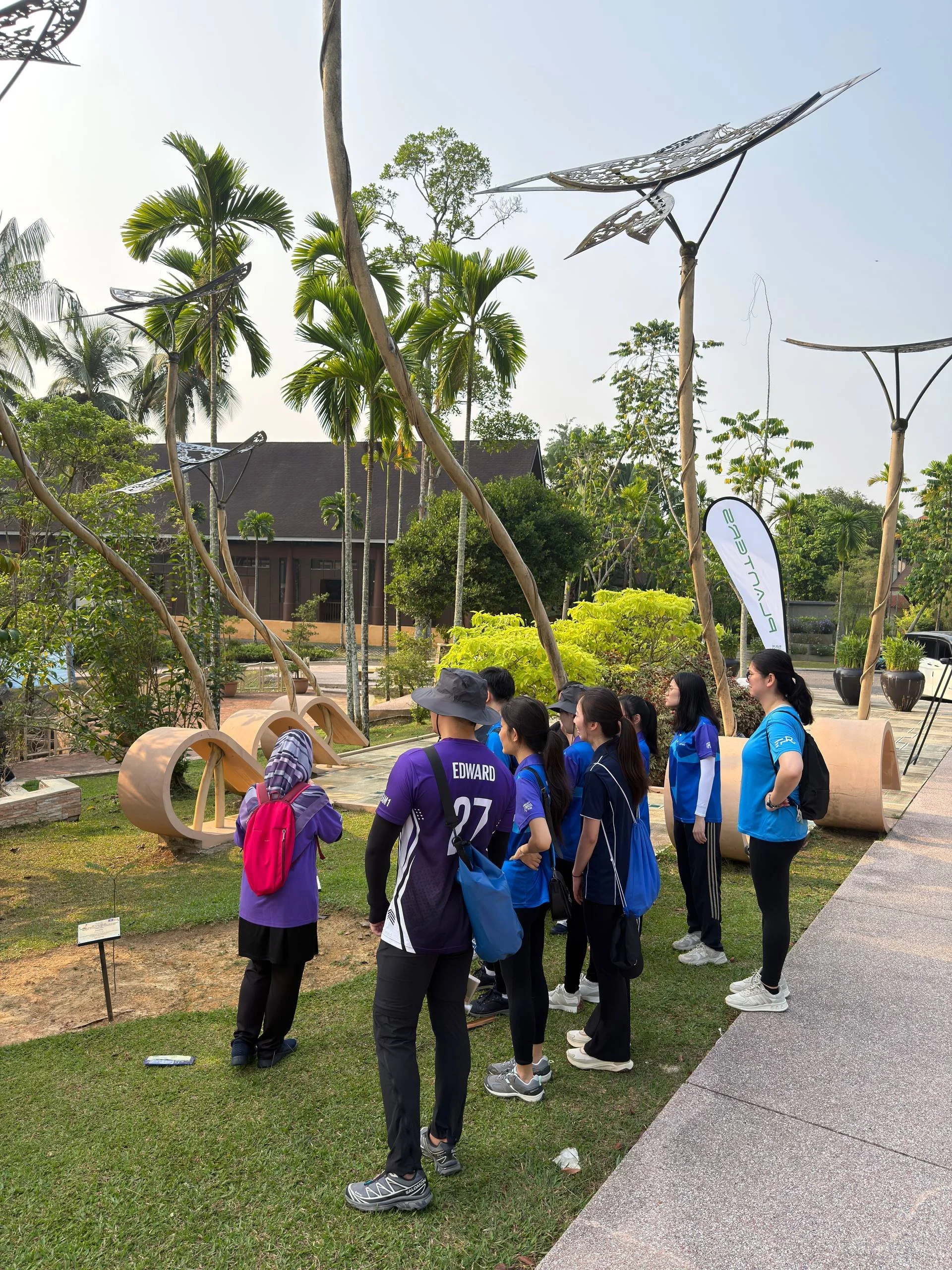
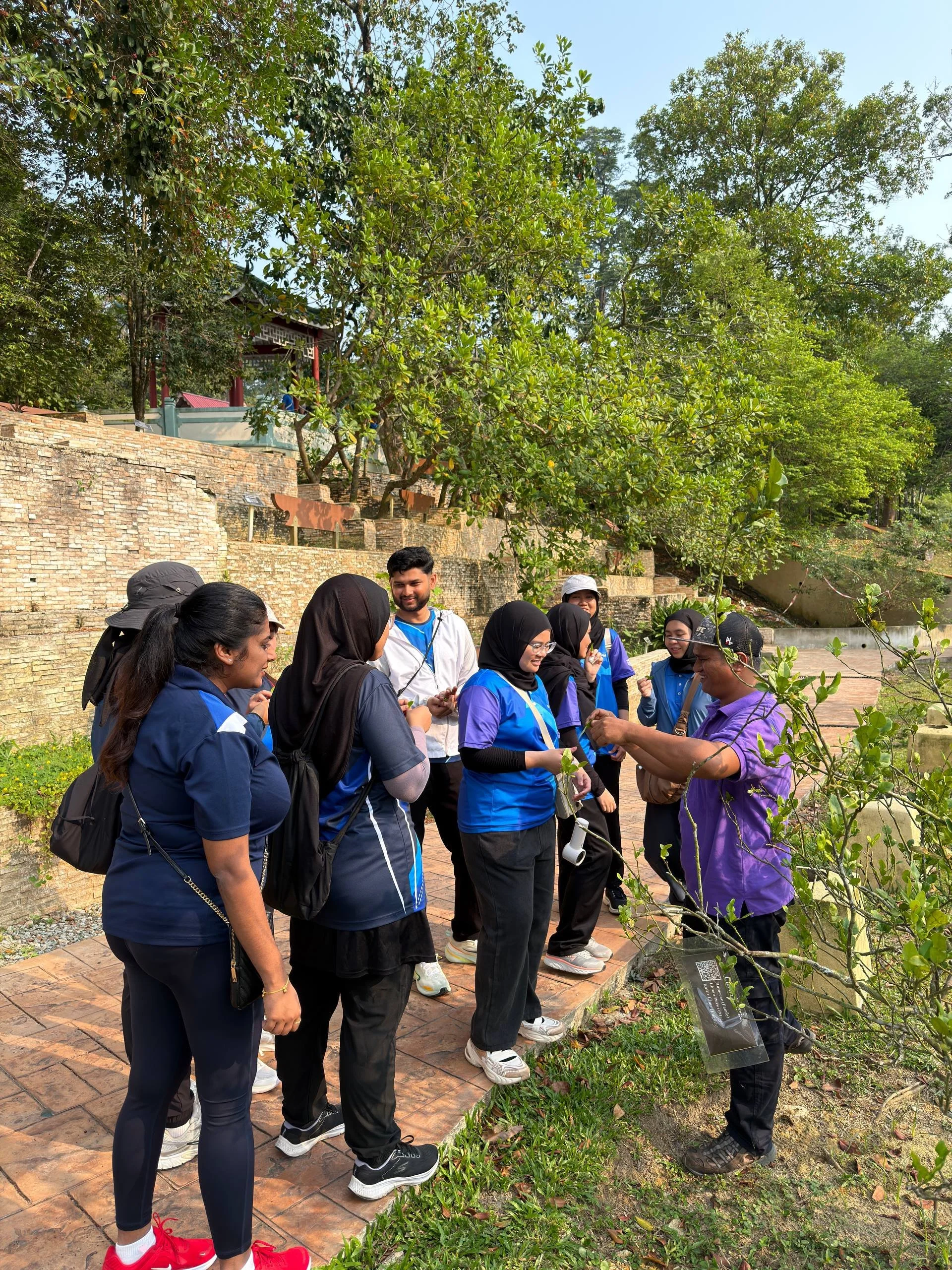
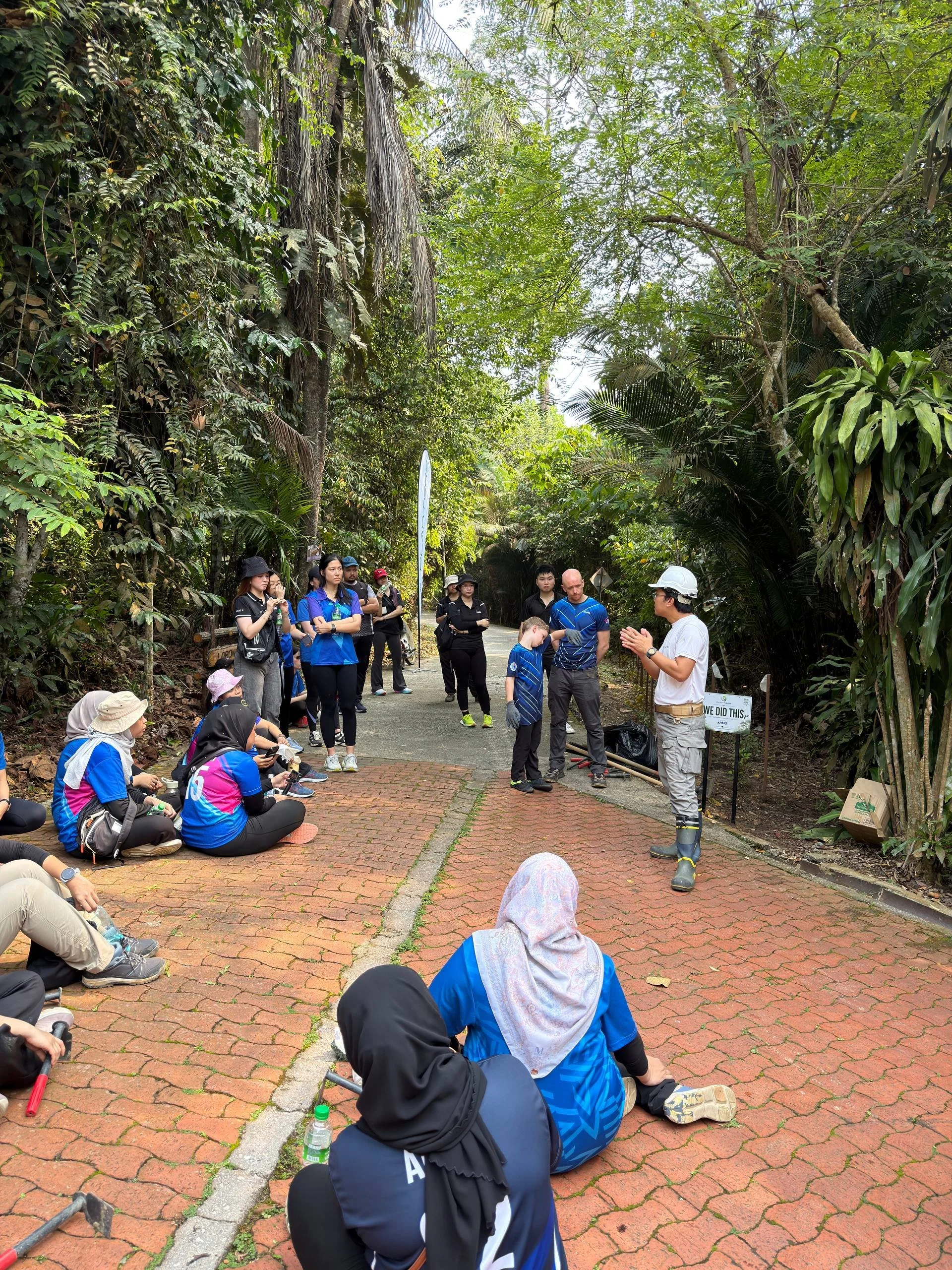
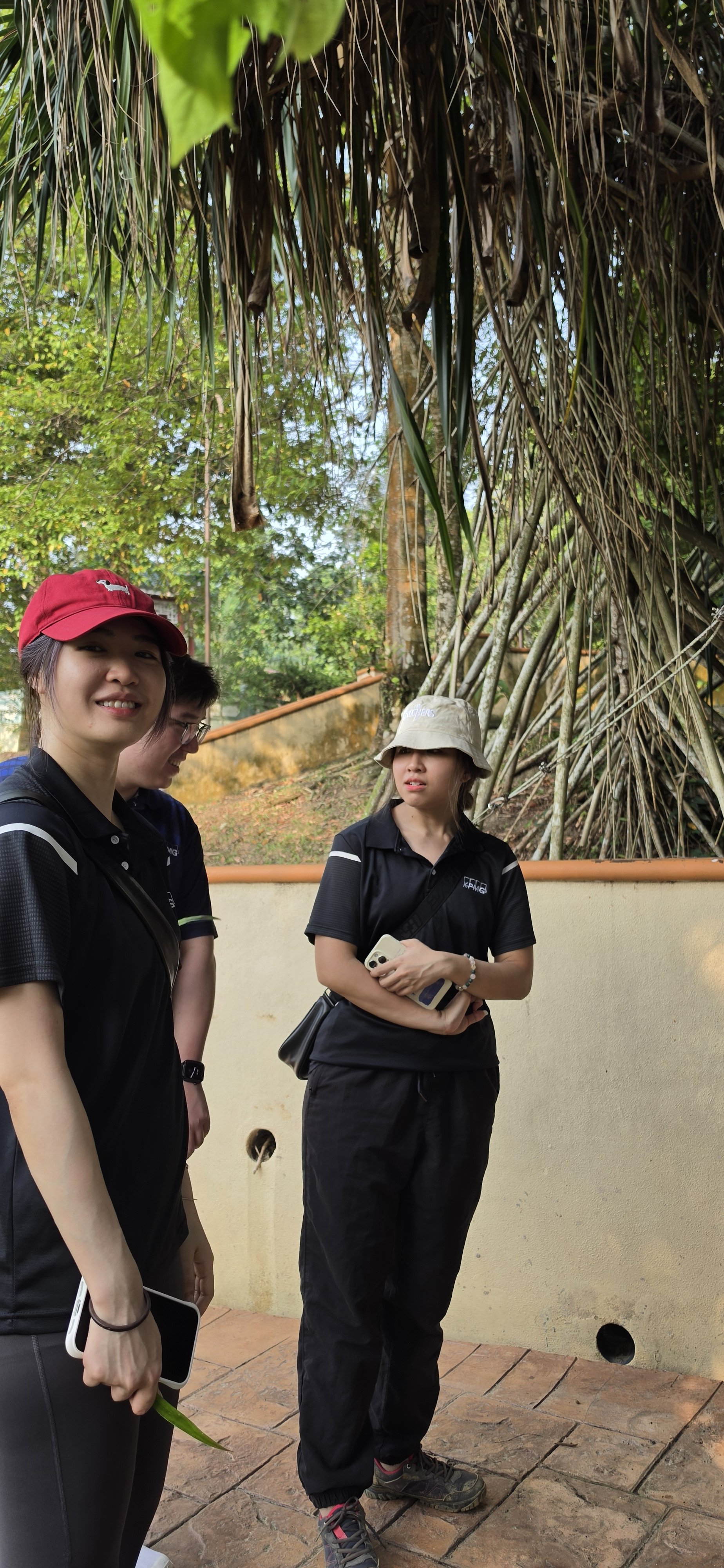
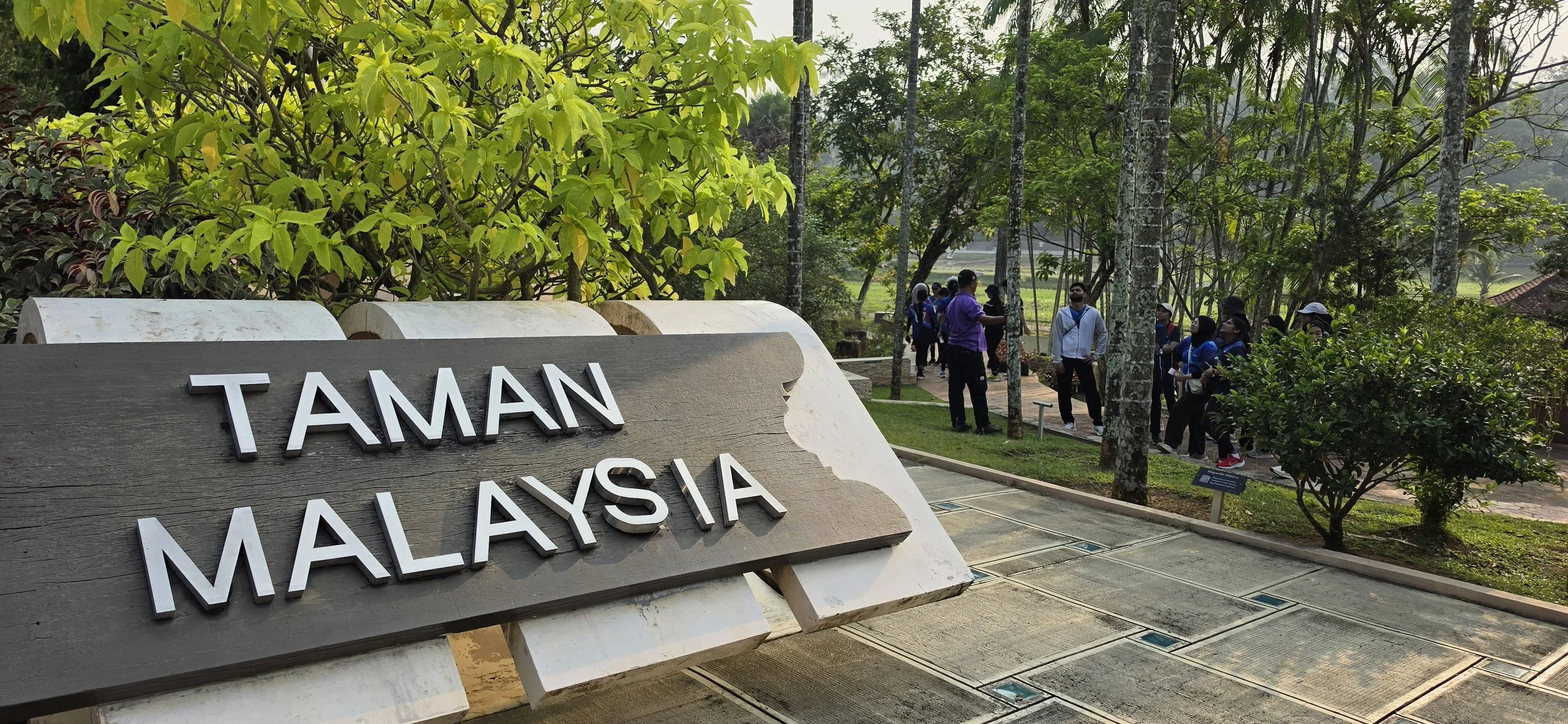
The programme began with biodiversity and ecosystem education, helping participants understand the environment they were about to work in before moving into practical field activities.
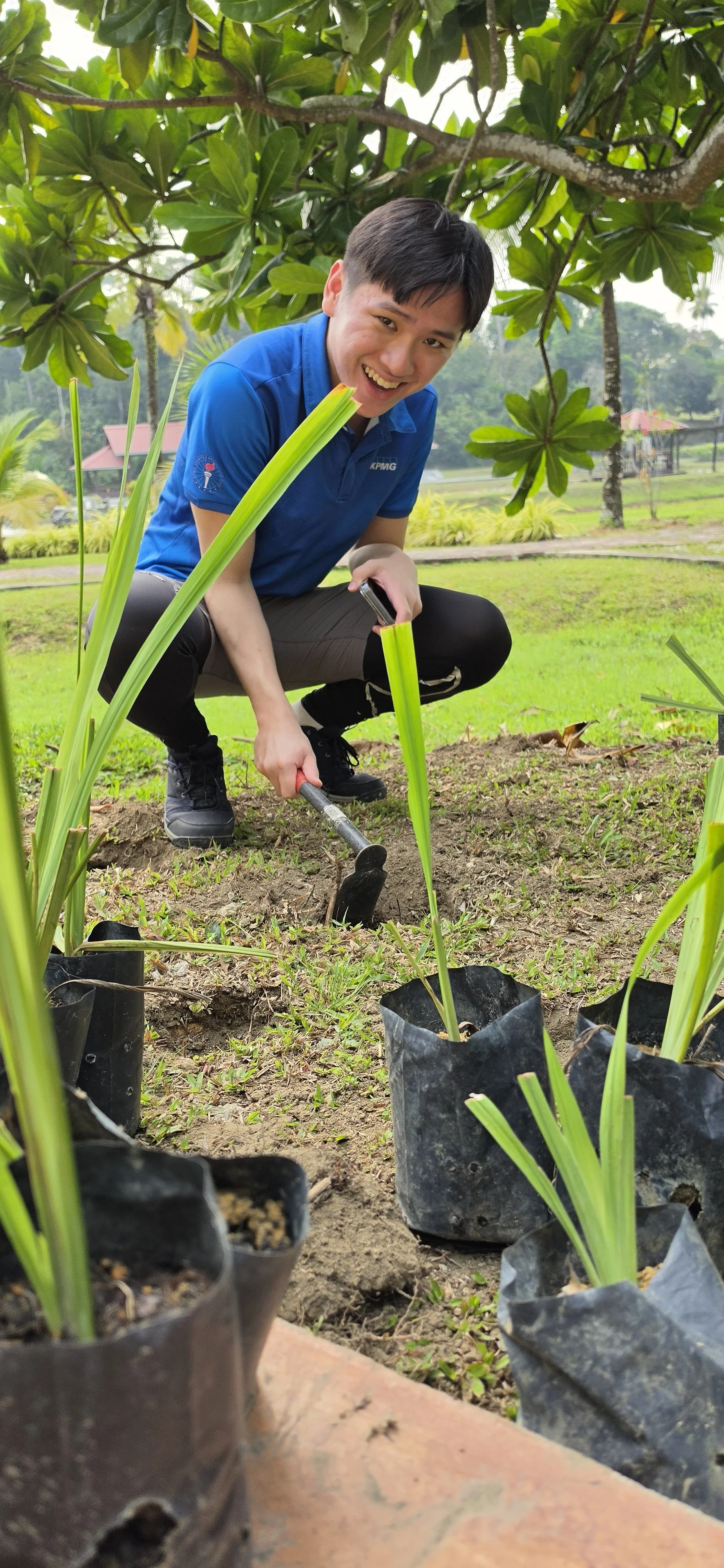
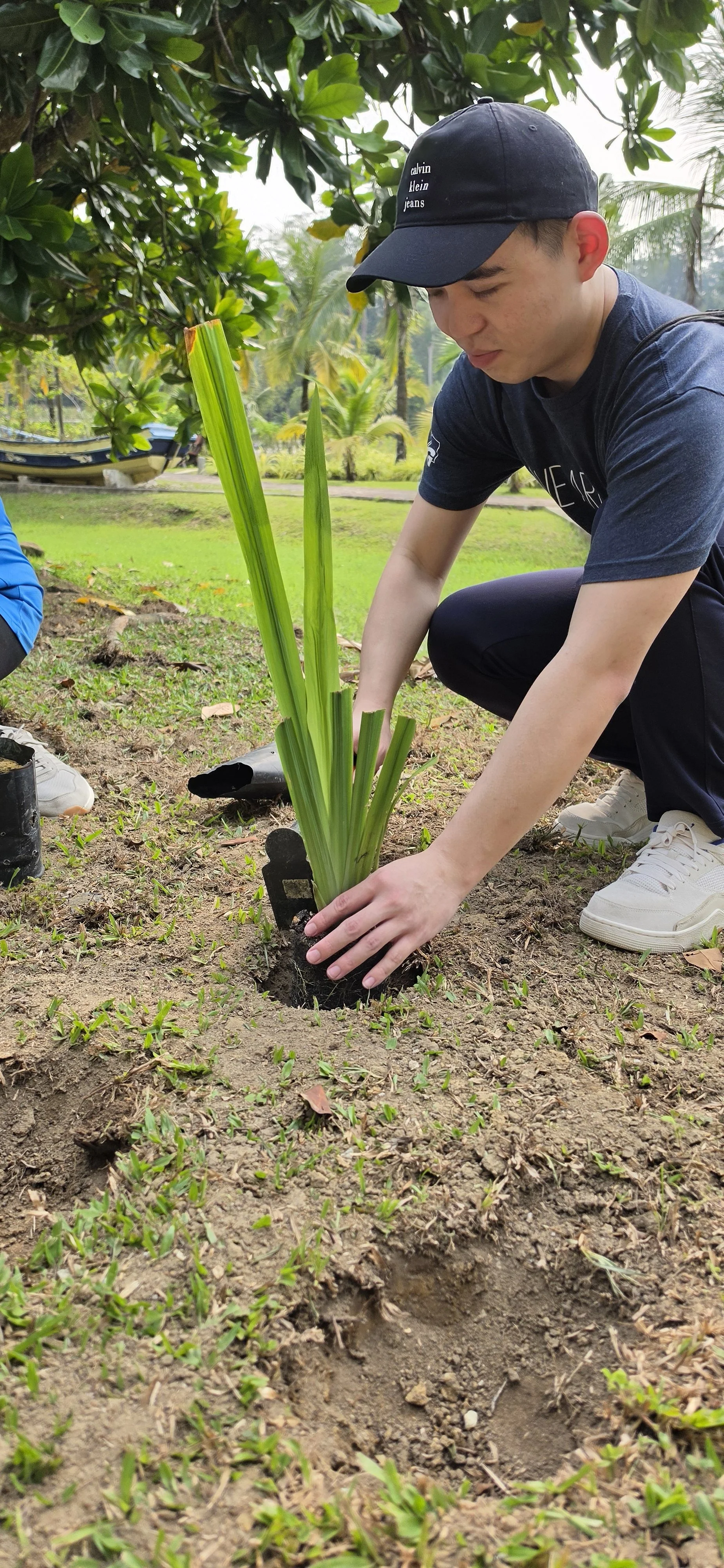
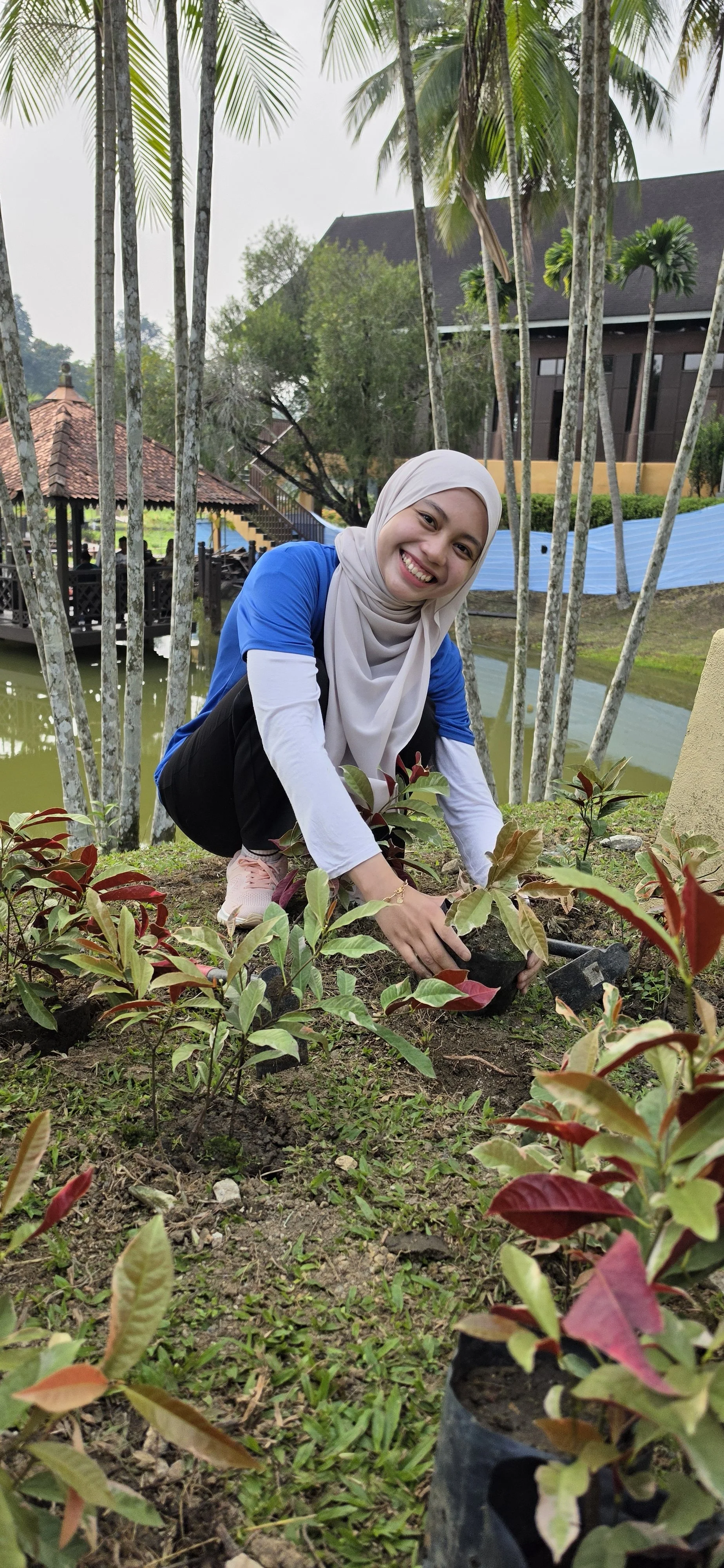
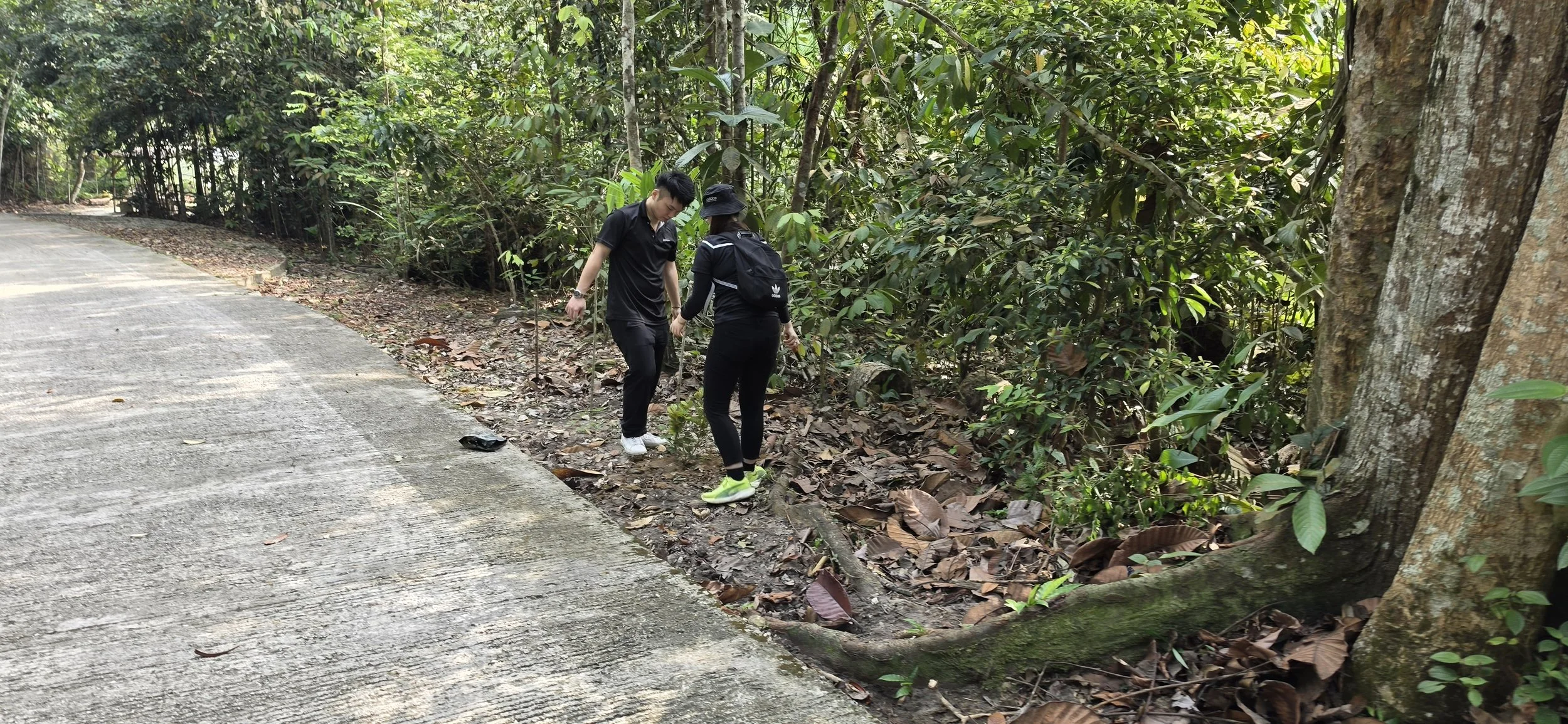
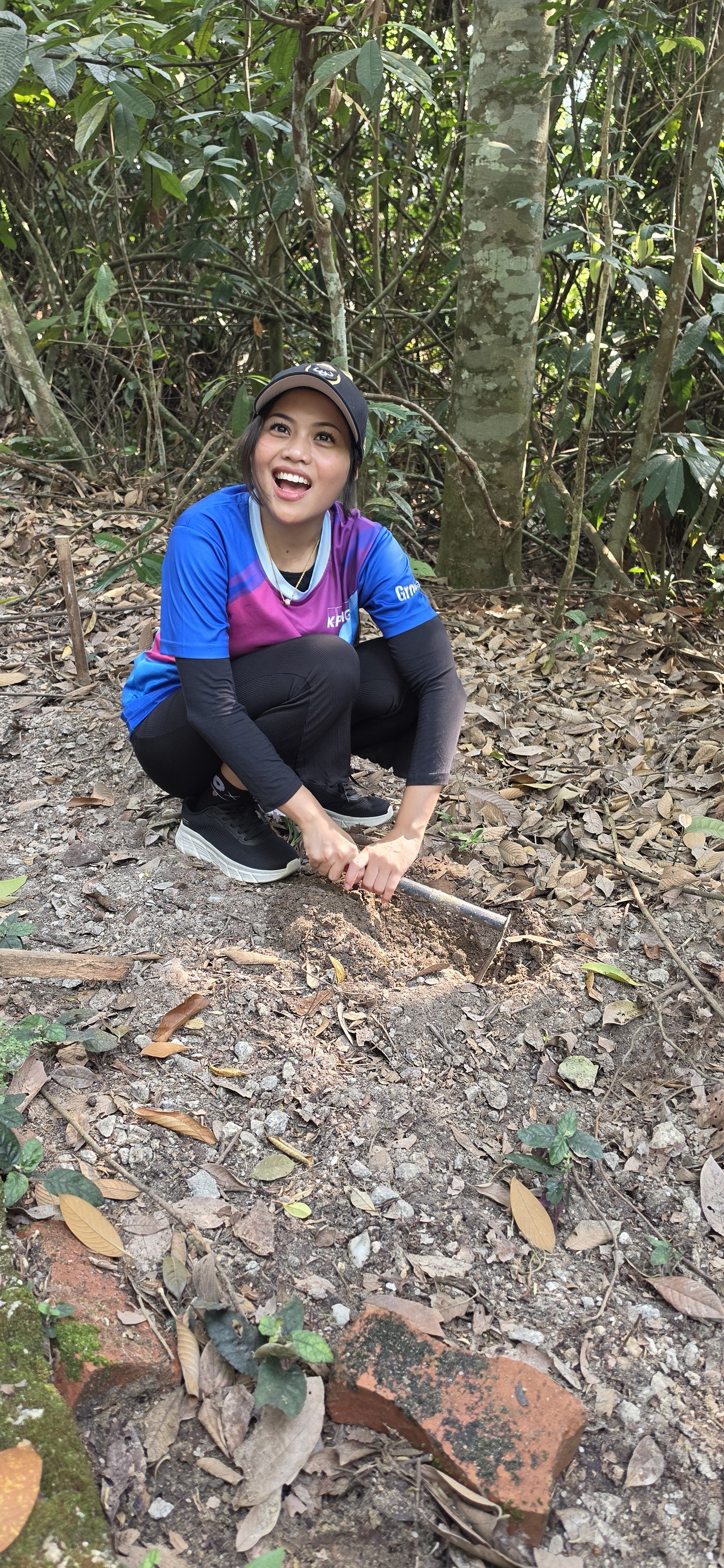
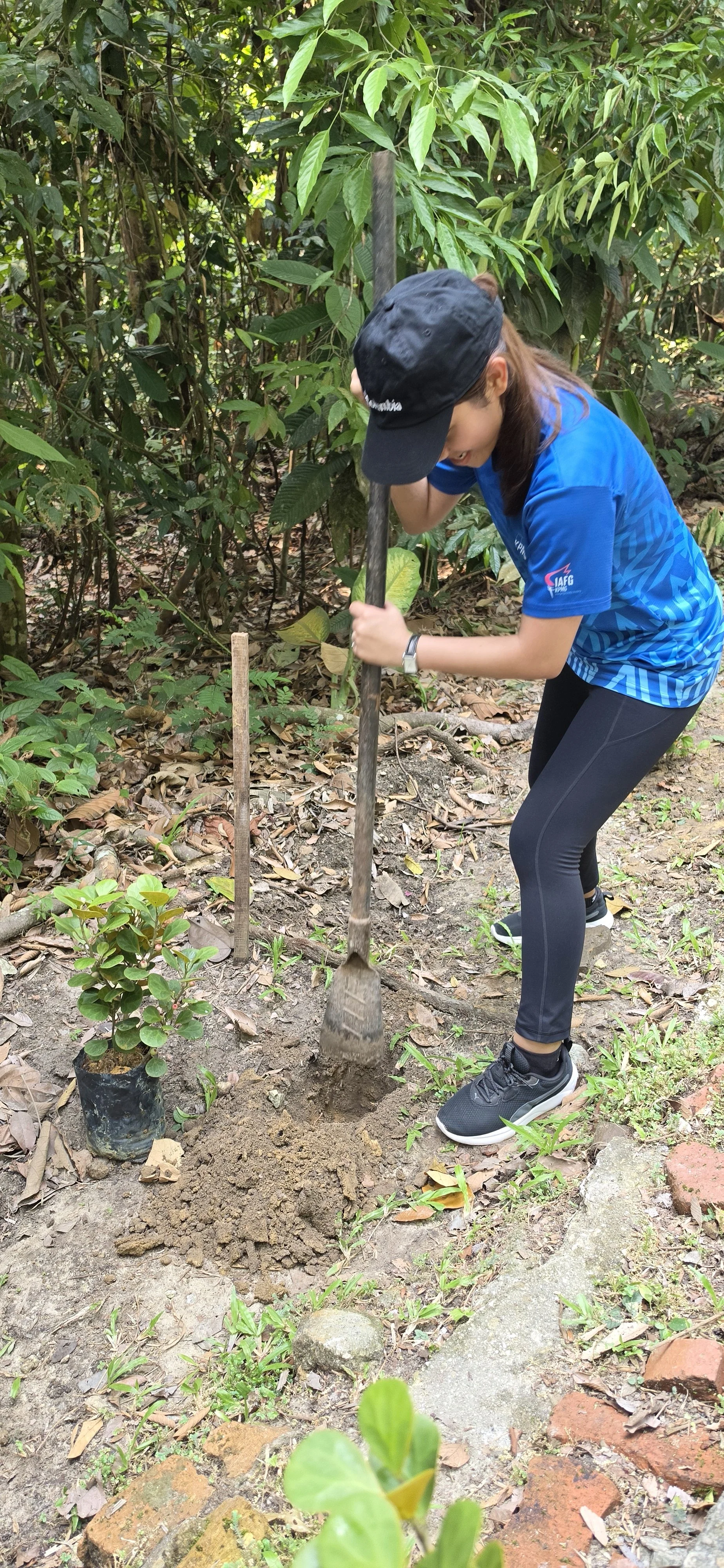
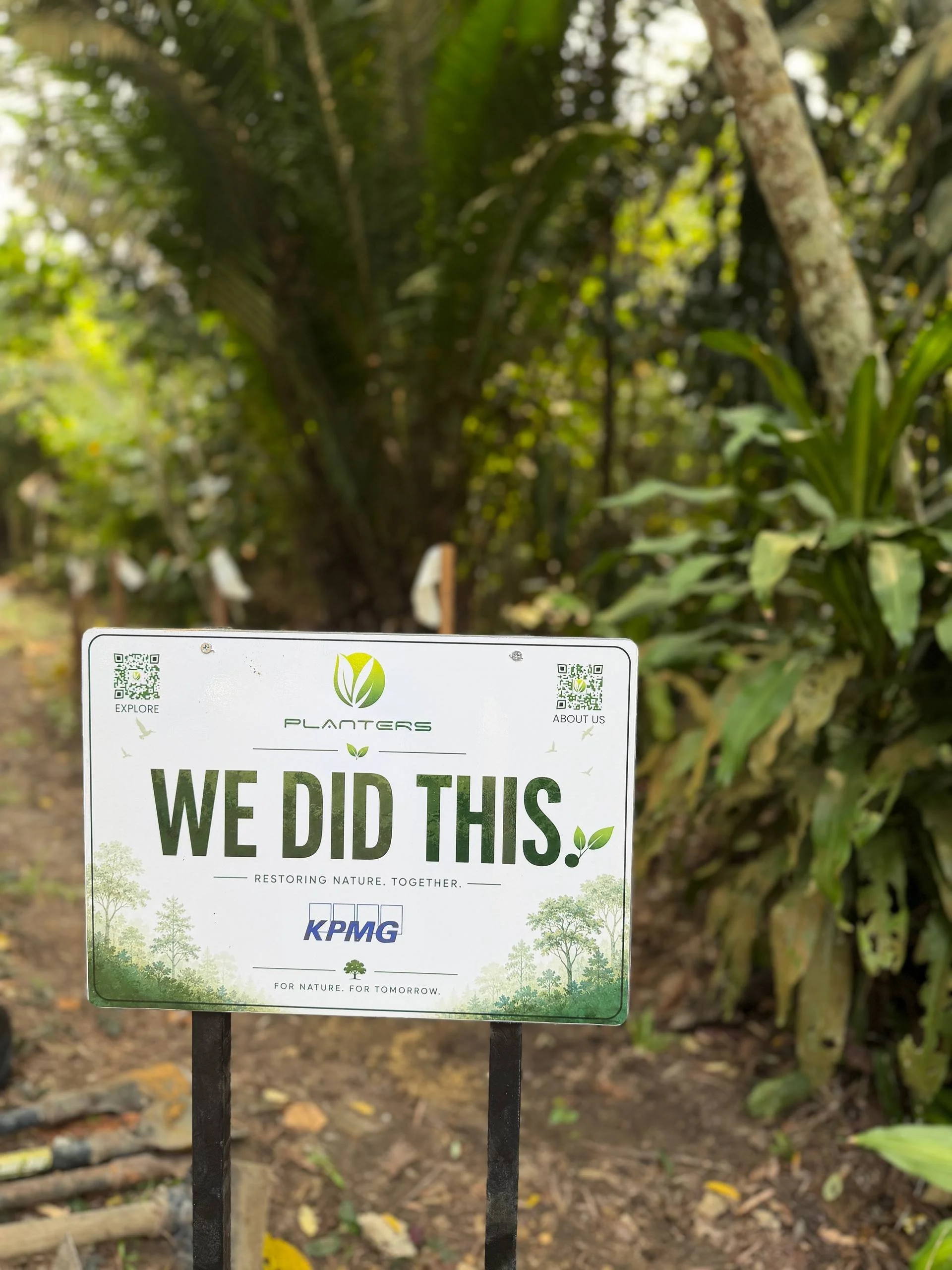
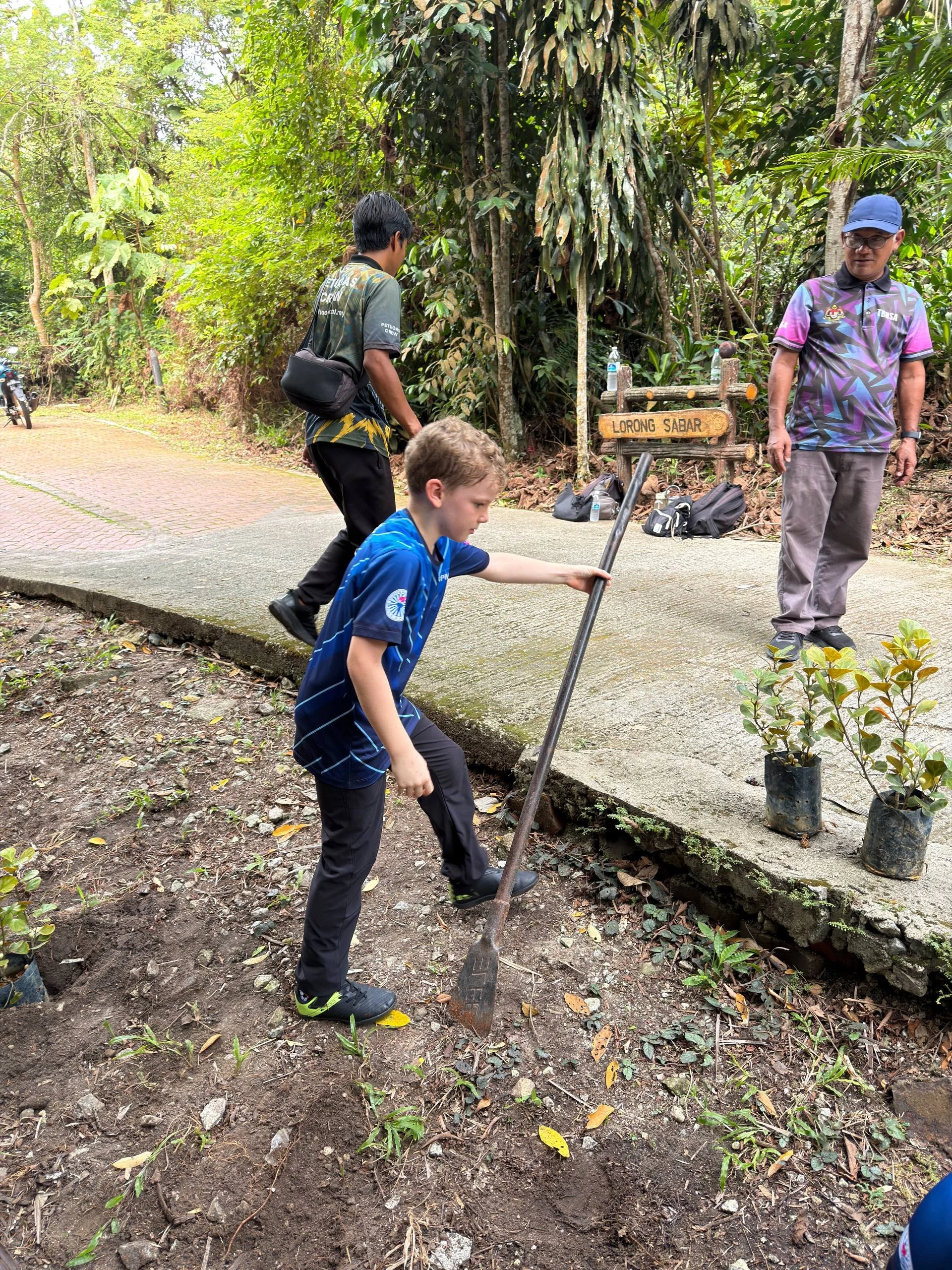
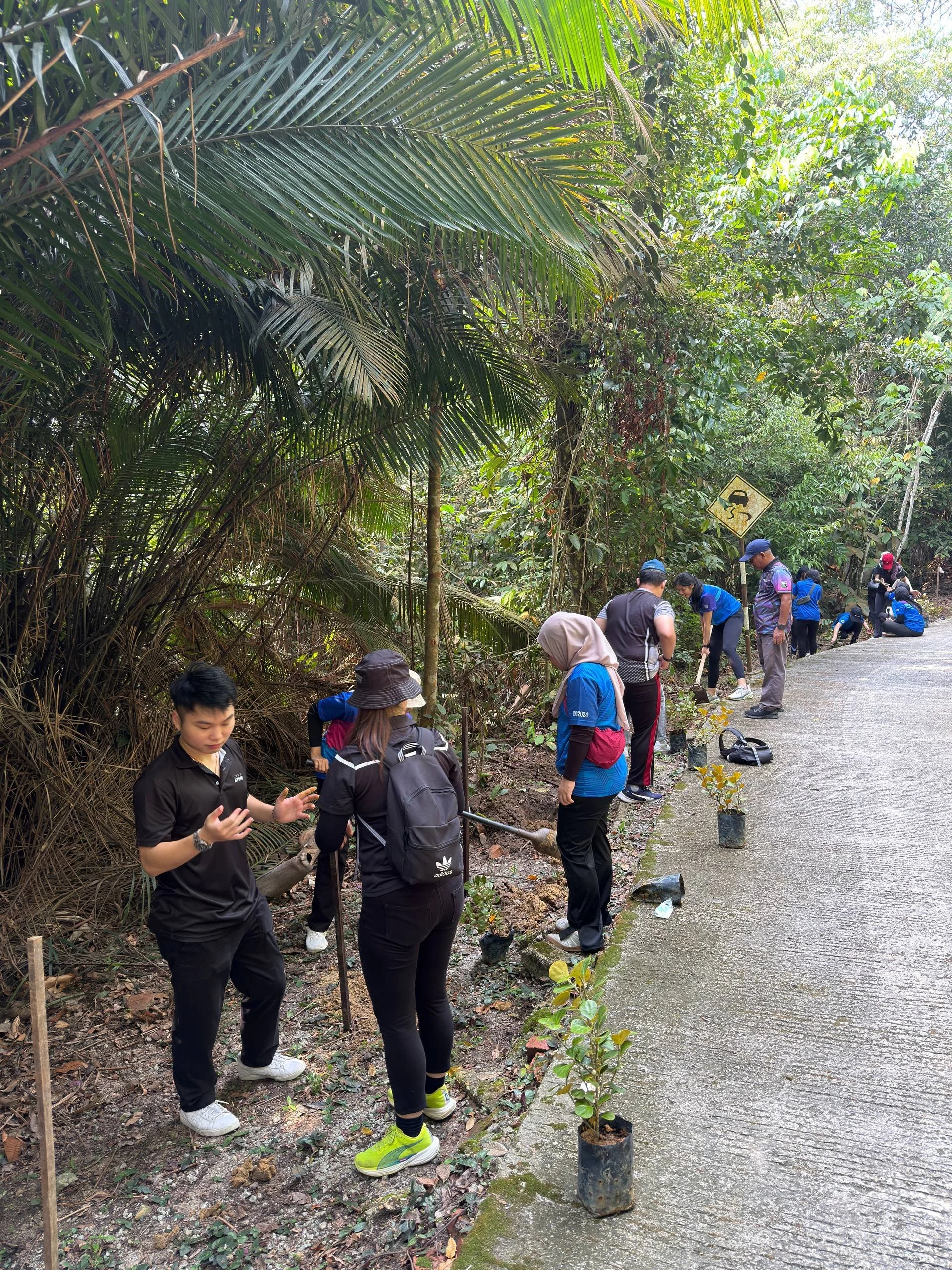
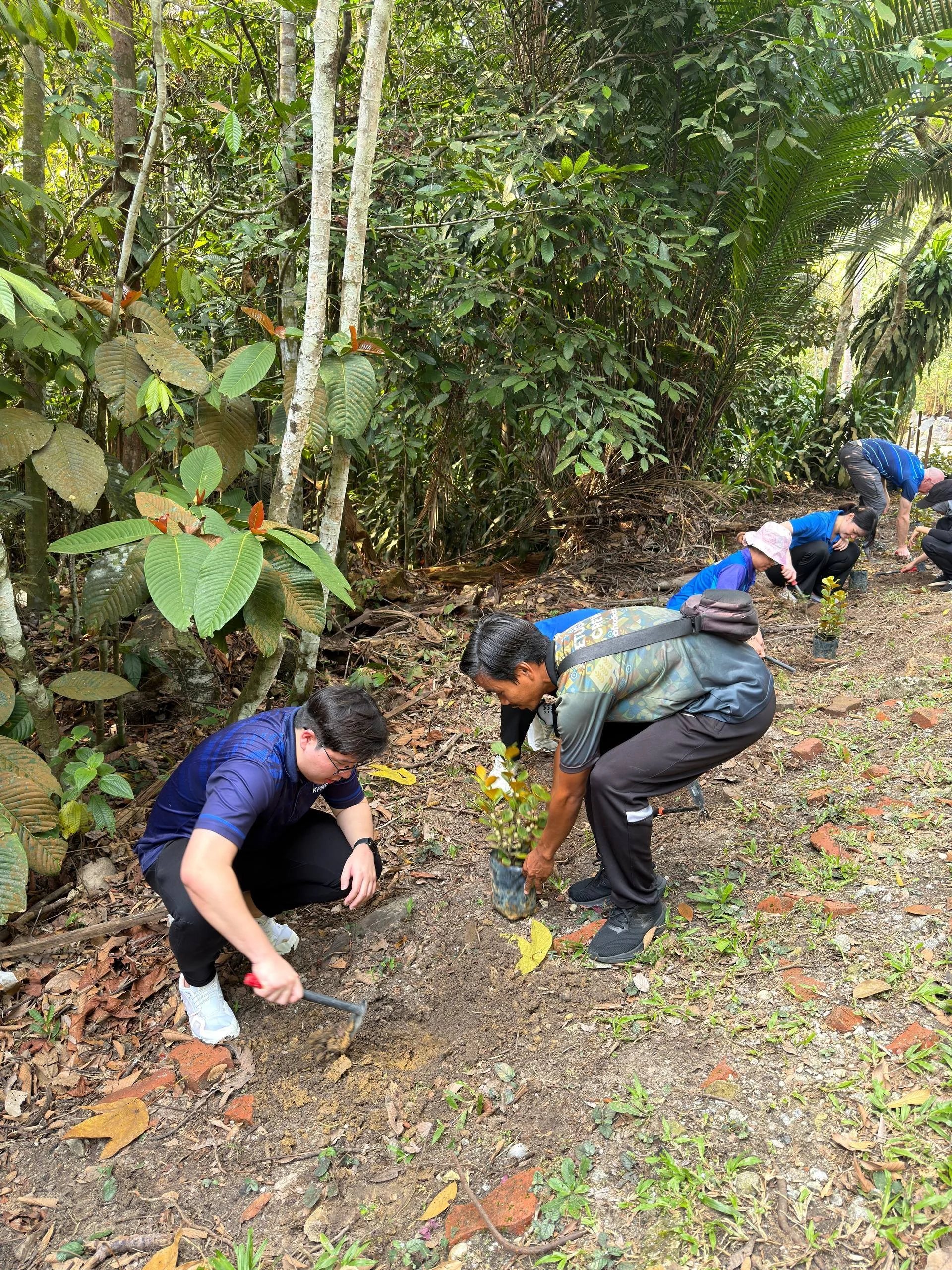
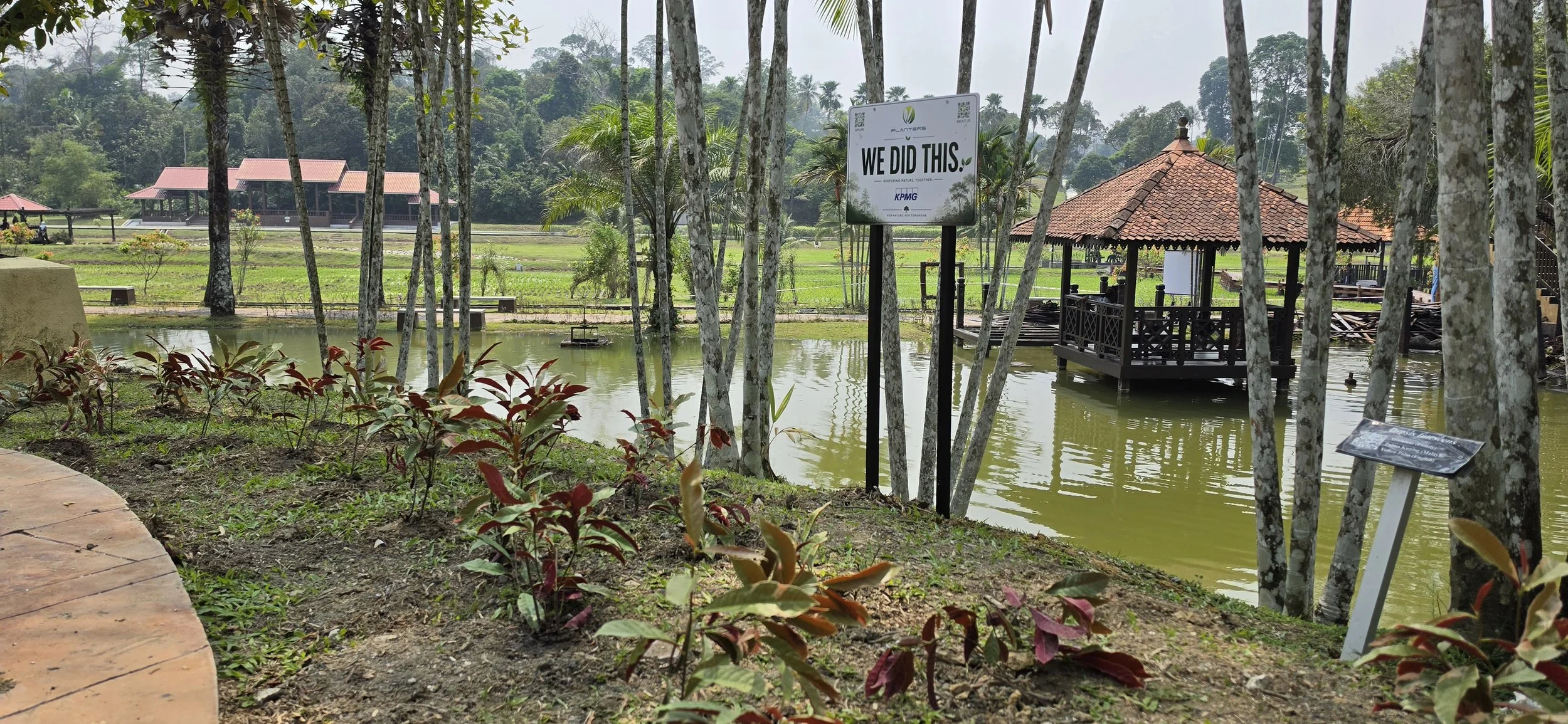
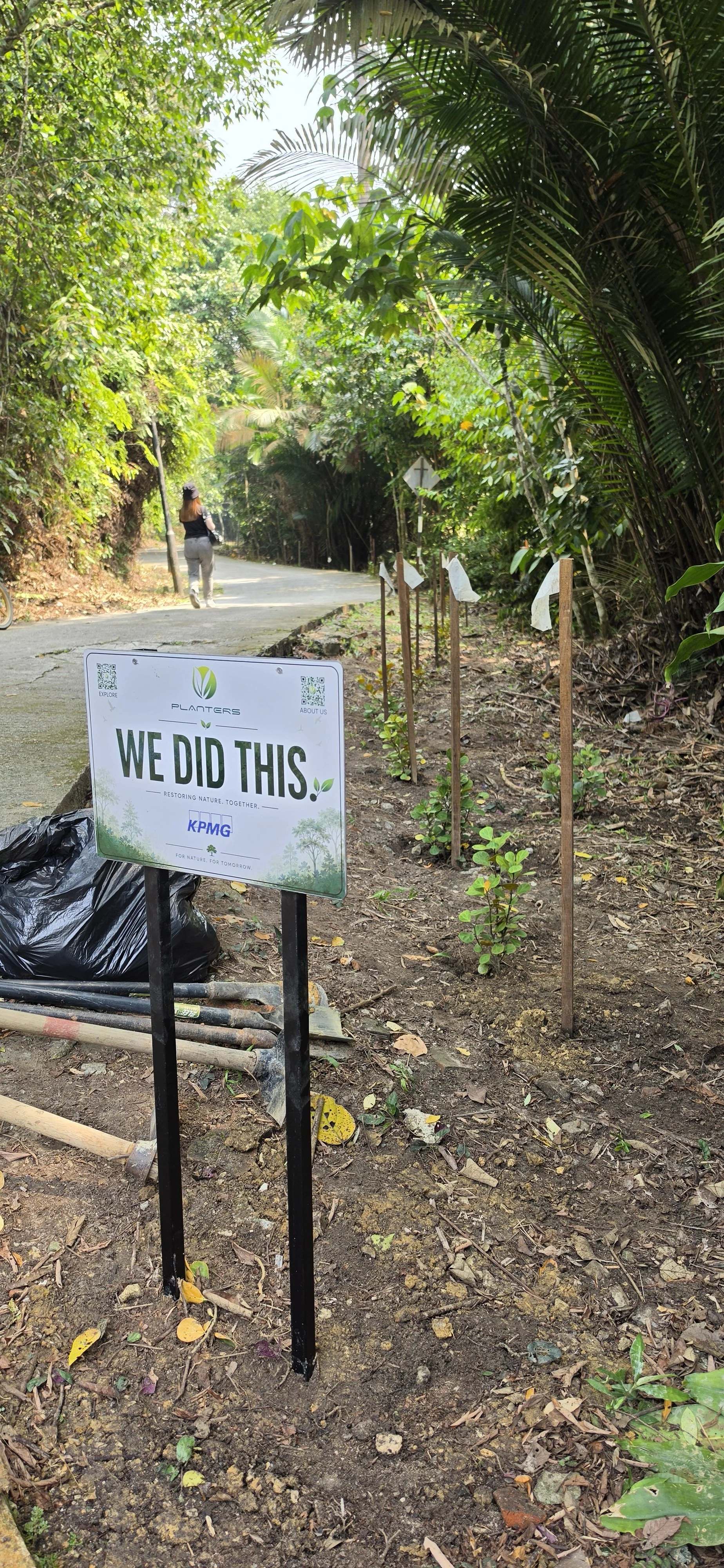
At the Taman Malaysia area of TBNSA, KPMG participants undertook purposeful planting alongside hands-on maintenance of existing vegetation.
The work included weeding, soil loosening, pruning and general plant maintenance.
This distinction is important.
Restoration is not simply about putting new trees into the ground. Existing vegetation also needs attention, competition needs to be managed, soil conditions matter, and plants need continued care if an intervention is to establish successfully.
The programme therefore combined three elements:
Learn. Restore. Steward.
For companies considering their own biodiversity programmes, this represents a different proposition from conventional one-off tree planting.
Planting with birds and biodiversity in mind
Plant selection also creates an opportunity to think beyond simply increasing greenery.
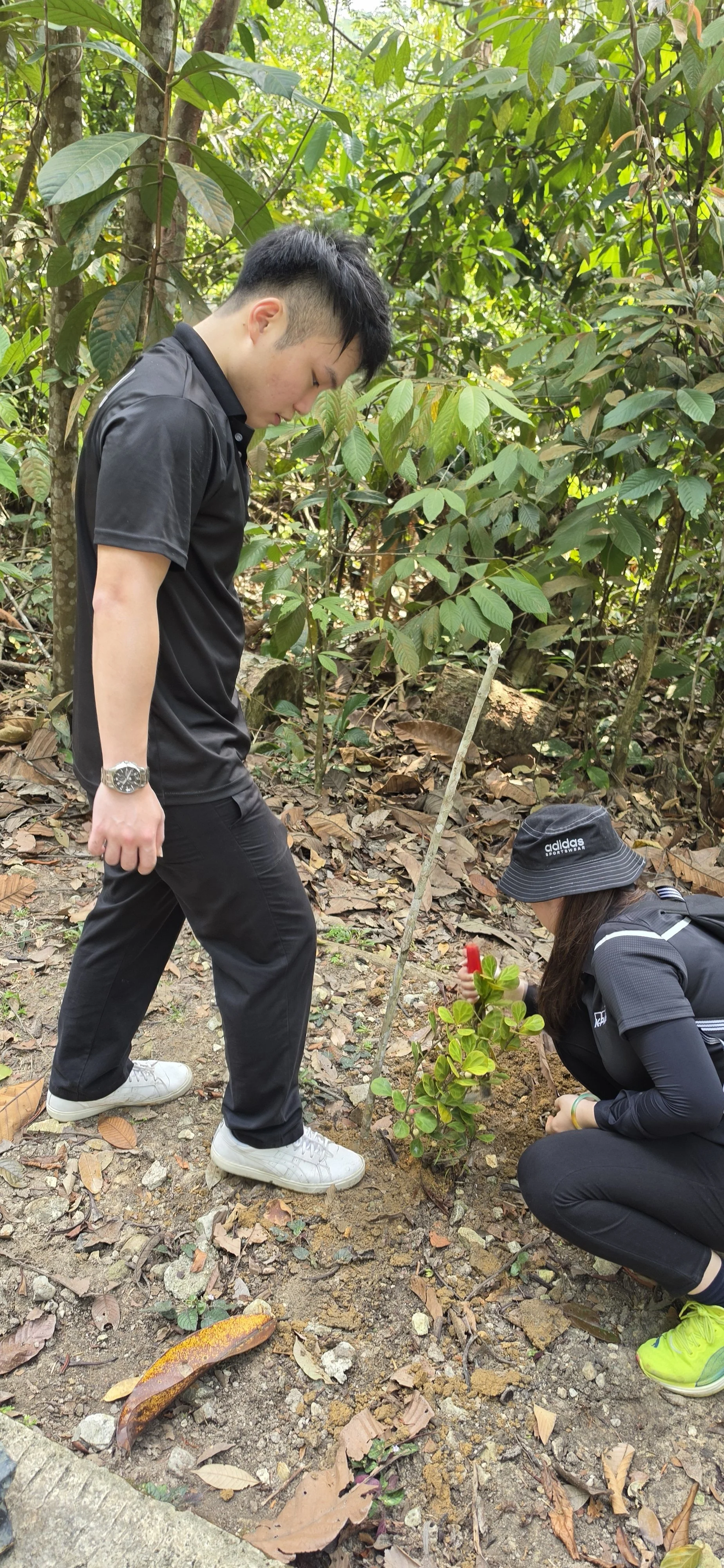
Among the species planted along Denai Camar Rimba during the KPMG programme was Mas Cotek (Ficus deltoidea), incorporated as part of the programme's biodiversity-enhancement approach and with birds and other smaller fauna in mind.
That is particularly relevant at Bukit Cerakah.
Official Selangor records recognise the wider forest landscape as habitat for wildlife including birds, tapir, insects and other fauna. (Dewan Selangor)
The principle is simple but important:
Biodiversity planting should consider not only how much is planted, but what is planted and what ecological role that vegetation can eventually play.
That allows corporate planting to begin moving away from purely numerical targets towards a more considered approach to habitat and ecosystem enhancement.
Taman Botani Negara Shah Alam is part of a Permanent Forest Reserve
The location gives the programme another important dimension.
Taman Botani Negara Shah Alam is widely known as one of the Klang Valley's major botanical and recreational destinations, but its forest context is considerably more significant.
Official Selangor records state that the land status of Taman Botani Negara Shah Alam is Hutan Simpanan Kekal Negeri Selangor — a Permanent Forest Reserve. (Dewan Selangor)
TBNSA is associated with the Hutan Simpan Bukit Cerakah landscape. State records also identify the remaining Bukit Cerakah and Bukit Cerakah Tambahan permanent forest reserves as protection forests managed as watershed forest and forest for federal purposes. (Dewan Selangor)
This matters to the story.
KPMG's Life on Land programme did not begin in an isolated landscaped corporate compound.
It began within the context of a Permanent Forest Reserve and the wider Bukit Cerakah forest landscape.
That gives the programme a credible platform from which employee volunteering can develop into a longer-term forest restoration, biodiversity conservation and stewardship initiative.
The real impact begins after the volunteers leave
The day's activities provided an immediate contribution to the landscape, but the more important questions begin after the volunteers leave.
How are the newly established plants performing? Are they healthy? Which areas require maintenance? Where is intervention needed? What can be improved before the next phase of restoration?
These questions are fundamental to the approach Planters is developing with KPMG.
Plant. Maintain. Monitor. Measure. Improve. Return.
The intention is for the Corporate Biodiversity & Ecosystem Restoration Programme to develop beyond its first activation at TBNSA into a continuing, longer-term programme.
Future work can build upon earlier interventions rather than simply starting again each year.
This includes periodic monitoring, plant-health assessments, maintenance, documentation and progress reporting, creating a record of what happens to restoration interventions after planting.
The approach can be summarised simply:
Plant → Maintain → Monitor → Measure → Improve → Return
That continuity is particularly important for corporate biodiversity programmes.
A photograph records what happened on planting day.
Monitoring tells us what happened afterwards.
Over successive interventions, companies can begin building a body of environmental work that can be revisited, assessed and progressively expanded.
Applying a long-term conservation mindset to Life on Land
There is a useful parallel with KPMG's established marine conservation activities.
Its Eco Dive programme does not simply send volunteers underwater for a day. Participants have been involved in recurring reef-health assessments, scientific monitoring and maintenance of coral rehabilitation sites. KPMG's own reporting notes that the annual Eco Dive programme has operated since 2007.
The same principle of continuity can be applied on land.
Restore an area. Return to it. Assess it. Maintain it. Learn from it. Then build upon it.
Through its collaboration with Planters, KPMG now has an opportunity to extend that culture of longer-term environmental stewardship into terrestrial biodiversity and forest restoration under SDG 15: Life on Land.
A different model for corporate biodiversity action in Malaysia
For organisations considering ESG, CSR, sustainability or employee volunteering programmes, biodiversity action does not have to be limited to sponsoring trees or organising a once-a-year planting event.
A corporate programme can be structured around actual environmental work.
It can begin with biodiversity education.
Employees can participate directly in restoration.
Planting can consider ecological objectives.
Existing vegetation can be maintained.
Sites can be revisited.
Plant health and condition can be monitored.
Results can be documented.
And subsequent activities can build upon what was accomplished previously.
That is the model behind Planters' Corporate Biodiversity & Ecosystem Restoration Programme.
It allows organisations to begin with an accessible employee-engagement activity while creating a pathway towards longer-term, measurable environmental stewardship.
From corporate volunteering to corporate stewardship
For KPMG in Malaysia, the morning at Taman Botani Negara Shah Alam represents an expansion of an environmental journey already underway.
Its marine conservation activities continue.
Now, through its collaboration with Planters, Life on Land joins that journey.
Fifty KPMG participants contributed hundreds of volunteer hours towards biodiversity education, hands-on restoration and ecosystem stewardship within the Bukit Cerakah forest landscape.
But the real measure of the programme extends beyond the activities of the day.
It will be found in what happens to the site afterwards — and in the commitment to return, monitor, maintain and continue the work over the longer term.
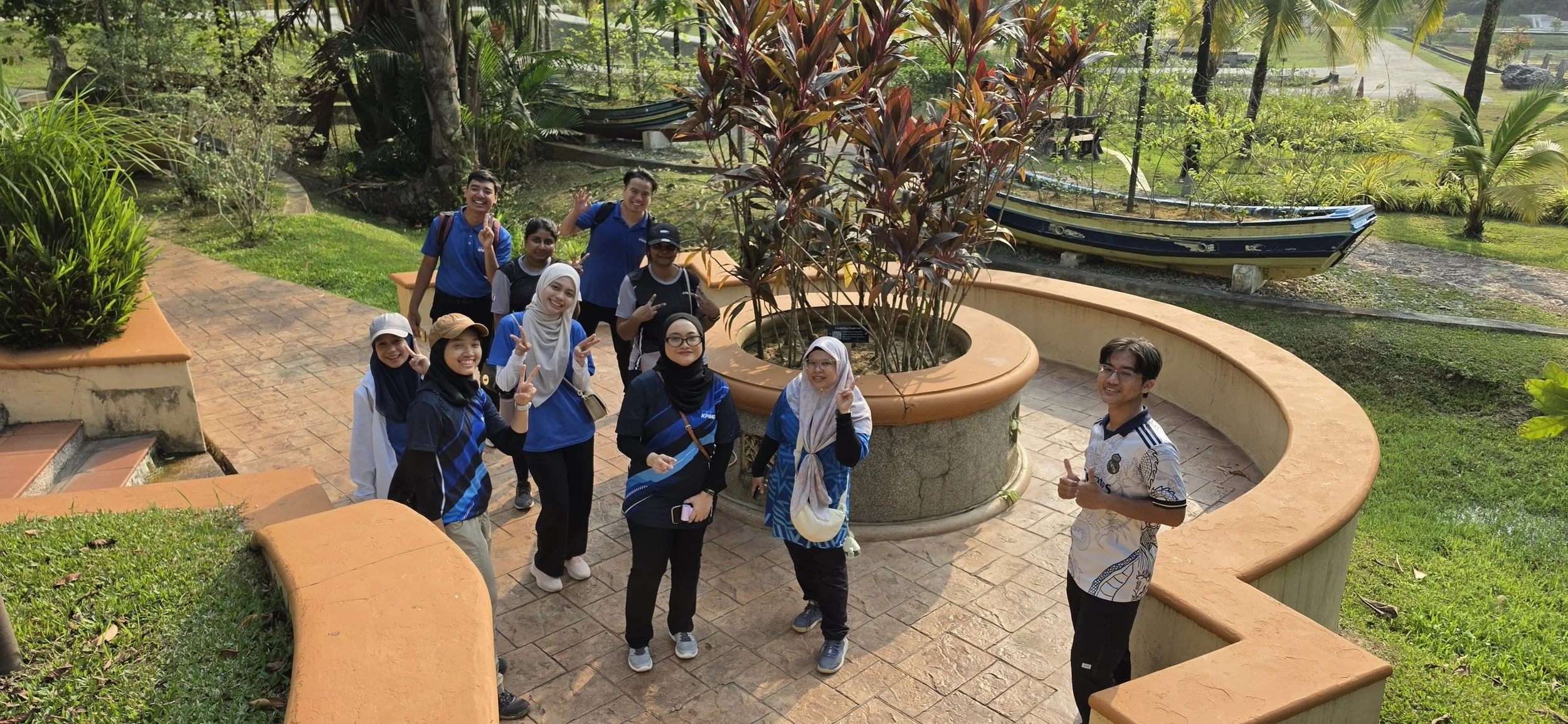
Because meaningful corporate biodiversity action should not end when the group photograph is taken.
It should leave something worth coming back to.

Bring Your Organisation Into the Restoration Journey
Planters International Berhad works with companies and organisations to develop Corporate Biodiversity & Ecosystem Restoration Programmes in Malaysia.
Programmes can combine corporate volunteering, biodiversity education, forest restoration, reforestation, purposeful planting, habitat enhancement, maintenance, periodic monitoring and environmental impact reporting according to the organisation's sustainability priorities and the requirements of the site.
From an initial employee activation to a continuing multi-year stewardship programme, the objective is to help organisations move beyond one-off environmental activities towards credible, measurable and continuing action for nature.
Looking to build an SDG 15, biodiversity, forest restoration or corporate nature programme for your organisation?