Malaysia COP31 Road to Antalya: From Climate Ambition to Implementation
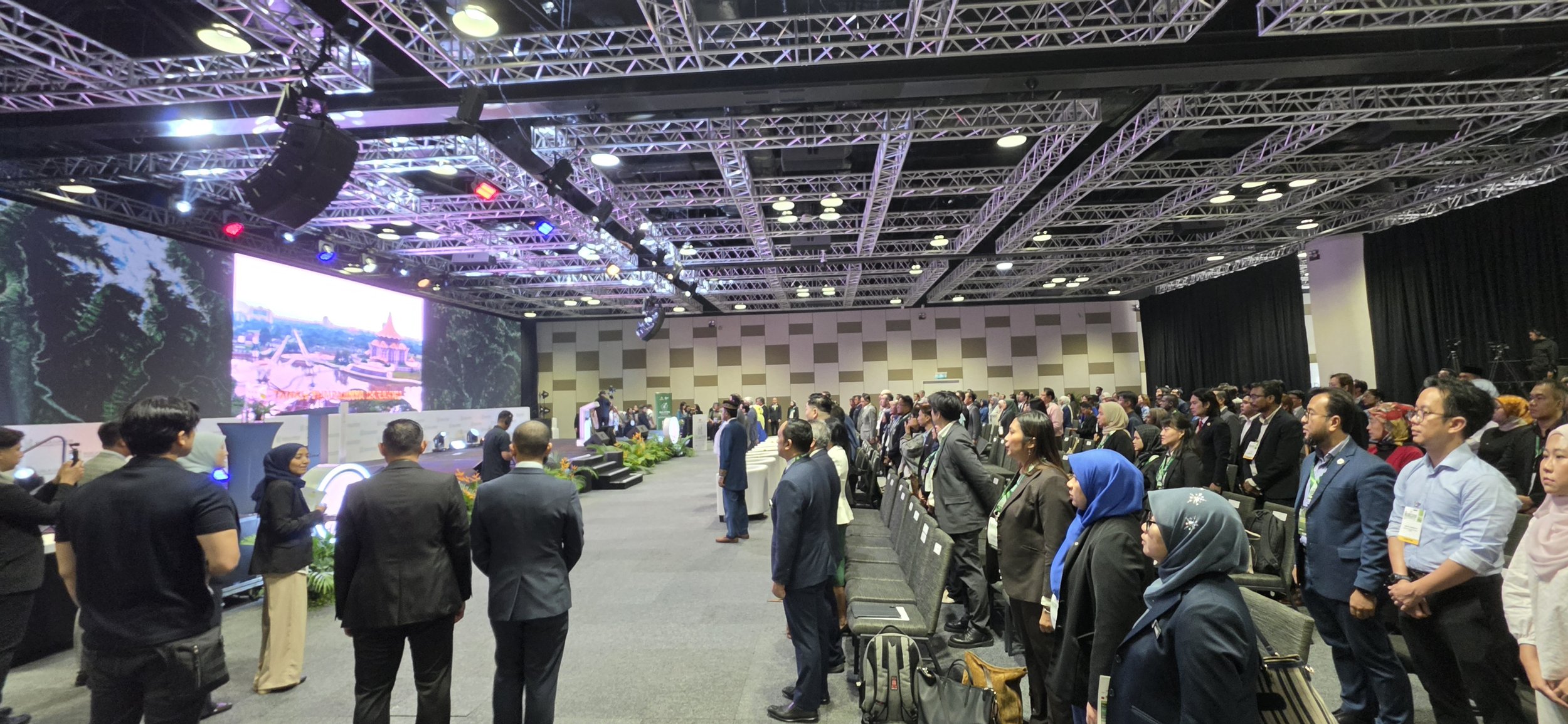
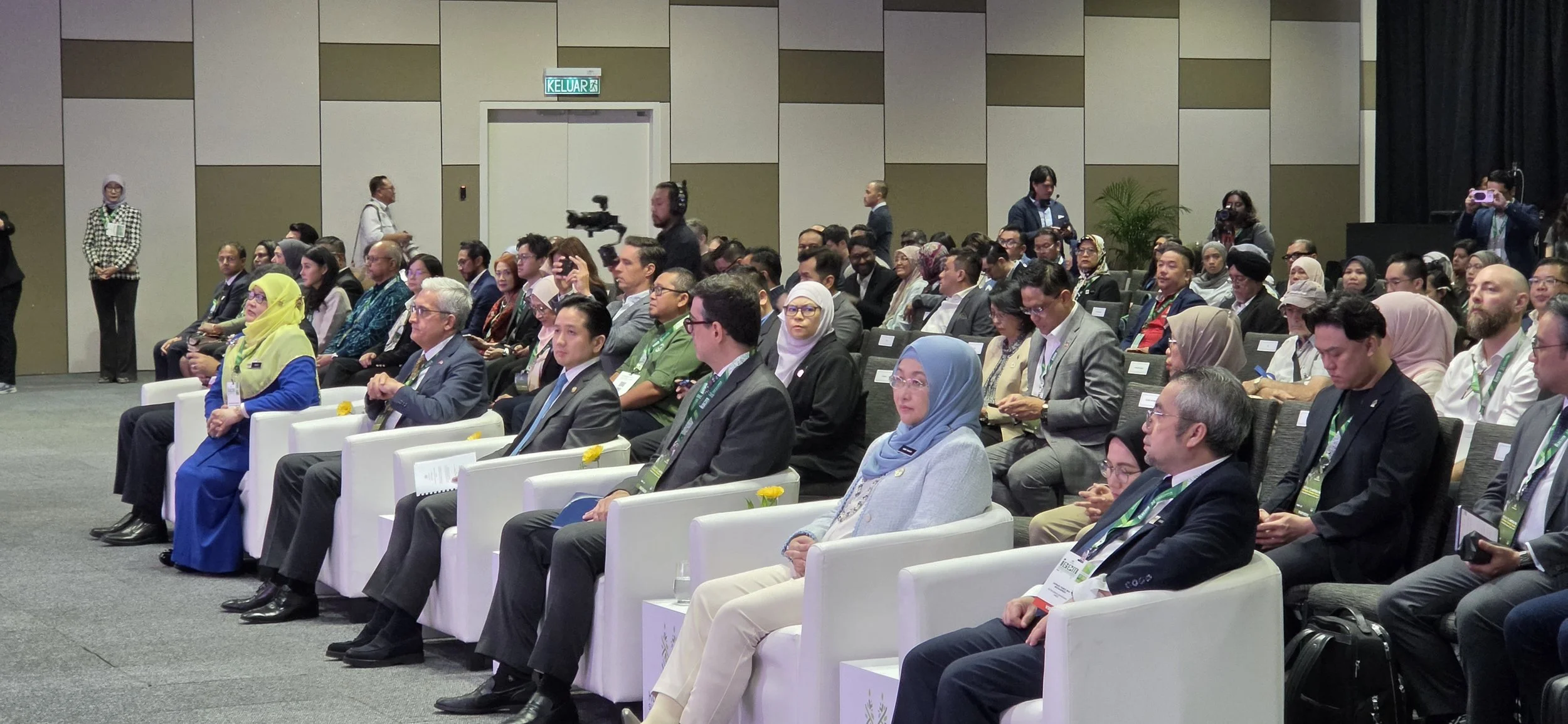
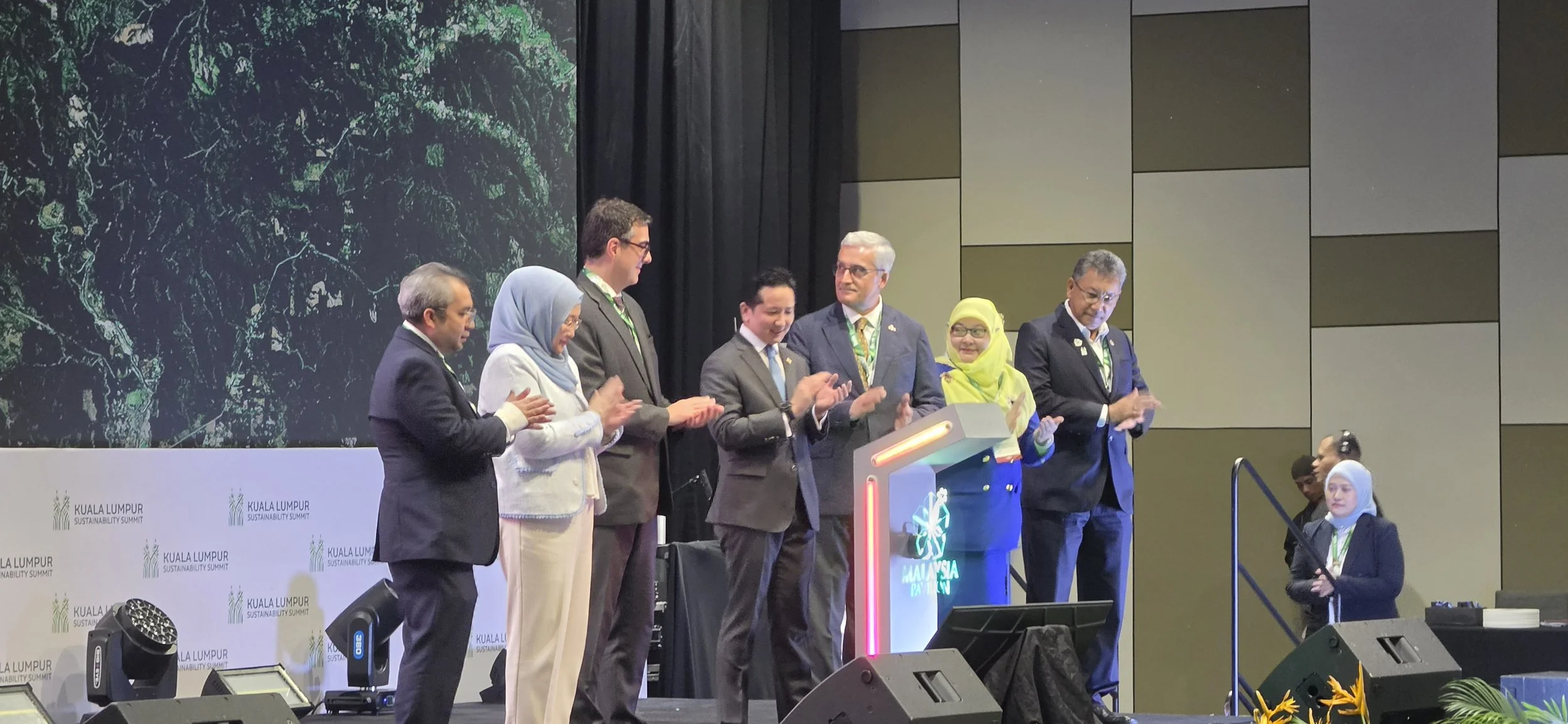
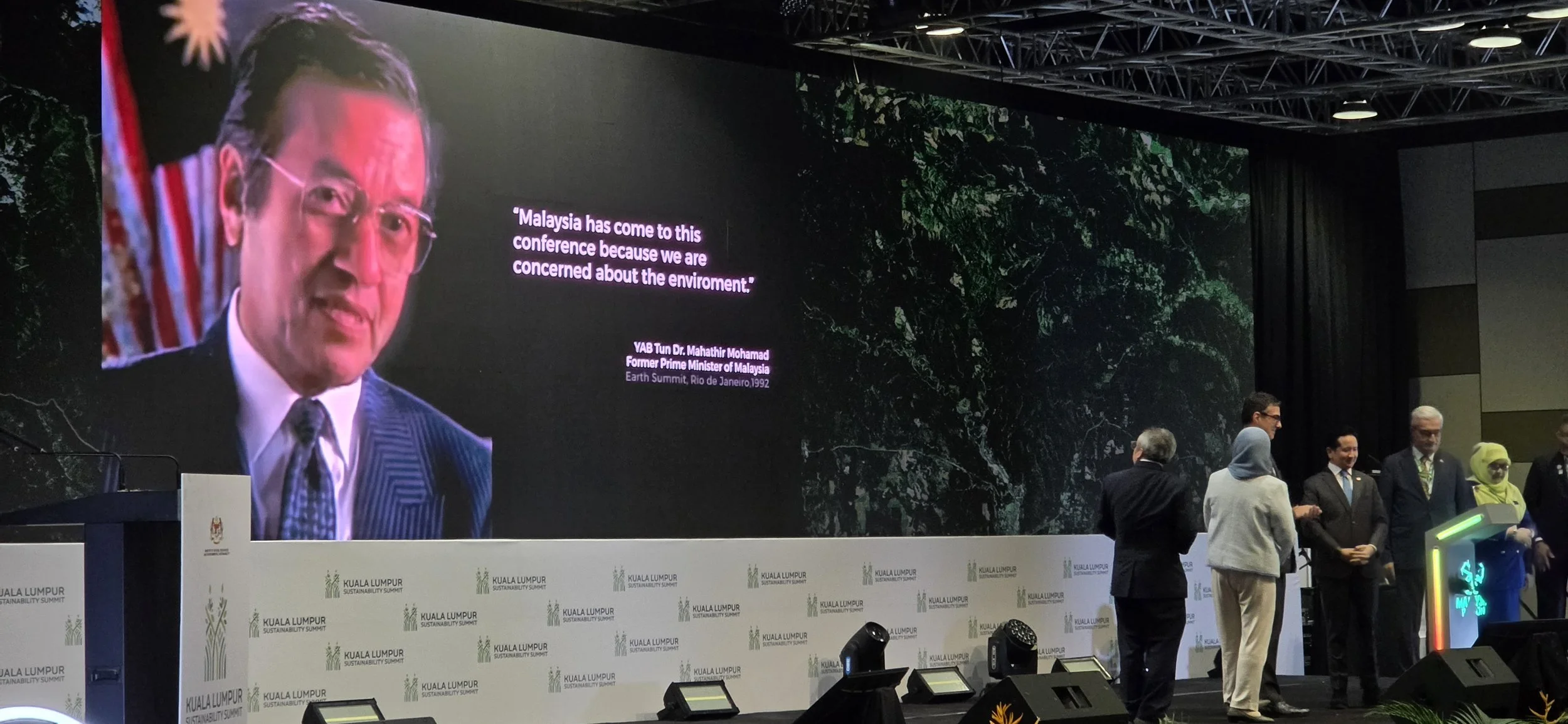
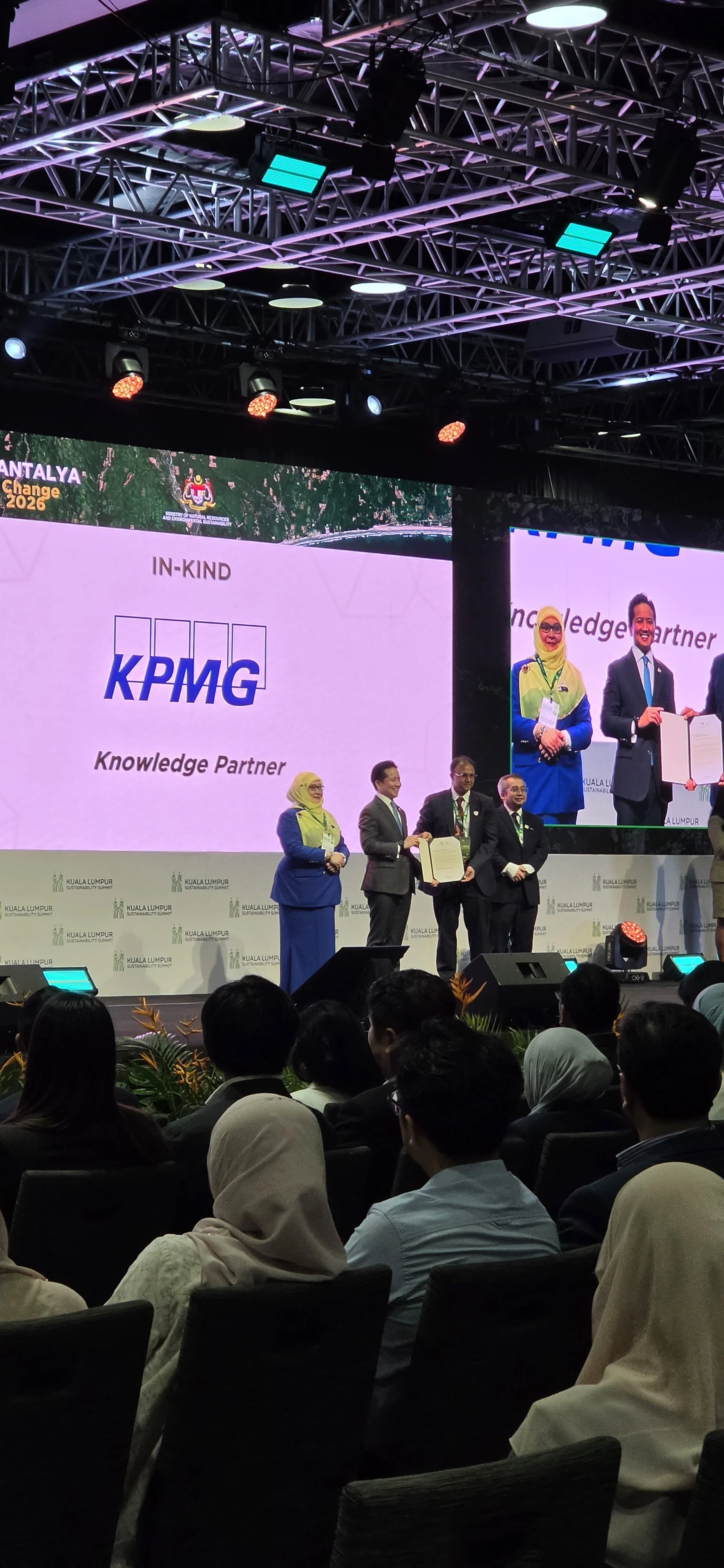
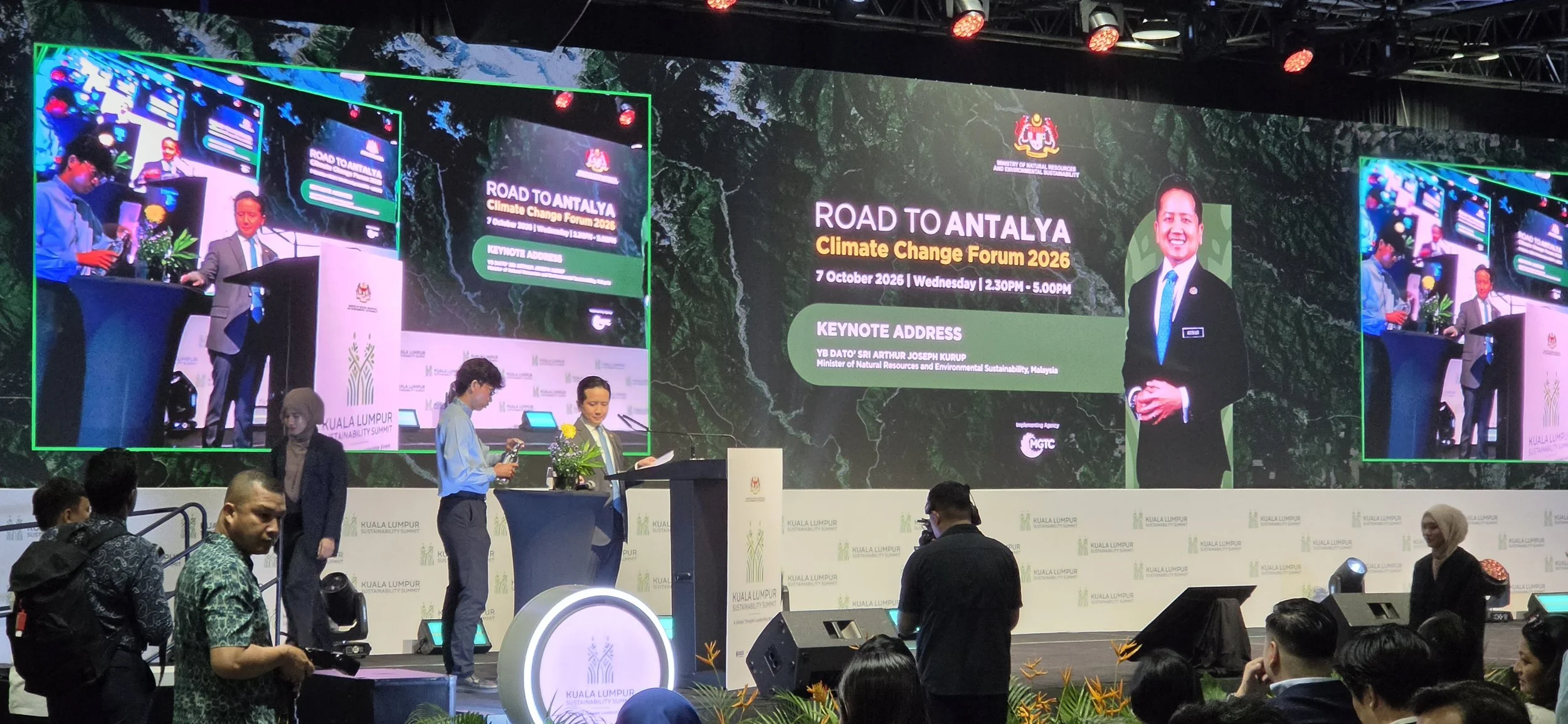
Kuala Lumpur, 7 October 2026 – Malaysia has begun sharpening its priorities ahead of the 31st United Nations Climate Change Conference (COP31), with implementation, climate finance, investment and cross-sector collaboration emerging as central themes at the Road to Antalya Climate Change Forum 2026. Planters International Berhad participated in the forum as Malaysia prepares for COP31, which will take place at the Antalya EXPO Center in Türkiye from 9 to 20 November 2026. The forum also marked the soft launch of the Malaysia Pavilion at COP31, envisioned as a national platform to connect policy, implementation, solutions and partnerships on the international stage.
From Climate Commitments to Implementation
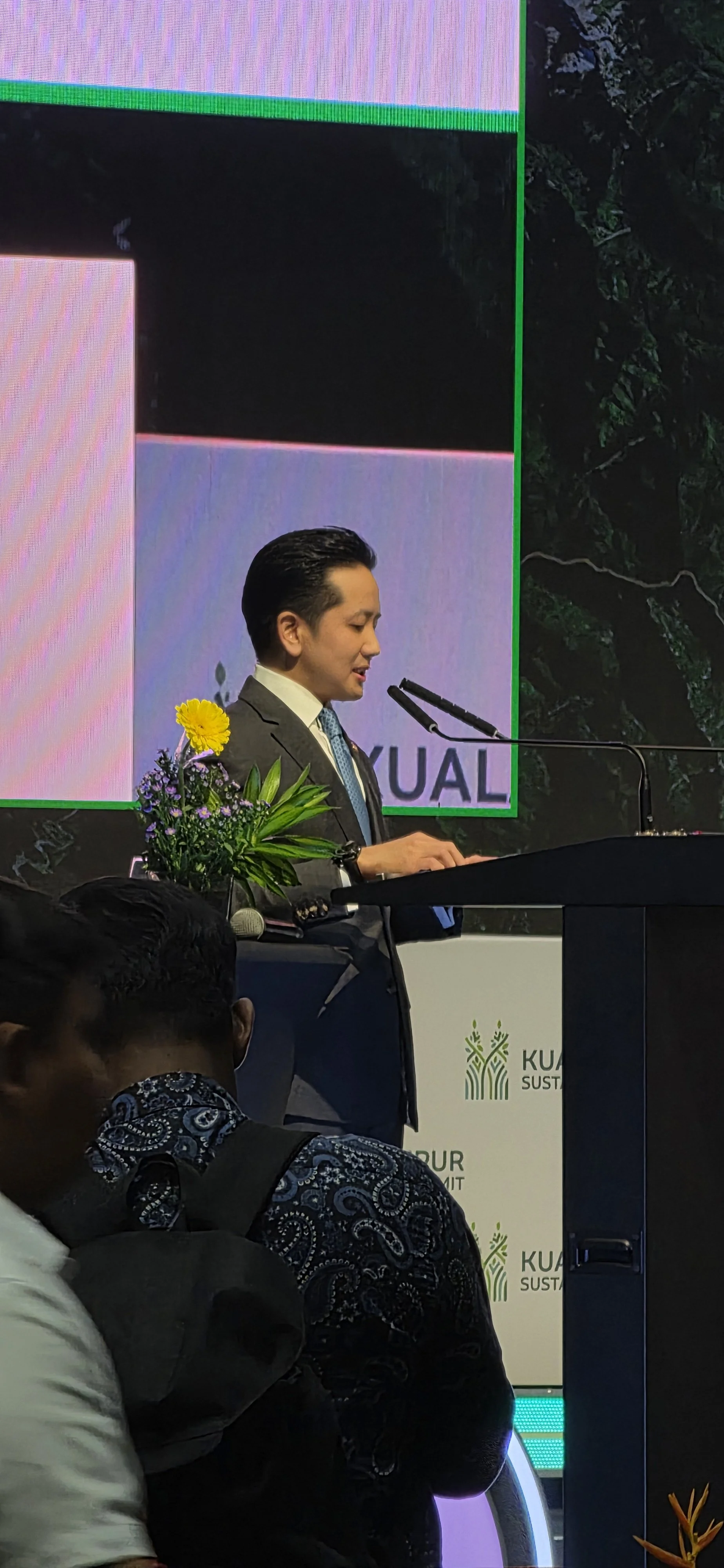
A recurring message throughout the forum was clear: the next phase of climate action must move beyond commitments and towards delivery. In his opening address, Minister of Natural Resources and Environmental Sustainability YB Dato’ Sri Arthur Joseph Kurup positioned Malaysia’s journey to Antalya around implementation, investment and collaboration. Malaysia intends to use COP31 not only to communicate its climate commitments, but also to demonstrate initiatives already underway, build partnerships and show how climate action can support resilient, inclusive and sustainable economic growth. The discussion highlighted the potential for climate action to create new industries, mobilise green investment, accelerate technology and innovation, expand sustainable finance, create green jobs and strengthen resilient infrastructure.

The challenge now is translating policies into programmes and projects, investment into implementation, and implementation into measurable climate outcomes. That transition will require participation beyond government, including financial institutions, businesses, academia, technology providers, civil society and local communities.
Malaysia’s NDC 3.0 Sets a New Absolute Emissions Pathway
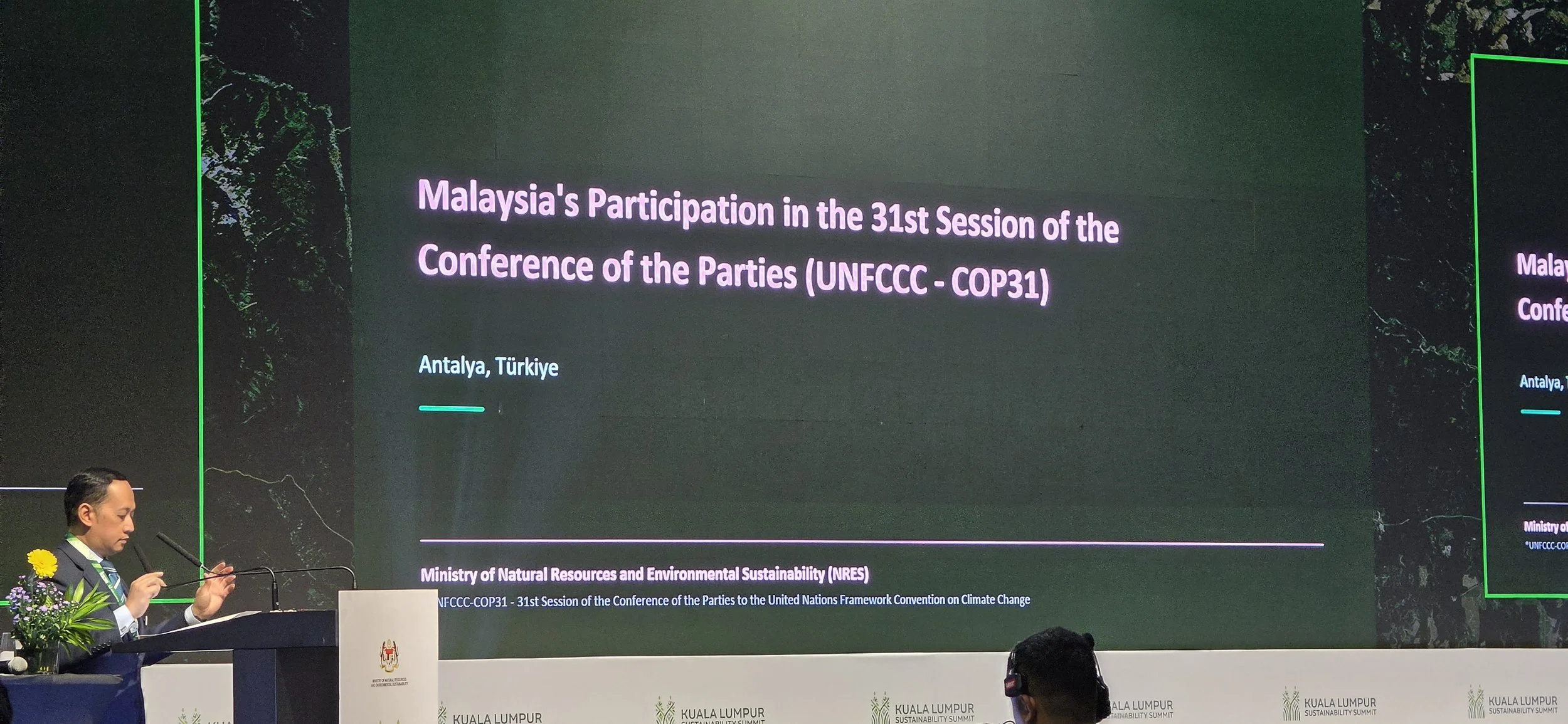
Malaysia enters COP31 with its third Nationally Determined Contribution, or NDC 3.0, marking an important evolution in the country’s climate commitments. National greenhouse gas emissions are projected to peak between 2029 and 2034, while Malaysia strives to achieve an earlier peak by 2030, subject to appropriate support and enabling conditions. From that peak level, Malaysia intends to achieve an absolute reduction of 15 to 30 million tonnes of carbon dioxide equivalent (MtCO₂e) by 2035.
Up to 20 MtCO₂e of reduction is expected through domestic efforts, with a further 10 MtCO₂e conditional upon international climate finance, technology transfer and capacity-building support. The shift towards an absolute emissions reduction target places increasing importance on credible implementation, measurement, reporting and verification across the economy.
Malaysia’s Negotiating Priorities for COP31
The forum also provided an overview of Malaysia’s climate negotiation priorities ahead of Antalya. Malaysia’s position emphasises ambitious climate action while recognising different national circumstances, development pathways and capabilities. Among the issues expected to feature prominently are implementation of the outcomes of the first Global Stocktake, the Global Goal on Adaptation, the just transition, climate finance, technology transfer and capacity building.
COP31 will also formally begin the second Global Stocktake, a process that will run through 2028 to assess collective progress in implementing the Paris Agreement. For adaptation, the 59 Belém Adaptation Indicators, adopted at COP30 in 2025, provide an emerging framework for assessing progress towards the Global Goal on Adaptation. Malaysia has stressed that implementation must remain practical and equitable, with climate ambition accompanied by adequate means of implementation for developing countries. The country's negotiating considerations also include energy security, nationally determined transition pathways and the implications of climate-related trade measures on developing economies.
Malaysia Pavilion at COP31: A Platform for Partnerships
The Malaysia Pavilion will provide a platform for the country to bring its climate initiatives, solutions and partnerships to an international audience. Under the overarching theme “Climate Action Now: Driving Resilient Growth,” the Pavilion is expected to bring together government ministries and agencies, businesses, financial institutions, academia, communities and international partners.

During the forum, Saiful Adib bin Abdul Munaff, Acting Group Chief Executive Officer and Chief Operating Officer of the Malaysian Green Technology and Climate Change Corporation (MGTC), outlined the Pavilion's role as an enabler for climate action and partnerships. The programme is expected to feature more than 40 sessions and activities across seven clusters, bringing together diverse areas of Malaysia's climate transition and sustainable economic development. Rather than treating climate action solely as an environmental obligation, the Pavilion will seek to demonstrate how climate solutions can create opportunities for investment, industry, resilience and sustainable growth.
Nature, Adaptation and the Implementation Challenge
For Planters International Berhad, the Road to Antalya discussion closely intersects with an important implementation challenge: how nature restoration, biodiversity, climate adaptation and environmental monitoring can be translated into measurable and financeable outcomes. Through initiatives including Coastal Oasis: Sungai Klang & Coastal Isles, Planters is working across ecosystem restoration, biodiversity surveillance, water and environmental monitoring, nature-based solutions and environmental intelligence.
These programmes increasingly require the same convergence highlighted during the Road to Antalya forum: credible environmental data, technology, long-term implementation capacity, public-private collaboration and appropriate financing structures. Nature-based solutions are particularly relevant where mitigation, adaptation, biodiversity and community resilience intersect.
However, mobilising capital for nature requires more than identifying environmental benefits. Projects need clear baselines, credible monitoring, measurable outcomes, transparent governance and financing structures capable of supporting implementation over the long term. This is where technologies including remote sensing, LiDAR, SALM, drones, environmental sensors and biodiversity monitoring can increasingly support stronger Monitoring, Reporting and Verification (MRV), helping connect ecological outcomes with decision-making and climate finance.
From Antalya to Action on the Ground
The Road to Antalya is ultimately about what happens beyond the conference halls. Malaysia has already established several components of its emerging climate architecture, including NDC 3.0, the National Climate Change Policy 2.0, its Biennial Transparency Reporting framework and the National Carbon Market Policy. The challenge ahead is to connect those national frameworks with projects capable of delivering outcomes on the ground. COP31 itself is being positioned internationally as an “Implementation COP”, focused on translating climate commitments into tangible and trackable progress.
For Malaysia, that creates an opportunity to bring forward practical solutions, attract partnerships and investment, strengthen international cooperation and demonstrate how climate action can support both environmental resilience and economic development. For organisations working at the project level, the direction is equally clear.
Climate ambition increasingly has to become implementation.
Implementation has to become measurable impact.
And measurable impact has to become credible enough to mobilise long-term partnerships and finance.
That is the road from Kuala Lumpur to Antalya, and ultimately from climate commitments to action on the ground.