Young Explorers Take on Nature: Tadika MAIWP Kids TTDI Family Nature Day with Planters
29 September 2026 | Taman Botani Negara Shah Alam, Selangor

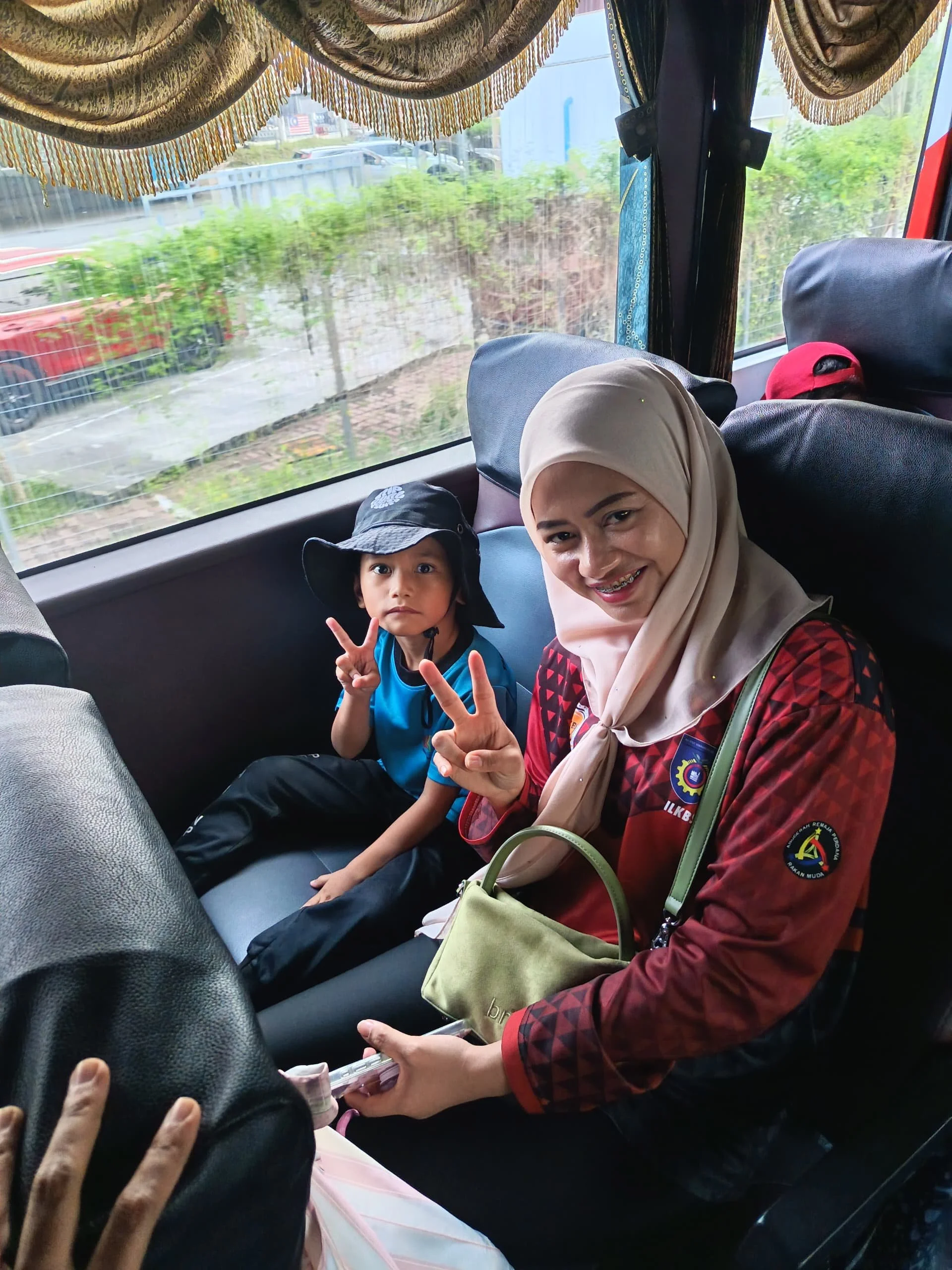
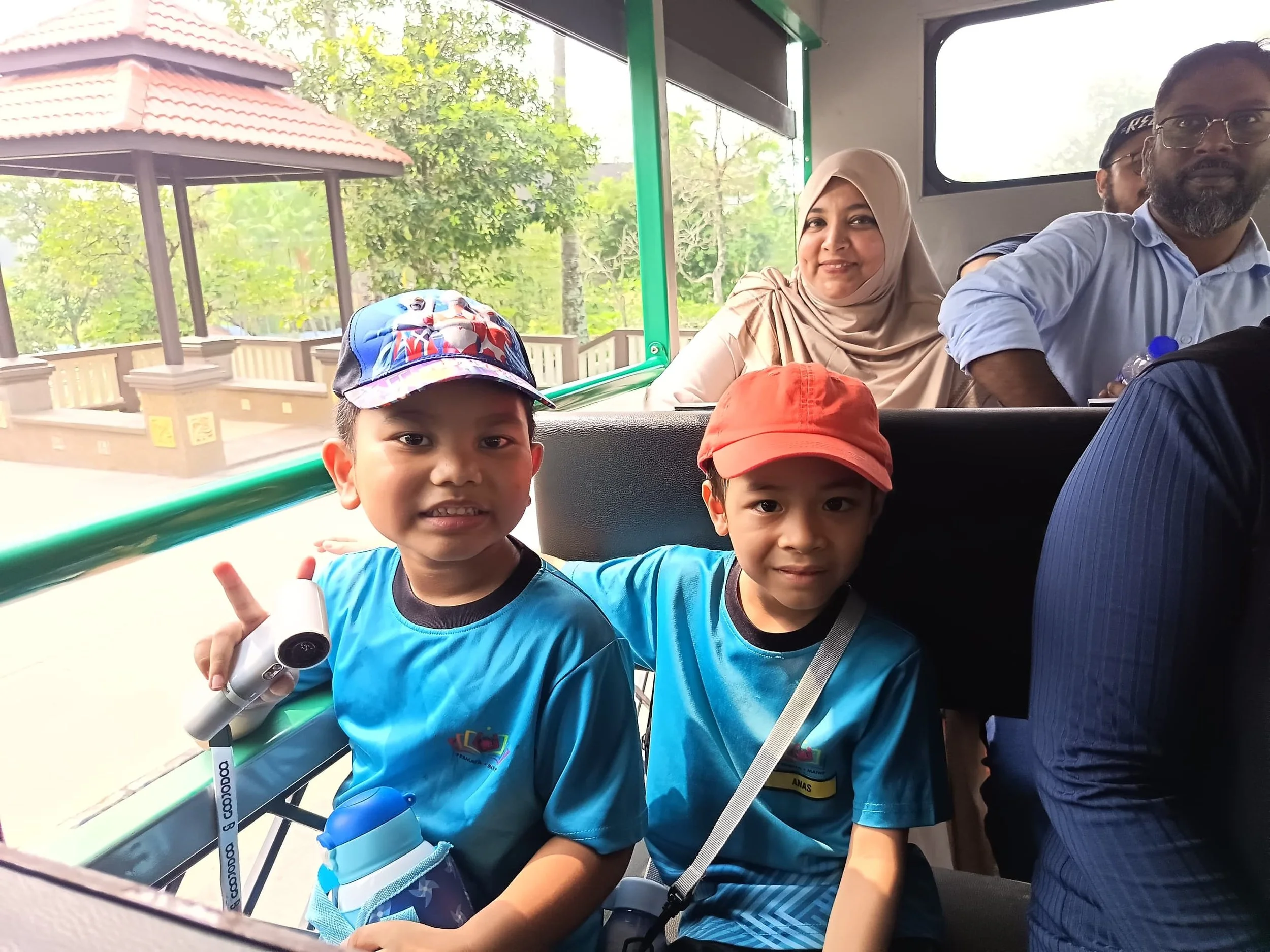
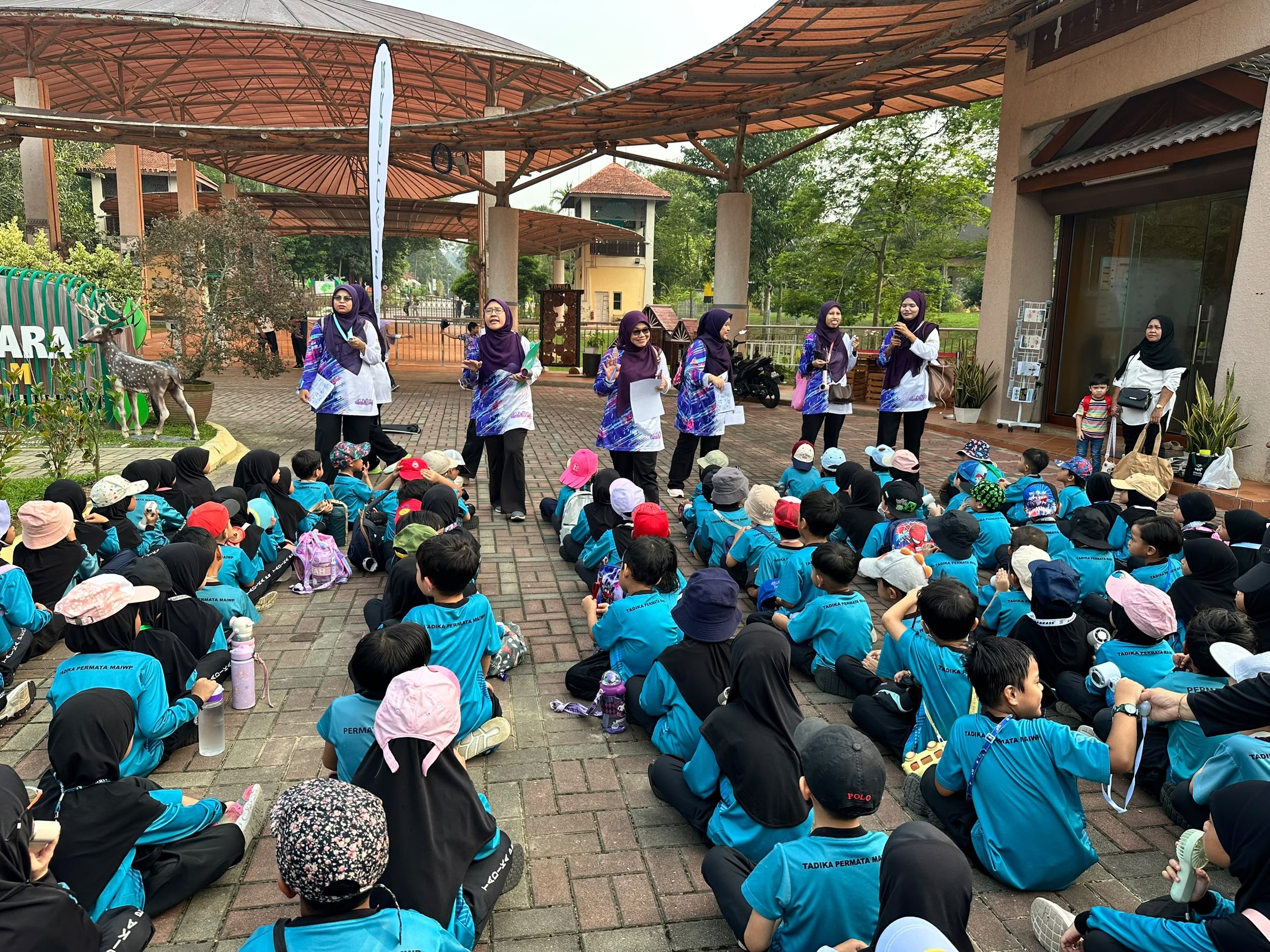
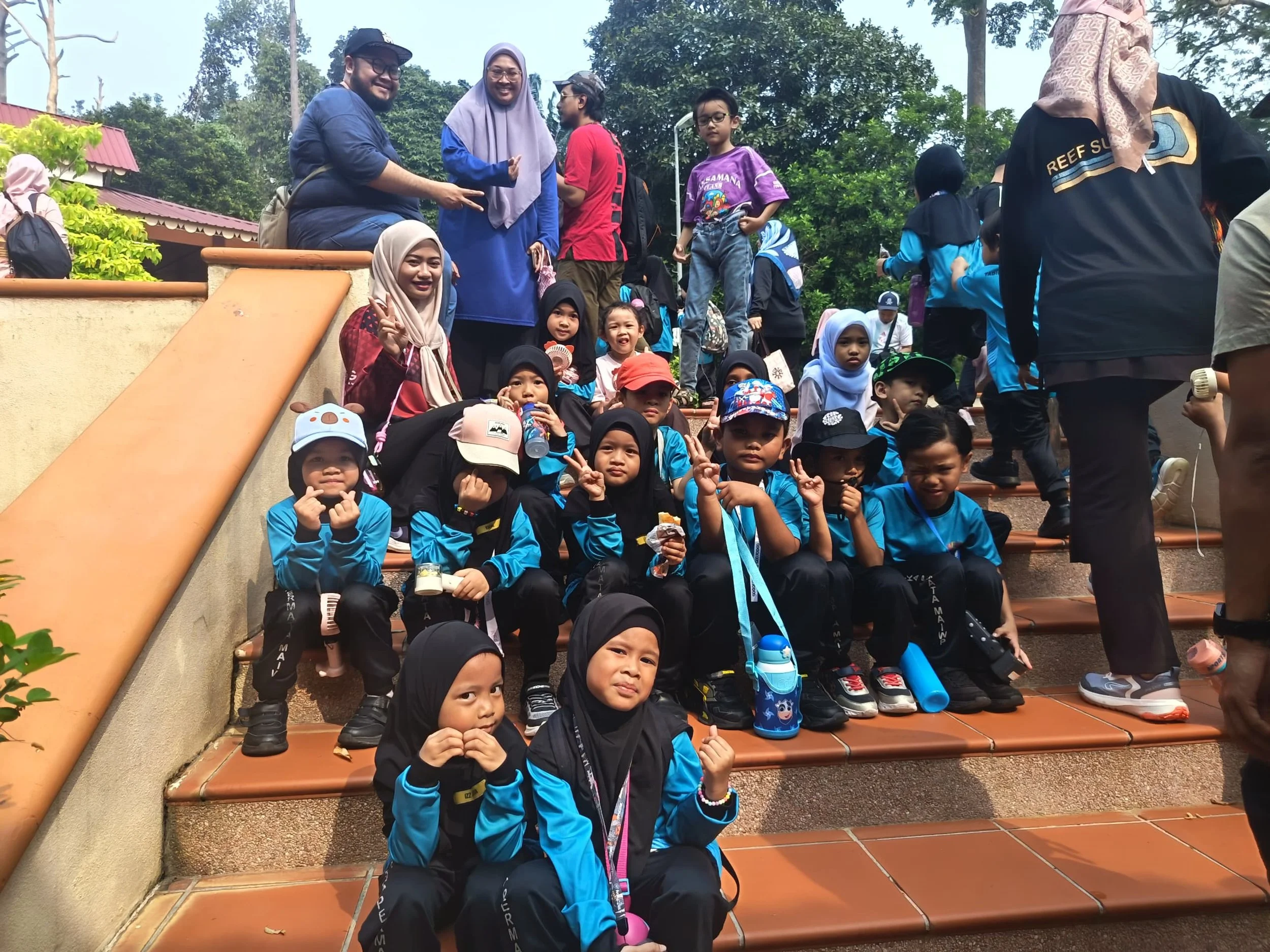
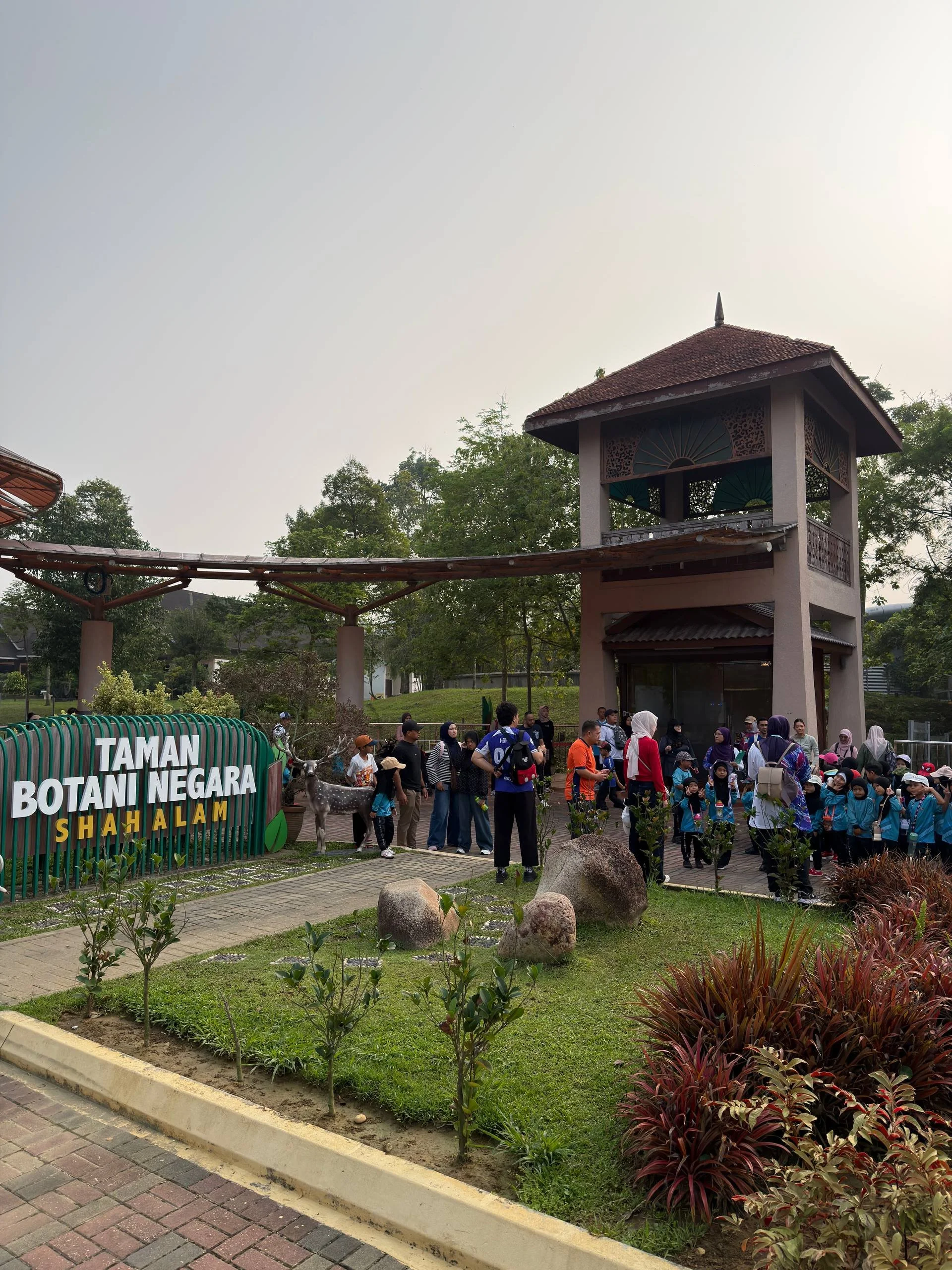
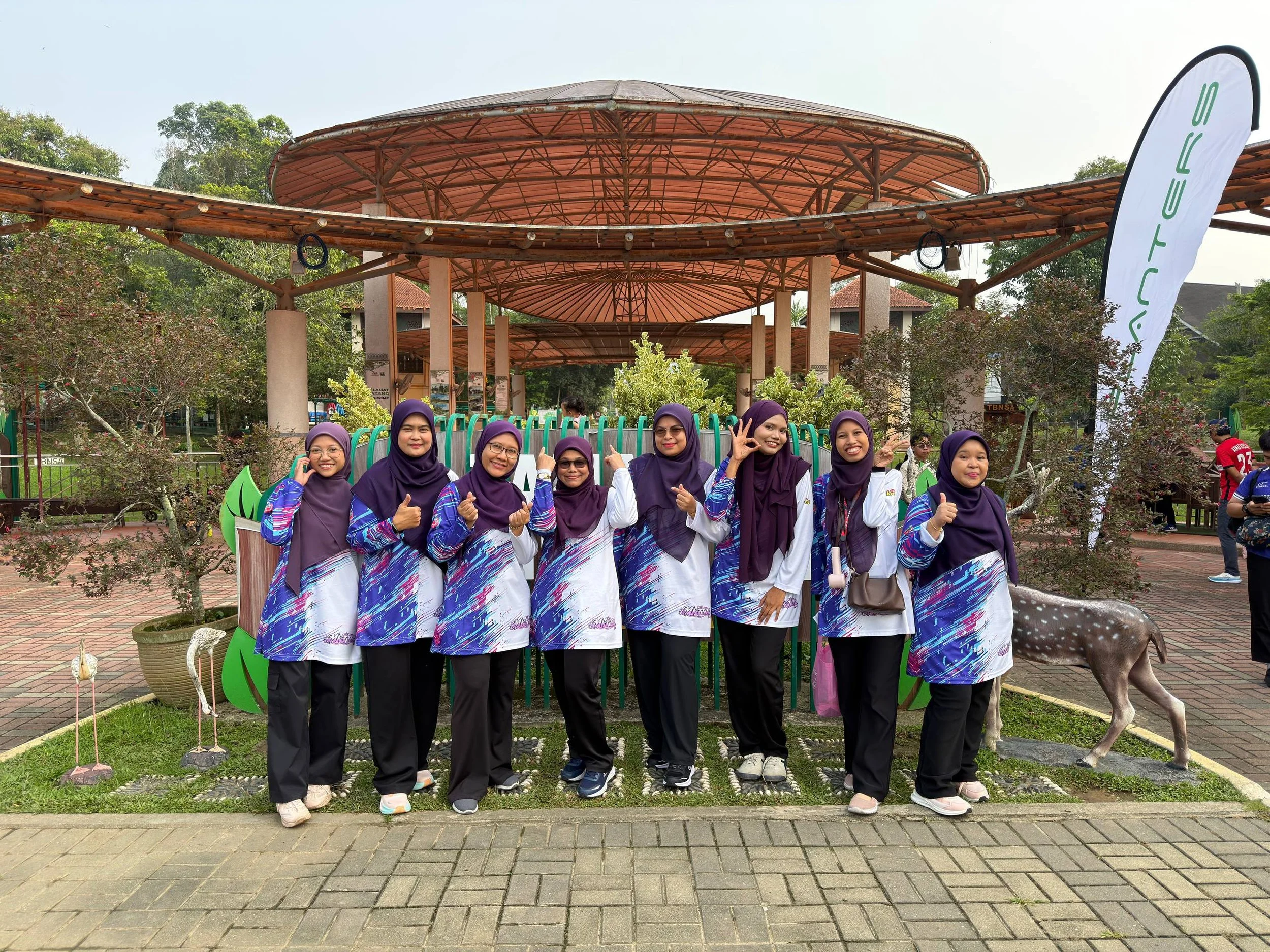
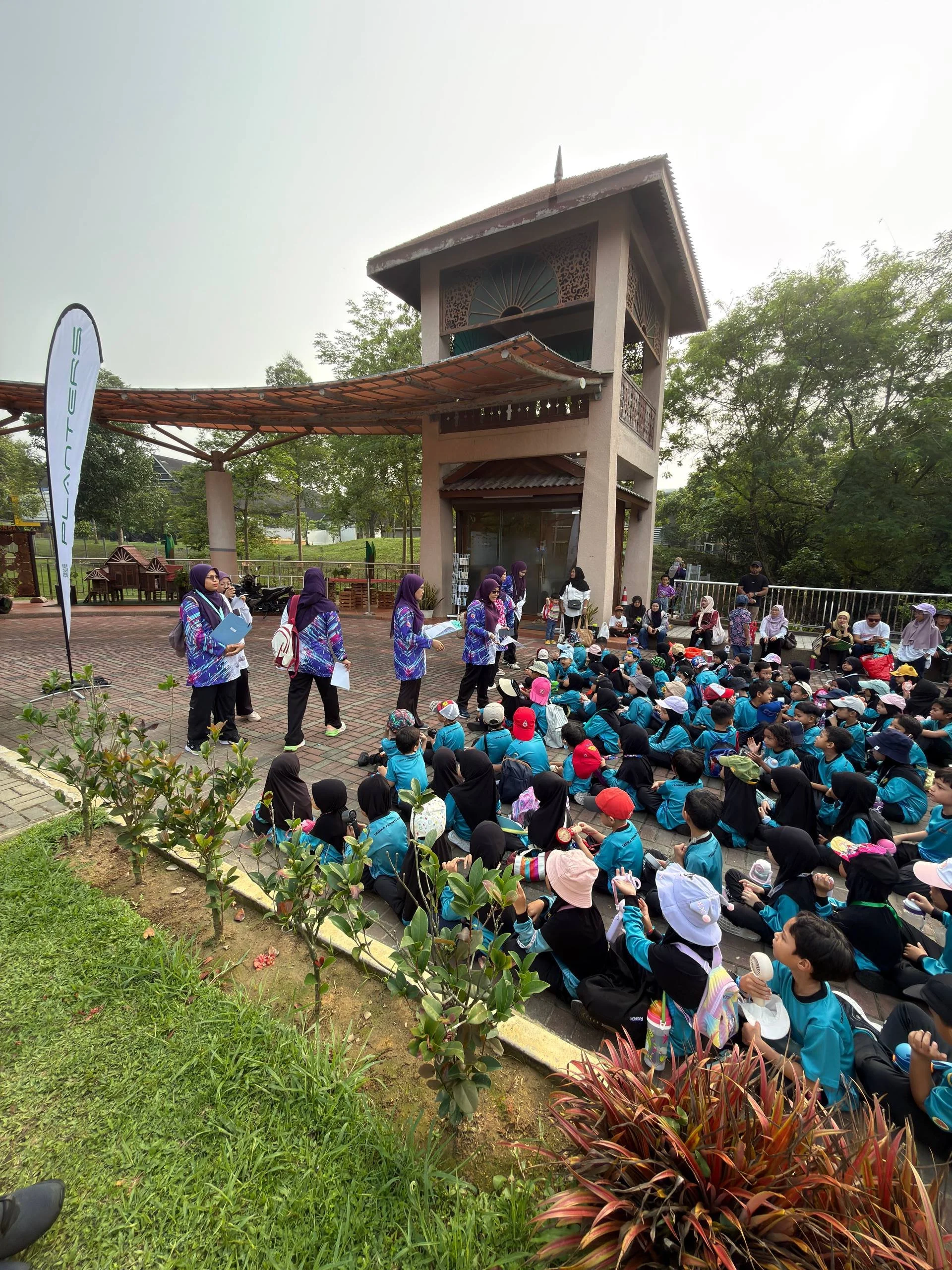
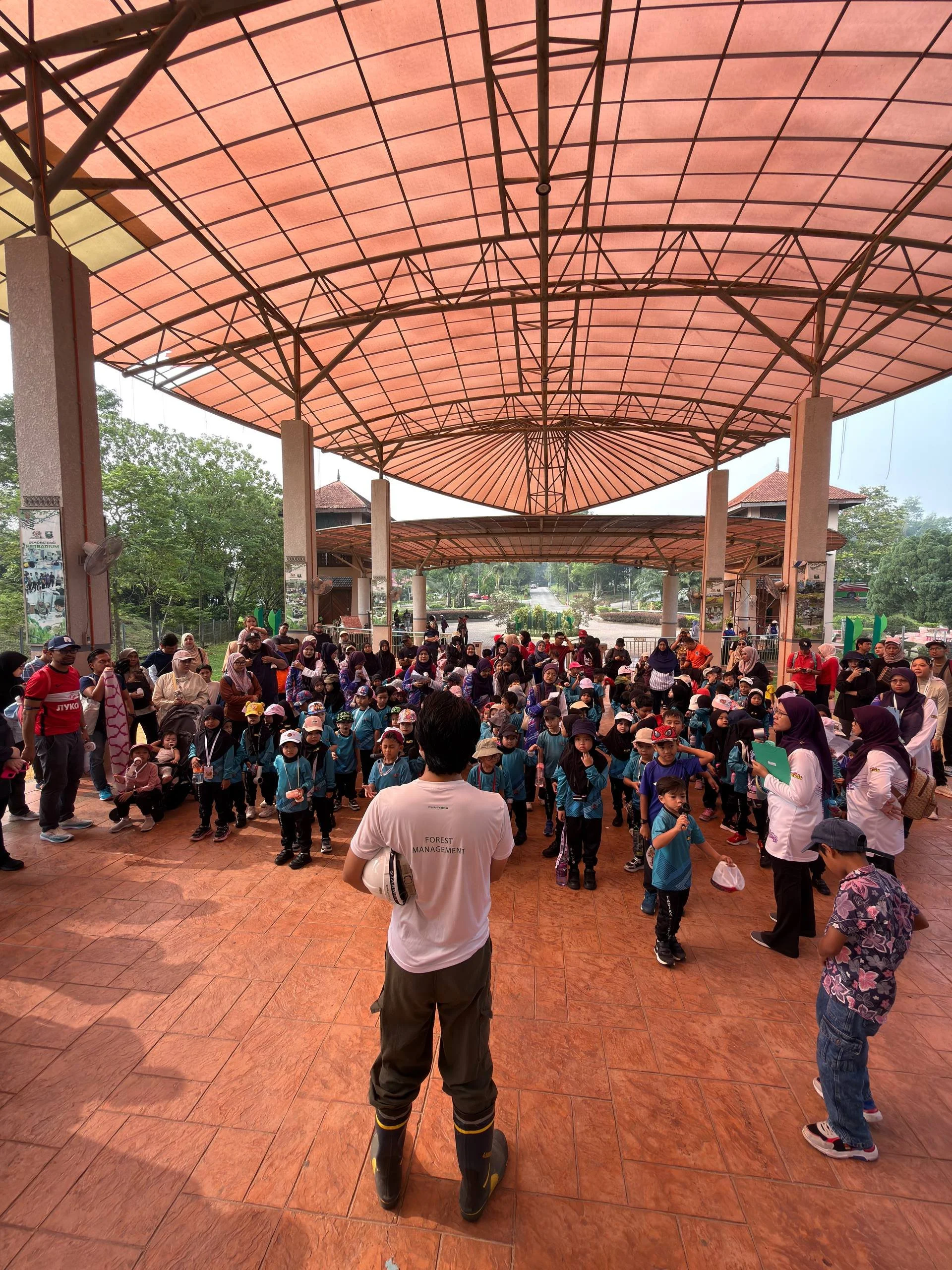
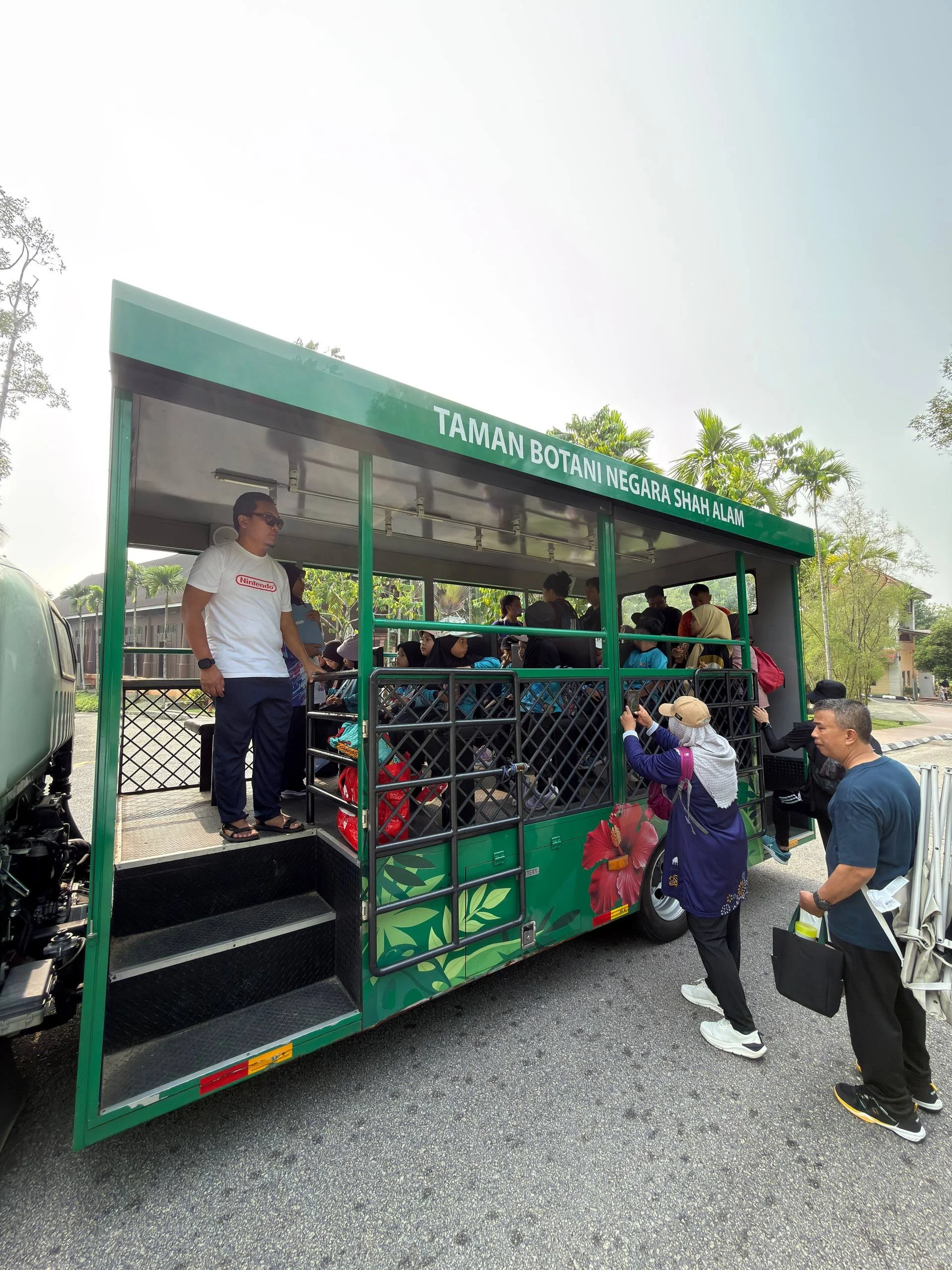
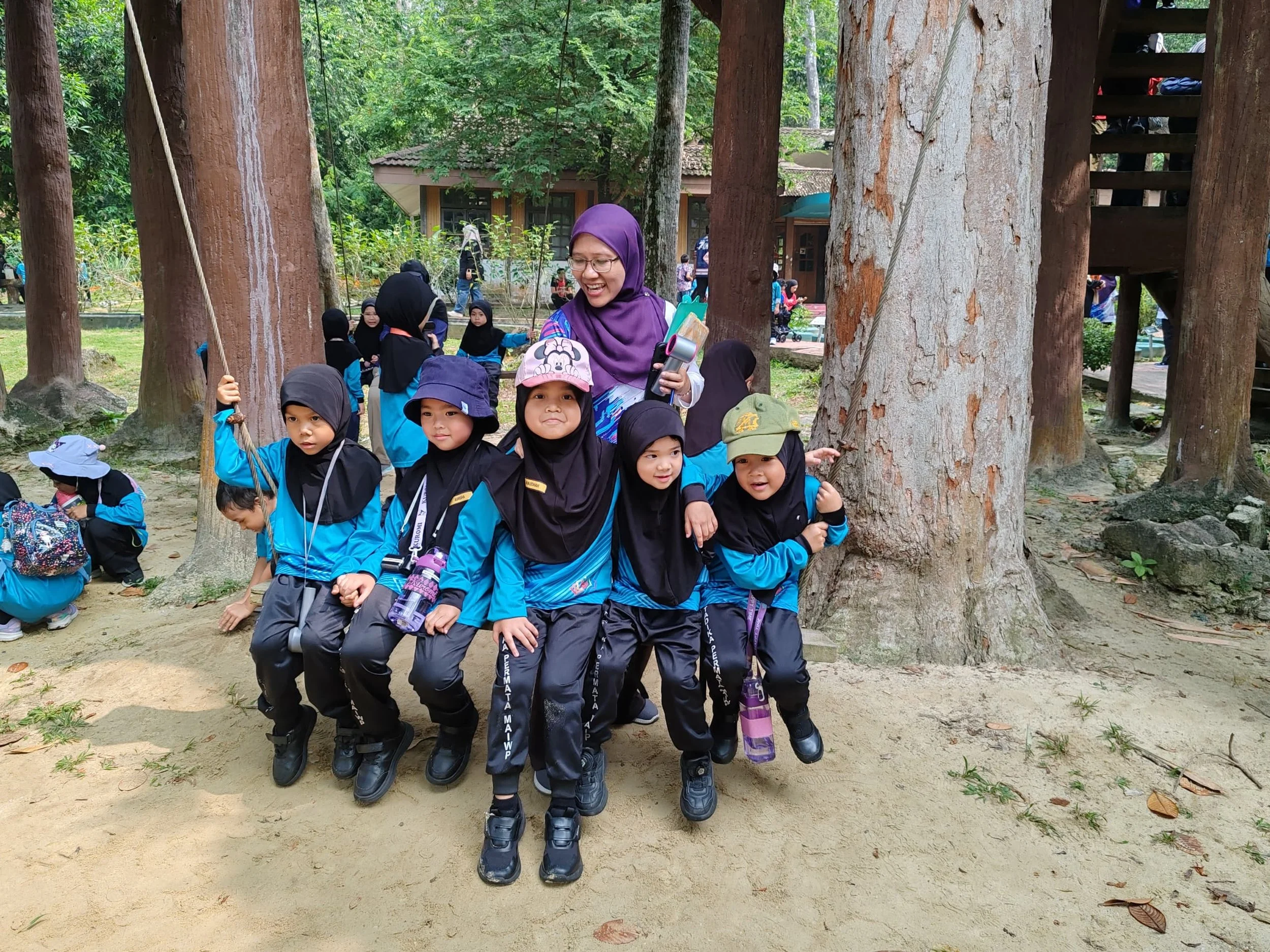
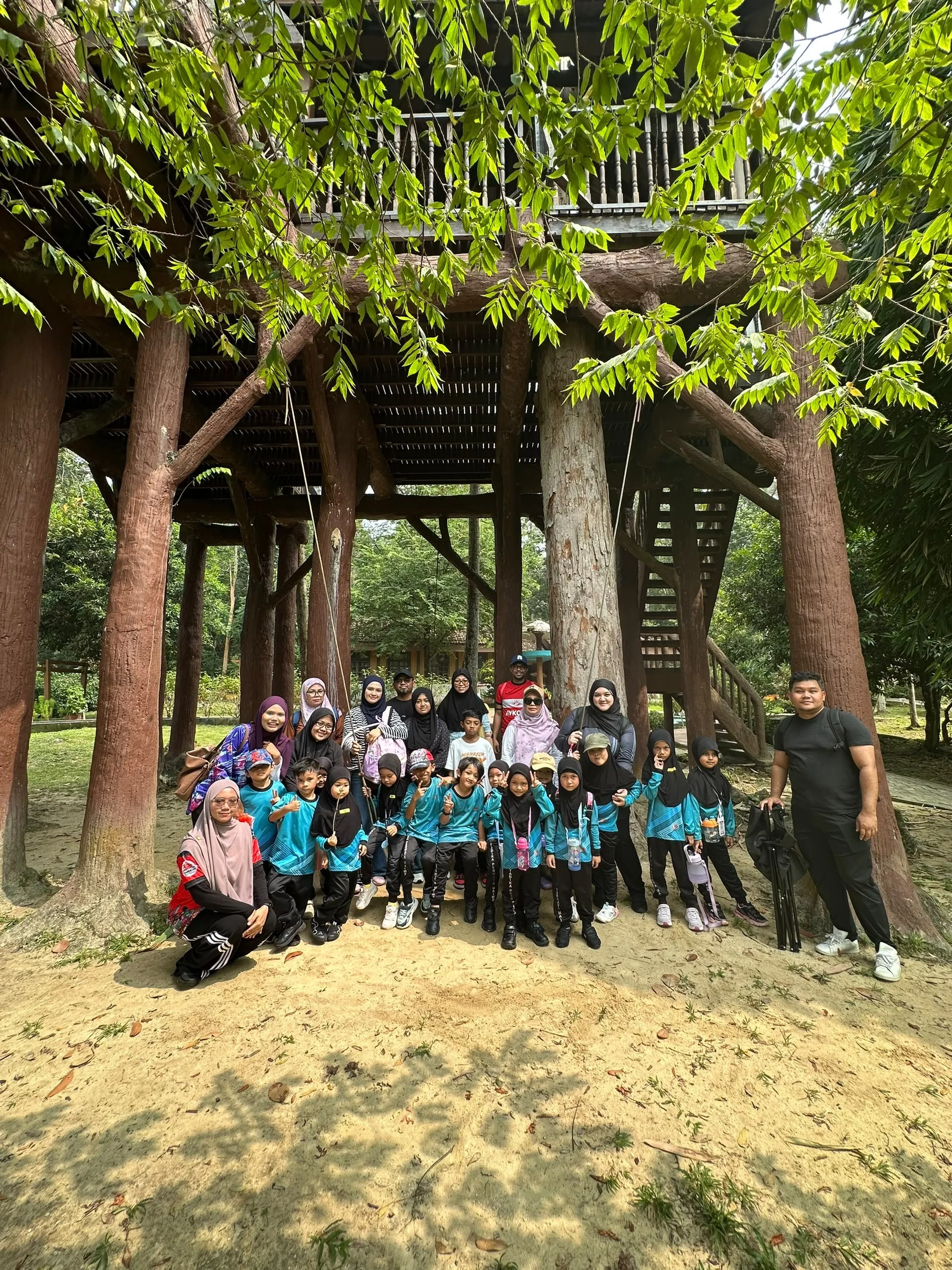
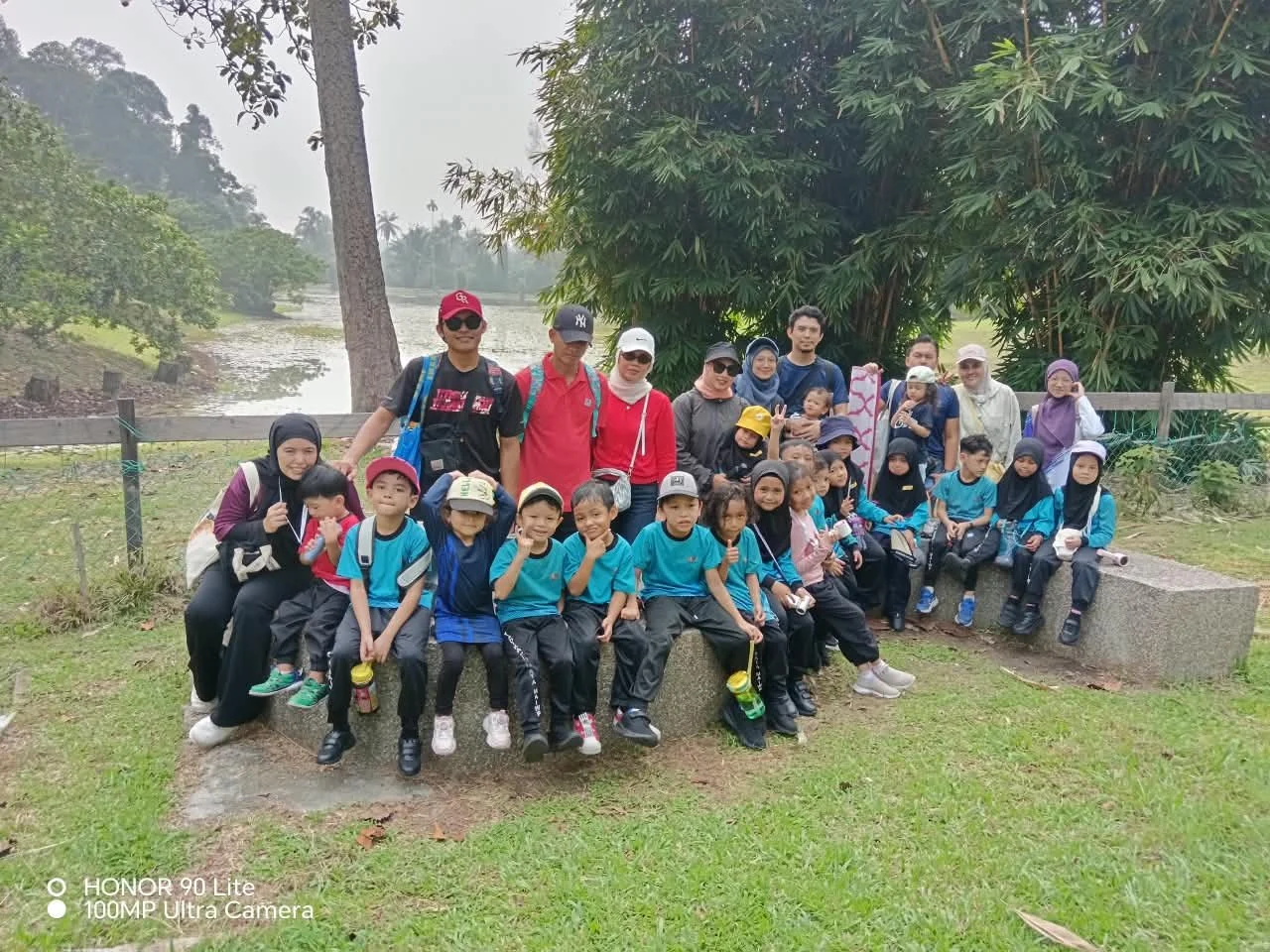
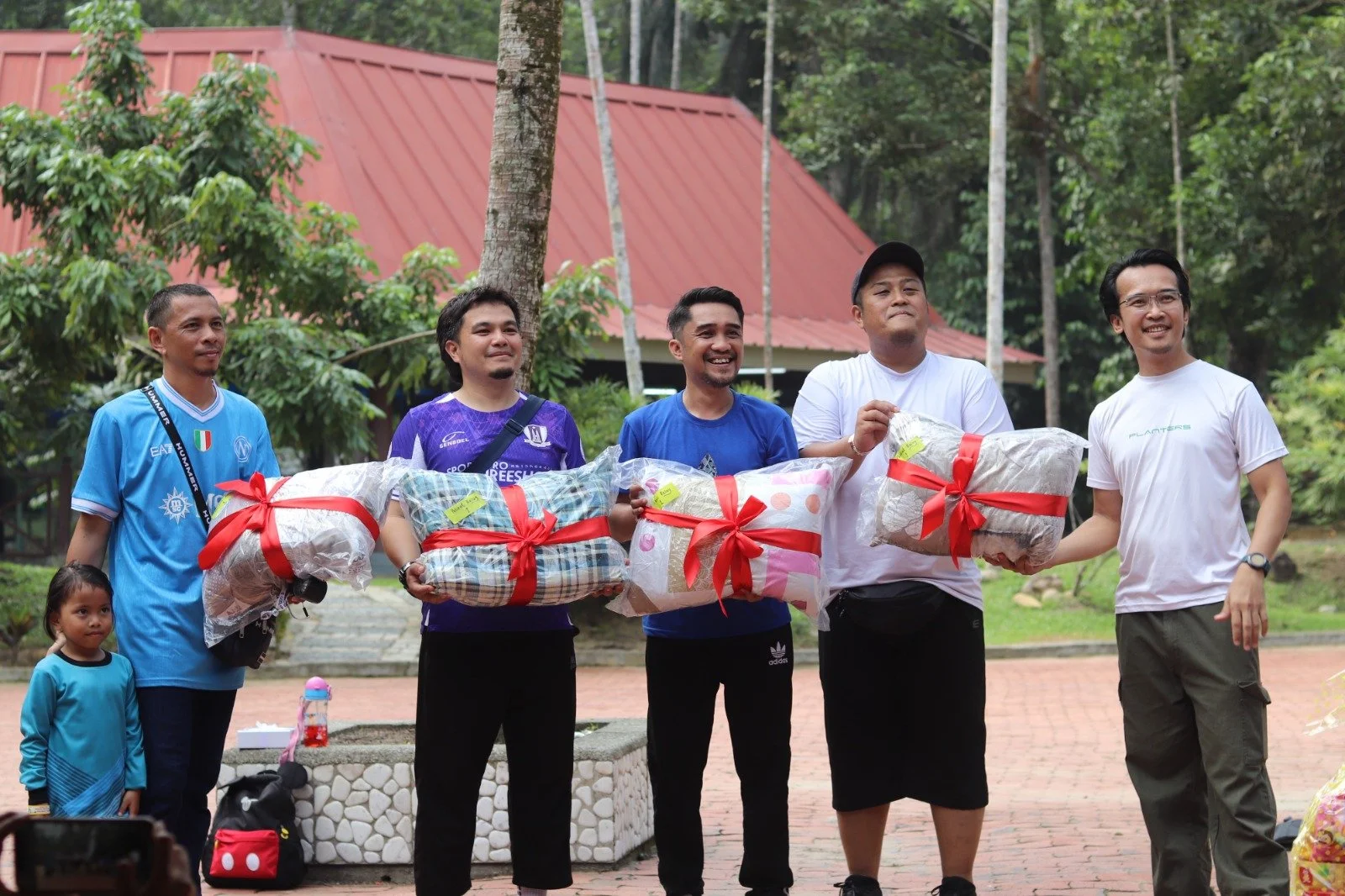
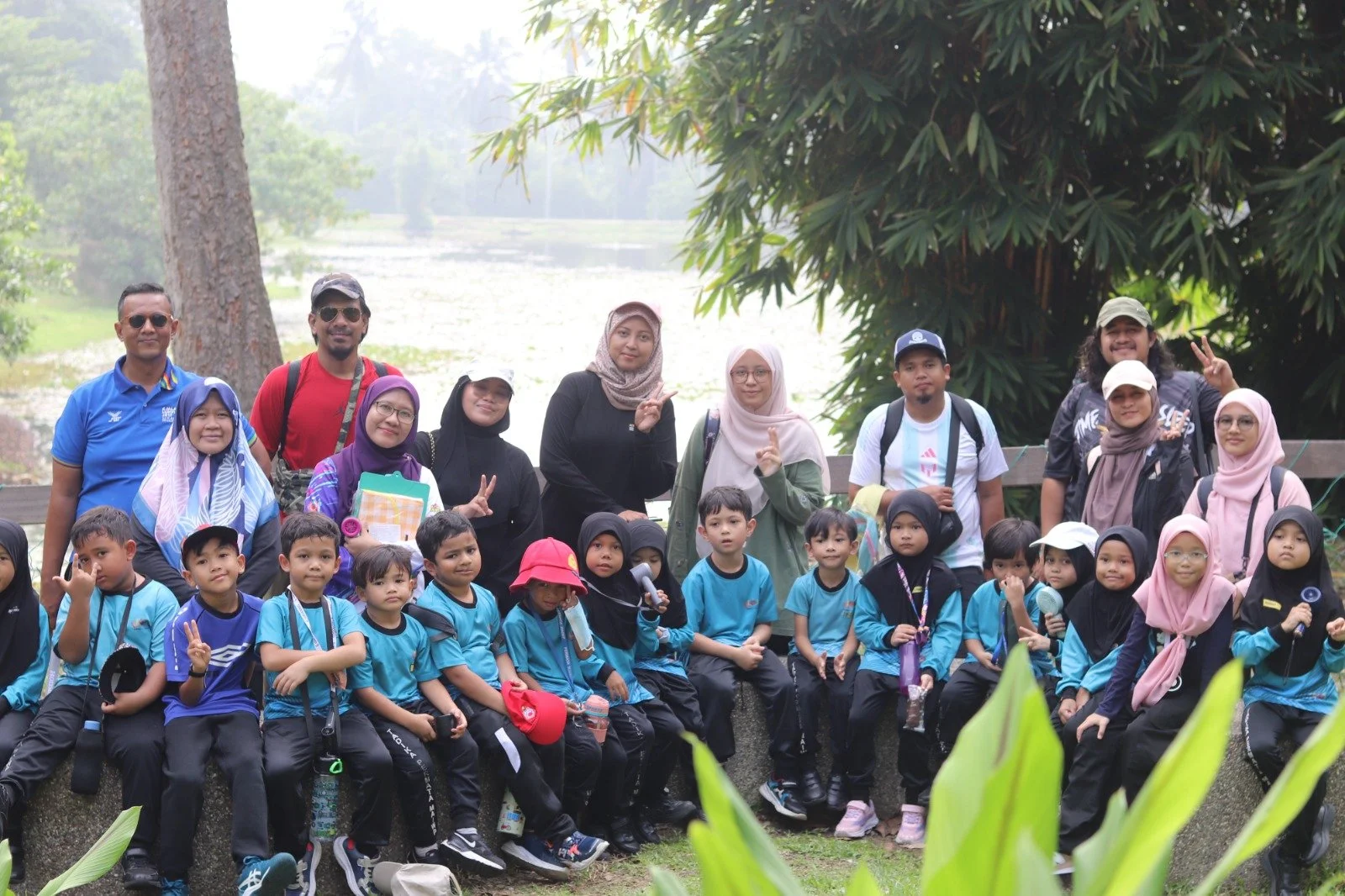
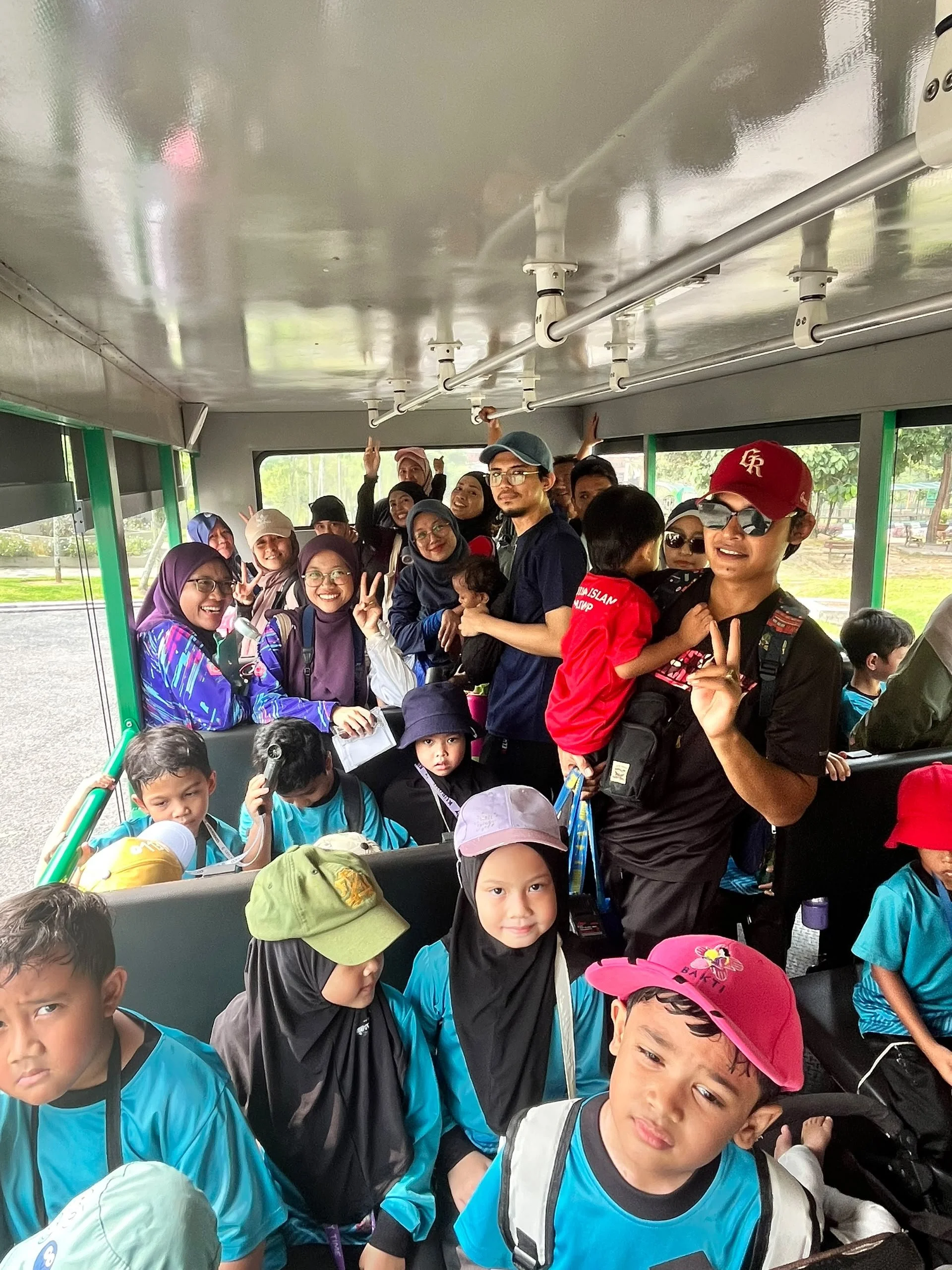
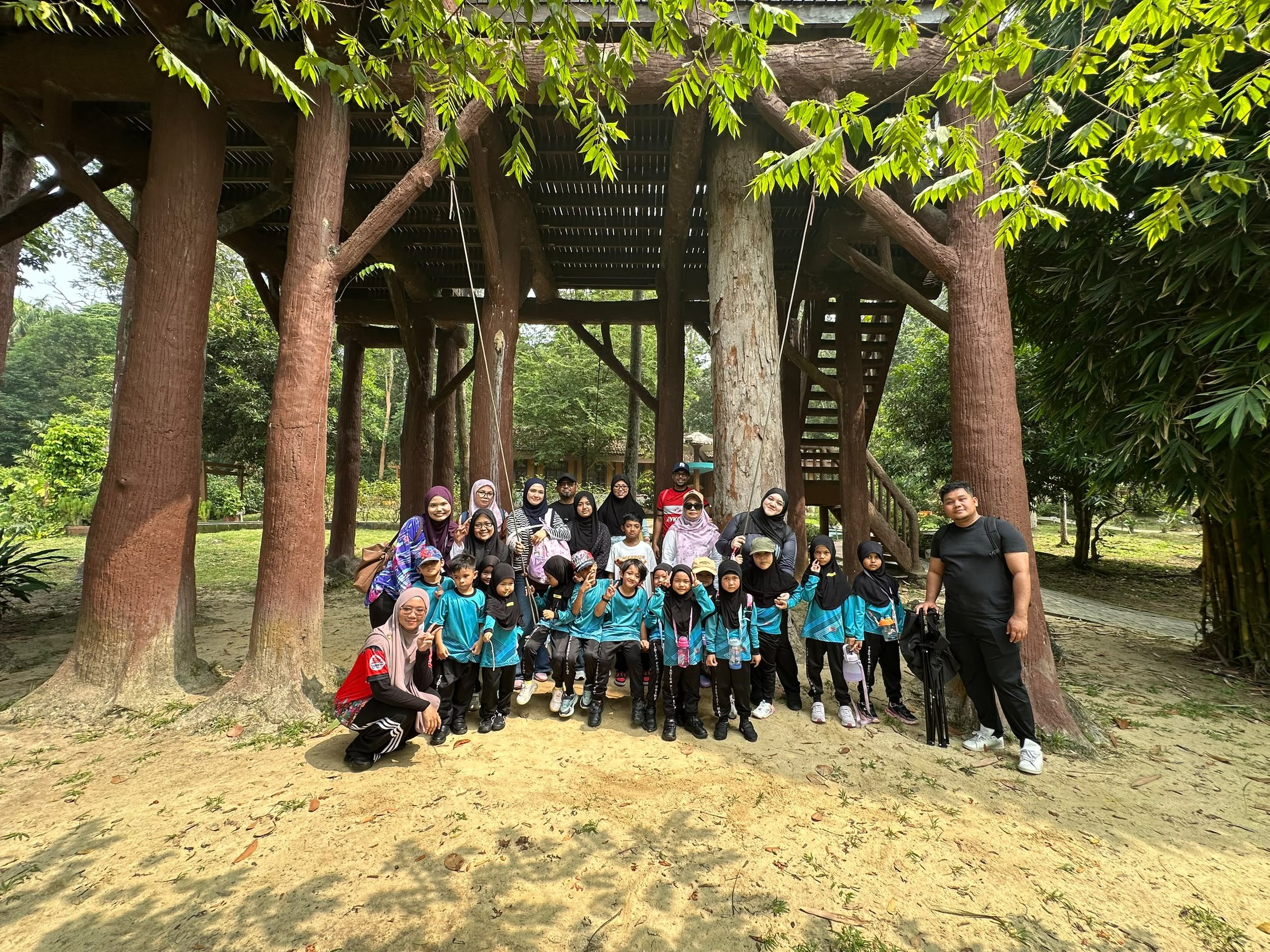
More than 250 children, parents and teachers from Tadika MAIWP Kids TTDI joined Planters International Berhad for the School Trip & Family Nature Exploration at Taman Botani Negara Shah Alam (TBNSA)
What happens when you give children a discovery guide, bring their parents along, and turn a botanical garden into one big outdoor classroom?
You get plenty of questions, plenty of excitement, and a very different kind of school trip.
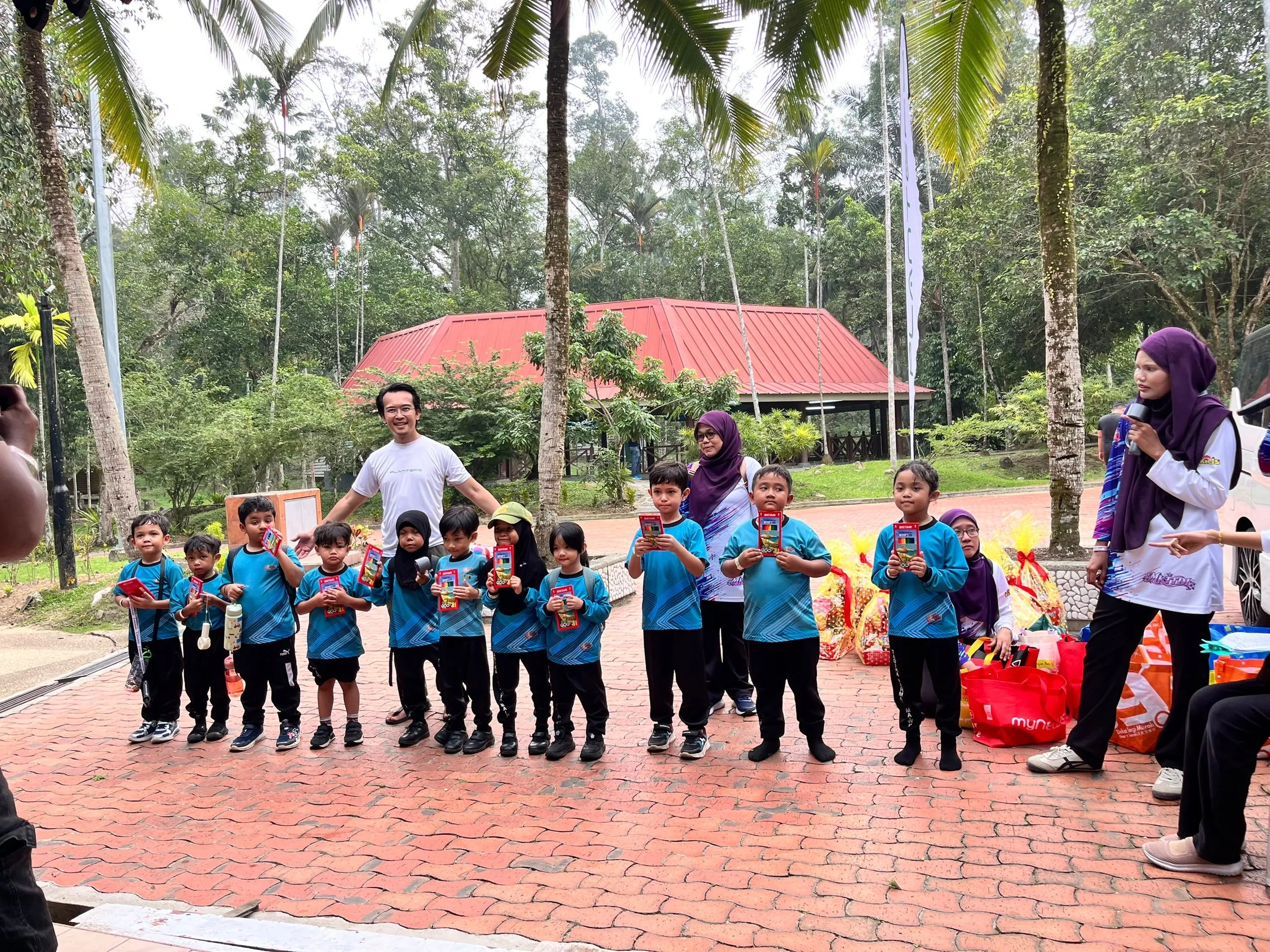
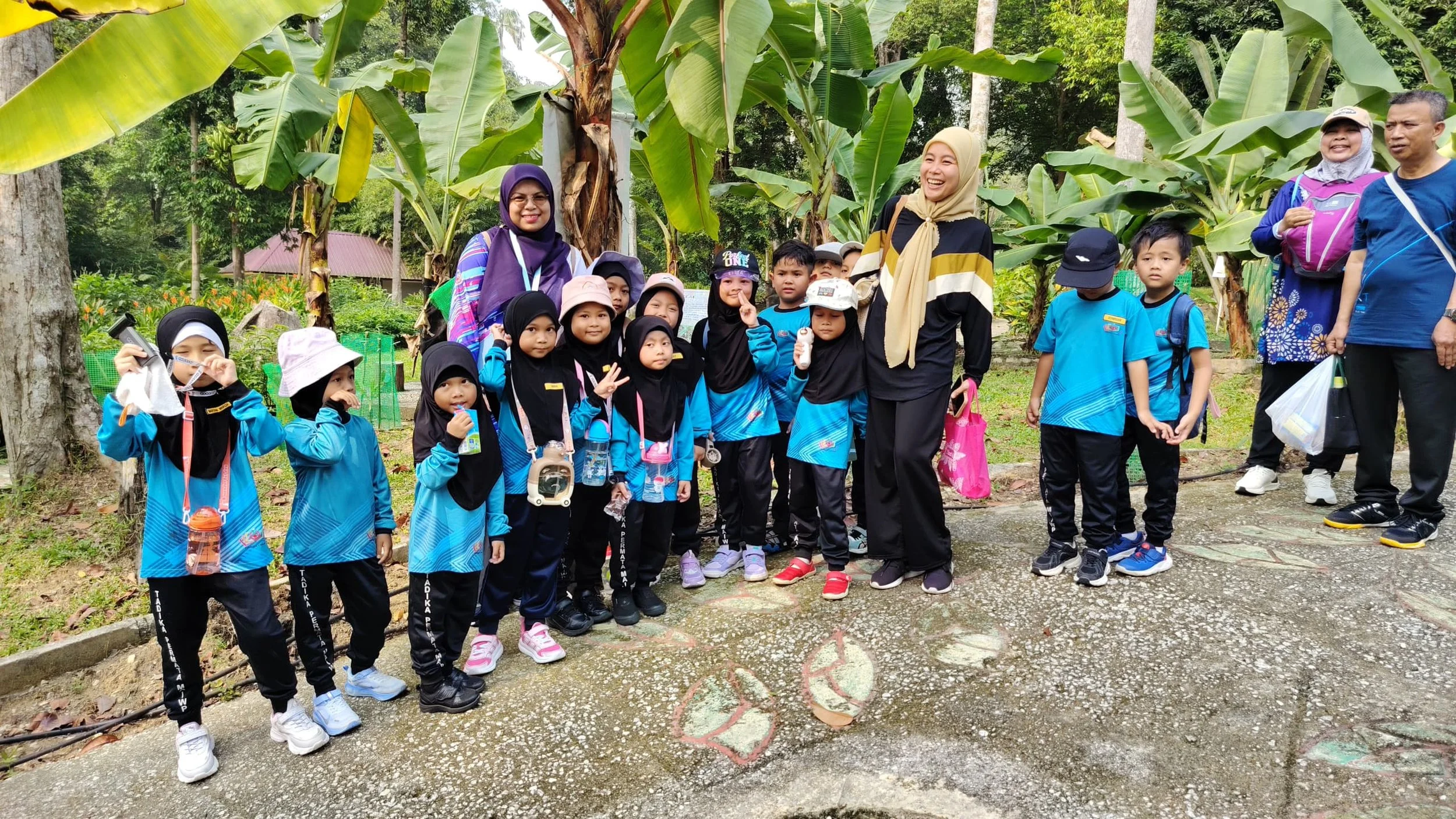
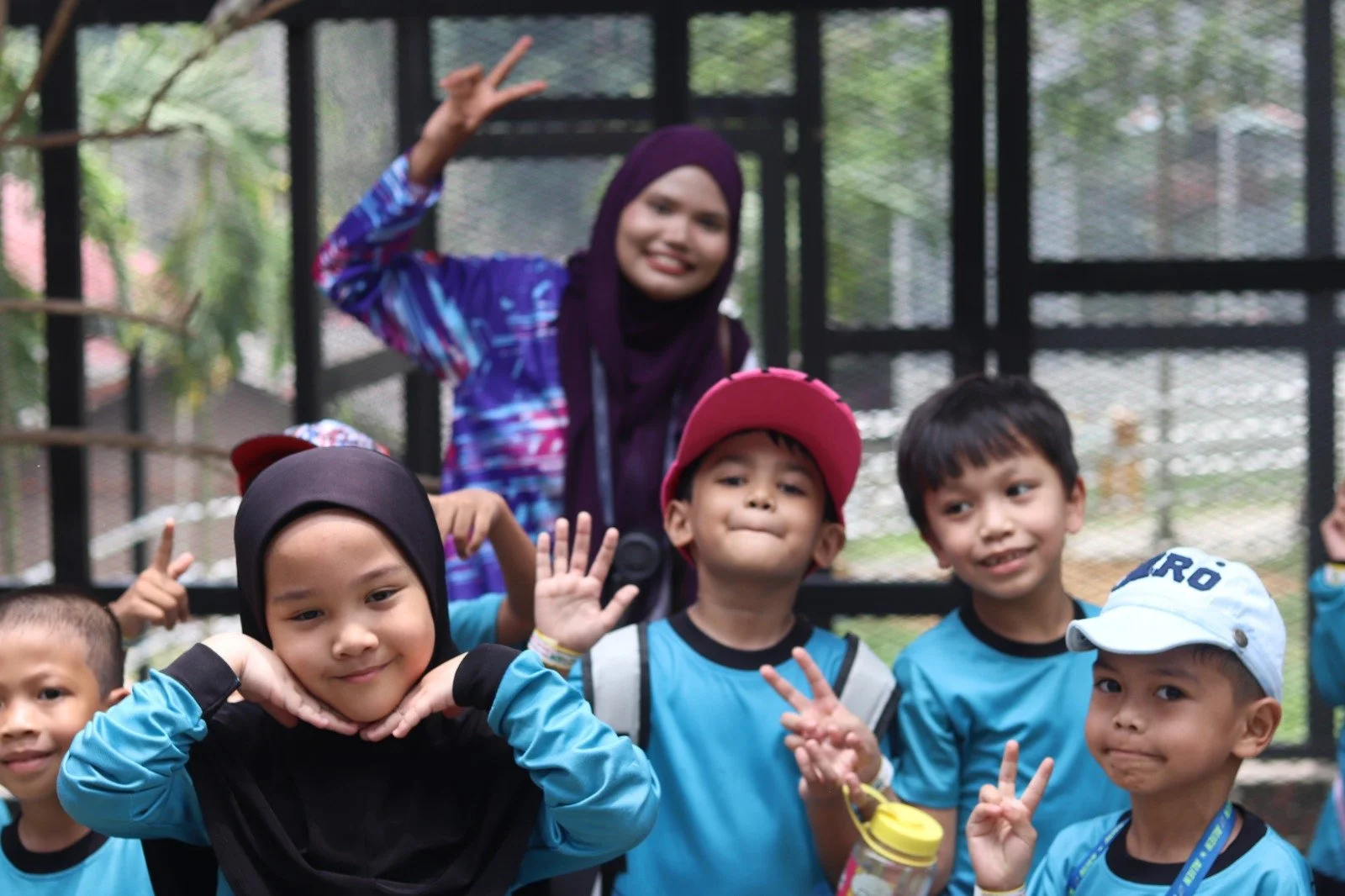
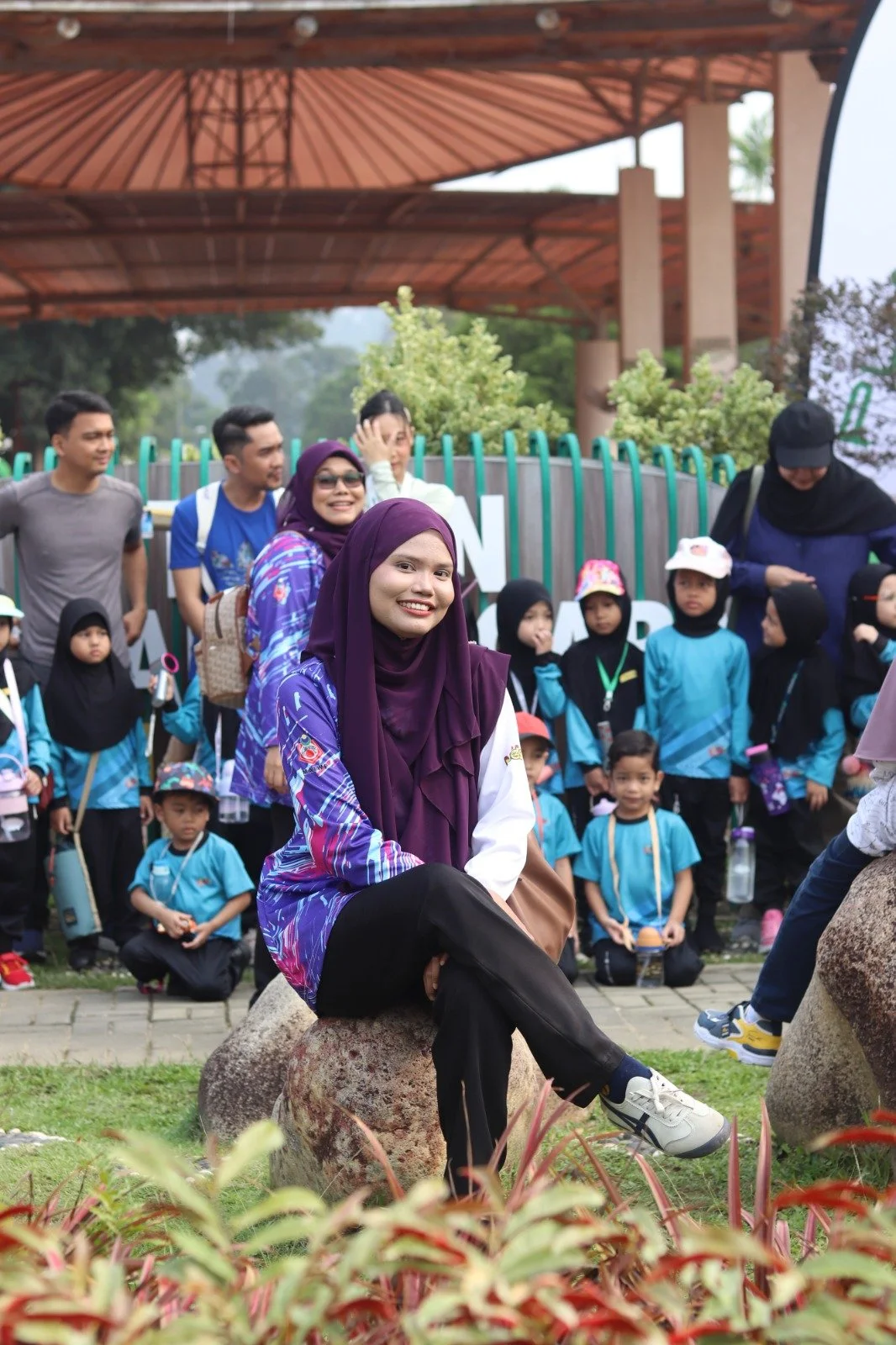
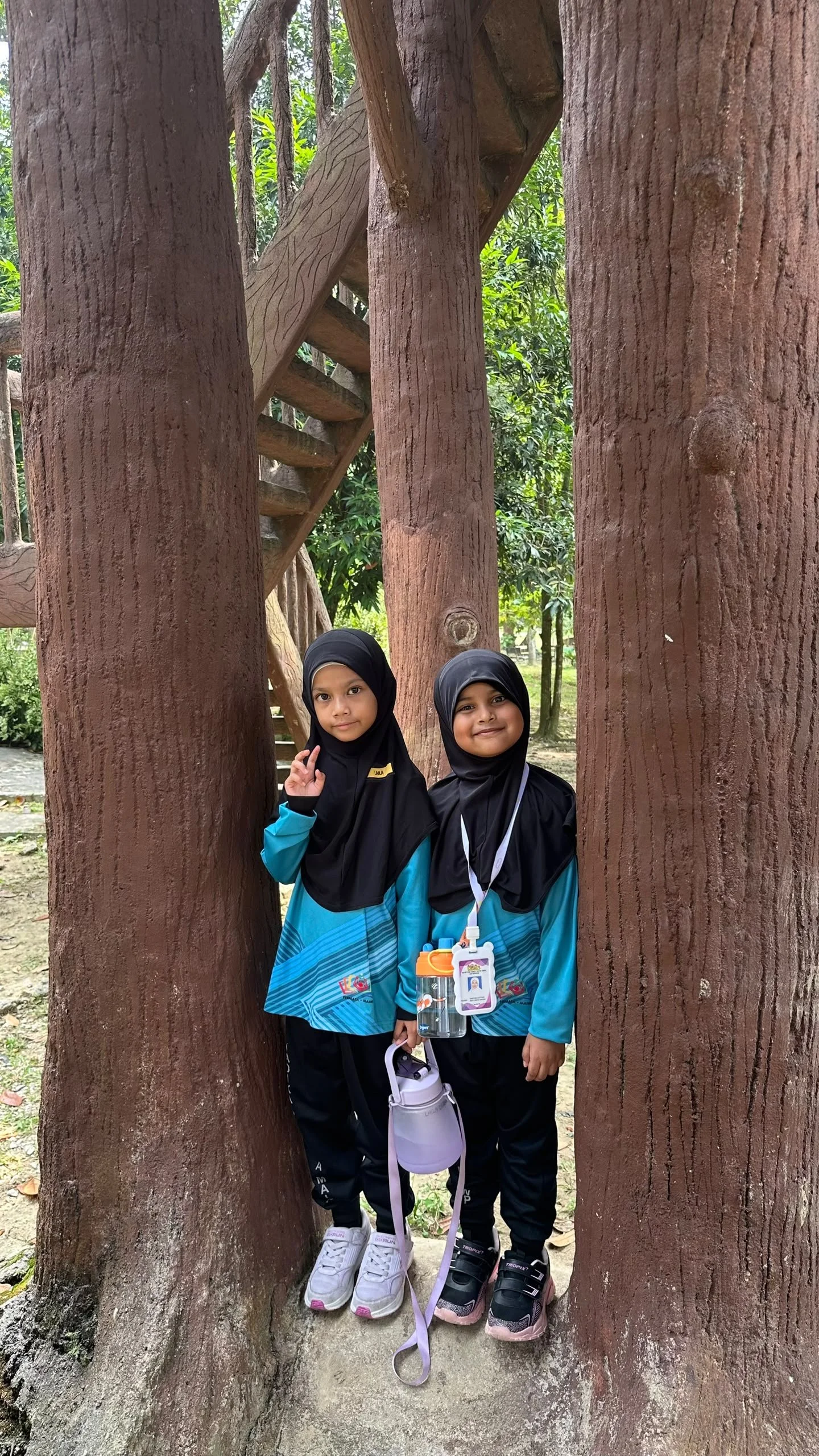
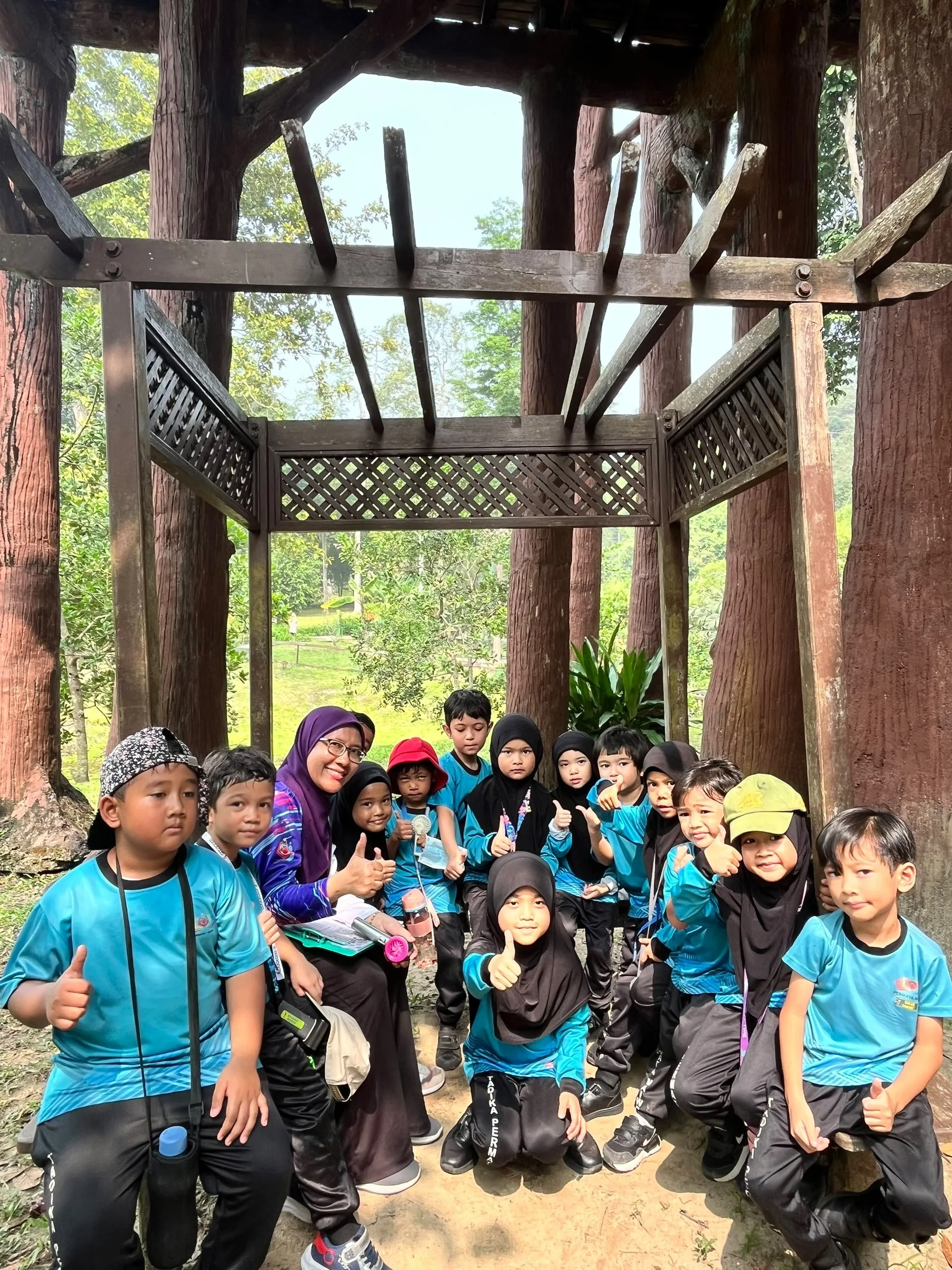
More than 250 children, parents and teachers from Tadika MAIWP Kids TTDI joined Planters International Berhad for the School Trip & Family Nature Exploration at Taman Botani Negara Shah Alam (TBNSA), combining nature education, biodiversity discovery, animal encounters and family games in a full day outdoors.
For the children, it was a day to explore.
For parents, it was an opportunity to discover alongside them.
And for Planters, it was a simple demonstration of an idea at the heart of our conservation work: people are more likely to care about nature when they are given the opportunity to experience it.
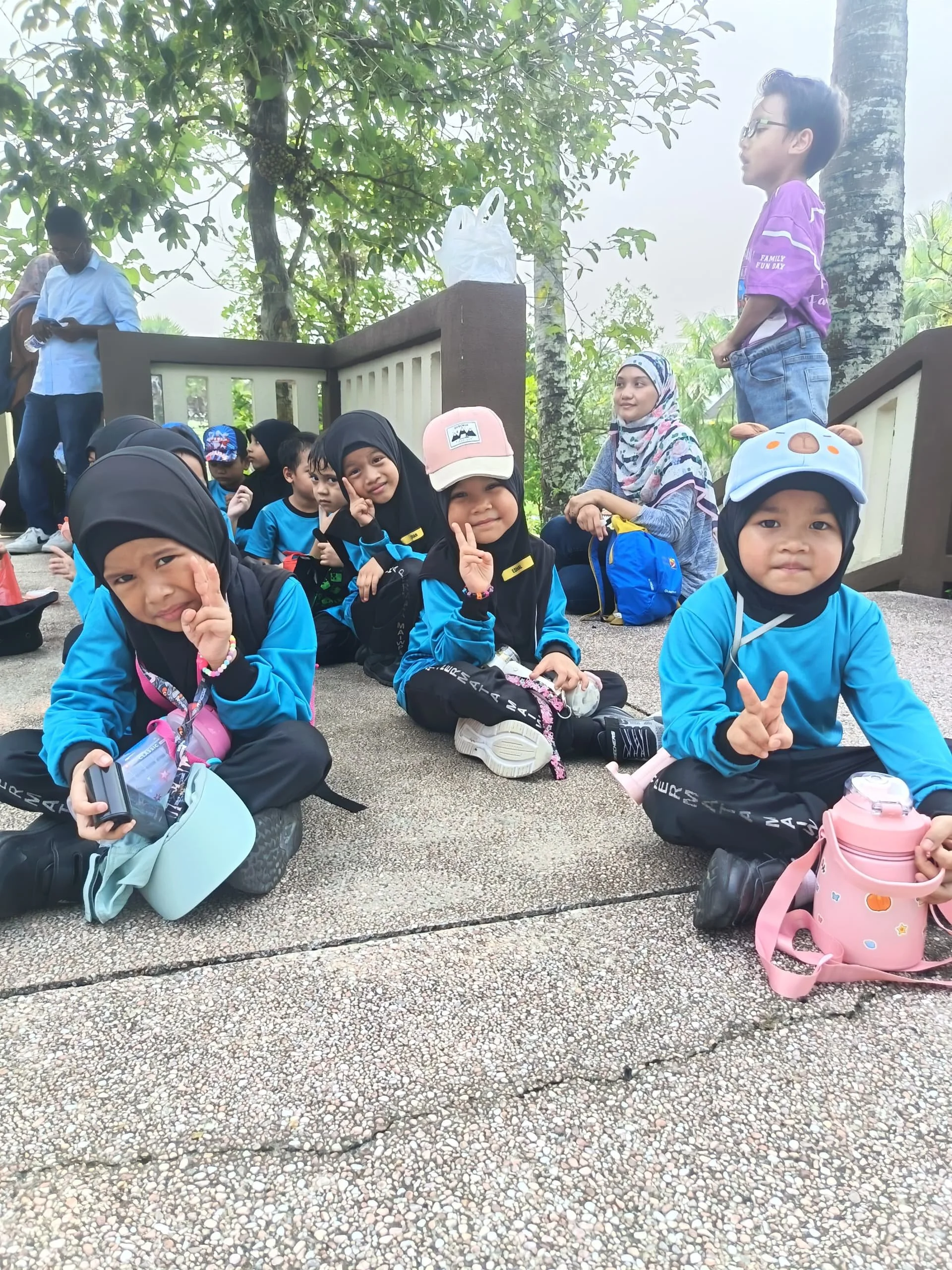
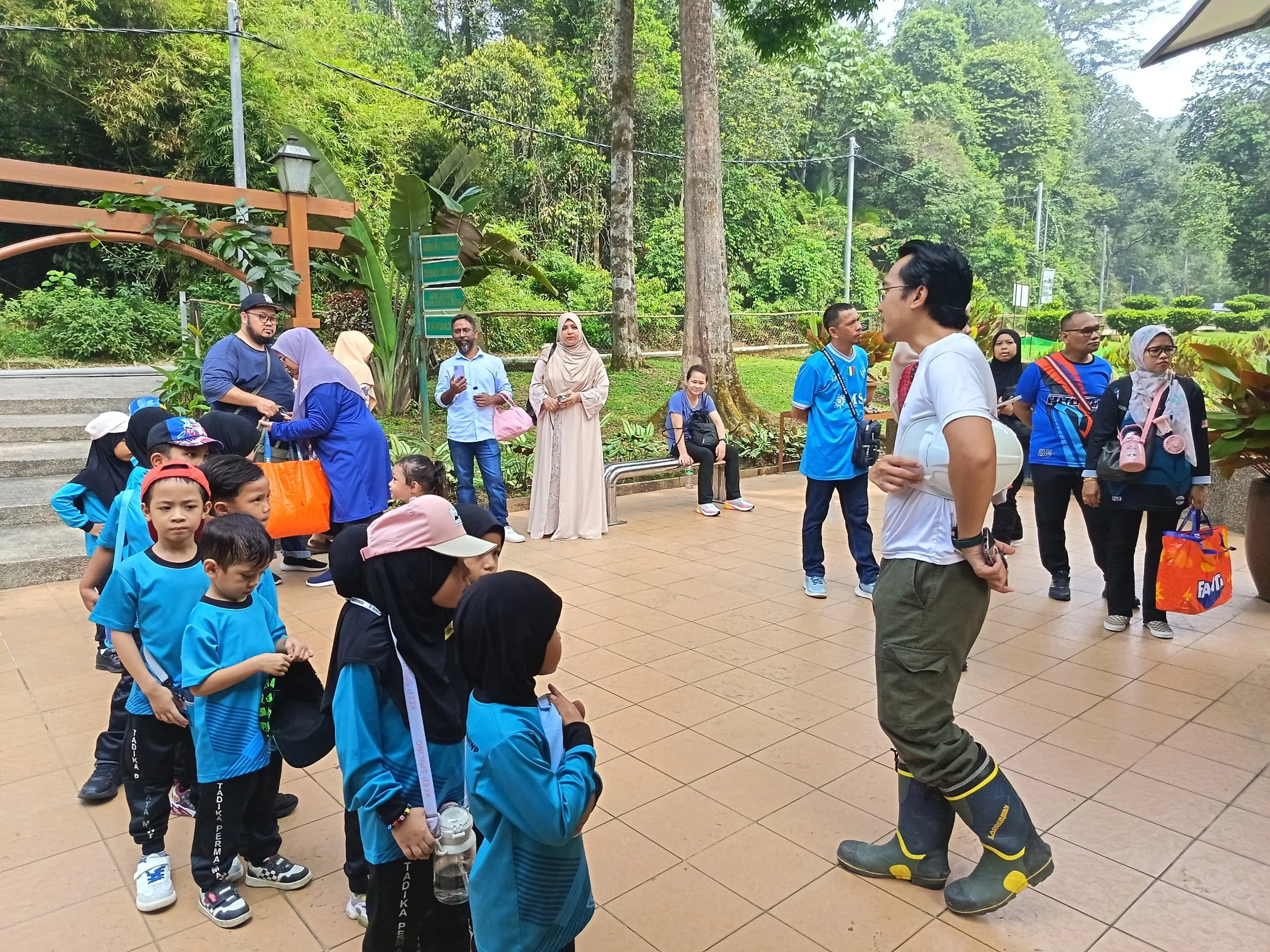
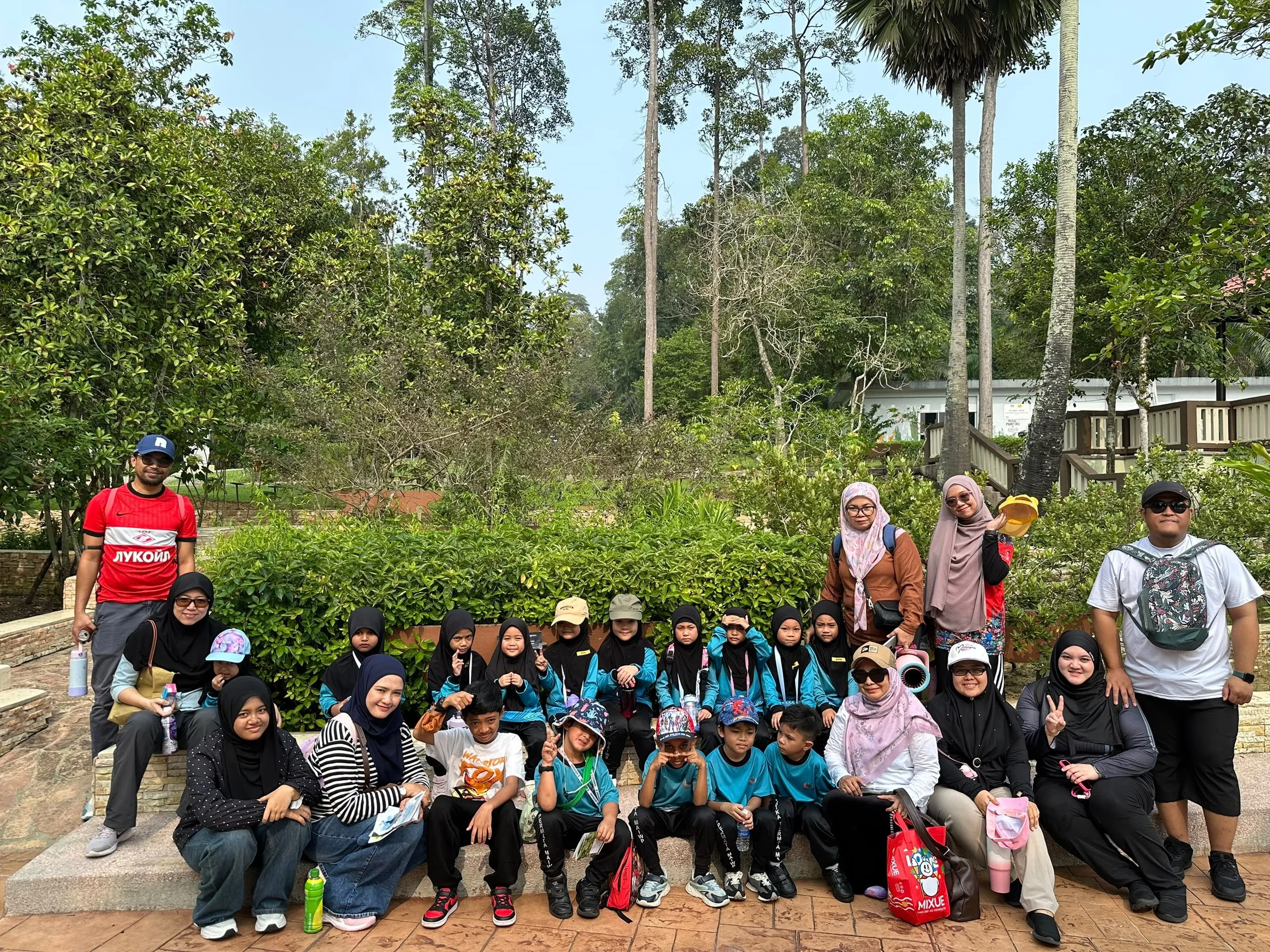
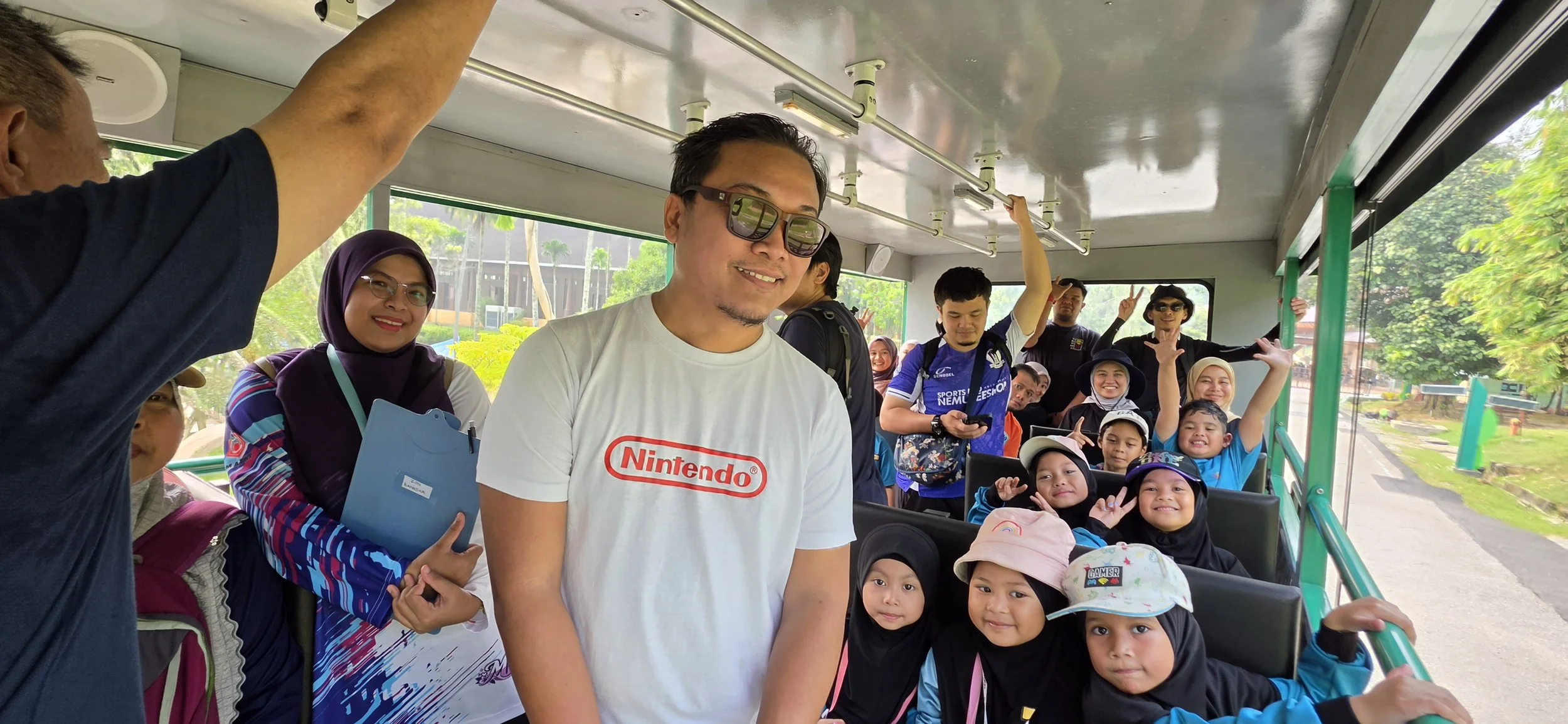
A Botanical Garden Becomes an Outdoor Classroom
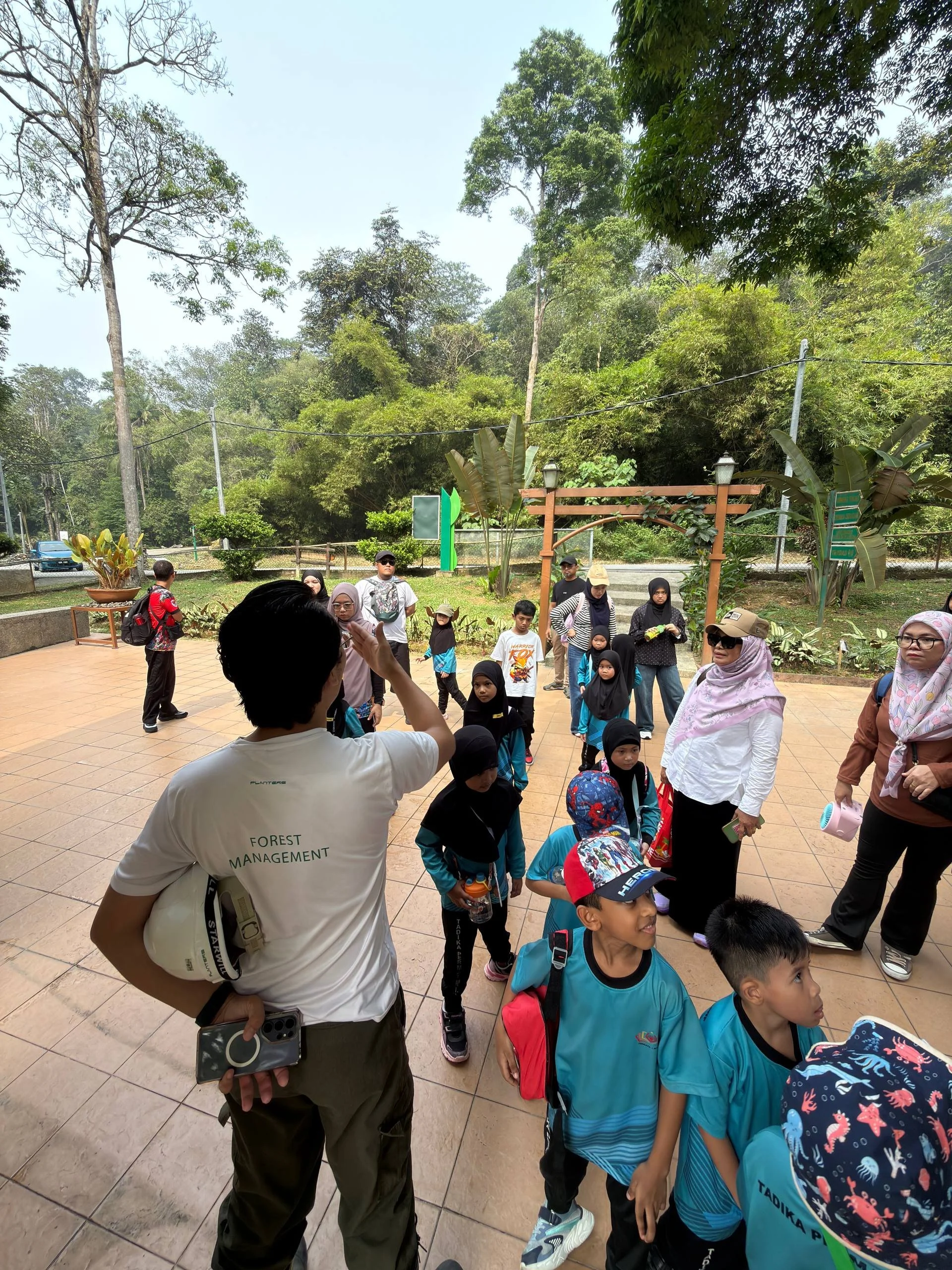
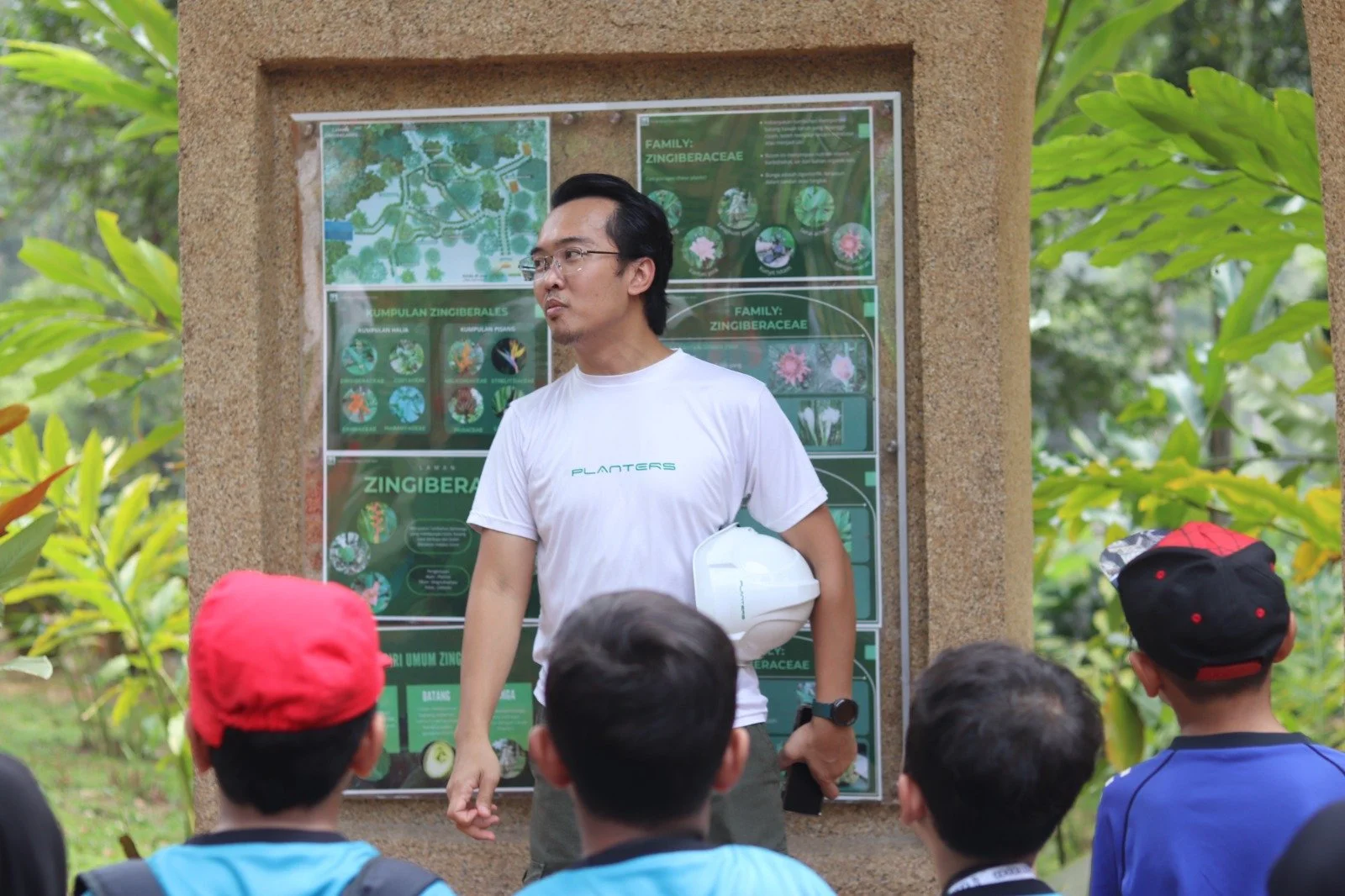
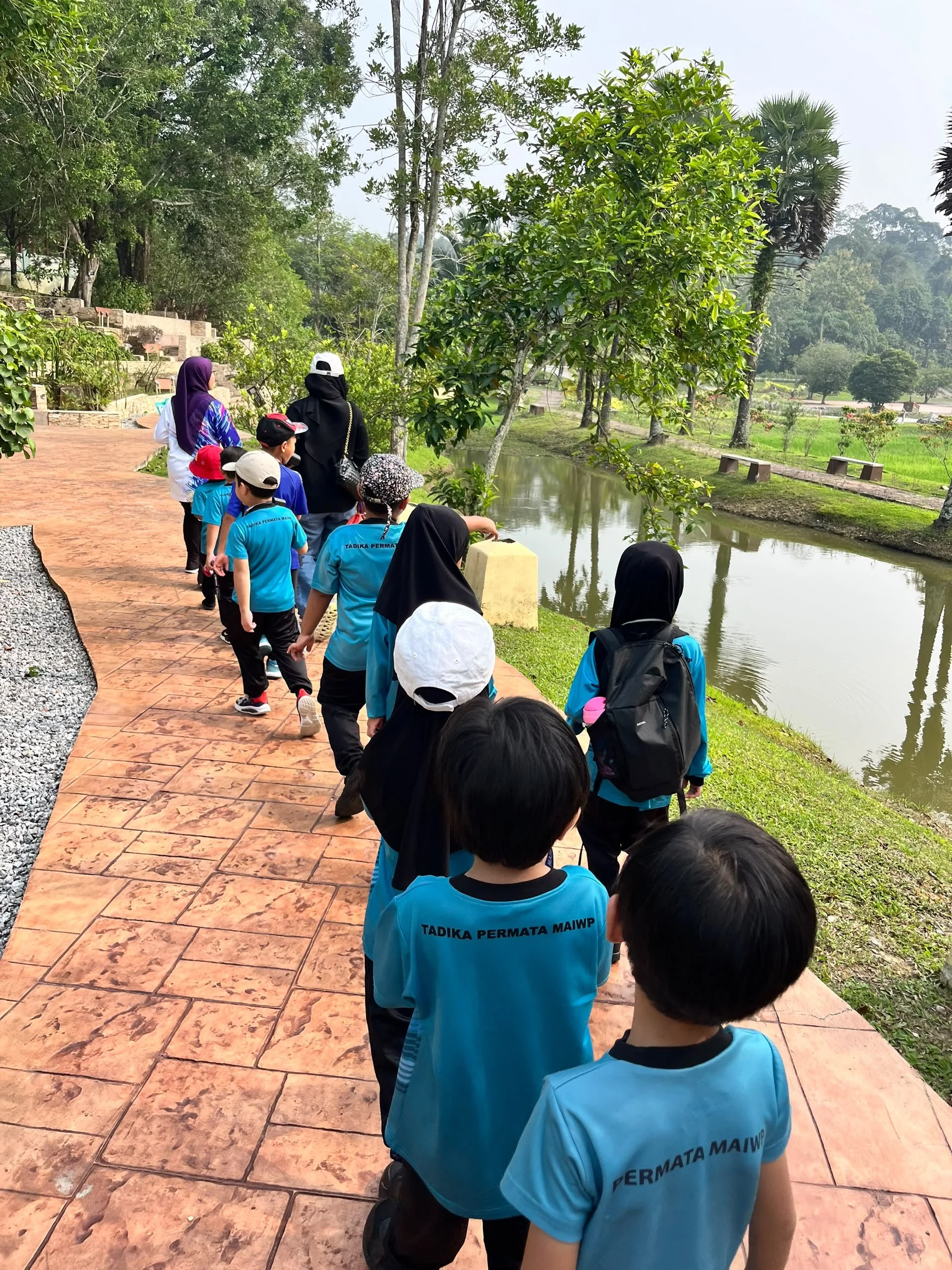
The day began with the Planters Nature Discovery Challenge, created to turn an ordinary nature walk into an interactive journey of observation and discovery.
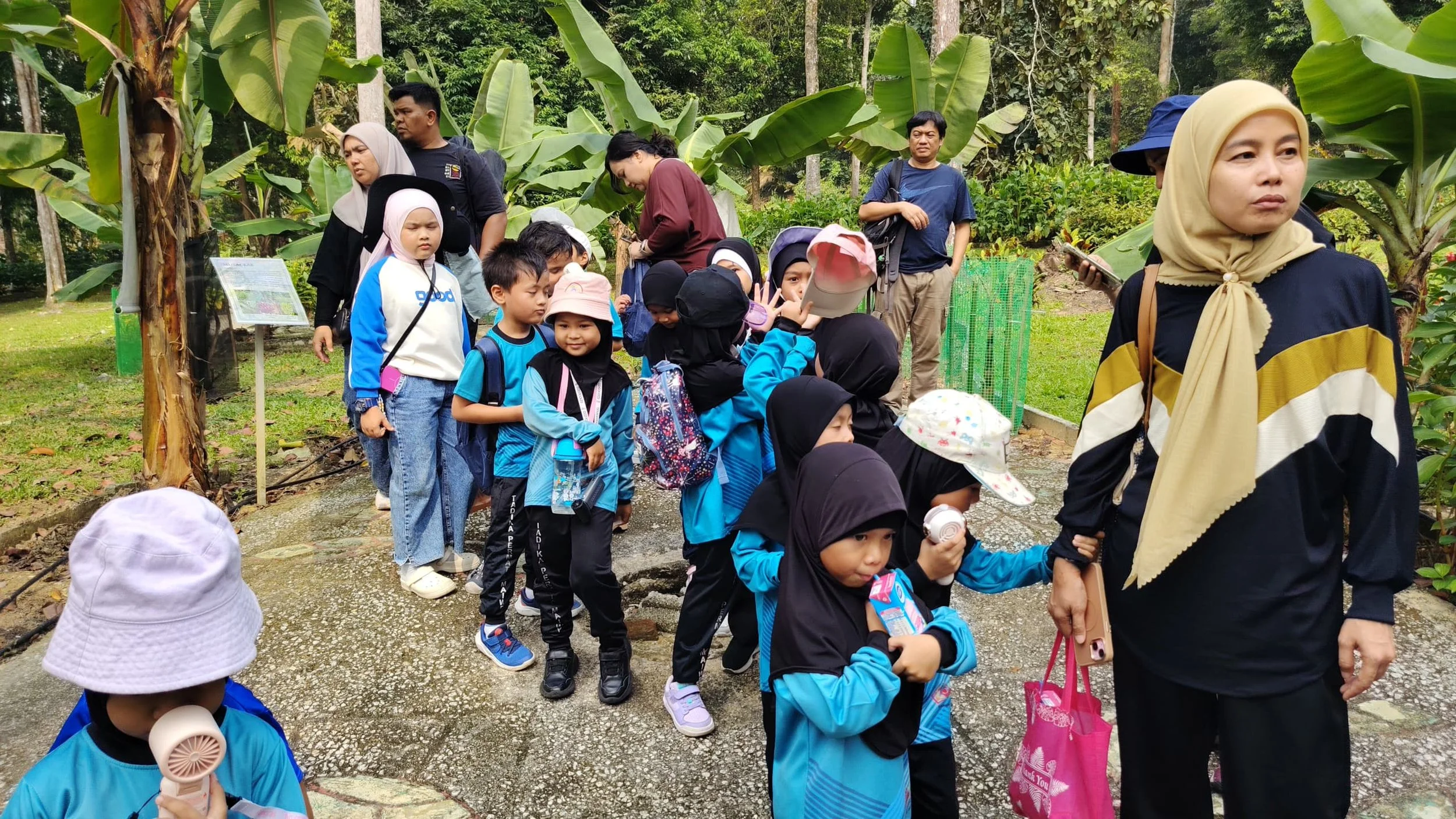
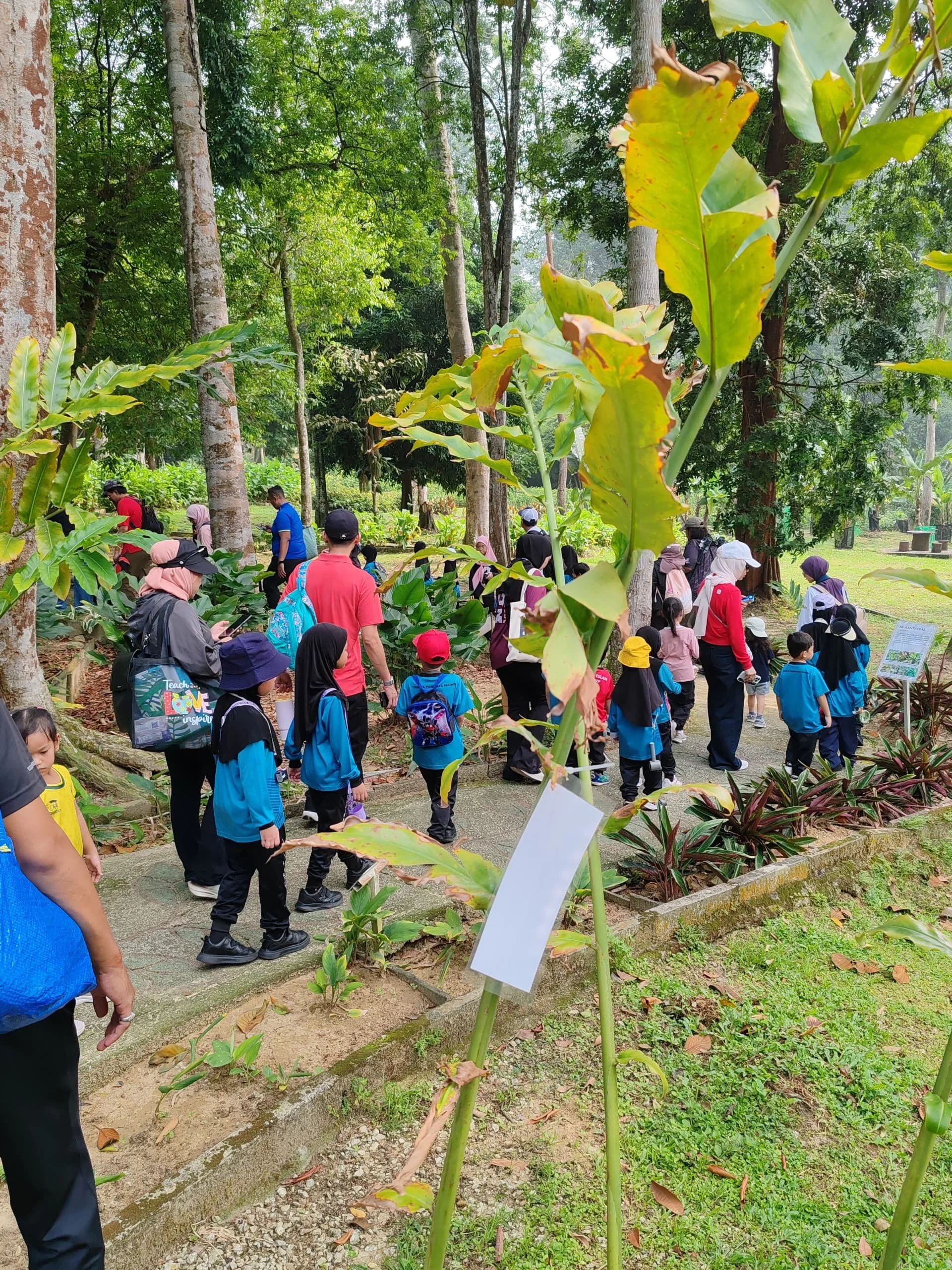
Children, parents and teachers explored a route through Laman Zingiberales, Laman Herba, a short tropical forest trail and Laman Rempah-Ratus.
Instead of asking young children to memorise scientific facts, the challenge encouraged them to do something much more natural:
Look. Listen. Find. Ask questions.
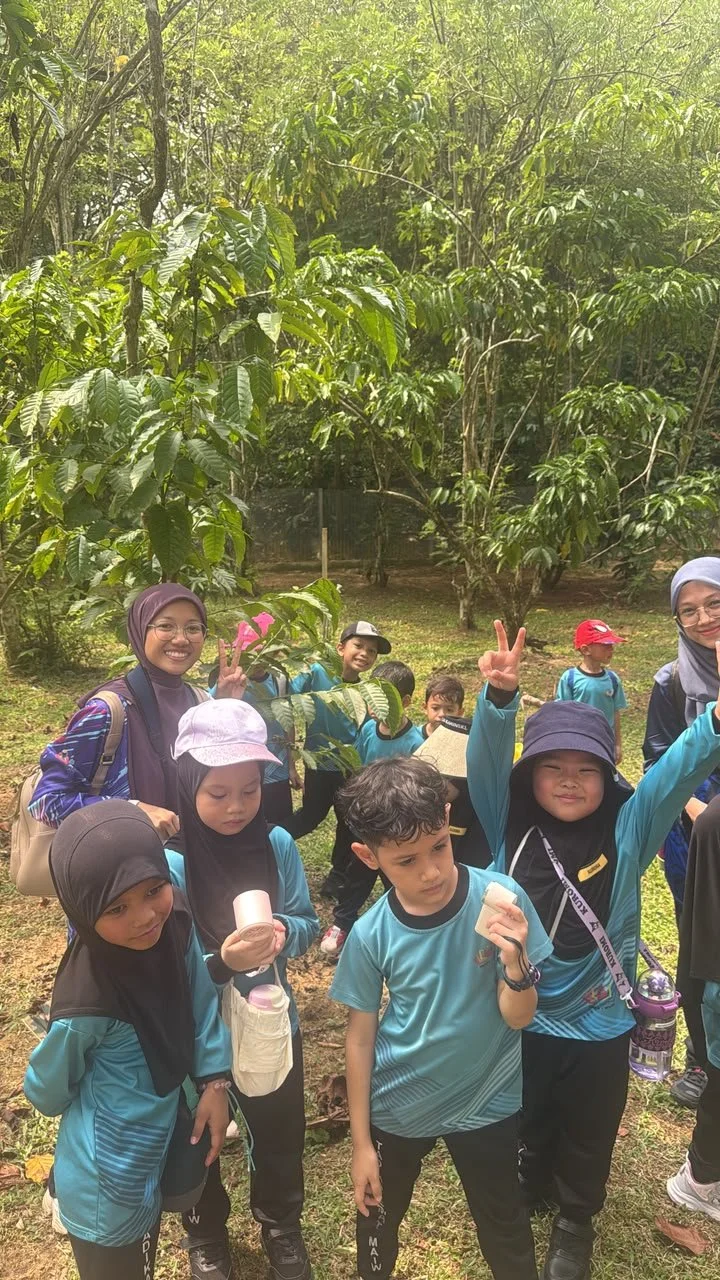
At Laman Zingiberales, the children discovered plants including Pisang Raja Udang and the striking fan-shaped Pisang Kipas (Traveller’s Palm), alongside familiar members of the ginger order.
At Laman Herba, everyday plants became part of the discovery. Children could encounter herbs such as pegaga and ulam raja, observe the lake and its water plants, and explore the landscape around Menara Tinjau.
Then the environment changed again.
From Garden Plants to the Malaysian Forest
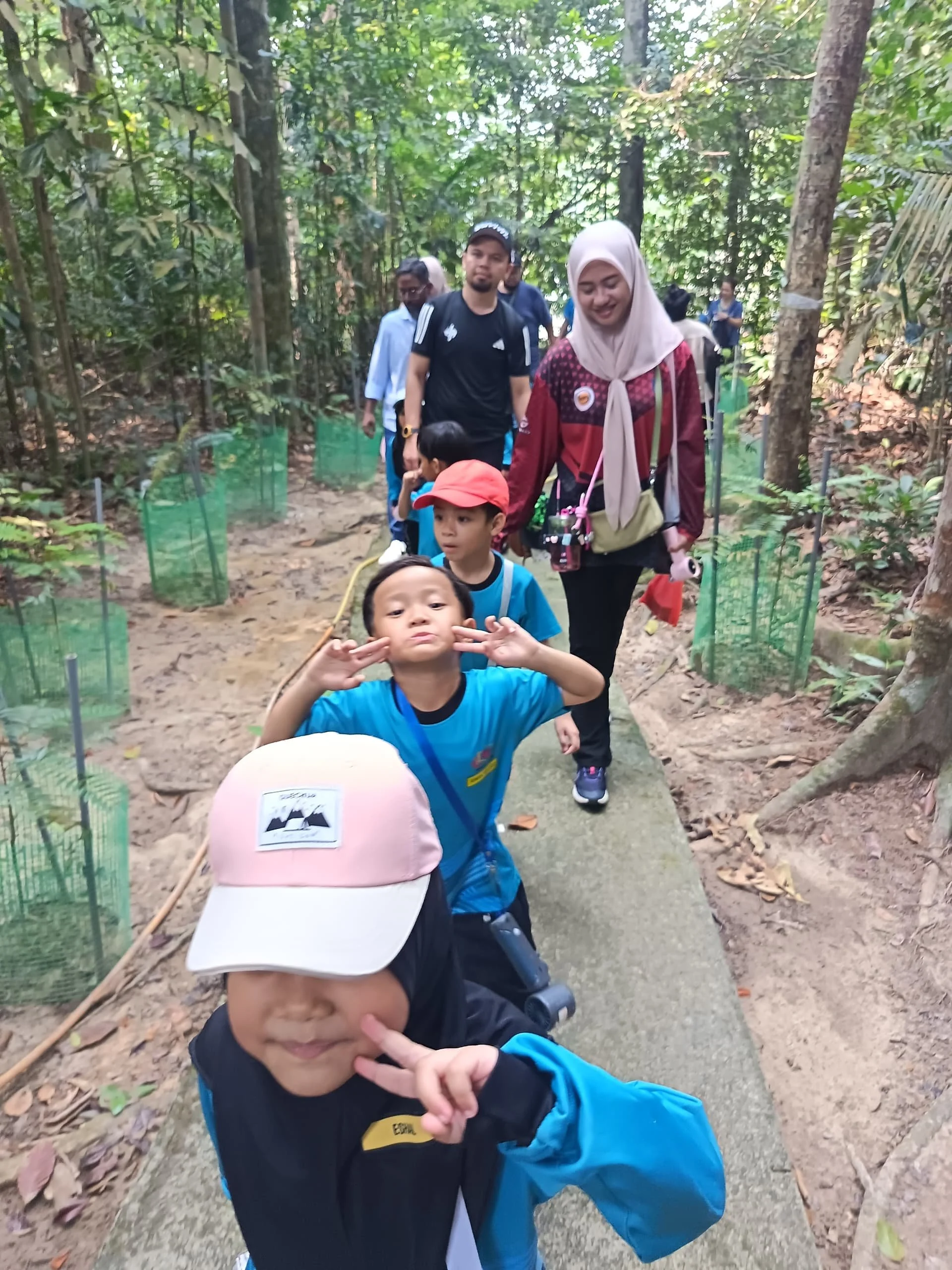
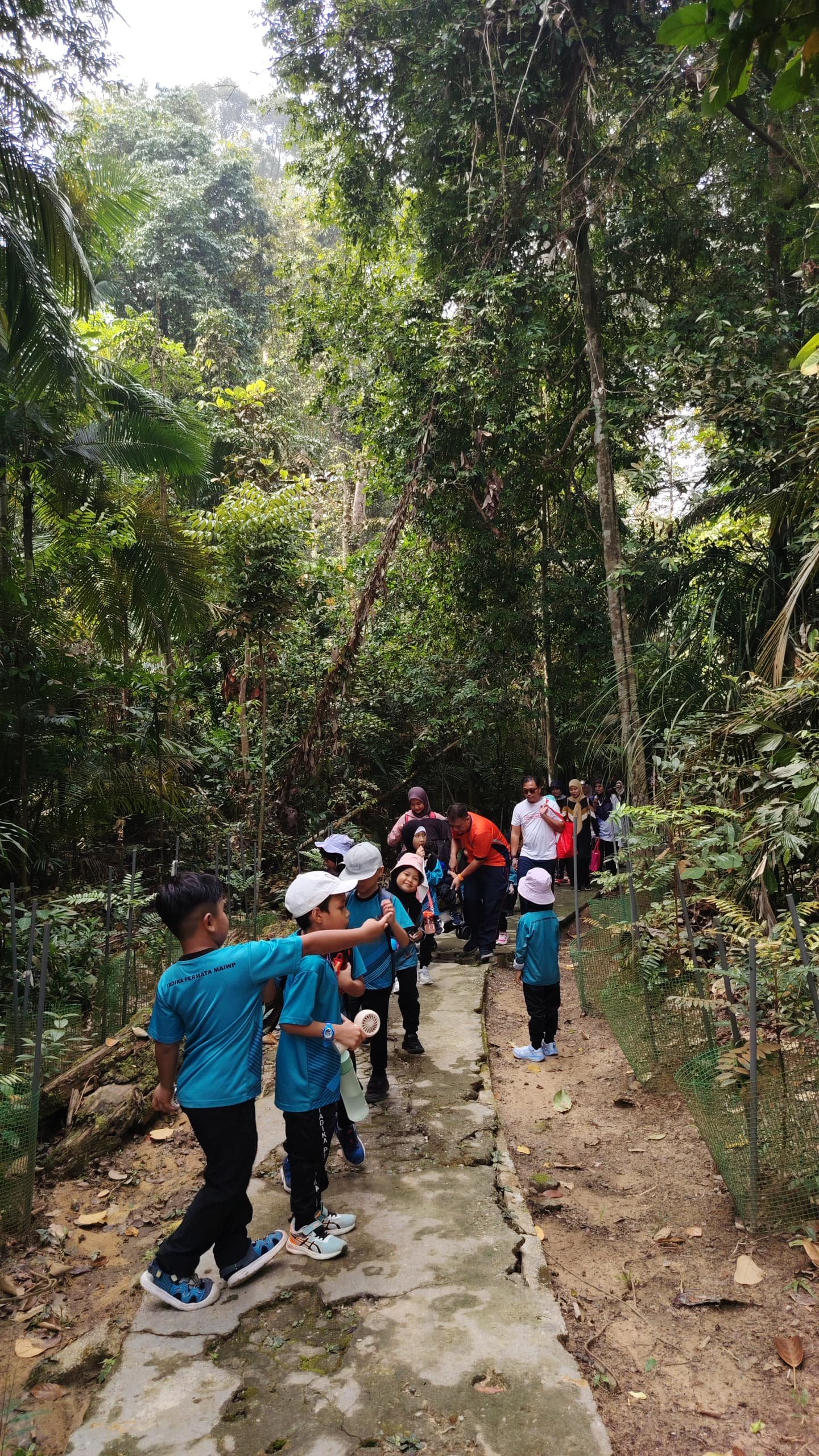
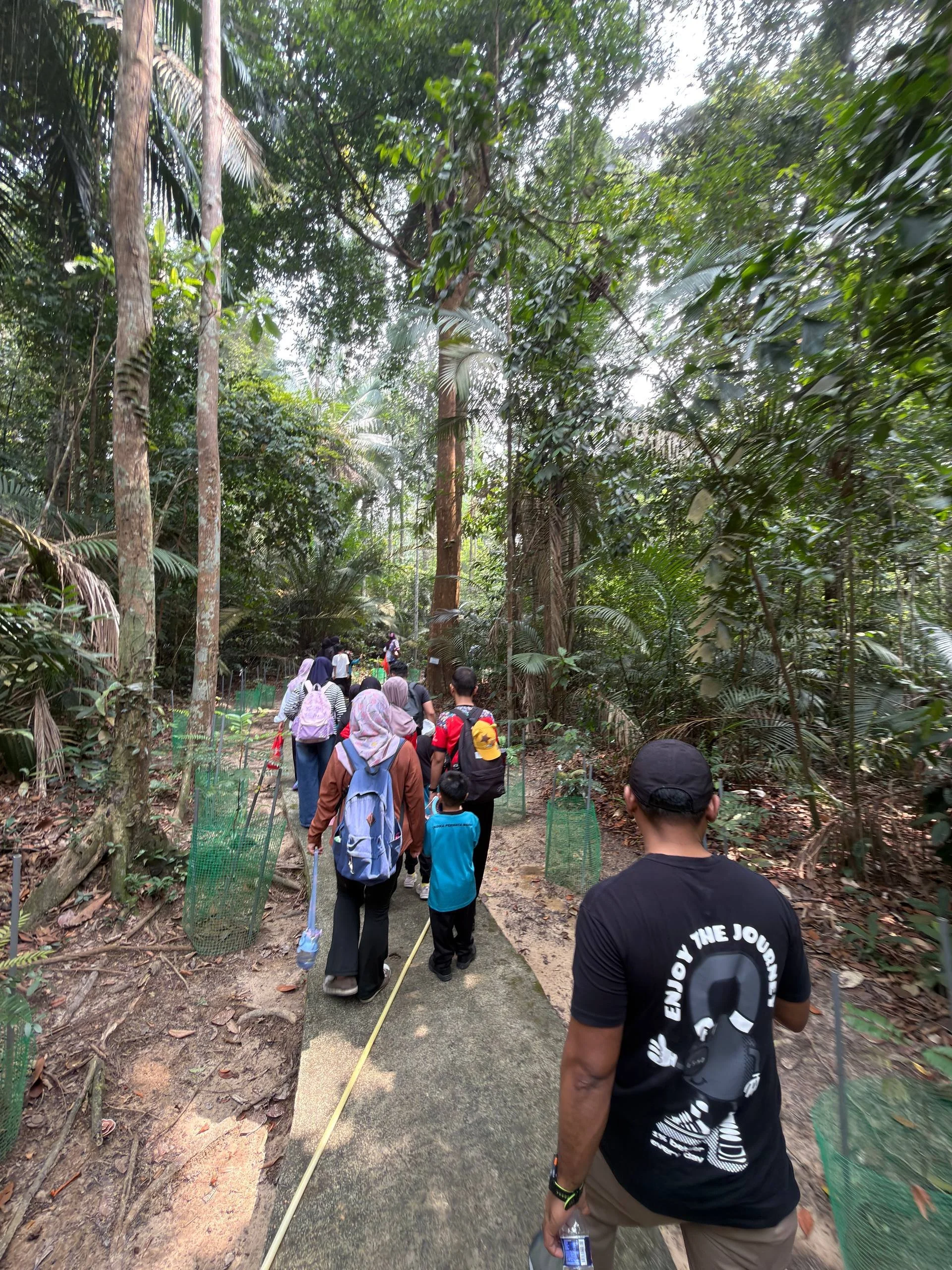
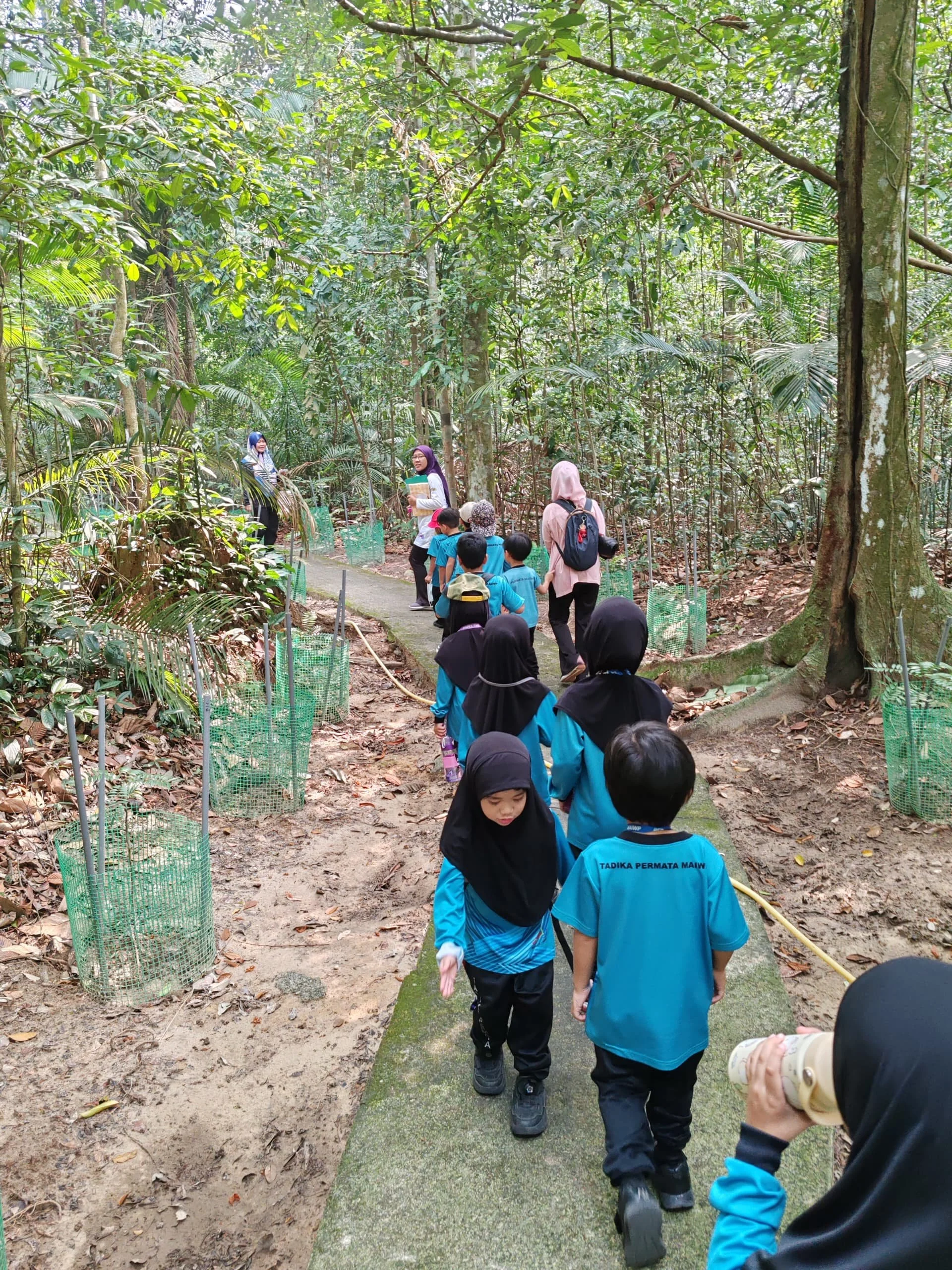
A short forest trail gave the children a glimpse into the structure and biodiversity of Malaysia's tropical forests.
Here, the experience was not only about identifying a plant.
It was about noticing the forest itself.
Children were encouraged to look upwards at the canopy, recognise plants such as Tongkat Ali, learn about dipterocarp trees, listen for birds and insects, and keep their eyes open for wildlife along the trail.
Sometimes the best discovery was simply hearing something before seeing it.
That is why the Nature Discovery Challenge deliberately included moments for children to stop, stay quiet and listen to the environment around them.
Scan a Tree, Discover Its Story
Technology also formed part of the learning experience.
Selected trees within the botanical garden carry QR codes that visitors can scan to access additional information about the species.
For children and parents, this created another layer of discovery: find an interesting tree, scan it together, and learn something new.
It is a simple example of how digital tools can complement environmental education without replacing the experience of being in nature itself.
This is also closely aligned with Planters' wider work, where technology, field observations and environmental data are increasingly brought together to help people better understand natural ecosystems.
A Nature Challenge Without Marks or Exams
There were no marks.
There was no need to complete every challenge.
And there was certainly no exam at the end.
The Planters Nature Discovery Challenge was designed for young children to explore at their own pace with their teachers and families.
A flower may not be blooming that day. A monkey may decide not to appear. A bird might be heard but never seen.
That uncertainty is part of experiencing real nature.
Our young explorers were simply encouraged to see how many discoveries they could make along the way.
The message behind the challenge was:
Lihat • Dengar • Temui • Lindungi
See • Listen • Discover • Protect
From Plants and Forests to Animal Encounters
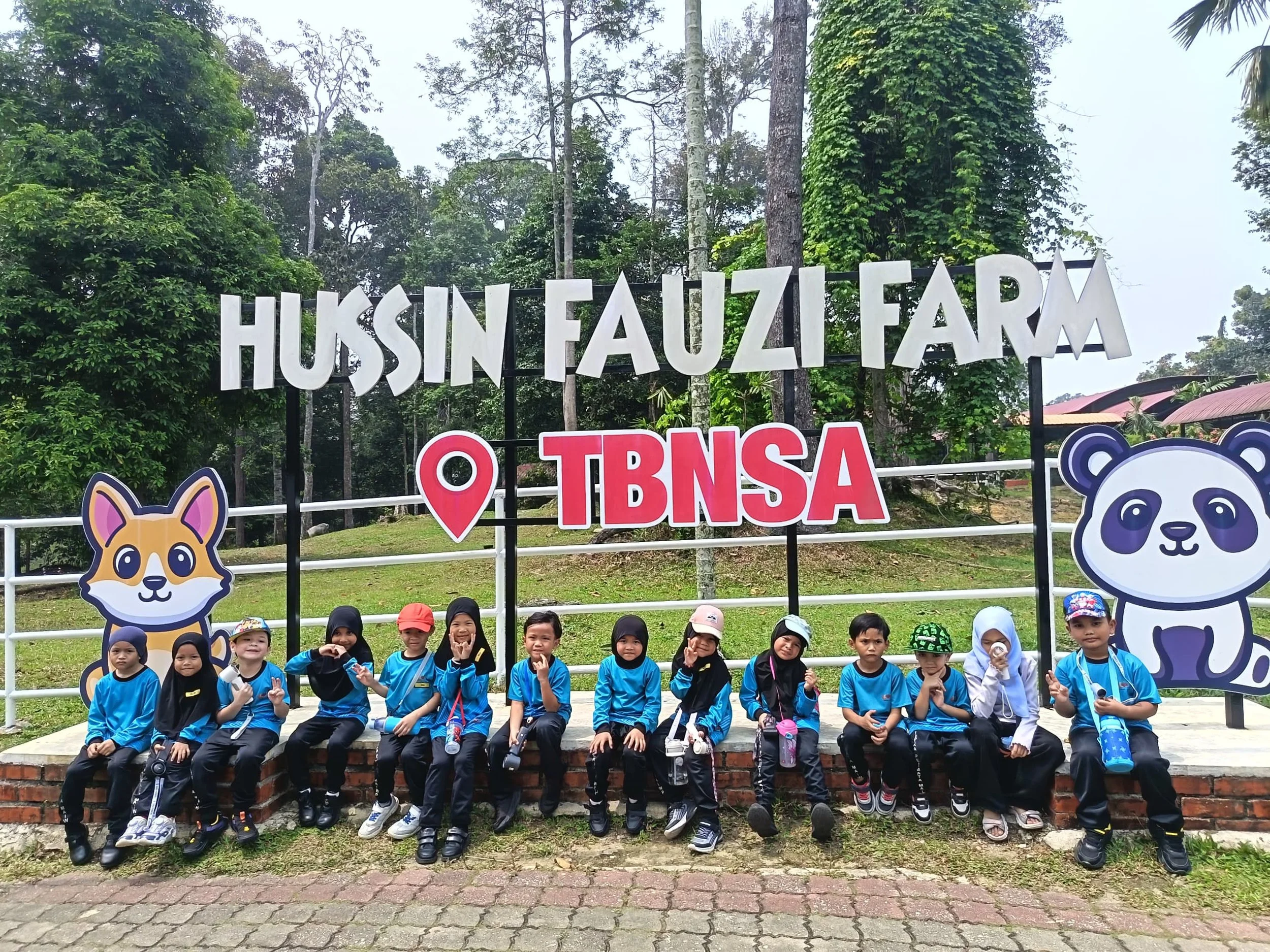
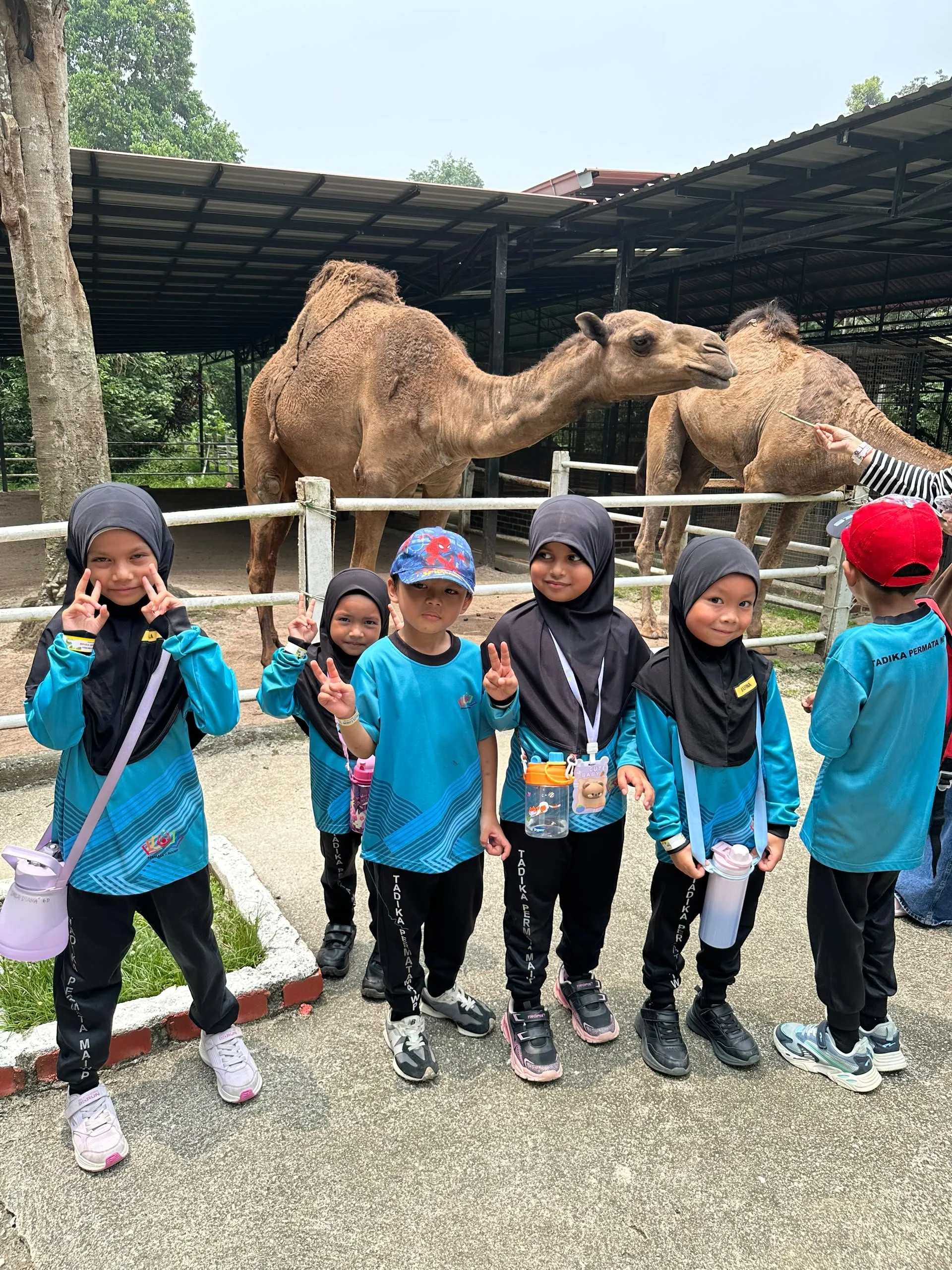
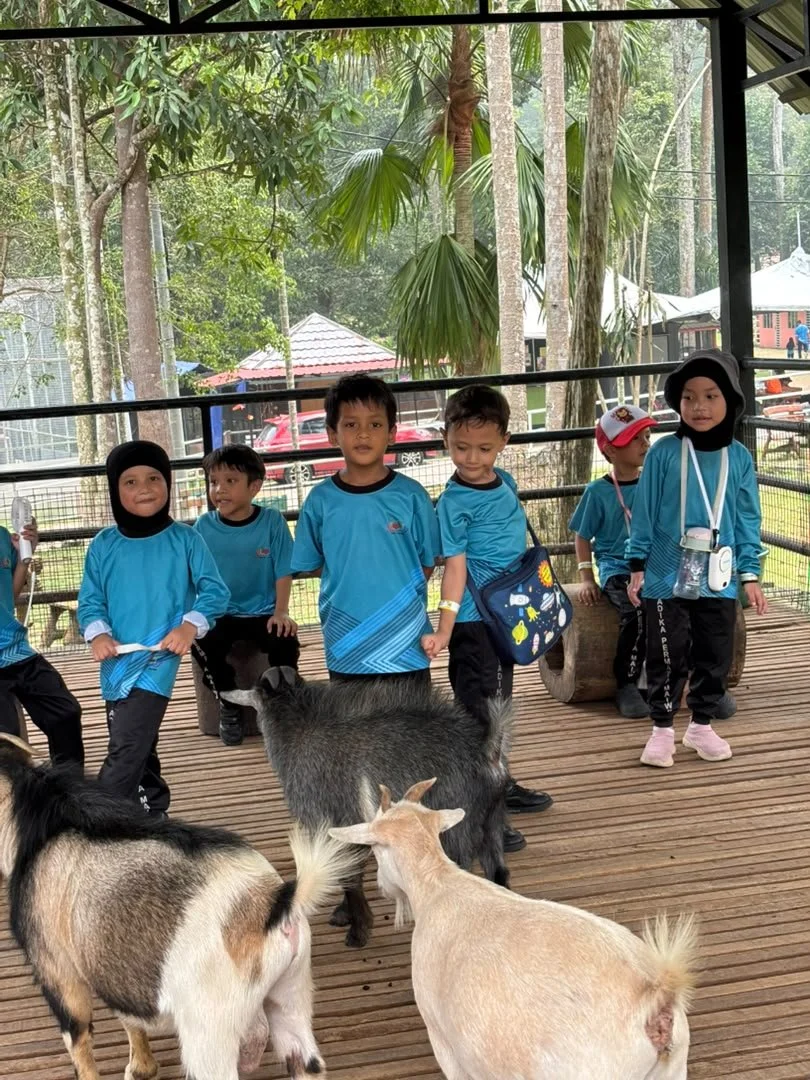
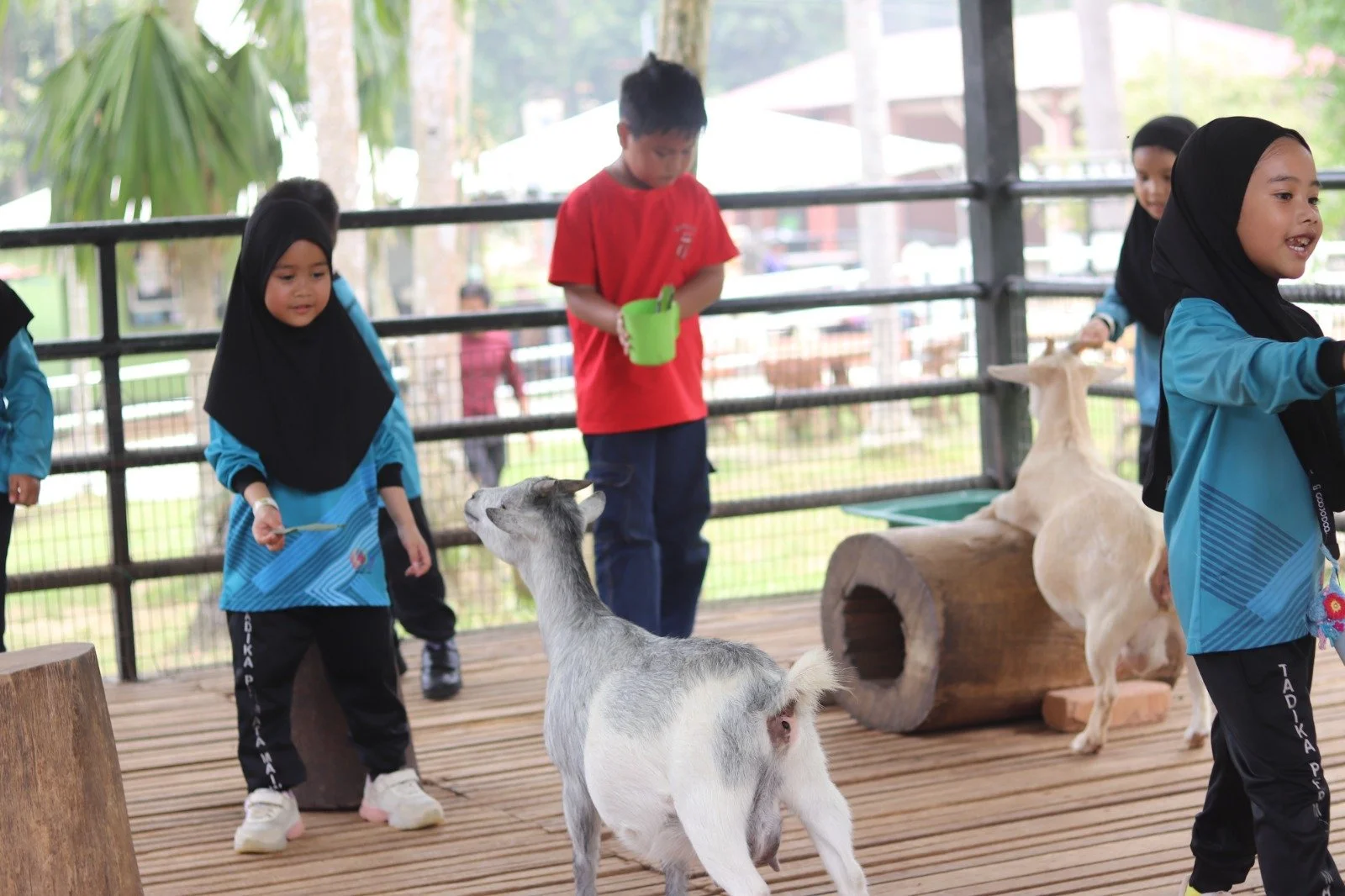
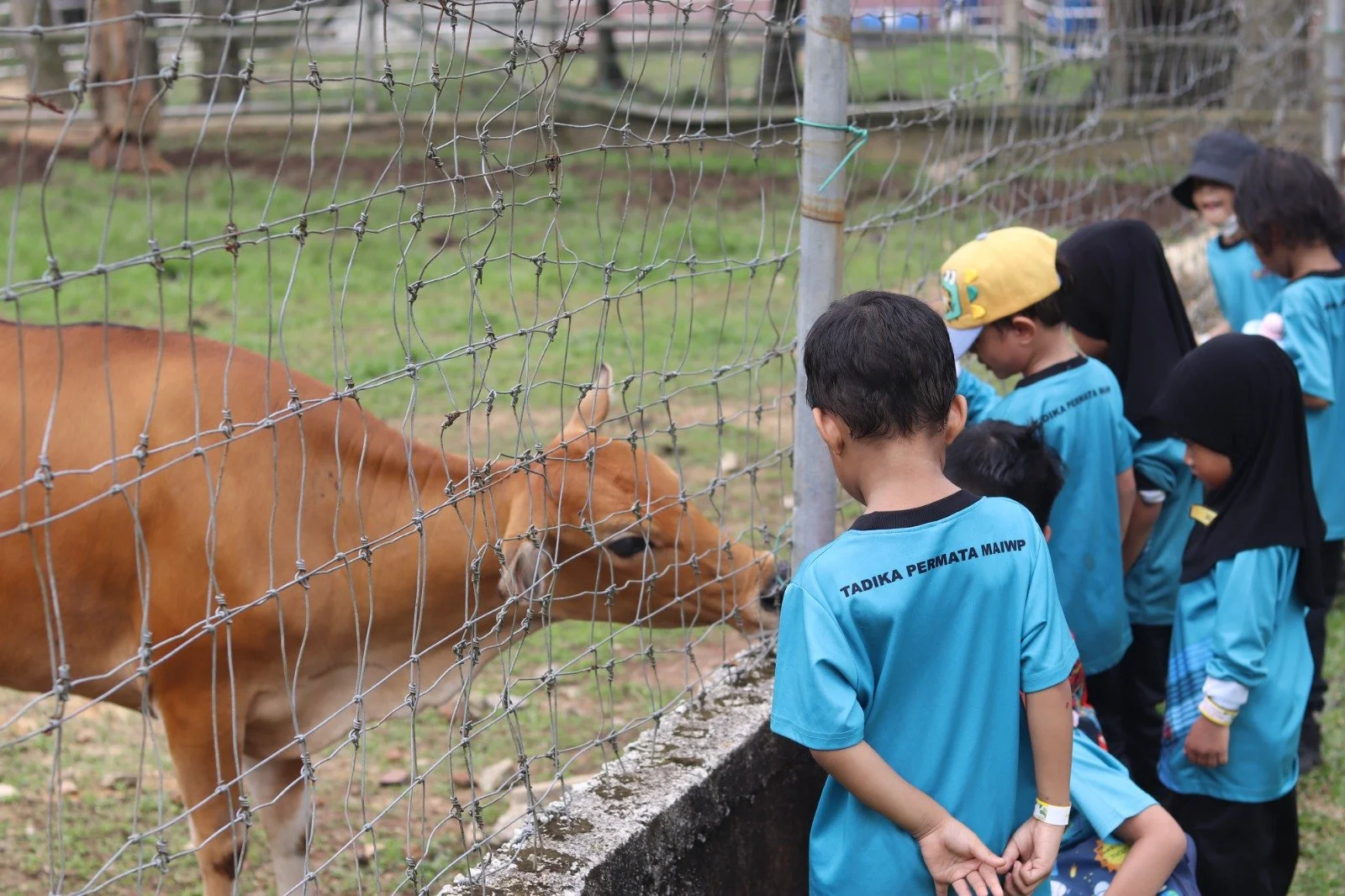
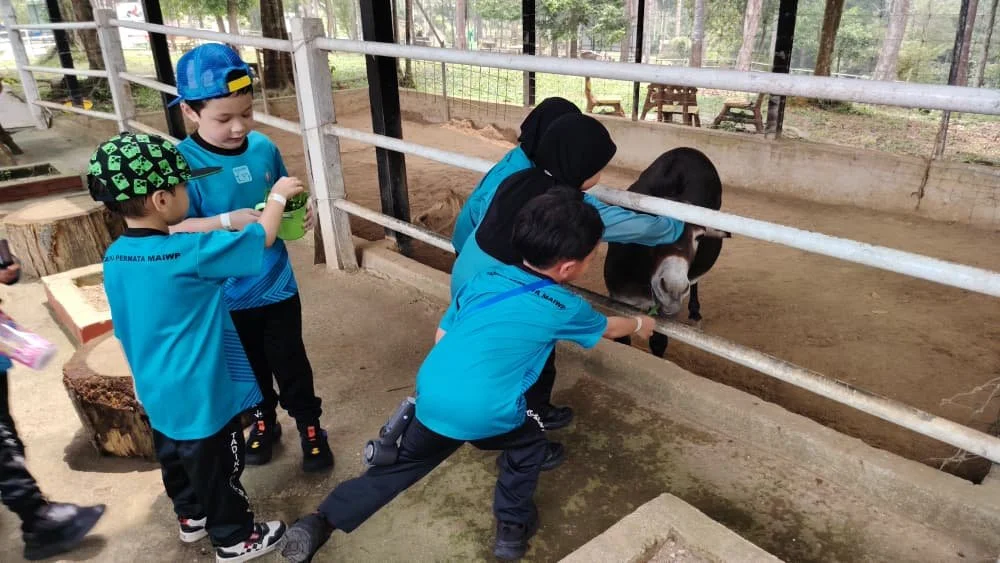
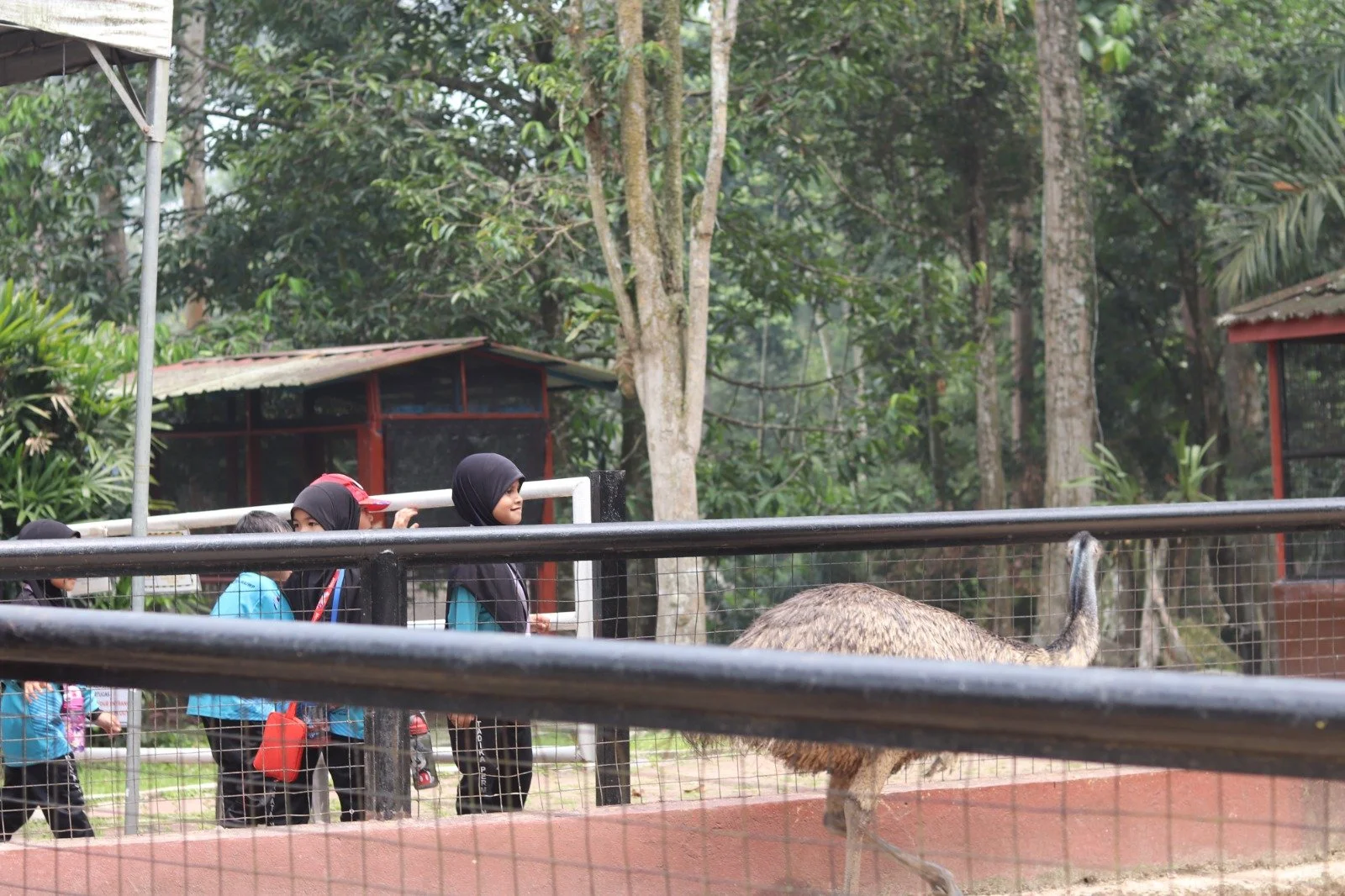
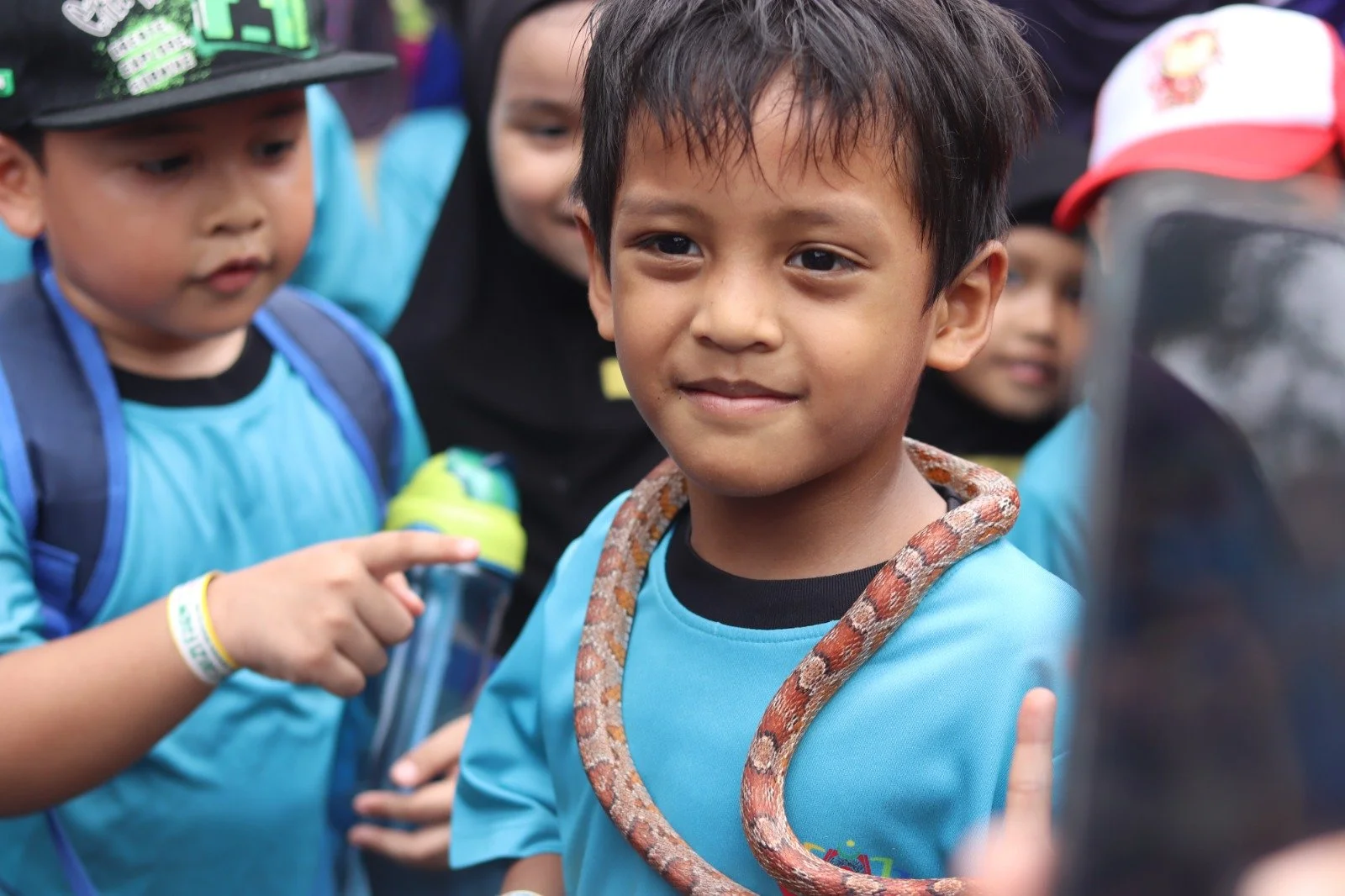
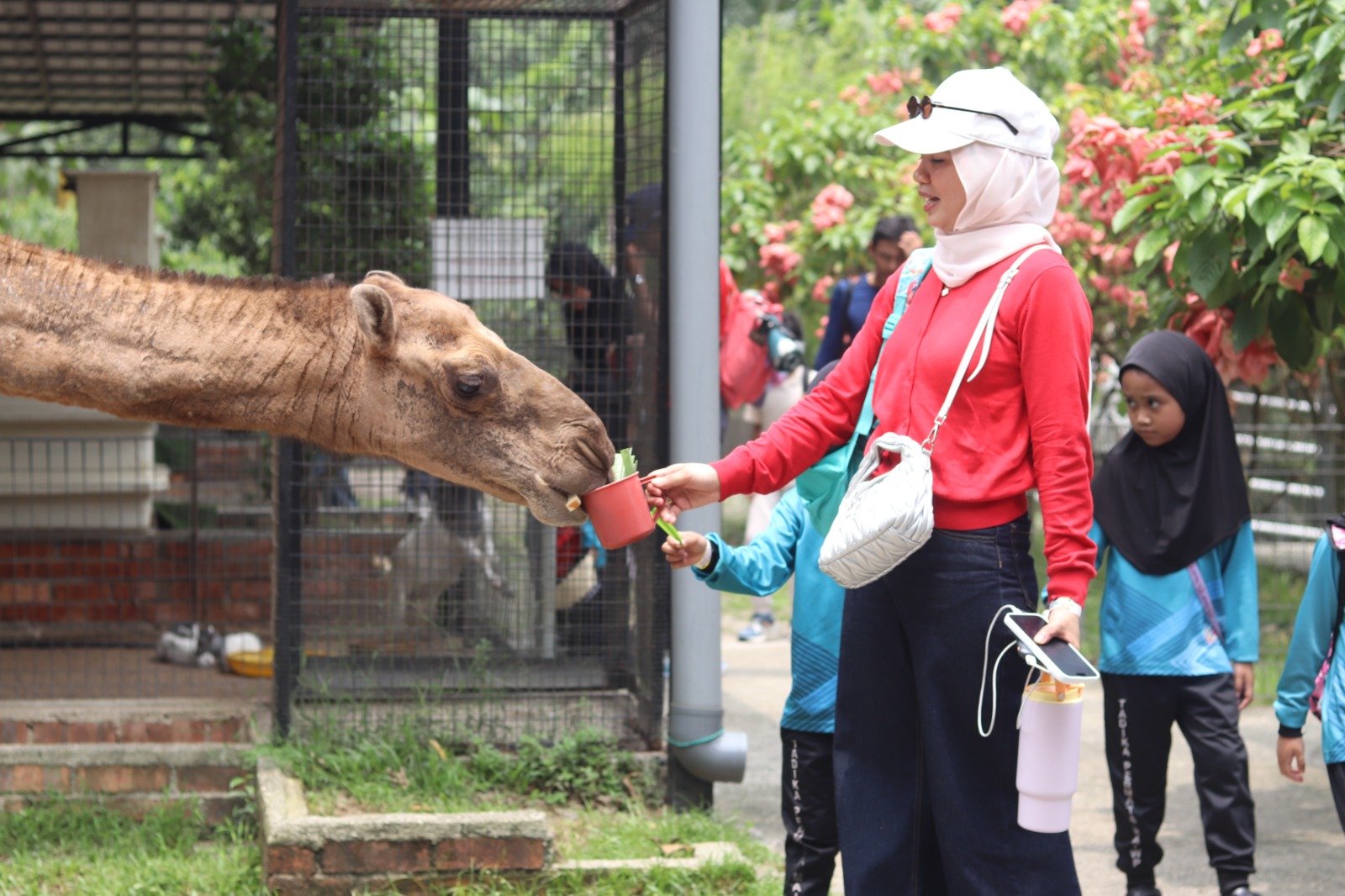
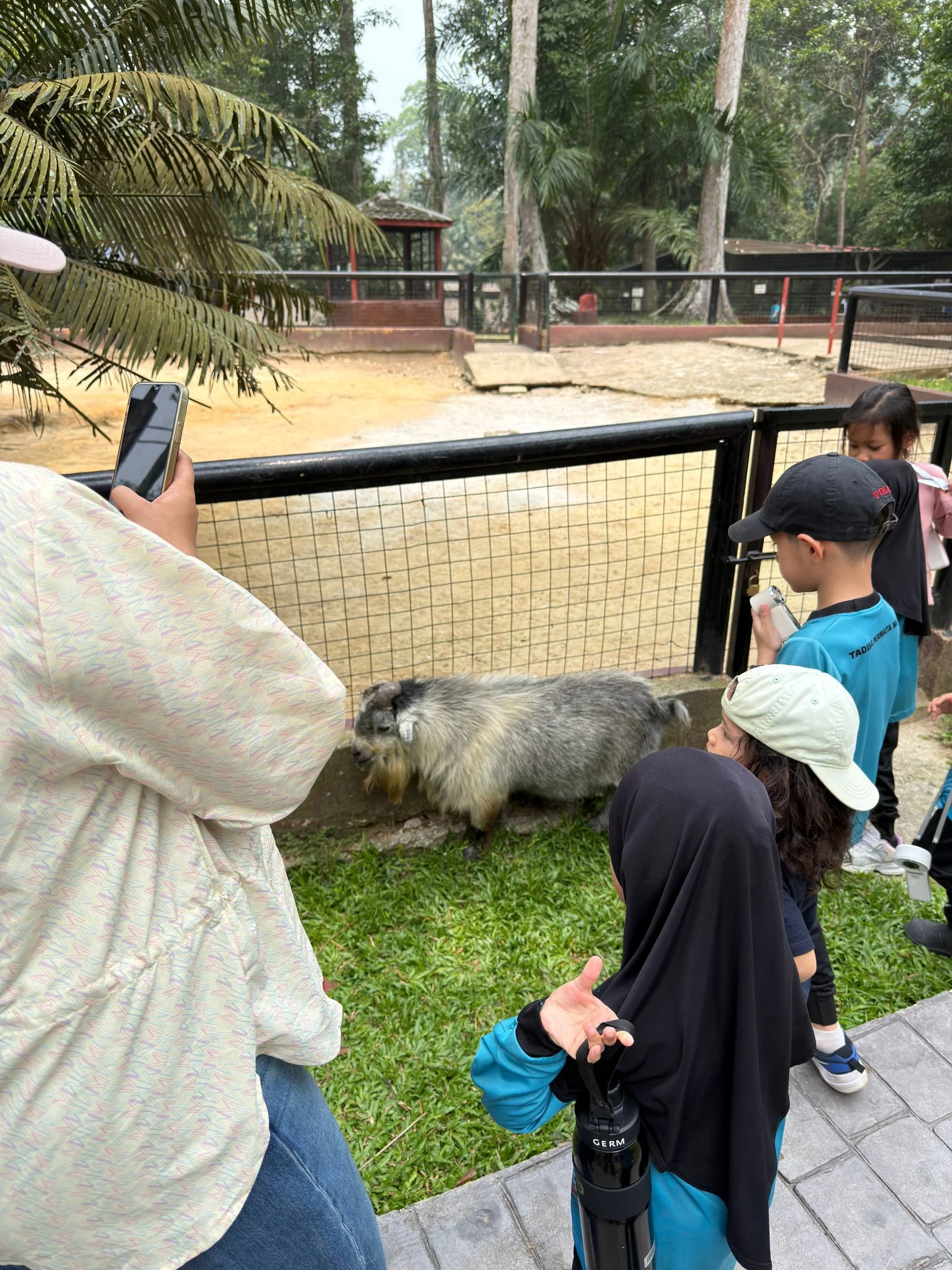
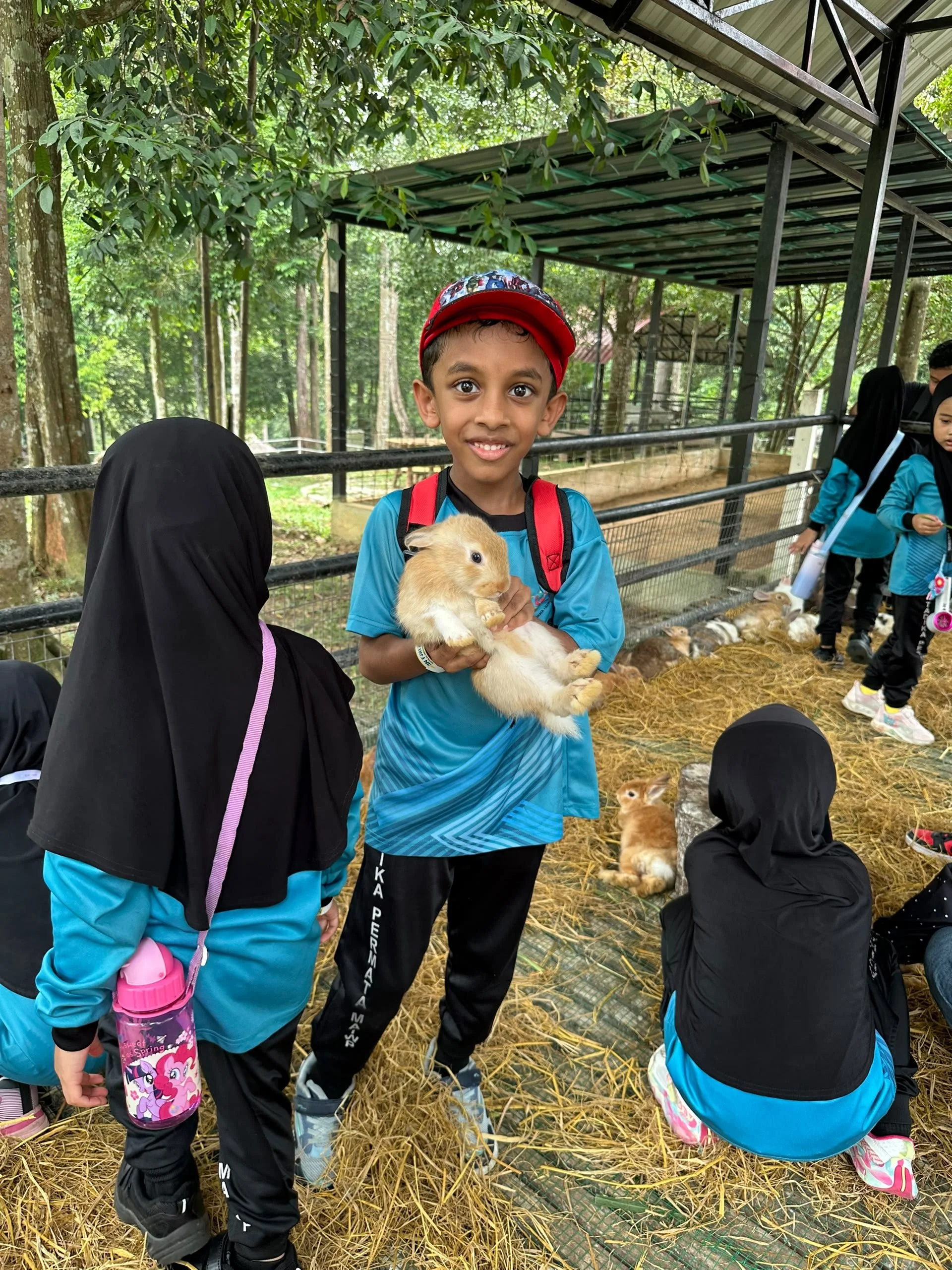
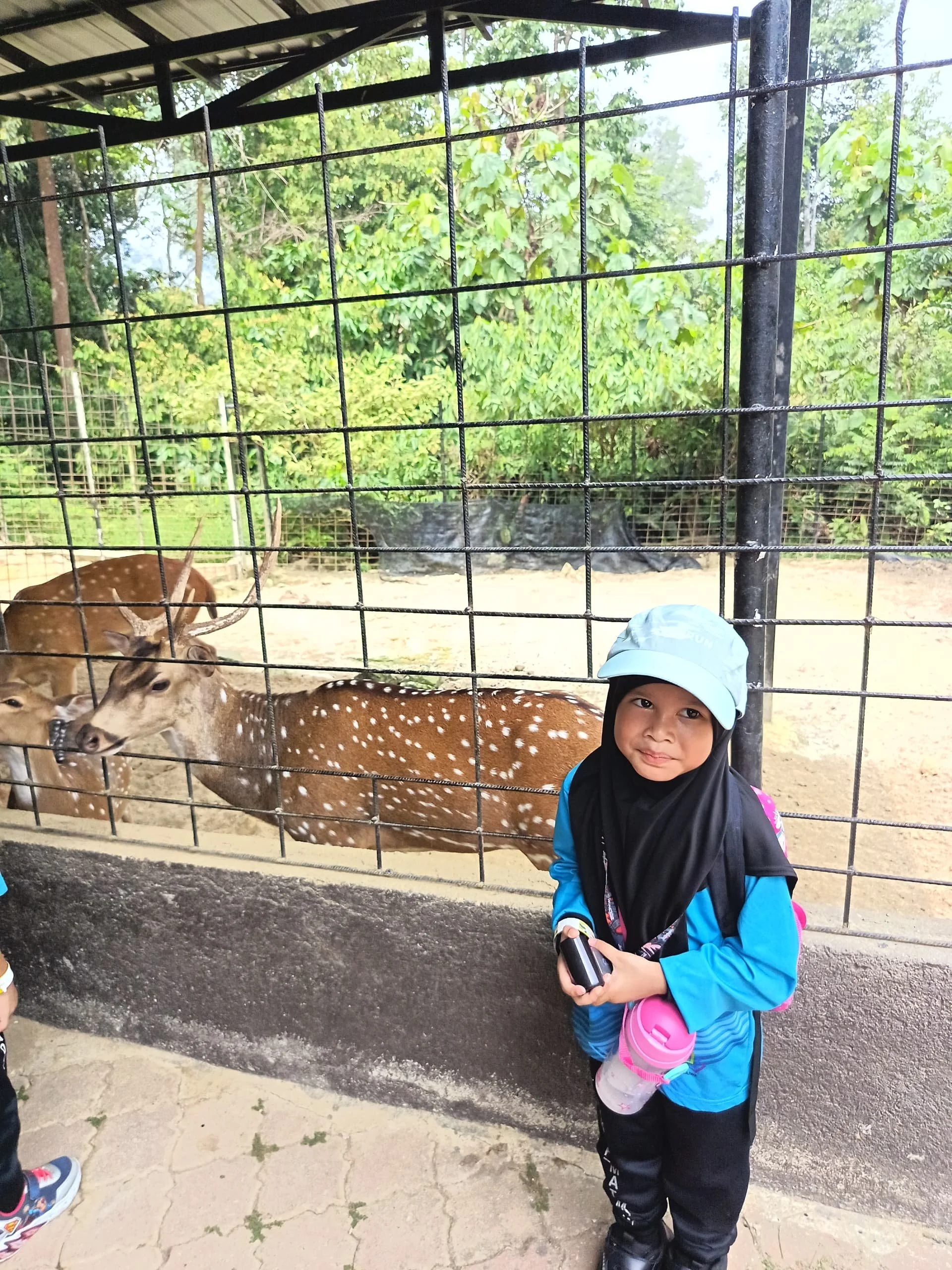
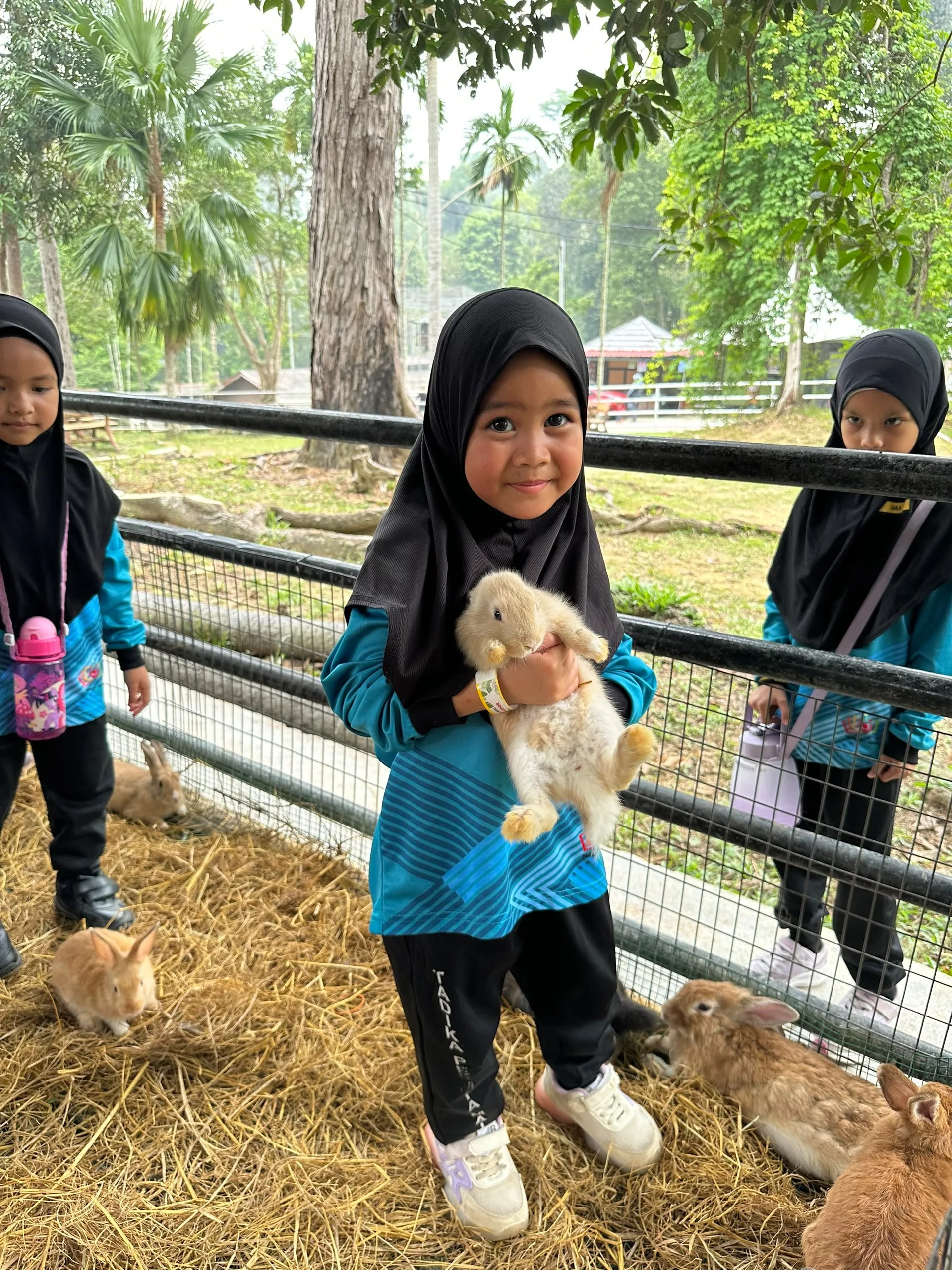
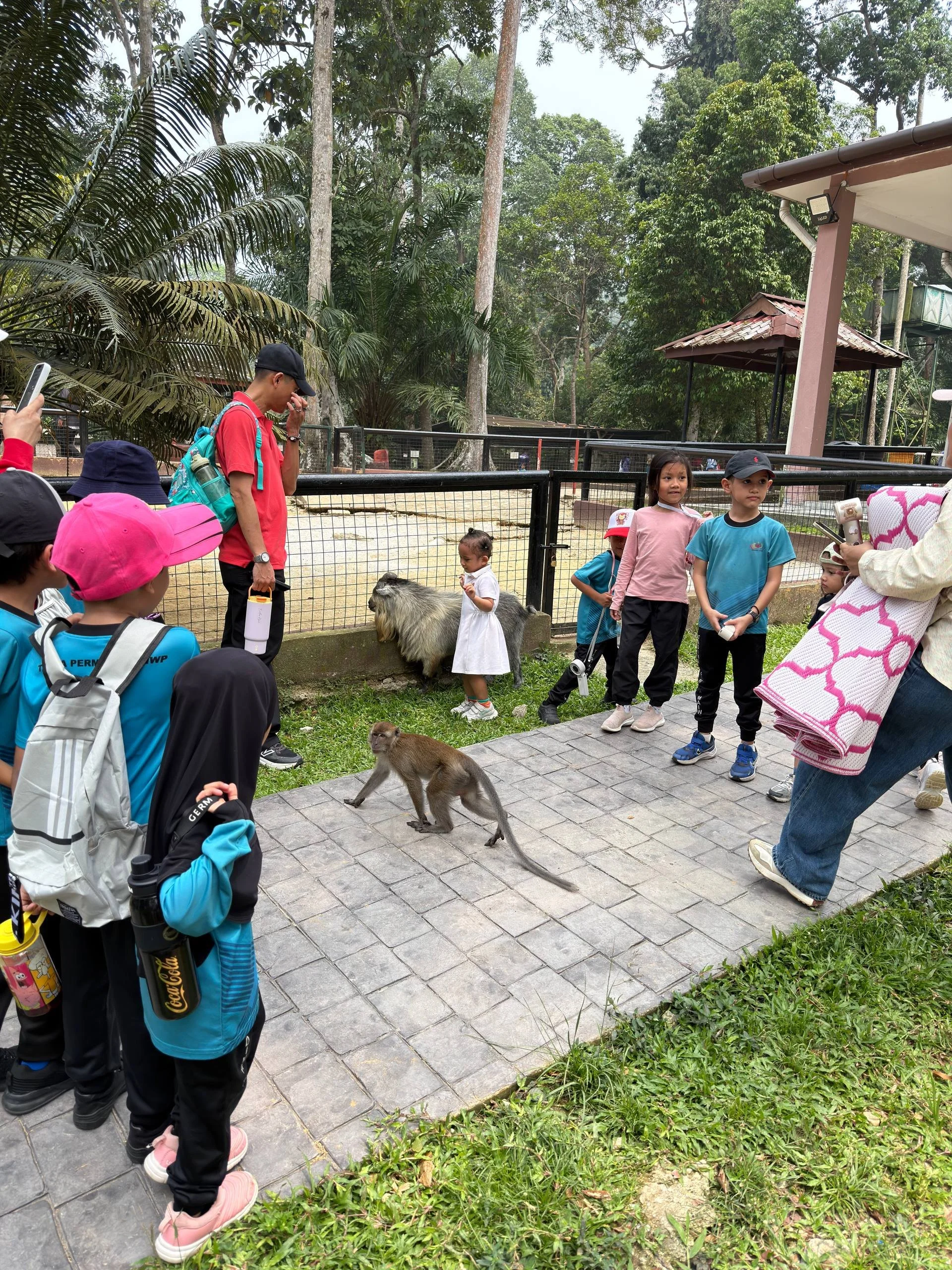
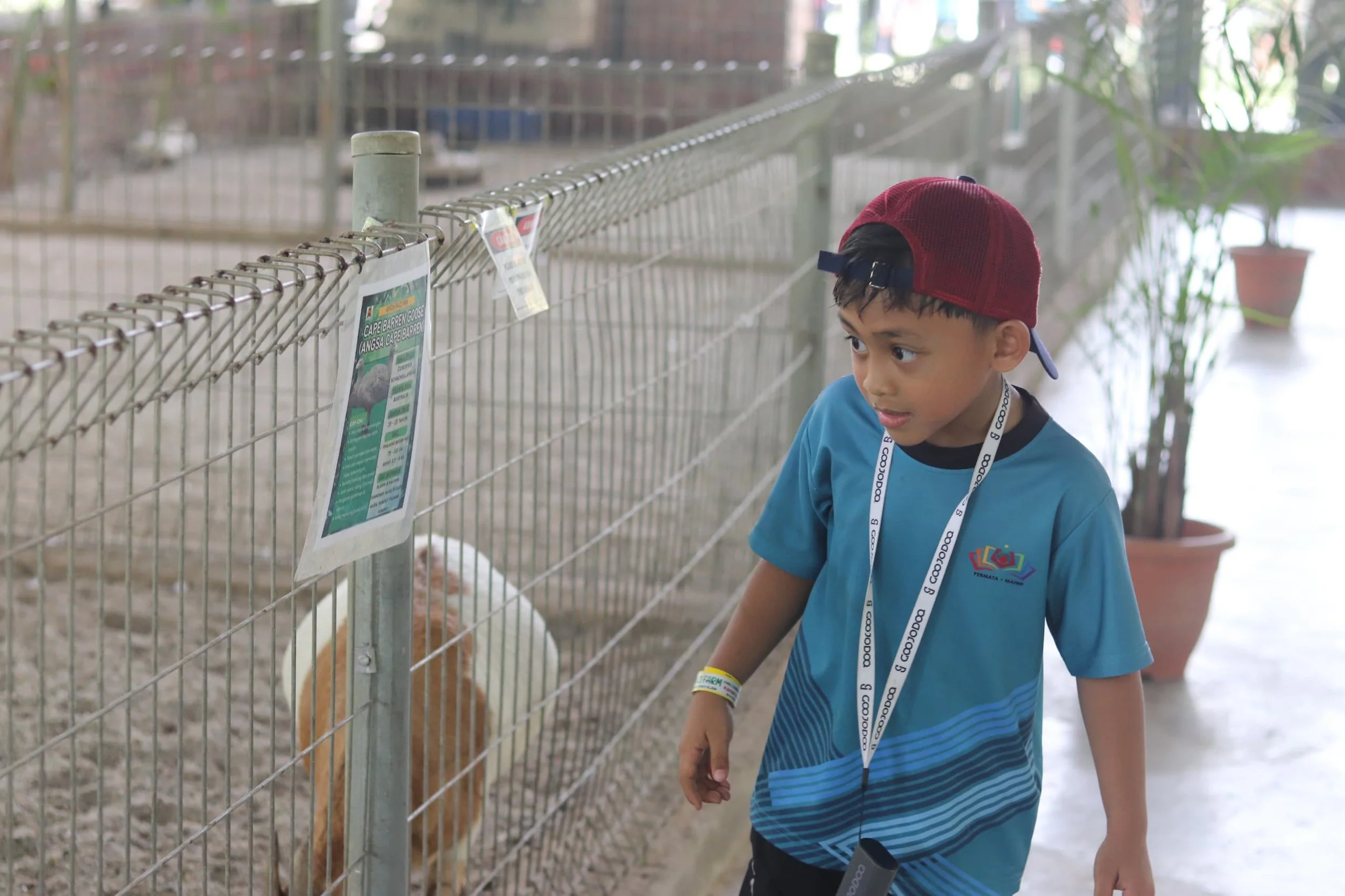
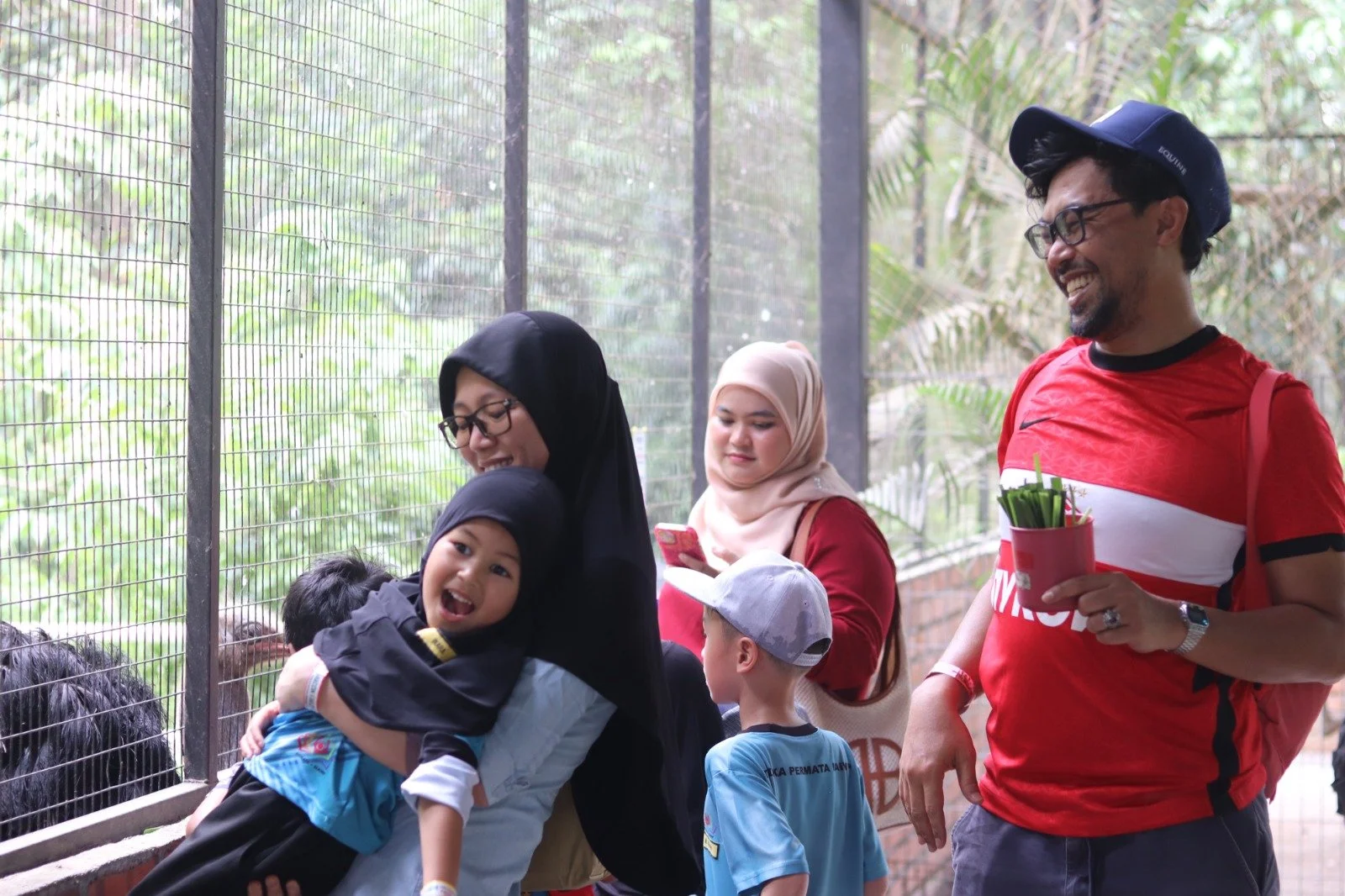
After completing the nature trail, the families continued their adventure with a visit to Hussin Fauzi Farm within TBNSA.
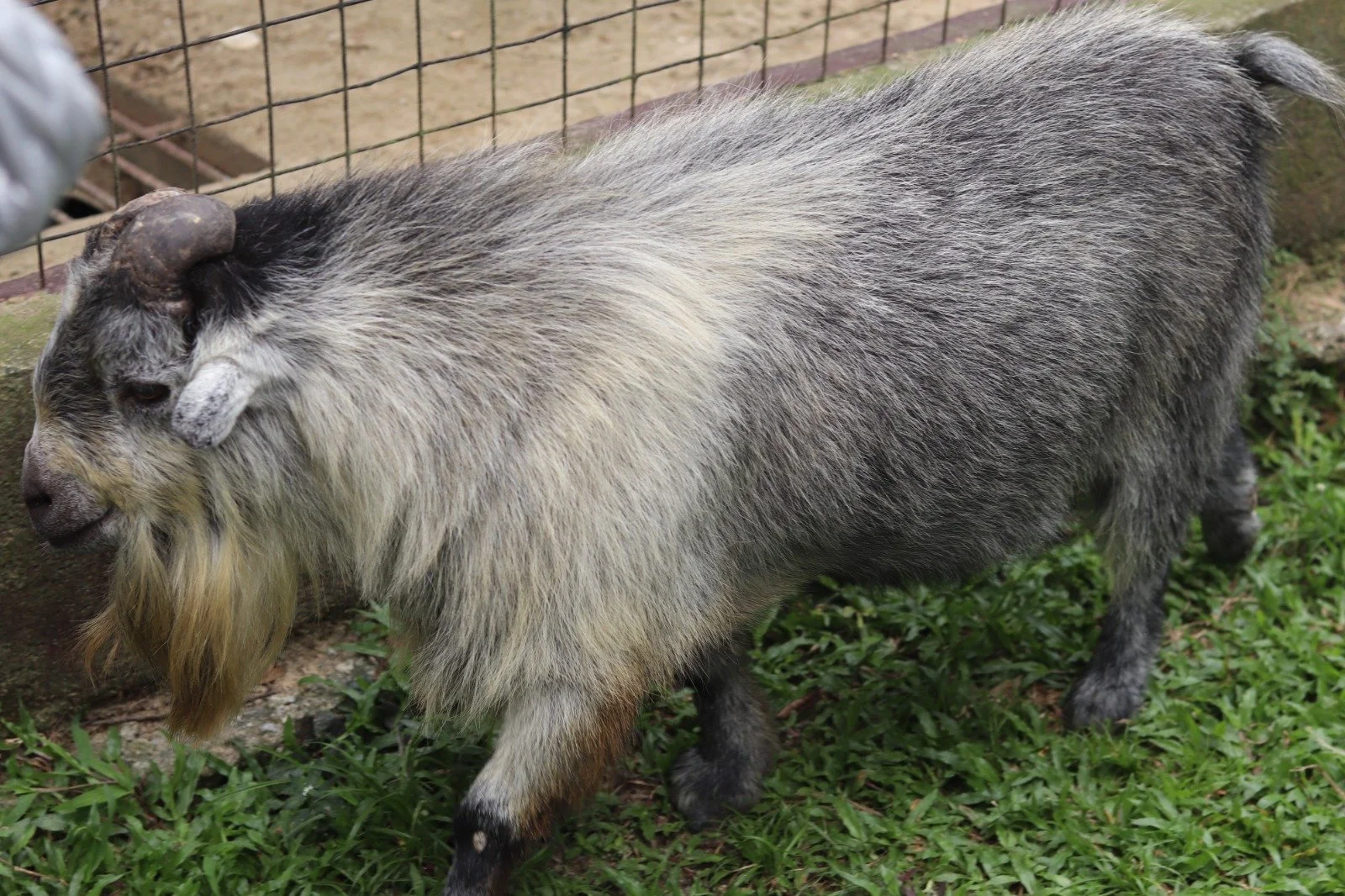
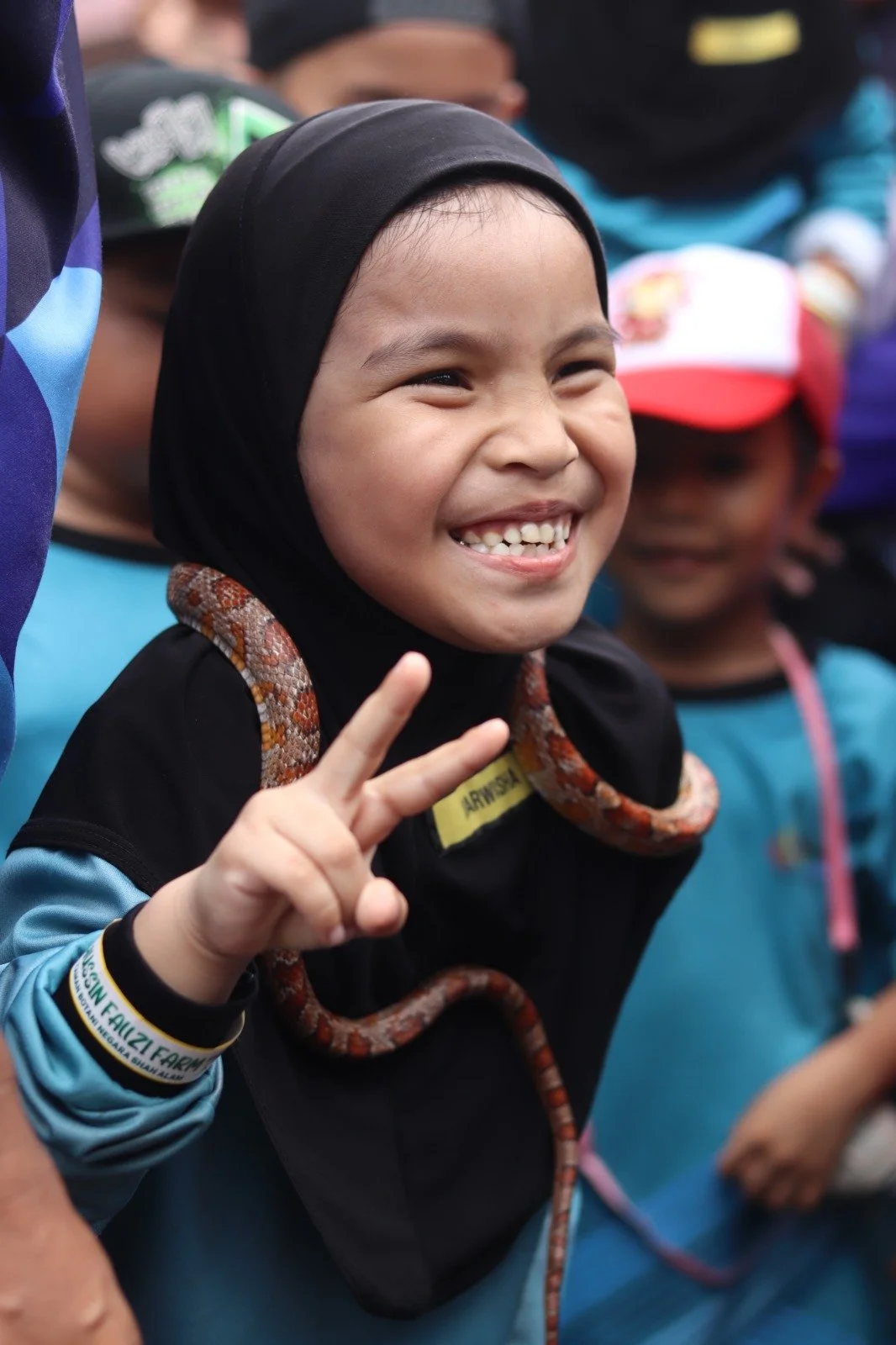
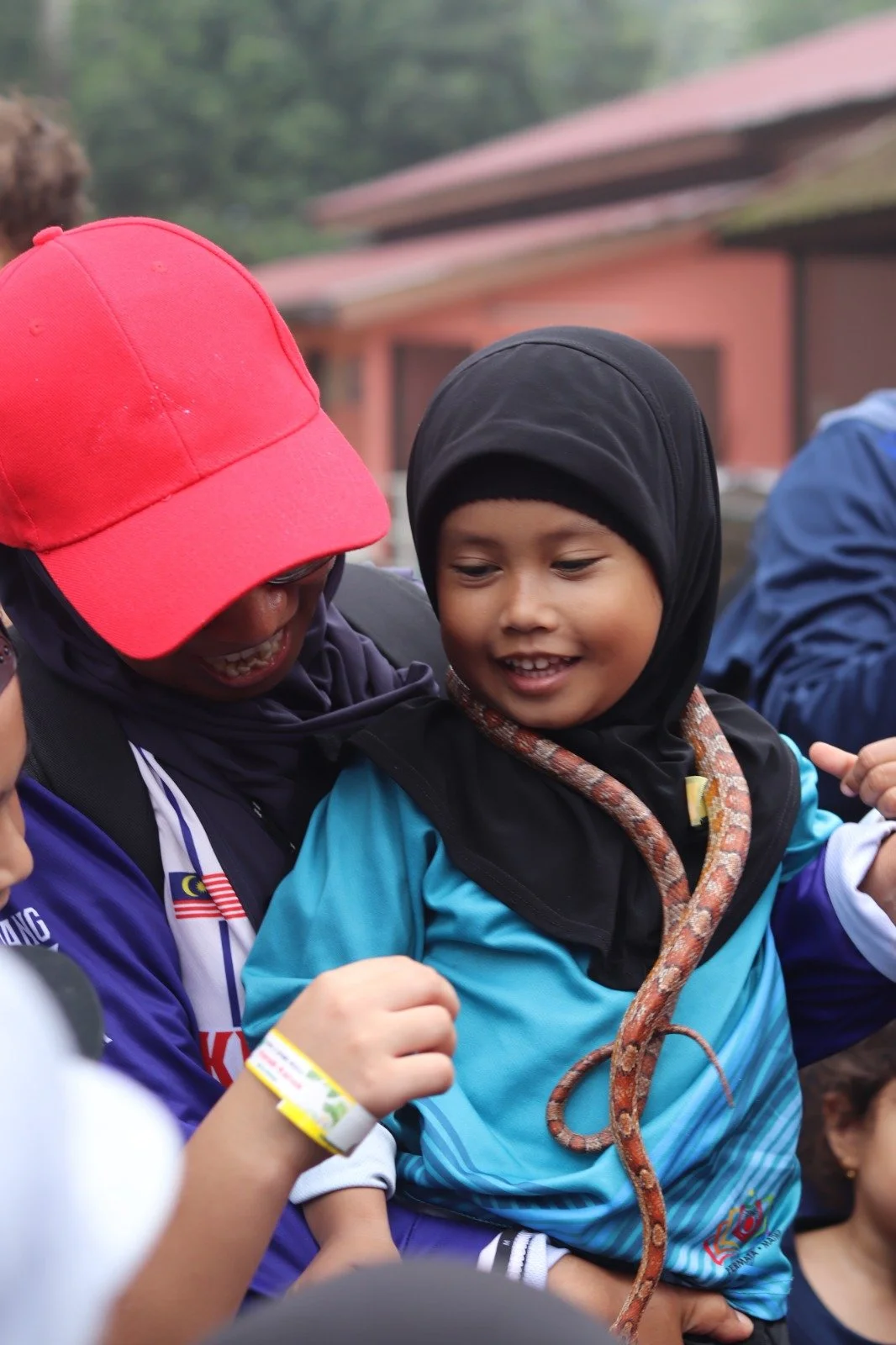
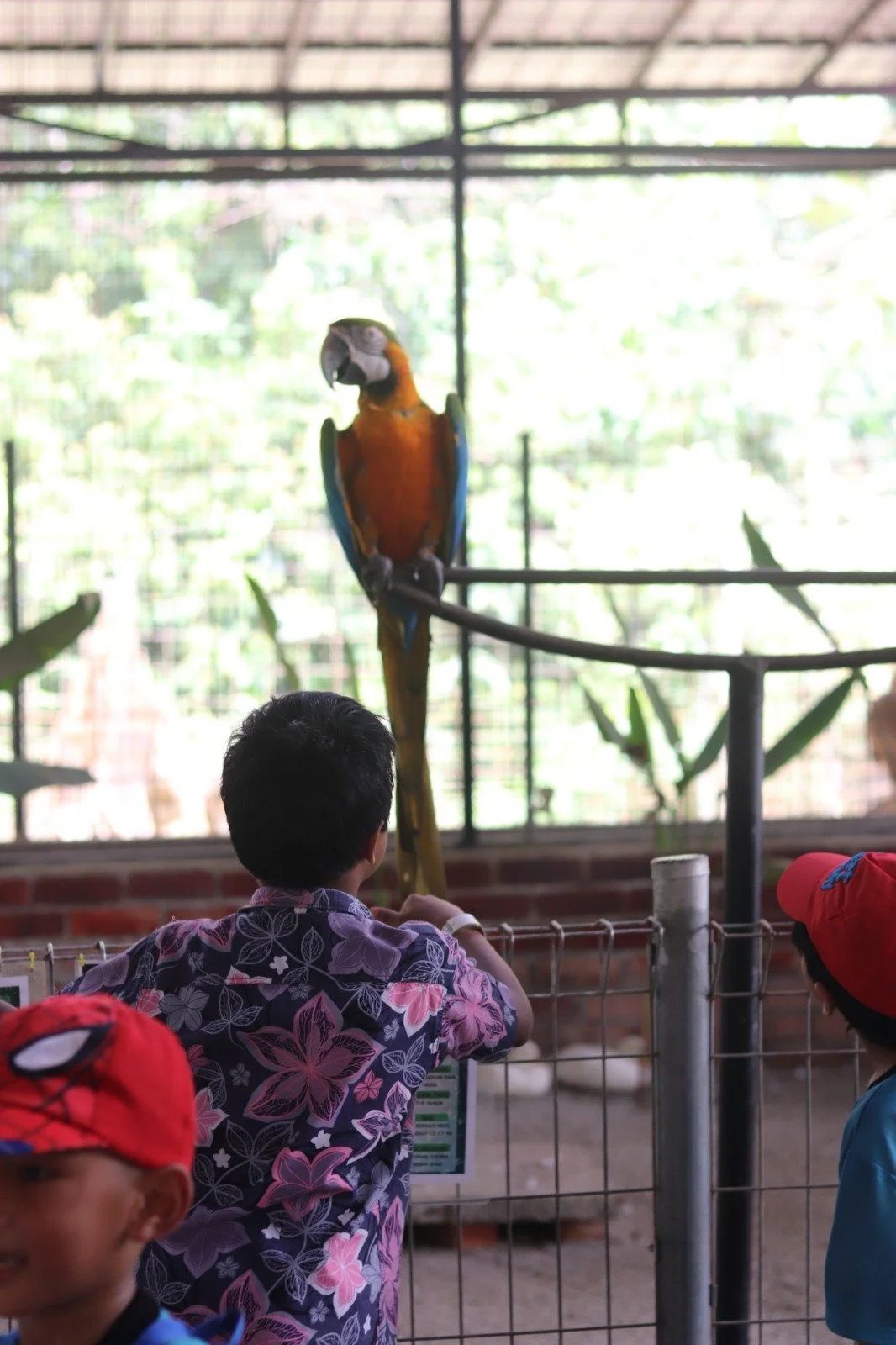
The petting zoo gave the children an opportunity to move from discovering plants and forest ecosystems to meeting animals up close.
By this point, however, the children had already done quite a bit of walking.
So naturally, it was time to make the parents do some work too.
Then the Parents Had Their Turn
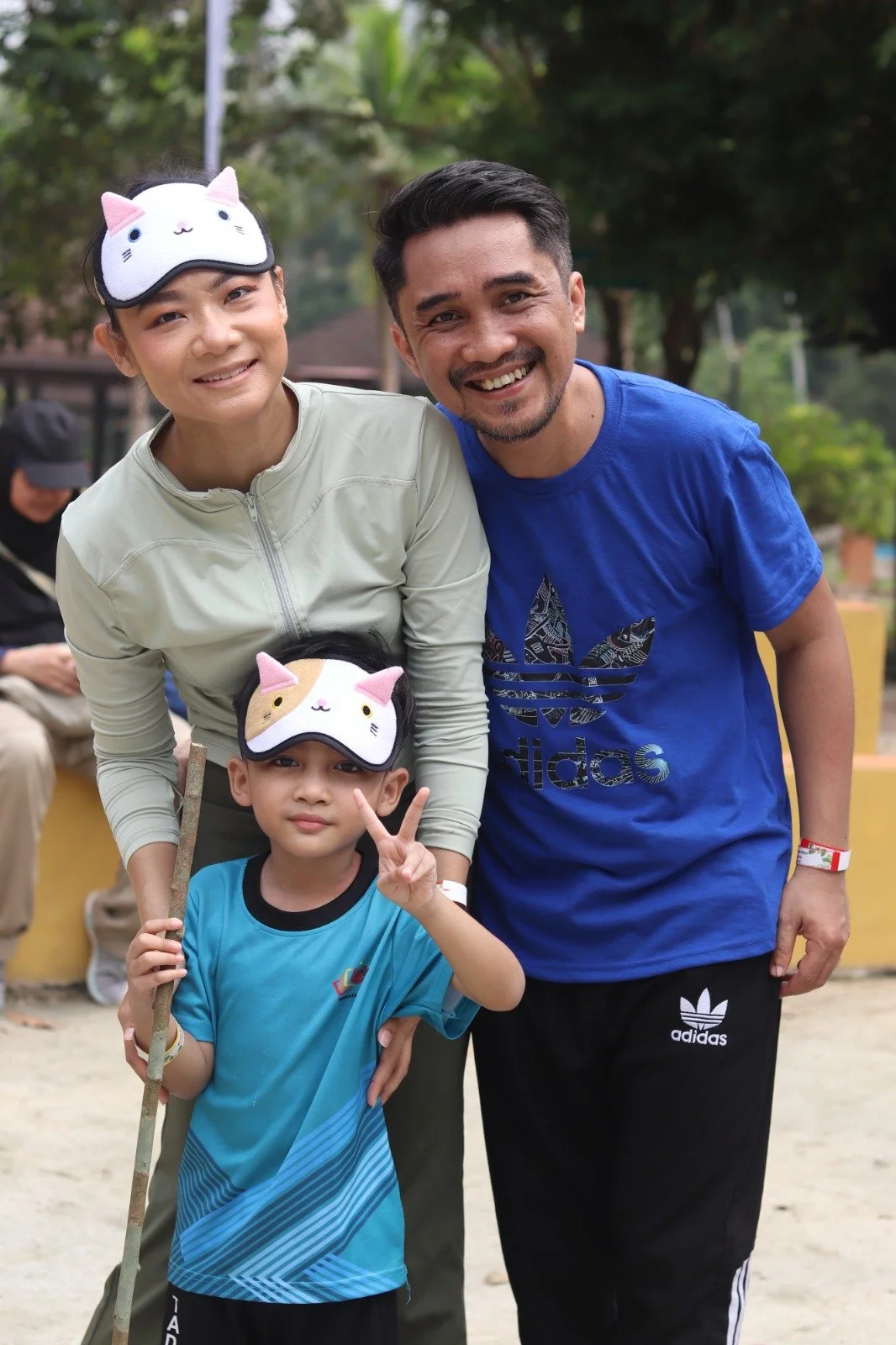
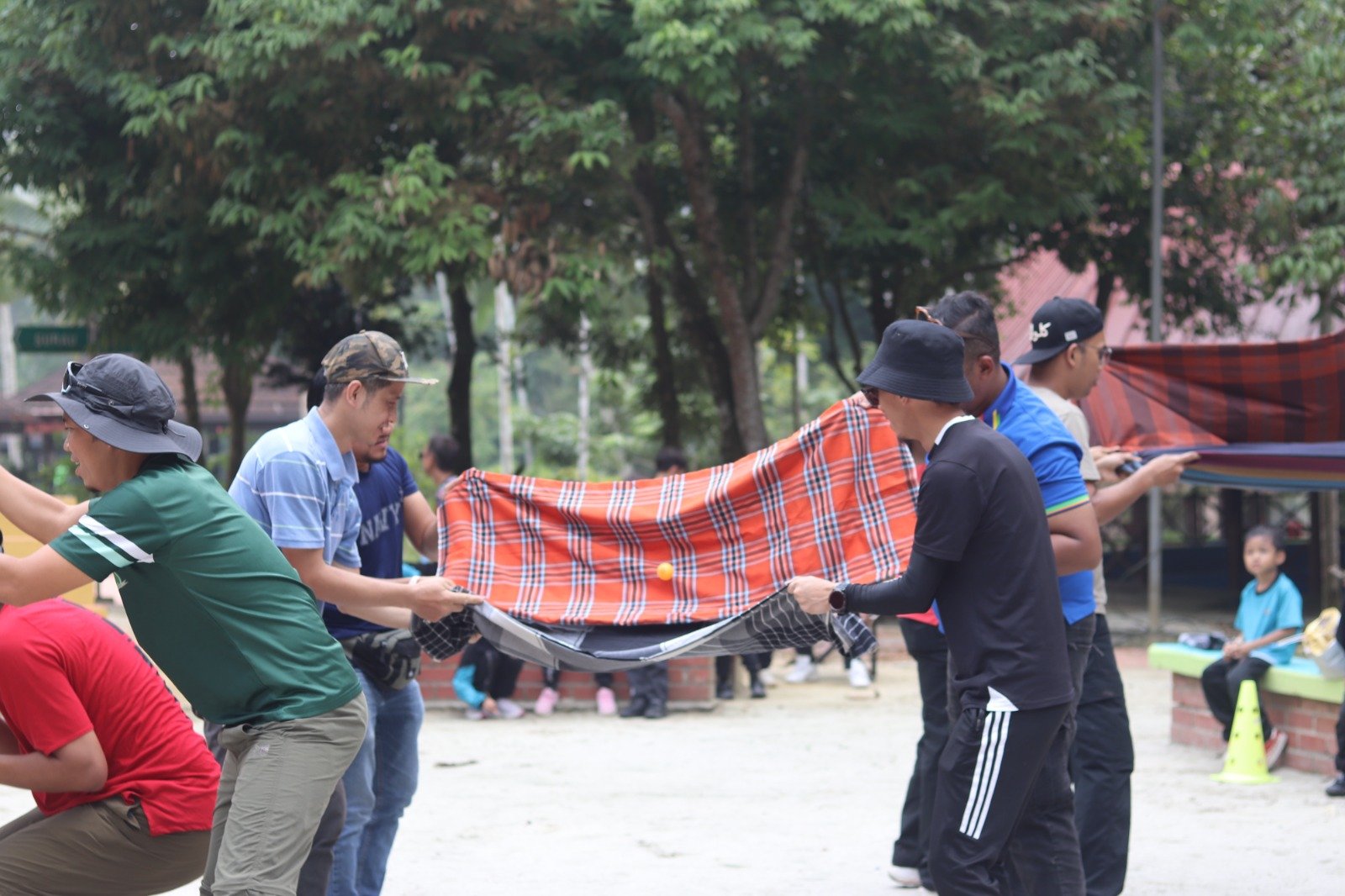
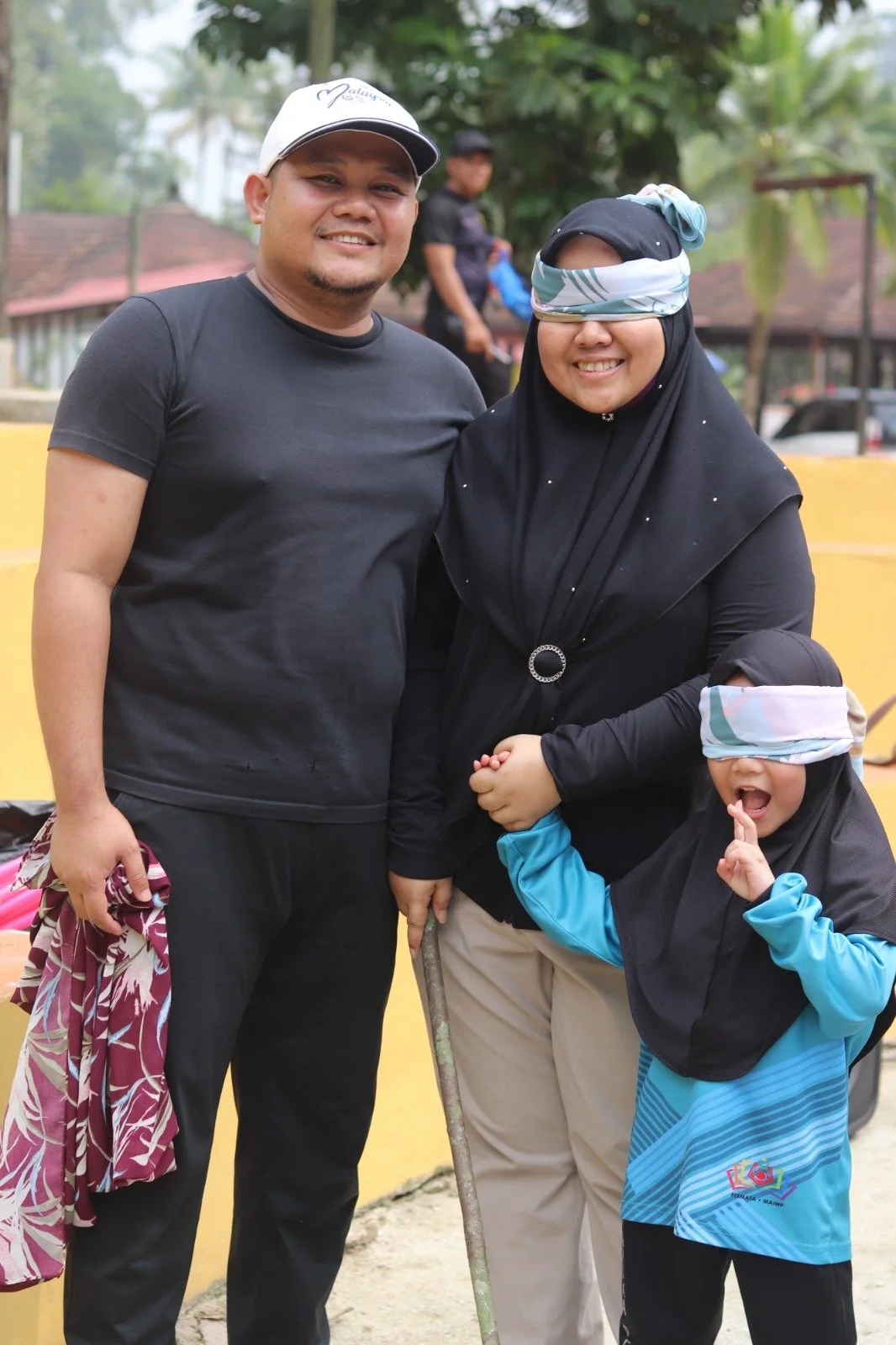
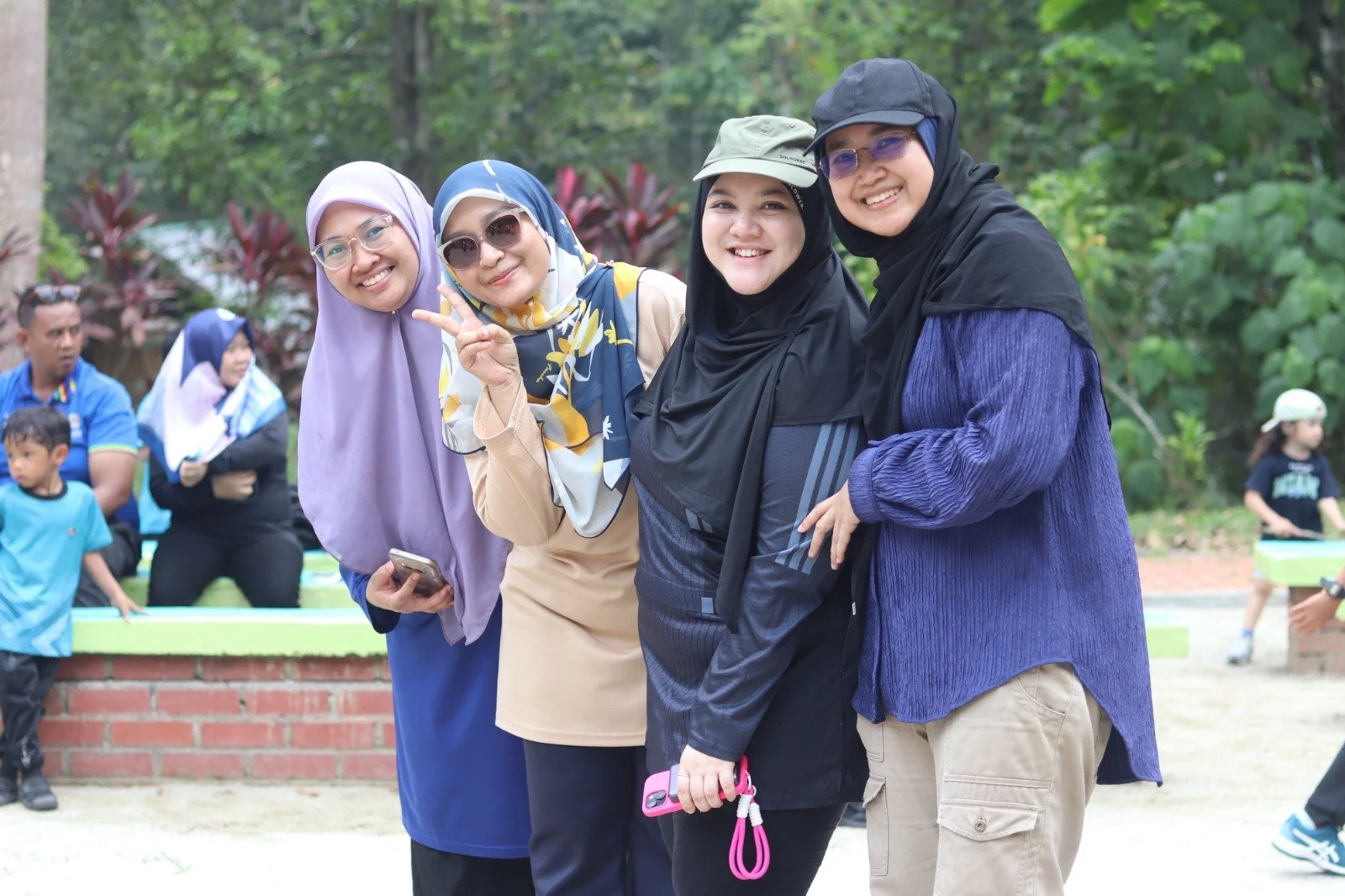
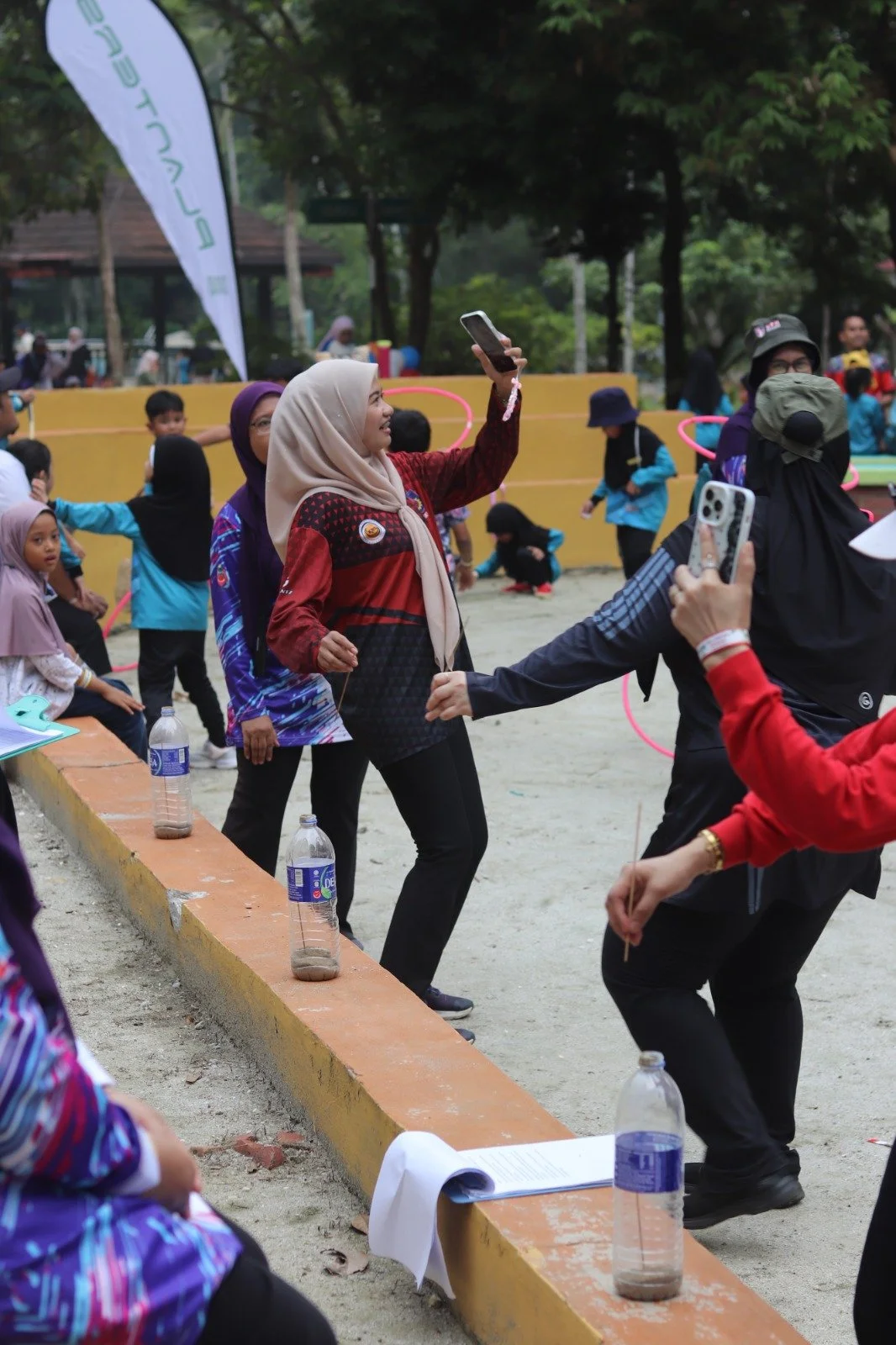
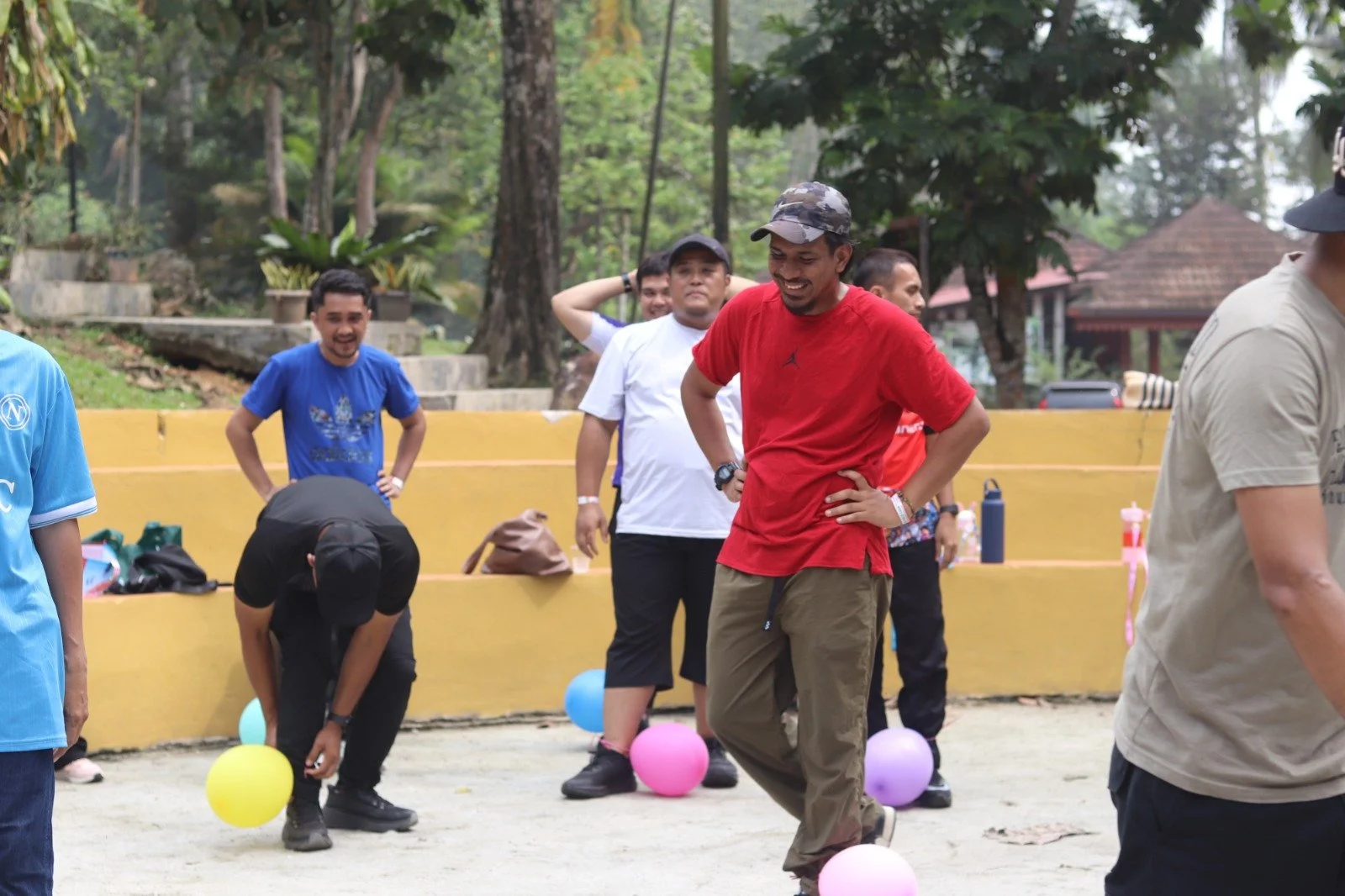
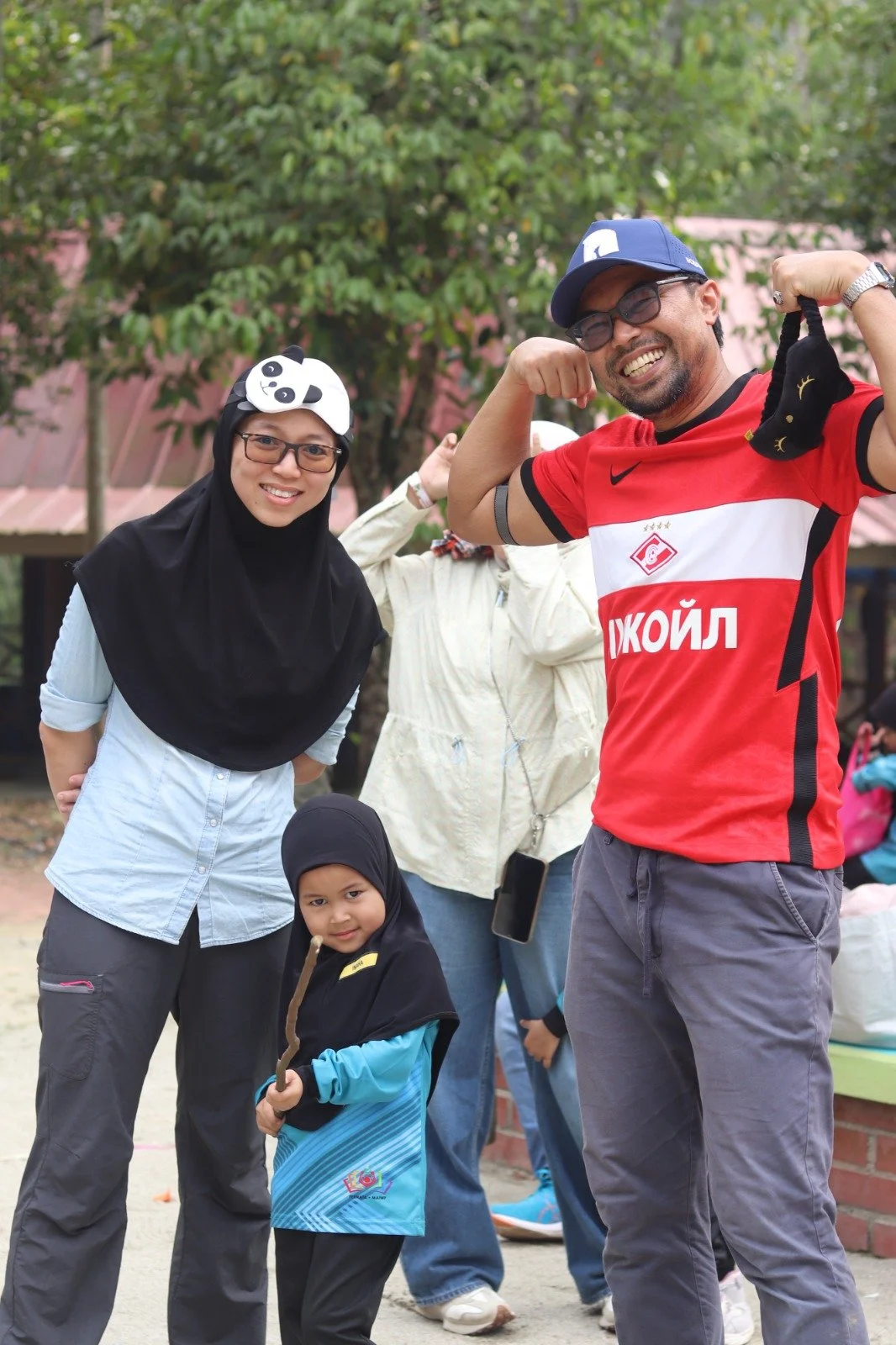
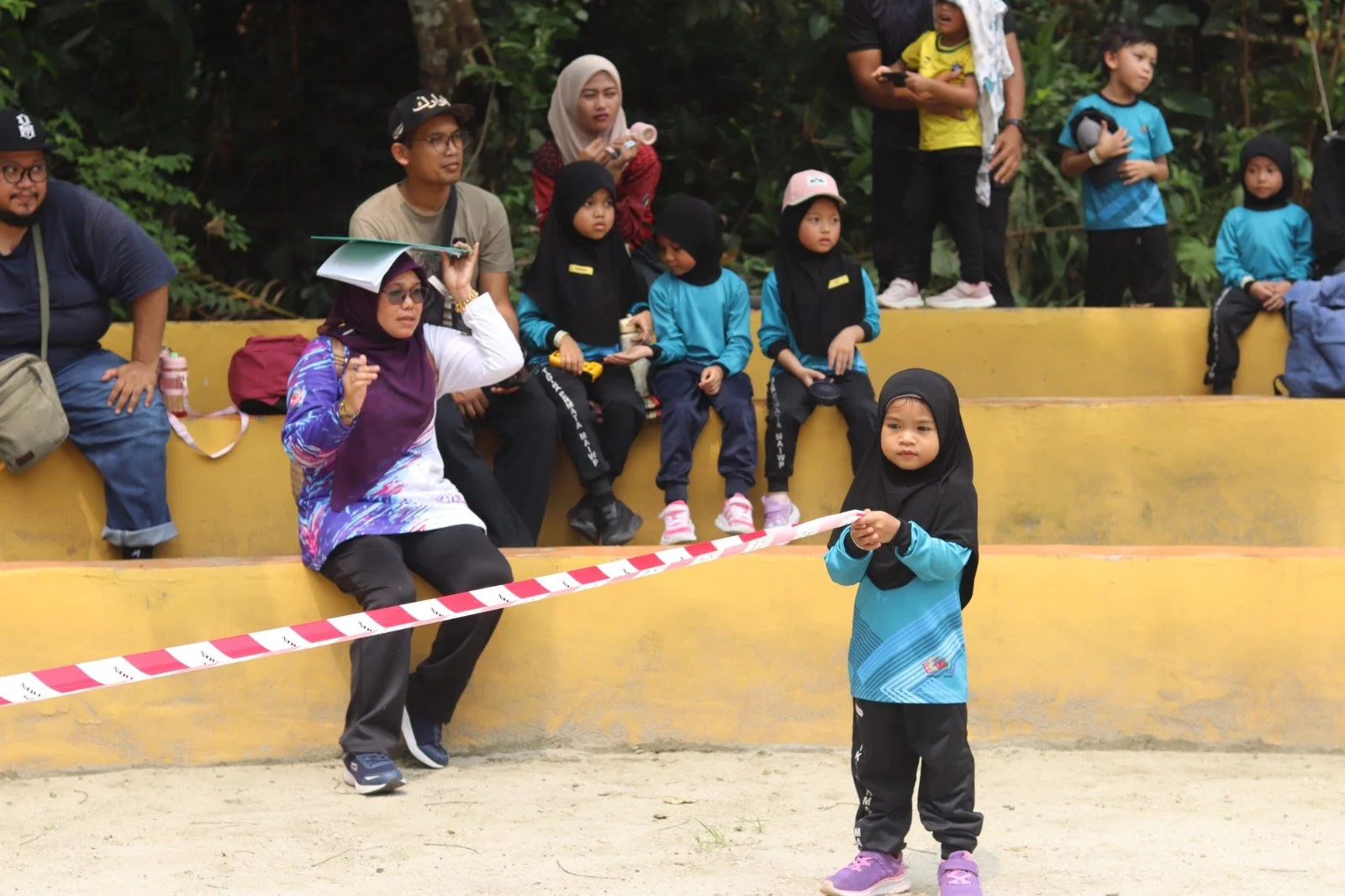
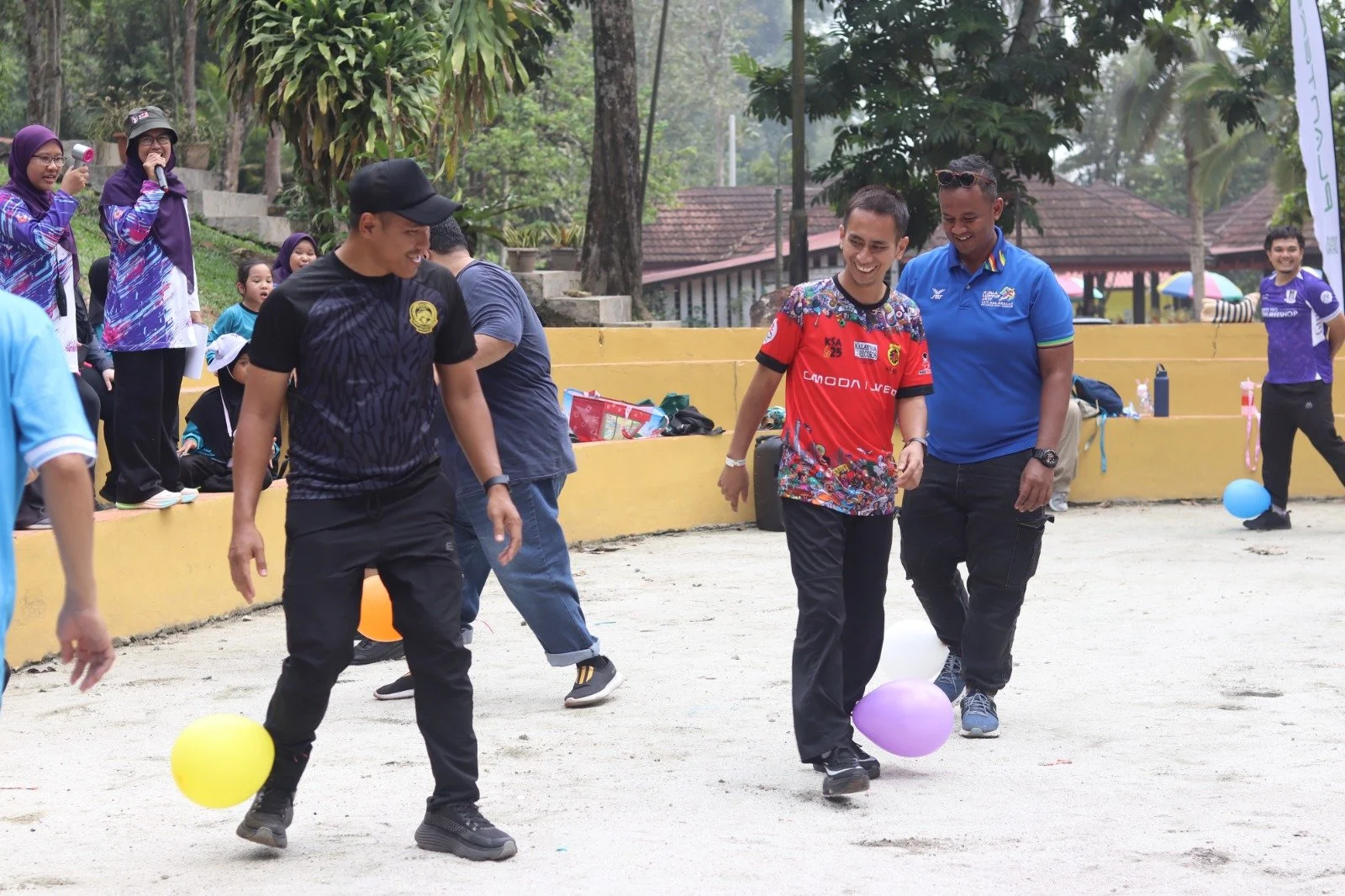
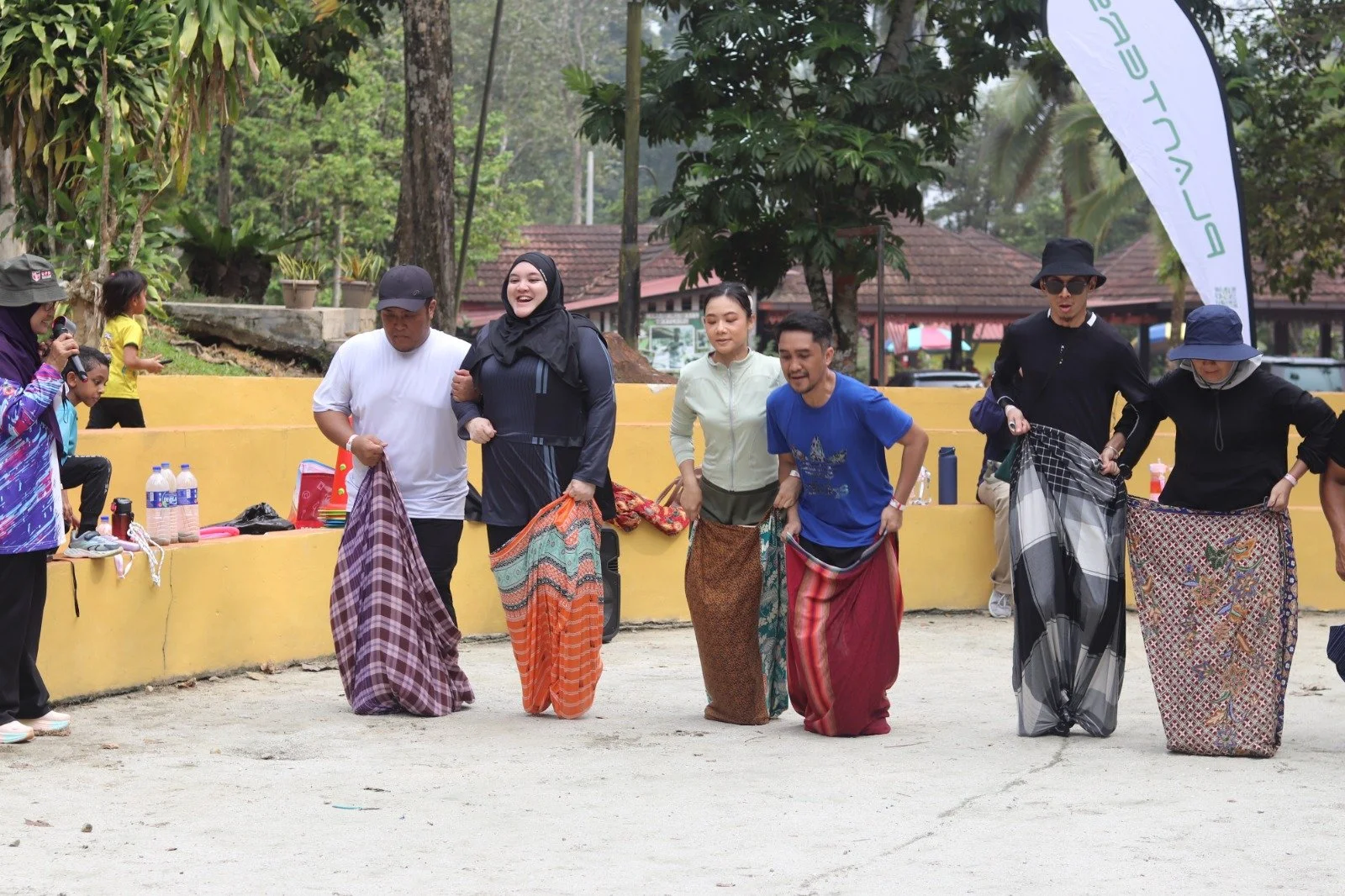
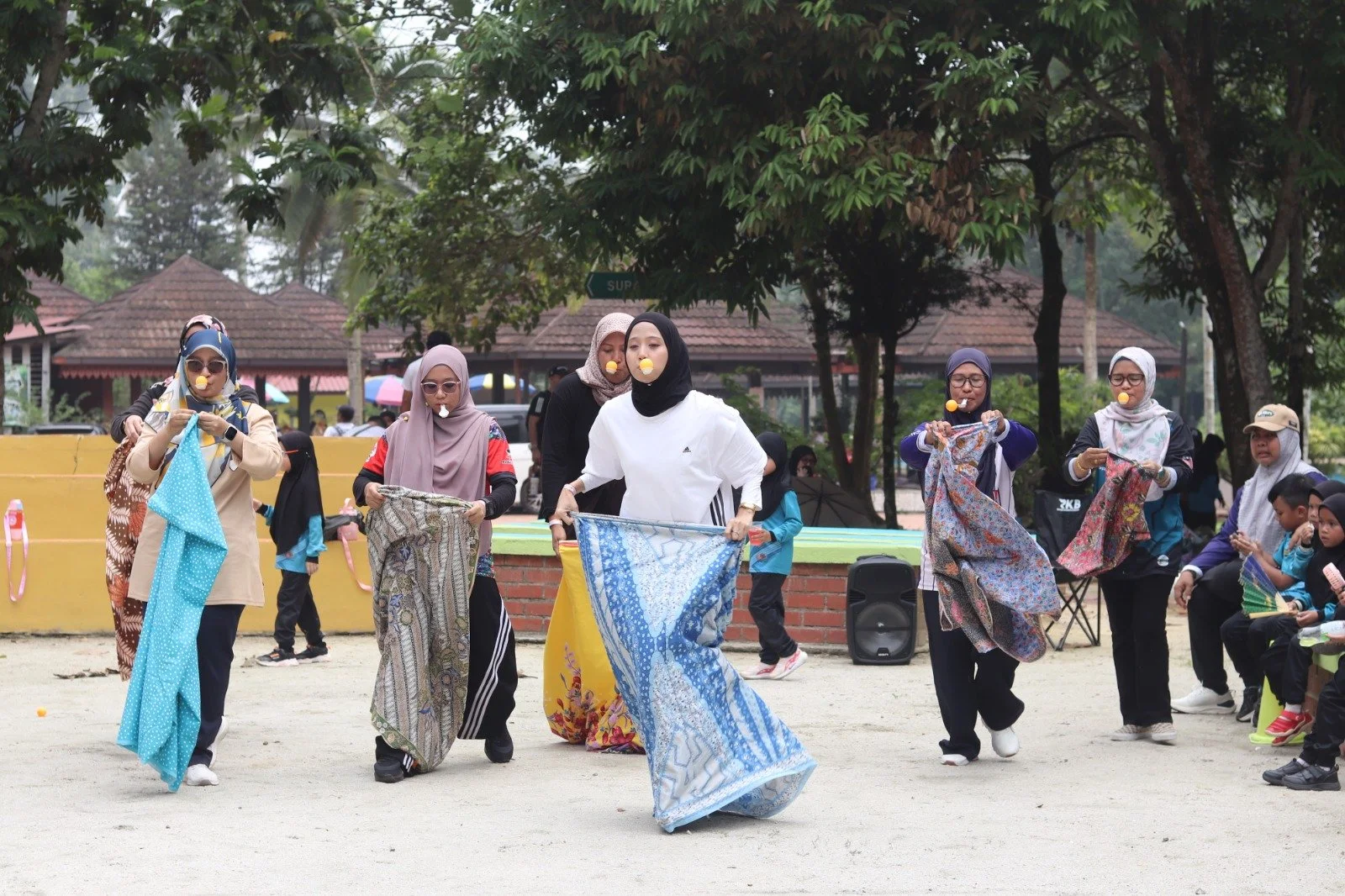
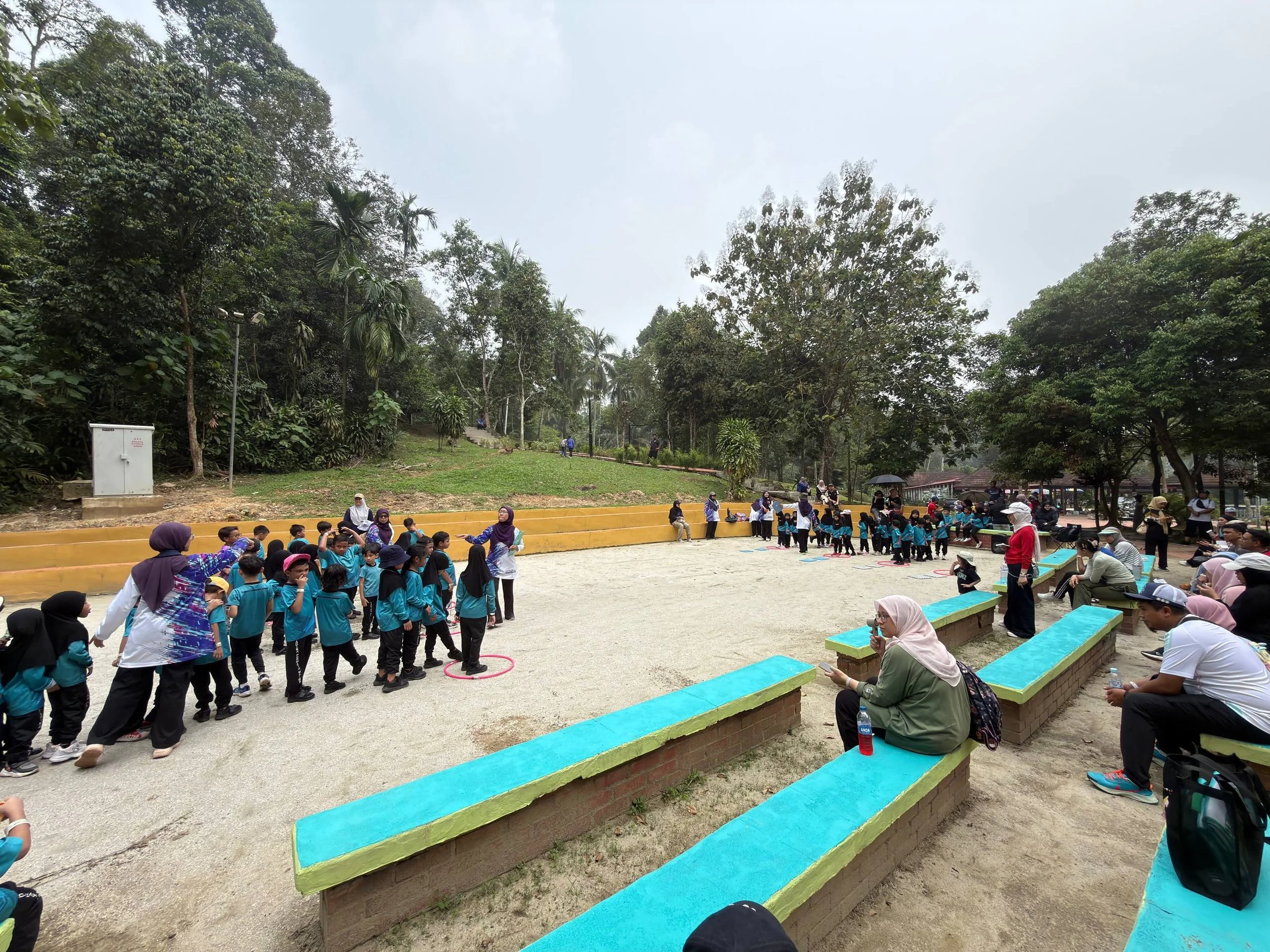
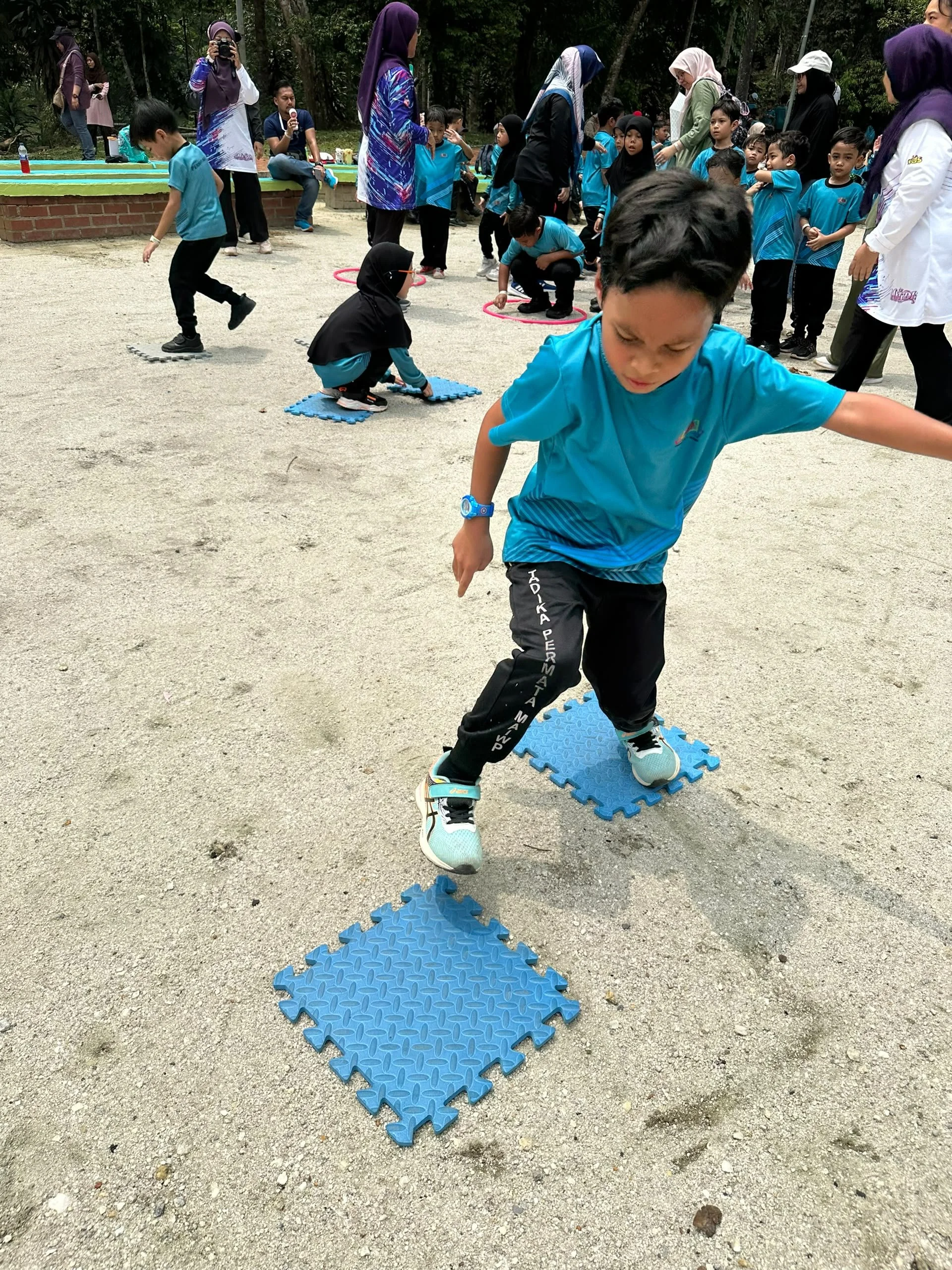
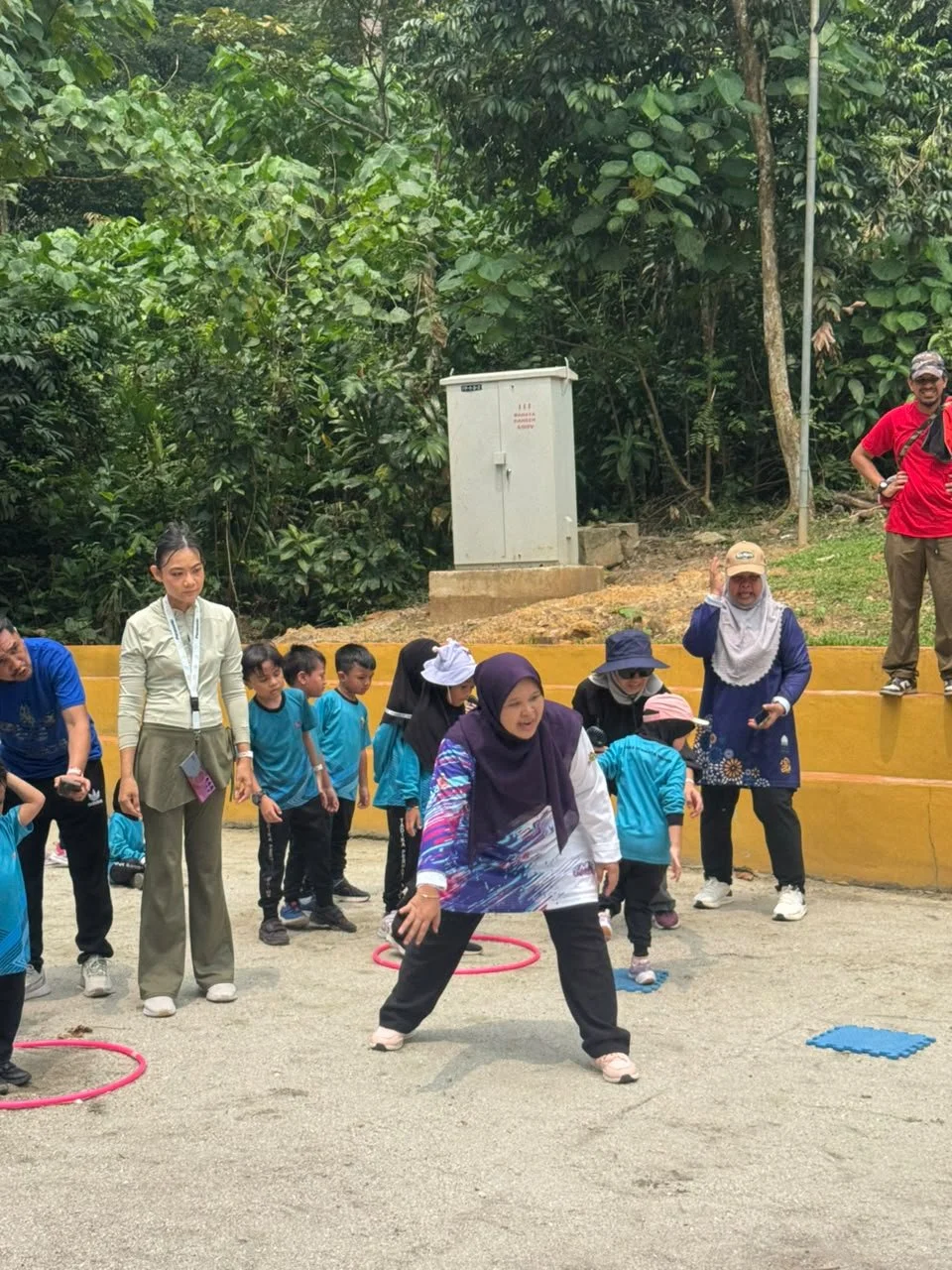
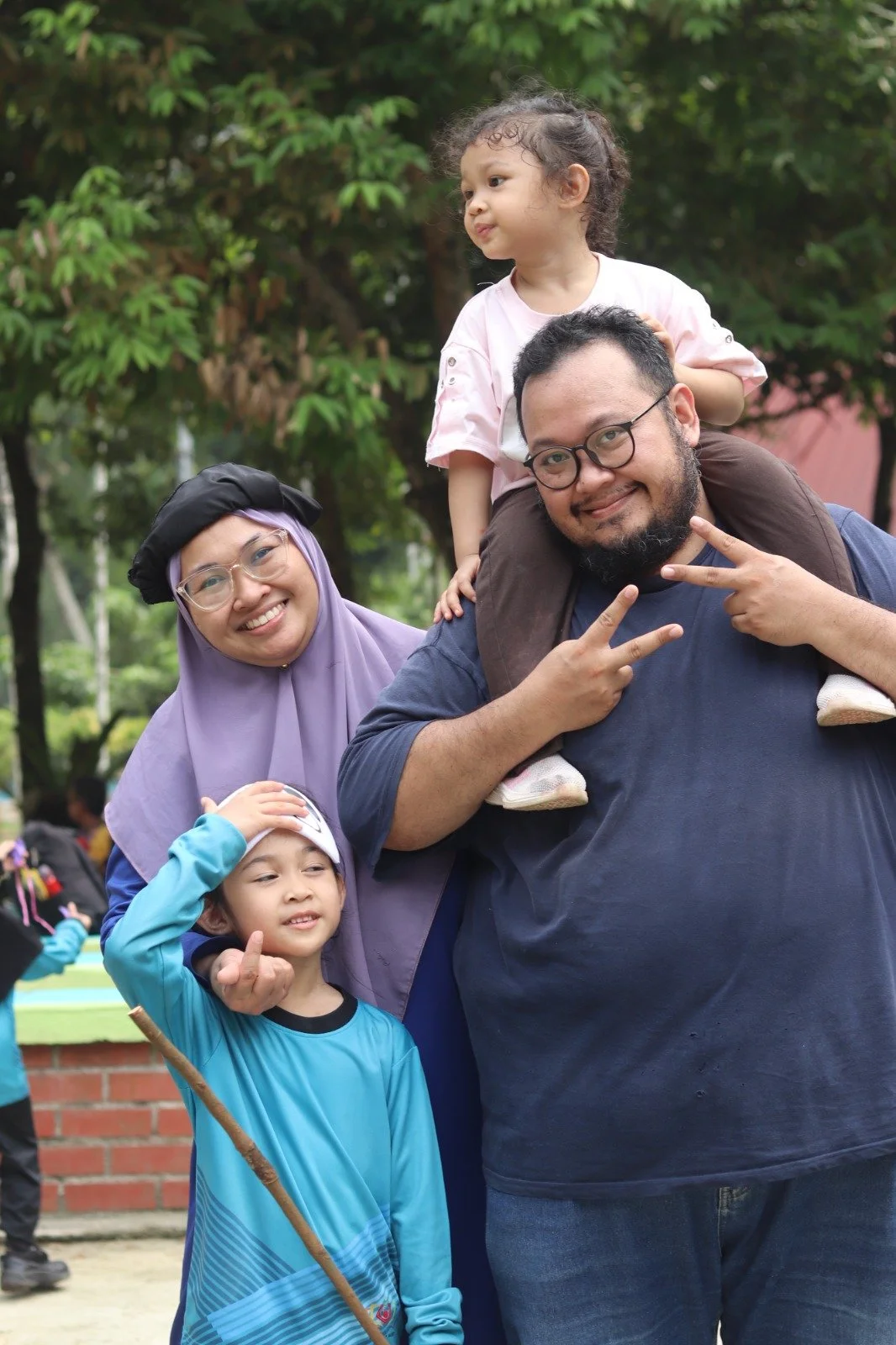
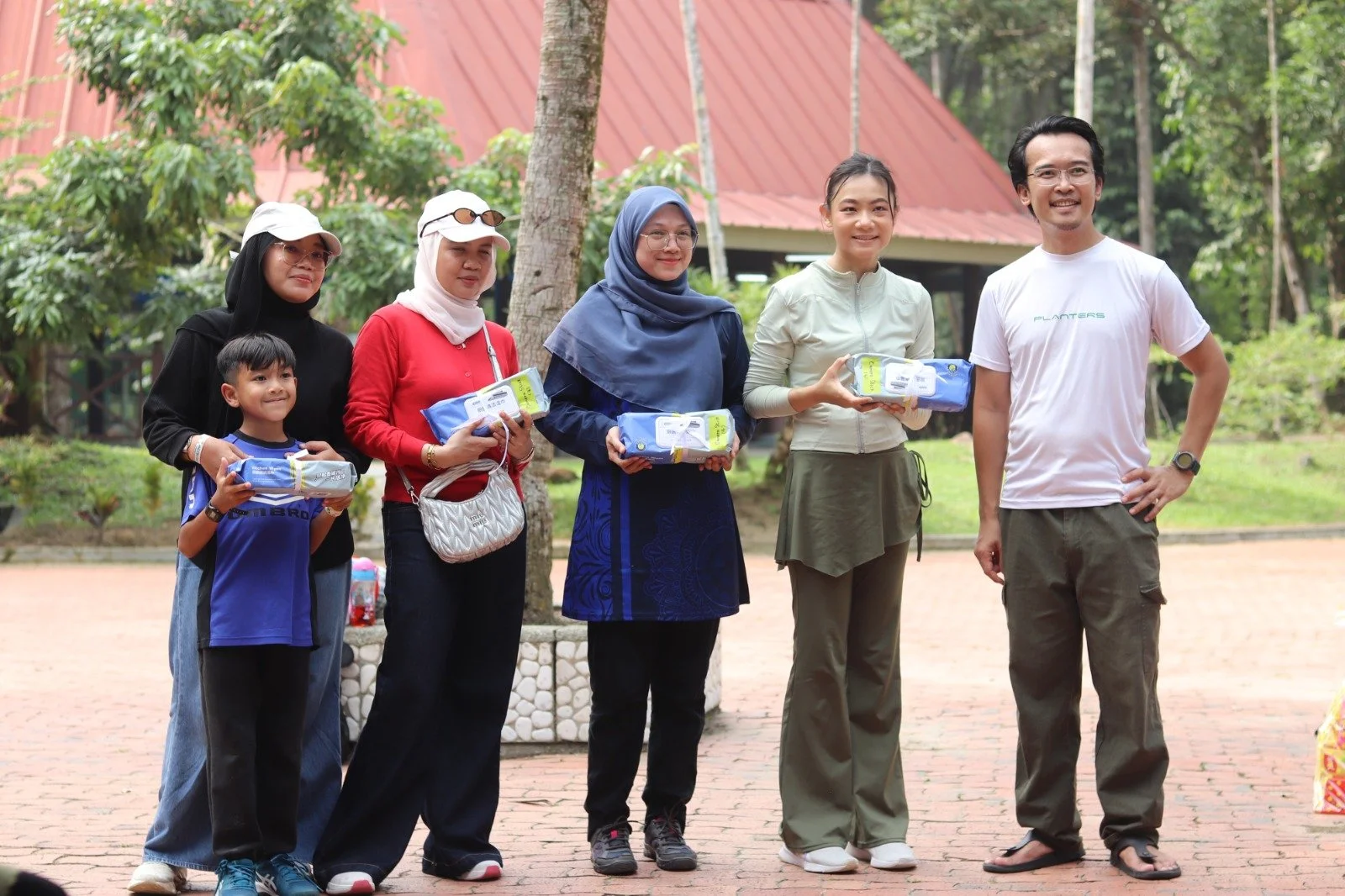
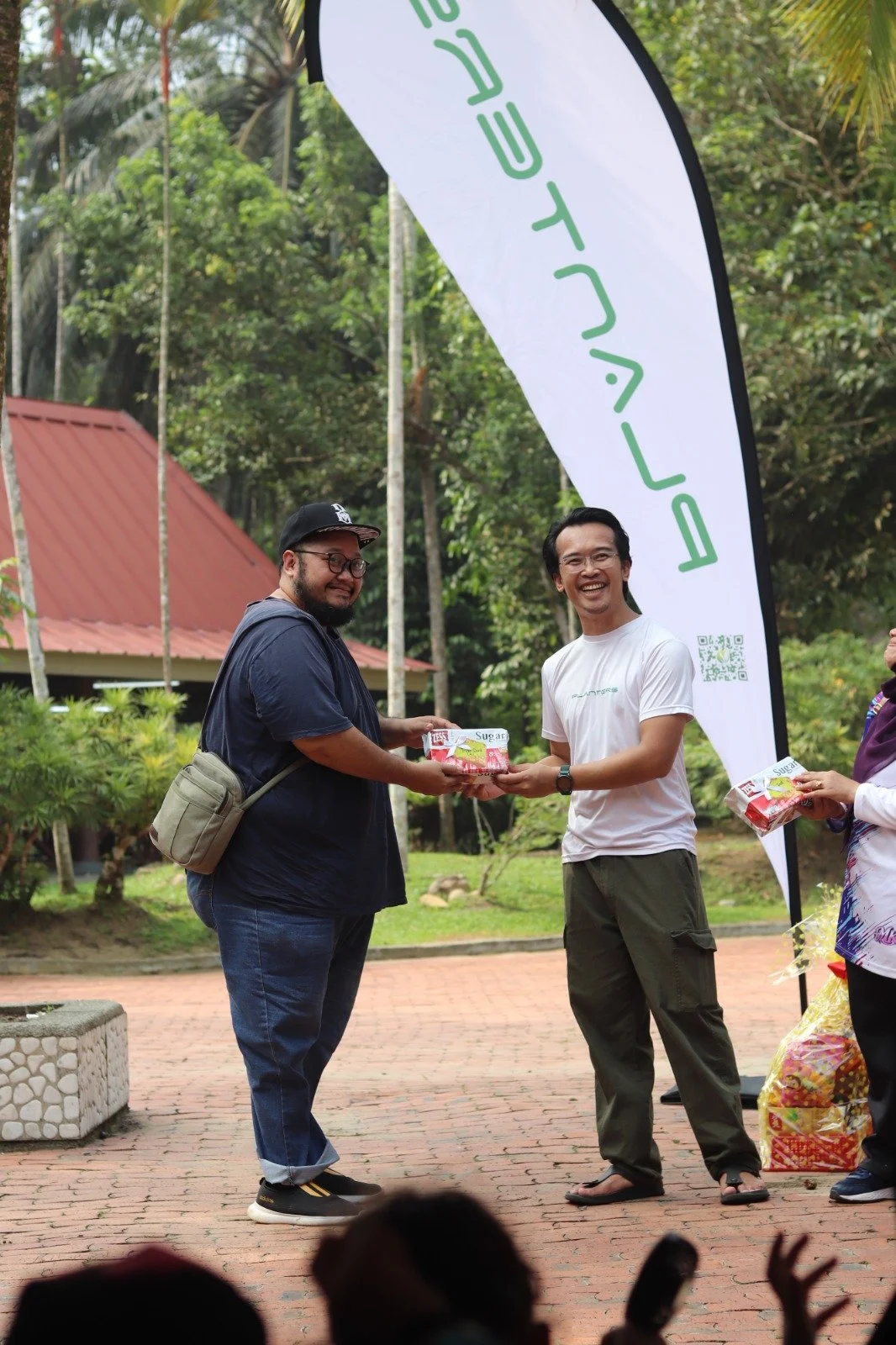
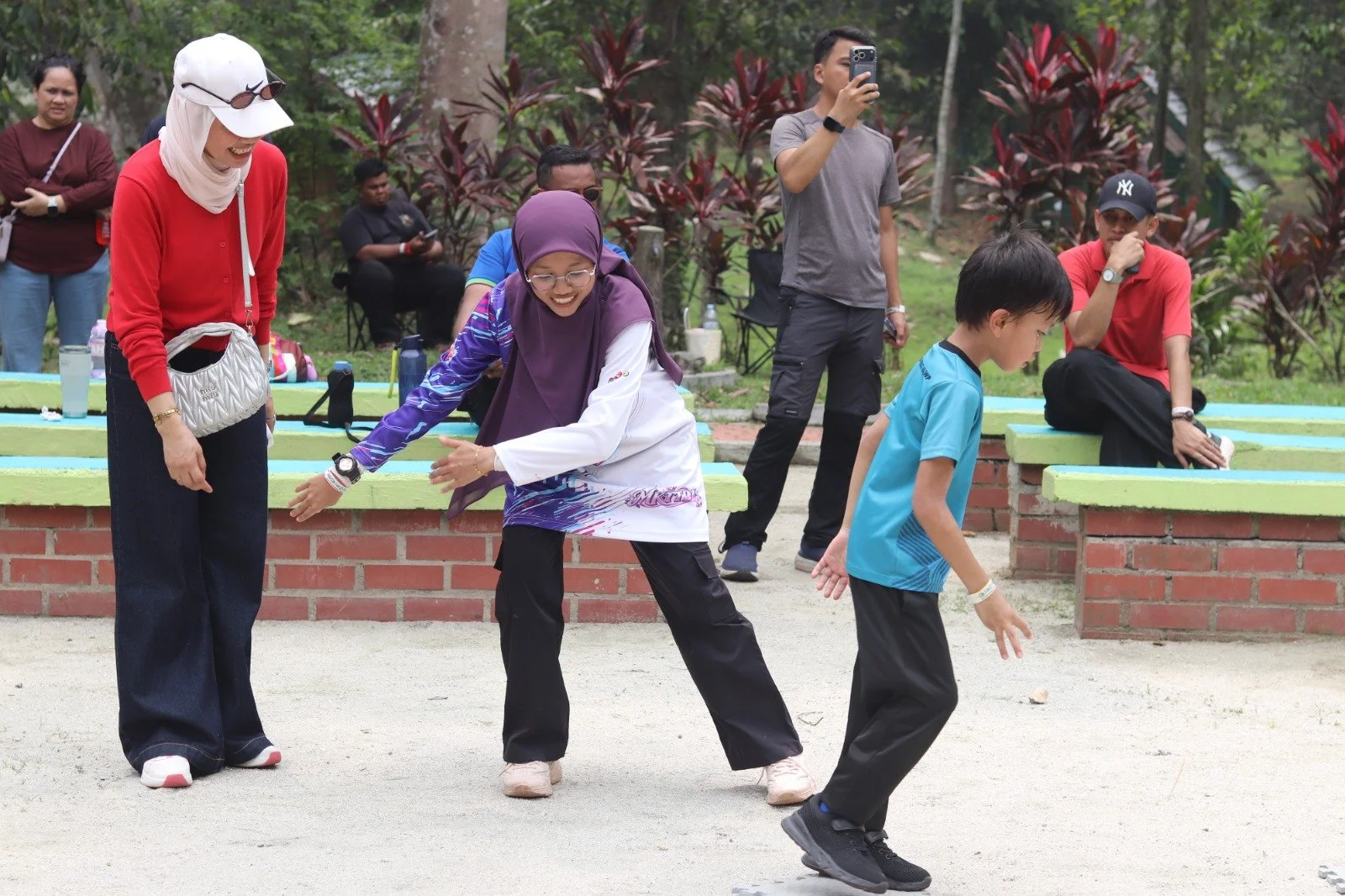
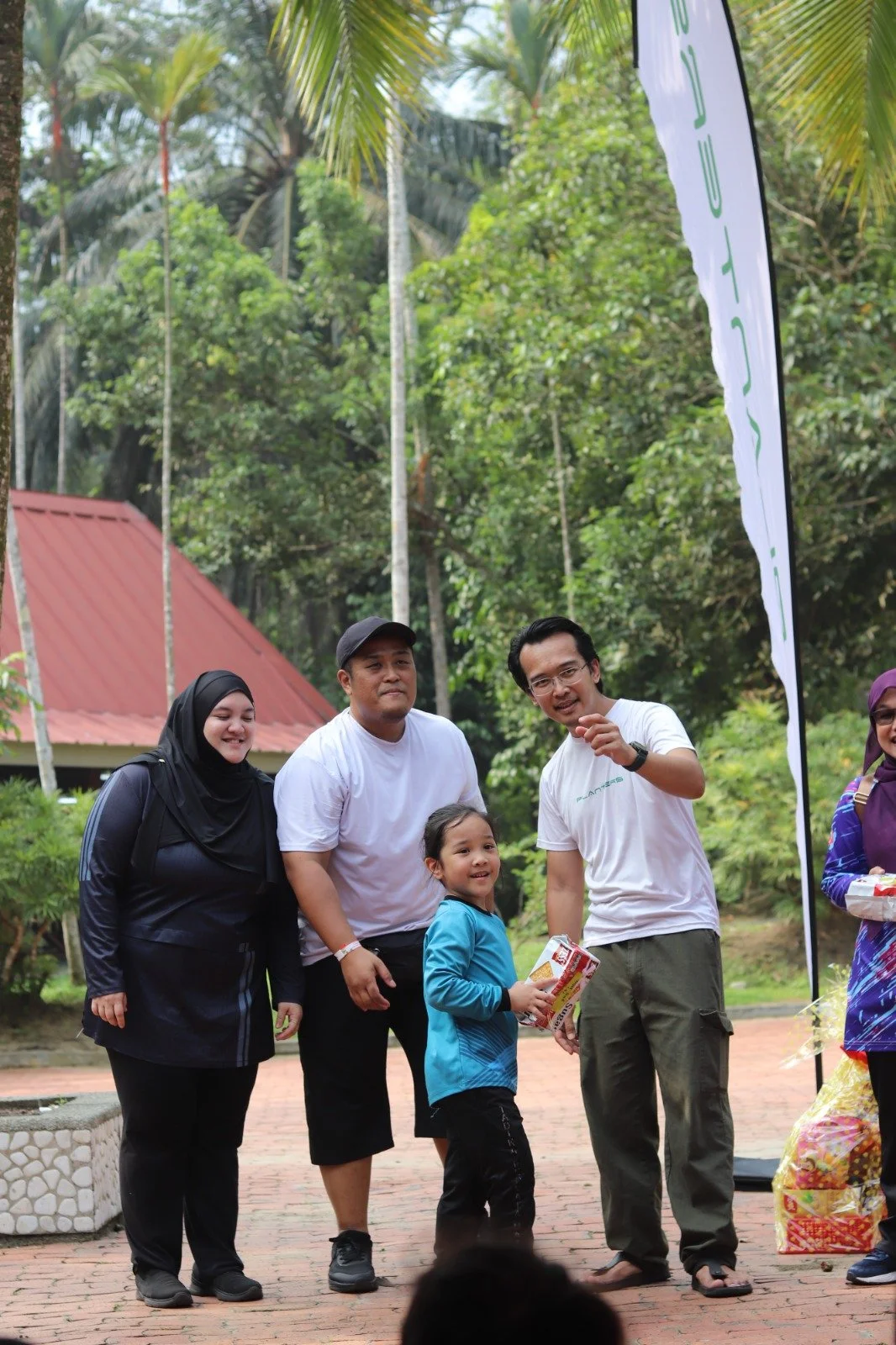
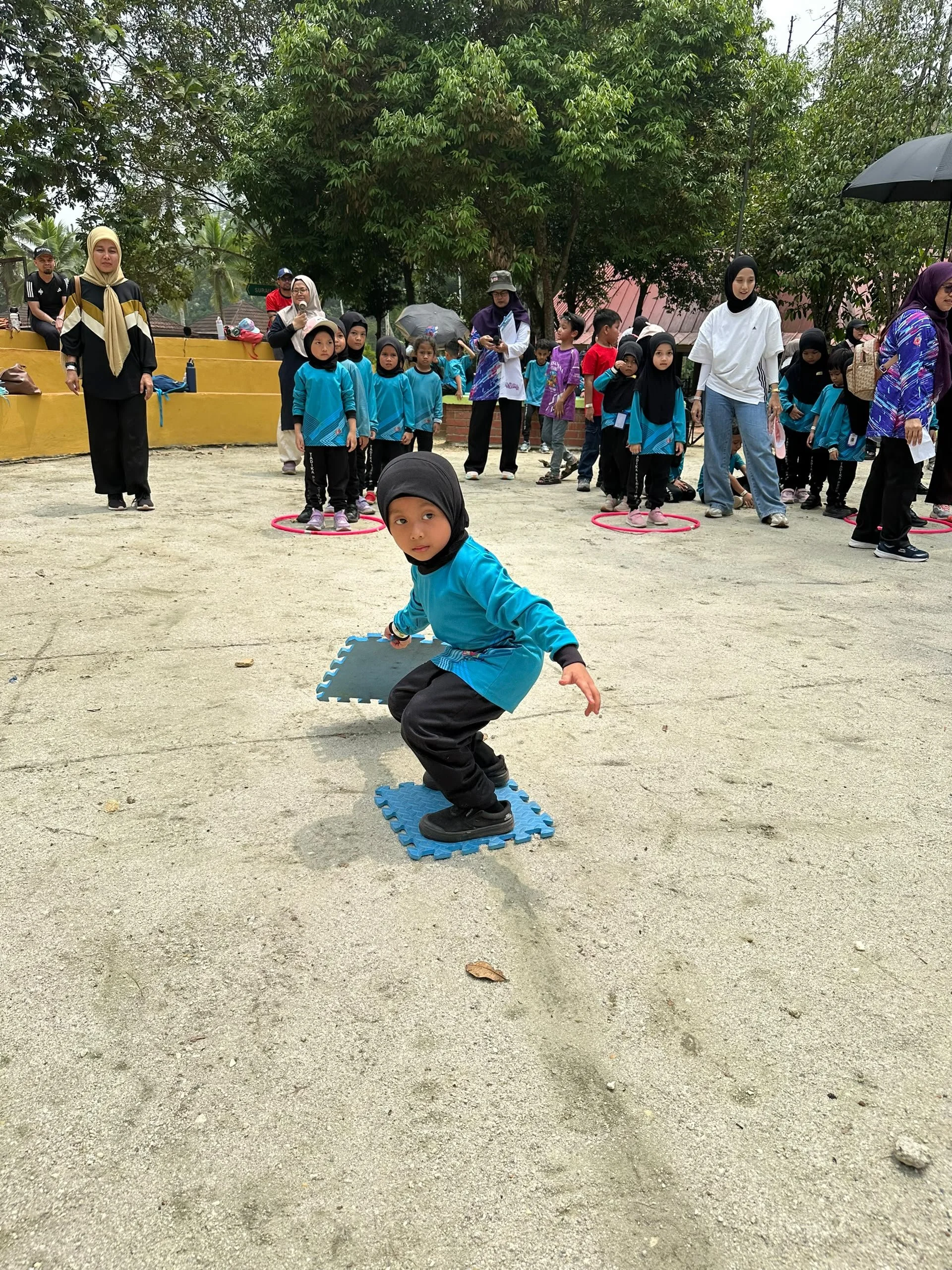
The second half of the programme shifted from nature discovery to Sukaneka, with activities created for children, mothers, fathers, families and couples.
The children started with Step & Solve and Hanger Pass, combining movement, coordination and teamwork.
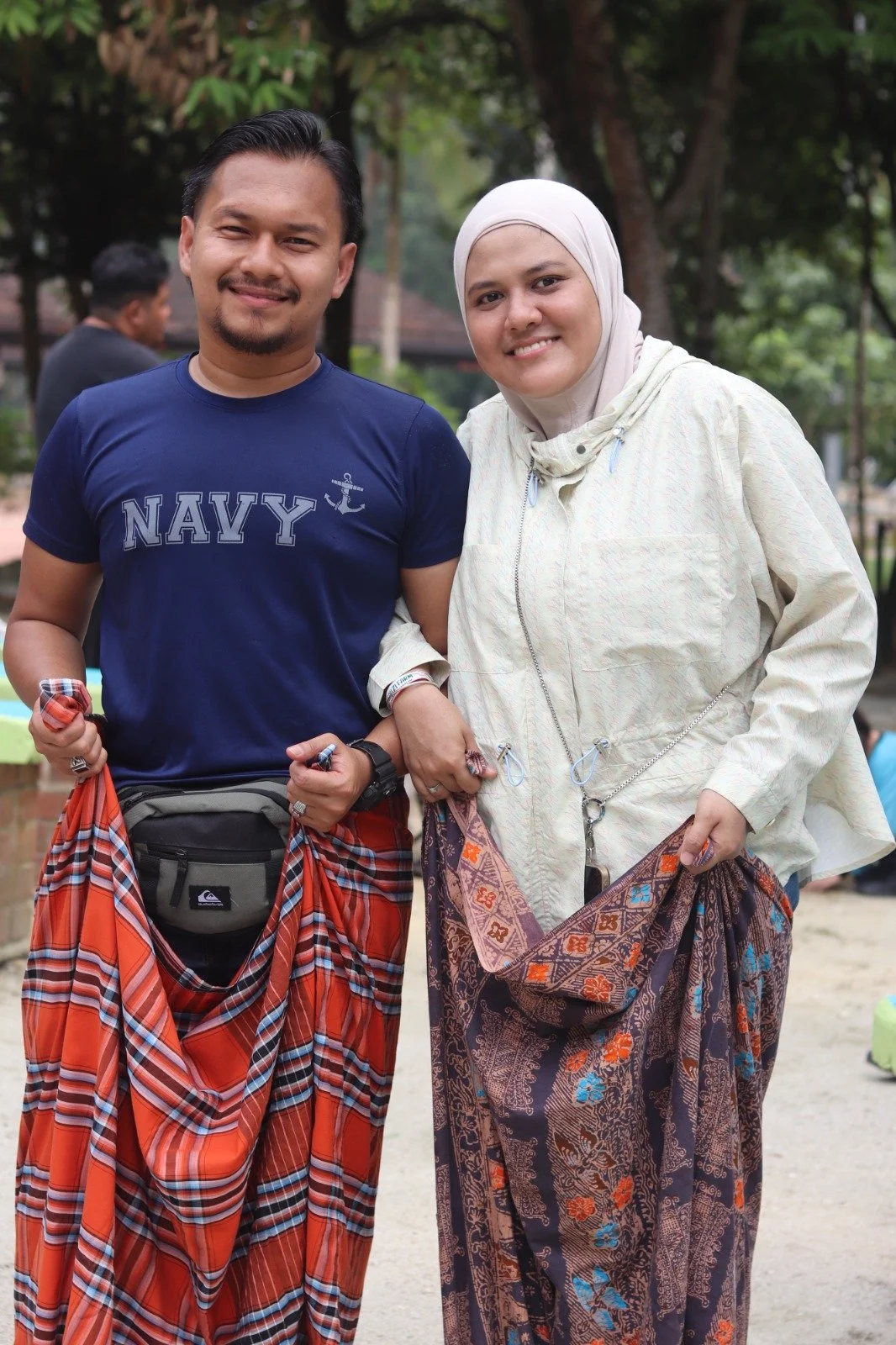
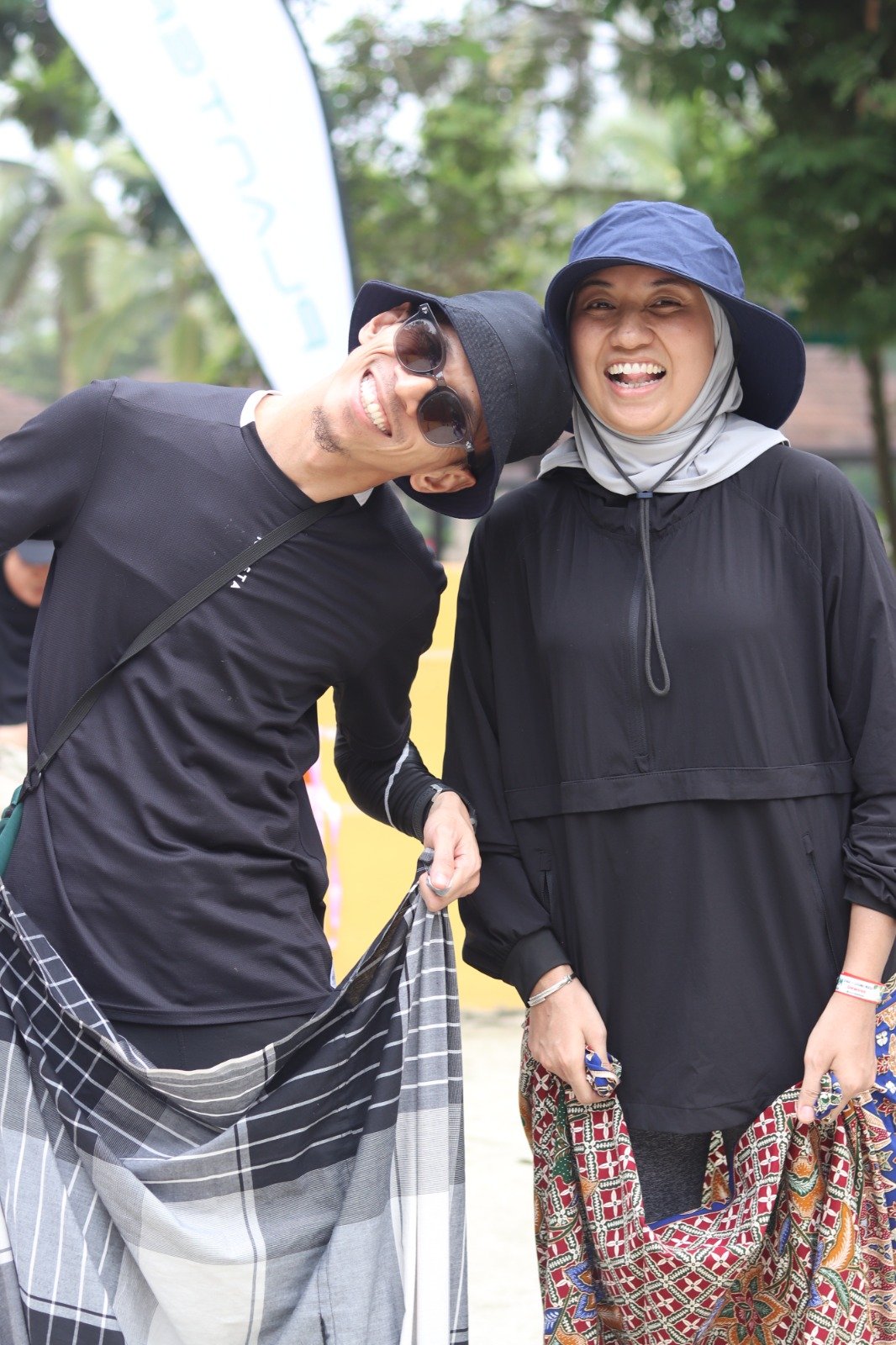
Then came the mothers with Camera Stick and Batik & Balance.
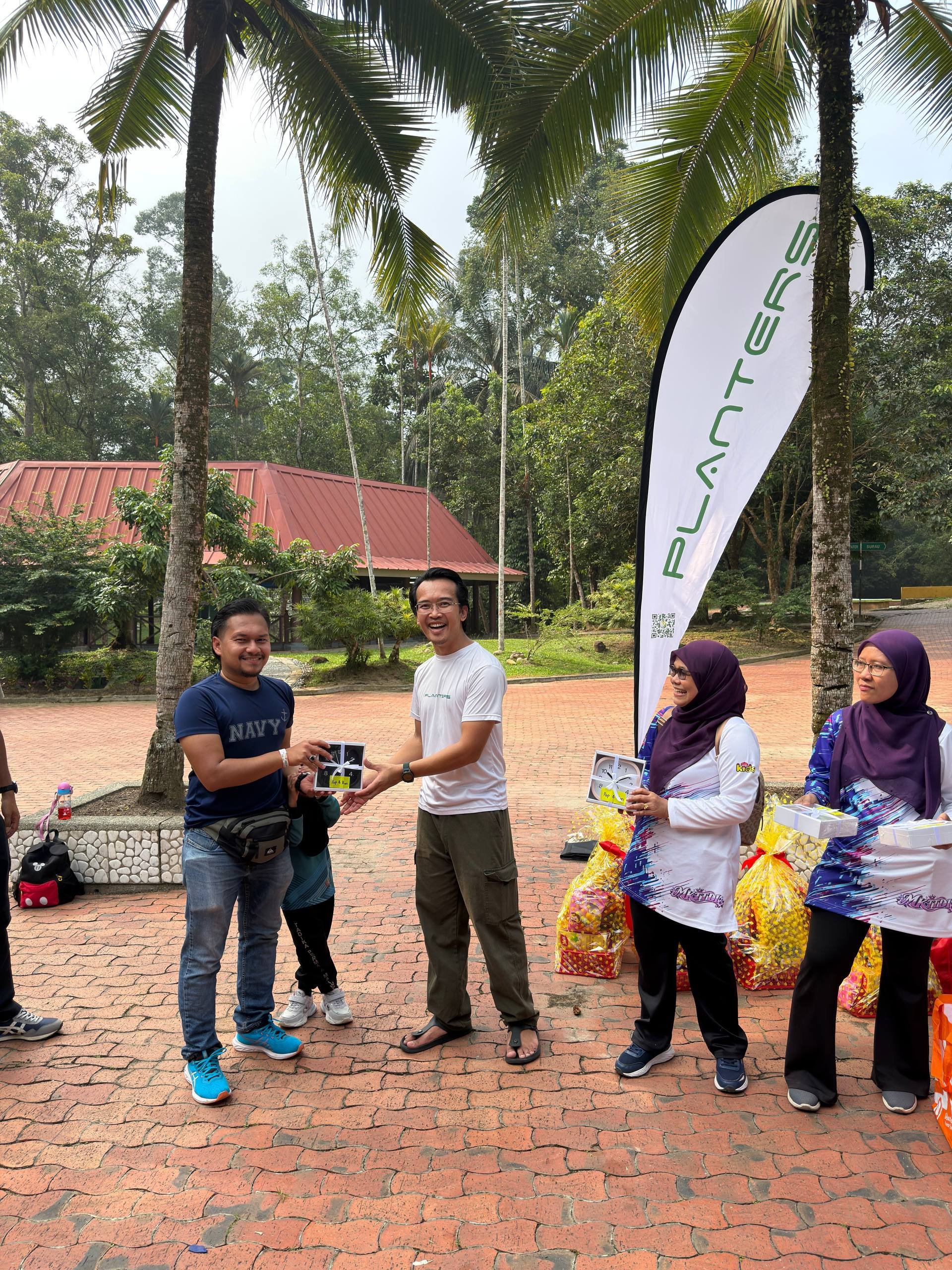
The fathers took their turn with the Pelikat Relay and the considerably less subtle Pop & Run.
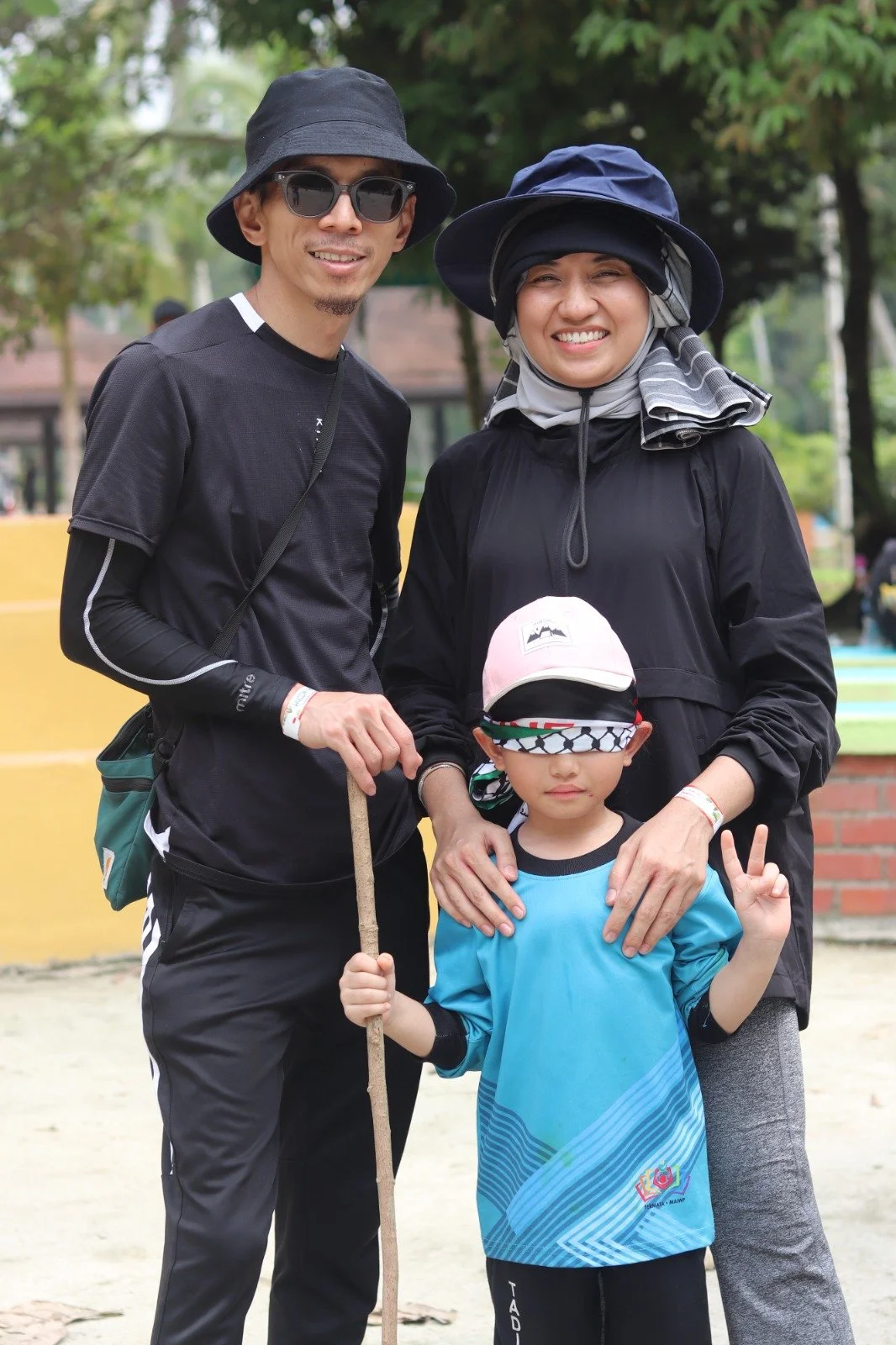
Families teamed up for Trust Dad, where children had to close their eyes and follow instructions from their fathers.
And finally, the couples were given one last challenge:
Jump² to Jannah.
By then, the outdoor classroom had become a family playground.
And that was entirely the point.
Environmental Education Works Better When Families Are Part of It
Children learn from teachers, but they also learn enormously from the adults around them.
When a parent stops to look at a leaf because their child noticed something unusual, scans a tree's QR code with them, listens for a bird or tries to answer the inevitable “Pokok apa ni?”, nature becomes part of a shared family experience.
That matters.
Environmental education does not always have to begin with climate terminology, scientific reports or conservation statistics.
For a five-year-old, it may begin with touching a leaf, smelling a herb, watching an insect, looking up at a giant tree or discovering that the forest is full of sounds they had never noticed before.
Curiosity comes first. Knowledge follows. Care can grow from there.
Bringing Planters' Conservation Work Closer to Communities
Planters International Berhad works across ecosystem restoration, forest conservation, biodiversity, environmental monitoring and nature-based solutions.
But conservation cannot exist only among scientists, policymakers, companies and environmental practitioners.
Communities need to be part of it too.
Programmes such as the Tadika MAIWP Kids TTDI Family Nature Exploration translate the principles behind our larger environmental work into something children and families can experience directly.
The technology may be as simple as a QR code during a school trip, or considerably more sophisticated across a conservation landscape. The underlying objective remains similar: observe nature, understand what is there, build knowledge, and use that knowledge to protect it better.
This is how environmental awareness becomes environmental stewardship.
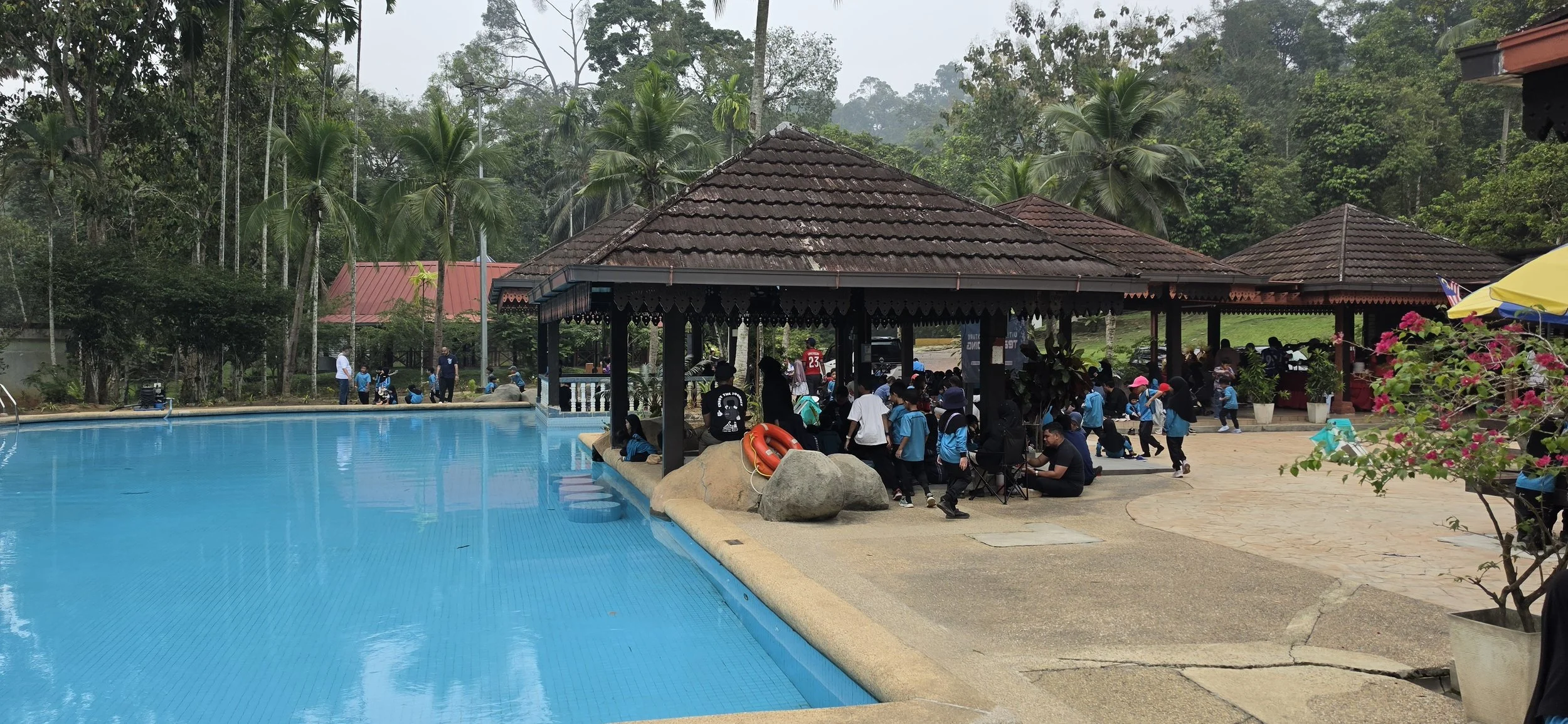
More Than a School Trip
By the end of the programme, the children had explored botanical collections and a forest trail, encountered animals, completed discovery challenges and played games.
Bringing together more than 250 participants in a single environmental education programme, the event demonstrated how nature learning can be made accessible, interactive and enjoyable for entire families.
Their parents and teachers had experienced much of it alongside them.
That is what made the day special.
Our thanks to Tadika MAIWP Kids TTDI, its teachers, parents and all our young explorers for bringing so much energy and curiosity to the programme, and to Taman Botani Negara Shah Alam for providing a remarkable setting in which families can experience Malaysia's natural heritage.
For Planters, the takeaway is simple:
Let children explore. Let them ask questions. Let families discover together.
Because sometimes a lifelong relationship with nature starts with nothing more complicated than a child stopping along a trail and asking:
“Pokok apa ni?”
About Planters International Berhad
Planters International Berhad develops and implements programmes in ecosystem conservation and restoration, biodiversity, environmental intelligence, nature-based solutions and community engagement.
Through field conservation, technology-enabled environmental monitoring, restoration programmes and public engagement, Planters works to connect nature, science, technology and people in building healthier and more resilient ecosystems.
Organisations, schools and partners interested in nature education, environmental engagement, biodiversity programmes, conservation activities or collaborative environmental initiatives may contact Planters International Berhad to explore future programmes and partnerships.