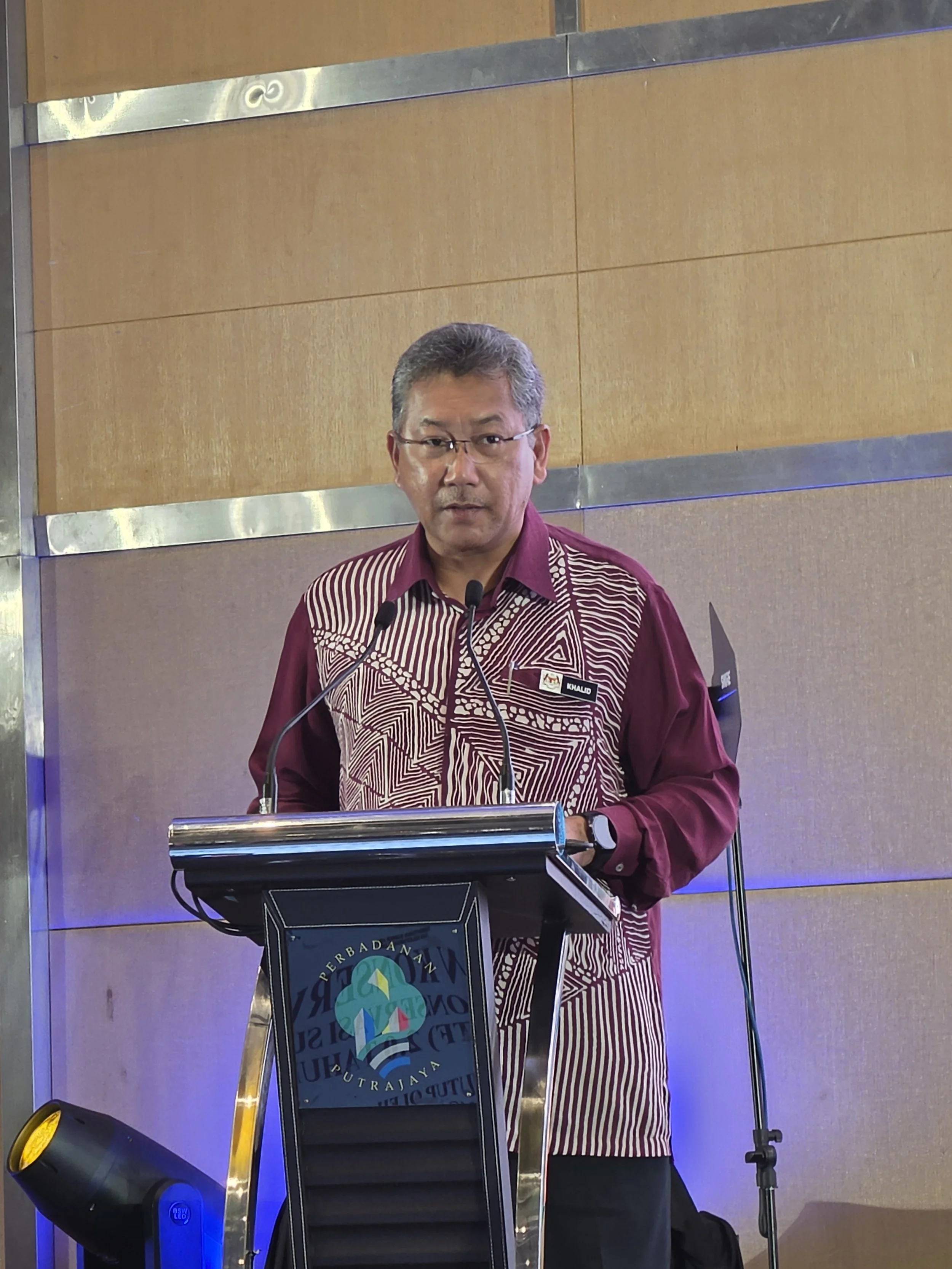
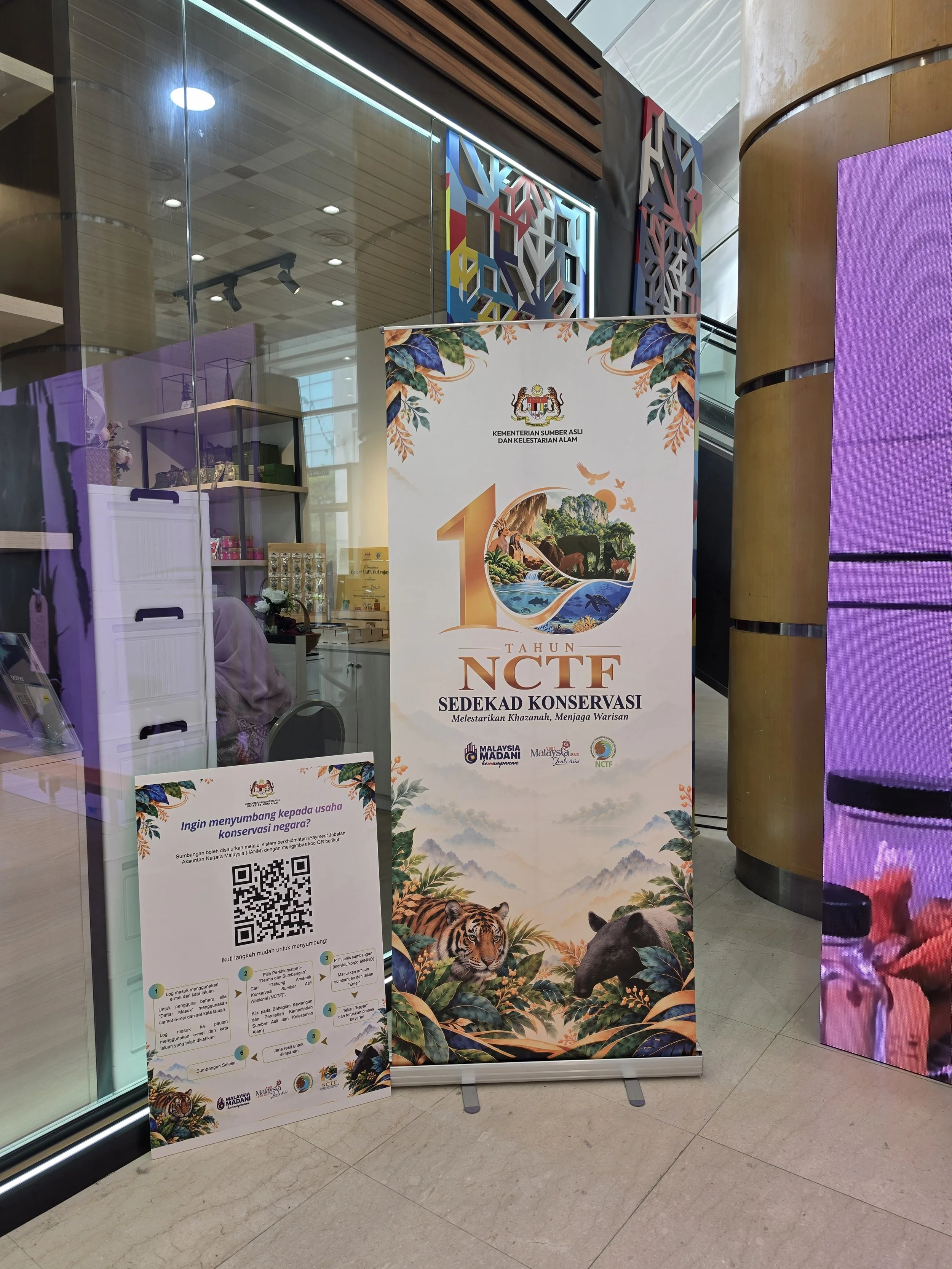
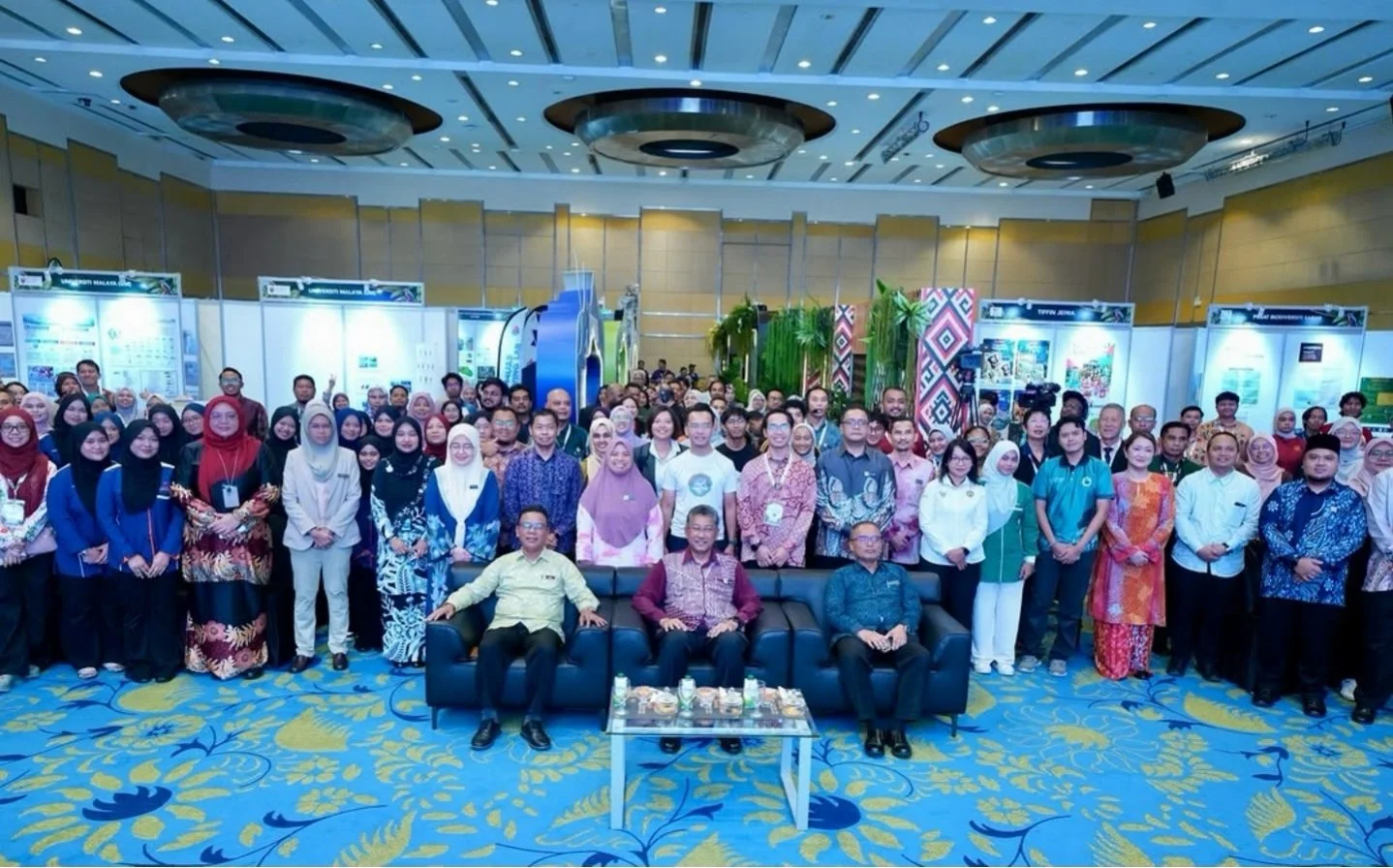
PUTRAJAYA, 29 October 2026 — The National Conservation Trust Fund for Natural Resources (NCTF) 2.0 Conservation Exhibition, organised by the Ministry of Natural Resources and Environmental Sustainability (NRES), brought together government agencies, research institutions, universities and conservation organisations at Dewan Seri Siantan, Kompleks Perbadanan Putrajaya, from 28 to 29 October 2026.

National Conservation Trust Fund for Natural Resources (NCTF) 2.0 Conservation Exhibition, organised by the Ministry of Natural Resources and Environmental Sustainability (NRES)
The exhibition provided a platform to showcase Malaysia's biodiversity conservation initiatives, scientific research, environmental management practices and public awareness programmes. For Planters International Berhad, the exhibition offered valuable perspectives on the relationship between scientific knowledge, ecosystem restoration, environmental monitoring and sustainable conservation financing.
These themes are closely aligned with the company's continuing work in ecological restoration, biomass resource utilisation and environmental technology development.
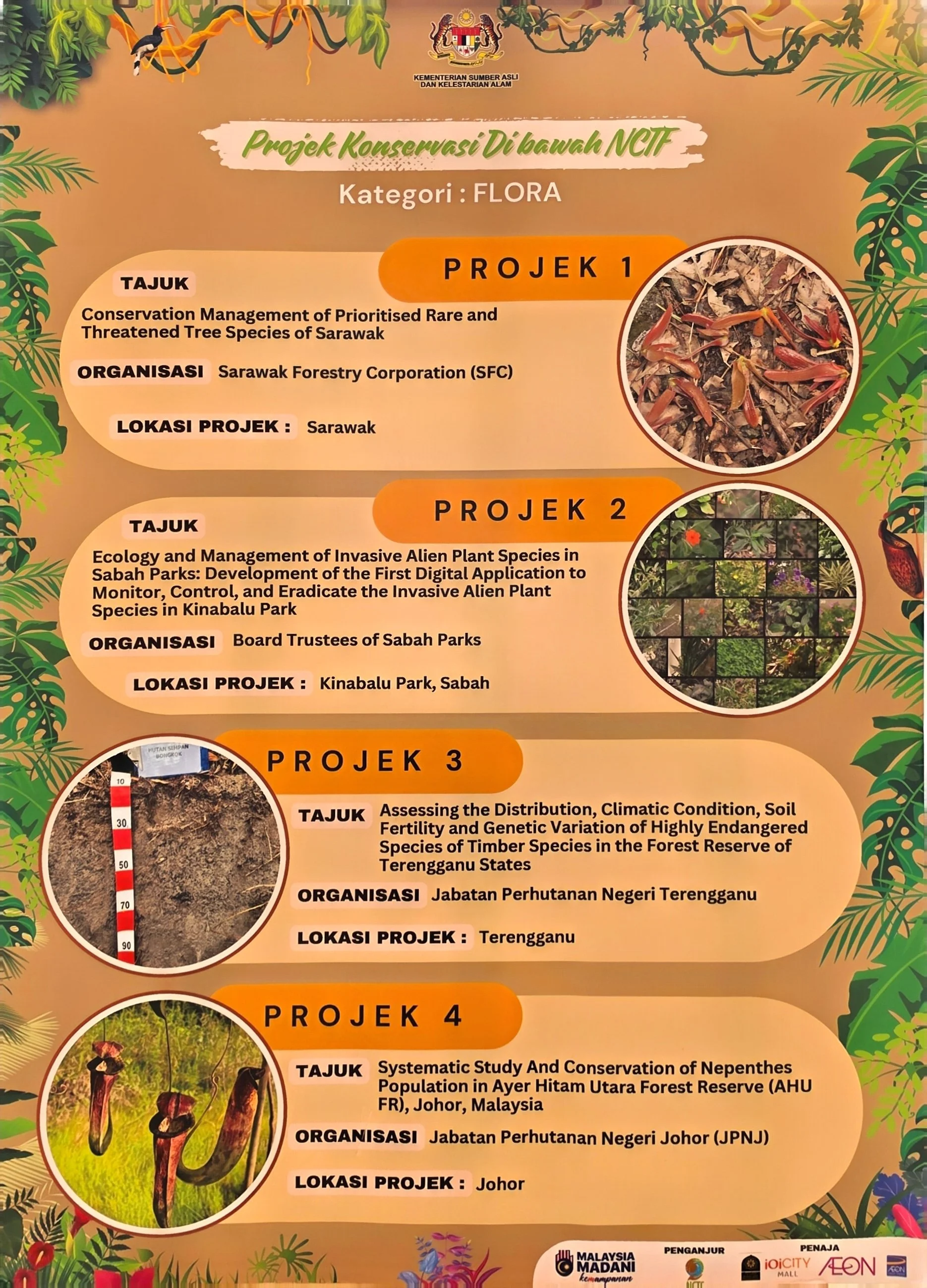
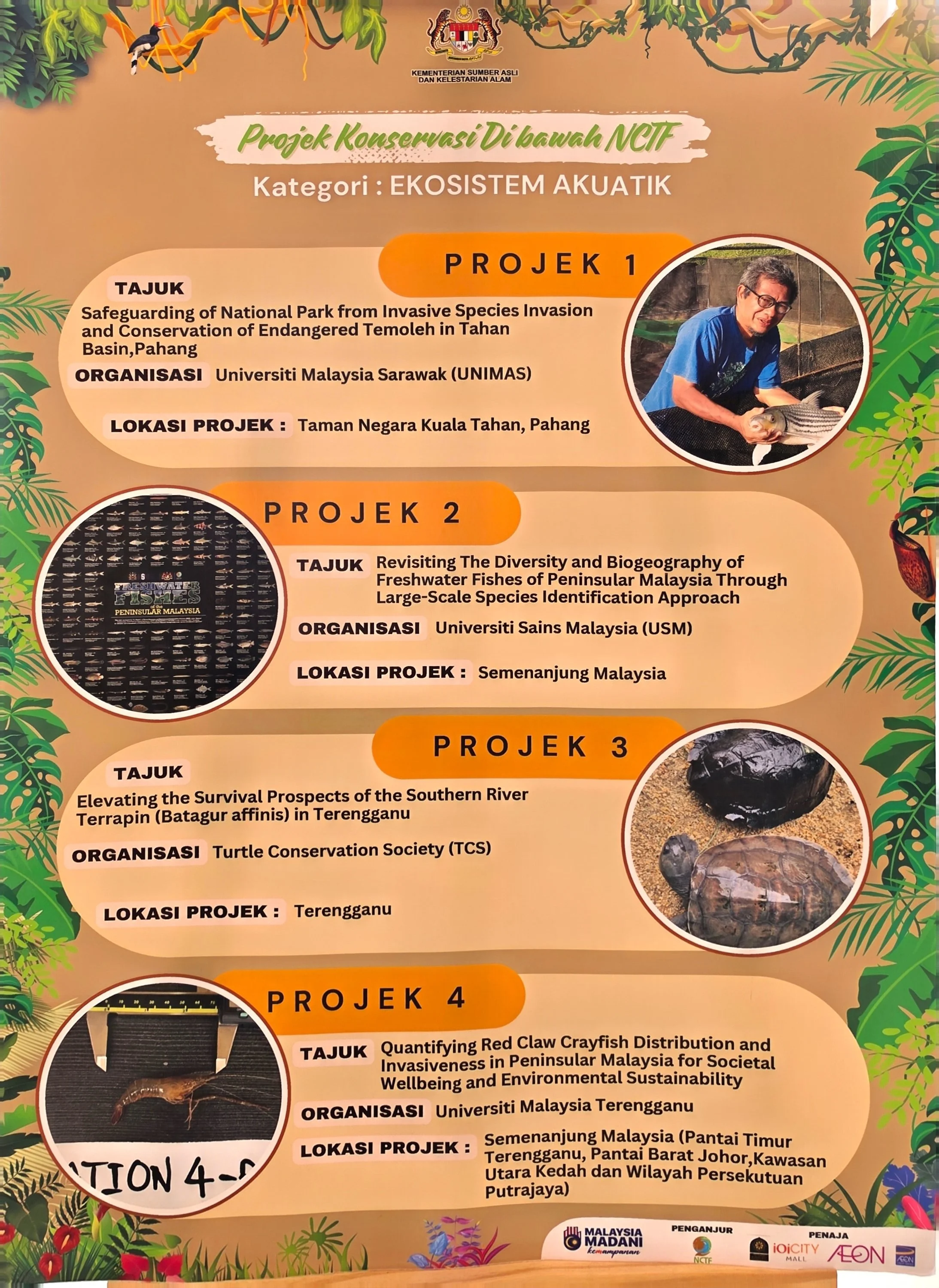
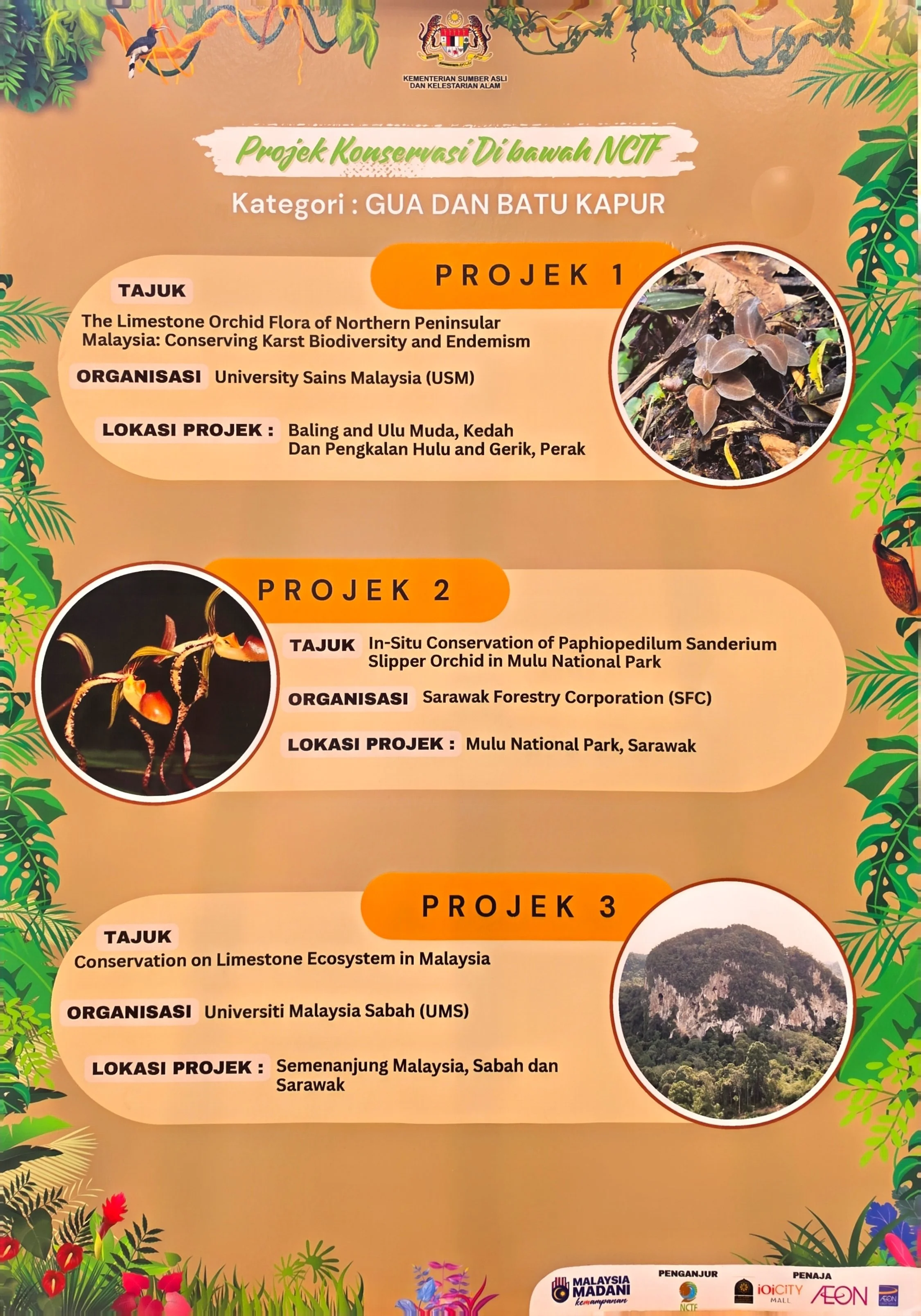
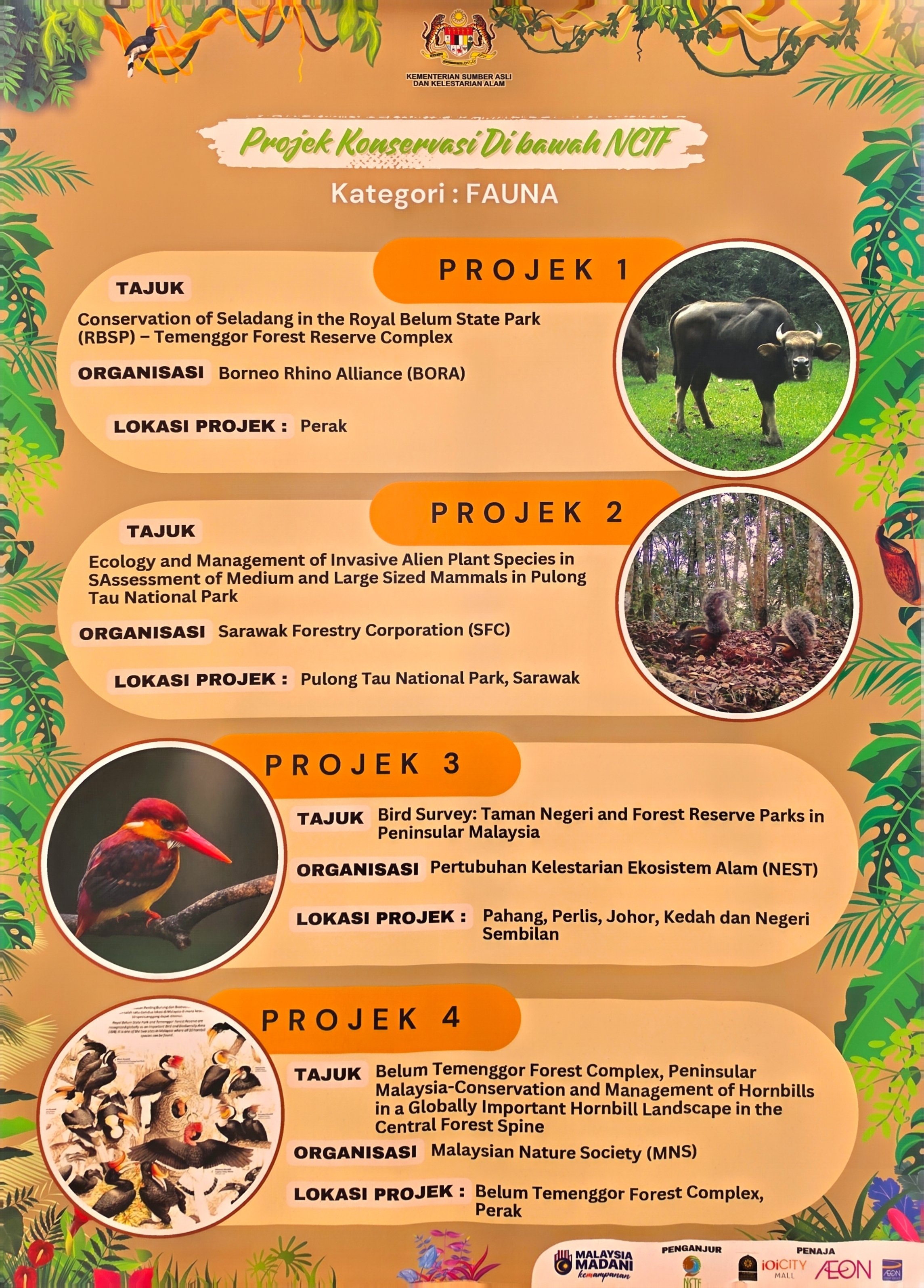
Strengthening Malaysia's Conservation Landscape
Malaysia's natural ecosystems encompass tropical forests, mangroves, rivers, wetlands, seagrass meadows and marine habitats. Protecting these ecosystems requires more than isolated conservation interventions. Effective management depends on scientific understanding, appropriate monitoring methods, institutional coordination and sustained financial resources.
The NCTF framework supports conservation through four principal areas: natural resource management, research and development, capacity building, and sustainable financing mechanisms. The exhibition reflected these priorities through displays highlighting biodiversity research, ecosystem protection, conservation technologies and community participation.
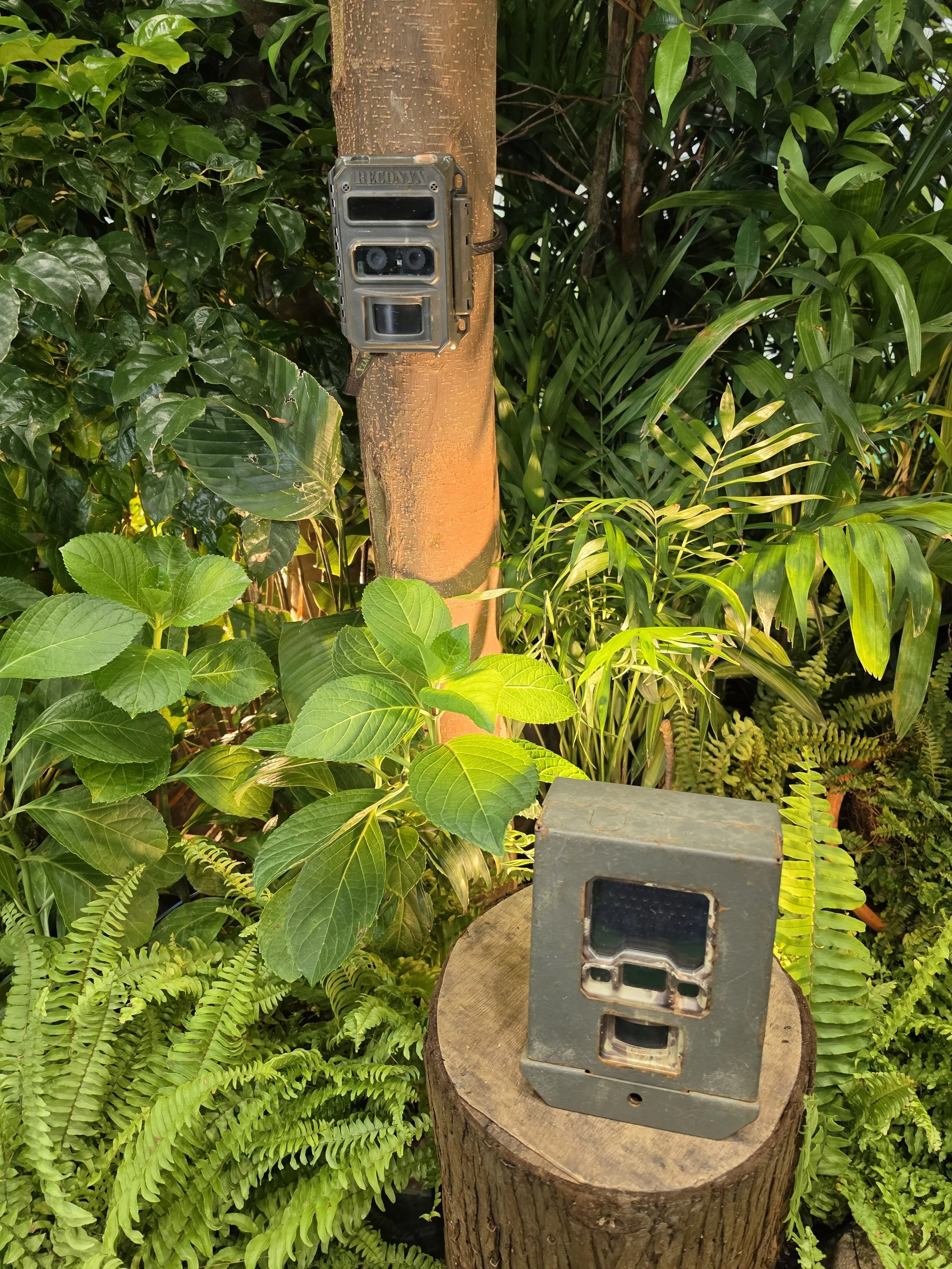

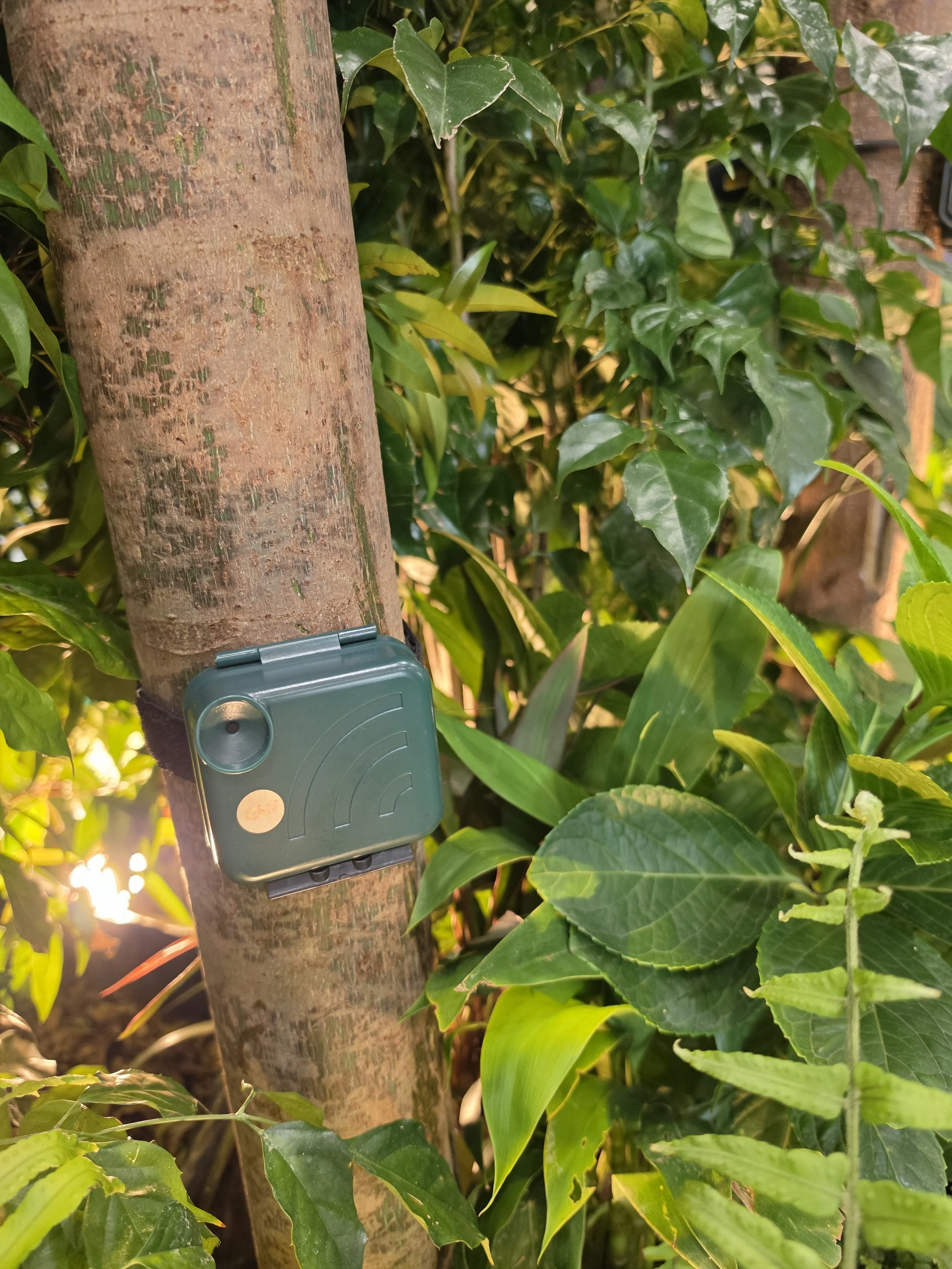
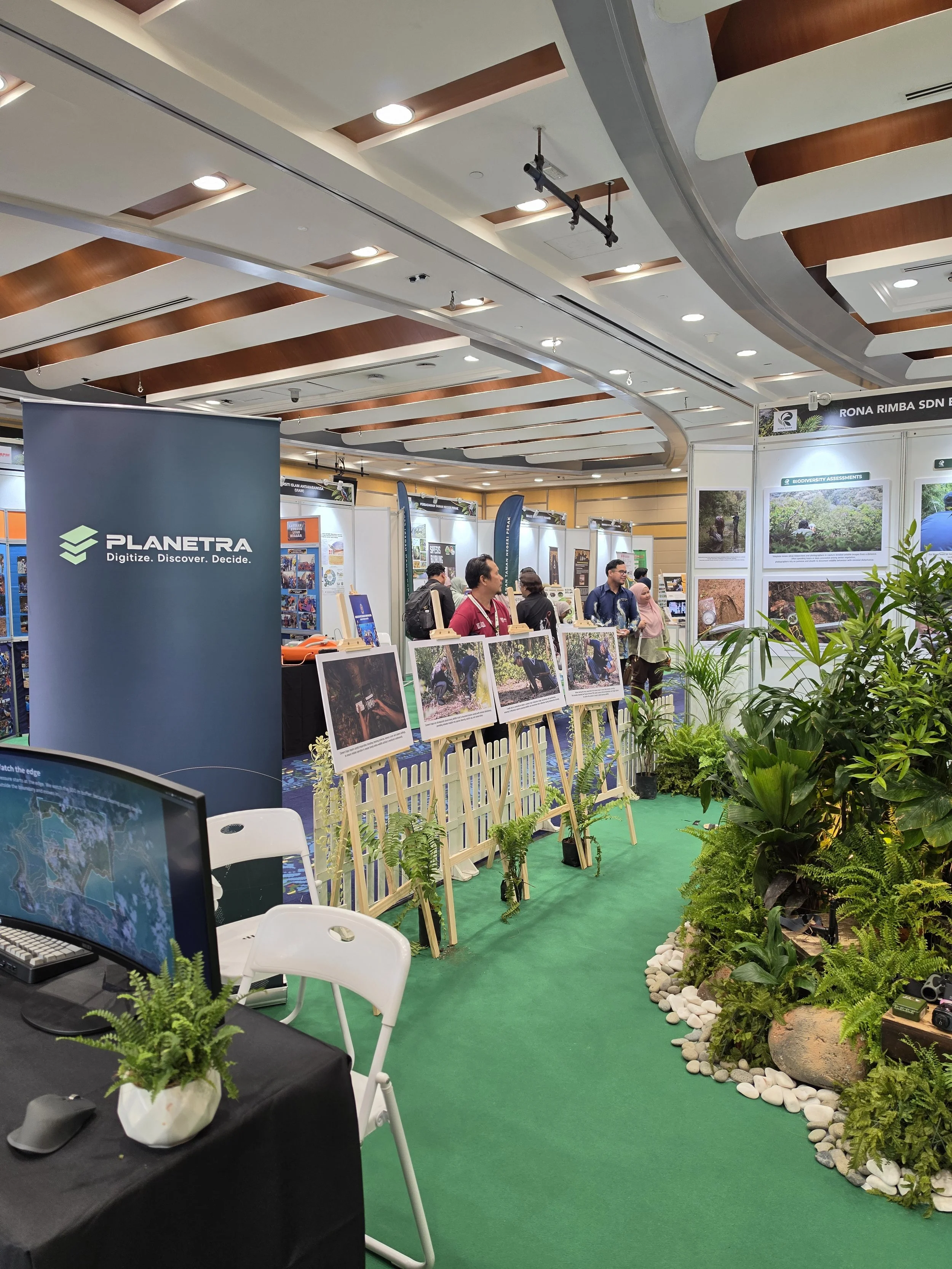
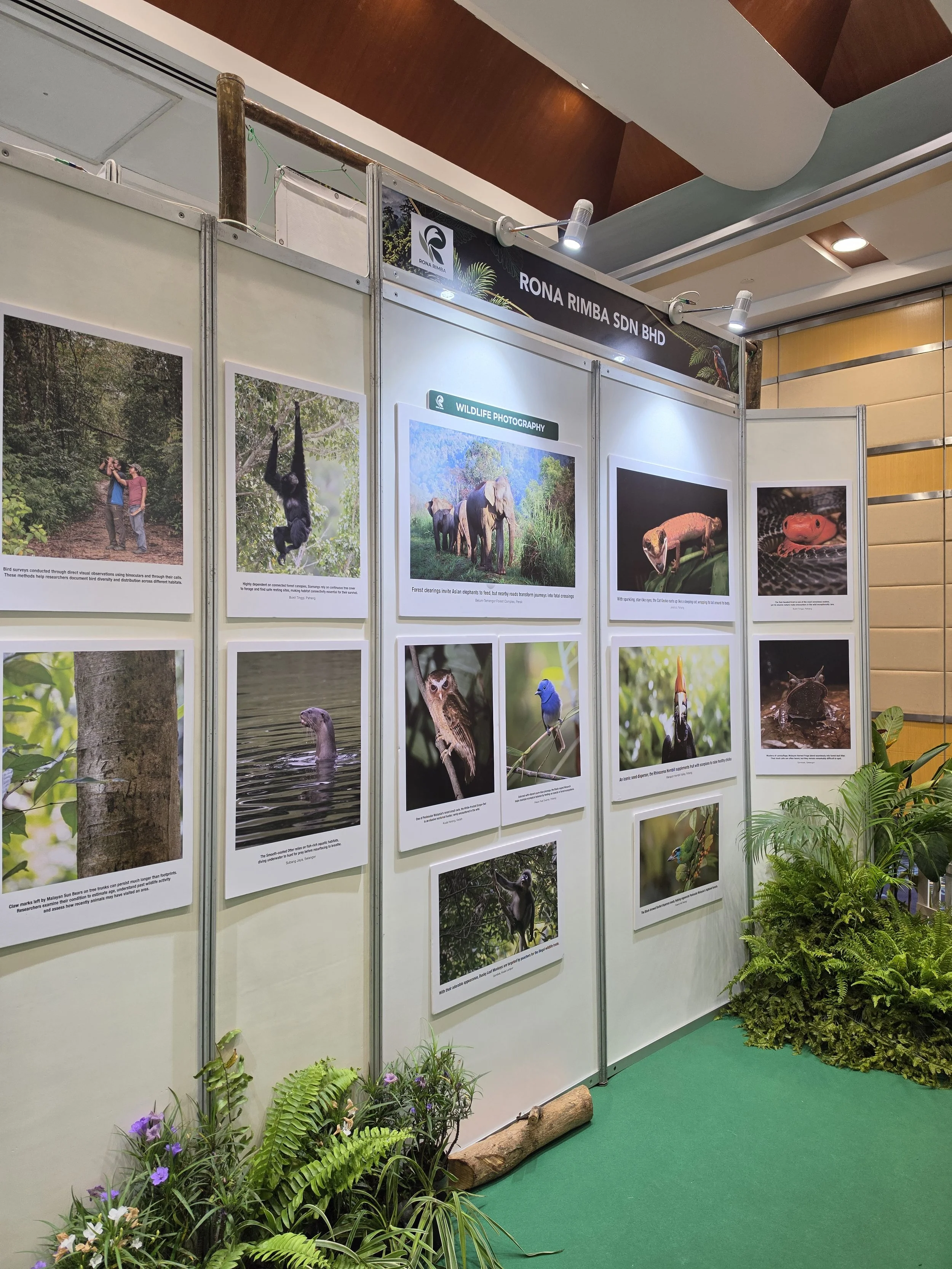
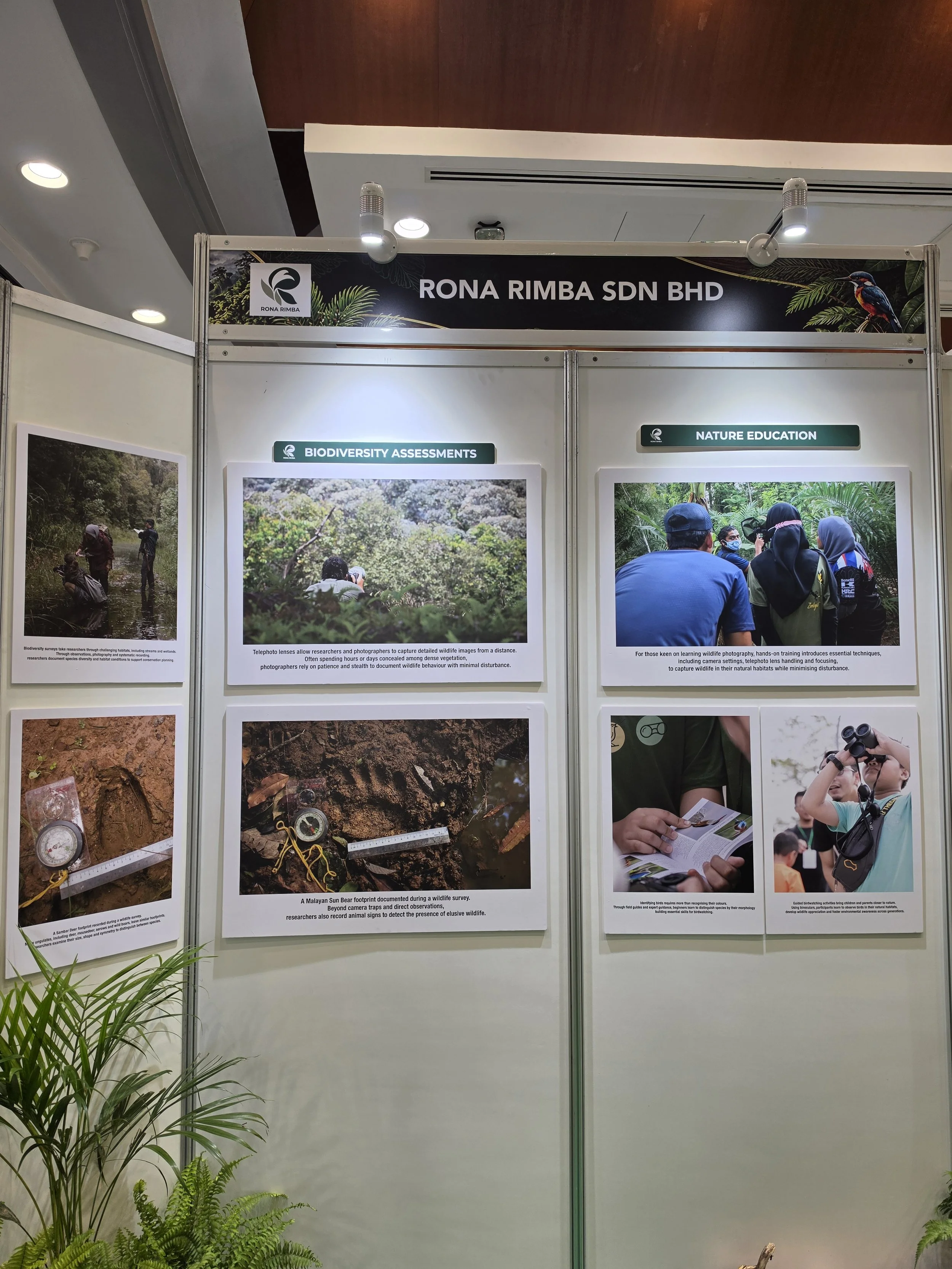
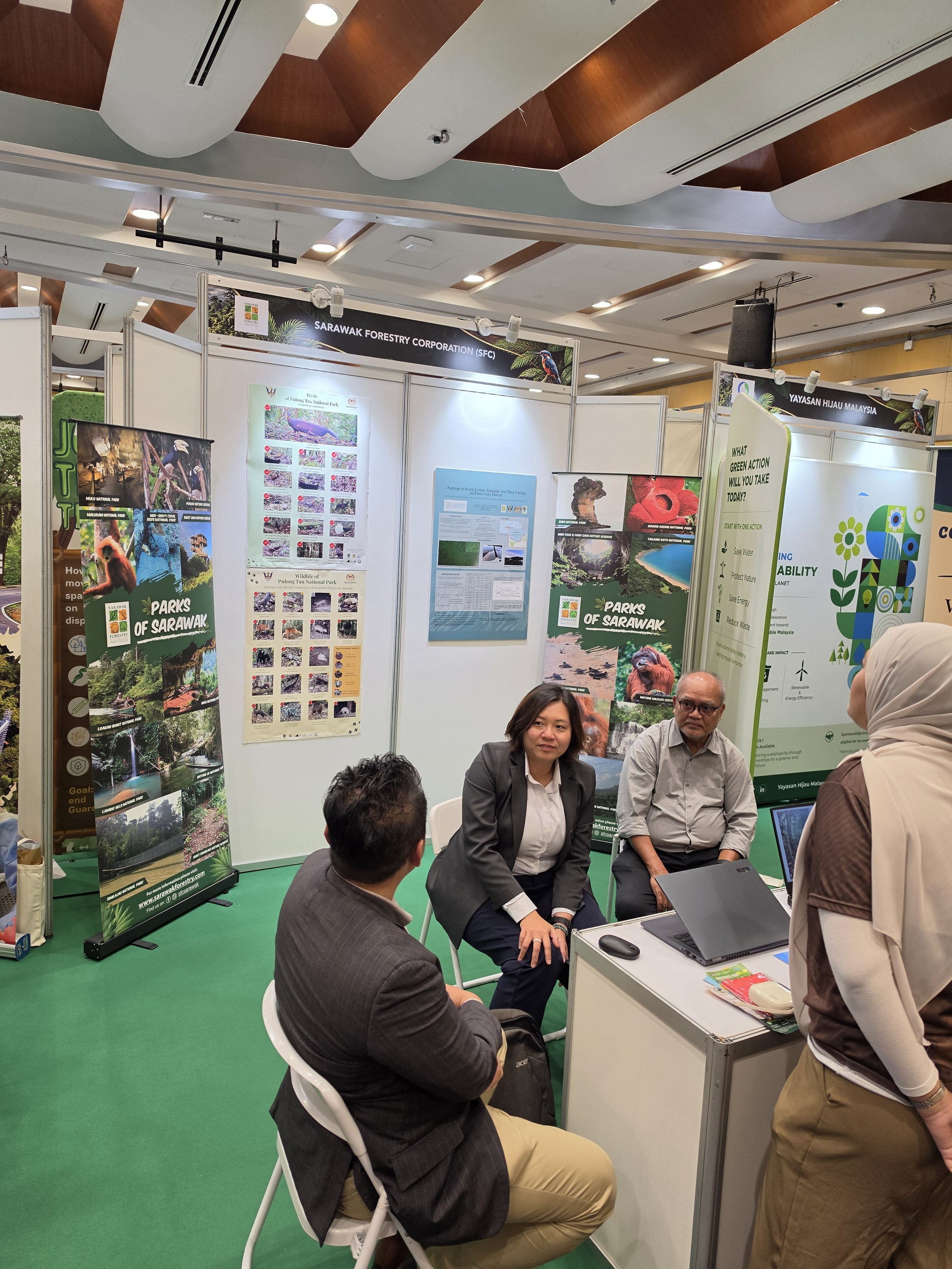
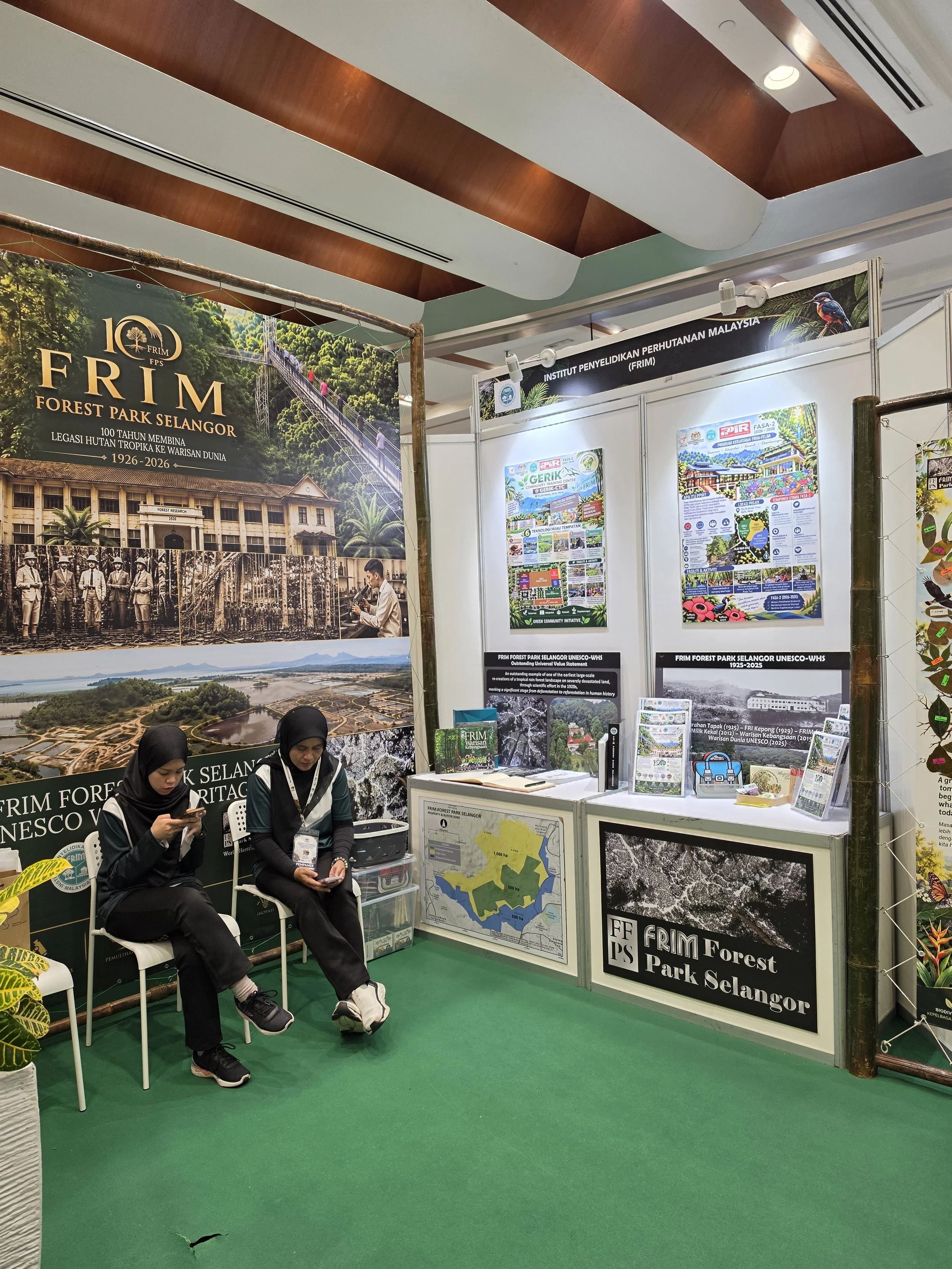
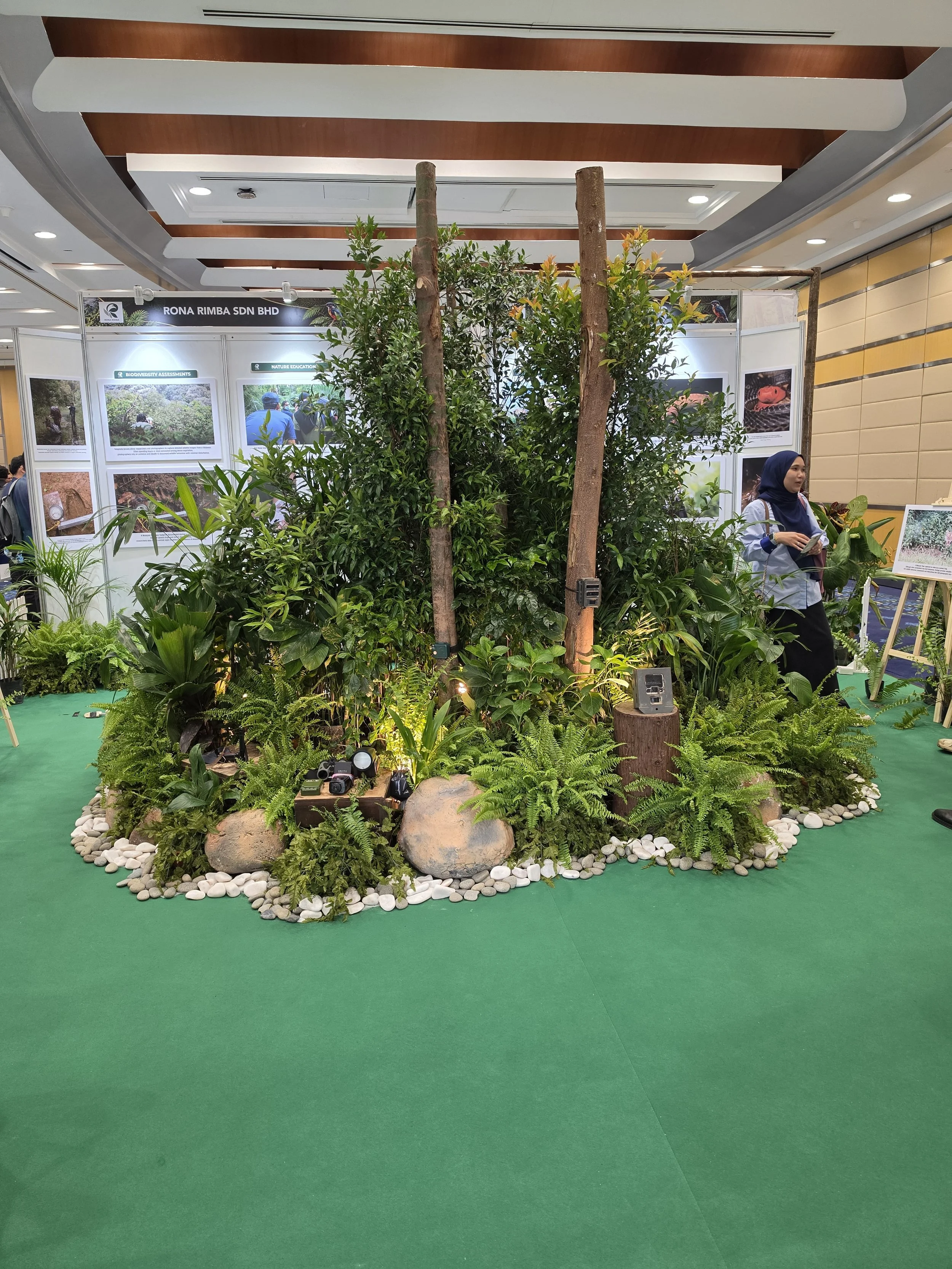
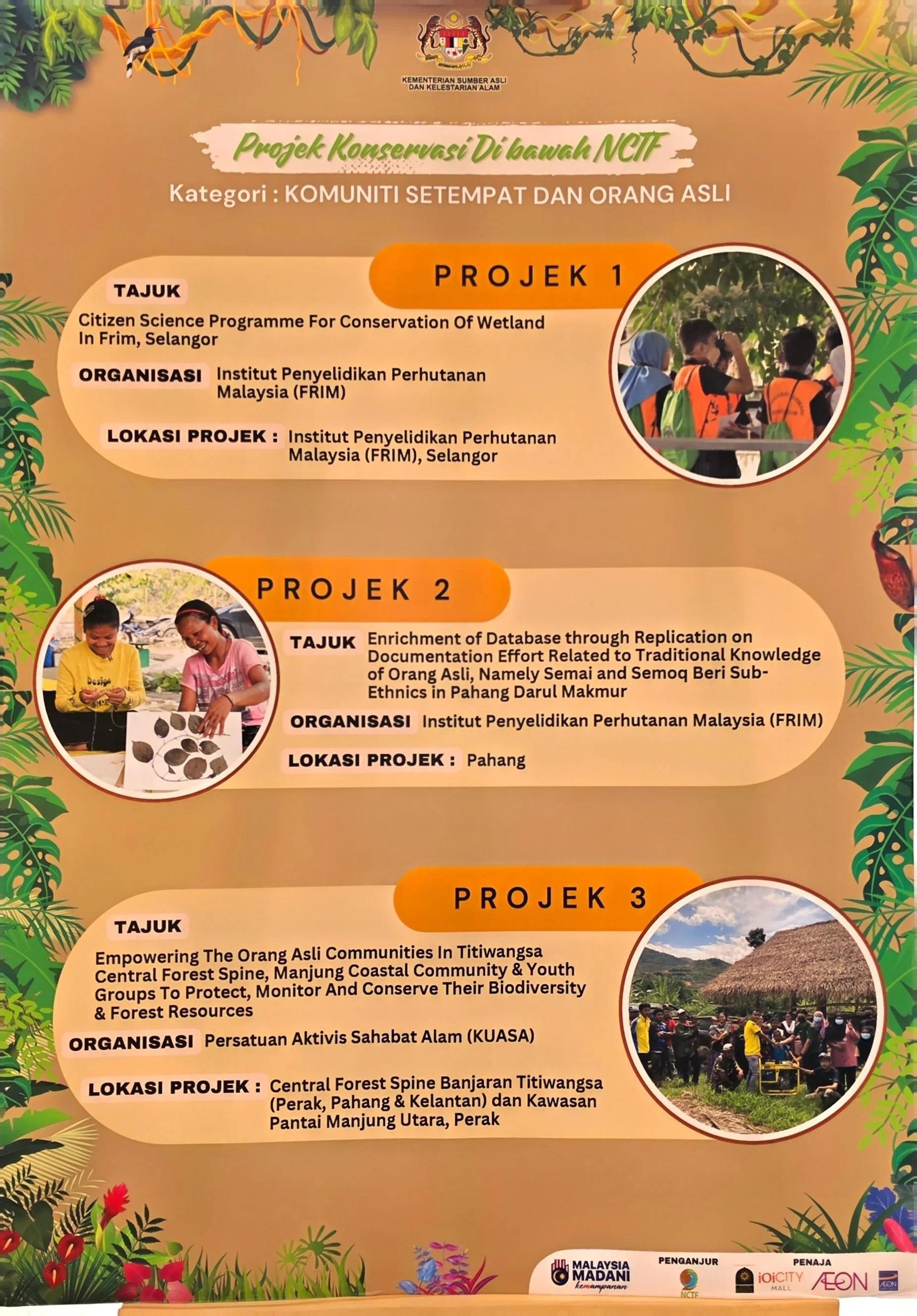
Among the institutions and organisations represented in the photographed exhibition areas were the Forest Research Institute Malaysia (FRIM), Department of Fisheries Malaysia, Universiti Malaya, Universiti Putra Malaysia, Universiti Malaysia Terengganu, Universiti Utara Malaysia, Sabah Biodiversity Centre, Malaysian Nature Society and Penang Hill Biosphere Reserve.
Together, their exhibits illustrated the diversity of expertise contributing to Malaysia's conservation landscape.
Biodiversity Research and Environmental Monitoring
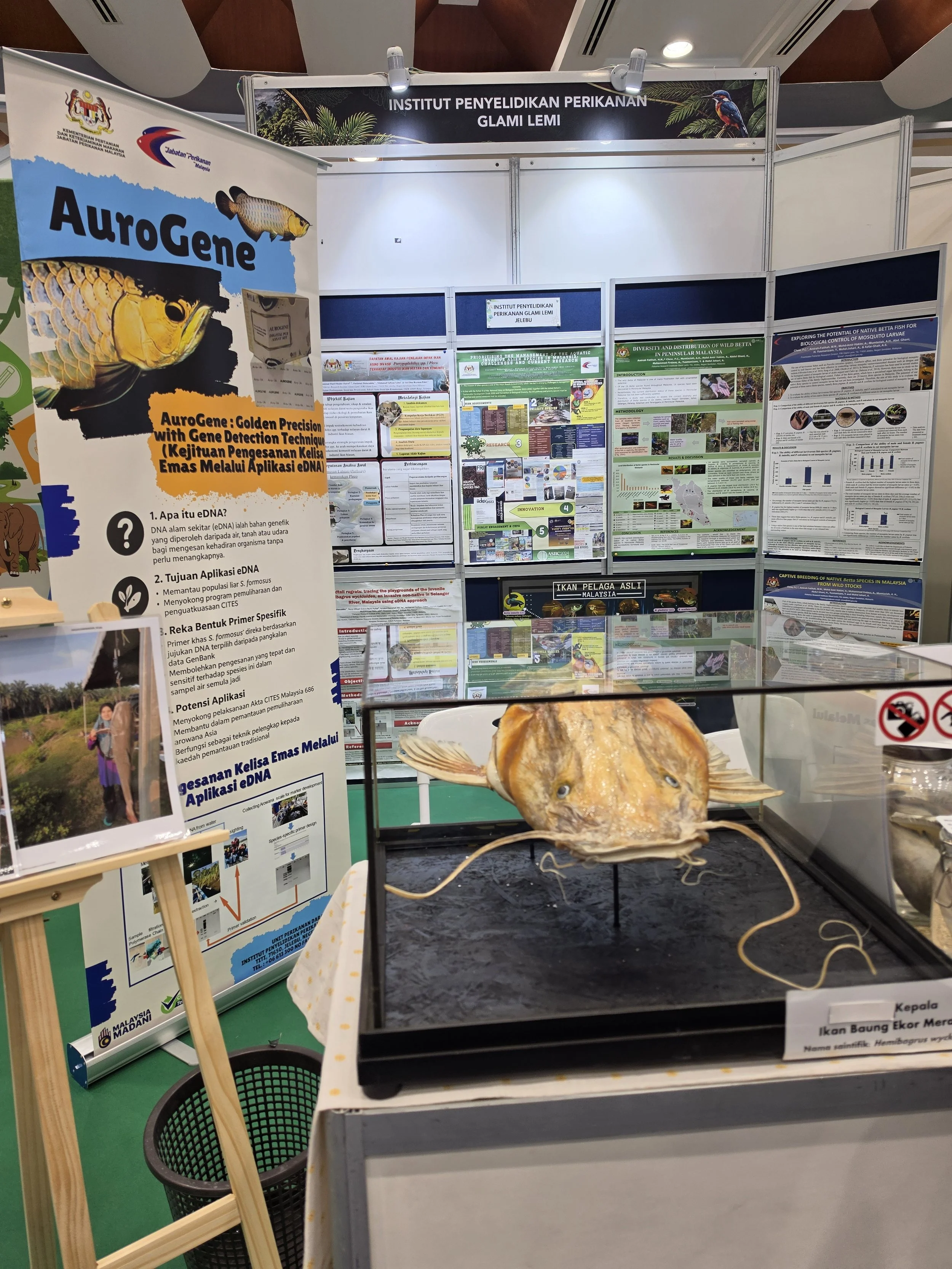
One of the exhibition's important themes was the application of scientific research to biodiversity assessment and ecosystem management. Research displays from Universiti Malaya and other participating institutions highlighted the use of environmental DNA (eDNA) in studying aquatic biodiversity.
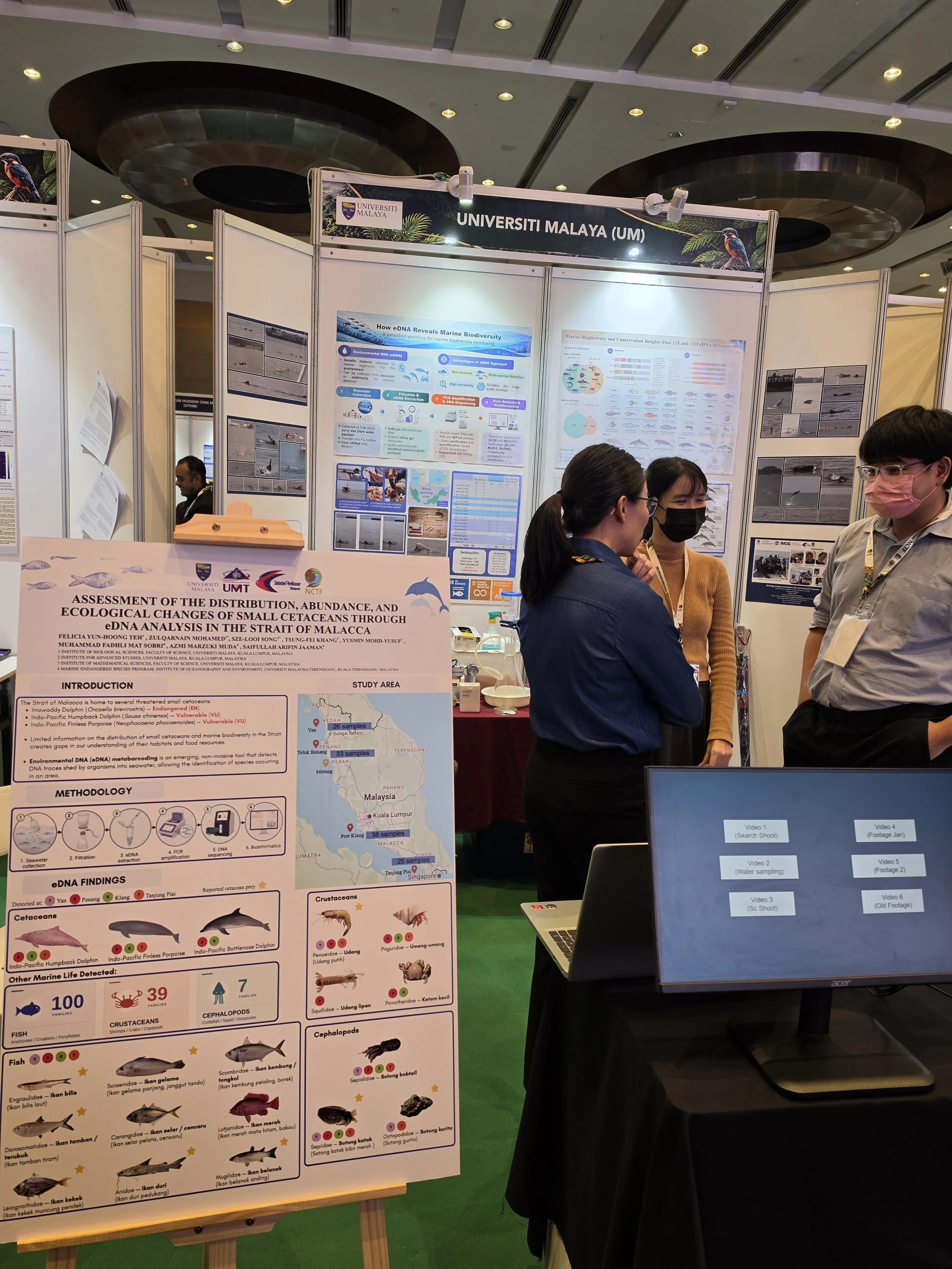
Environmental DNA analysis enables researchers to investigate genetic material recovered from environmental samples, including water, without necessarily requiring the direct capture or observation of every organism. When supported by appropriate sampling protocols, laboratory procedures and reference databases, this approach can complement conventional biodiversity surveys.
Such methods are particularly relevant to aquatic environments where species detection can be challenging because of water conditions, habitat complexity or the behaviour of individual organisms. For Planters International Berhad, these developments provide useful scientific reference points for the continuing development of its environmental monitoring capabilities.
Through its Active Forest Asset Management (AFAM) framework, Planters integrates geospatial information, field assessments, remote sensing and environmental surveillance technologies to support ecological management. The exhibition reinforced the importance of combining technological observations with scientifically defensible field evidence.
Mangrove Conservation and Coastal Ecosystem Restoration
Mangrove ecosystems featured prominently in several exhibition displays, particularly those associated with coastal conservation and community-based environmental initiatives. The Malaysian Nature Society presented conservation-related materials and physical specimens illustrating mangrove vegetation and associated ecological resources. Mangrove ecosystems contribute to coastal protection, habitat provision, sediment dynamics and carbon storage.
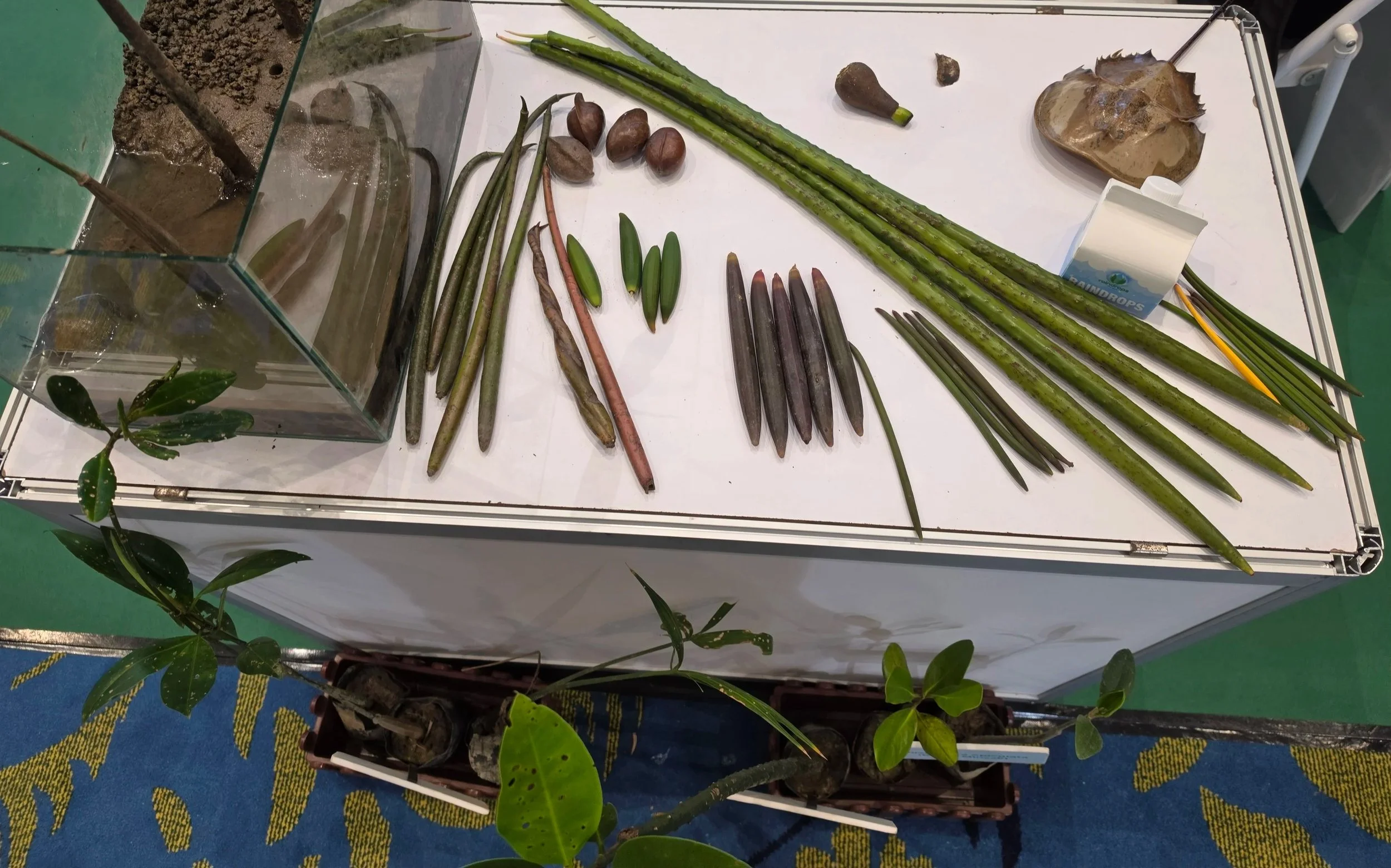
Mangrove ecosystems featured by MNS
However, successful mangrove restoration depends on appropriate site conditions, including hydrology, tidal exchange, sediment characteristics and suitable species selection. These considerations are directly relevant to Planters International Berhad's Coastal Oasis: Sungai Klang & Coastal Isles Eco-Restoration and Biodiversity Innovation Program.
The programme encompasses ecological restoration and environmental management initiatives across the Sungai Klang river corridor and associated coastal environments. Its activities include riparian and mangrove restoration, environmental monitoring, pollution interception, biodiversity assessment and the development of integrated management approaches.The scientific discussions represented at NCTF 2.0 provide a valuable external reference for evaluating restoration practices and strengthening monitoring methodologies.
Seagrass Conservation and Marine Biodiversity
The Department of Fisheries Malaysia and participating universities also presented research and conservation materials relating to marine biodiversity. Among the displays were seagrass specimens identified as Halodule pinifolia and Halophila beccarii, collected from Telaga Simpul, Kemaman, Terengganu, according to their specimen labels. Seagrass meadows are important coastal habitats that support marine biodiversity, sediment stabilisation and ecosystem productivity.
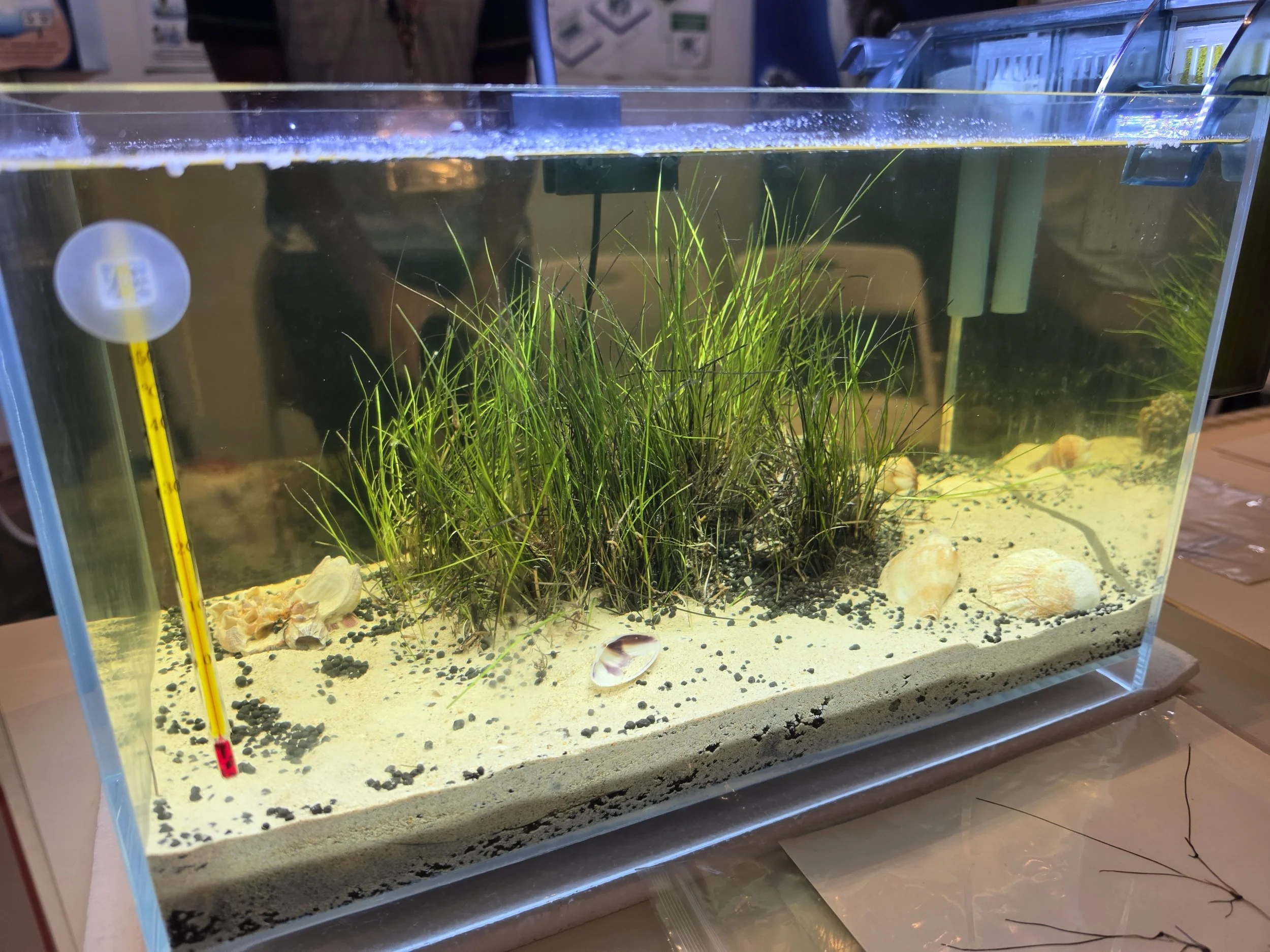
Seagrass
Their ecological requirements differ from those of mangrove forests, but both habitats demonstrate the importance of understanding coastal processes when planning conservation interventions. The exhibition also featured marine biodiversity research, including environmental DNA applications, jellyfish studies and sea turtle conservation. These exhibits highlighted the interconnected nature of coastal and marine ecosystems and the importance of maintaining scientifically informed conservation strategies.
Sustainable Materials and Circular Resource Utilisation
Beyond biodiversity conservation, the exhibition included research exploring the potential use of alternative materials in construction. One display featured ordinary Portland cement, palm oil fuel ash, bamboo biochar, seashell waste and conventional aggregates as materials associated with experimental cementitious formulations.
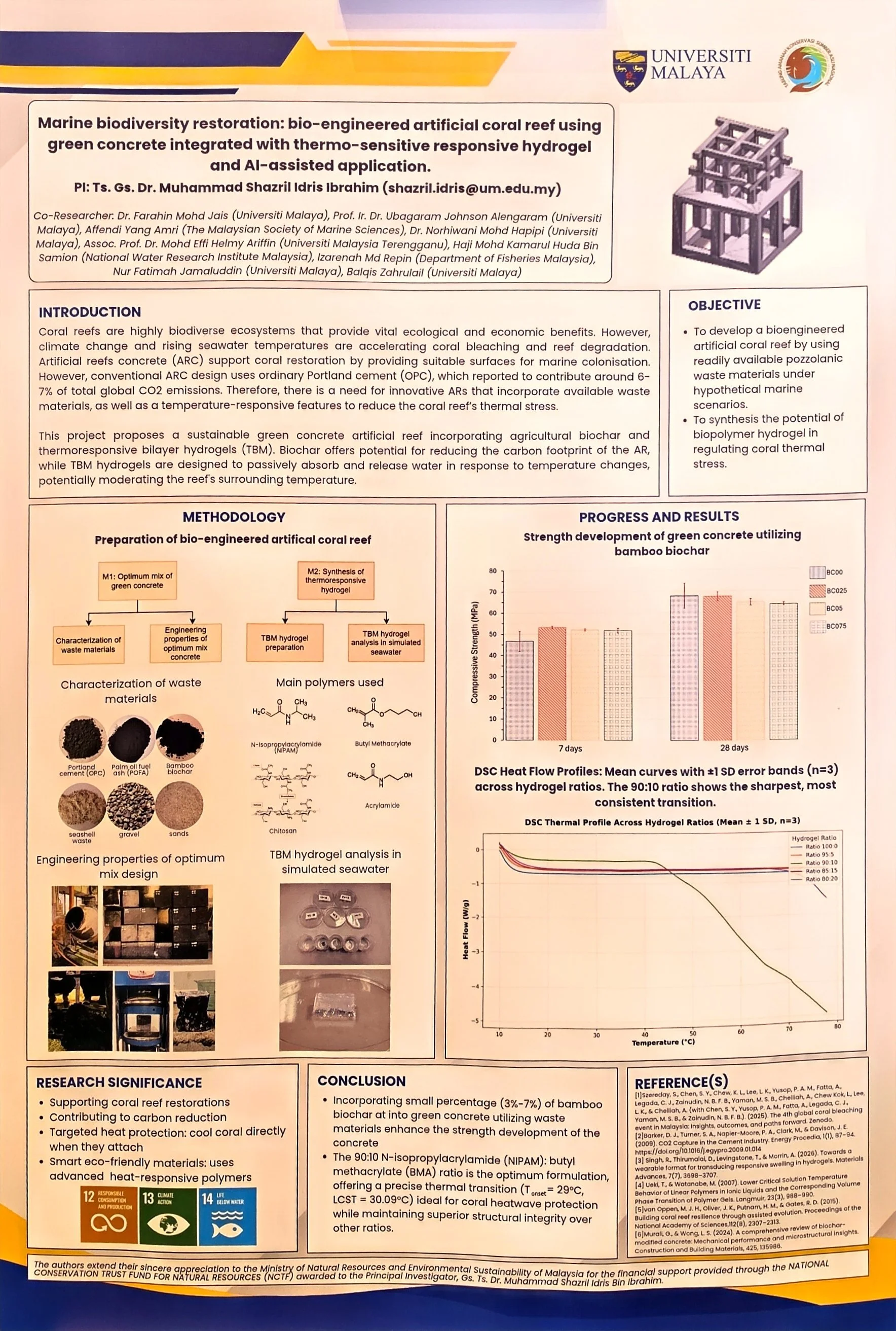
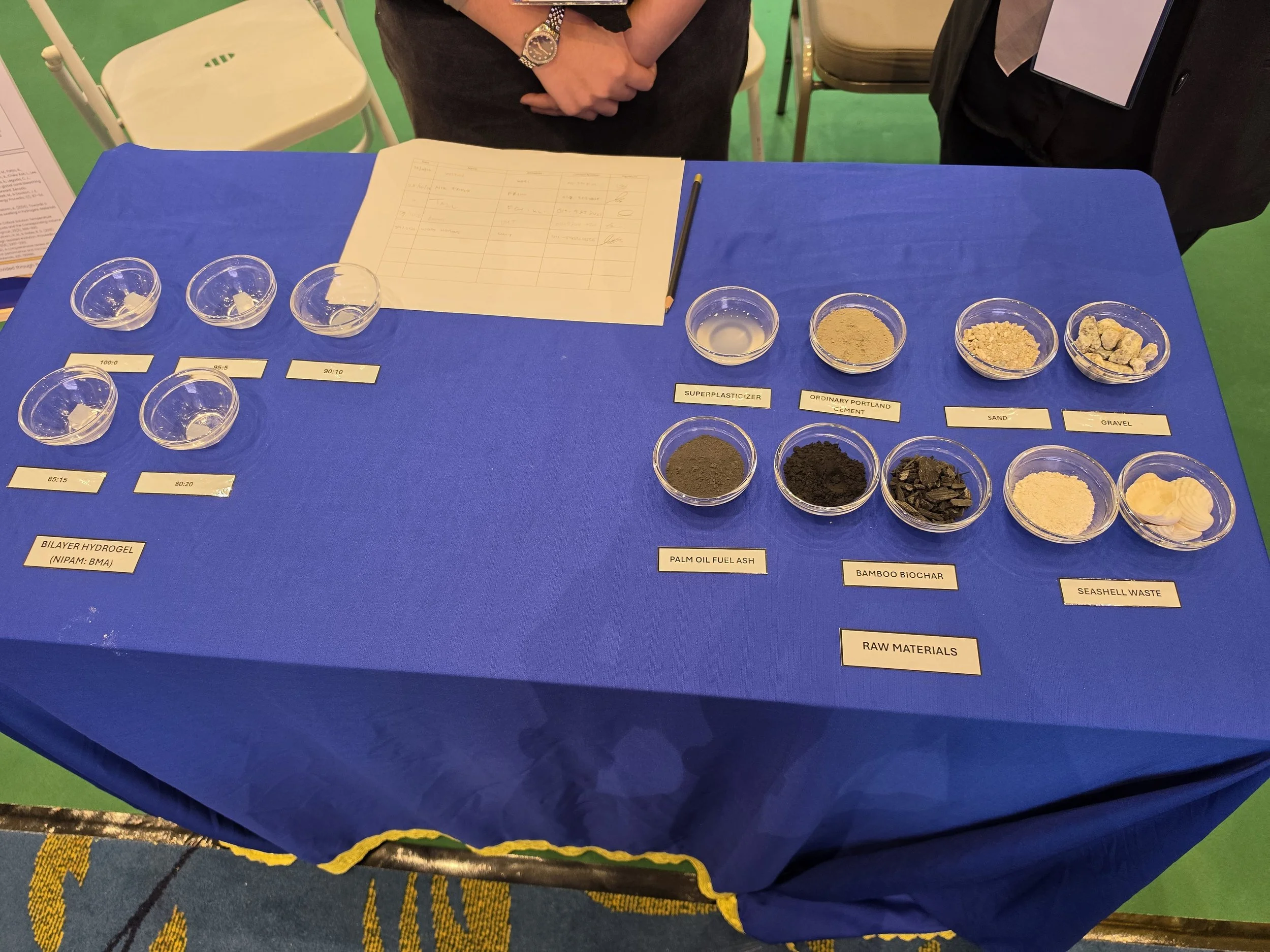
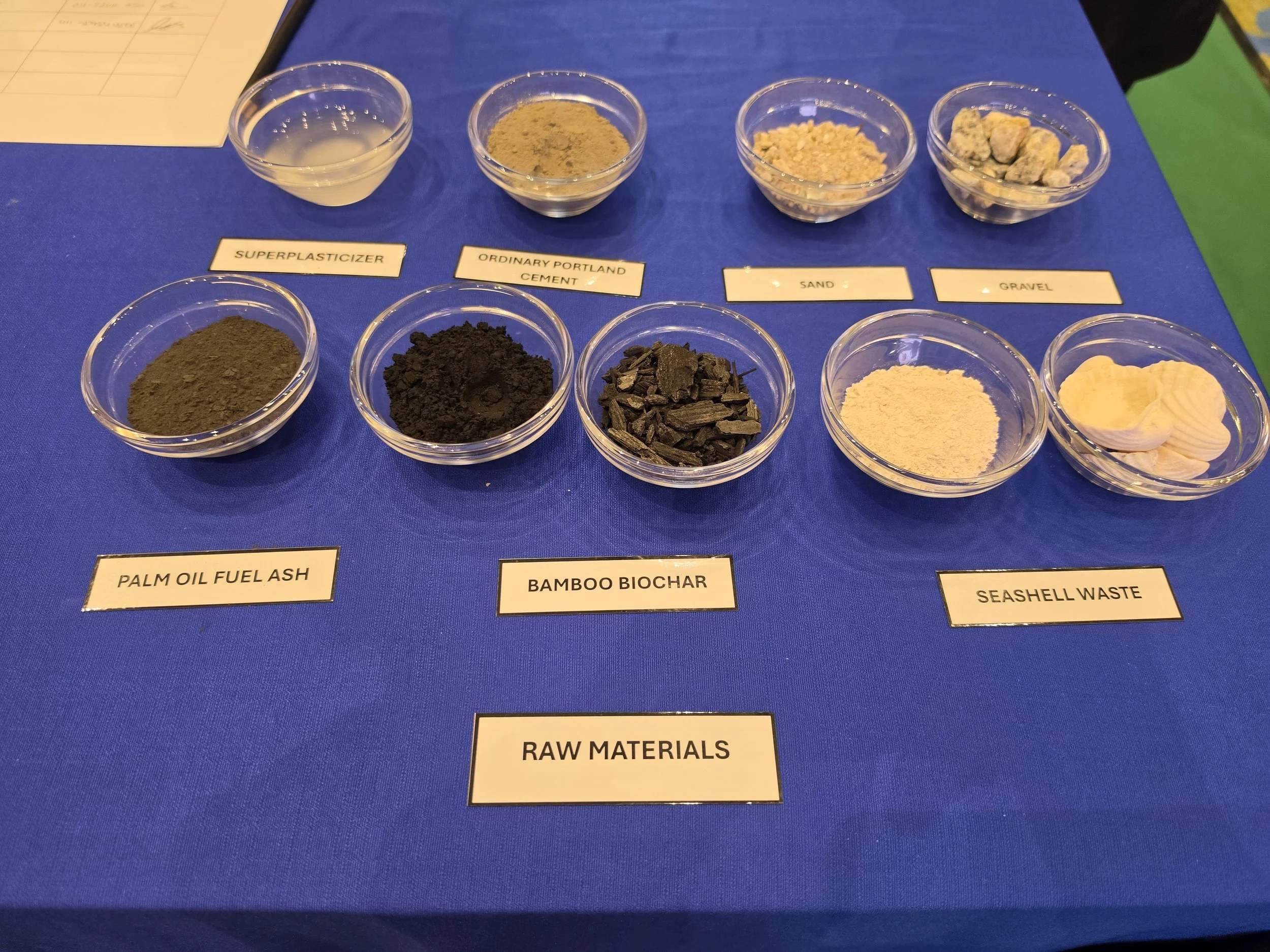
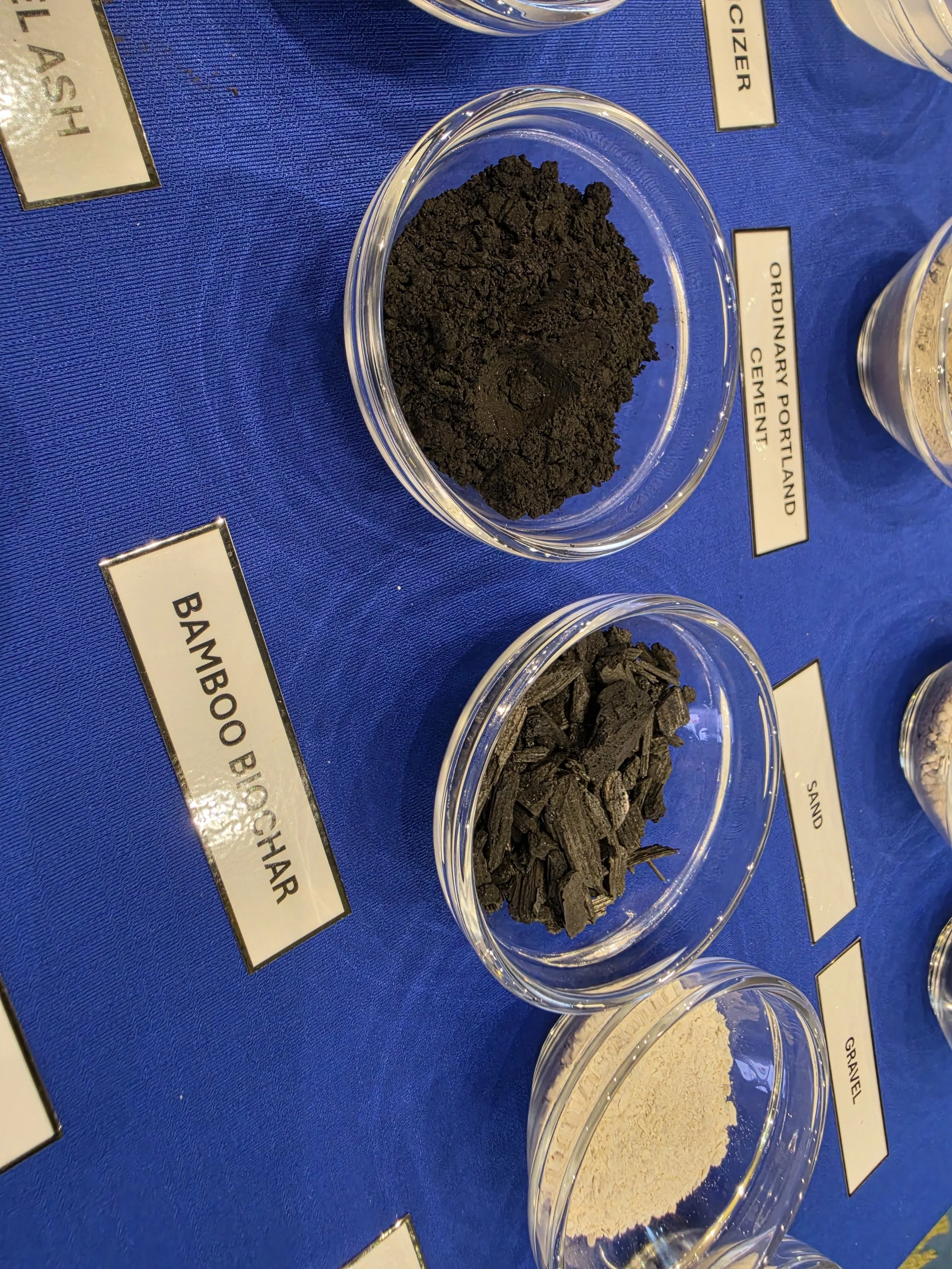
The inclusion of bamboo biochar was particularly relevant to Planters International Berhad's ongoing biomass and biochar development activities. Through its biomass initiatives and subsidiary, ArboEchoes Sdn Bhd, Planters is developing pathways for converting biomass resources into useful products, including biochar and other value-added materials.
The exhibition demonstrated how academic research is investigating additional applications for biomass-derived materials. Nevertheless, the suitability of biochar in construction depends on material properties, formulation, processing conditions and appropriate performance testing.
The displayed research should therefore be regarded as an example of scientific investigation rather than evidence that any particular biochar product has achieved commercial construction certification. For Planters, such research presents opportunities to evaluate potential downstream applications while maintaining appropriate technical and quality requirements.
Conservation Governance, Financing and Institutional Collaboration
The Sabah Biodiversity Centre's exhibition materials highlighted biodiversity governance, including Access and Benefit Sharing (ABS) principles. These frameworks address important questions concerning the responsible utilisation of biological resources, institutional responsibilities and the equitable sharing of benefits.
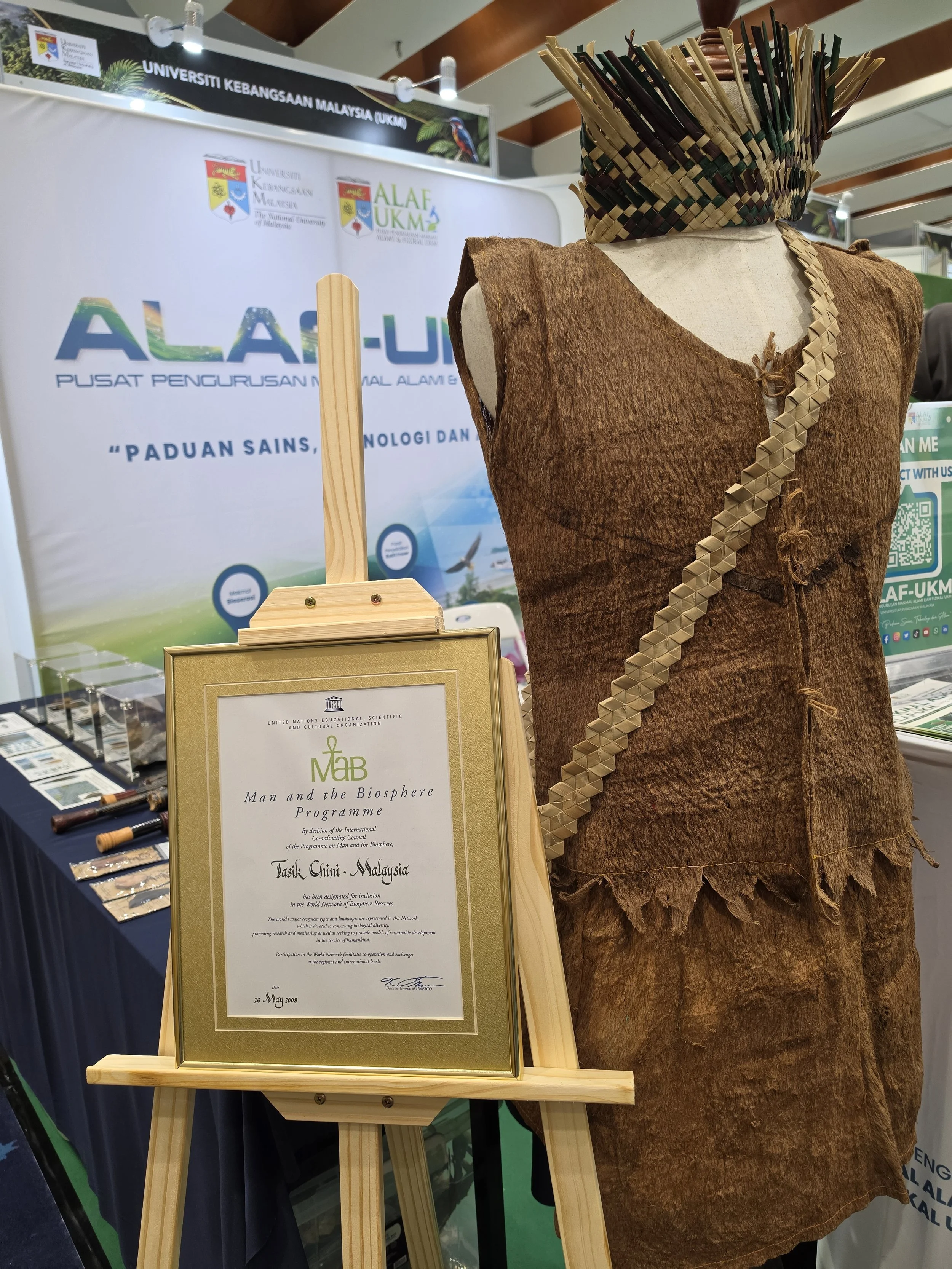
Other displays illustrated conservation planning, forest protection and the role of public engagement in maintaining biodiversity. The Penang Hill Biosphere Reserve exhibition, for example, presented materials concerning biosphere reserve management, conservation and environmental education.
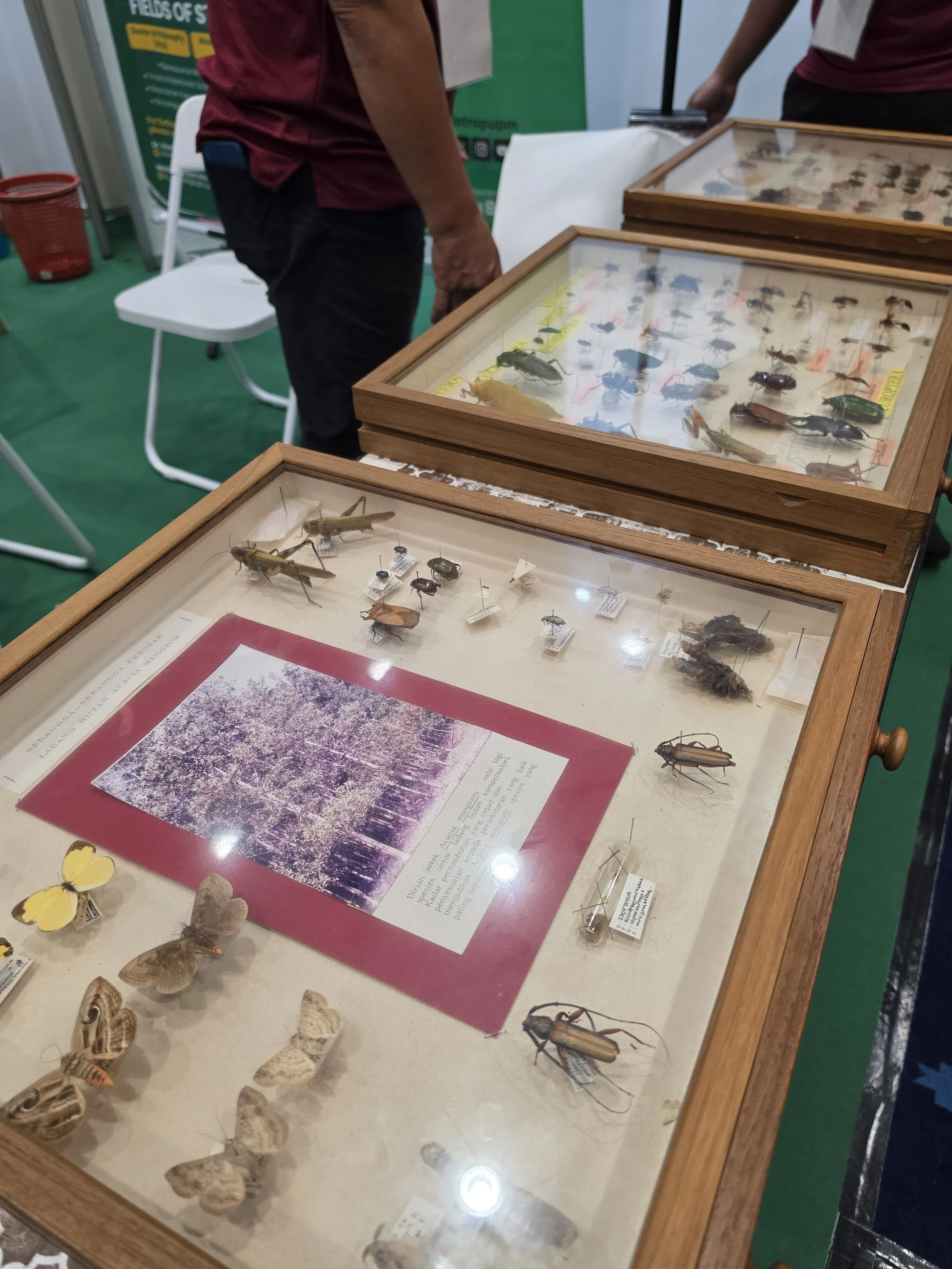
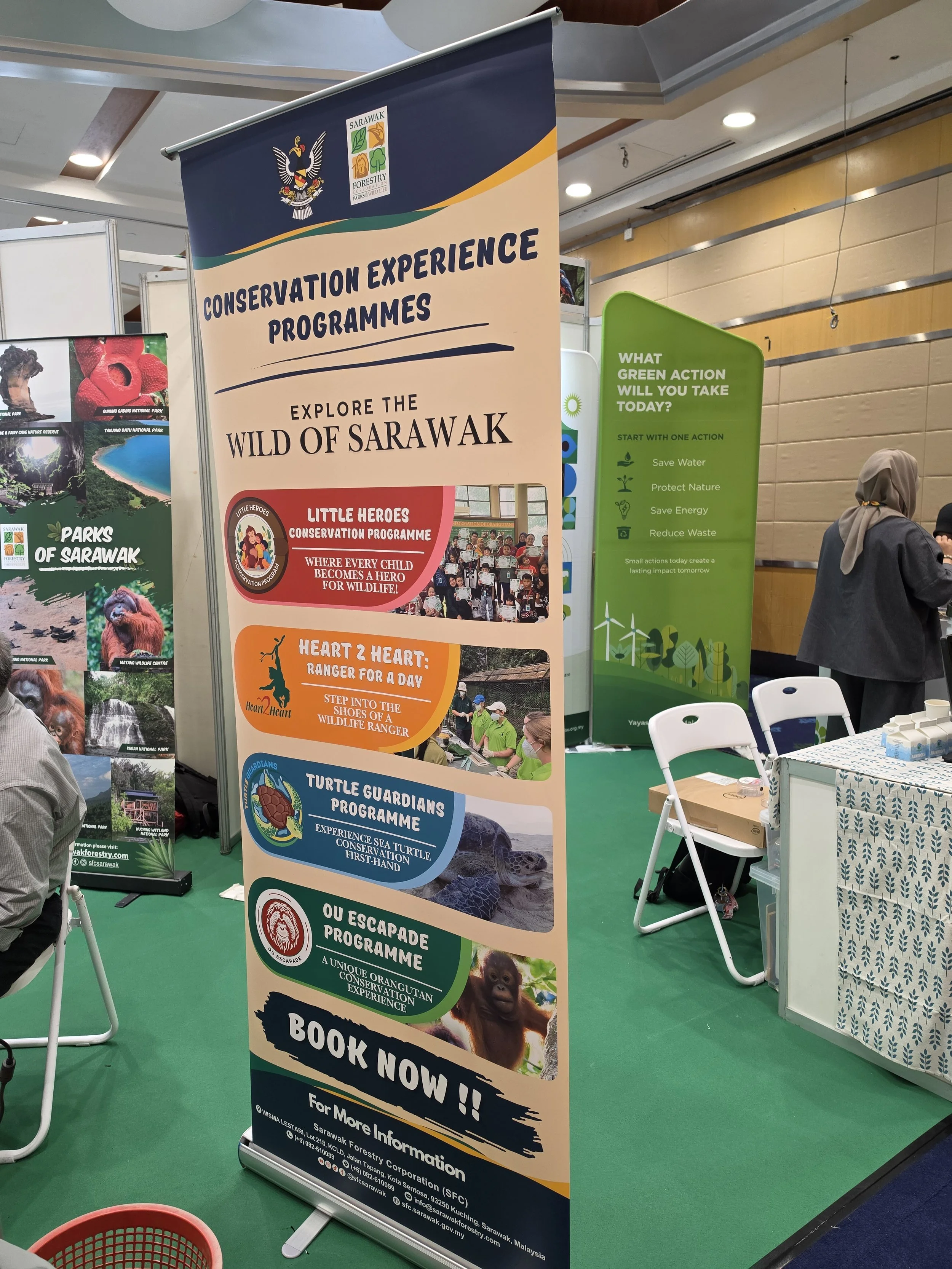
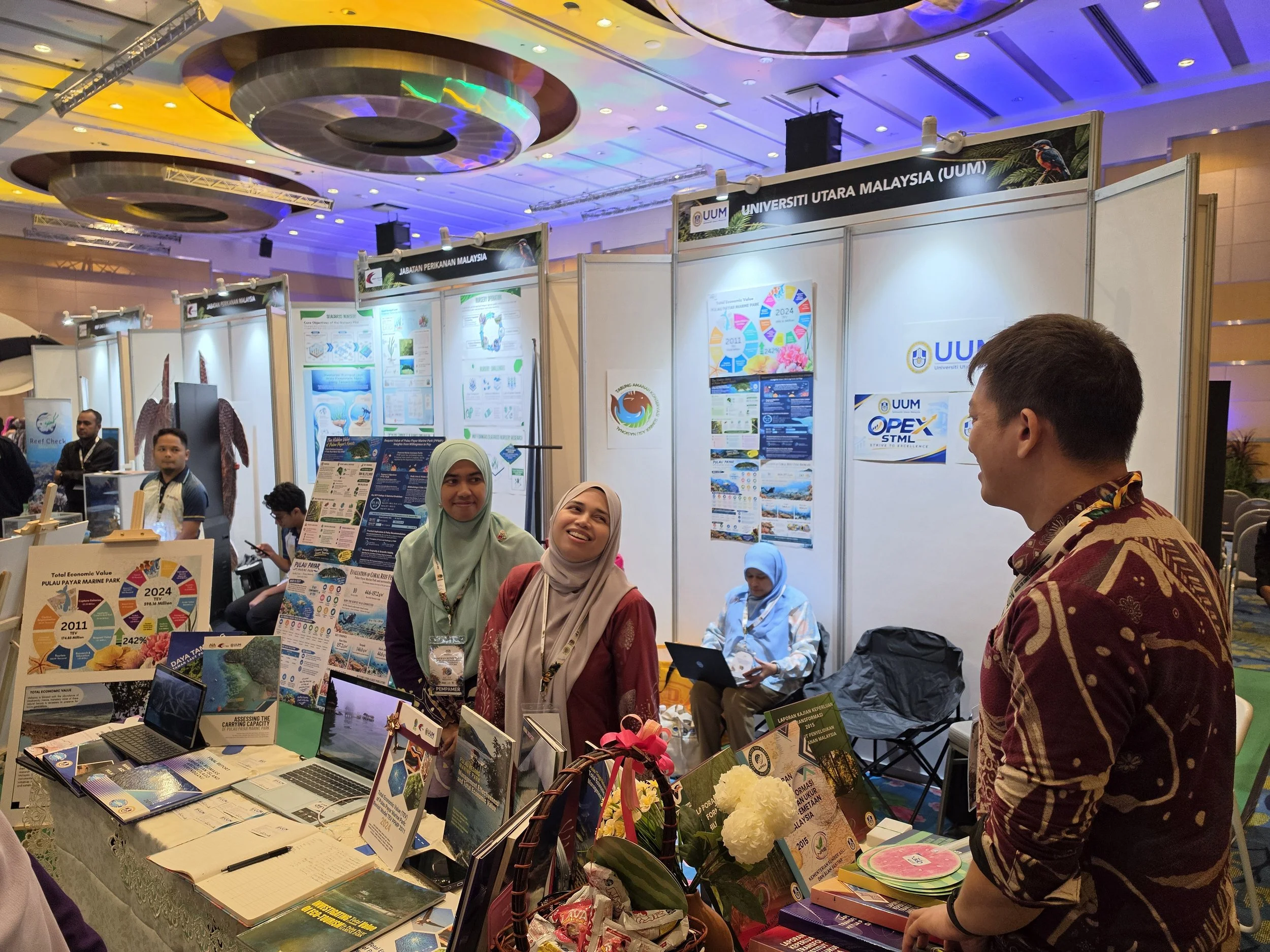
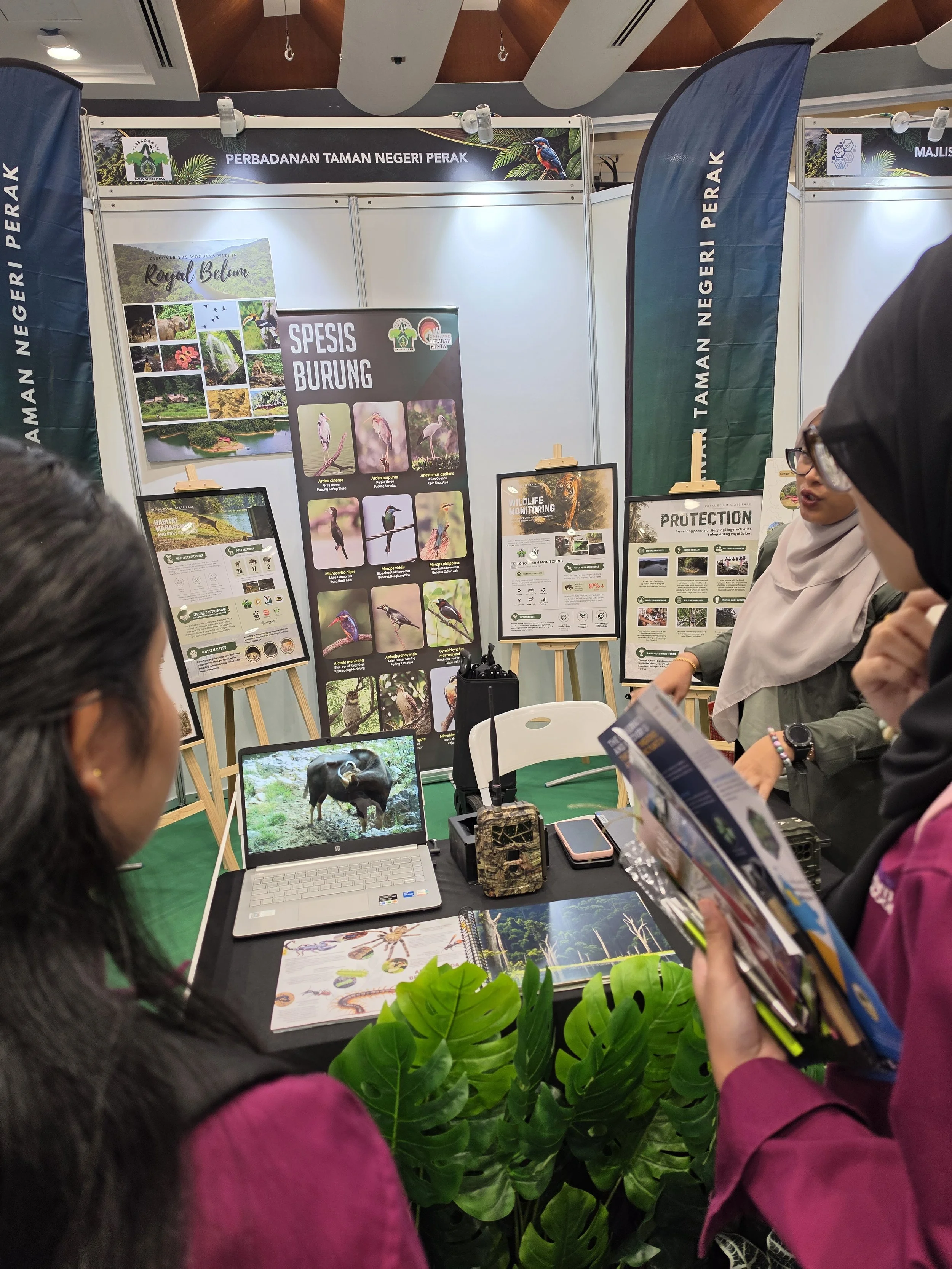
These initiatives demonstrate the importance of connecting ecological management with governance, community participation and long-term institutional support. For Planters International Berhad, conservation financing remains an important consideration in developing restoration programmes capable of operating beyond short-term project cycles.
The company's continuing engagement with financial institutions, environmental stakeholders and potential project partners reflects the need to establish sustainable financing structures for long-term environmental programmes. The NCTF framework provides a relevant national policy and financing reference, although Planters' existing projects and financing initiatives remain separate from NCTF unless formally incorporated into its programmes.
Connecting Research with Field Implementation
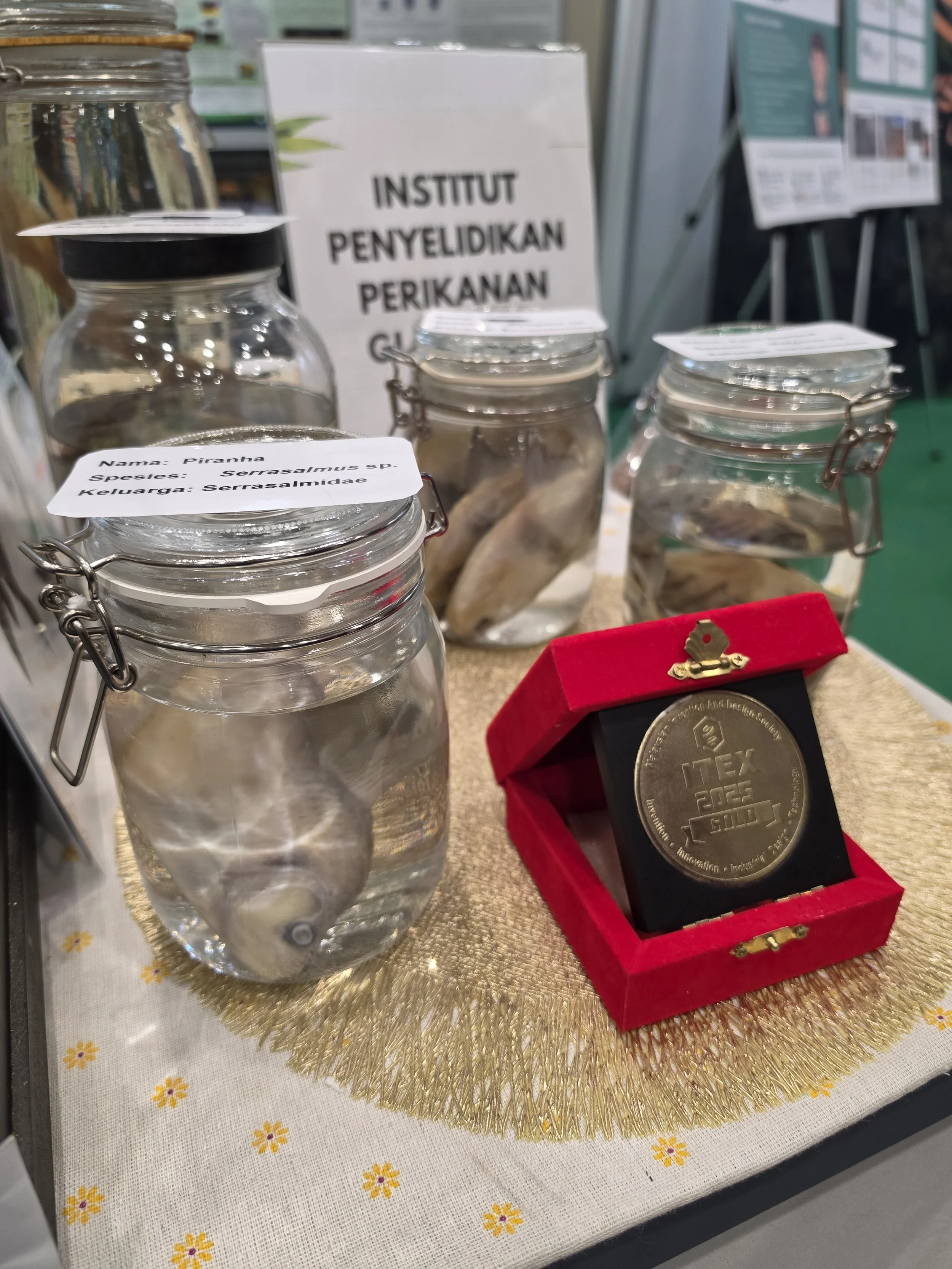
Scientific research contributes to conservation most effectively when its findings can inform practical environmental management. For Planters, this means continuously evaluating how emerging methodologies may complement existing field operations. The company's environmental assessment activities already incorporate geospatial surveys, physical boundary identification, field inventories, drone-based observations and environmental monitoring technologies. These capabilities provide an operational foundation for assessing ecosystem conditions, documenting interventions and monitoring ecological change.
The NCTF 2.0 exhibition highlighted several complementary areas of research, including aquatic biodiversity assessment, coastal habitat conservation, forest monitoring and sustainable resource utilisation. Such developments provide useful benchmarks for strengthening the scientific basis of environmental programmes. Importantly, the adoption of new technologies must remain proportionate to field requirements, operational practicality and the quality of evidence they can generate.
Advancing Integrated Ecosystem Restoration
The conservation challenges facing Malaysia's natural environments are interconnected. River pollution can influence downstream coastal ecosystems. Land-use pressures can affect biodiversity and hydrological processes. Degraded habitats may require interventions extending beyond planting activities alone. Addressing these challenges requires integrated planning across ecological, technical, institutional and financial dimensions.
Through Coastal Oasis: Sungai Klang, Planters International Berhad continues to pursue an integrated approach to riverine and coastal ecosystem restoration. The programme combines environmental rehabilitation, pollution management, biodiversity monitoring, technological assessment and stakeholder engagement within a broader ecological management framework.
The knowledge and initiatives presented at NCTF 2.0 reinforce the importance of aligning field implementation with credible scientific research and established conservation principles.
Looking Ahead
The NCTF 2.0 Conservation Exhibition 2026 provided an opportunity to appreciate the breadth of conservation research and environmental management initiatives being undertaken across Malaysia.
From mangrove and seagrass conservation to environmental DNA research, forest biodiversity protection and sustainable materials development, the exhibition demonstrated the importance of multidisciplinary approaches to conservation. For Planters International Berhad, these developments provide relevant scientific and institutional perspectives as the company continues advancing its ecosystem restoration, biodiversity monitoring and sustainable biomass initiatives.
Meaningful conservation requires more than identifying environmental challenges. It requires translating scientific knowledge into measurable, practical and sustained action.
That principle remains central to Planters International Berhad's approach to environmental restoration and long-term ecosystem management.