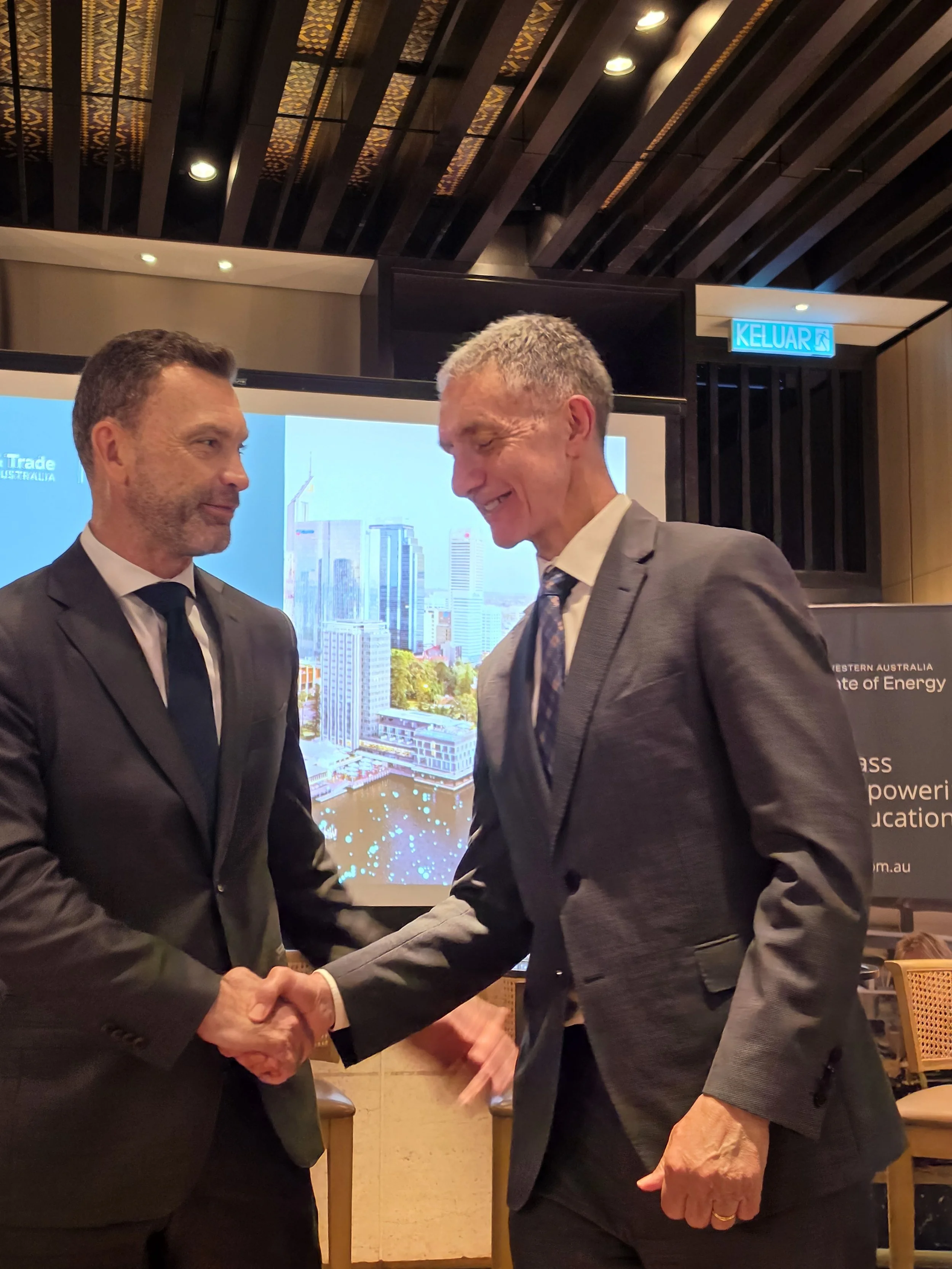
Simon Fellows, Australian Deputy High Commissioner to Malaysia welcomes Hon Dr Tony Buti MLA, Western Australia's Minister for Tertiary and International Education at Kuala Lumpur
Western Australia's education engagement in Kuala Lumpur highlights the growing importance of international learning pathways, alumni networks, industry collaboration and the application of knowledge to complex economic and environmental challenges.
KUALA LUMPUR, 6 November 2026 — The longstanding educational relationship between Malaysia and Western Australia continues to evolve beyond traditional international student mobility, with increasing emphasis on reciprocal exchanges, institutional cooperation, industry engagement and the development of capabilities needed to address emerging economic and societal challenges.
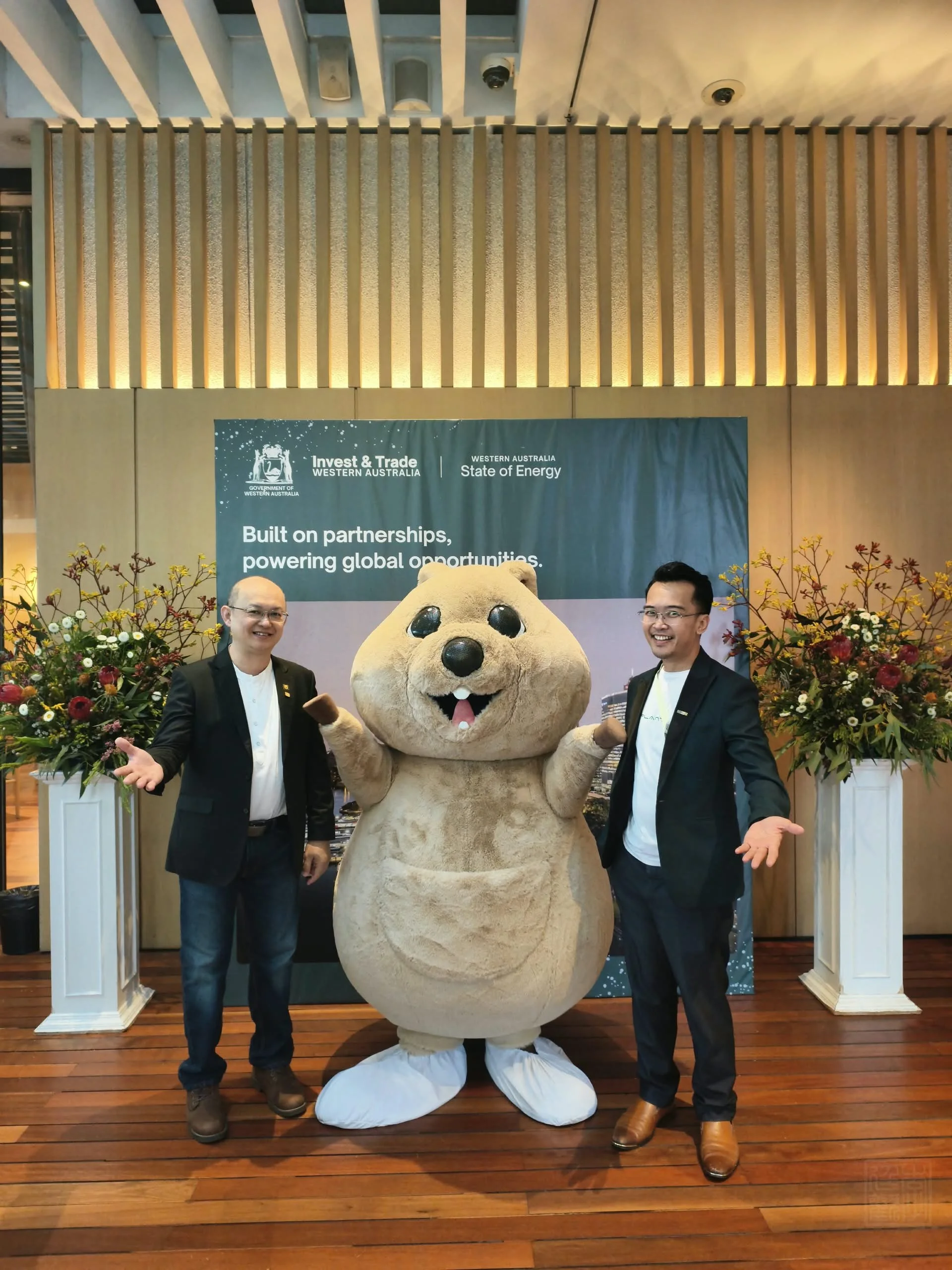
These themes were central to the Western Australia–Malaysia Education Connections Reception, held in Kuala Lumpur on 6 November 2026 under the Western Australian Government's Invest & Trade Western Australia platform.
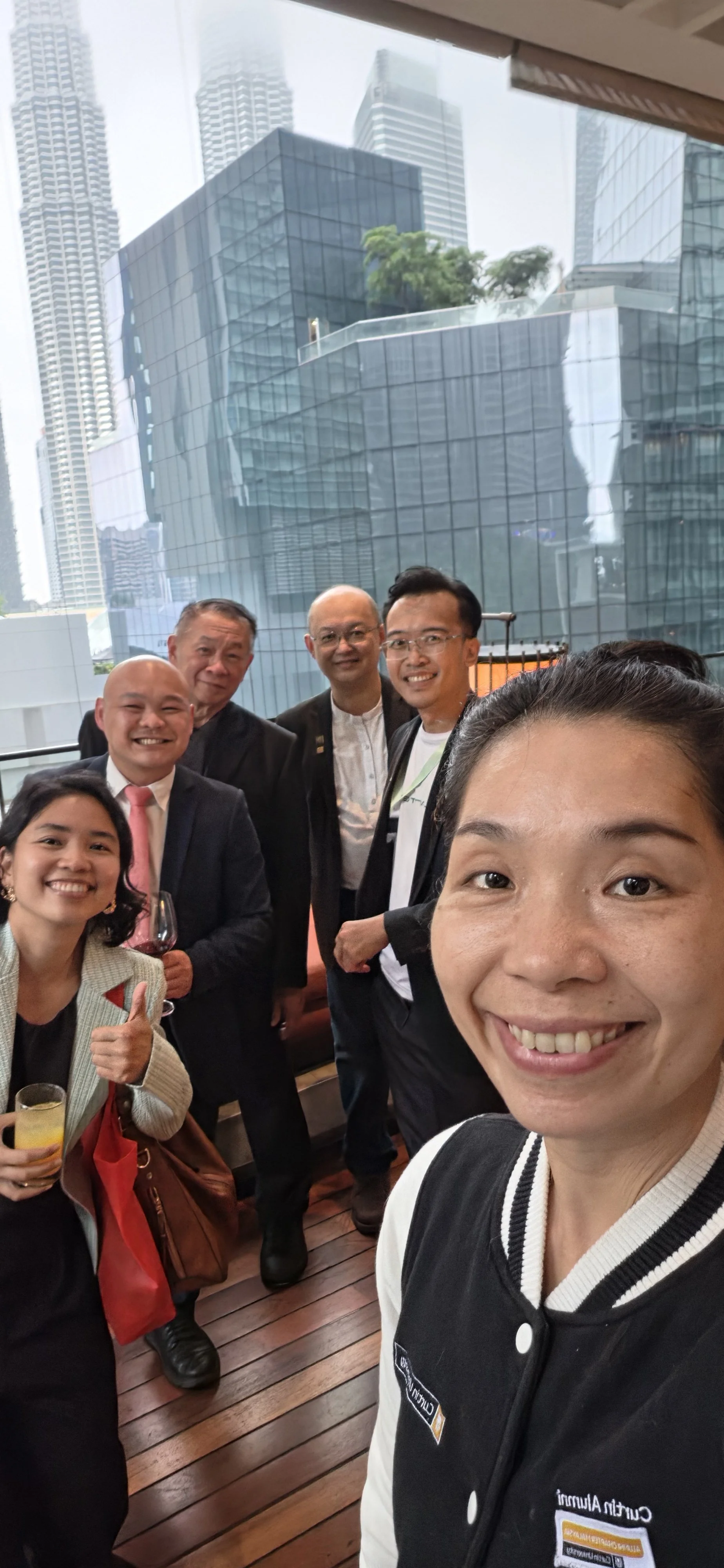
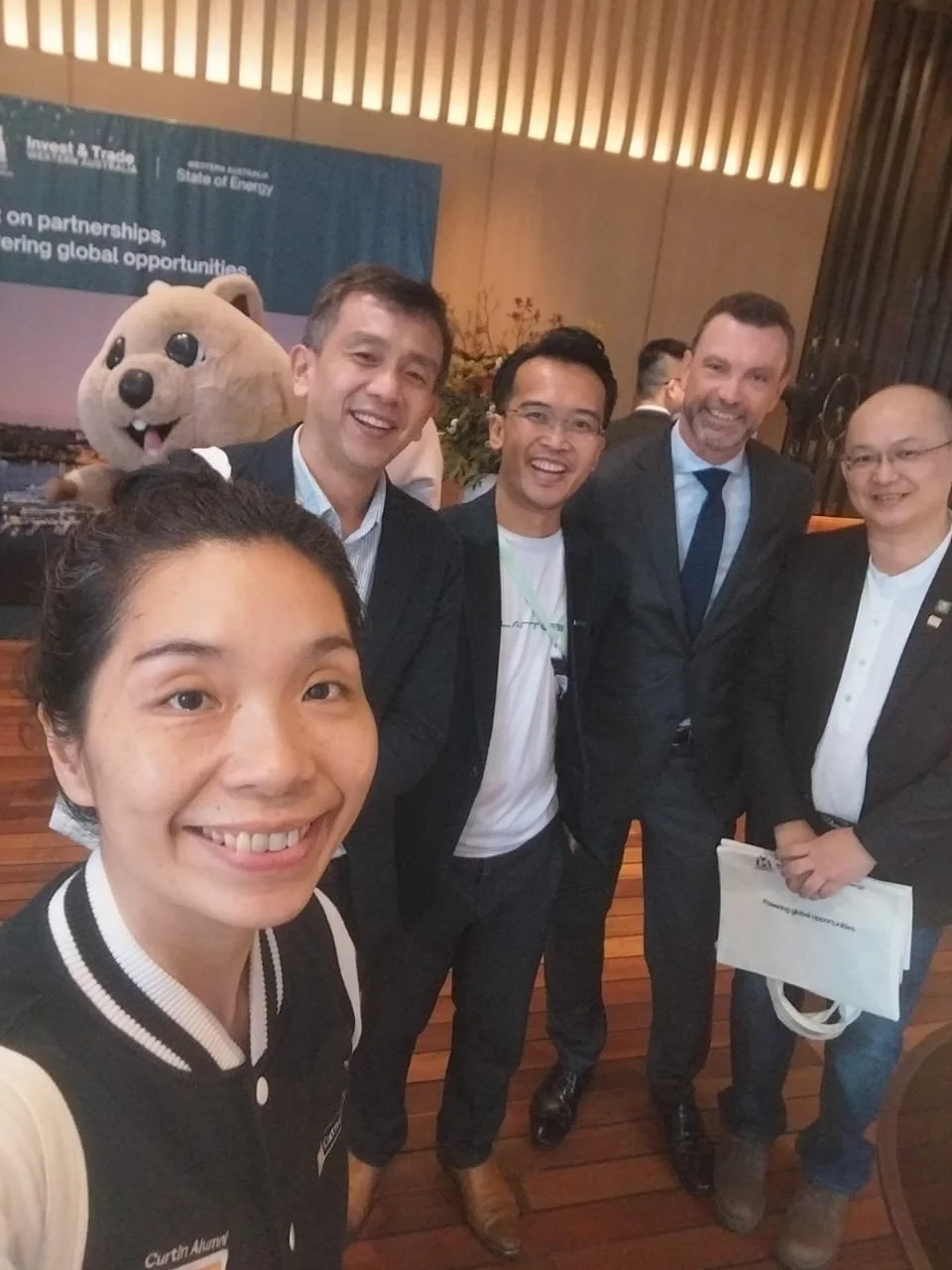
The reception brought together government representatives, educational institutions, industry leaders, education service providers and alumni to explore how established educational connections can support deeper cooperation between Malaysia and Western Australia.
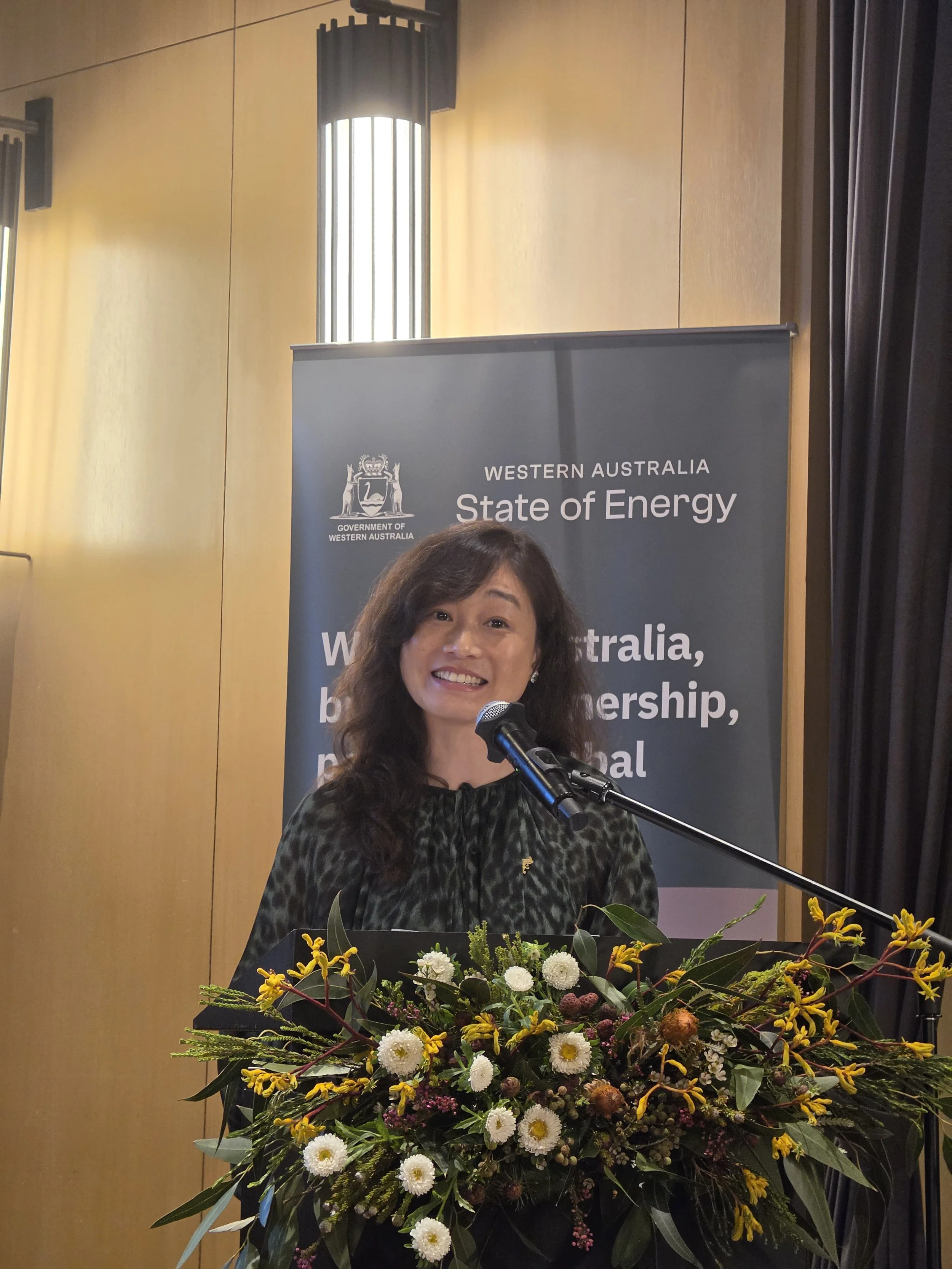
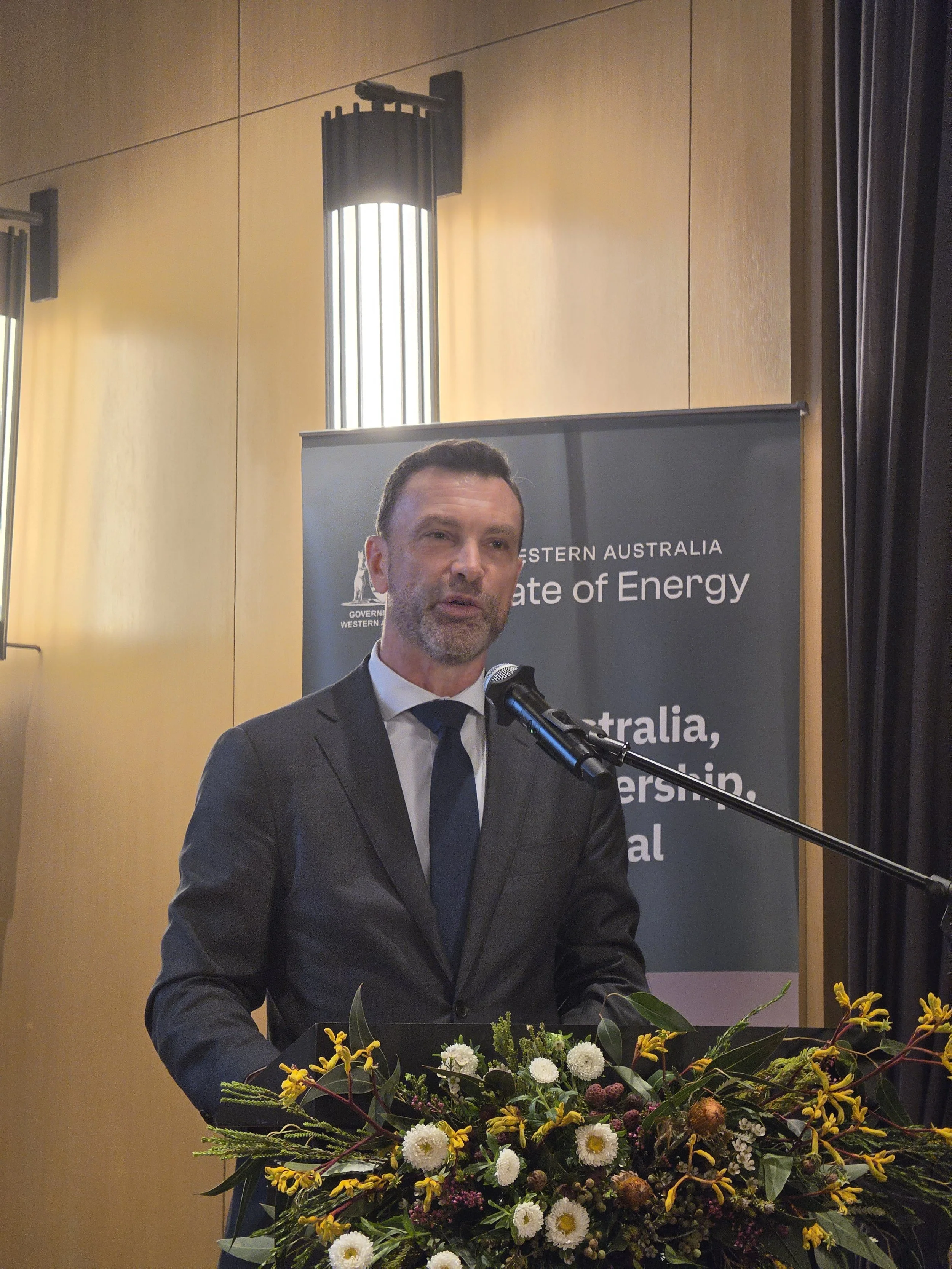
The programme featured a keynote address by Hon Dr Tony Buti MLA, Western Australia's Minister for Tertiary and International Education, alongside remarks by Simon Fellows, Australian Deputy High Commissioner to Malaysia.
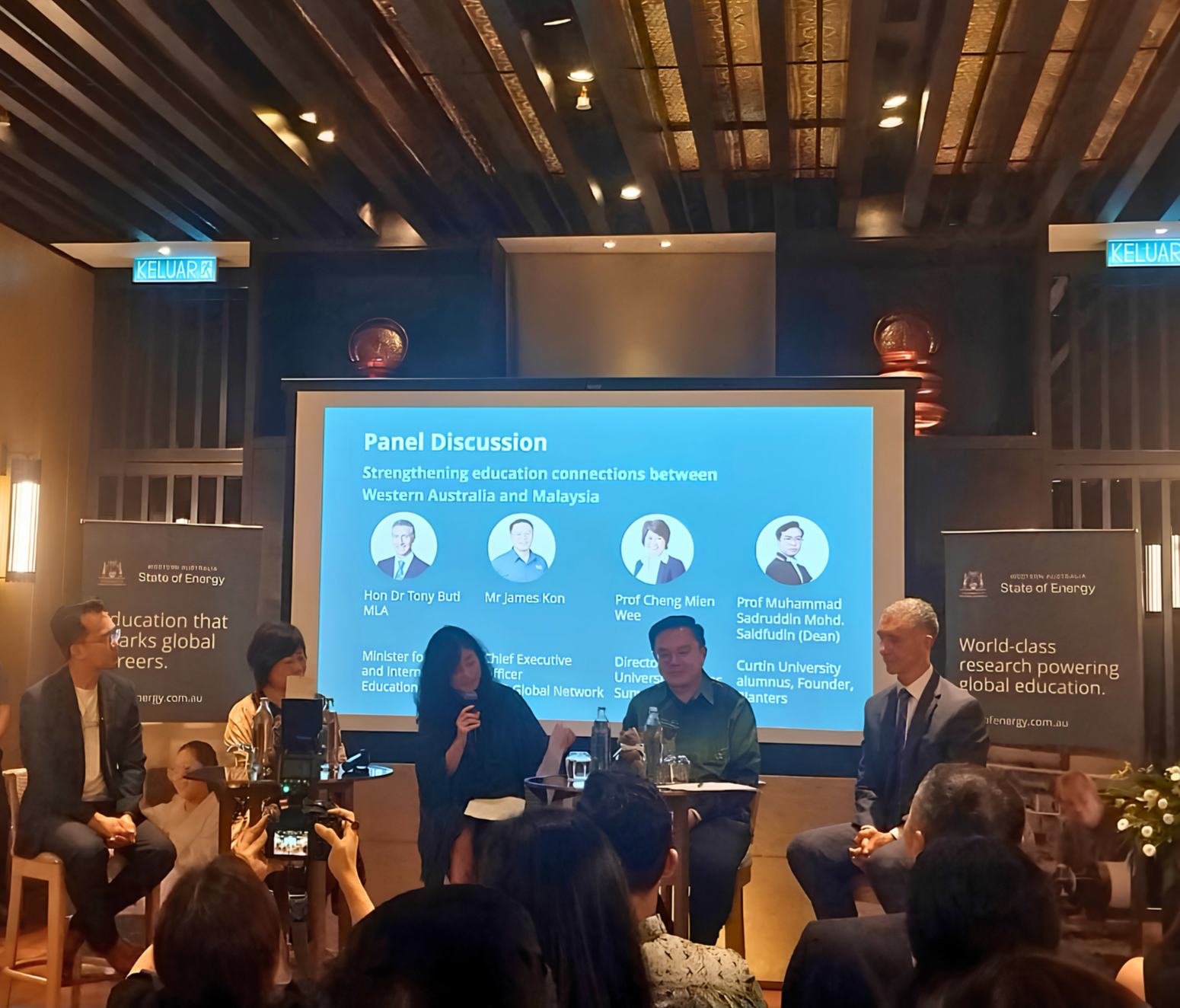
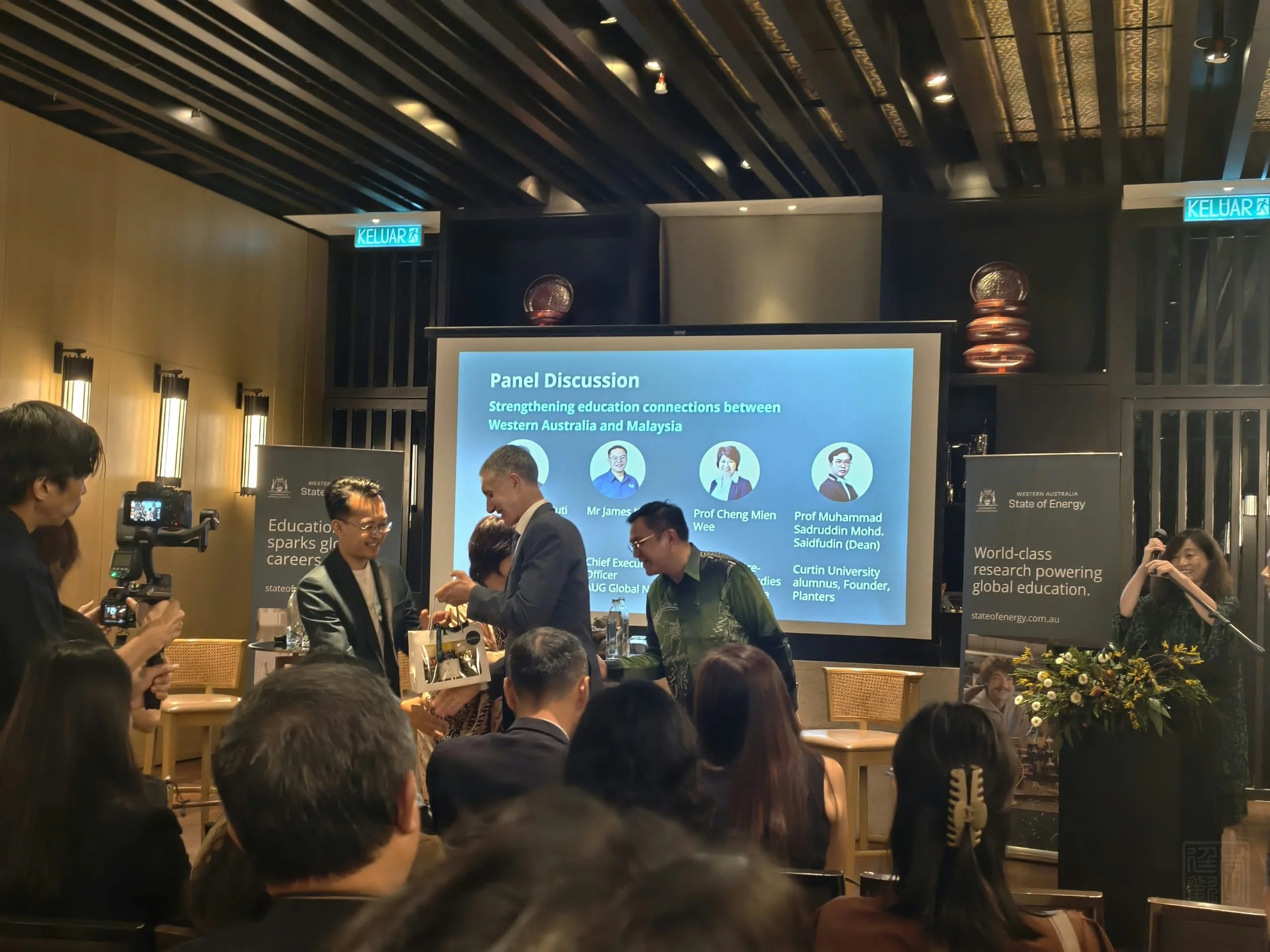
Panel Discussion: Strengthening education connections between Western Australia and Malaysia
A panel discussion titled Strengthening Education Connections Between Western Australia and Malaysia brought together Dr Buti; James Kon, Chief Executive Officer of AUG Global Network; Prof Cheng Mien Wee, Director of Pre-University Studies at Sunway College; and Planters International Berhad Chairman.
The discussions reflected a wider recognition that international education creates value beyond academic qualifications and student recruitment. Its enduring contribution lies in the knowledge, professional relationships, institutional capabilities and opportunities for collaboration that continue to develop throughout graduates' professional lives.
Education as a Strategic Foundation for Bilateral Cooperation
Building on a longstanding educational relationship
In his keynote address, Dr Buti emphasised the established educational relationship between Malaysia and Western Australia and the opportunities to strengthen it further.
He acknowledged the contributions of Malaysian students who have studied in Western Australia and subsequently returned to participate in business, industry, research and professional life.
The Minister highlighted the importance of reciprocal educational mobility, including Malaysian students studying in Western Australia, students accessing Australian education through institutions operating in Malaysia, and Australian students undertaking educational experiences in Malaysia.
Curtin University's Malaysian campus was among the examples referenced in his remarks.
This approach reflects the increasingly interconnected nature of international education, where academic pathways, transnational campuses, institutional partnerships and professional networks allow knowledge and experience to circulate across borders.
For Malaysia and Western Australia, these established relationships provide a foundation for continued cooperation in education, research, industry development and technological innovation.
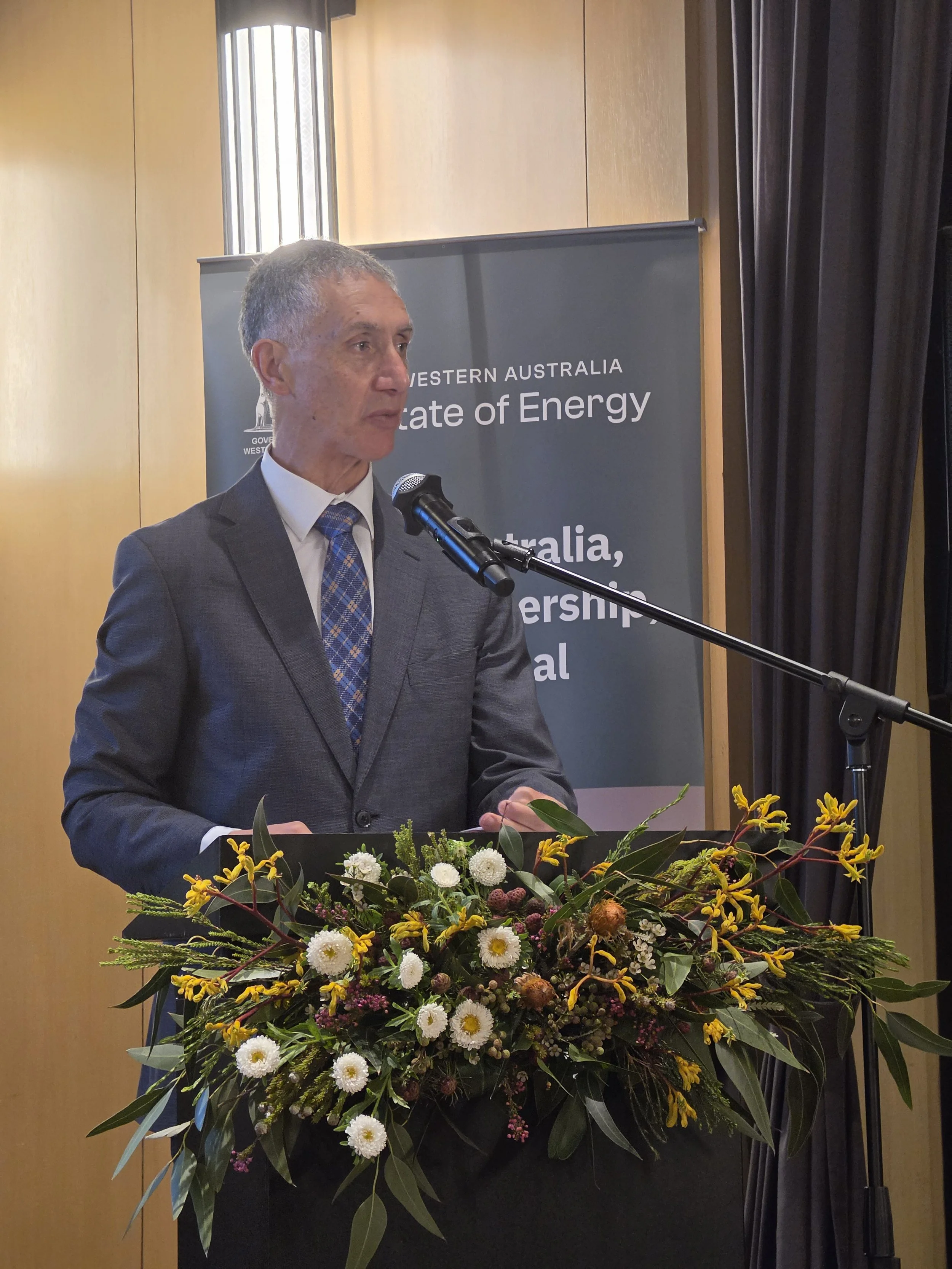
Hon Dr Tony Buti MLA, Western Australia's Minister for Tertiary and International Education
WACE and the importance of international education pathways
An important component of the discussions was the Western Australian Certificate of Education (WACE) and the role of Australian pre-university education pathways available to students in Malaysia.
Dr Buti referred to students undertaking WACE programmes alongside those pursuing education in Western Australia and those accessing Australian university education through Malaysian campuses.
WACE represents a recognised Western Australian senior secondary qualification pathway, demonstrating how international educational relationships can begin before university enrolment.
Its relevance extends beyond providing access to tertiary education.
International pre-university programmes can expose students to different educational frameworks, assessment approaches and academic expectations while supporting progression into higher education.
The presence of these pathways in Malaysia also reflects the longstanding role of local education providers in connecting Malaysian students with Western Australian educational institutions.
Together with transnational university campuses and international student mobility, such programmes contribute to a broader educational ecosystem spanning secondary preparation, tertiary education and professional development.
This continuity is particularly important as education systems seek to prepare students for increasingly specialised and interdisciplinary fields.
Preparing for technological and economic transformation
Dr Buti also situated education within the context of rapid technological and economic change.
His address identified robotics, artificial intelligence, advanced research and ocean-related sciences as areas of growing significance.
He additionally discussed Western Australia's role in Australia's AUKUS-related activities and the associated requirements for technical expertise, research capabilities and specialised workforce development.
These examples illustrate the relationship between education and the development of capabilities required by emerging industries.
The implications extend beyond individual employment opportunities.
Education systems influence the capacity of economies to adopt new technologies, develop specialised industries, strengthen research capabilities and respond to increasingly complex challenges.
For countries with longstanding educational relationships, this creates opportunities to connect academic expertise with practical industry requirements while supporting the exchange of knowledge and professional experience.
Alumni Networks and the Enduring Value of International Education
People-to-people connections as bilateral infrastructure
The importance of education beyond graduation was reinforced by Australian Deputy High Commissioner Simon Fellows.
In his remarks, Fellows traced the longstanding educational relationship between Australia and Malaysia through successive generations of Malaysian students, including participants in the original Colombo Plan.
He highlighted the contributions of Australian-educated Malaysians across government, business and other sectors, recognising their role in sustaining relationships between the two countries.
Fellows also welcomed the increasing participation of Australian students in educational experiences in Malaysia, reflecting the growing importance of reciprocal engagement.
A central theme of his address was the relationship between education, practical experience and employment.
He emphasised that connections between educational institutions and industry can help students develop capabilities that translate into professional opportunities while contributing to the economies of both countries.
Describing alumni as the "beating heart" of the Australia–Malaysia relationship, Fellows underscored the importance of relationships that continue long after formal education has concluded.
From alumni engagement to professional collaboration
Alumni networks provide an important link between universities, professional communities, industry and public institutions.
Their relevance extends beyond maintaining personal or institutional relationships.
Graduates working across different sectors can contribute to mentoring, professional exchanges, business collaboration and the identification of emerging industry needs.
They can also help connect academic expertise with practical challenges encountered in commercial, technological and environmental settings.
For universities, these relationships offer opportunities to understand changing professional requirements and the application of academic knowledge beyond the classroom.
For industry, alumni networks can facilitate access to specialised expertise, research perspectives and broader professional connections.
The longer-term value of such networks lies in their capacity to support sustained cooperation between institutions and economies.
Connecting Education with Industry and Complex Project Delivery
Translating academic foundations into practical capabilities
The reception's panel discussion brought together perspectives from government, education, student services, industry and alumni communities.
The discussion highlighted the importance of connecting educational experience with practical professional capabilities and the demands of increasingly complex industries.
Among the perspectives presented was the challenge of managing large-scale, multidisciplinary projects, including environmental programmes such as Coastal Oasis: Sungai Klang.
Complex projects of this nature require coordination across technical disciplines, financial resources, institutional responsibilities, operational activities and long-term objectives.
Their successful management depends not only on specialised expertise but also on the ability to integrate different forms of knowledge within a coherent decision-making and governance framework.
Environmental restoration programmes, for example, involve ecological science, geospatial assessment, engineering, data management, stakeholder engagement, financial planning and operational oversight.
The interdependence of these functions means that decisions made in one area can affect activities, resources and outcomes elsewhere.
Managing such complexity requires analytical thinking, financial discipline, accountability, effective coordination and the ability to interpret information across specialised fields.
These are transferable professional capabilities that remain relevant across industries, regardless of an individual's original academic discipline.
Why interdisciplinary capability matters
The growing complexity of contemporary industries has important implications for education and workforce development.
Traditional academic disciplines remain essential for developing specialised knowledge. However, many professional challenges increasingly require individuals to work across disciplinary boundaries.
Environmental management illustrates this particularly clearly.
A restoration programme may require ecological assessments, geospatial surveys, engineering interventions, procurement, environmental monitoring, financial governance and engagement with public authorities and communities.
These functions cannot be managed effectively as entirely independent activities.
They must be coordinated within an integrated operational framework that accounts for technical requirements, resource constraints, regulatory obligations and long-term performance.
The wider implication for education–industry engagement is that professional readiness involves more than technical proficiency.
It also requires judgement, adaptability, systems thinking and the ability to translate knowledge into practical decisions.
Environmental Restoration as an Applied Knowledge System
Coastal Oasis: Sungai Klang and integrated environmental management
For Planters International Berhad, the relationship between education, technological capability and practical implementation is reflected in its ongoing environmental restoration and sustainable bioeconomy activities.
The company's Coastal Oasis: Sungai Klang & Coastal Isles Eco-Restoration and Biodiversity Innovation Program provides an example of the multidisciplinary requirements involved in contemporary ecosystem management.
The programme encompasses the Sungai Klang river corridor, associated riparian and mangrove ecosystems, and coastal environments.
Its official programme reference covers approximately 27,960 hectares along a 56-kilometre river corridor, with broader geospatially mapped management areas subject to separate boundary delineation.
The programme brings together ecosystem restoration, biodiversity conservation, riverine waste interception, water-quality monitoring, environmental surveillance and community engagement.
Its implementation framework involves coordination among ecological, technical, operational, financial and institutional functions.
Such programmes require the integration of field assessments, restoration methodologies, environmental information, resource planning and long-term management responsibilities.
They also demonstrate why environmental restoration cannot be approached solely as a scientific or engineering exercise.
It is equally a challenge of systems integration, institutional accountability and sustained operational delivery.
Environmental intelligence and emerging technologies
The Minister's references to artificial intelligence, robotics and advanced research are particularly relevant to the changing technological requirements of environmental management.
Across the environmental sector, technologies such as LiDAR, unmanned aerial systems, remote sensing, automated sensors, geospatial information systems and machine learning are creating new opportunities to collect and interpret environmental information.
Planters' environmental intelligence framework incorporates several of these technological domains to support field assessment, environmental surveillance, biodiversity monitoring and restoration planning.
The integration of environmental information can improve the basis for operational decisions and support more systematic monitoring, reporting and verification processes.
However, technological sophistication alone does not establish environmental performance.
Reliable field methodologies, appropriate ecological baselines, data quality, verification procedures and institutional accountability remain essential.
The practical value of environmental technologies therefore depends on how effectively they are incorporated into defensible methodologies and operational systems.
This creates an important intersection between academic research, technical education and industry implementation.
Sustainable bioeconomy and technical capability development
Similar multidisciplinary considerations apply to the development of sustainable bioeconomy activities.
Planters' work involving biomass recovery, biochar and organic resource utilisation brings together material science, processing technologies, environmental management, logistics and commercial considerations.
The development of resource-based industries requires knowledge of feedstock characteristics, conversion processes, product quality, environmental performance and operational efficiency.
It also involves supply-chain management, regulatory compliance, financial viability and market development.
These activities illustrate how environmental objectives increasingly intersect with industrial processes and technological innovation.
For educational institutions, the sustainable bioeconomy presents potential areas for applied research and technical capability development.
For industry, engagement with research institutions can contribute to technical problem-solving, process improvement and the development of more reliable operating methodologies.
Any specific research or educational collaboration would require defined objectives, suitable institutional arrangements and mutually agreed responsibilities.
Towards More Substantive Malaysia–Western Australia Education Partnerships
The discussions in Kuala Lumpur highlighted several considerations for the future of bilateral education cooperation.
Reciprocal mobility and institutional exchange
The emphasis on two-way educational engagement suggests opportunities extending beyond conventional overseas degree programmes.
Pre-university pathways, transnational campuses, research visits, professional placements and institutional exchanges can provide different forms of international educational experience.
Such arrangements can strengthen familiarity with different academic, cultural and professional environments while supporting knowledge exchange.
Industry relevance and workforce development
Closer engagement between educational institutions and industry can help connect academic capabilities with evolving workforce requirements.
Practical exposure allows students and researchers to better understand the technical, organisational and institutional challenges encountered outside academic settings.
This is particularly relevant in sectors where operational outcomes depend on integrating expertise from multiple disciplines.
The objective is not to replace academic learning with vocational experience, but to strengthen the relationship between foundational knowledge, specialised expertise and professional application.
Applied research and shared sustainability challenges
Malaysia and Western Australia also have areas of potential common interest in climate resilience, coastal environments, resource efficiency, environmental monitoring and technological innovation.
Although environmental conditions, regulatory systems and development priorities differ, these areas may provide opportunities for comparative research, technical exchanges and the development of context-specific methodologies.
The application of emerging technologies to environmental challenges is especially relevant as governments and industries seek more reliable information for planning, monitoring and investment decisions.
Research collaboration in these areas would need to be grounded in clearly defined scientific questions, appropriate methodologies and suitable institutional arrangements.
Education, Industry and Sustainable Development
The wider significance of the Western Australia–Malaysia Education Connections Reception lies in its recognition of education as a continuing platform for bilateral cooperation.
International education creates connections between individuals, institutions and economies.
Its longer-term value depends on how those connections contribute to knowledge development, professional capability, innovation and economic participation.
For industry, this requires continued engagement with research, technology and emerging skills.
For educational institutions, it reinforces the importance of understanding how academic knowledge is applied beyond the classroom.
For policymakers, it highlights the relationship between international education, workforce development and broader economic cooperation.
These considerations are increasingly relevant to environmental sustainability, where complex challenges require coordinated contributions from researchers, technical specialists, industry operators, financial institutions, public authorities and communities.
Planters International Berhad's ongoing activities in environmental restoration, biodiversity monitoring, environmental intelligence and the sustainable bioeconomy reflect the importance of integrating these capabilities within practical programmes.
Its participation in the reception formed part of the wider exchange of perspectives on how education and professional experience can contribute to long-term development.
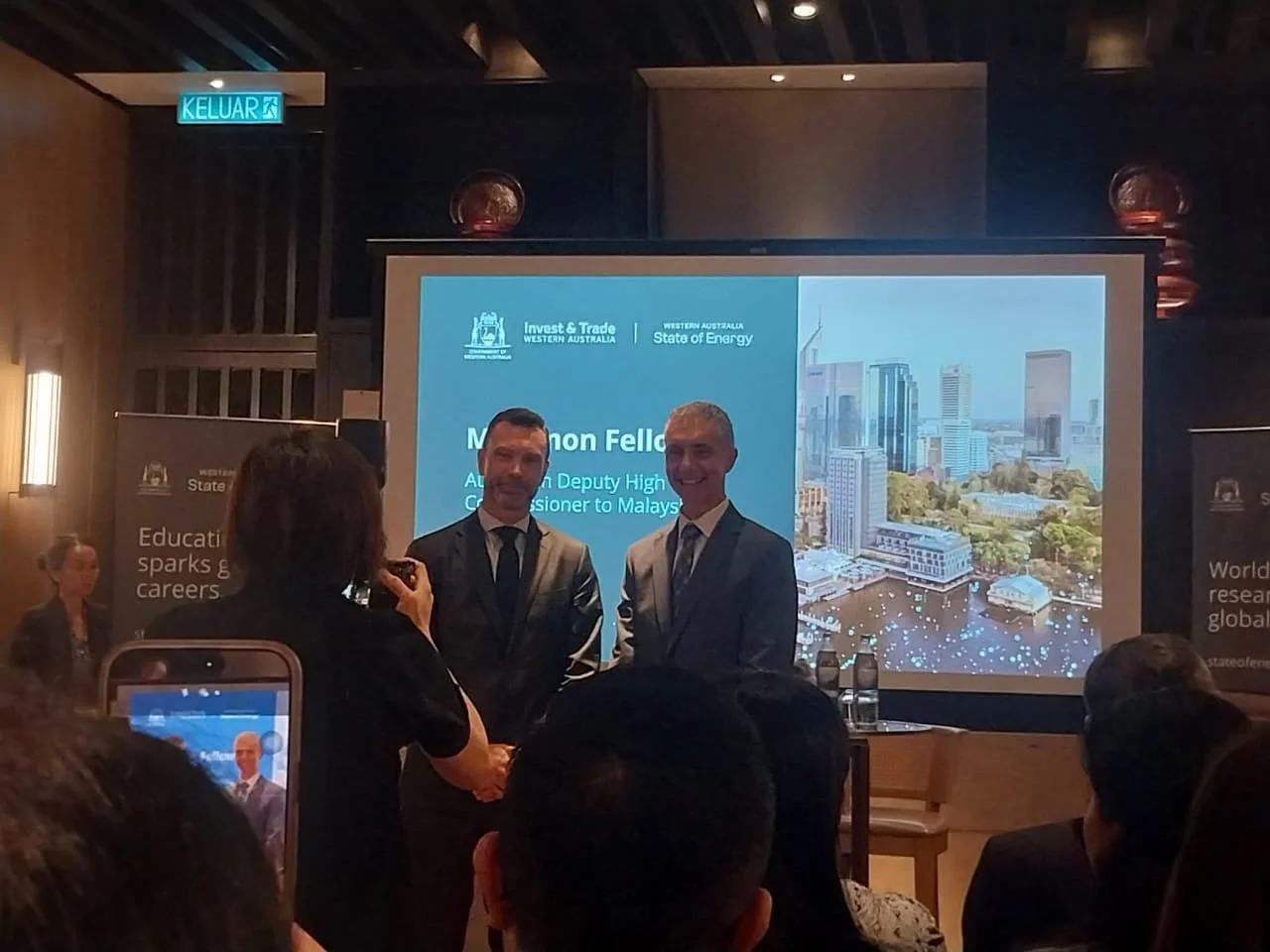
Looking Ahead: From Educational Connections to Practical Cooperation
The addresses by Dr Buti and Fellows provided complementary perspectives on the future of Malaysia–Western Australia education connections.
The Minister emphasised reciprocal educational opportunities, technological development and the importance of preparing individuals for changing economic conditions.
The Australian Deputy High Commissioner highlighted the enduring contribution of alumni networks, institutional relationships and practical industry experience to bilateral cooperation.
Together, these perspectives point towards an increasingly important dimension of international education: its capacity to support collaboration that continues beyond formal study and throughout professional life.
As economies respond to technological transformation, climate-related challenges and evolving workforce requirements, the connections between education, research and industry will remain essential.
For Malaysia and Western Australia, the opportunity is to build on an established educational relationship by strengthening the practical exchange of knowledge, capabilities and experience.
The enduring value of international education lies not only in where people study, but in how the knowledge, relationships and capabilities they develop contribute to the societies and industries they subsequently serve.