Insights from the 2026 Korea–Southeast Asia Strategic Policy Forum | Kuala Lumpur, Malaysia | 5 November 2026
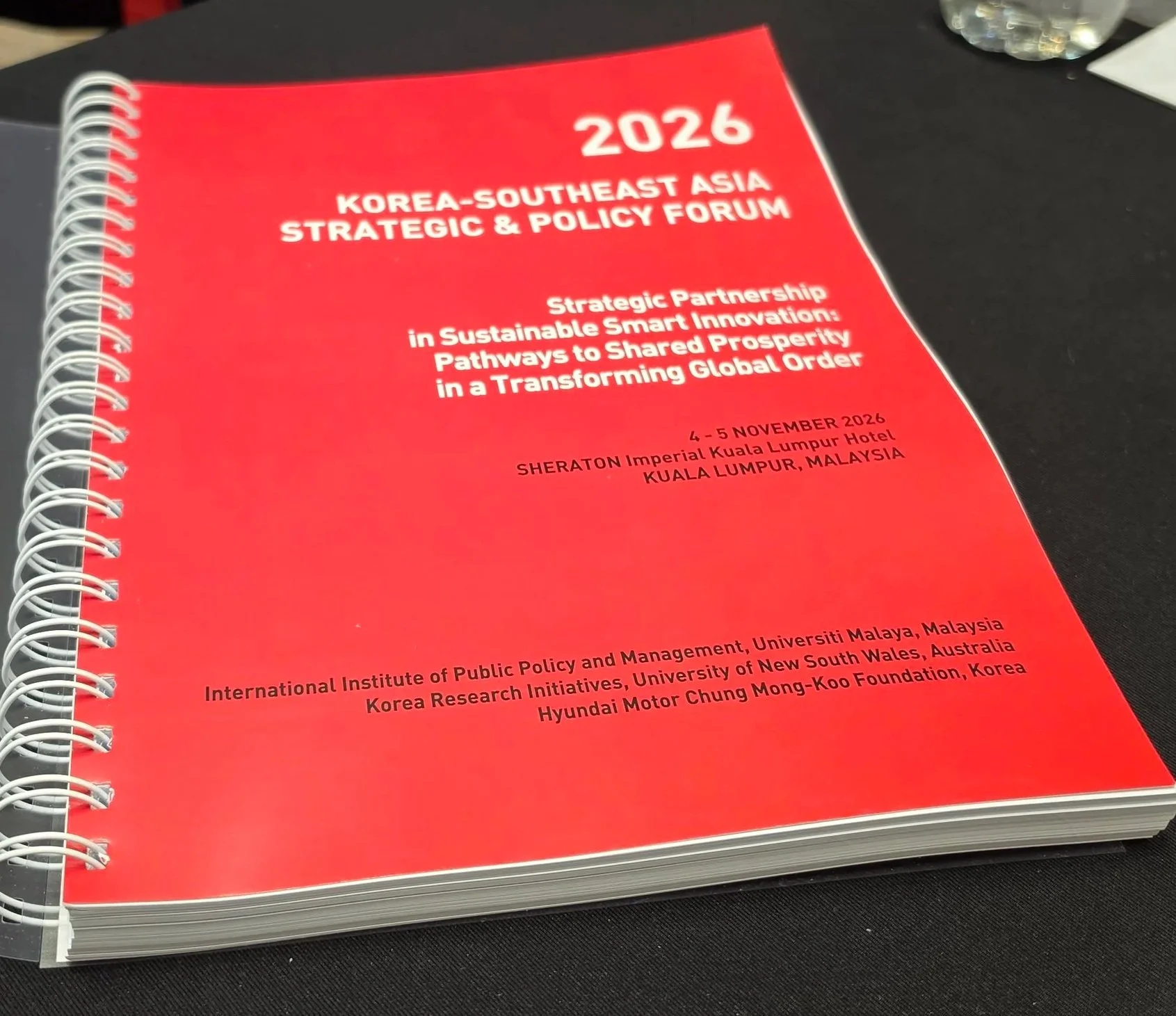
2026 Korea–Southeast Asia Strategic Policy Forum - Strategic Partnerships for Sustainable Smart Innovation: Pathways to Shared Prosperity in a Transforming Global Order.
As global value chains undergo structural realignment, the future of industrial competitiveness increasingly depends on more than manufacturing capacity, foreign investment or access to advanced technologies. Economic resilience, domestic innovation capabilities, institutional cooperation and sustainable resource management are becoming equally important determinants of long-term growth.
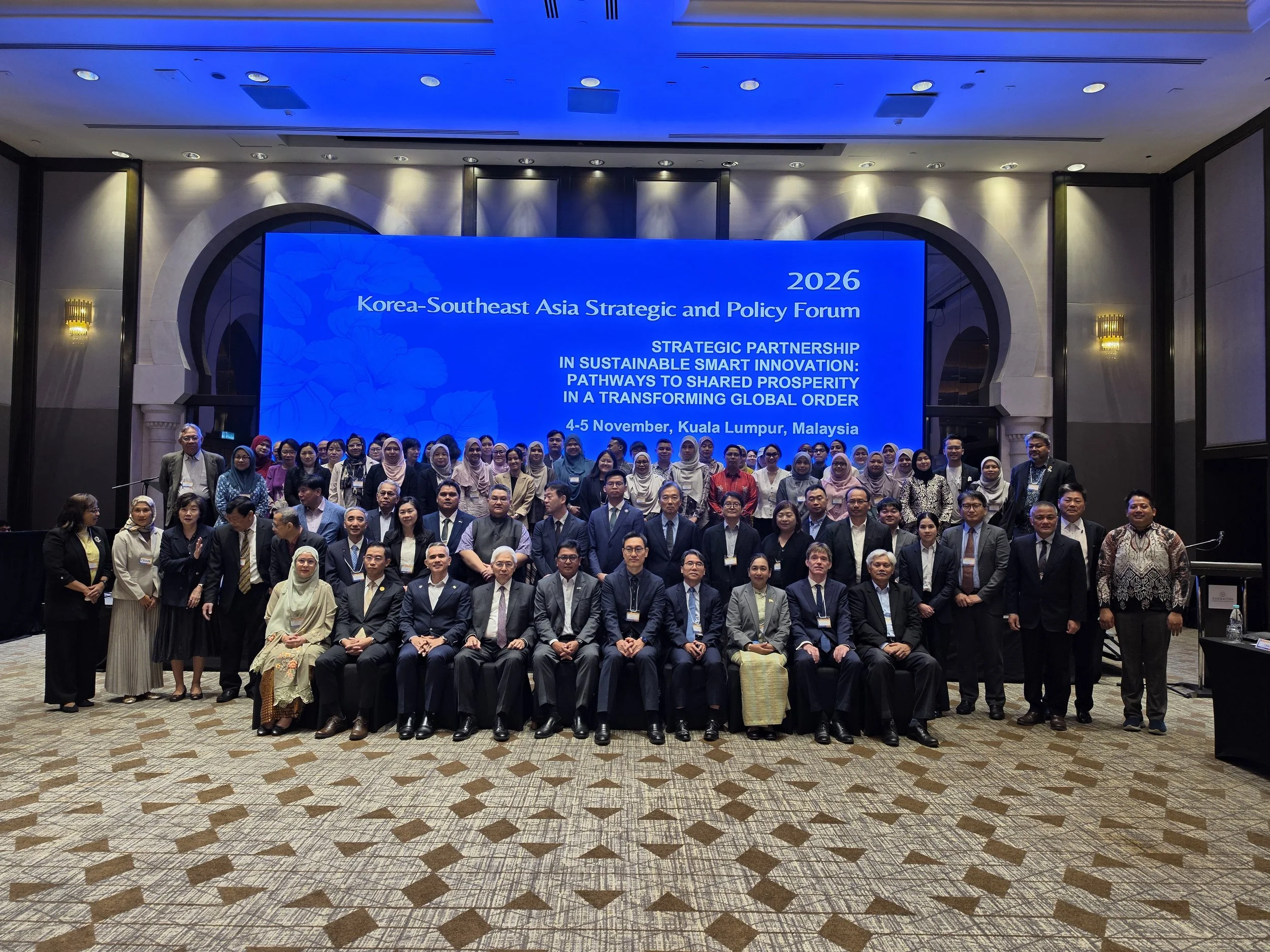
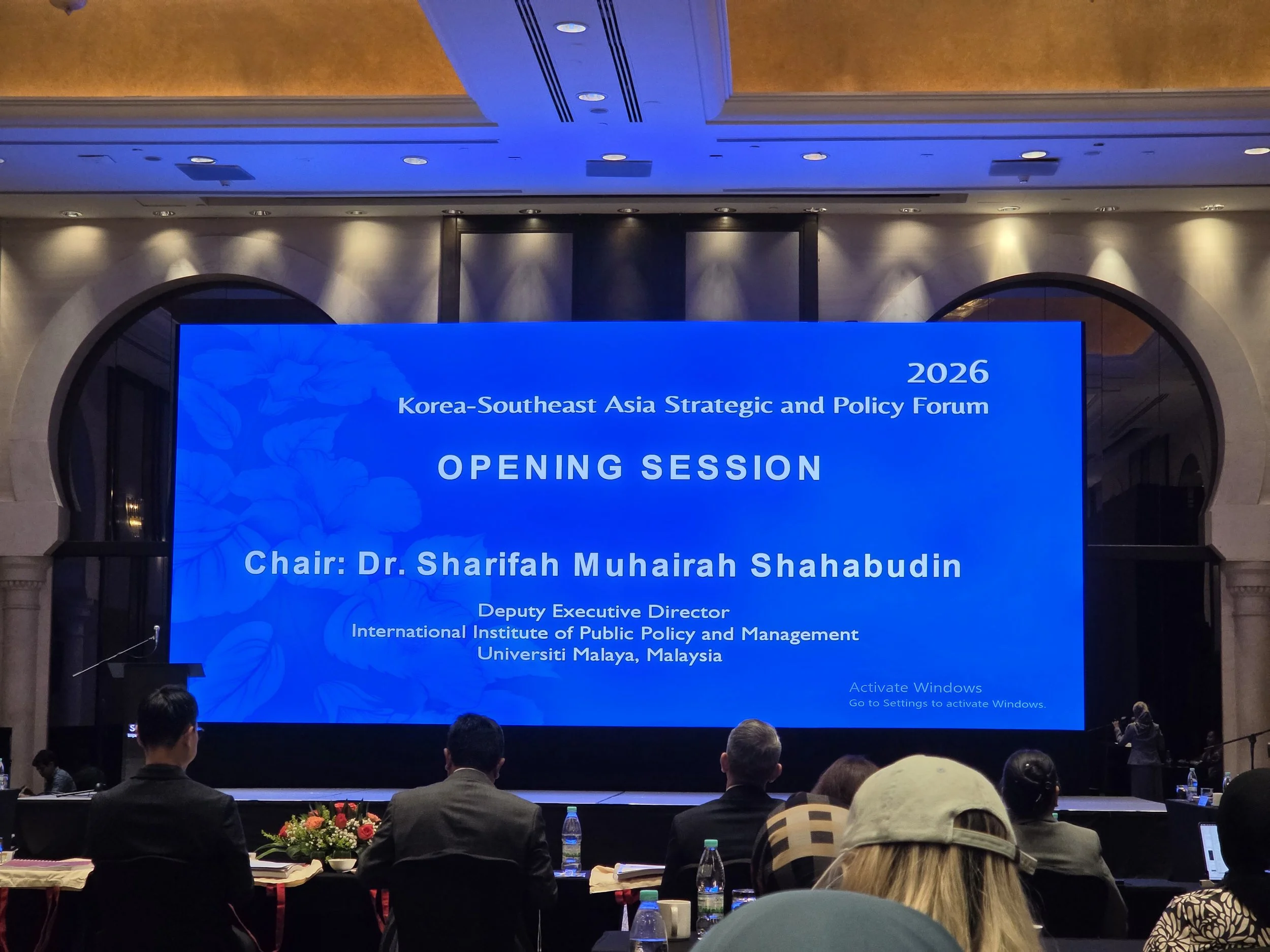
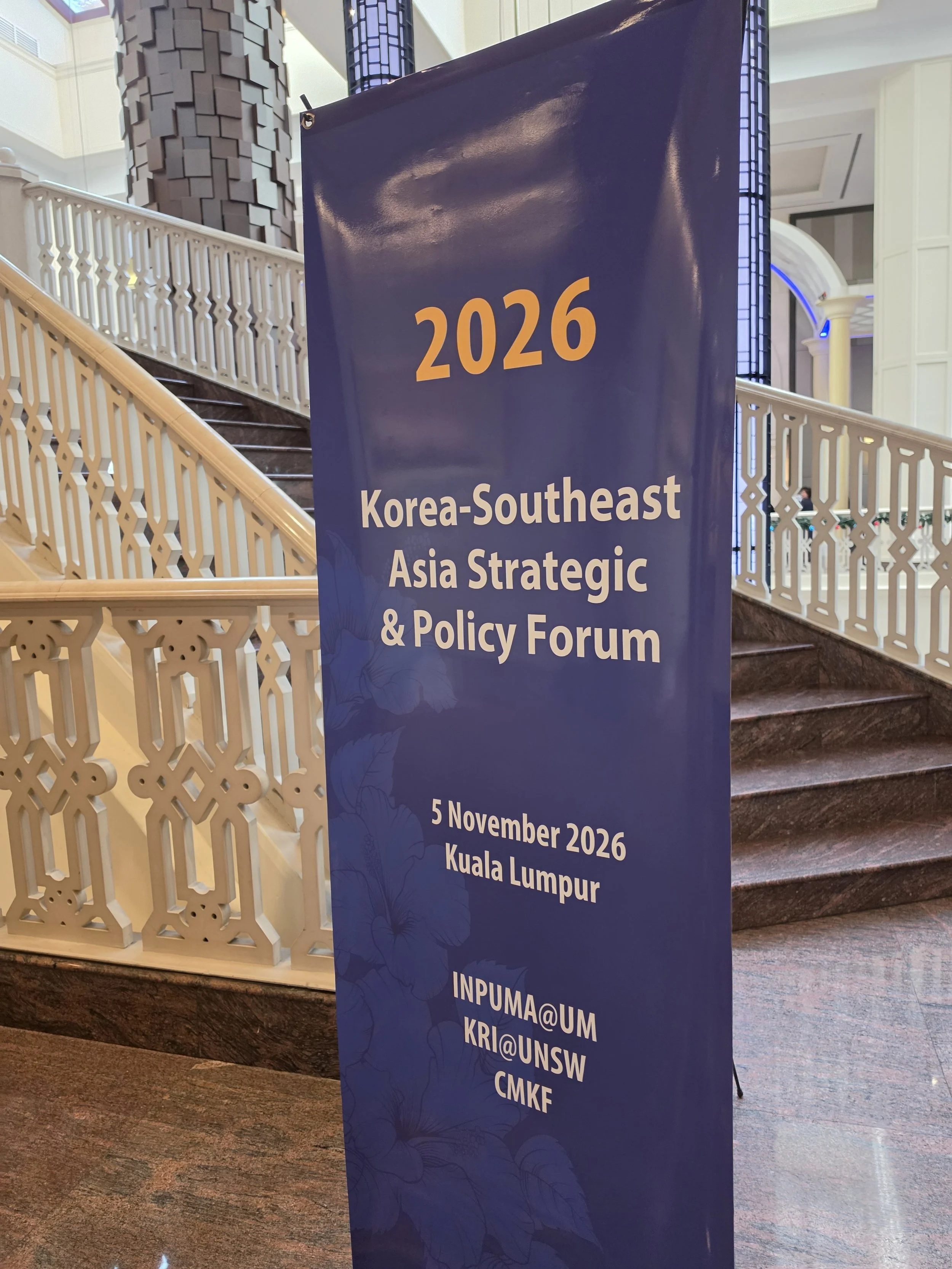
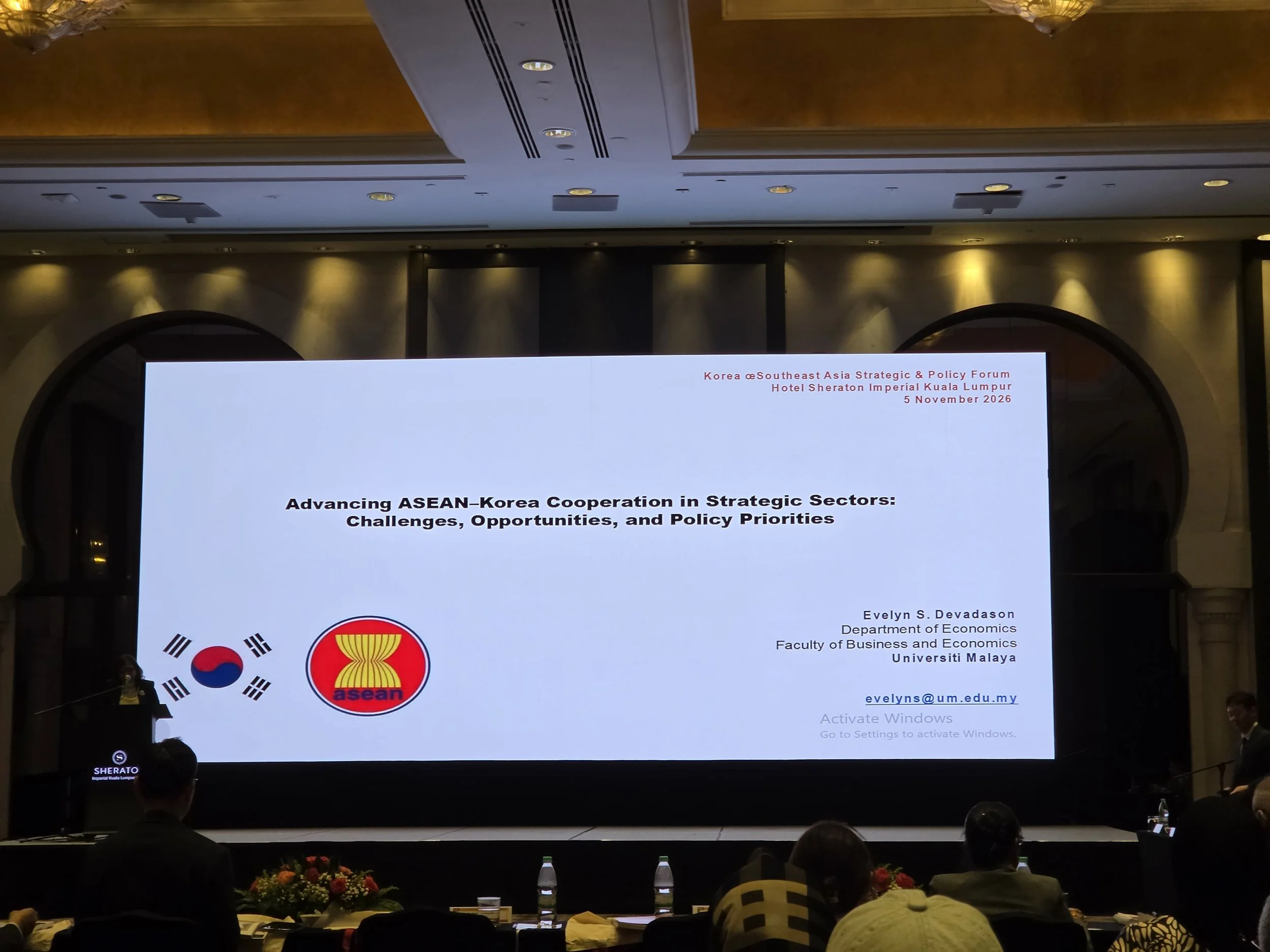
These interconnected challenges were central to discussions at the 2026 Korea–Southeast Asia Strategic Policy Forum, held at the Sheraton Imperial Kuala Lumpur Hotel on 5 November 2026, following the forum's opening activities on 4 November.
The forum brought together policymakers, former ministers, government officials, researchers, academics and industry representatives from South Korea and Southeast Asia to examine the evolving foundations of regional economic cooperation.
Organised by the Hyundai Motor Chung Mong-koo Foundation and the Korea Research Institute at the University of New South Wales, with the International Institute of Public Policy and Management (INPUMA), Universiti Malaya, as the local partner, the forum explored the theme “Strategic Partnerships for Sustainable Smart Innovation: Pathways to Shared Prosperity in a Transforming Global Order.”
Planters International Berhad was represented at the forum on 5 November 2026, engaging with discussions concerning industrial transformation, technological innovation, economic resilience and sustainable development.
For Planters, whose activities encompass ecosystem restoration, environmental intelligence, biodiversity monitoring and sustainable bioeconomy development, the discussions offered valuable perspectives on how technological capabilities, institutional arrangements and investment structures can be translated into measurable economic and environmental outcomes.
Global Value Chains Are Entering a New Era of Strategic Resilience
International production networks have traditionally been shaped by cost competitiveness, operational efficiency and access to markets. Increasingly, however, geopolitical tensions, technological competition, supply-chain disruption and environmental pressures are changing the priorities of governments and industries.
The restructuring of global value chains was a central theme of the forum's discussions.
Rather than viewing industrial development solely through the expansion of manufacturing output, speakers examined the importance of domestic technological capabilities, supply-chain diversification, industrial upgrading and the ability of national economies to withstand external shocks.
Moving Beyond Assembly and Manufacturing Dependence
Alfredo E. Pascual, former Secretary of Trade and Industry of the Philippines, examined opportunities for the Philippines to strengthen its position within semiconductor and electronics value chains.
His presentation highlighted the importance of advancing from established assembly and testing activities towards higher-value engineering, supplier development, product qualification and technological innovation.
The discussion reflected a broader challenge confronting several ASEAN economies: participation in global manufacturing networks does not necessarily translate into domestic technological ownership or substantial local value creation.
Foreign direct investment can provide access to markets, production technologies and international supply chains. However, its long-term developmental benefits depend on whether domestic enterprises can acquire technical capabilities, satisfy international quality requirements and participate in increasingly sophisticated industrial activities.
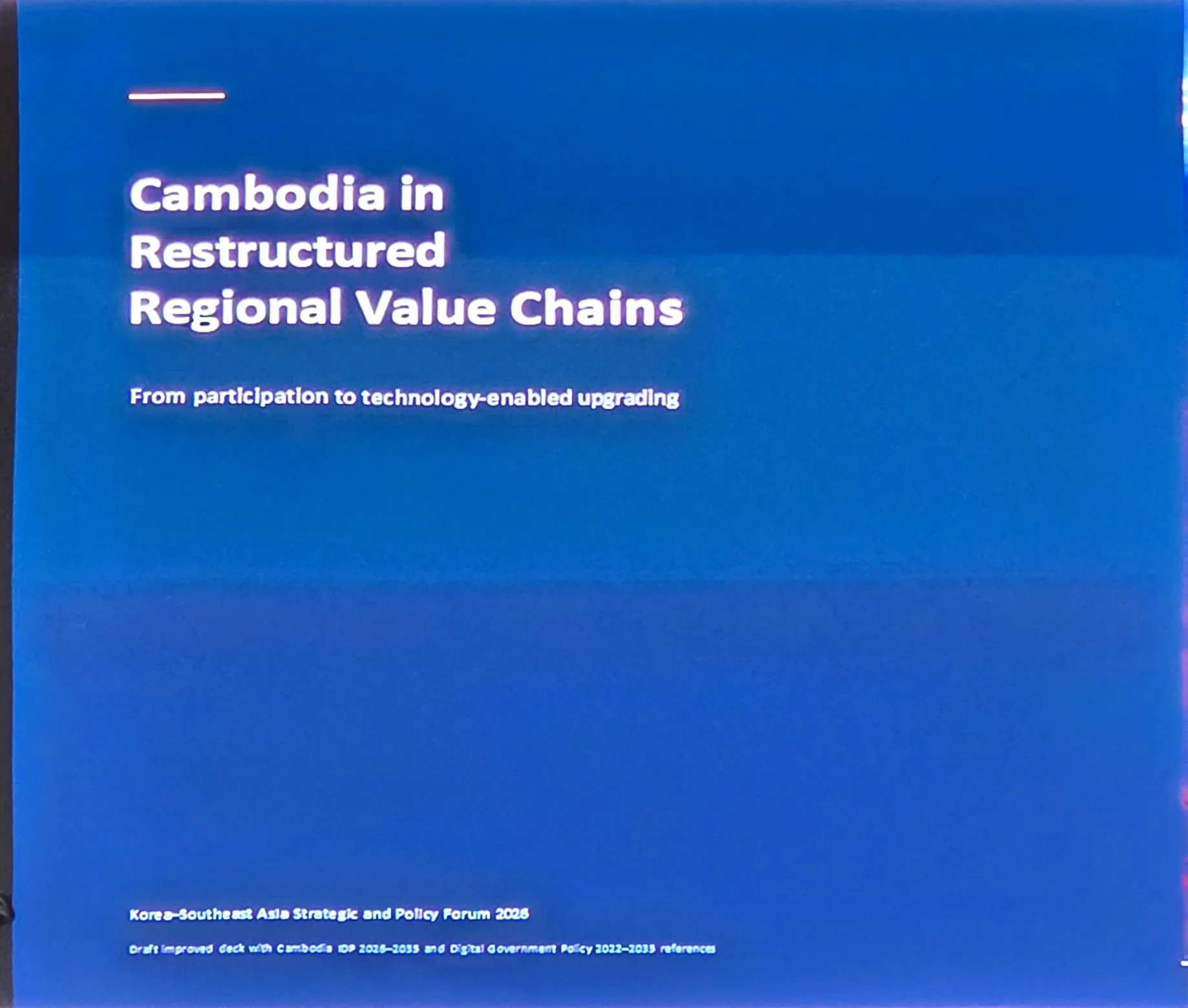
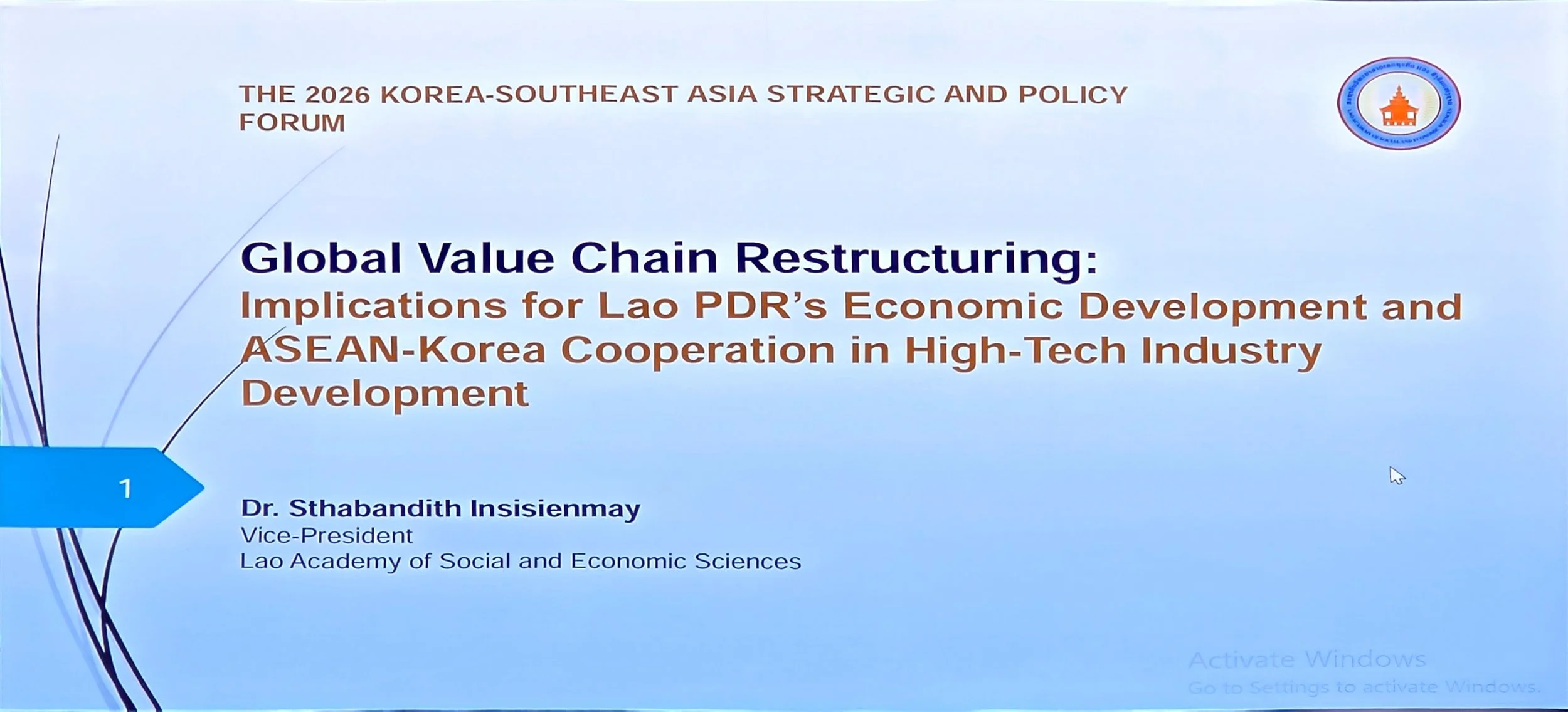
Similar considerations emerged in presentations concerning Vietnam, Cambodia and Lao PDR, where industrial upgrading was examined alongside the need to strengthen domestic enterprises and reduce dependence on lower-value production activities.
The emerging policy direction is towards greater domestic participation in research, engineering, processing, manufacturing and commercialisation, rather than relying primarily on external investment and imported technology.
Economic Security Requires Adaptive Institutions
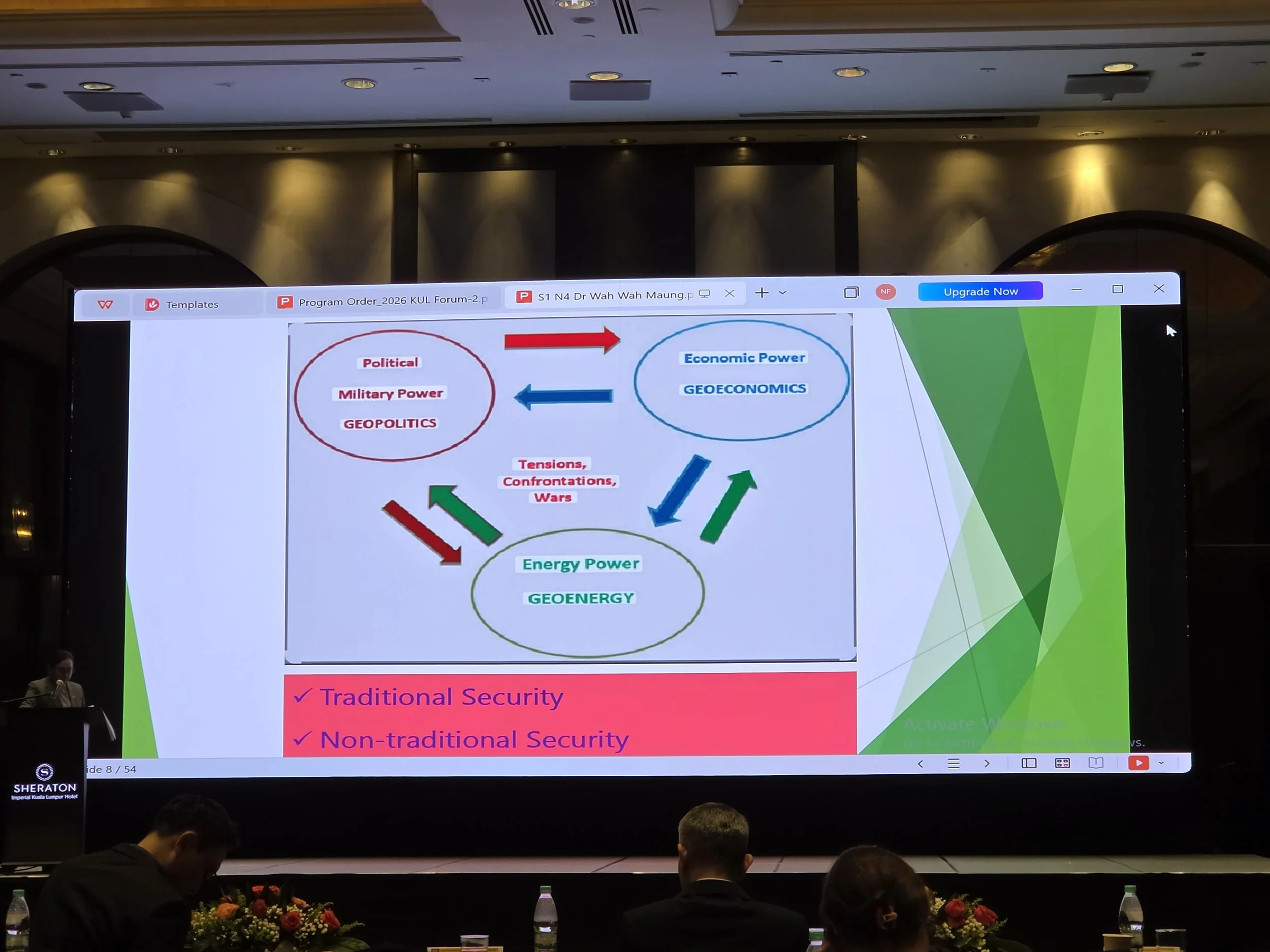
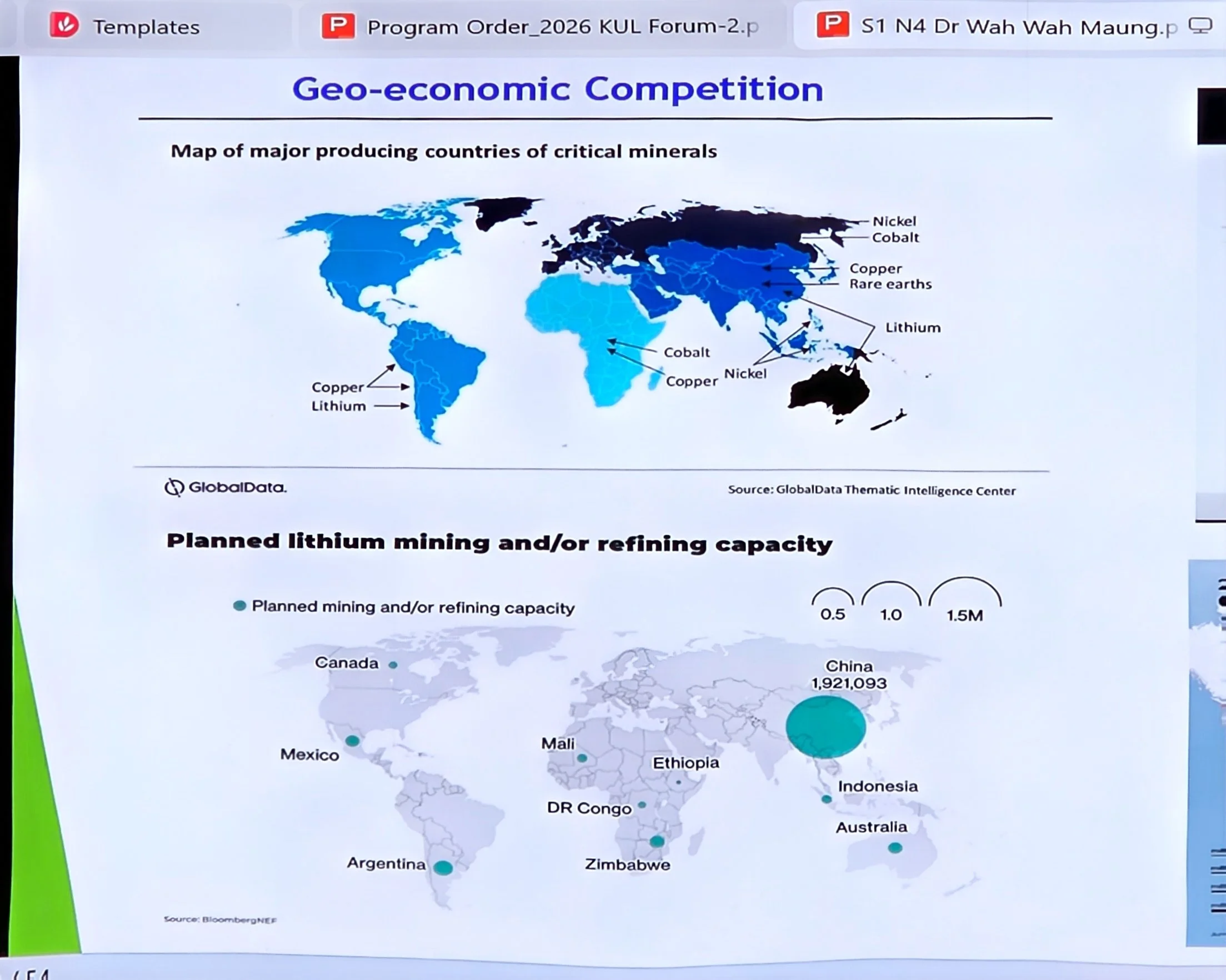
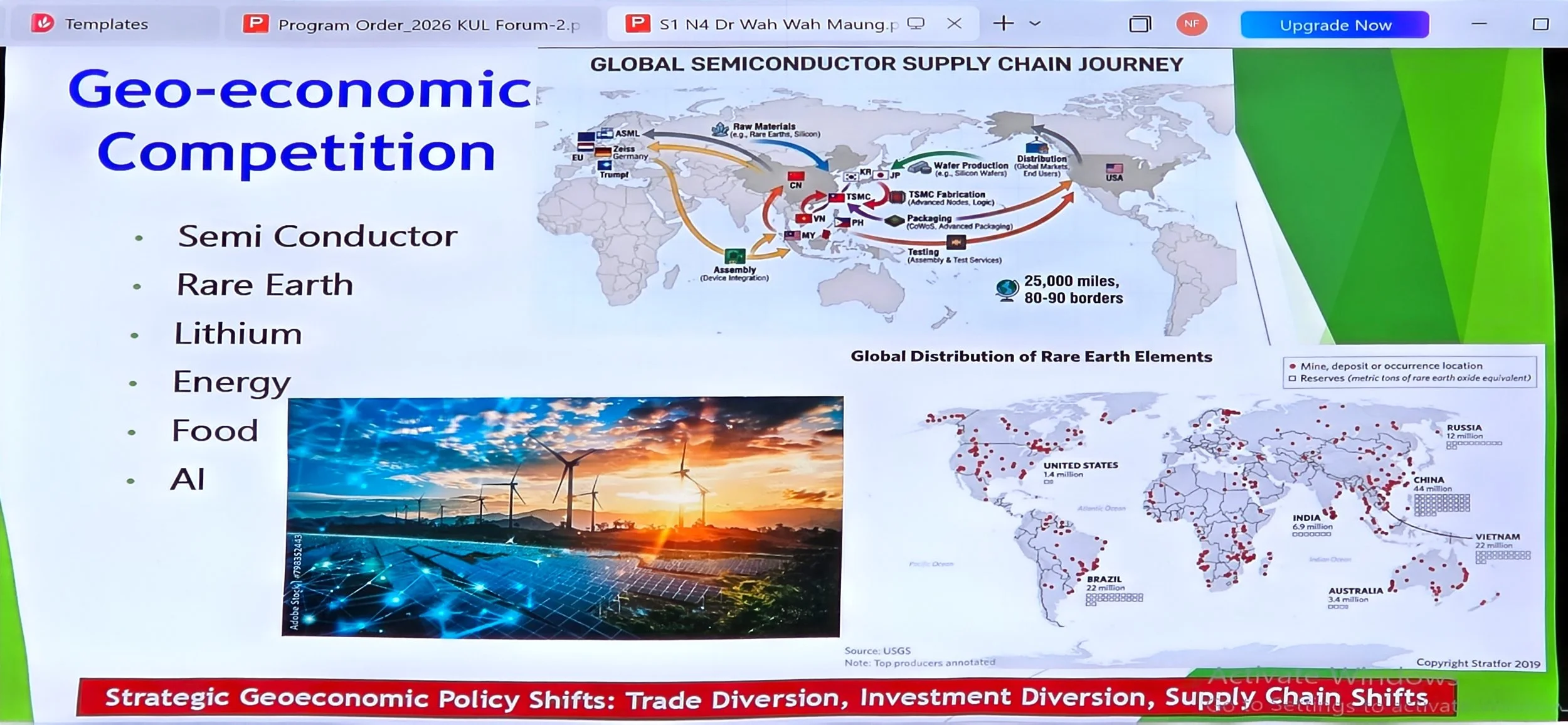
Dr. Wah Wah Maung, former Union Minister for Investment and Foreign Economic Relations of Myanmar, approached economic security through the interconnected dimensions of resilience, adaptation and recovery.
Her presentation considered the effects of geopolitical fragmentation, competition over strategic resources, technological disruption and vulnerabilities affecting energy, food and industrial supply chains.
A central consideration was the capacity of institutions to anticipate emerging risks, coordinate responses and adjust policies as economic conditions evolve.
Economic resilience, in this context, extends beyond maintaining production during a disruption. It includes the ability to adapt industrial structures, strengthen domestic capabilities and support recovery without perpetuating the vulnerabilities that contributed to the original disruption.
This perspective has particular relevance for economies facing environmental pressures, climate-related risks and dependence on resource-intensive industries.
It also highlights why industrial development and environmental resilience should not be treated as entirely separate policy concerns.
From Technology Adoption to Domestic Innovation Capabilities
A major focus of the forum was the transition from acquiring advanced technologies towards developing the institutional, technical and commercial capabilities necessary to use them effectively.
The session on Driving High-Tech Industrial Innovation for National Growth: Pathways for ASEAN–Korea Cooperation brought together perspectives from South Korea, Malaysia, the Philippines, Thailand, Indonesia, Vietnam and Lao PDR.
Although the countries represented have different industrial structures and development priorities, their contributions demonstrated several common requirements for successful technological transformation.
South Korea's Smart Manufacturing Experience
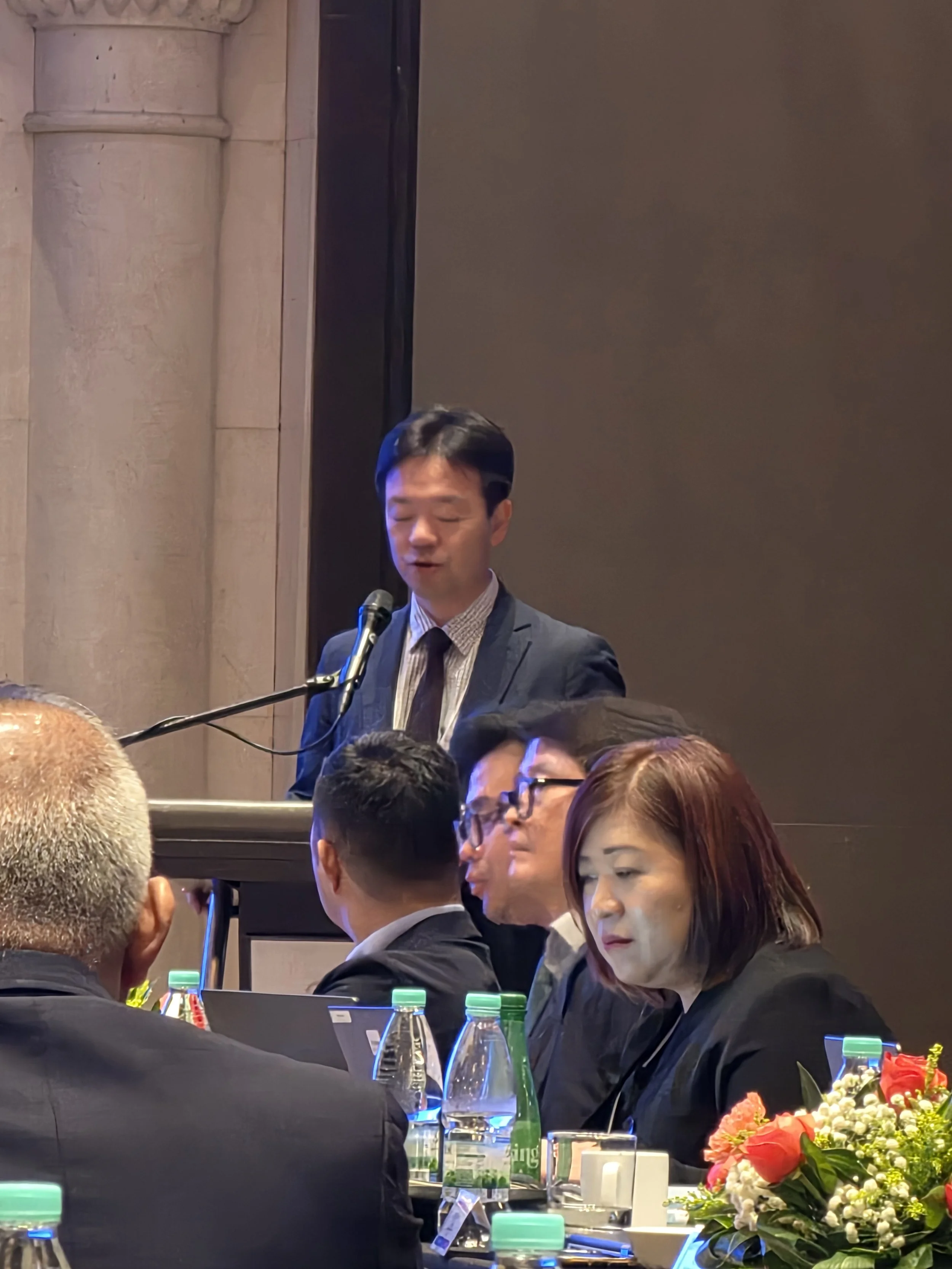
Ho Yong Jung, representing Korea's Ministry of SMEs and Startups, presented South Korea's experience in advancing smart manufacturing through connected production systems, industrial sensors, intelligent software and artificial intelligence.
The transition from conventional factories to smart and increasingly autonomous manufacturing involves more than introducing digital equipment.
It requires the integration of machinery, data acquisition, production-management systems and technical expertise into coordinated operational processes.
South Korea's experience also demonstrates the importance of government-supported industrial programmes, technology providers, research and development, and workforce training.
Jung outlined opportunities for extending smart manufacturing cooperation to ASEAN through technical assistance, demonstration facilities, professional training and support for local manufacturers.
The underlying principle is that technology adoption becomes economically meaningful when it produces measurable improvements in productivity, quality, operational efficiency and industrial capability.
Malaysia's Model of Industry–Government Collaboration
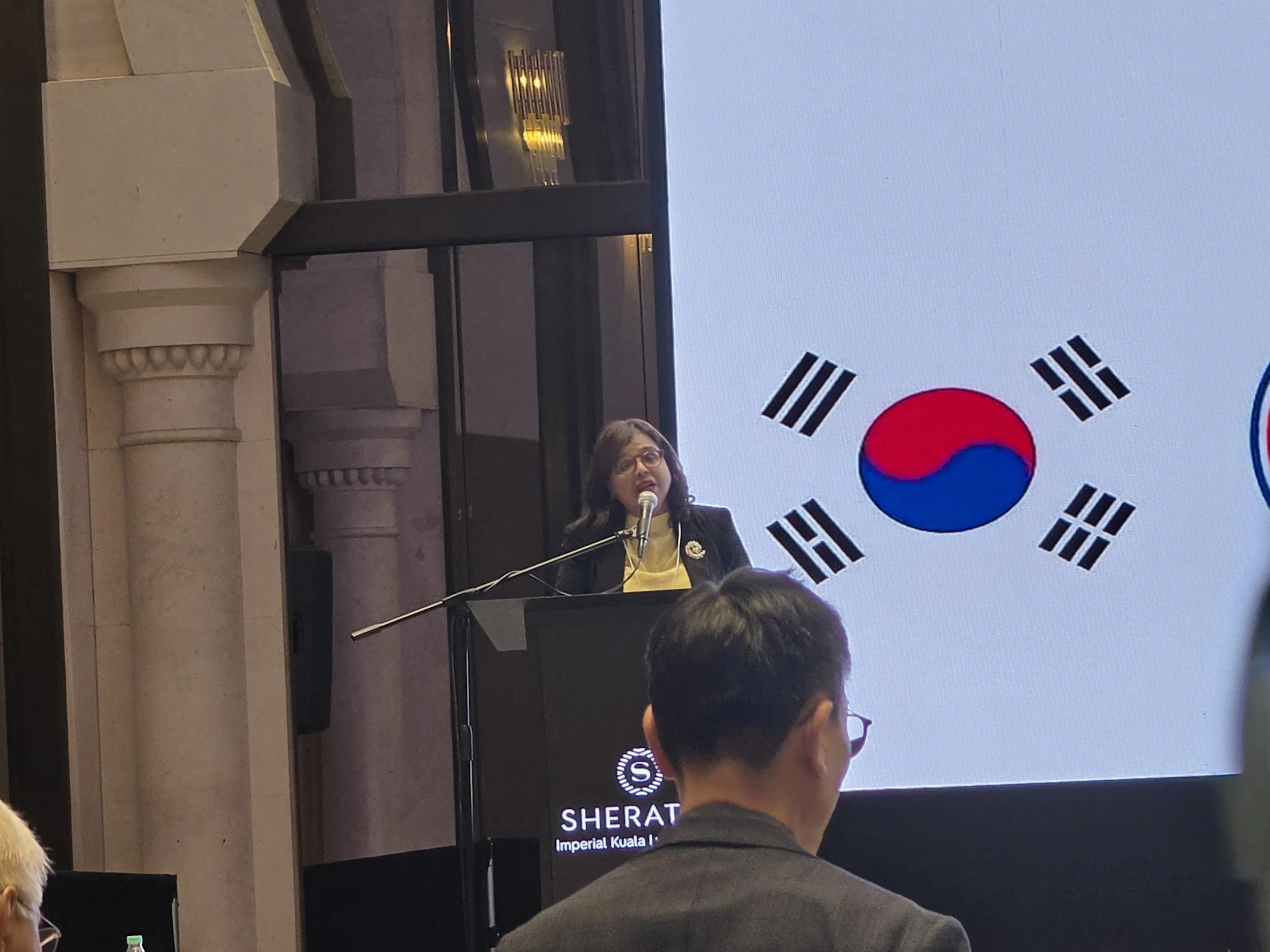
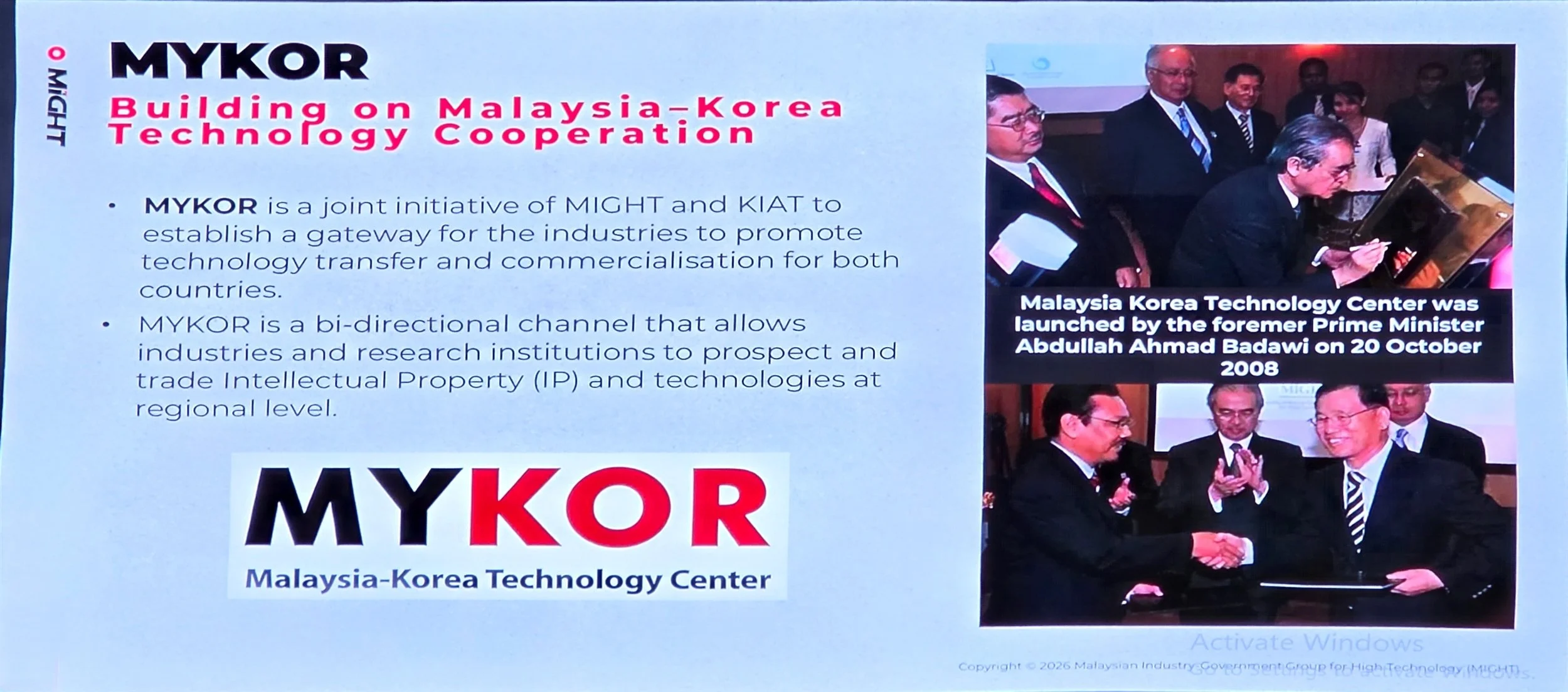
The Malaysian Industry-Government Group for High Technology (MIGHT) presented Malaysia's approach to strengthening industrial innovation through collaboration between government, industry and research institutions.
The presentation highlighted MIGHT's role in technology foresight, strategic industrial development, investment engagement and coordination across high-technology sectors.
Particular emphasis was placed on the importance of institutional relationships, human capital and sustained international cooperation in translating technological opportunities into practical industrial initiatives.
The discussion reinforced a fundamental consideration for complex development programmes: successful innovation depends not only on technological capabilities, but also on the ability of participating institutions to establish shared objectives, coordinate responsibilities and sustain effective collaboration.
Space Technologies and Advanced Industrial Capabilities
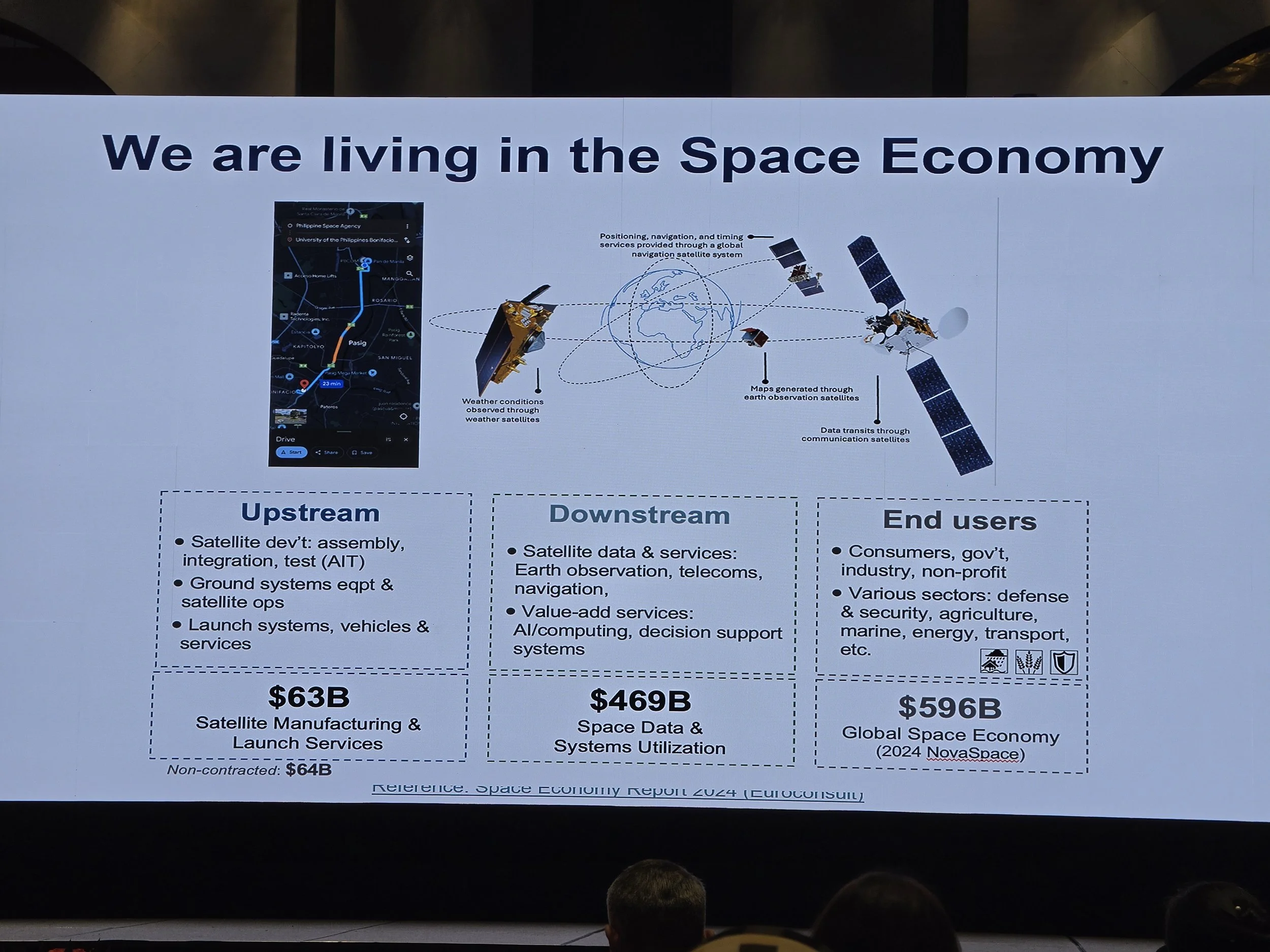
Professor Joel Joseph S. Marciano Jr., Vice-President for Research and Innovation at the University of the Philippines, examined the development of domestic space capabilities and their relationship with existing industries.
Satellite technologies already underpin essential economic services, including telecommunications, navigation, weather monitoring and Earth observation.
His presentation described how the Philippines has developed small-satellite engineering capabilities through academic research and international cooperation.
Rather than attempting to establish an entirely new industrial base, the Philippine approach includes identifying existing capabilities in electronics, precision manufacturing, engineering and related sectors that could be upgraded to meet the demanding requirements of space applications.
The process involves specialised testing, engineering qualification, technical training and opportunities to demonstrate product performance.
This illustrates a broader industrial development principle: advanced capabilities can be built by systematically upgrading existing expertise and connecting it with new technological applications.
For environmental management, the expansion of satellite-based services also reinforces the growing importance of Earth observation and geospatial intelligence in understanding land-use change, water systems and ecological conditions.
Thailand's Approach to Digital Commercialisation
Kasama Kongsmark, Executive Vice-President of Thailand's Digital Economy Promotion Agency (depa), presented Thailand's approach to accelerating digital transformation across industries and society.
The agency's activities encompass digital literacy, artificial intelligence skills, startup development, industrial digitalisation and smart-city initiatives.
A distinctive feature of this approach is the emphasis on connecting technology providers with practical applications.
Rather than developing every technology internally, depa supports the adoption and commercialisation of digital solutions across enterprises, institutions and communities.
The presentation also addressed the financing challenges facing emerging technology companies, particularly during the transition from early-stage development towards commercial viability.
This highlights an important relationship between technological innovation, market readiness and access to capital.
Without appropriate commercialisation pathways, promising technologies may remain confined to research environments or limited demonstration projects.
Industrial Transformation Must Create Greater Domestic Value
Several presentations examined the structural challenges facing economies that have experienced substantial growth through foreign investment or natural-resource development.
These discussions were particularly relevant to the long-term development of sustainable industries and the bioeconomy.
Indonesia: Connecting Research with Industrial Application
Professor Ir. I Gede Wenten of Institut Teknologi Bandung discussed industrial transformation and the importance of connecting scientific research with practical applications.
Drawing on his experience in technology development and commercialisation, he highlighted the need to translate research capabilities into products, industrial processes and commercially useful solutions.
His presentation also emphasised that industrial development models cannot simply be replicated from one country to another without considering local circumstances.
Technology transfer must be accompanied by the development of human expertise, institutional capacity and suitable commercial structures.
The experience of research-based enterprises demonstrates that scientific knowledge creates wider economic value when it is supported by engineering capabilities, product development, market access and sustained implementation.
Vietnam: Progressing Towards Innovation-Driven Competitiveness
Dr. Manh Hai Nguyen examined Vietnam's industrial development and the role of foreign direct investment in expanding manufacturing capabilities.
Vietnam's integration into international production networks has supported the growth of electronics, machinery and other manufacturing industries.
However, the next stage of industrial development requires stronger domestic research and development, technological capabilities and relationships between universities, enterprises and government institutions.
The presentation highlighted the importance of moving beyond dependence on foreign-owned production facilities towards greater participation in innovation, engineering and higher-value industrial activities.
This transition requires not only investment but also a functioning national innovation ecosystem capable of developing and commercialising technology.
Lao PDR: From Resource Dependence to Value-Added Industries
Latdavanh Songvilay, Director General of the Macroeconomic Research Institute at the Lao Academy of Social and Economic Sciences, examined Lao PDR's efforts to transition towards a more diversified and resilient economy.
Electricity generation and mining have contributed significantly to the country's economic growth and export earnings.
However, dependence on resource-intensive activities has also created structural challenges, including limited domestic processing, insufficient local enterprise linkages and exposure to external economic shocks.
Her presentation outlined a policy direction focused on expanding domestic industrial capacity, developing downstream processing and manufacturing, strengthening local enterprises and promoting sustainable, technology-driven development.
Importantly, greater economic self-reliance was not presented as a withdrawal from international markets.
Rather, the objective is to increase domestic value creation while maintaining integration with regional and global supply chains.
The discussion highlighted the importance of treating manufacturing, energy, resource development and supporting services as interconnected elements of industrial transformation.
It also acknowledged the gap that can exist between policy ambitions and actual implementation capacity.
Sustainable Development Is Increasingly Connected to Industrial Competitiveness
Although the forum primarily addressed economic cooperation and industrial innovation, several discussions demonstrated the growing relationship between technological development, resource efficiency and long-term sustainability.
Industrial resilience increasingly depends on reliable infrastructure, efficient resource utilisation, technological adaptability and the capacity to manage environmental and economic risks.
For resource-based industries, the transition towards higher-value processing can create opportunities to improve productivity, diversify economic activities and develop new markets.
However, these opportunities must be supported by appropriate technologies, quality assurance, operational expertise and commercially viable production systems.
Similarly, the development of digital infrastructure and advanced monitoring technologies creates opportunities for more informed resource management and environmental decision-making.
These connections are particularly relevant to the sustainable bioeconomy, where biological resources, organic residual materials and environmental services can form the basis of productive economic activities.
From Planters' perspective, the long-term opportunity lies in connecting technological capability and resource utilisation with credible environmental outcomes.
Implications for Coastal Oasis: Sungai Klang
Planters International Berhad's Coastal Oasis: Sungai Klang & Coastal Isles Eco-Restoration and Biodiversity Innovation Program provides a practical context for examining several themes raised during the forum.
The programme addresses riverine and coastal environmental restoration, biodiversity conservation, pollution management, waste valorisation and environmental monitoring along the Sungai Klang corridor.
Its official programme-area reference encompasses approximately 27,960 hectares, including a river corridor extending approximately 56 kilometres towards the coastal environment.
The programme's integrated approach recognises that environmental restoration requires more than isolated interventions.
It involves the interaction of ecological conditions, engineering requirements, operational systems, monitoring technologies, institutional arrangements and long-term financing.
Environmental Intelligence and the Importance of Verified Data
The forum's discussions on smart manufacturing, digital transformation and space-enabled services reinforce the importance of integrated data systems and technical validation.
Planters' AFAM environmental intelligence architecture incorporates geospatial and monitoring capabilities, including satellite observations, survey-grade GNSS, LiDAR, drone-based surveys, environmental sensors and AI-supported analysis.
These technologies support different aspects of environmental assessment and operational management.
Satellite observations provide broad spatial coverage, while field surveys and inventories establish more detailed site conditions.
Environmental sensors contribute measurements of selected parameters, while drones and LiDAR support spatial analysis and the assessment of physical conditions.
The value of these technologies depends on how effectively their outputs are integrated, validated and applied.
For restoration programmes, monitoring must support credible assessments of environmental conditions, intervention performance and changes over time.
The forum's emphasis on technological capability development therefore reinforces the importance of data integrity, traceability and reliable monitoring, reporting and verification.
Biodiversity, Restoration and Climate Resilience
Coastal Oasis incorporates activities relating to riparian and mangrove restoration, biodiversity monitoring and environmental rehabilitation.
These activities require an understanding of ecological conditions, appropriate intervention methods and sustained observation.
Digital monitoring and environmental intelligence can improve the evidence available for planning and evaluating restoration activities, but they do not replace the need for sound ecological practice and effective field implementation.
The broader resilience discussions at the forum are relevant because healthy ecosystems and functioning environmental infrastructure contribute to the ability of landscapes and communities to respond to environmental pressures.
For riverine and coastal systems, long-term restoration must account for ecological processes, water quality, physical conditions, pollution pressures and changing environmental risks.
This reinforces the importance of combining environmental science with operational capability and institutional coordination.
Sustainable Biomass and Biochar Value Chains
The forum's emphasis on domestic value creation also has implications for Planters' sustainable biomass and biochar activities.
Biological resources and suitable organic residual materials can support a range of processing and valorisation pathways.
However, the economic value of these activities depends on more than the availability of feedstock.
Processing technology, product specifications, quality control, logistics, market demand and financing arrangements all influence commercial viability.
Planters' activities involving bamboo and other biomass feedstocks, together with biochar and compost development, reflect the importance of considering the full value chain.
The distinction between supplying raw materials and producing higher-value processed products is especially relevant.
Greater domestic value creation requires technical capabilities, reliable production processes, appropriate commercial relationships and access to markets.
This is consistent with the industrial upgrading themes discussed by speakers from Lao PDR, Vietnam, Indonesia and the Philippines.
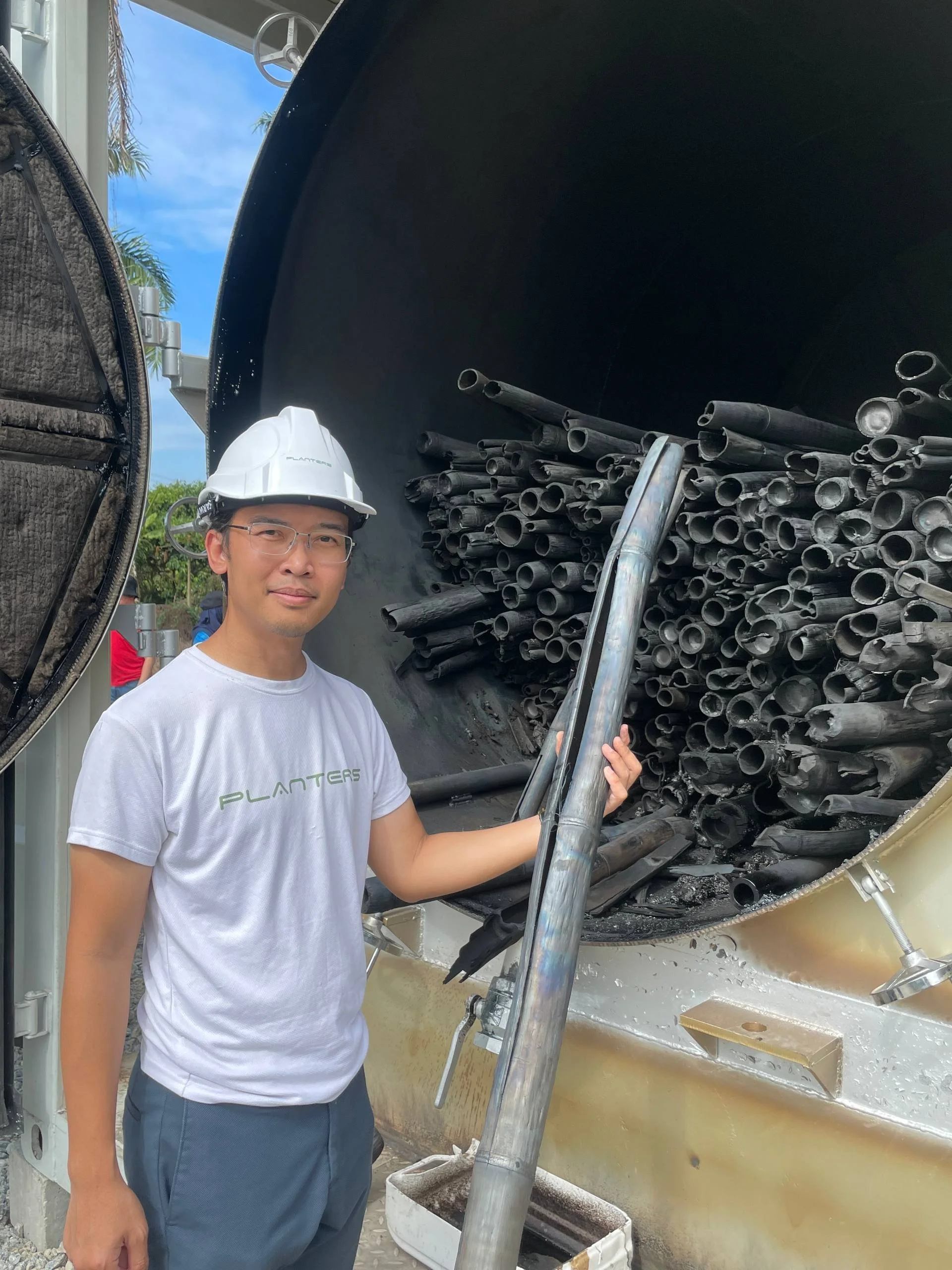
Bamboo Biochar
From Innovation to Implementation: The Role of Finance and Institutions
A recurring message throughout the forum was that technological capability alone does not guarantee successful implementation.
Industrial transformation depends on the interaction of policy, institutions, technical expertise, commercial demand and access to appropriate financing.
The same principle applies to environmental infrastructure and restoration programmes.
Different environmental activities have different implementation requirements, operating costs, financial characteristics and expected outcomes.
Some may generate direct commercial revenues, while others primarily deliver ecological, social or public benefits.
Effective financing therefore requires an understanding of the specific activities being supported, the associated risks and the mechanisms through which performance can be measured.
For Coastal Oasis, Planters has been developing approaches that recognise the distinct technical and financial characteristics of restoration, environmental monitoring, pollution management and resource valorisation.
The forum's discussions provide a broader policy context for this approach.
They reinforce the importance of connecting investment structures with implementation capacity, measurable outputs and long-term operational sustainability.
These observations represent Planters' own interpretation of the discussions and do not imply any financing commitments, project agreements or formal partnerships arising from the forum.
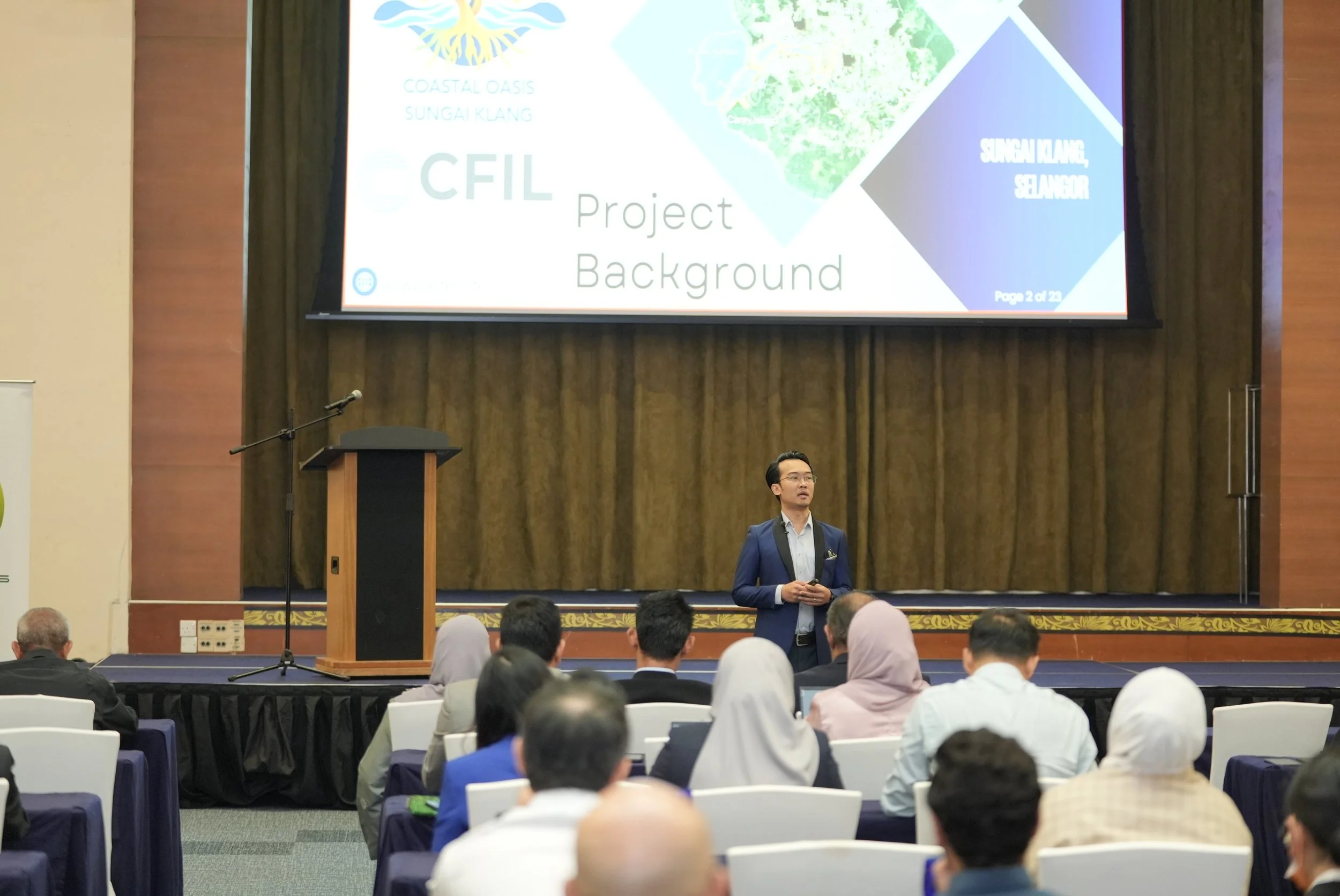
Coastal Oasis: Sungai Klang Climate Finance Innovation Lab at Lanai Kijang, Kuala Lumpur
ASEAN–Korea Cooperation and the Future of Sustainable Innovation
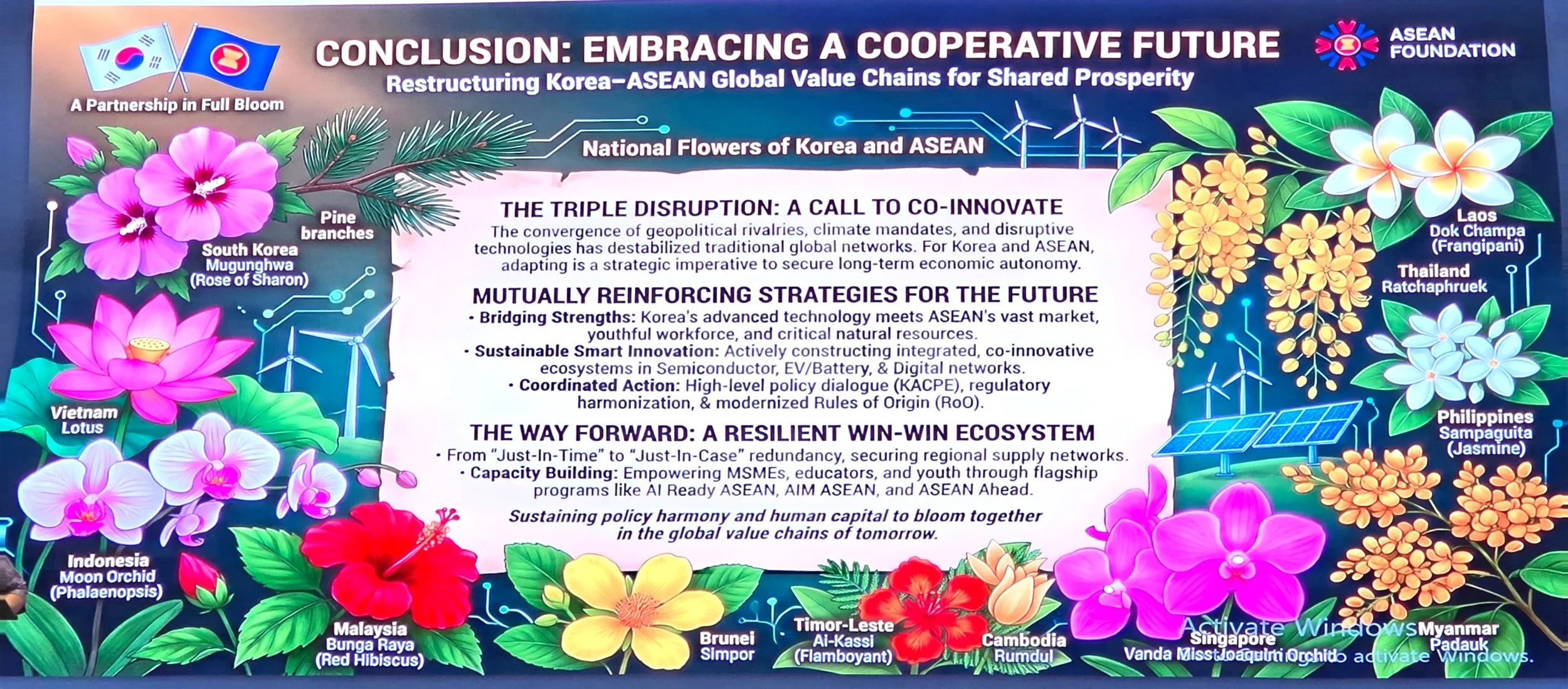
The forum demonstrated that cooperation between South Korea and ASEAN extends beyond conventional trade and investment relationships.
It increasingly encompasses industrial standards, research collaboration, advanced manufacturing, digital technologies, technical training, enterprise development and institutional coordination.
South Korea's experience in technological development provides opportunities for knowledge exchange and industrial collaboration.
ASEAN economies, meanwhile, possess diverse manufacturing capabilities, natural resources, research institutions, growing markets and emerging technological expertise.
The challenge is to establish forms of cooperation that strengthen domestic capabilities while supporting regional competitiveness and sustainable development.
For environmental and bioeconomy-related industries, the same principles apply.
International collaboration can be particularly valuable when it contributes to technical capability development, credible measurement, appropriate technology transfer and the commercial viability of sustainable solutions.
Such cooperation must ultimately be assessed through practical outcomes rather than the announcement of technological ambitions alone.
Looking Ahead: Building Capabilities That Deliver Lasting Value
The 2026 Korea–Southeast Asia Strategic Policy Forum highlighted a fundamental shift in the understanding of industrial and economic development.
Technological progress remains essential, but lasting competitiveness increasingly depends on the capacity to develop domestic expertise, coordinate institutions, strengthen enterprises and translate innovation into practical applications.
Across discussions on semiconductors, smart manufacturing, space technologies, digital entrepreneurship, industrial diversification and economic resilience, a consistent message emerged: the value of innovation lies not simply in the technologies acquired, but in the capabilities developed and the outcomes achieved.
For Planters International Berhad, these perspectives reinforce the importance of integrating environmental science, advanced monitoring technologies, sustainable resource utilisation and institutional cooperation.
Through programmes such as Coastal Oasis: Sungai Klang and its wider environmental intelligence and bioeconomy activities, Planters continues to pursue approaches that connect ecological objectives with operational capability, credible measurement and long-term economic value.
As ASEAN and South Korea deepen their cooperation, the intersection of technological innovation, environmental resilience and sustainable industrial development presents an increasingly important field for research, investment and practical collaboration.
The long-term measure of success will be the ability to translate these opportunities into resilient industries, stronger institutions, verifiable environmental improvements and enduring value for communities and economies.