MAHA 2026 Visitor Guide: Parking, Map, Activities, What to See & Tips Before You Go
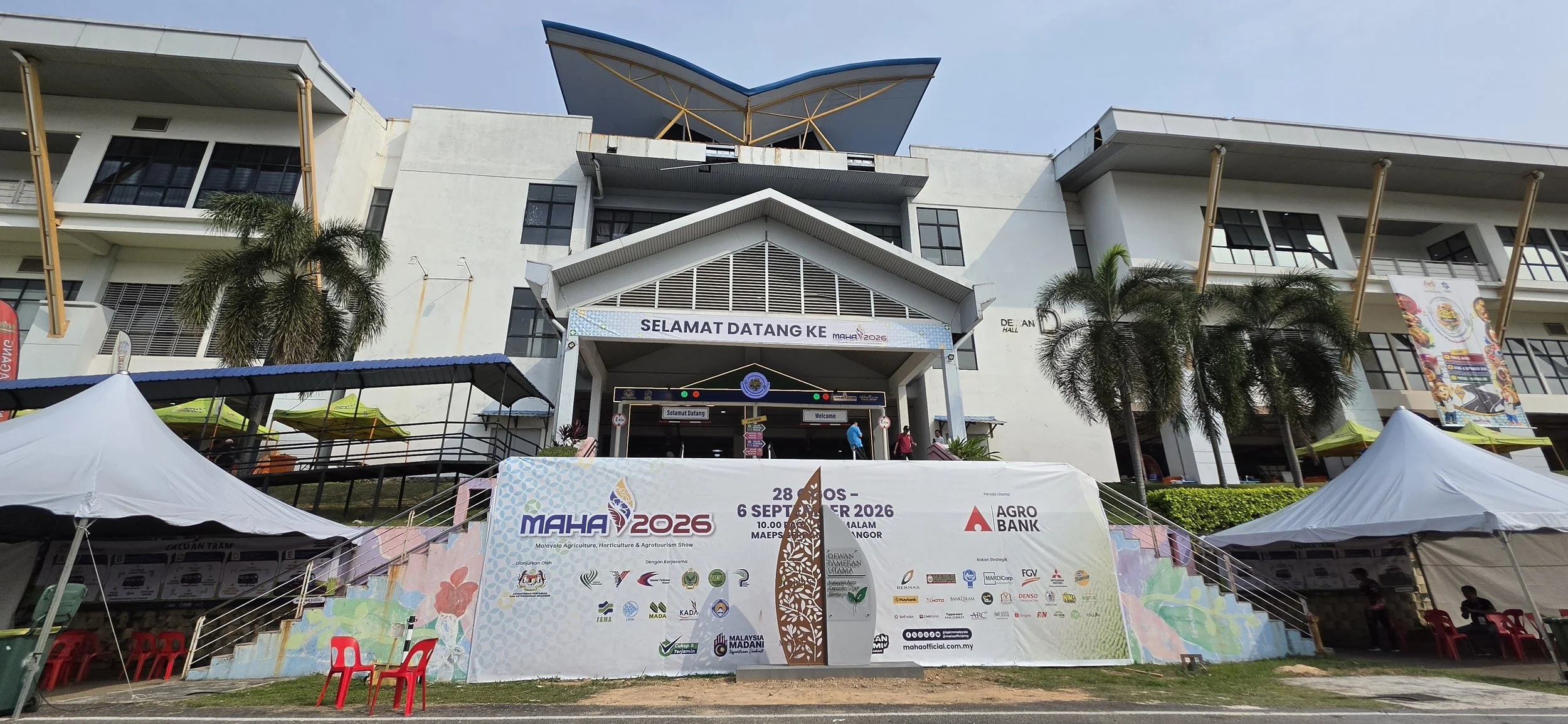
Planning a visit to MAHA 2026 at MAEPS Serdang? From parking and traffic to smart farming, agricultural drones, plants, livestock, food and family activities, here are some practical things worth knowing before you go.
MAHA 2026 is back at the Malaysia Agro Exposition Park Serdang (MAEPS) from 28 August to 6 September 2026, bringing together agriculture, horticulture, agrotourism, technology, food, entrepreneurship and family attractions across one very large venue.
This year's theme, “Penciptaan Nilai Demi Keterjaminan Makanan” (Value Creation for Food Security), is particularly timely.
Agriculture today is no longer simply about what happens on a farm. Technology, automation, sensors, drones, processing, new products, markets and sustainable management are increasingly part of the same ecosystem.
We visited MAHA 2026 on its opening day. There is a lot to see — considerably more than we expected.
If you are planning to visit during the 10-day event, here are our observations and some practical tips that may make the day easier.
MAHA 2026 at a Glance
Dates: 28 August – 6 September 2026
Venue: Malaysia Agro Exposition Park Serdang (MAEPS), Serdang, Selangor
Opening hours: 10.00am – 10.00pm
Admission: Free
MAHA 2026 brings together around 2,000 exhibitors from Malaysia and overseas, covering the wider agri-food value chain.
The event occupies approximately 129.5 hectares (320 acres) of MAEPS, with indoor exhibitions, outdoor agricultural plots, technology demonstrations, commercial areas and visitor attractions spread across the grounds.
That size is worth remembering when planning your visit.
Our First Tip: Come Early
This is probably the simplest advice we can give after experiencing MAHA on opening day:
Come early.
And if you are driving, “early” should mean aiming to be near MAEPS and ready for parking before the main visitor rush begins, rather than beginning your journey when MAHA opens.
Traffic management personnel were deployed along the approaches during our visit, but the sheer volume of vehicles meant that the final stretch into MAEPS was still slow.
The last few hundred metres can take considerably longer than expected.
With MAHA 2026 targeting millions of visitors over its 10-day run — and with weekends, the Merdeka period and school holidays falling within the exhibition — traffic conditions will naturally vary from day to day.
Allow extra travelling time.
MAHA 2026 Parking: Plan Before You Arrive
MAHA has thousands of parking spaces within MAEPS, with additional parking arrangements around MARDI and Universiti Putra Malaysia (UPM).
Free shuttle services have also been announced from public transport points including MRT UPM, KTM Serdang and Putrajaya Sentral.
For visitors who would rather avoid driving into MAEPS during peak periods, public transport and the connecting shuttle services are worth considering.
If you do drive, remember something else:
The closest parking space is not necessarily the best parking space.
Think about what you intend to see first and where you expect to finish your day. MAEPS is sufficiently large that parking location can make a noticeable difference once you have spent several hours walking.
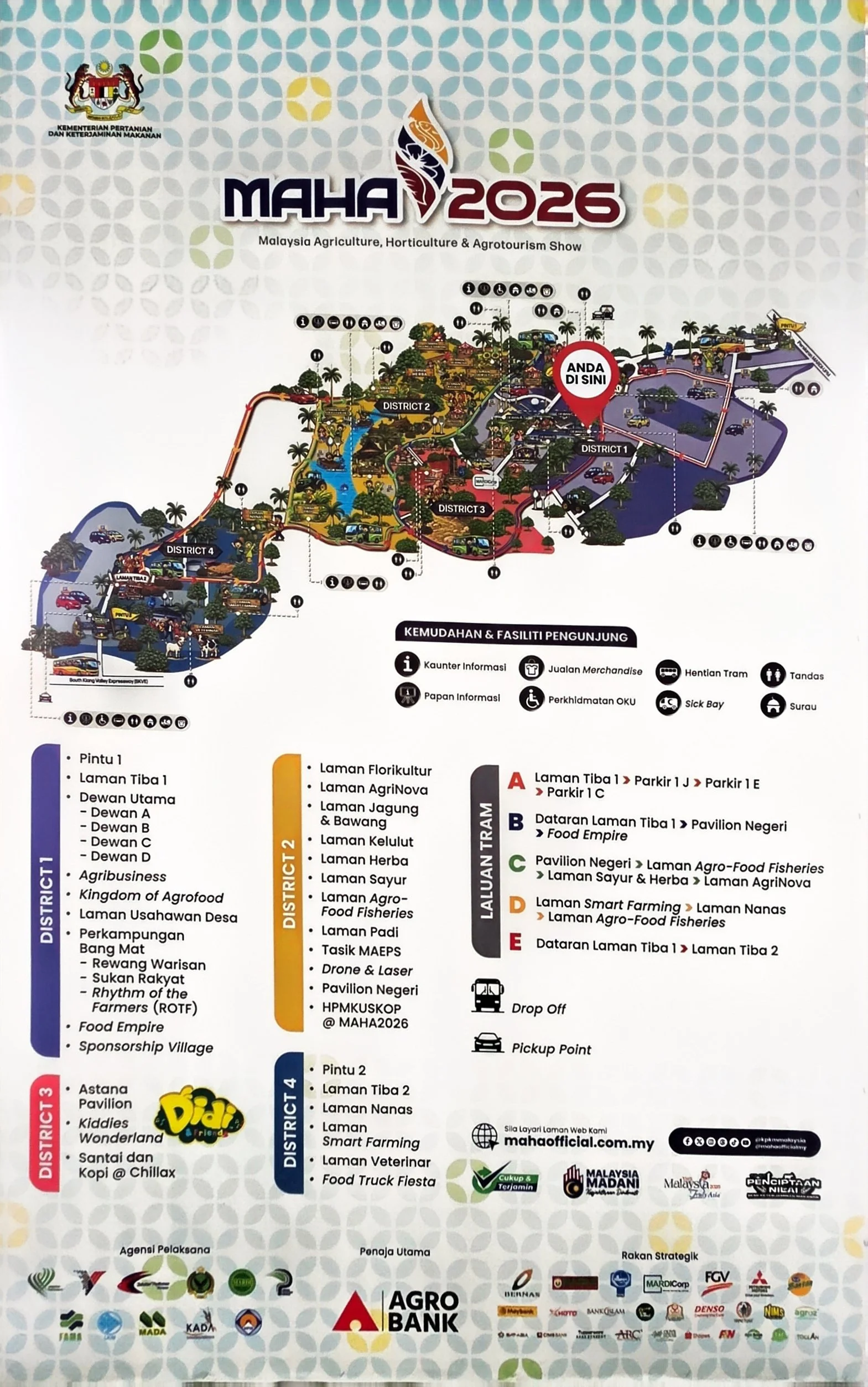
MAHA 2026
Understand the MAHA Layout Before You Start Walking
One of the easiest mistakes at MAHA is simply walking wherever the crowd takesyou.
There is too much happening for that.
The visitor map divides MAHA into several districts, connected by internal tram routes, with exhibition halls and outdoor attractions distributed throughout MAEPS.
Among the major areas visitors will encounter are the main exhibition halls, floriculture, herbs and vegetables, fisheries, paddy, state pavilions, smart farming, veterinary and livestock areas, food attractions, entrepreneurship areas and family activities.
Take a photograph of the MAHA map when you arrive — or keep the digital map on your phone.
It will save unnecessary walking later.
MAHA Is Big — and MAEPS Is Hilly
This is something a map does not necessarily communicate very well.
MAEPS is not flat.
There are slopes, changes in elevation, stairs and substantial walking distances between some attractions.
A full day at MAHA is perfectly possible, and probably the best way to experience it, but expect to be tired by the end.
Comfortable walking shoes are strongly recommended.
The internal trams are useful for travelling between areas, particularly when moving longer distances, but visitors should still expect plenty of walking.
Rather than repeatedly crossing MAEPS from one end to another, it is better to explore one area properly before moving to the next.
What Can You See at MAHA 2026?
The short answer is: a little bit of almost everything connected to agriculture.
For visitors who still associate an agricultural exhibition primarily with crops, livestock and tractors, MAHA demonstrates just how broad the sector has become.
During our visit, we encountered everything from plants, fruits and agricultural produce to smart farming systems, drones, machinery, fisheries, livestock and consumer products.
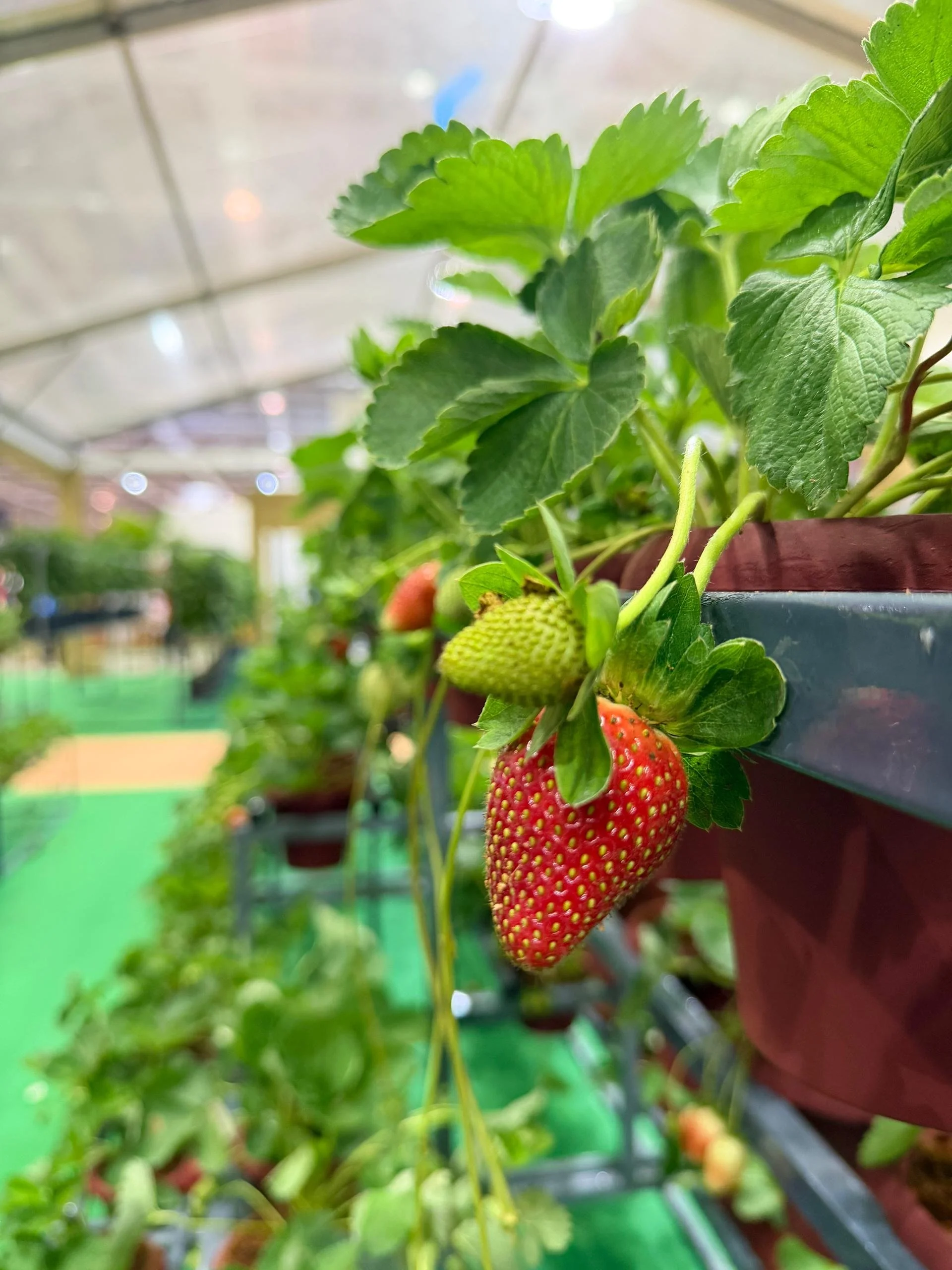
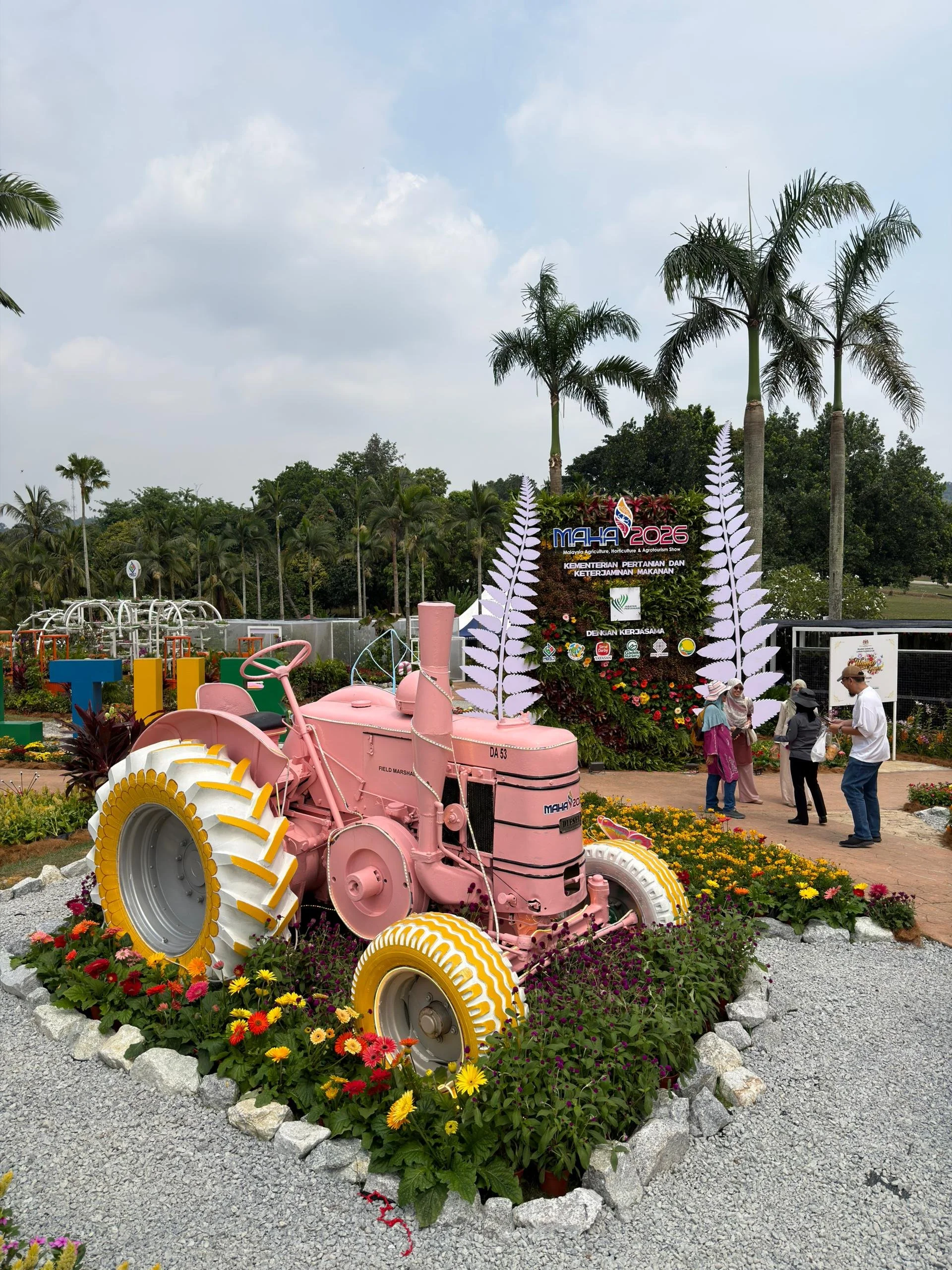
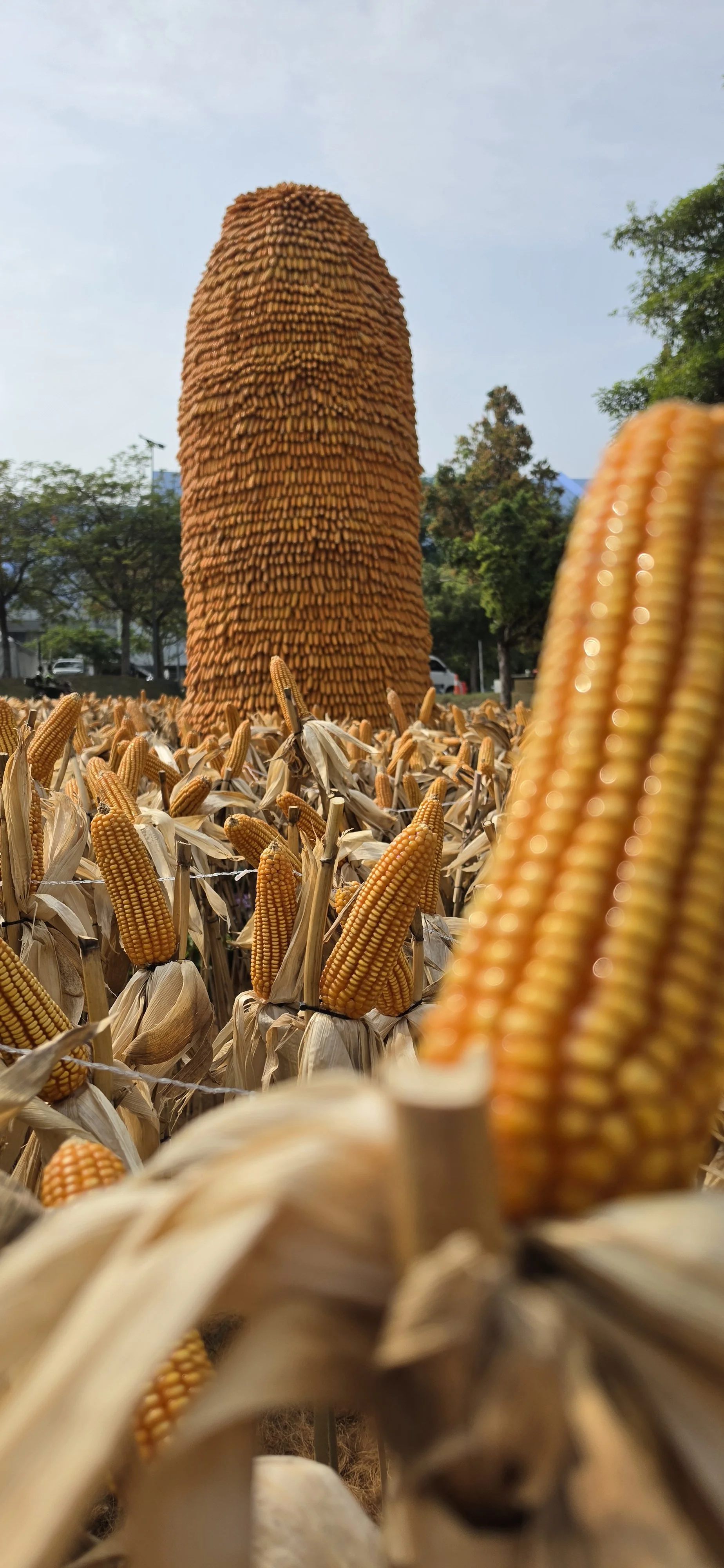
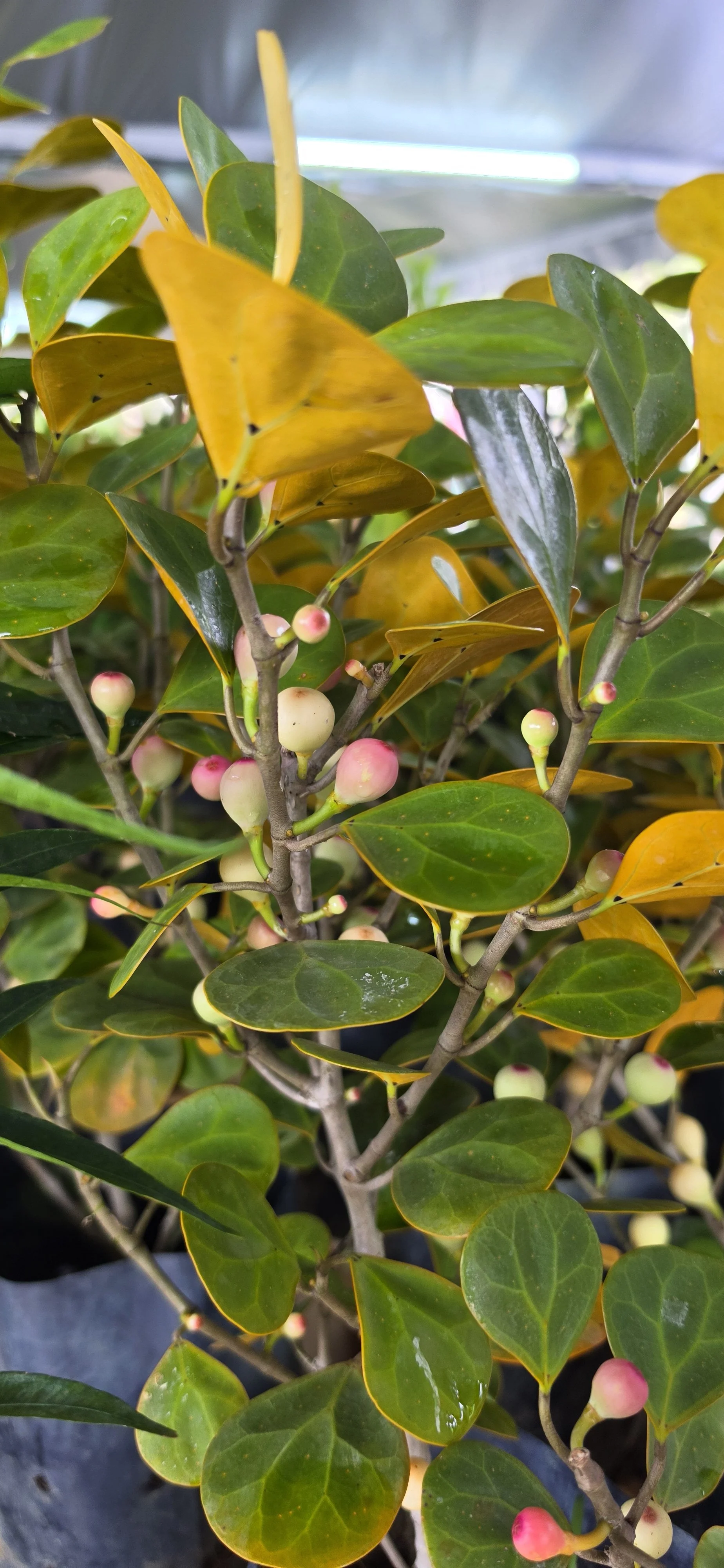
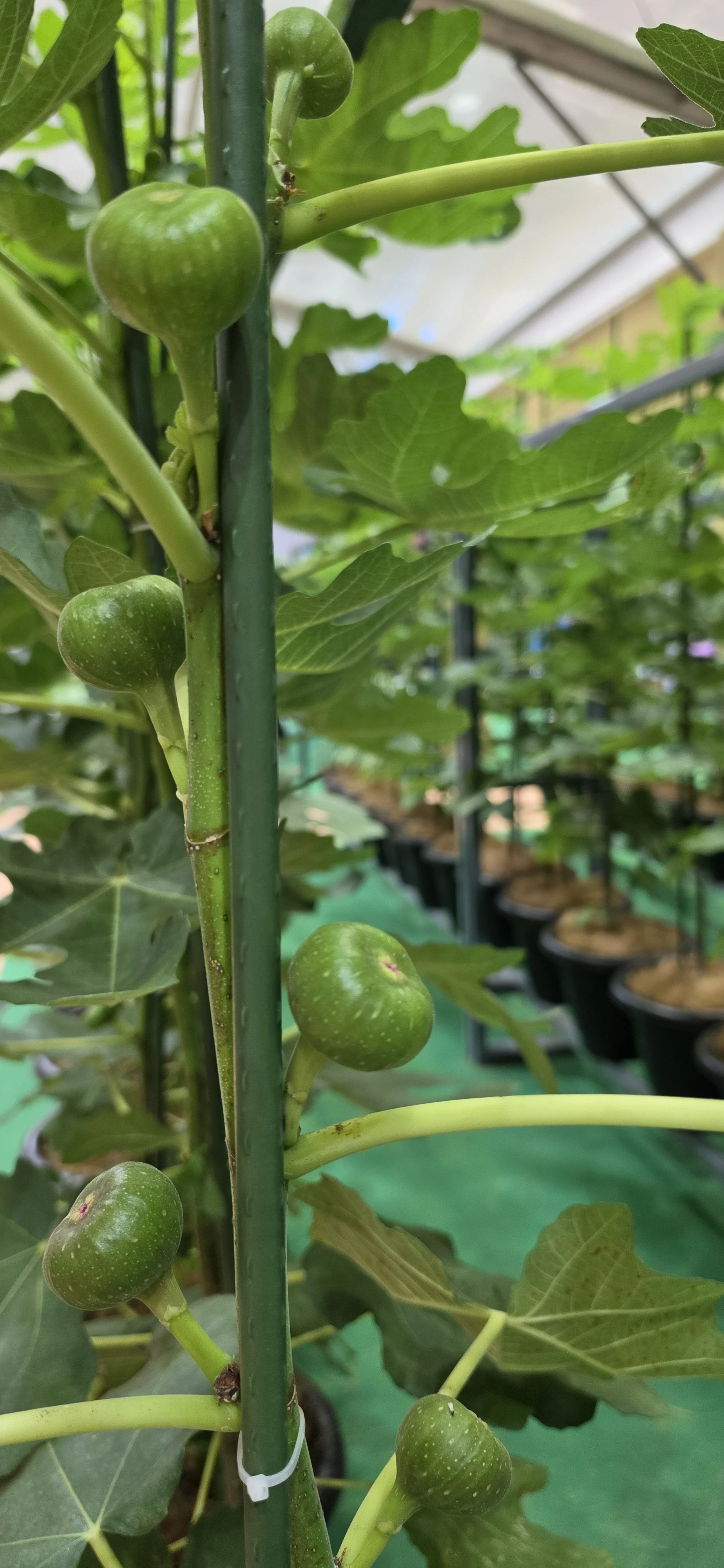
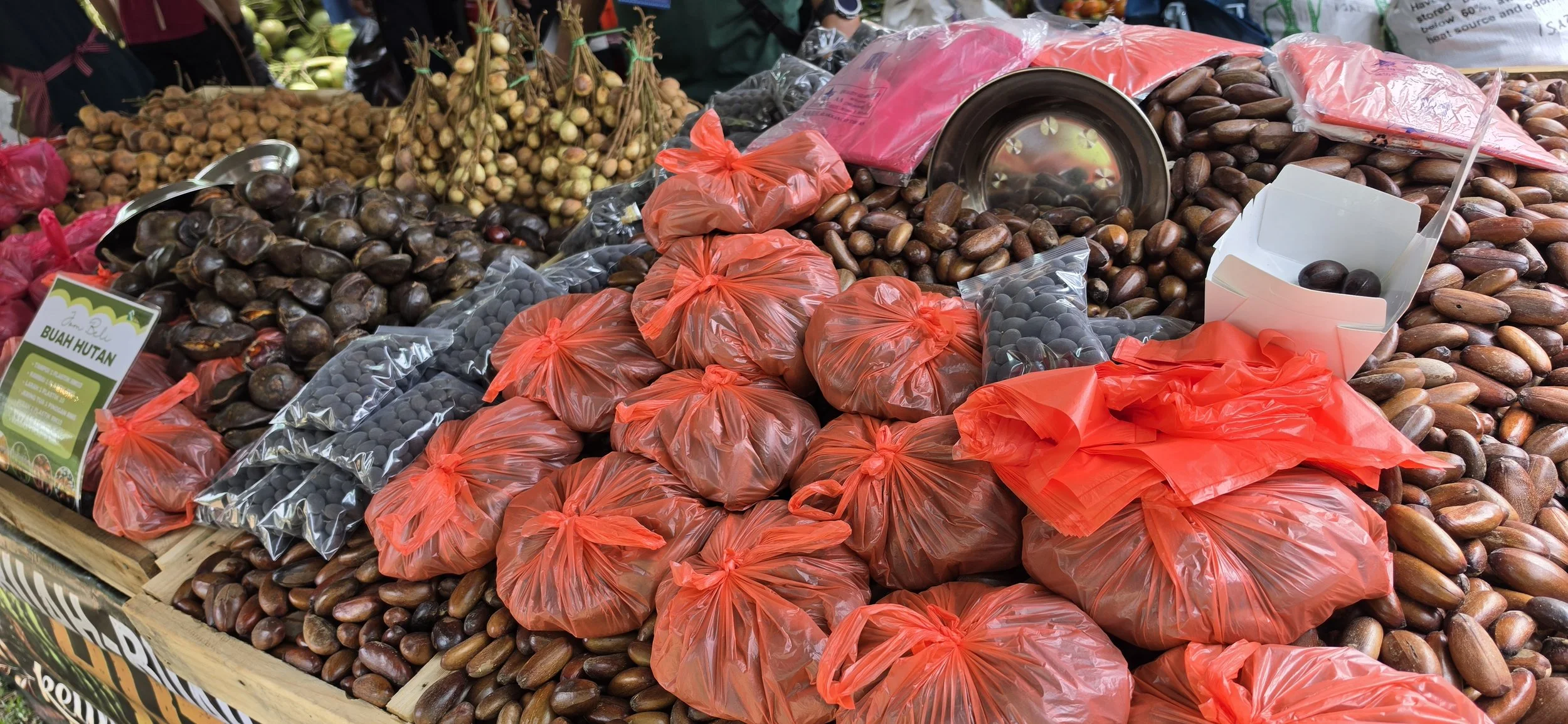
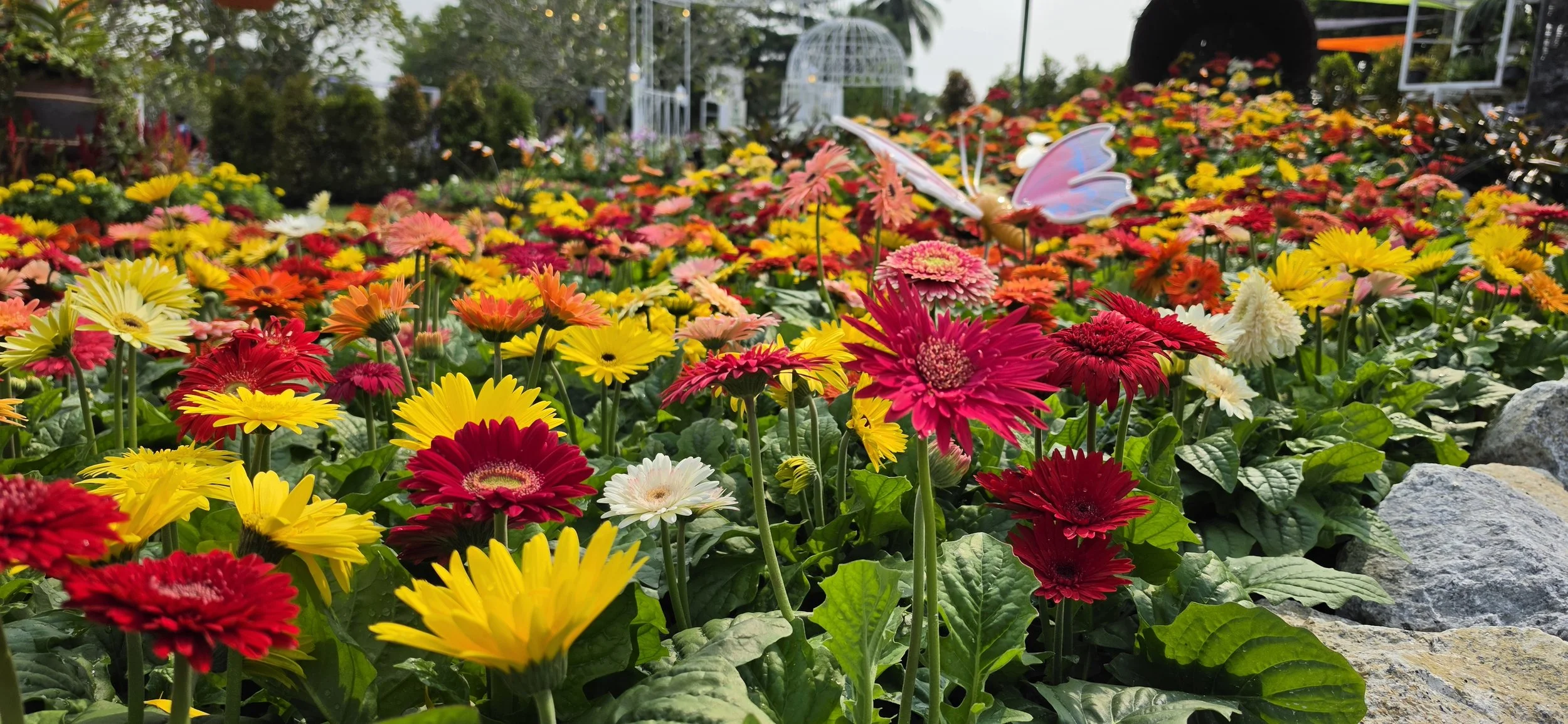
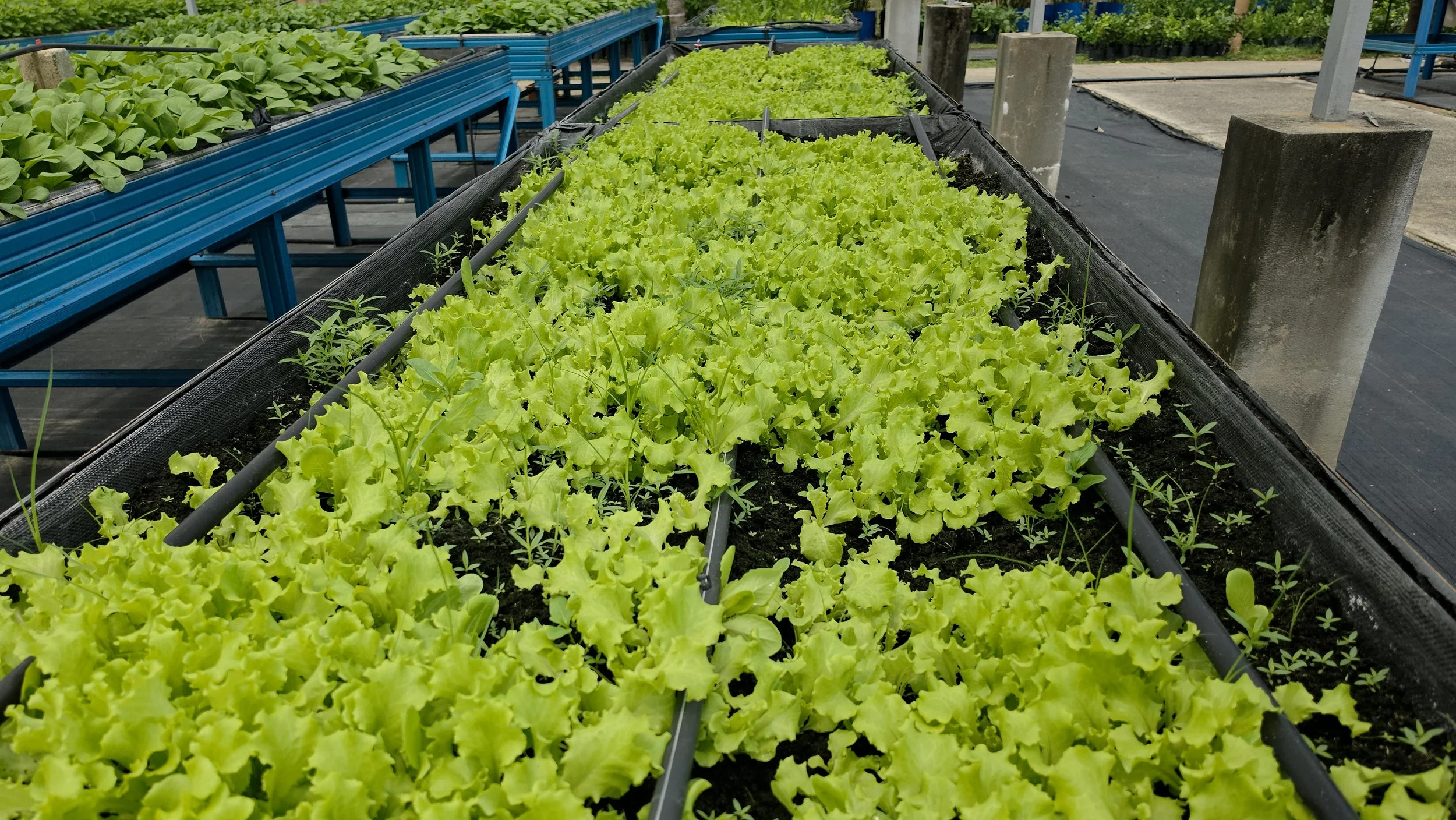
Plants, Horticulture and Floriculture
Plant lovers could easily spend several hours here.
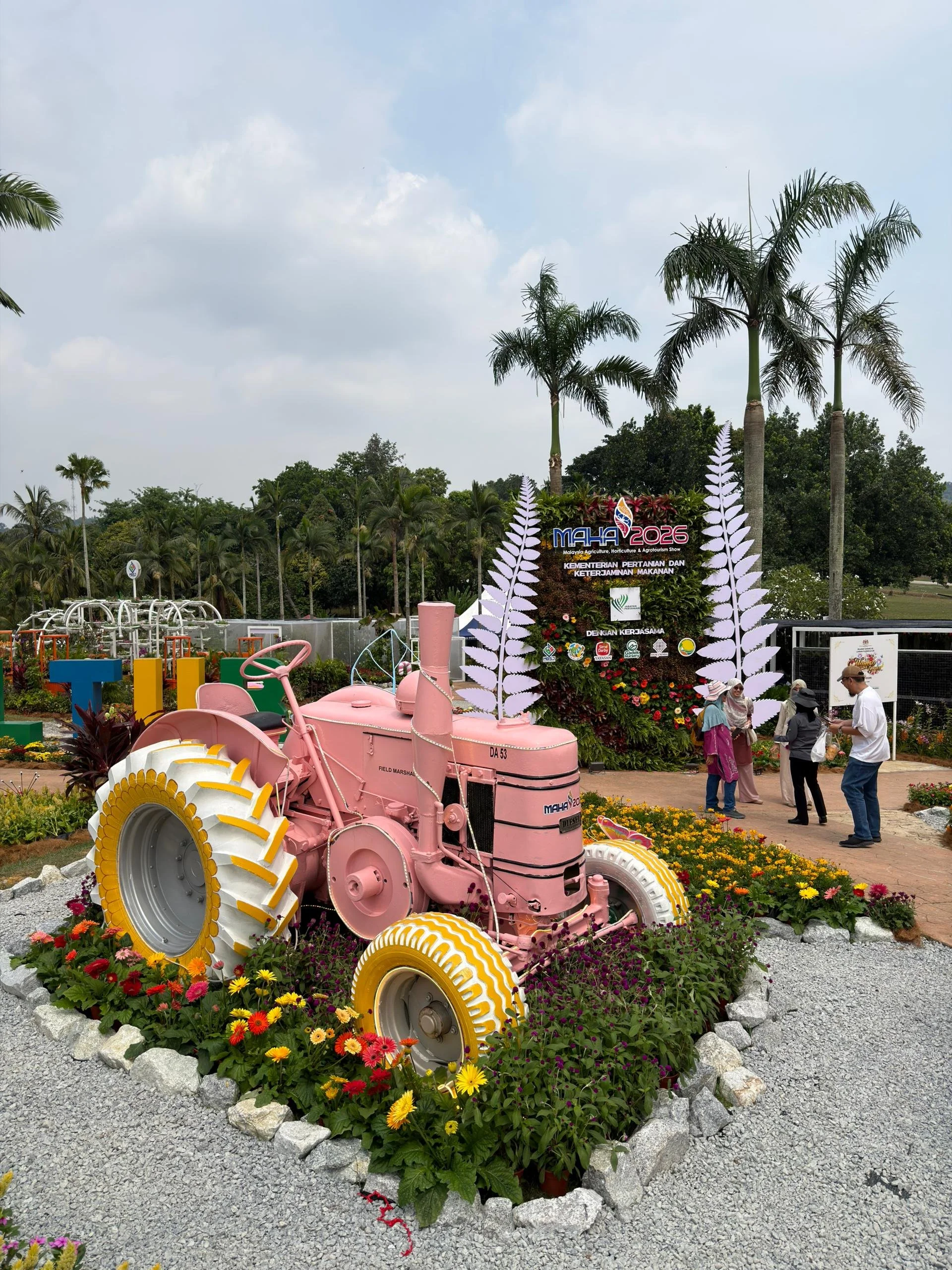
There are nurseries and growers offering ornamental plants, herbs, fruiting plants, seedlings and other agricultural products, alongside dedicated horticultural and floricultural displays.
Visitors can see plants not only as exhibits but also speak directly with growers and producers.
And yes — there is plenty to buy.
A Useful Tip If You Plan to Buy Plants
MAHA is also a substantial marketplace.
It is very easy to start with one or two purchases and discover many more interesting products as you move through the grounds.
The challenge is carrying them.
Several kilograms of plants, produce or other purchases become considerably less enjoyable when you are walking across a large, hilly exhibition site and encountering stairs along the way.
Trolleys are available near the entrance, and visitors expecting to shop should consider their carrying capacity before setting off across MAEPS.
There is no perfect strategy because interesting sellers are distributed throughout the event. However, if you expect to buy extensively, it is worth thinking about your route and how you will eventually get everything back to your vehicle.
In short:
Don't underestimate how much there is to buy — or how far you may have to carry it.
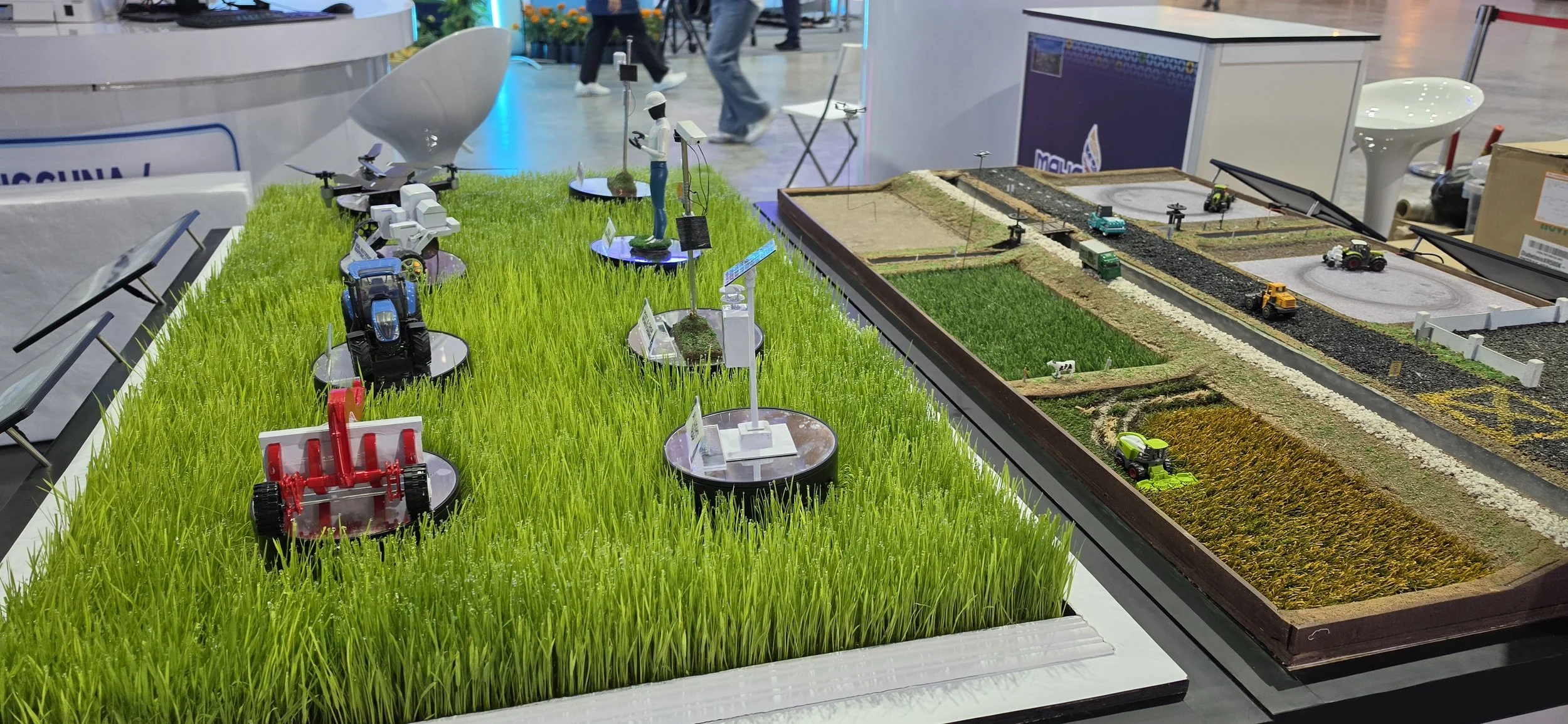
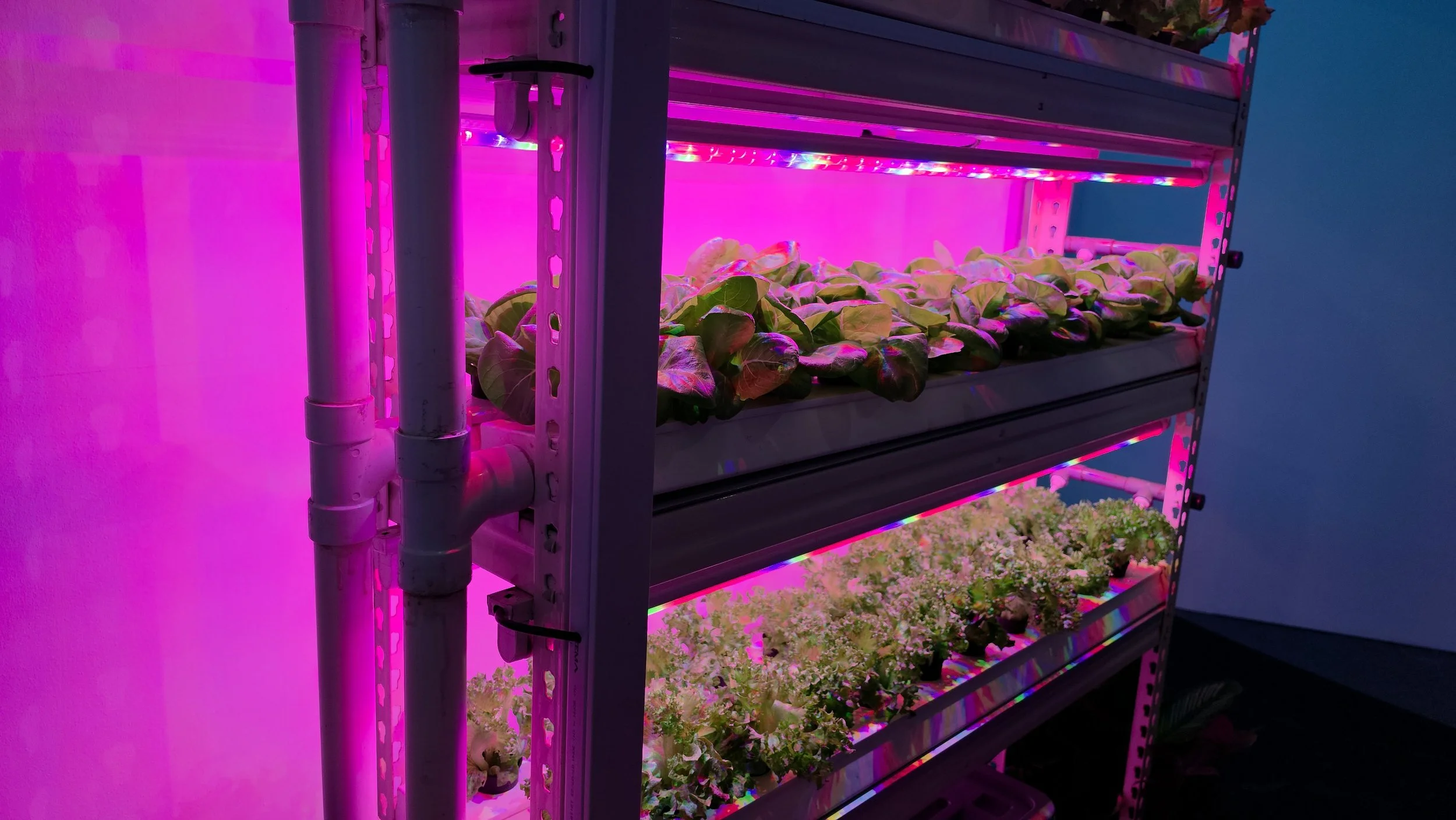
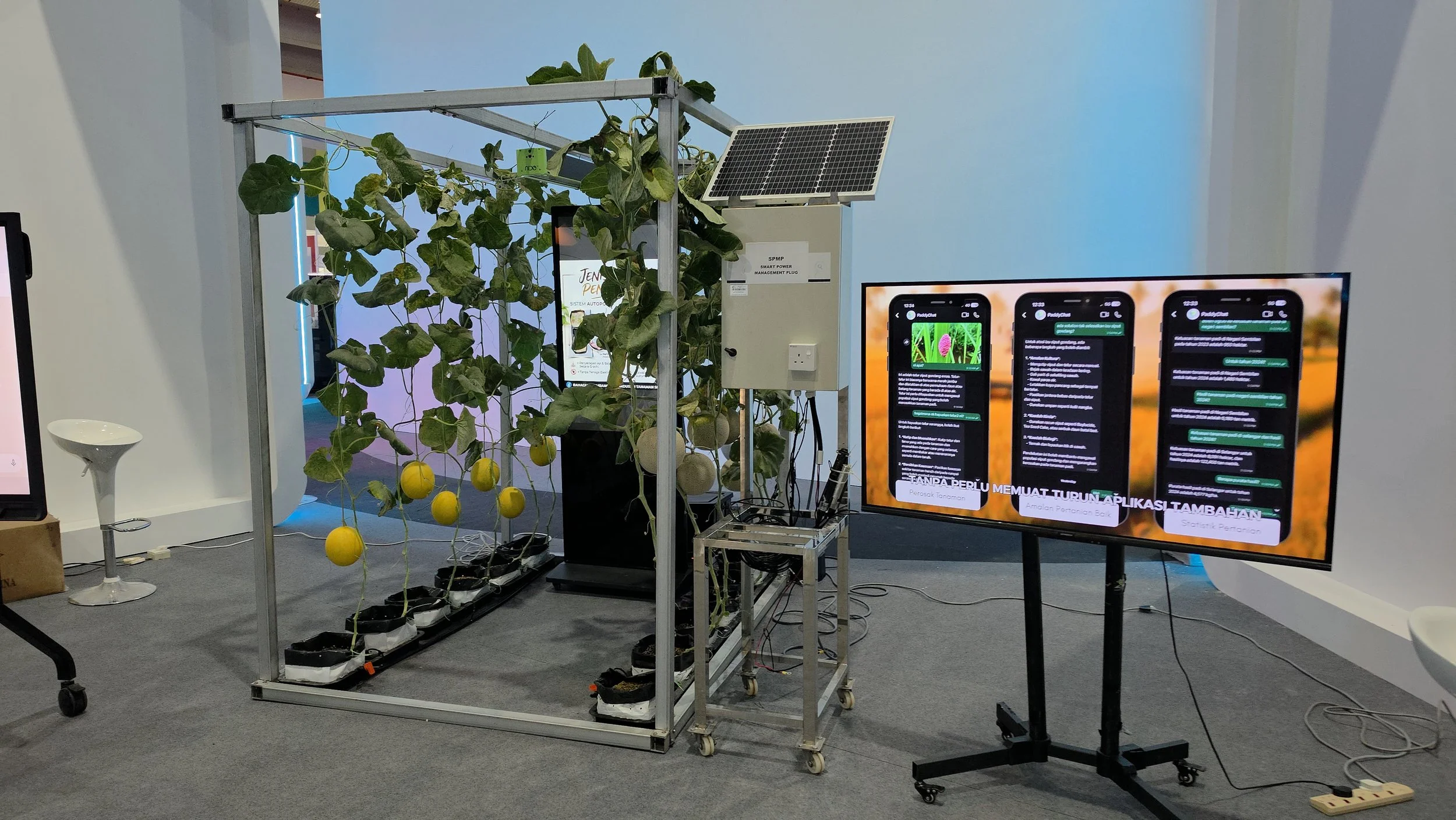
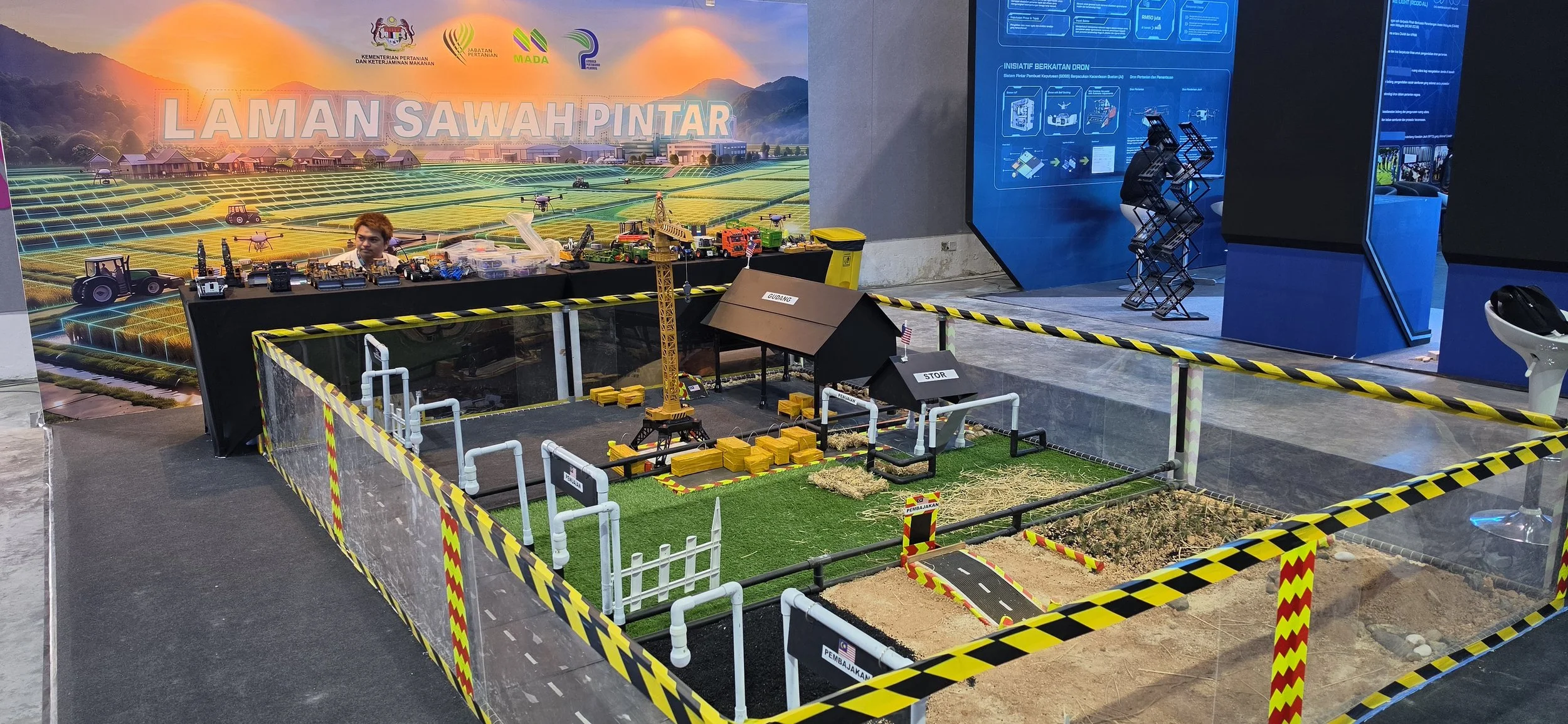
Smart Farming and Agricultural Technology
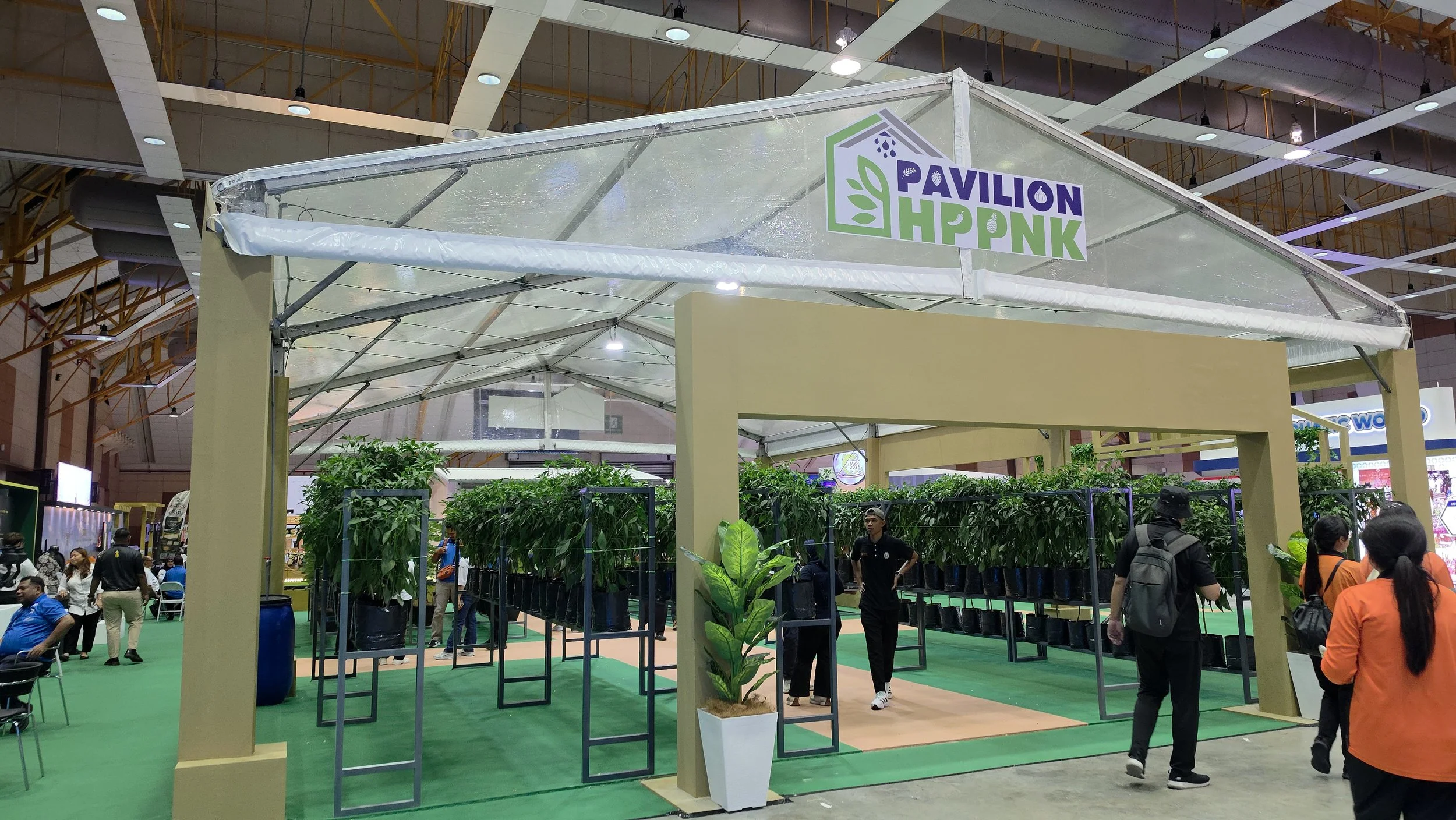
One of the more interesting aspects of MAHA 2026 is the visibility of technology across the agricultural sector.
Visitors can see examples of smart farming, automation, agricultural machinery and technology-enabled production systems.
This is important because the future of agriculture increasingly involves more than mechanising physical work.
Data is becoming part of agriculture.
Sensors can provide information about environmental and growing conditions. Automation can improve consistency. Digital systems can assist decision-making. Remote monitoring can reduce the need for constant physical inspection.
The underlying principle is familiar across many environmental applications: better information can lead to better management.
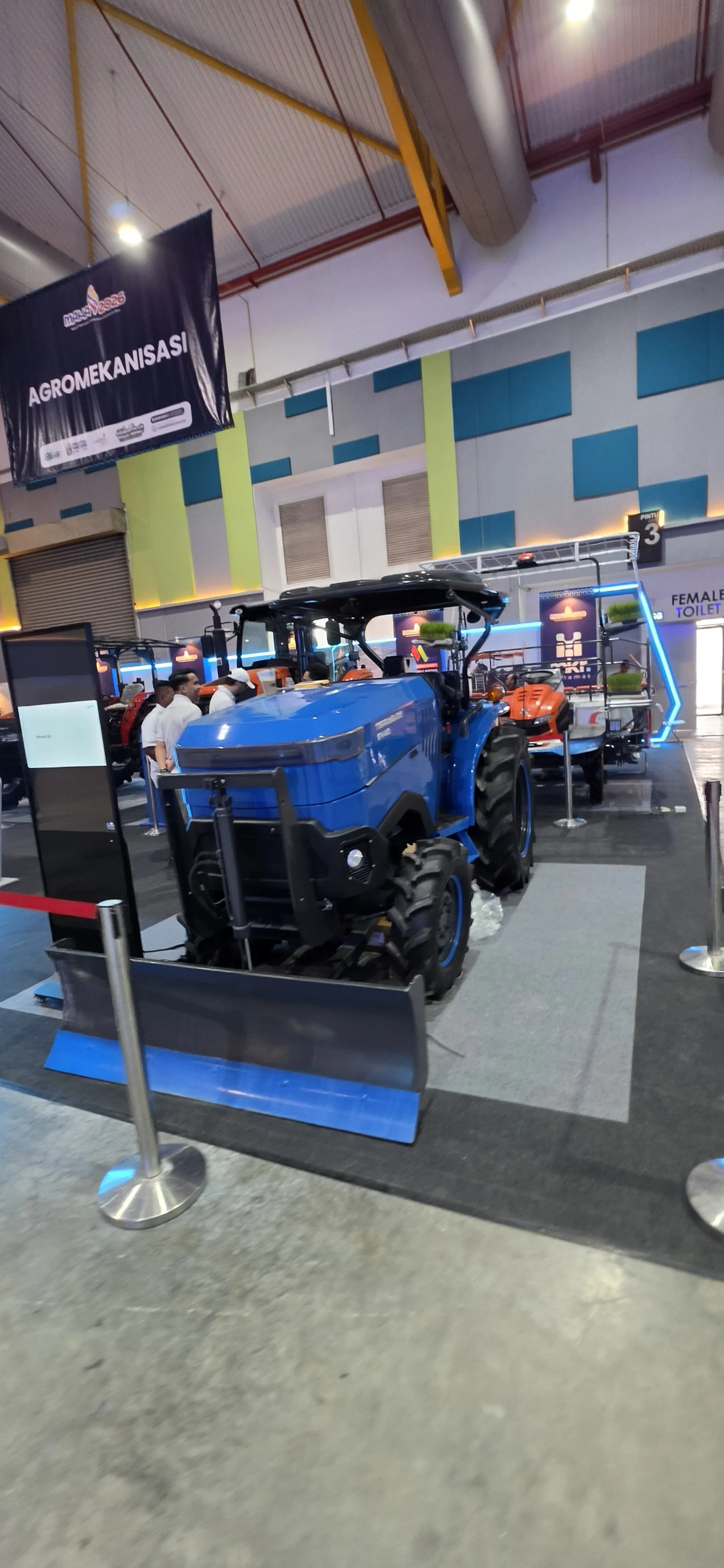
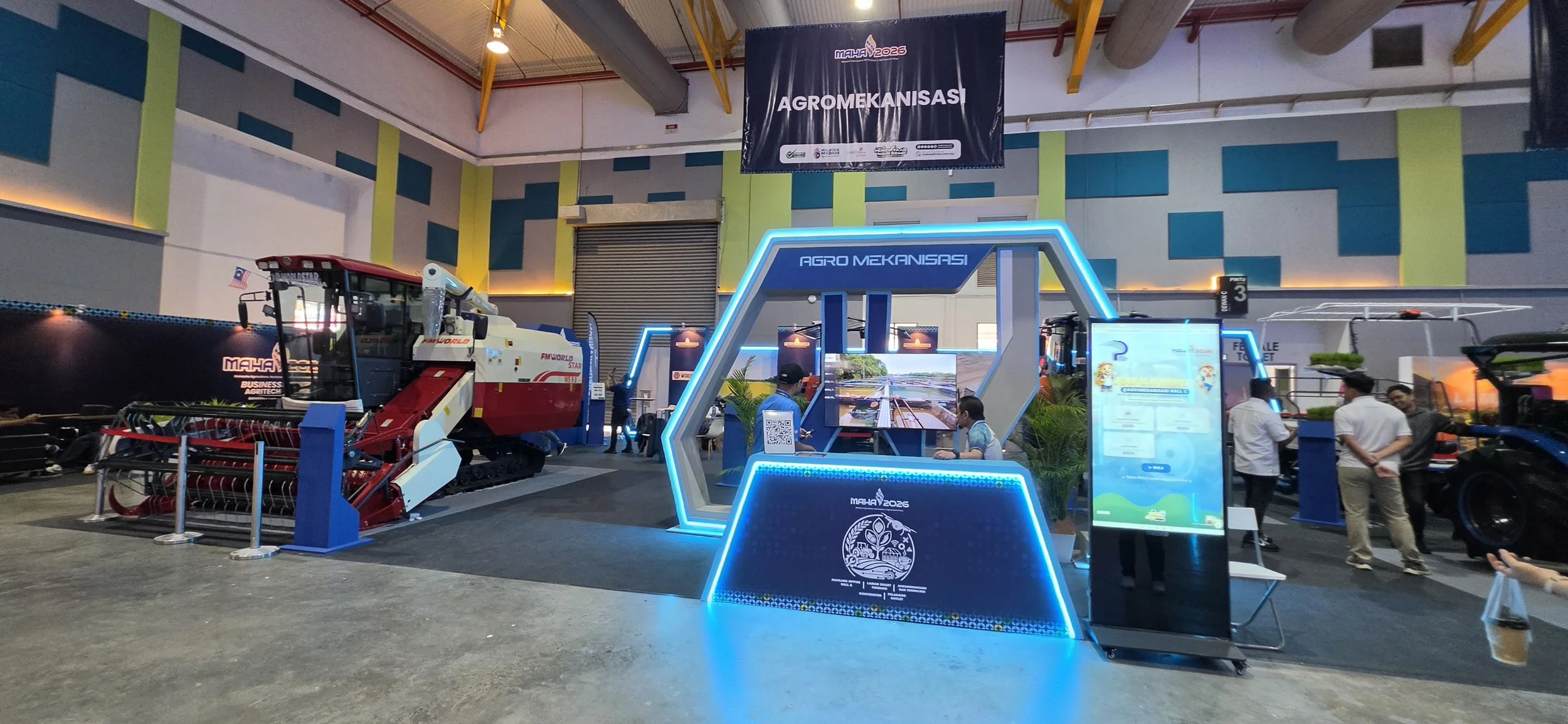
Agricultural Drones
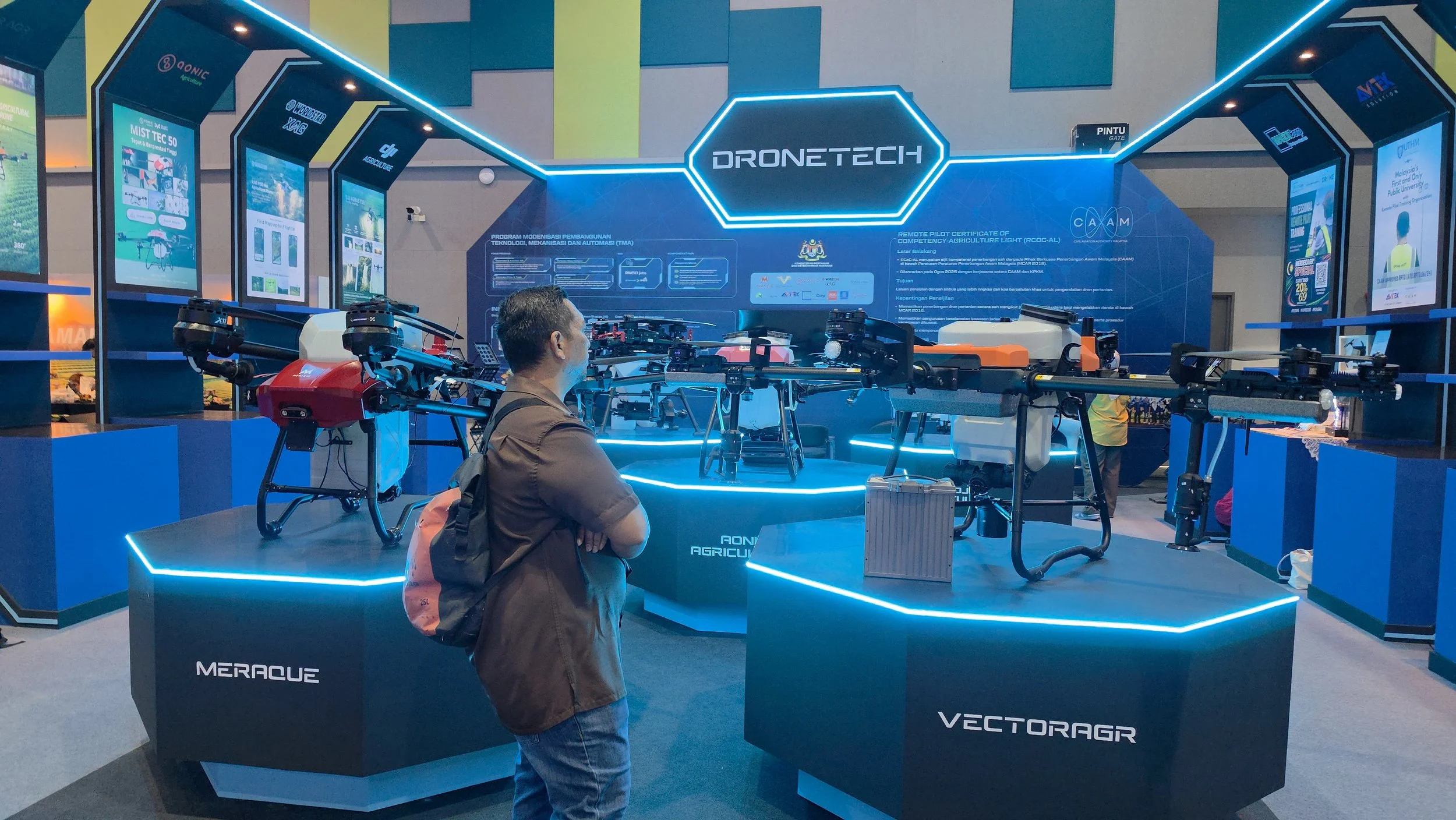
Drones are another technology worth looking out for.
Agricultural drone platforms have developed significantly beyond photography.
Depending on the system and application, drones can support activities including crop observation, mapping, spraying, monitoring and precision agricultural operations.
For organisations working with large landscapes, this development is particularly interesting.
At Planters, our own interest in drone technology extends into environmental monitoring, forest and landscape management, restoration surveillance and biodiversity-related applications.
The technology may differ by application, but the direction is similar: obtaining better information over larger areas, more efficiently.
Agricultural Machinery and Mechanisation
MAHA also provides an opportunity to see machinery that most members of the public would rarely encounter elsewhere.
Modern agricultural machinery demonstrates how mechanisation continues to change planting, harvesting, land preparation and farm operations.
For industry visitors, these areas offer an opportunity to examine technologies and speak directly with suppliers.
For families and younger visitors, the sheer scale of some of the machinery is an attraction by itself.
Livestock, Veterinary Displays and Petting Zoo
MAHA is not only about crops.
Livestock and veterinary-related areas provide another side of Malaysia's agricultural ecosystem, while more accessible animal attractions — including petting experiences — make these sections particularly suitable for families with children.
This combination of commercial agriculture, education and public interaction is one of MAHA's strengths.
A child may come to see the animals.
A farmer may come looking for technology.
An entrepreneur may be looking for products or markets.
An industry visitor may be looking for partnerships.
All can find something relevant within the same event.
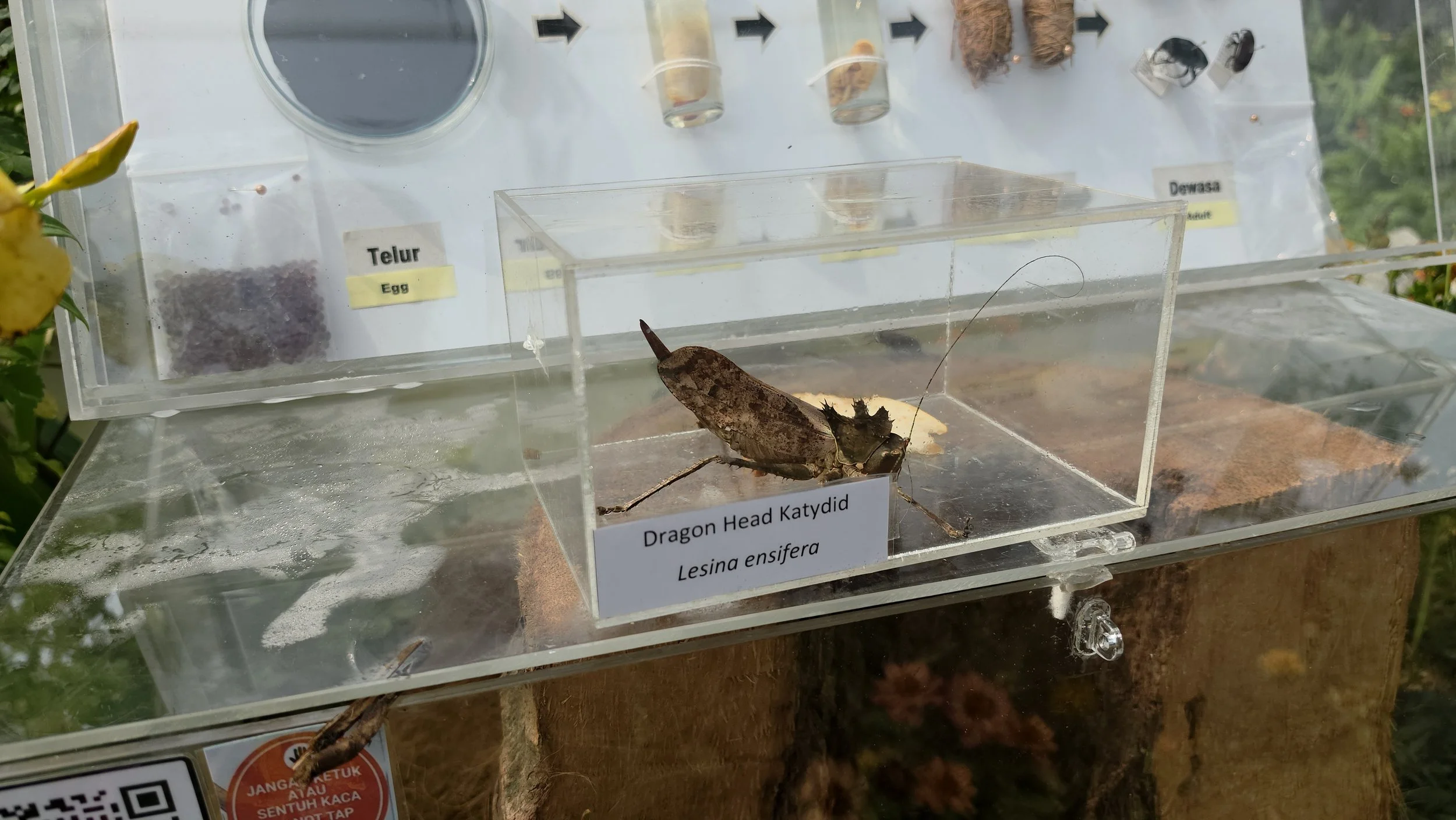
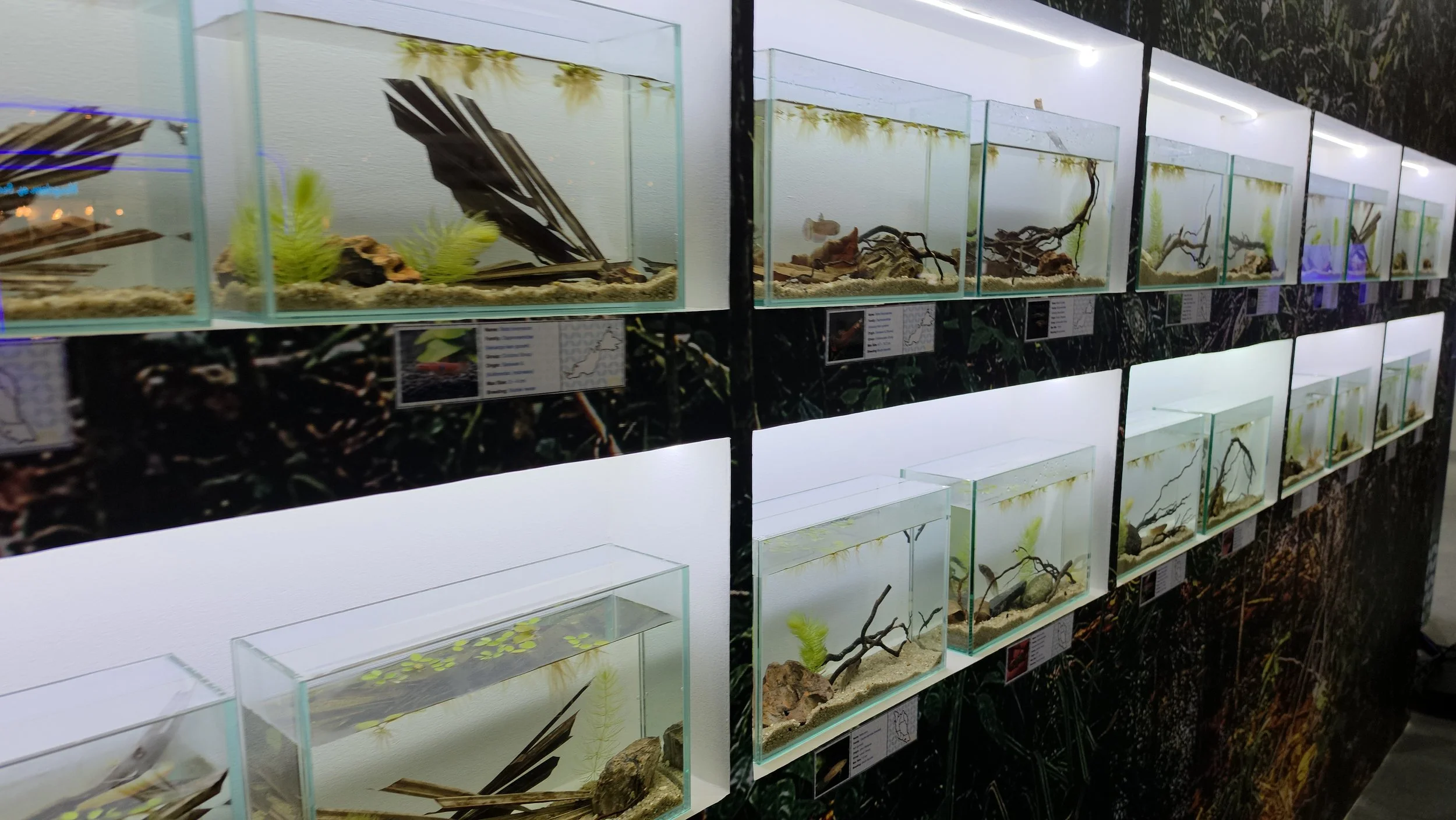
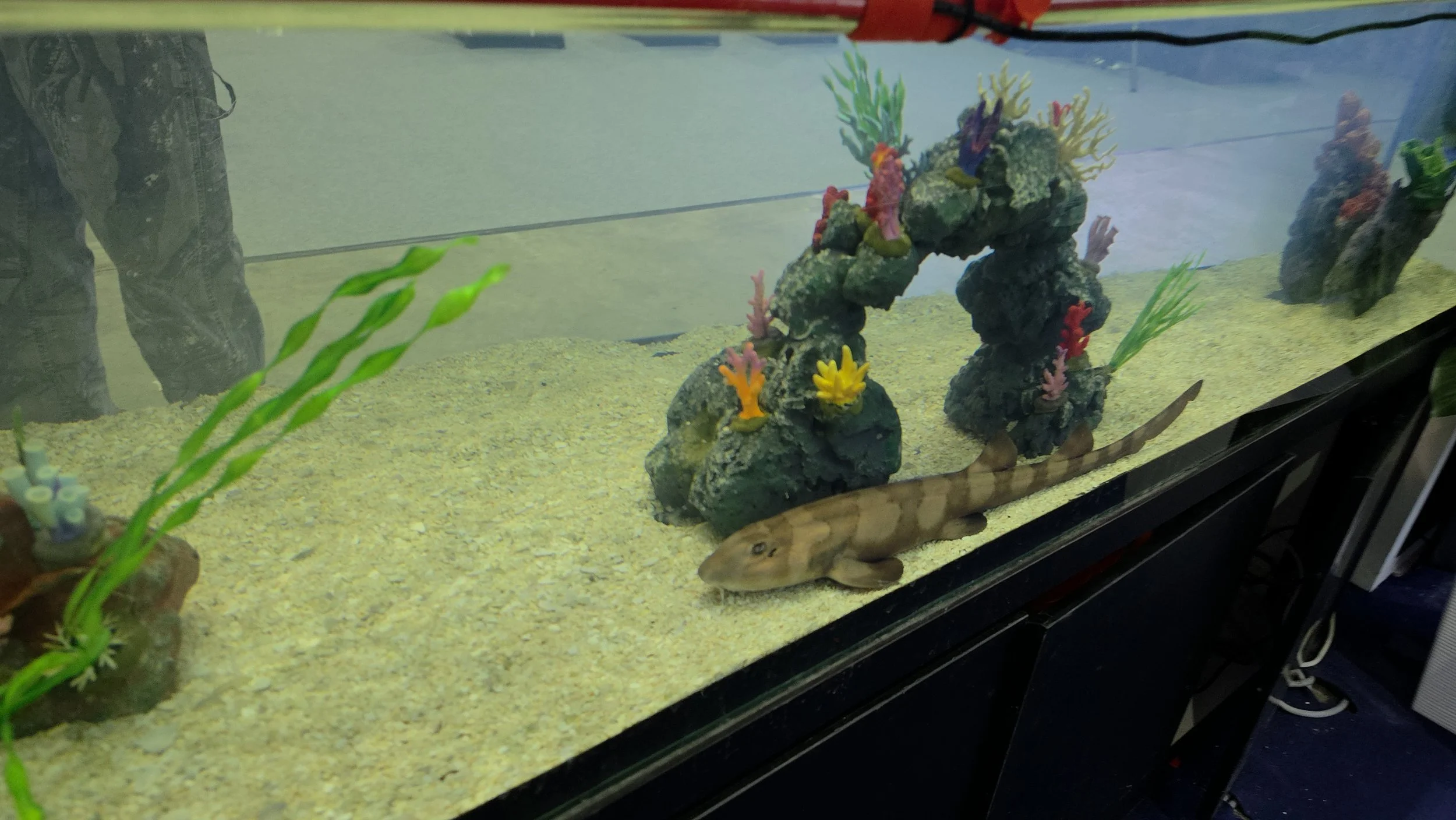
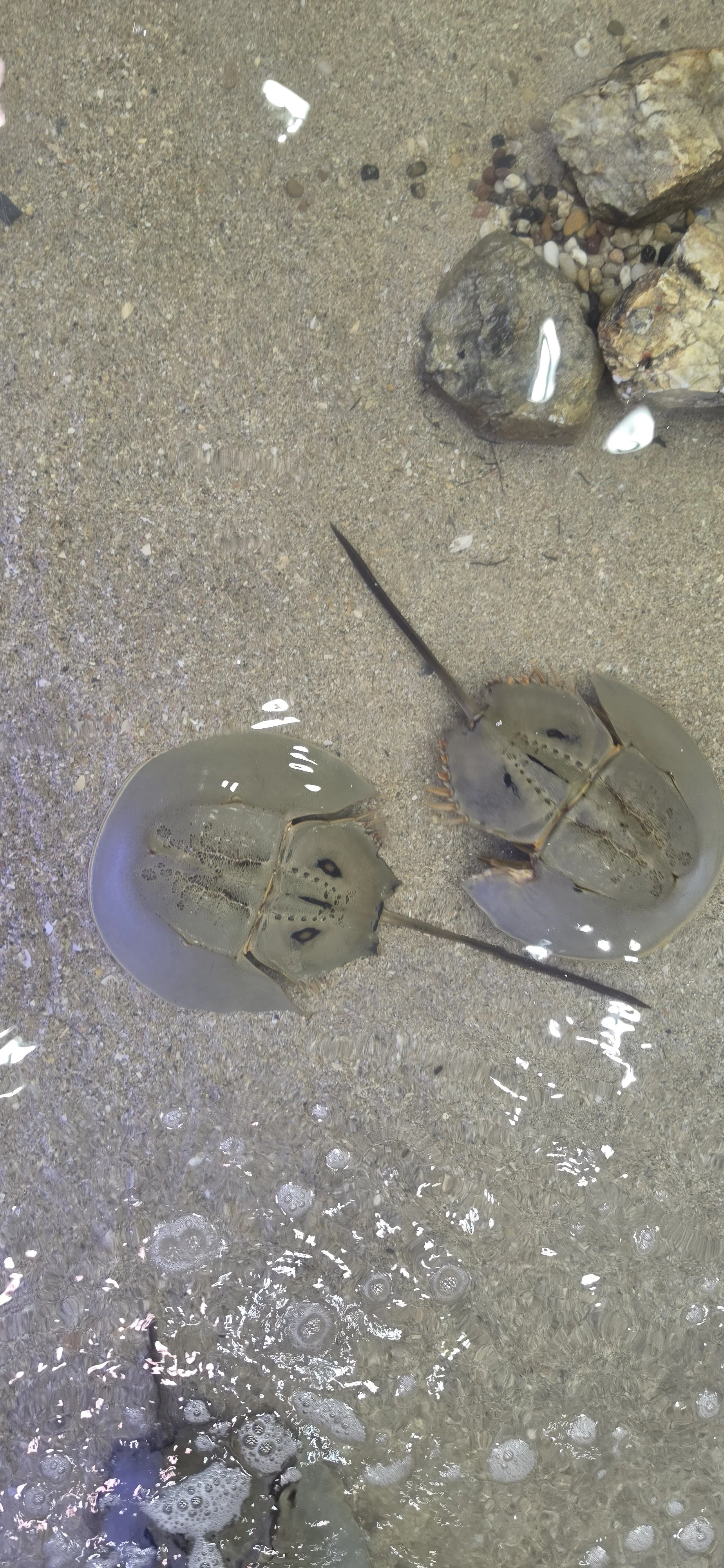
Fisheries and Aquaculture
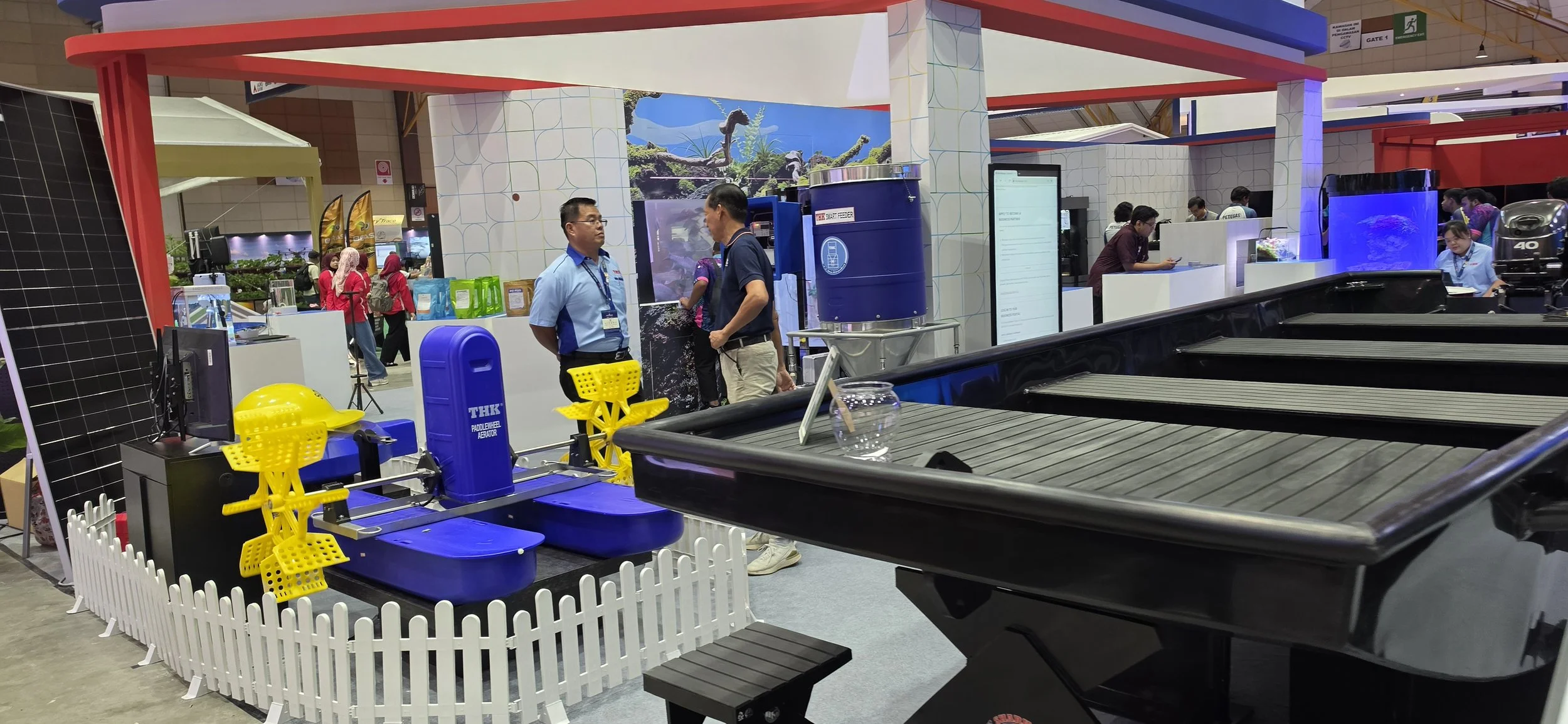
Malaysia's food system extends well beyond terrestrial agriculture, and fisheries and aquaculture are represented accordingly.
These areas are worth visiting even if fisheries are not normally within your area of interest.
They provide a broader picture of food production, aquatic resources and the different technologies and practices involved in Malaysia's agri-food system.
State Pavilions
The State Pavilions are another area worth allocating time for.
Malaysia's agricultural landscape differs considerably from state to state, and the pavilions provide an opportunity to see regional products, initiatives and agricultural strengths gathered in one location.
For visitors interested in discovering products from across Malaysia, this can be one of the more enjoyable parts of MAHA.
Food, Agro Products and Shopping
Do not come to MAHA expecting only exhibits.
There is a substantial commercial side to the event.
Agricultural products, food, plants, local products and other goods are available throughout the exhibition.
MAHA 2026 itself is targeting significant direct sales during the event, reflecting its role not only as an exhibition but as a marketplace connecting producers and consumers.
So leave some room in the car.
And perhaps in the budget.
MAHA 2026 With Children
Families could easily build an entire MAHA visit without concentrating on the more technical exhibits.
Among the attractions promoted for MAHA 2026 are Kiddies Wonderland, agrotourism experiences, livestock and animal attractions, food areas, specialised agricultural displays and evening entertainment.
This makes MAHA an opportunity to introduce children to where food comes from and how agriculture actually works — without turning the day into a classroom lesson.
Let them see it.
Plants growing, animals being cared for, machines operating and technology being used in agriculture can communicate considerably more than a textbook.
Don't Miss the Evening Programme
Visitors staying into the evening should also check the day's programme.
MAHA 2026 includes entertainment and special attractions during its run, including light, laser and drone-related shows, while 30 August has been announced to include drone and fireworks attractions.
Activities can differ by day, so visitors should check the latest official MAHA programme before travelling if a particular event is important to them.
Can You Cover MAHA 2026 in One Day?
Yes — but probably not everything.
One full day is enough to have a very good MAHA experience.
It is not necessarily enough to examine every hall, every technology, every state pavilion, every agricultural area and every seller in detail.
The better question is therefore not “Can we see everything?”
Ask:
“What do we most want to see?”
A family with children will naturally have a different route from a farmer.
Someone interested in plants and horticulture will spend their time differently from someone looking for machinery.
An agribusiness professional interested in technology, investment and new systems may spend considerably longer around smart farming, machinery, innovation and industry exhibitors.
Choose your priorities.
Our Practical MAHA 2026 Checklist
Based on our visit, we would suggest:
Arrive early, particularly if driving.
Allow extra time for the final approach into MAEPS.
Consider public transport and shuttle services during peak periods.
Photograph or download the MAHA map before exploring.
Wear comfortable shoes — MAEPS is large and hilly.
Use the trams strategically instead of repeatedly walking across the entire site.
Bring water and prepare for a full day.
If shopping extensively, think about how you will carry your purchases.
Allocate more time than you think you need for plants, food and the State Pavilions.
Families should identify children's attractions beforehand rather than discovering them after everyone is tired.
Industry visitors should make time for smart farming, machinery, drones and technology exhibits.
Check the official daily programme for activities happening specifically on the day of your visit.
Most importantly, don't rush MAHA.
More Than an Agricultural Show
For Planters, perhaps the most interesting part of MAHA 2026 is seeing how many disciplines that once appeared separate are increasingly converging.
Agriculture is meeting technology.
Machinery is meeting automation.
Land management is meeting data.
Production is meeting processing and markets.
And questions around productivity increasingly sit alongside questions about resource efficiency, resilience and sustainability.
The theme “Penciptaan Nilai Demi Keterjaminan Makanan” captures an important point: producing more is only one part of strengthening food security.
How resources are managed, how technology is deployed, how waste and by-products are utilised, how producers reach markets and how landscapes remain productive over time are also part of that equation.
These are conversations that extend beyond MAHA.
They also intersect with areas that Planters continues to explore through landscape restoration, environmental monitoring, biomass and biochar, circular resource utilisation and technology-supported environmental management.
Should You Visit MAHA 2026?
If you have an interest in agriculture, gardening, plants, food, technology, machinery, livestock, entrepreneurship or simply want somewhere different to take the family, yes.
Just don't treat MAHA like a small convention-centre exhibition.
Give it the day.
Come early.
Wear proper shoes.
Look at the map before you start.
And if you like plants, be prepared to leave with considerably more than you intended.
MAHA 2026
28 August – 6 September 2026
MAEPS Serdang, Selangor
10.00am – 10.00pm
Admission is free.
This visitor guide is based on Planters International Berhad's visit to MAHA 2026 during the opening day, supplemented by publicly available event information. Programmes, traffic arrangements and individual attractions may vary throughout the 10-day event. Visitors are encouraged to check the official MAHA channels for the latest daily programme and announcements.