From Reporting to Resilience: Key Insights from the R2R Forum at Securities Commission Malaysia
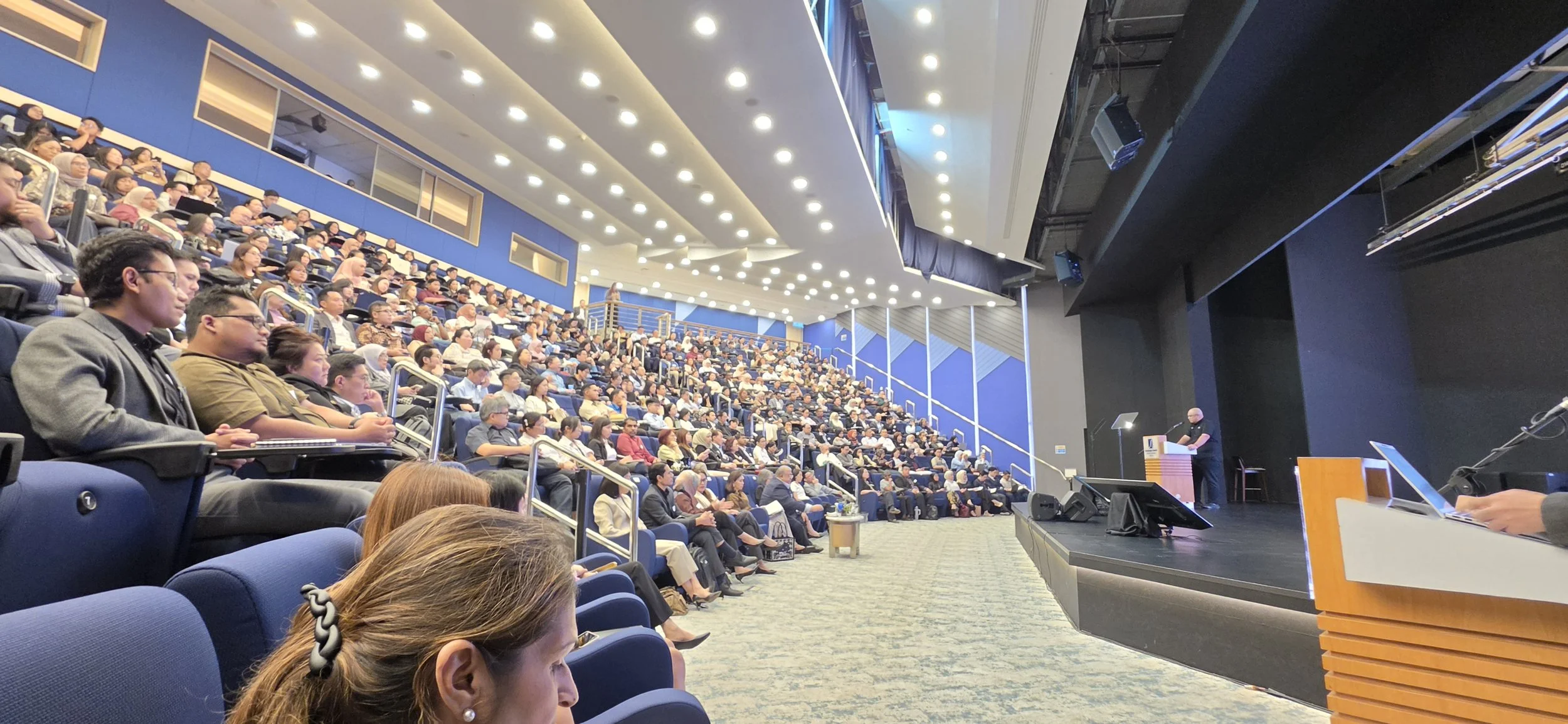
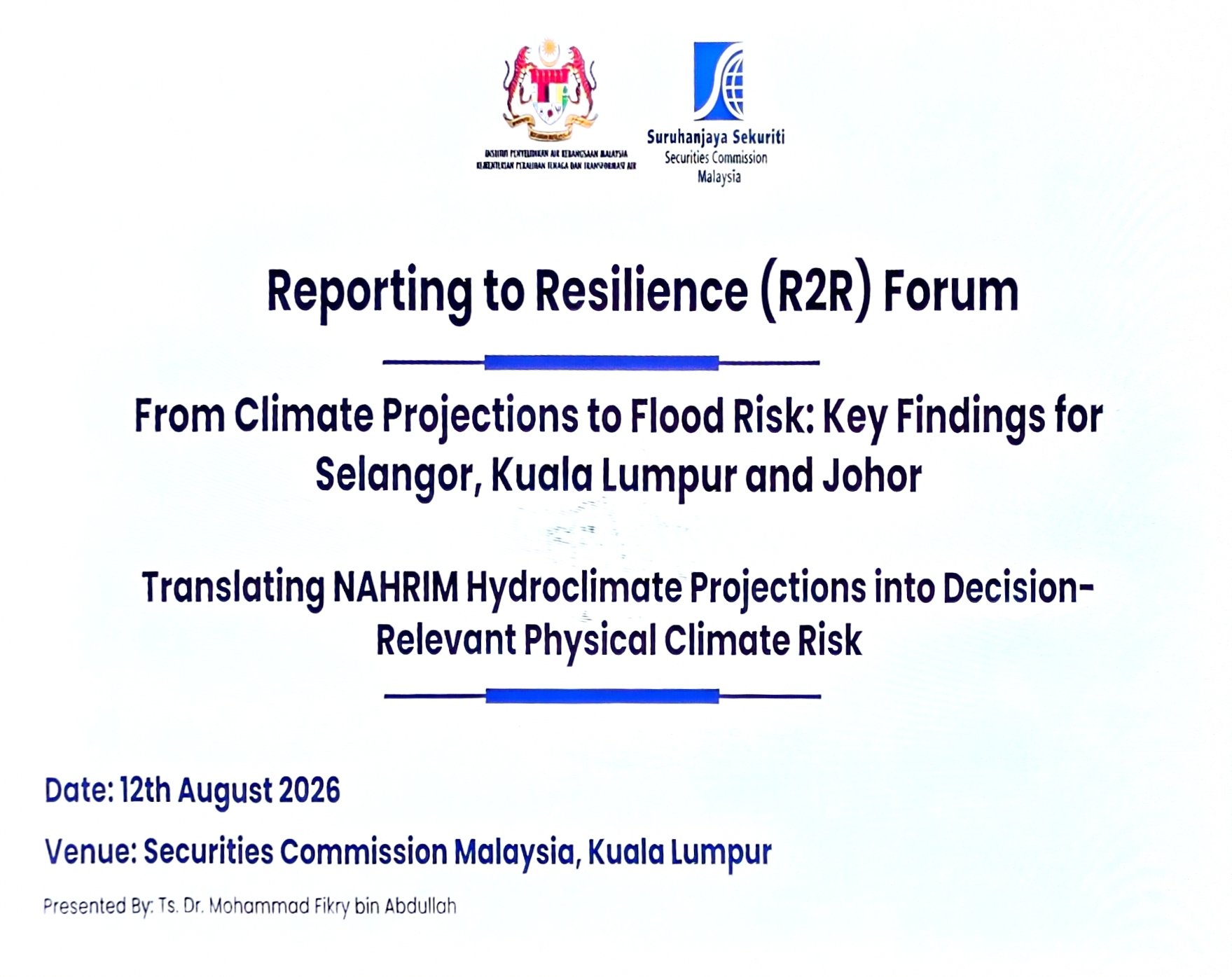
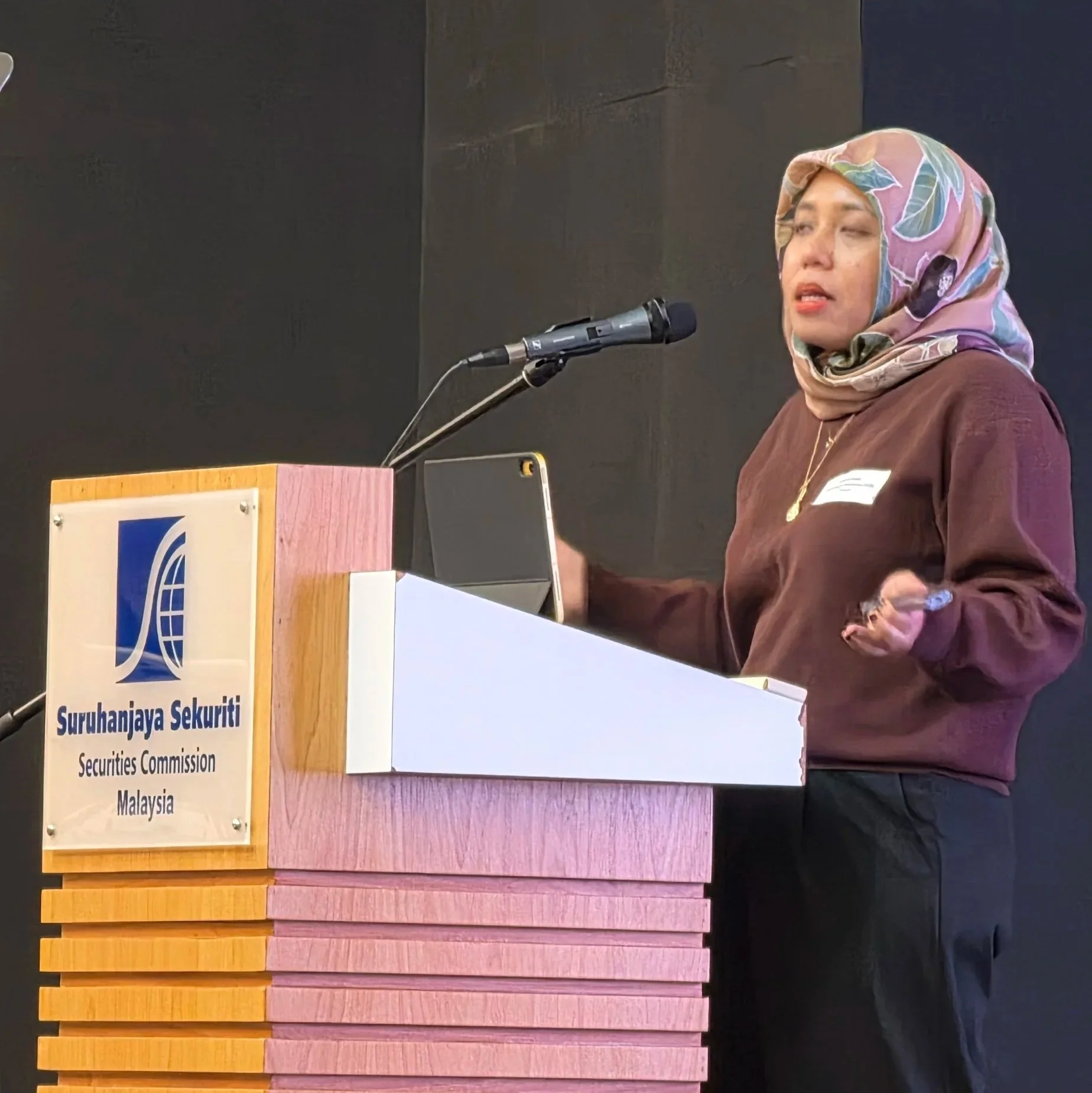
12 August 2026 | Kuala Lumpur - Planters International Berhad participated in the R2R Forum held at Securities Commission Malaysia (SC) on 12 August 2026, bringing together regulators, sustainability practitioners, climate and water researchers, professional advisers and representatives of Malaysian public listed companies to examine the practical realities of implementing sustainability and climate-related financial disclosures.
The forum came at an important stage in Malaysia's implementation of the National Sustainability Reporting Framework (NSRF), as the first cohort of larger Main Market listed issuers progresses through the reporting cycle and Group 2 companies prepare for implementation.
Malaysia's NSRF establishes the IFRS Sustainability Disclosure Standards — IFRS S1 and IFRS S2 — as the baseline sustainability disclosure standards for applicable companies in Malaysia, with implementation being phased according to company category and readiness.
Across the day's discussions, one message was particularly clear: sustainability reporting is increasingly moving beyond disclosure itself. Companies are being challenged to understand how climate and sustainability risks affect their assets, operations, supply chains, financial performance and long-term resilience — and, importantly, what they are doing in response.
Climate Resilience as a Business and Investment Issue
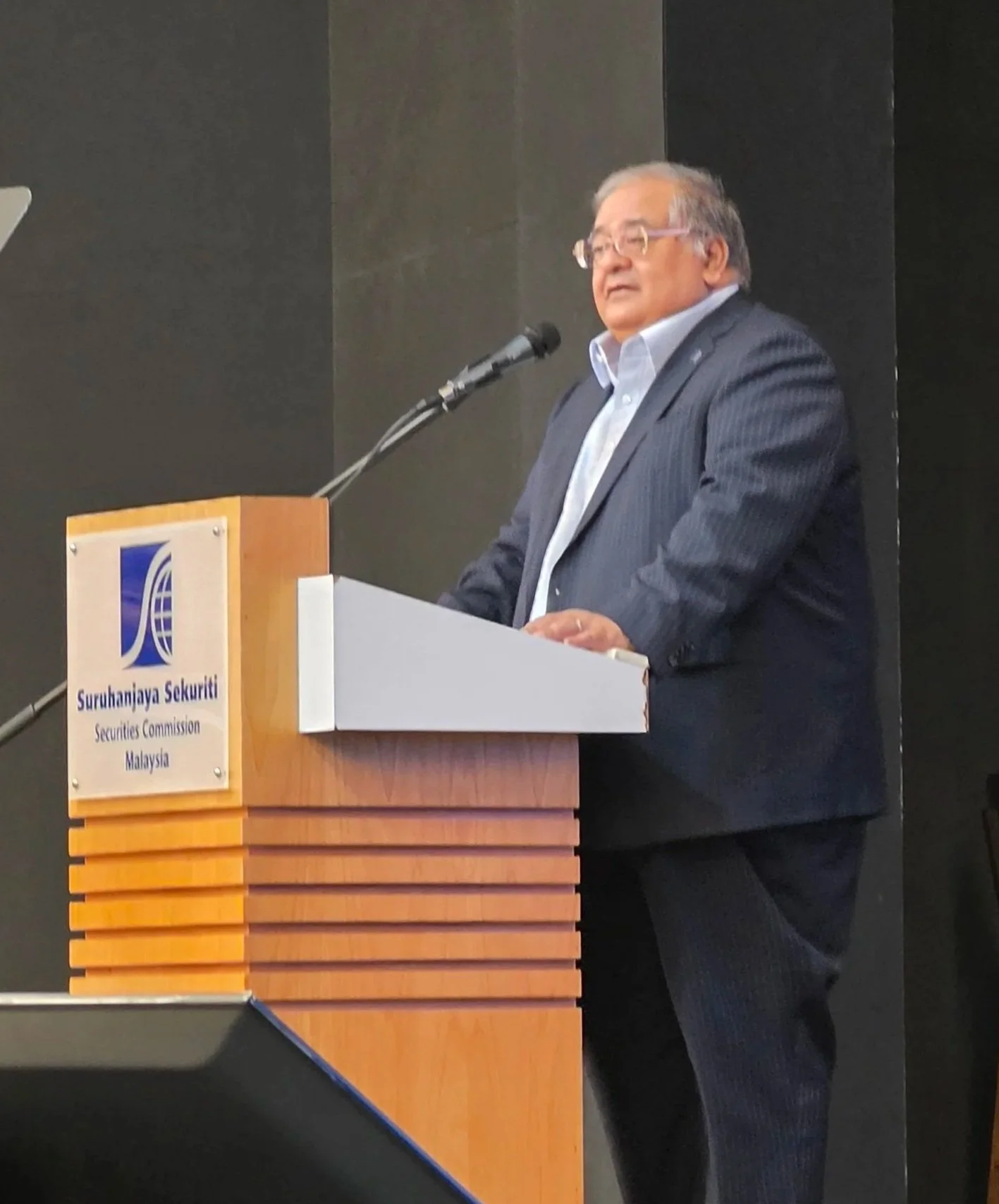
Opening the forum, Dato' Mohammad Faiz Azmi, Chairman of Securities Commission Malaysia, framed resilience as the ability not only to recover from risk events, but to prepare for, withstand and adapt to recurring and increasingly significant shocks.
The discussion highlighted Malaysia's exposure to physical climate risks, particularly flooding, changing rainfall patterns, water availability and potentially more severe climatic conditions.
For businesses, these risks have direct implications for factories, warehouses, transportation networks, ports, utilities, supply chains and other economically significant assets.
The broader message was that climate resilience is increasingly an investment consideration.
Investors and financiers need sufficient information to understand whether companies have identified material risks, considered their financial implications and developed credible plans to manage them.
This reflects the underlying direction of the NSRF itself: sustainability-related financial information is intended to become more consistent, comparable and reliable, helping investors make better-informed decisions.
Lessons from Malaysia's First Reporting Cycle
The forum also presented findings from a review by the Minority Shareholders Watch Group (MSWG) of sustainability reporting among the first cohort of Group 1 companies.

The assessment highlighted an important distinction between having sustainability governance structures and demonstrating how sustainability considerations actually influence corporate decisions.
Risk-management structures and processes were among the stronger areas observed, while challenges remained in areas including climate-related targets, climate resilience, cross-industry metrics, financial impacts and greenhouse gas emissions.
A recurring theme was the need to move from describing processes towards providing information that allows investors to understand how decisions are made and what their financial consequences may be.
The discussions also reinforced the importance of integrating sustainability across organisational functions.
Sustainability teams cannot implement IFRS S1 and IFRS S2 alone. Finance, risk management, strategy, operations and boards all have roles to play in establishing materiality, collecting and validating information, understanding financial impacts and ultimately determining how companies respond.
SC's existing NSRF guidance similarly emphasises governance, sustainability data boundaries, financial-impact assessments and integration with enterprise risk management.
NAHRIM Highlights Malaysia's Physical Climate Risks

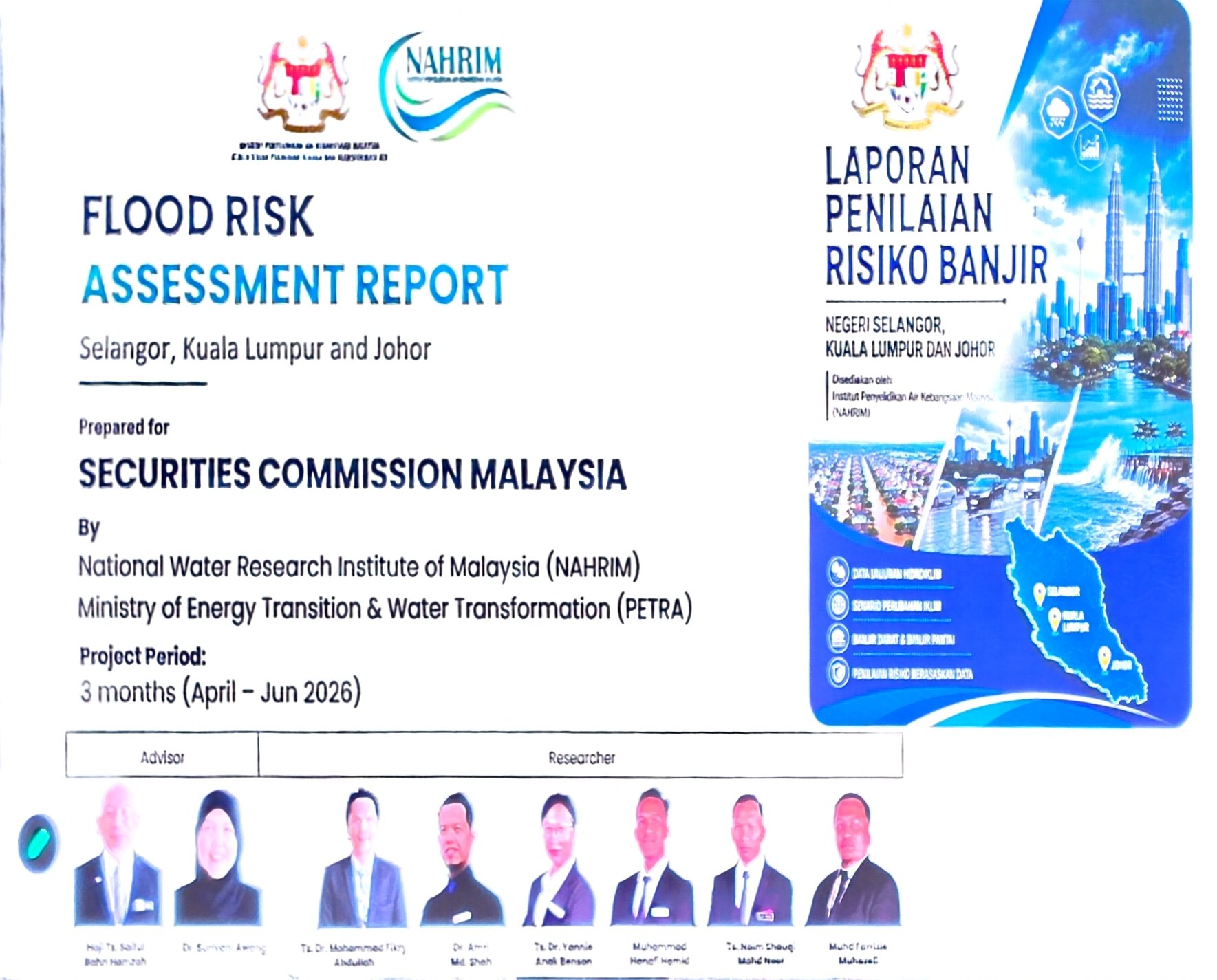
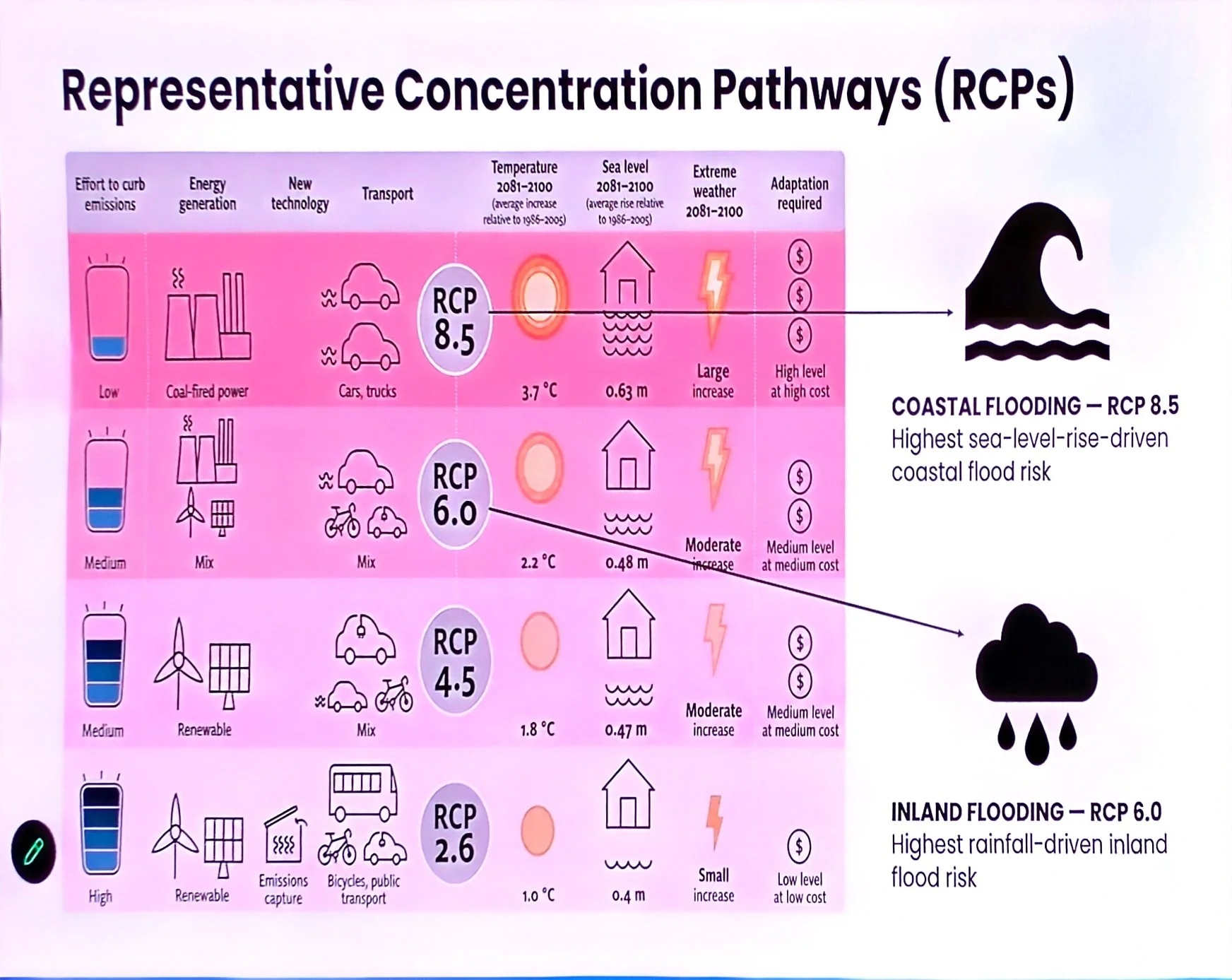
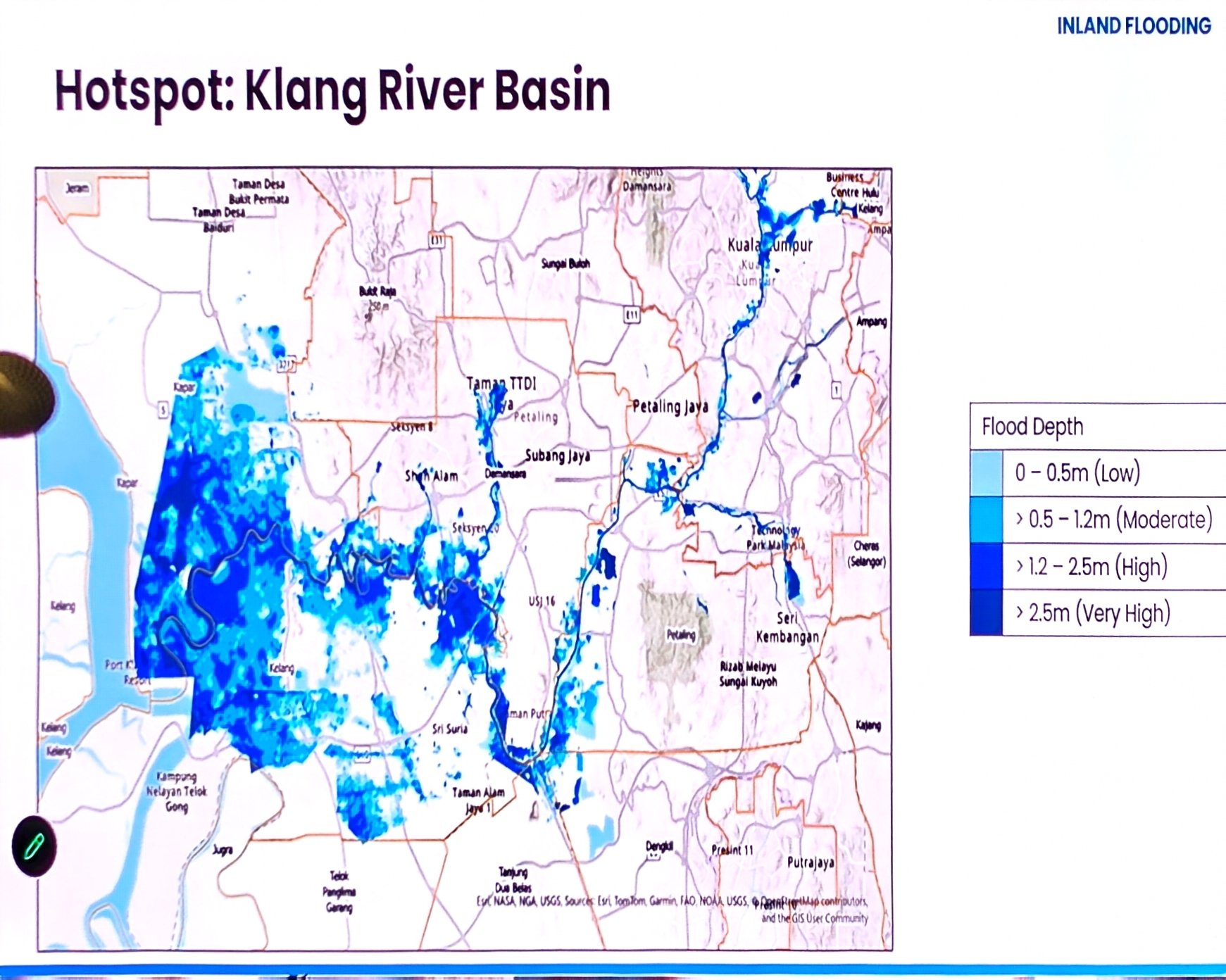
A particularly relevant technical session was delivered by the National Water Research Institute of Malaysia (NAHRIM), presenting climate-related flood-risk assessments covering areas in Selangor, Kuala Lumpur and Johor.
The presentation demonstrated how climate projections can be translated into spatial flood-risk information and overlaid against the locations of corporate assets.
For Selangor, the analysis examined both the Klang River Basin and Selangor River Basin, identifying locations potentially exposed to significant future inland flooding.
The coastal assessment also highlighted economically important areas including Port Klang and Pulau Indah, reinforcing the importance of considering climate resilience not only at individual asset level but across interconnected economic and ecological landscapes.
NAHRIM further highlighted the potential for compound risks, including circumstances where significant upstream rainfall coincides with high coastal water levels, potentially contributing to backwater effects and more complex flood conditions.
For companies, such assessments can provide an important starting point for determining whether assets and operations are exposed to physical climate hazards and whether more detailed assessment is required.
The session also emphasised an important principle of climate scenario analysis: its purpose is not necessarily to predict exactly which future will occur, but to determine whether decisions being made today remain robust under different plausible futures.
From Climate Maps to Financial Consequences
A subsequent session by PwC Malaysia examined the next step: translating climate scenarios into business and financial consequences.
Climate hazard alone does not determine financial risk.
For example, the financial consequences of a particular flood depth can vary significantly depending on the type of asset, location of critical equipment, business-continuity arrangements, accessibility, existing flood defences and operational dependencies.
Companies therefore need to understand not only the gross physical hazard but also:
their exposure and vulnerability; existing mitigation and adaptation measures; associated CAPEX and OPEX; potential business interruption; asset values and revenue exposure; supply-chain dependencies; and the residual risk remaining after adaptation.
The presentation illustrated how physical-risk assessments can progressively develop from qualitative screening into location-specific quantitative analysis and eventually forward-looking financial projections.
An important point was that physical climate risk may also exist outside a company's directly owned assets.
A warehouse may remain operational while the road providing access to it is flooded. A technology company may depend upon third-party data infrastructure. A manufacturer may depend upon vulnerable suppliers, ports, utilities or transportation networks.
Climate resilience therefore increasingly requires companies to understand dependencies across their value chains and surrounding systems.
Nature-Based Solutions as Part of Climate Adaptation
Of particular relevance to Planters' work in ecosystem restoration was the recognition during the forum that climate adaptation can involve both engineered and nature-based interventions.
Examples discussed during the climate scenario session included expenditure associated with flood defences, pumps and mangrove planting, alongside consideration of supply-chain disruptions such as access to Port Klang.

This highlights an increasingly important connection between ecosystem restoration and corporate climate resilience.
Healthy mangroves, riparian ecosystems, forests and other natural systems can form part of wider adaptation strategies when interventions are appropriately designed, scientifically assessed and monitored.
However, credible climate adaptation requires more than simply implementing an environmental activity.
The relationship between the identified climate risk, the intervention undertaken and the resulting resilience outcome must be supported by appropriate methodologies, baseline information and evidence.
For Planters, this reinforces the importance of approaching ecosystem restoration as measurable environmental infrastructure — capable of delivering biodiversity and ecological outcomes while potentially contributing to wider climate adaptation and landscape resilience.
The Emerging Challenge: Assurance-Ready Sustainability Data
One of the strongest messages from the final panel discussion concerned data quality and auditability.
Representatives of Group 1 companies shared their experience implementing the first reporting cycle, including the considerable internal coordination required across sustainability, finance, risk, strategy and operations.
Companies highlighted the importance of establishing clear:
data ownership and process ownership;
calculation methodologies and assumptions;
review and approval processes;
internal controls;
supporting evidence; and
auditable data trails.
The experience shared by the panellists demonstrated that sustainability information increasingly needs to approach the governance standards traditionally associated with financial information.
This is particularly significant as Malaysia moves progressively towards assurance of sustainability information. The NSRF has from its inception envisaged an assurance pathway, subject to the applicable framework and implementation arrangements.
The practical implication is significant.
Collecting environmental data is no longer sufficient. Organisations increasingly need to demonstrate where information originated, how it was measured, which methodology was used, what assumptions were applied, who reviewed it and whether the resulting information can withstand independent scrutiny.




Carbon Credits and Future Corporate Climate Strategies
The forum also touched on the treatment of carbon credits within corporate climate strategies.
Companies considering the future use of carbon credits need to understand that credible disclosure extends beyond simply reporting credits already purchased or retired. Their climate strategies may also require transparency around the anticipated role of carbon credits and the characteristics and verification of the instruments being considered.
This further reinforces the growing importance of integrity, traceability and credible verification across both nature-based and technology-based climate solutions.
Implications for Planters and Environmental Intelligence
For Planters International Berhad, the R2R Forum reinforced the growing convergence between climate science, ecosystem management, corporate risk, finance and environmental data.
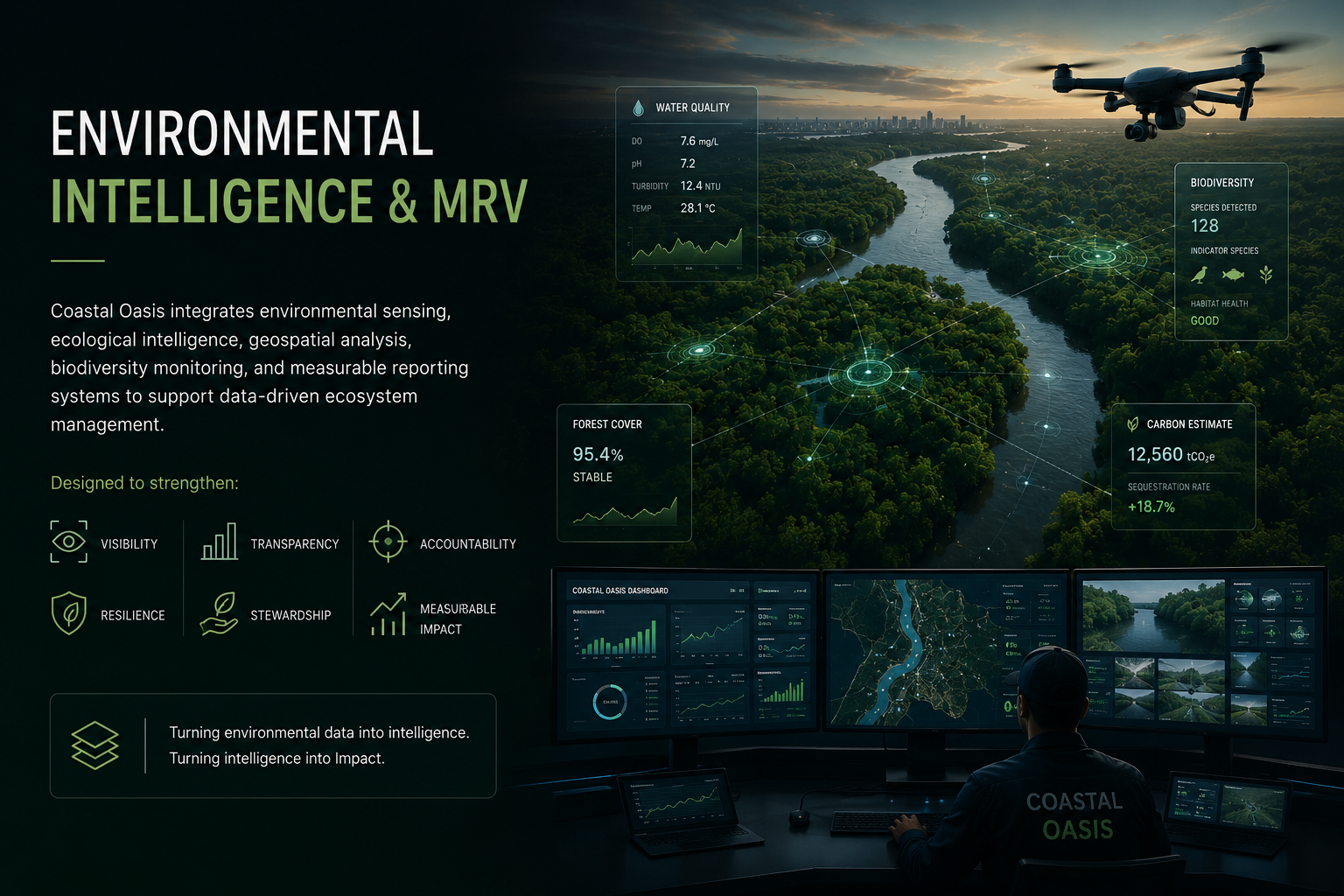
Through our work in forest and ecosystem restoration, biodiversity monitoring, river and coastal rehabilitation, biochar and environmental intelligence, we increasingly see the need to connect physical environmental interventions with measurable and verifiable outcomes.
This is particularly relevant to landscape-scale initiatives such as Coastal Oasis: Sungai Klang & Coastal Isles - Eco-Restoration and Biodiversity Innovation Program, where river systems, mangroves, coastal ecosystems, communities, infrastructure and economic activities exist within the same interconnected landscape.
The discussions at SC reinforce the importance of developing environmental interventions through a clear evidence chain:
Climate and environmental risk → baseline assessment → intervention → monitoring → measurable outcome → residual risk → decision-useful evidence.
Planters' Active Forest Asset Management (AFAM) approach is being developed around this need for increasingly integrated environmental intelligence, combining field observations with technologies including remote sensing, LiDAR, SLAM, drones, environmental sensors and biodiversity surveillance.
As sustainability information becomes increasingly connected with financial decision-making and assurance, environmental monitoring systems will likewise need to evolve beyond dashboards towards traceable, governed and decision-grade environmental evidence.
Moving from Disclosure to Action
Malaysia's transition towards ISSB-aligned sustainability reporting represents more than a new reporting requirement.
The NSRF is intended to improve the consistency and reliability of sustainability-related financial information while strengthening Malaysia's competitiveness and attractiveness to investors. Malaysia has also been recognised by the IFRS Foundation's jurisdictional profile for adopting the ISSB Standards with limited transition.
The R2R Forum demonstrated what the next stage of that transition increasingly looks like in practice.
Companies must understand their risks.
Boards must understand the financial consequences.
Organisations must determine whether they are resilient.
Adaptation measures must move from commitments into implementation.
And the underlying evidence must become sufficiently robust to support corporate decisions, investor scrutiny and ultimately assurance.
For Planters, this evolution reinforces a fundamental principle behind our work: environmental action must increasingly be measurable, evidence-based and connected to real-world resilience.
As Malaysia moves from sustainability reporting towards sustainability-related financial decision-making, the opportunity is not merely to report environmental performance — but to implement, measure and demonstrate the environmental outcomes that create resilience in the first place.