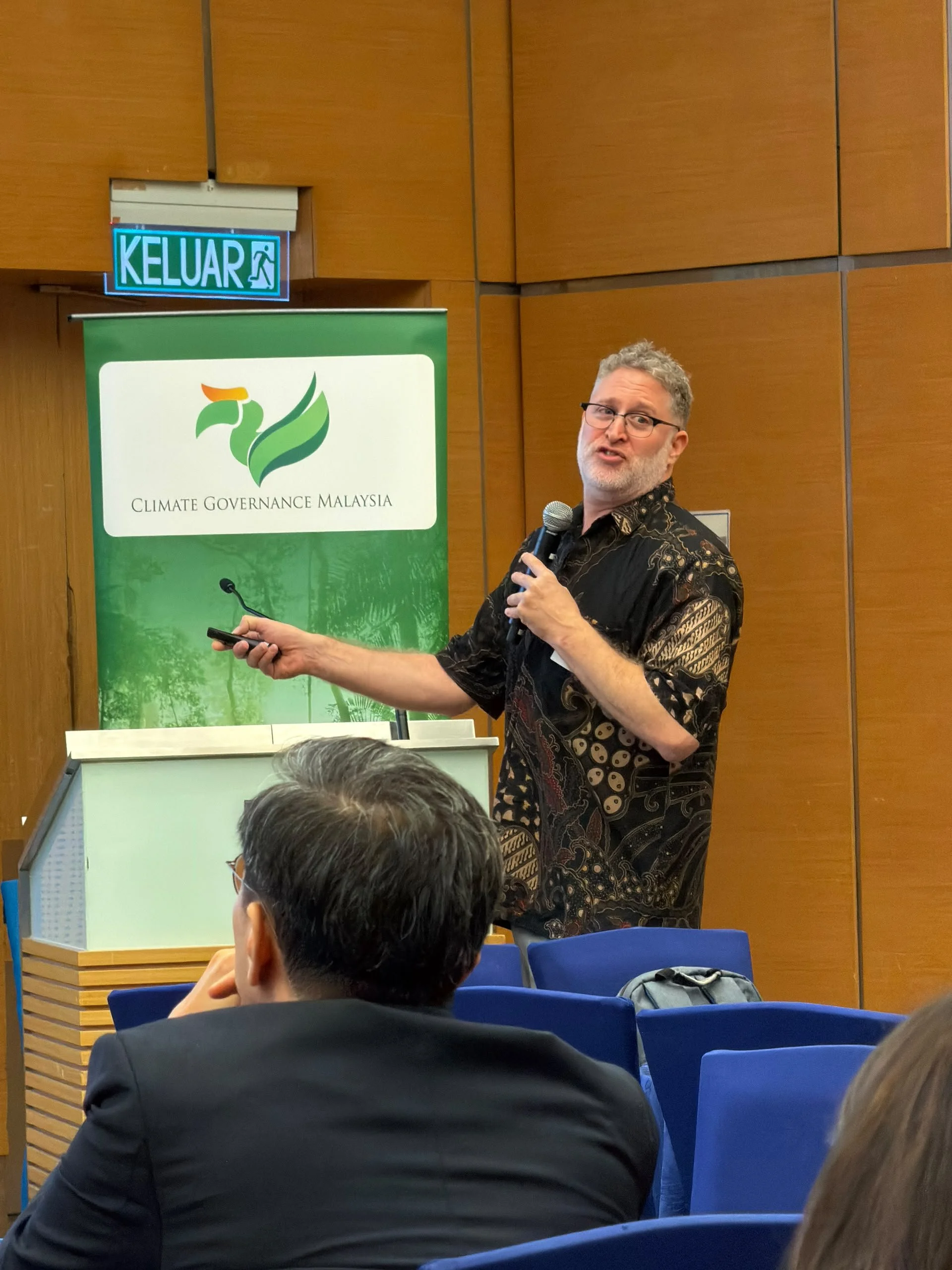
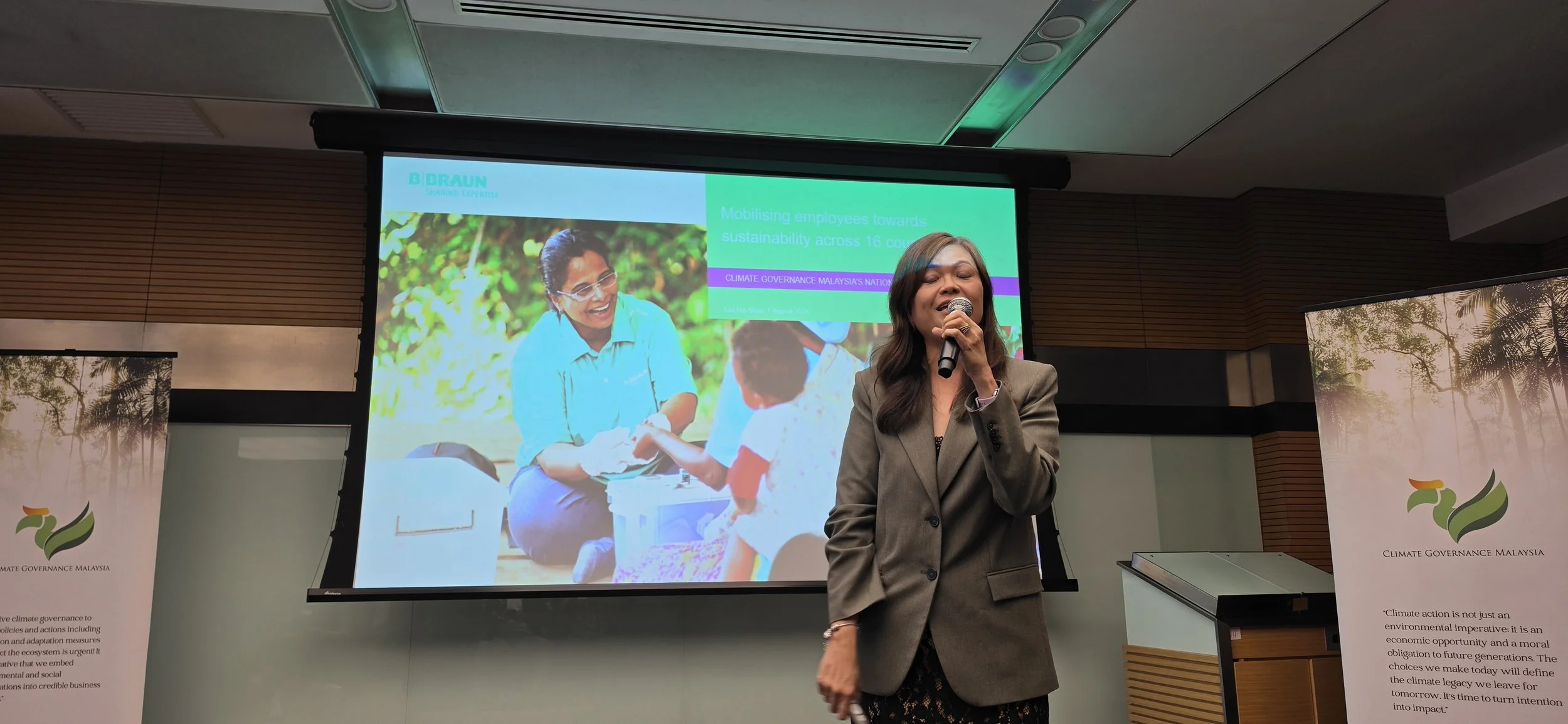
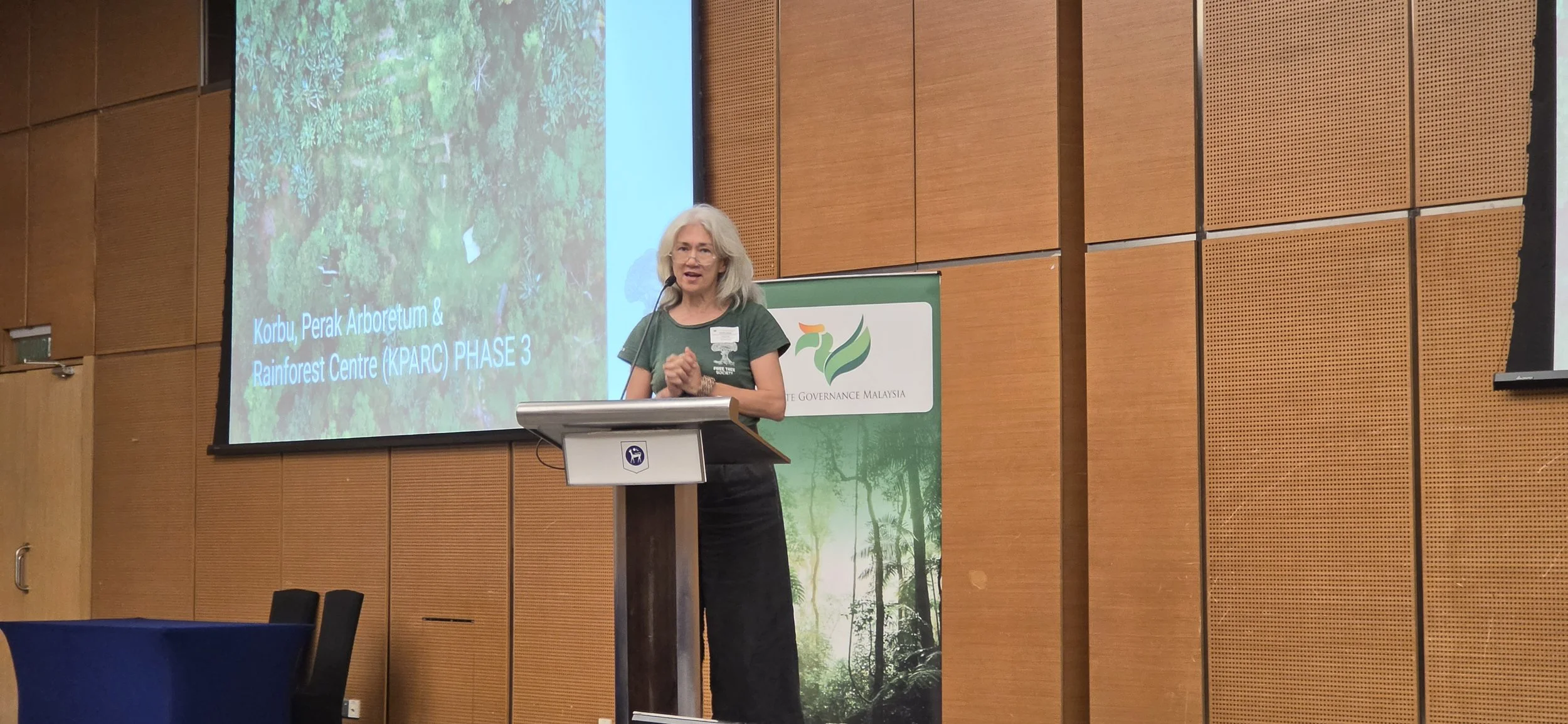
Reflections from the National Climate Governance Summit 2026
KUALA LUMPUR, 7 August 2026 – Climate governance is no longer confined to environmental policy. It increasingly influences investment decisions, corporate governance, financial reporting, trade competitiveness and long-term business resilience. These themes formed the foundation of discussions throughout the National Climate Governance Summit (NCGS) 2026, where policymakers, regulators, financial institutions, businesses, academia and sustainability practitioners gathered to examine Malaysia's evolving climate landscape.
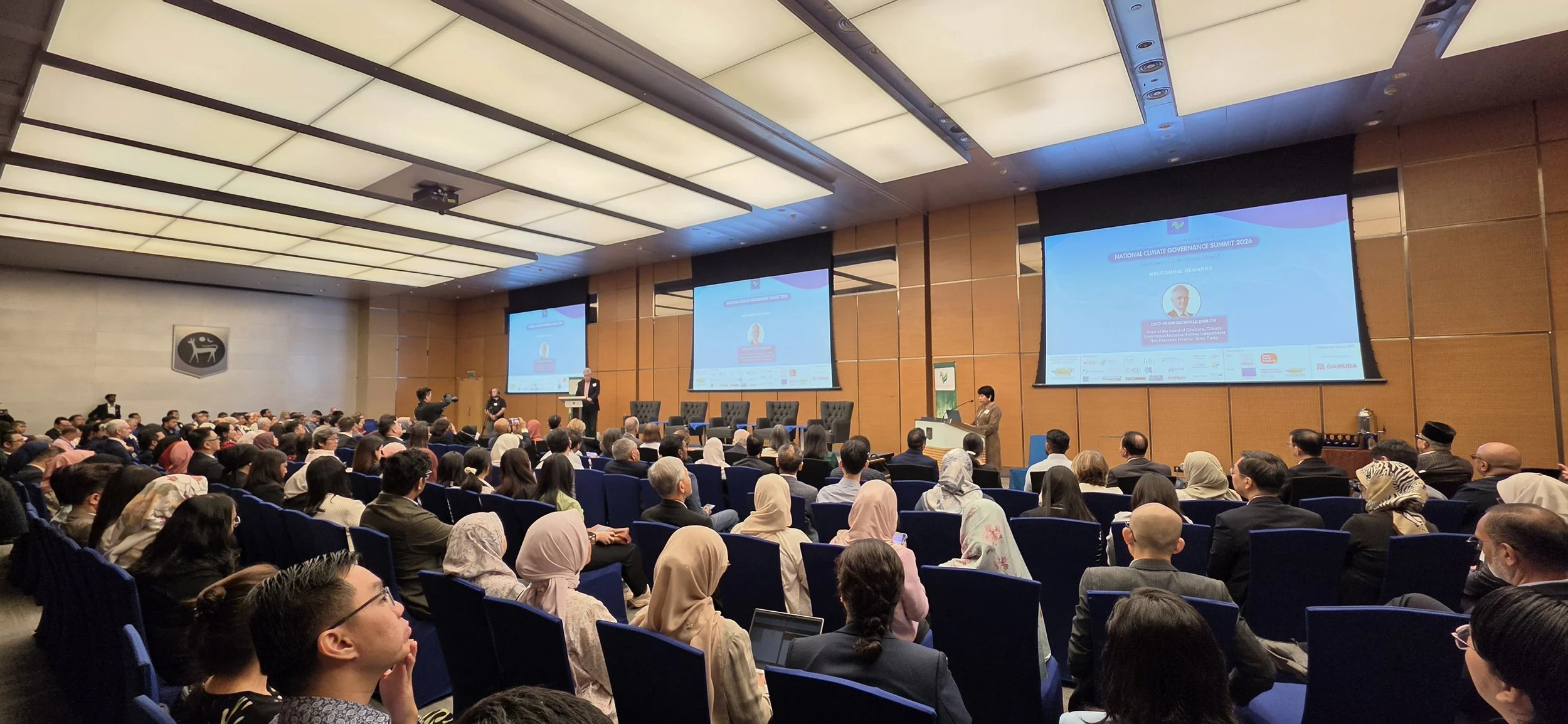
National Climate Governance Summit (NCGS) 2026
Over five days, the summit combined keynote addresses, panel discussions, technical masterclasses and industry workshops covering climate governance, sustainability reporting, biodiversity, carbon markets and organisational readiness. Representatives from Planters International Berhad participated throughout the programme to better understand the rapidly changing policy environment while strengthening the organisation's capability to develop science-based conservation and restoration programmes that align with emerging national and international expectations.
Unlike many sustainability conferences that focus primarily on environmental outcomes, NCGS 2026 demonstrated how climate governance is increasingly becoming a multidisciplinary subject requiring collaboration across government, finance, science, technology and industry.
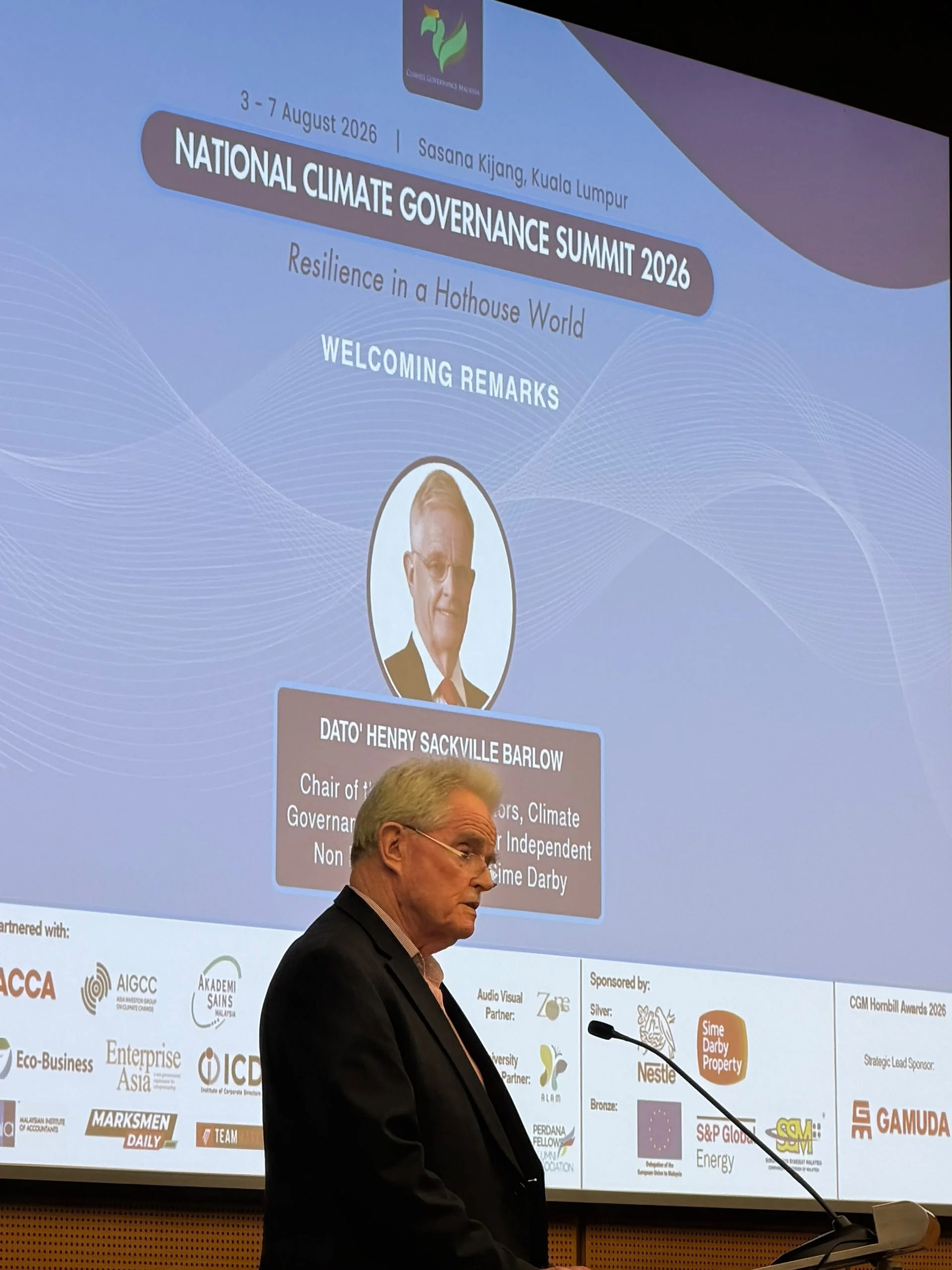
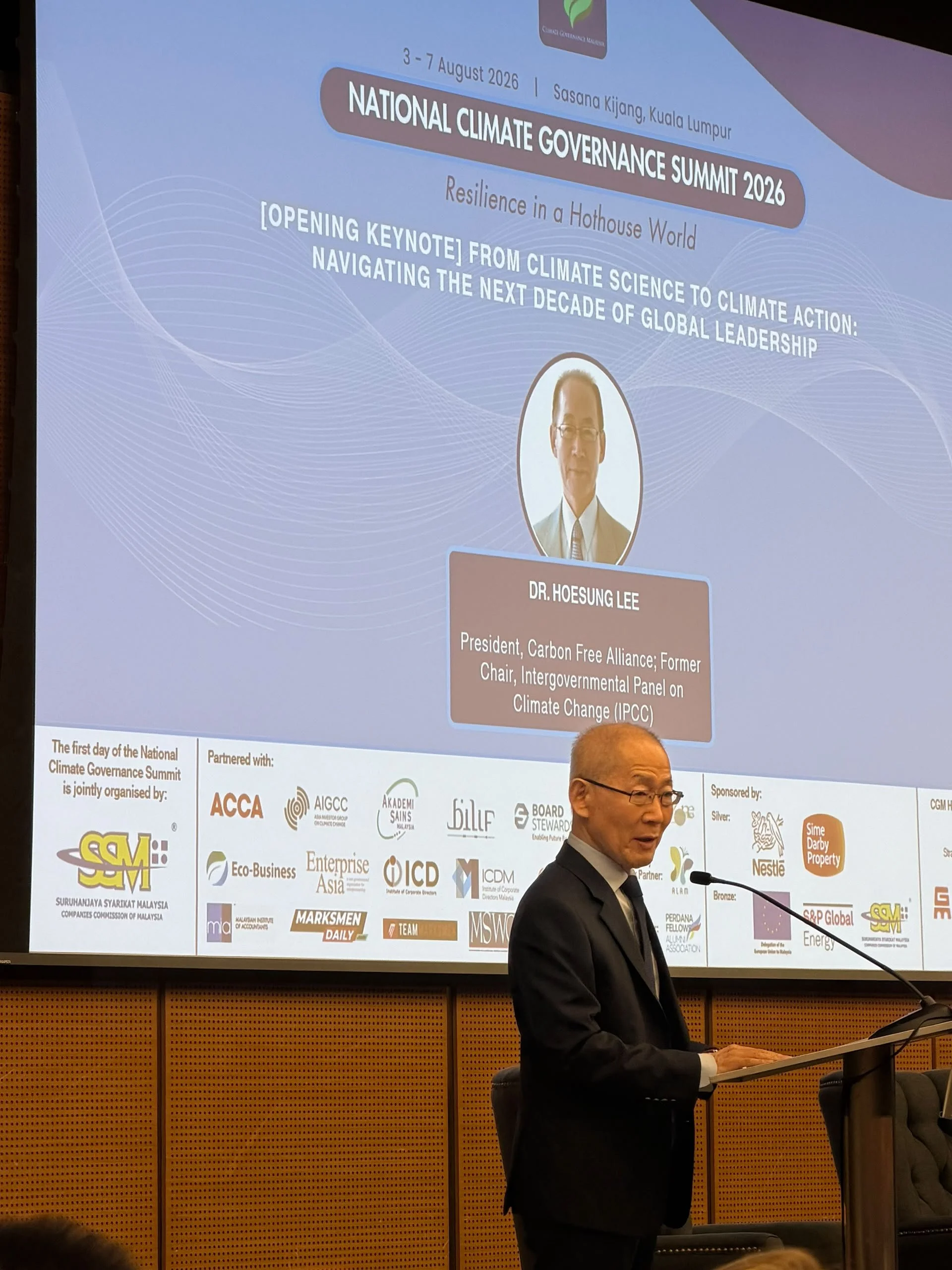
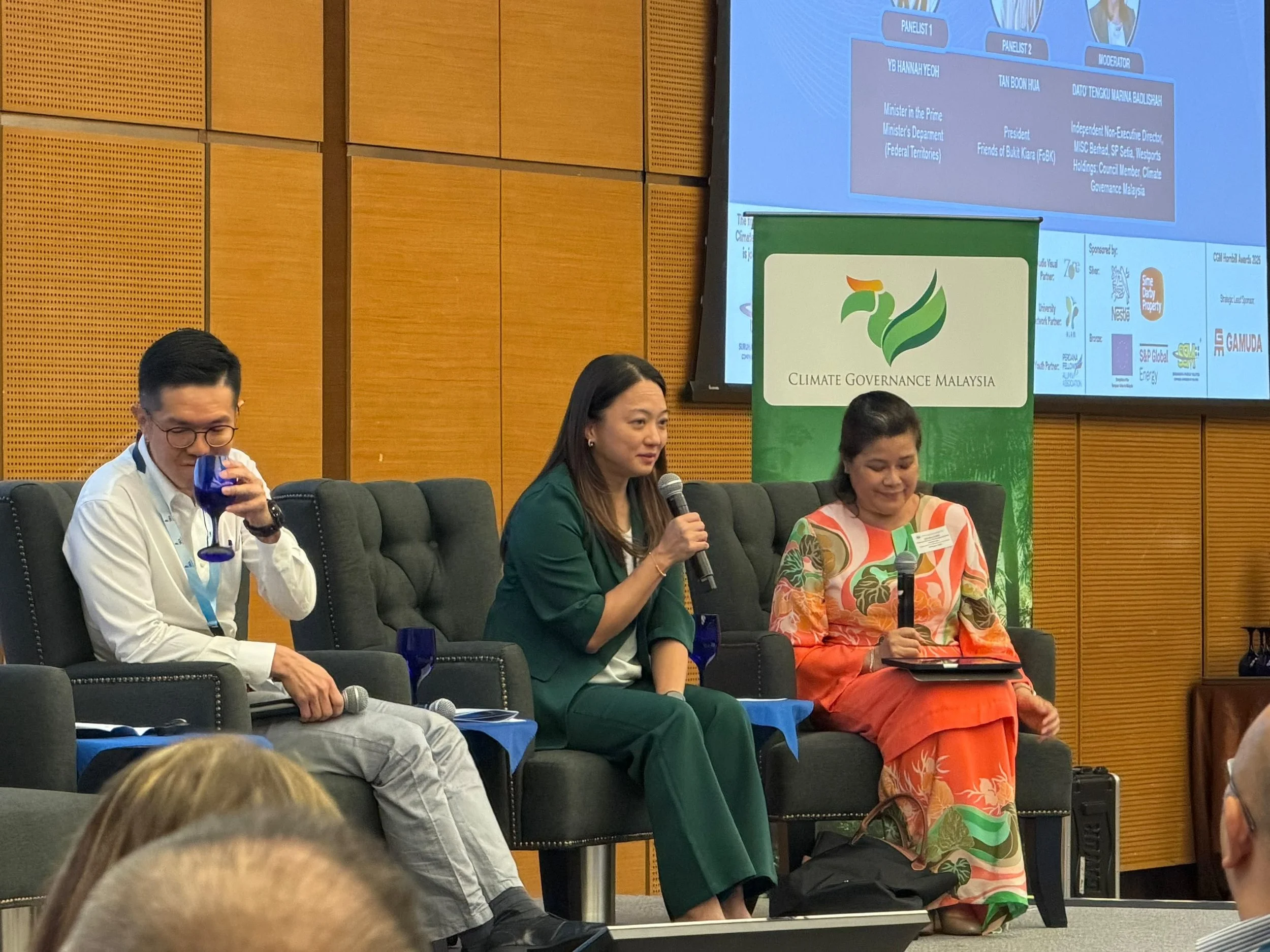
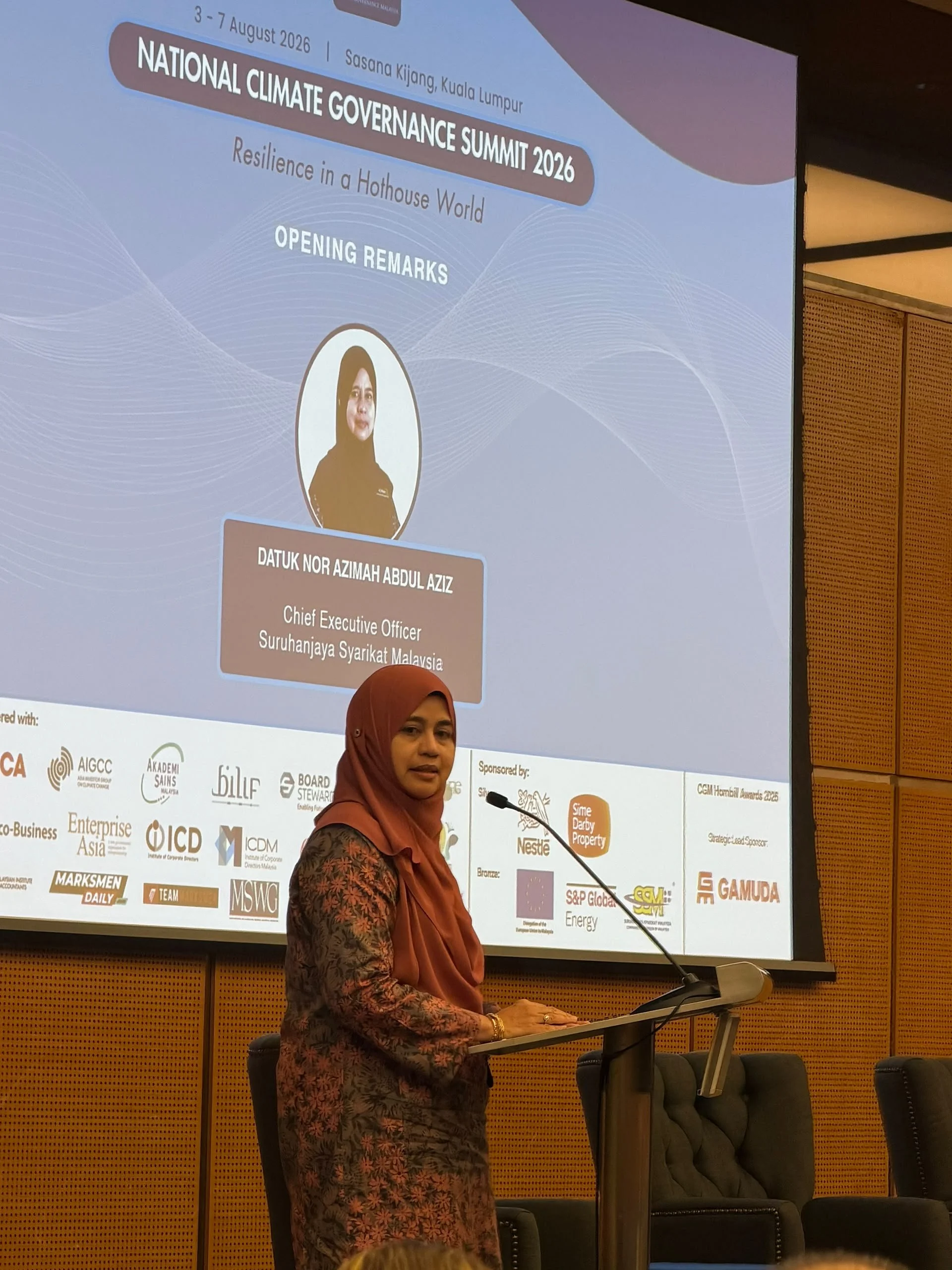

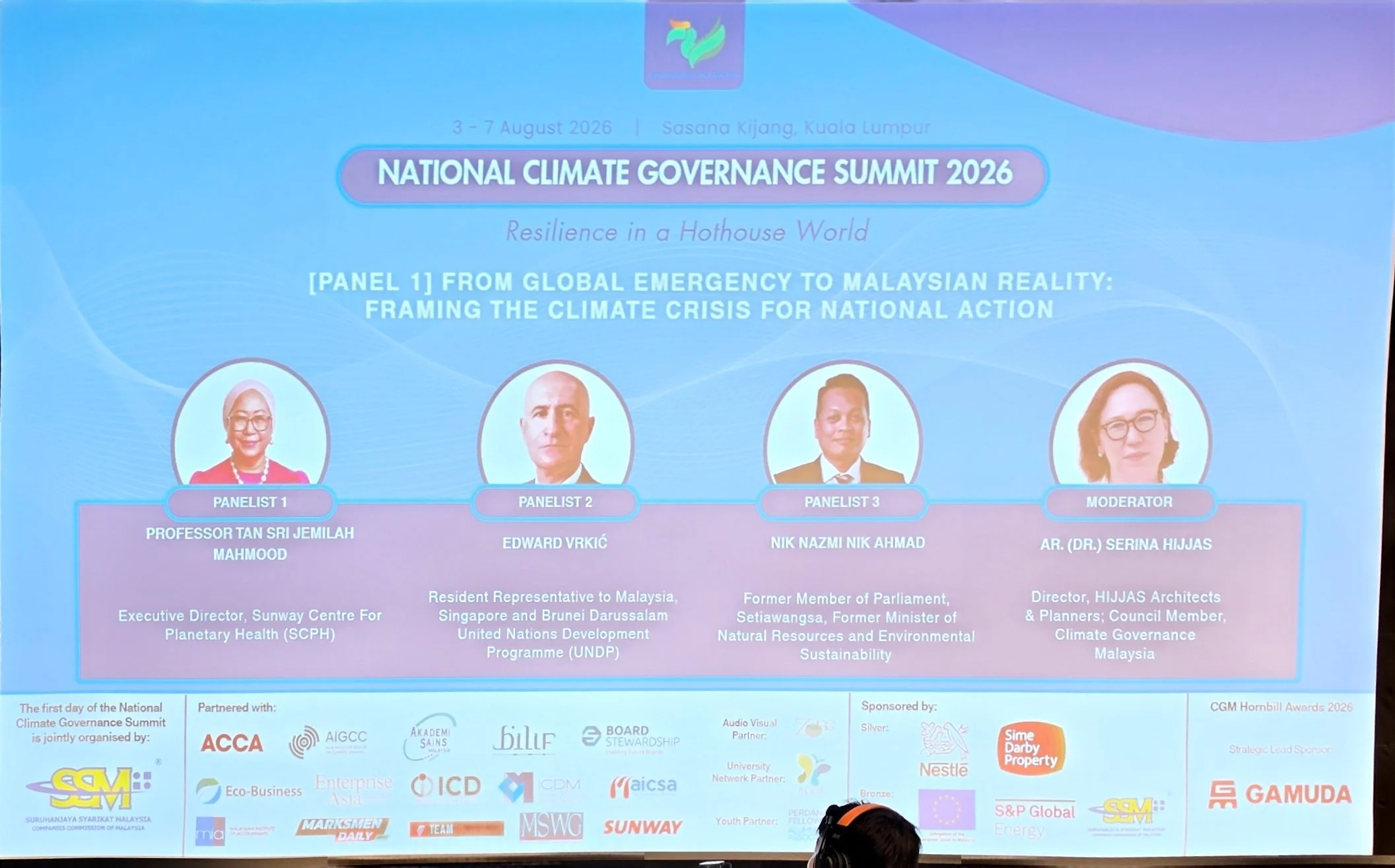
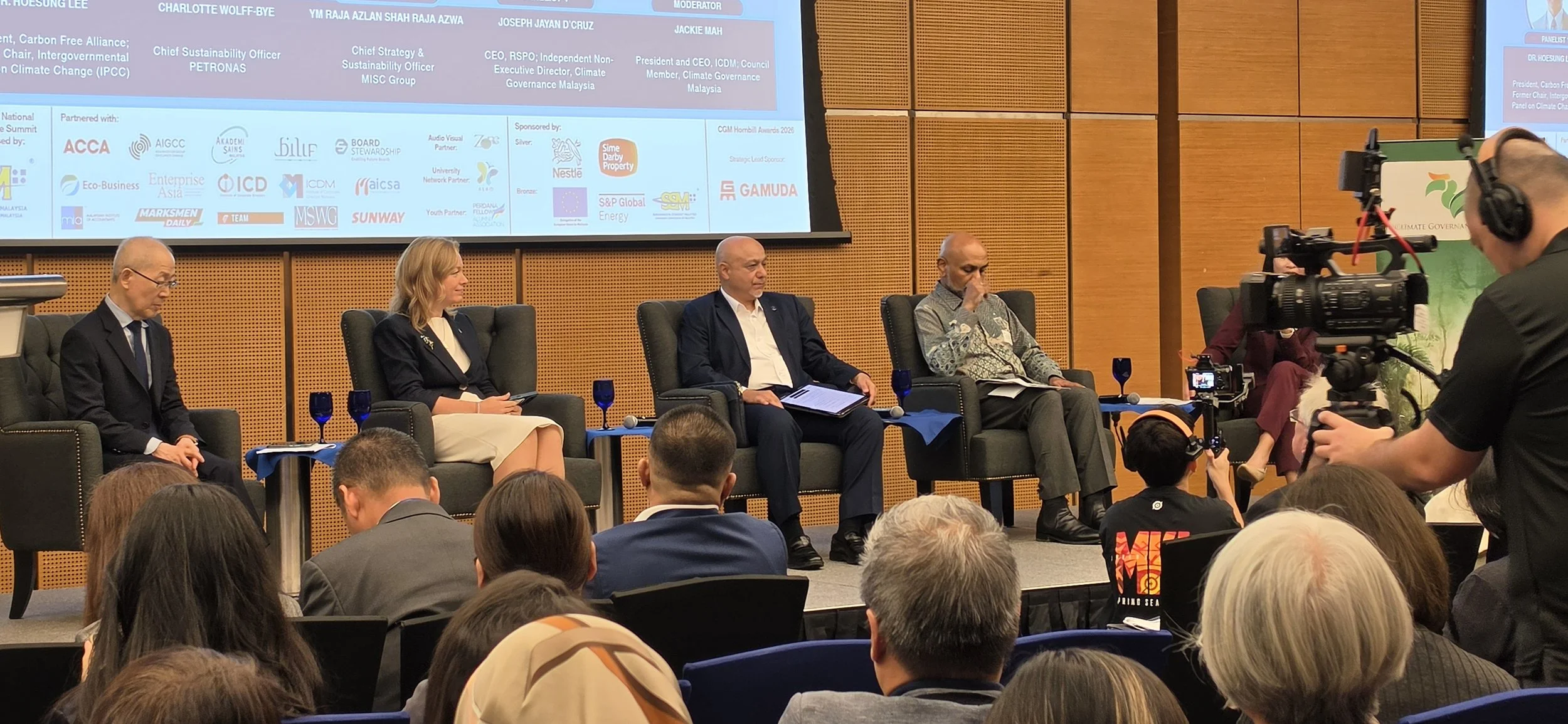
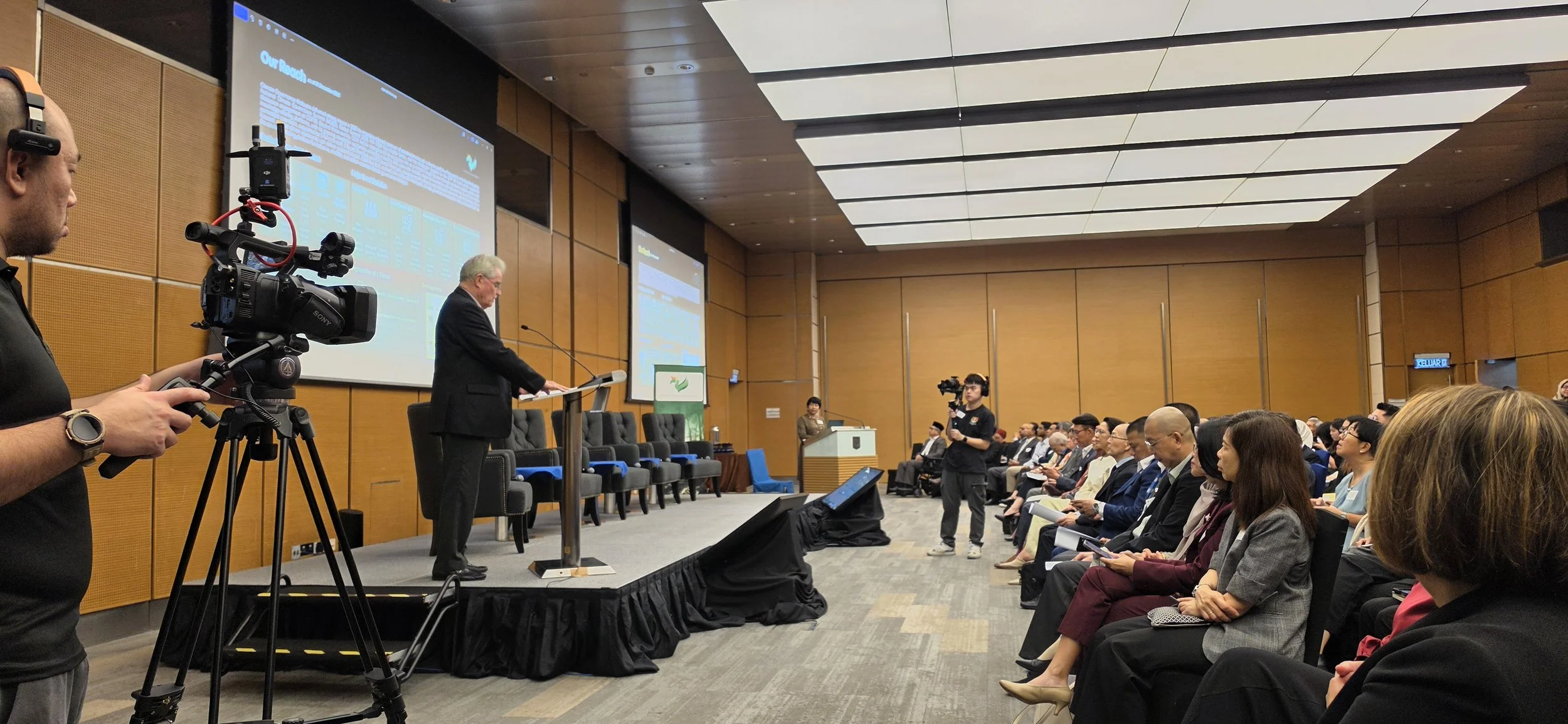
Climate Governance Beyond Environmental Responsibility
One of the strongest messages throughout the summit was that climate governance has matured beyond being viewed solely as an environmental obligation.
Organisations today are expected to integrate climate considerations into strategic planning, risk management, governance structures and investment decisions. Climate-related risks are increasingly recognised as financial risks, while climate resilience is becoming a competitive advantage.
Discussions explored how boards and senior management should strengthen governance structures, improve decision-making processes and prepare organisations for an increasingly complex regulatory environment.
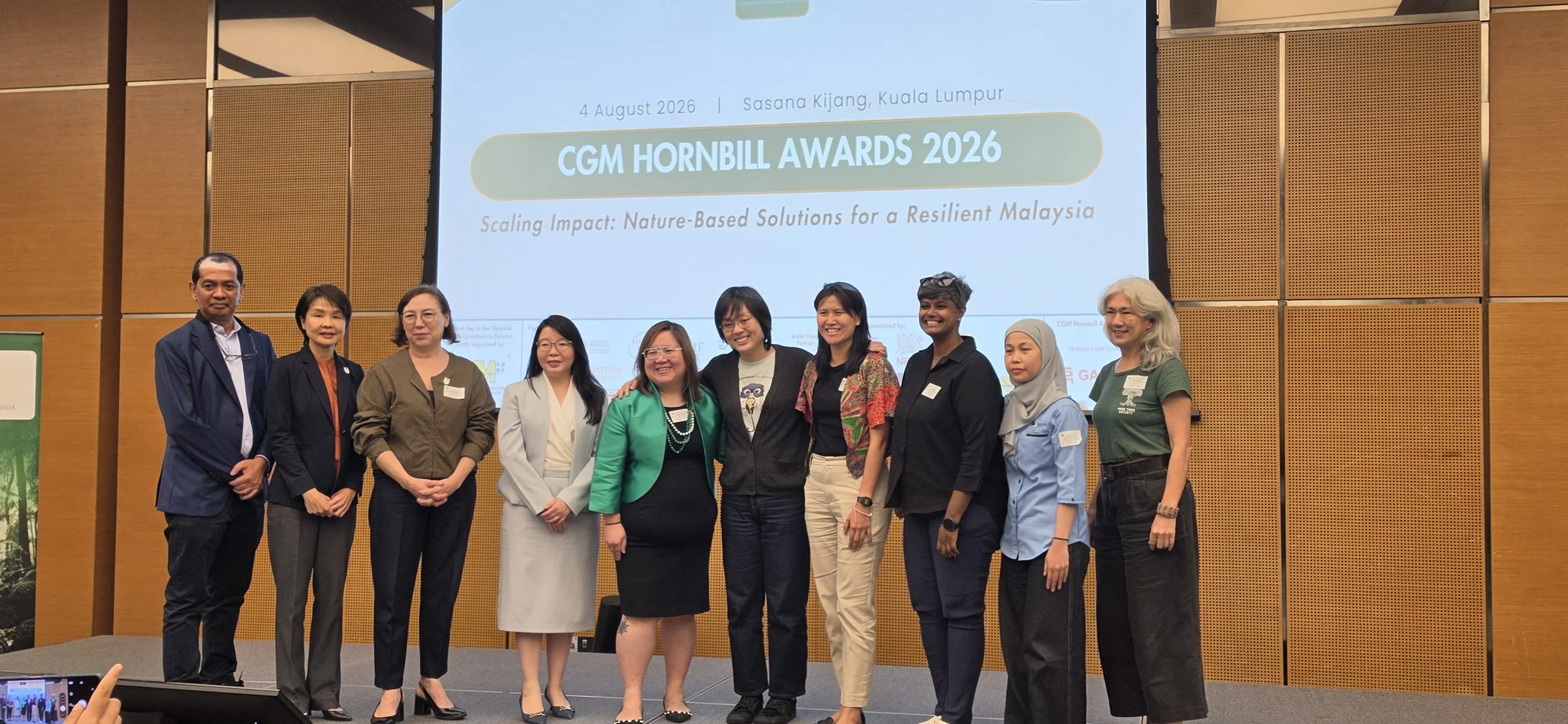
CGM Hornbill Awards 2026
The Hornbill Awards, held during the summit, recognised organisations demonstrating leadership in advancing climate governance and sustainability practices, reinforcing the growing importance of accountability and transparent leadership.
Building Corporate Readiness Through Sustainability Reporting
The third day of the summit focused heavily on implementation.
A series of technical masterclasses examined the practical application of the International Sustainability Standards Board (ISSB) Standards — IFRS S1 and IFRS S2, together with Malaysia's National Sustainability Reporting Framework (NSRF).
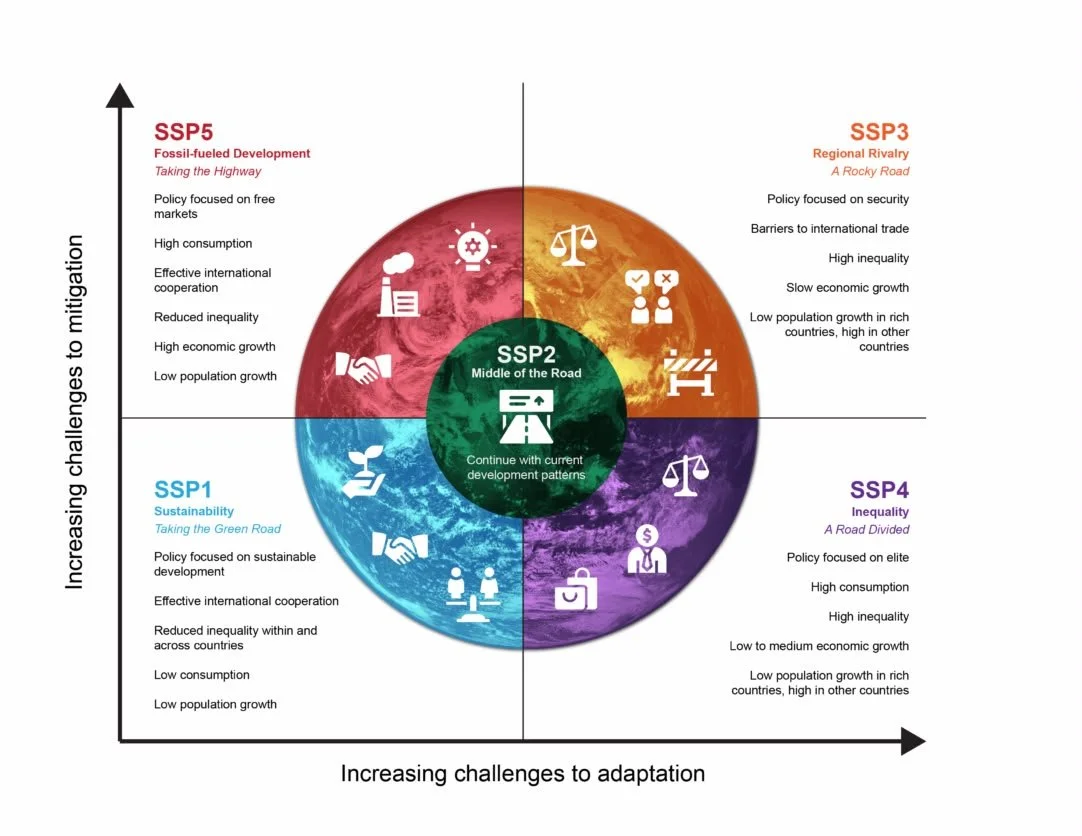
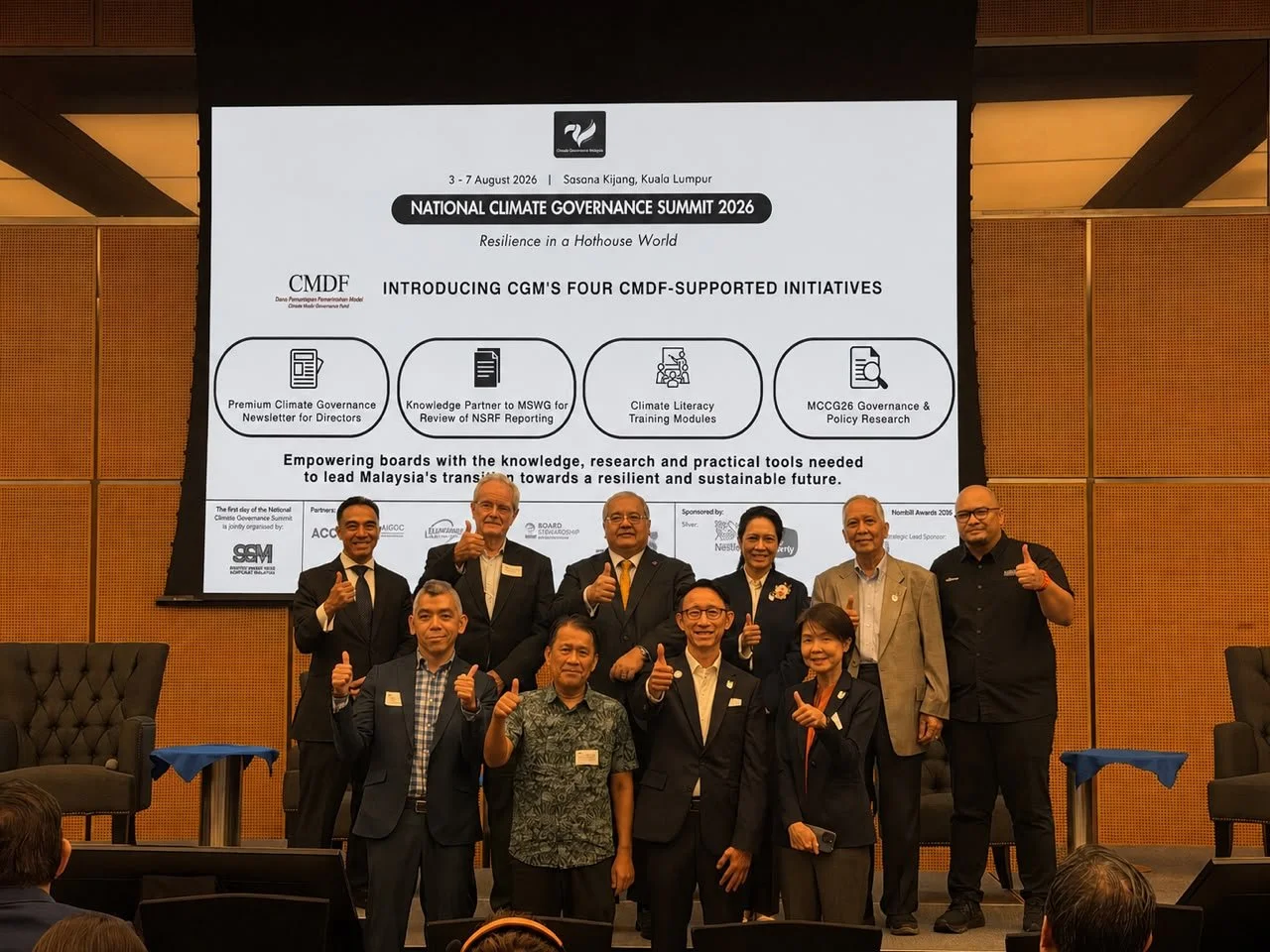
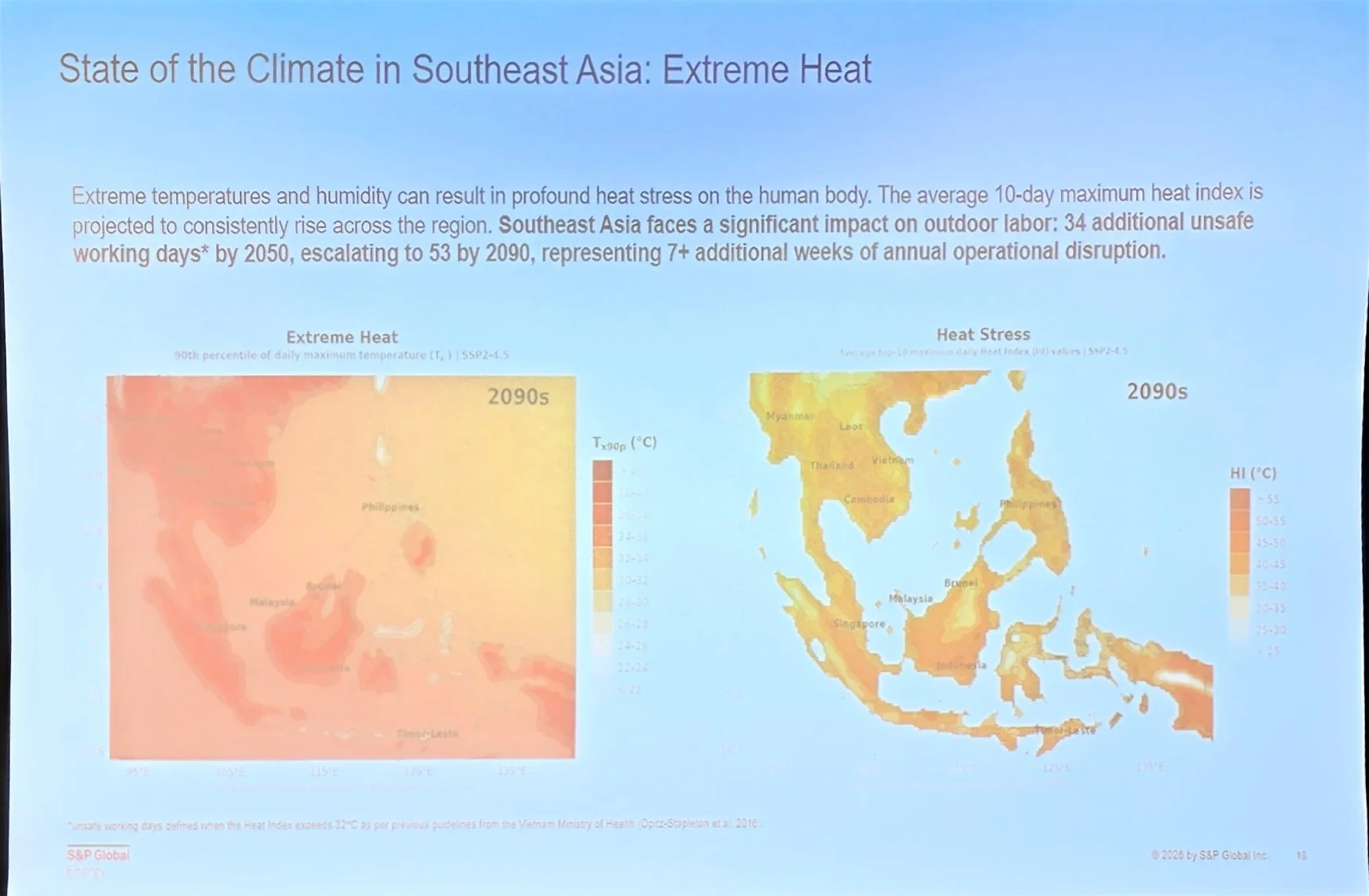
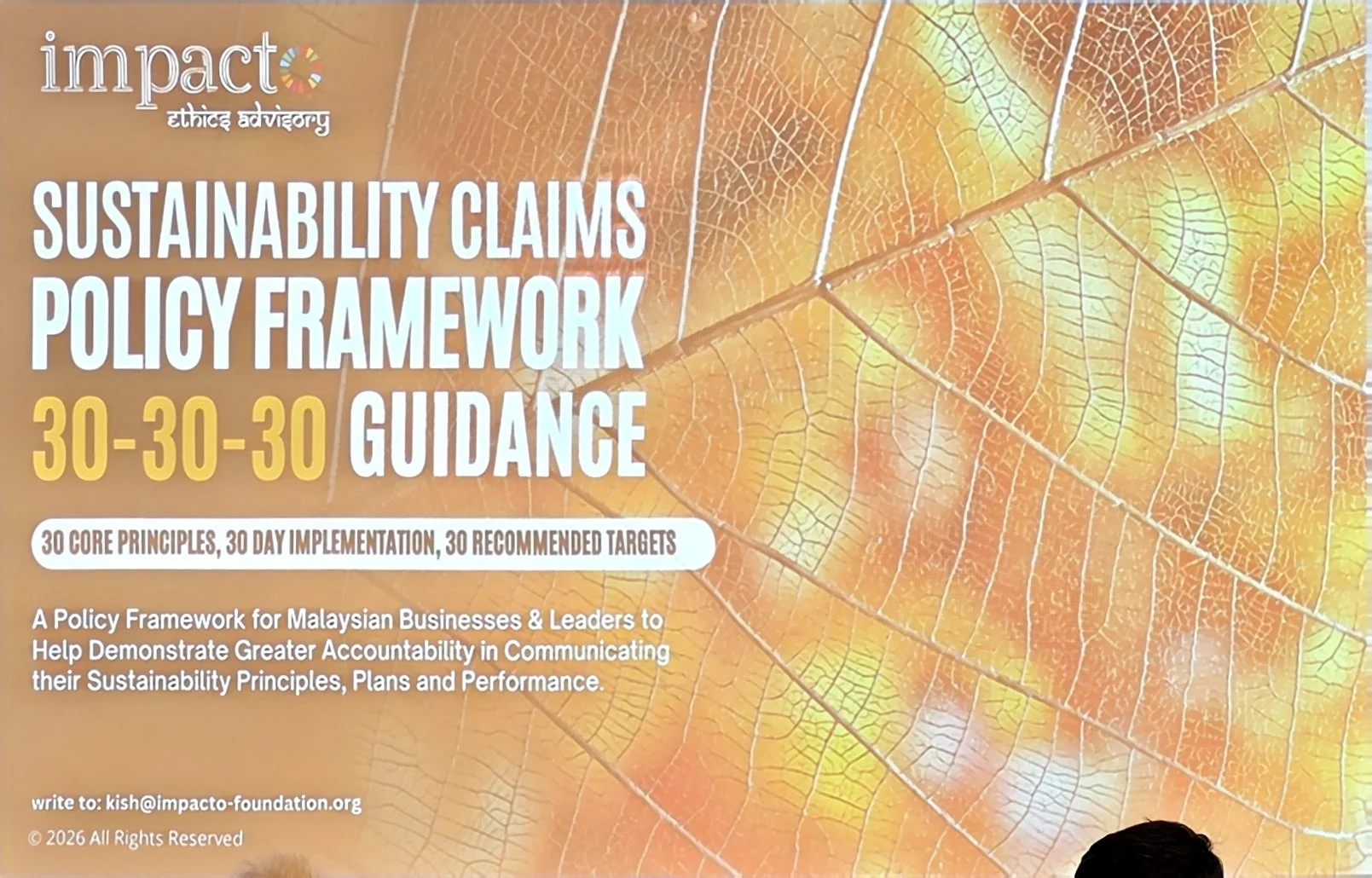
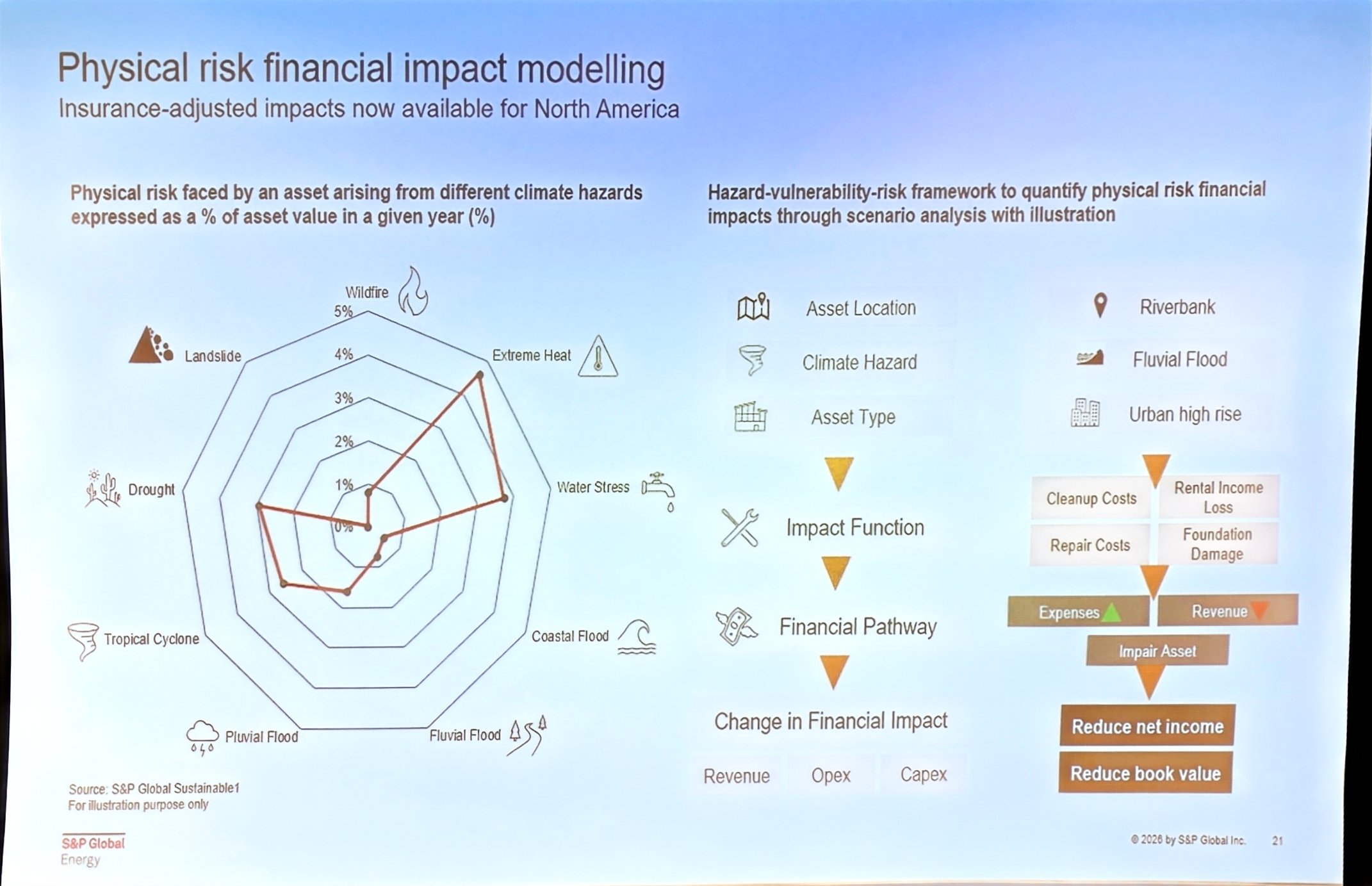
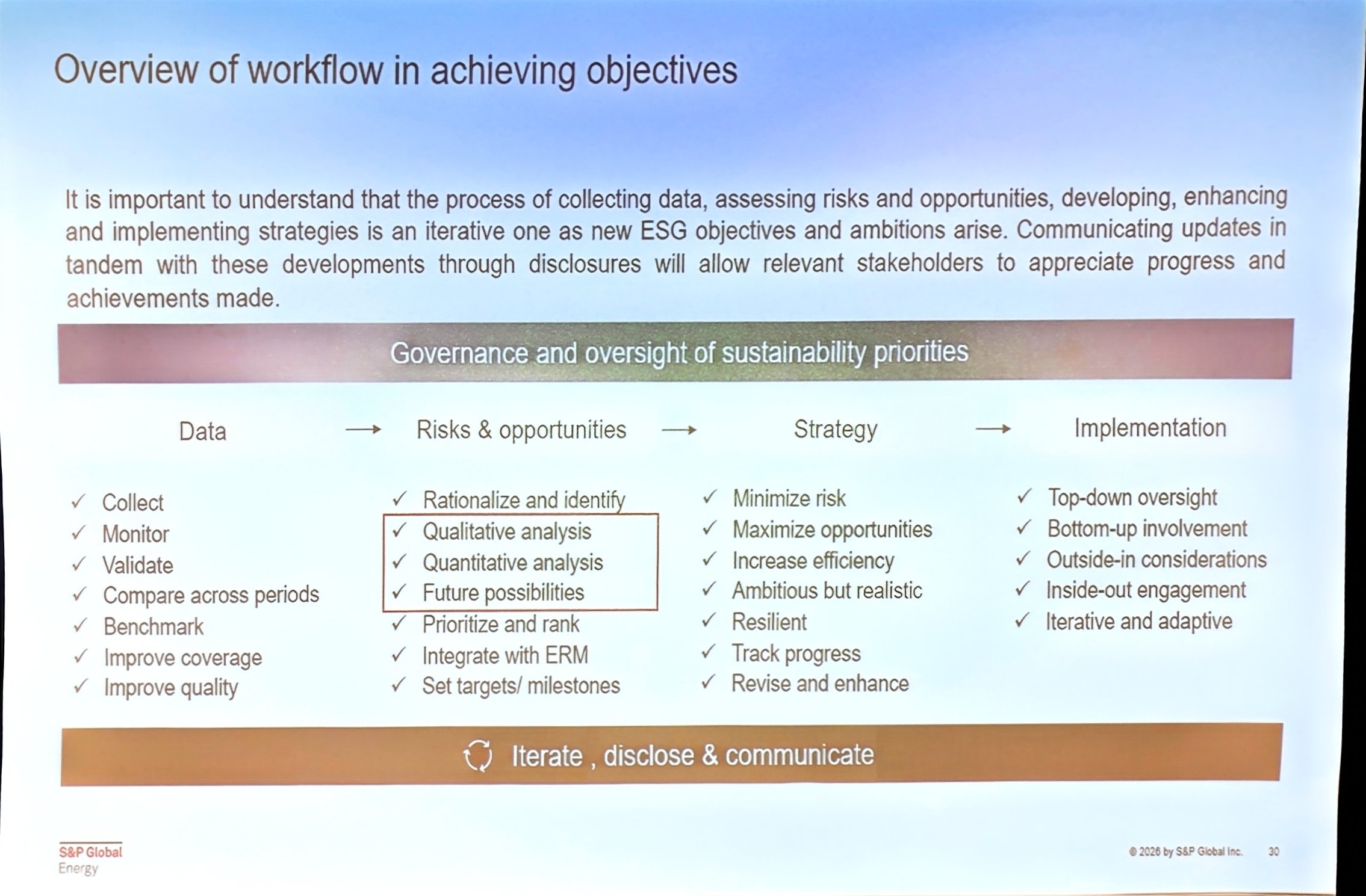
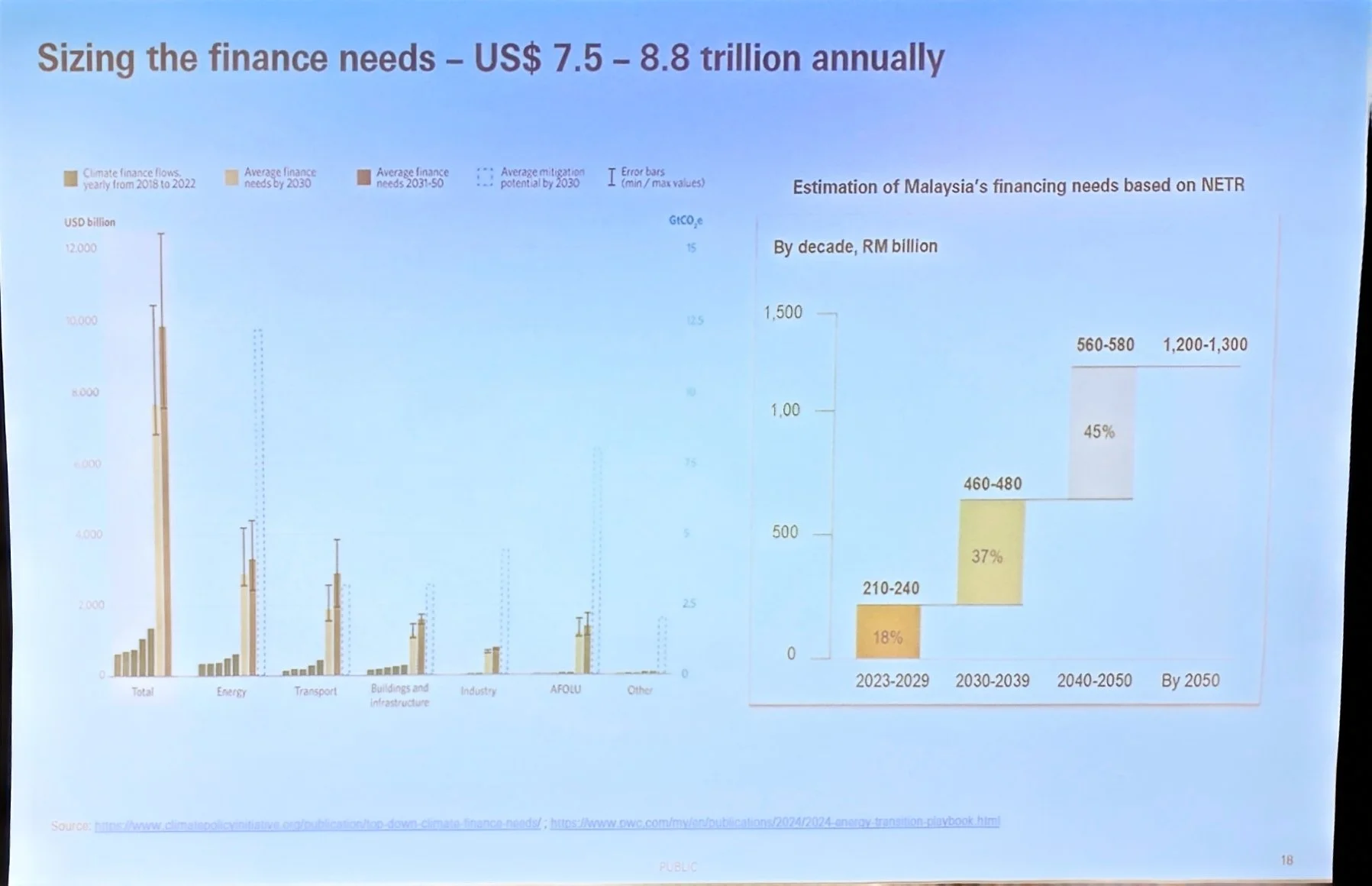
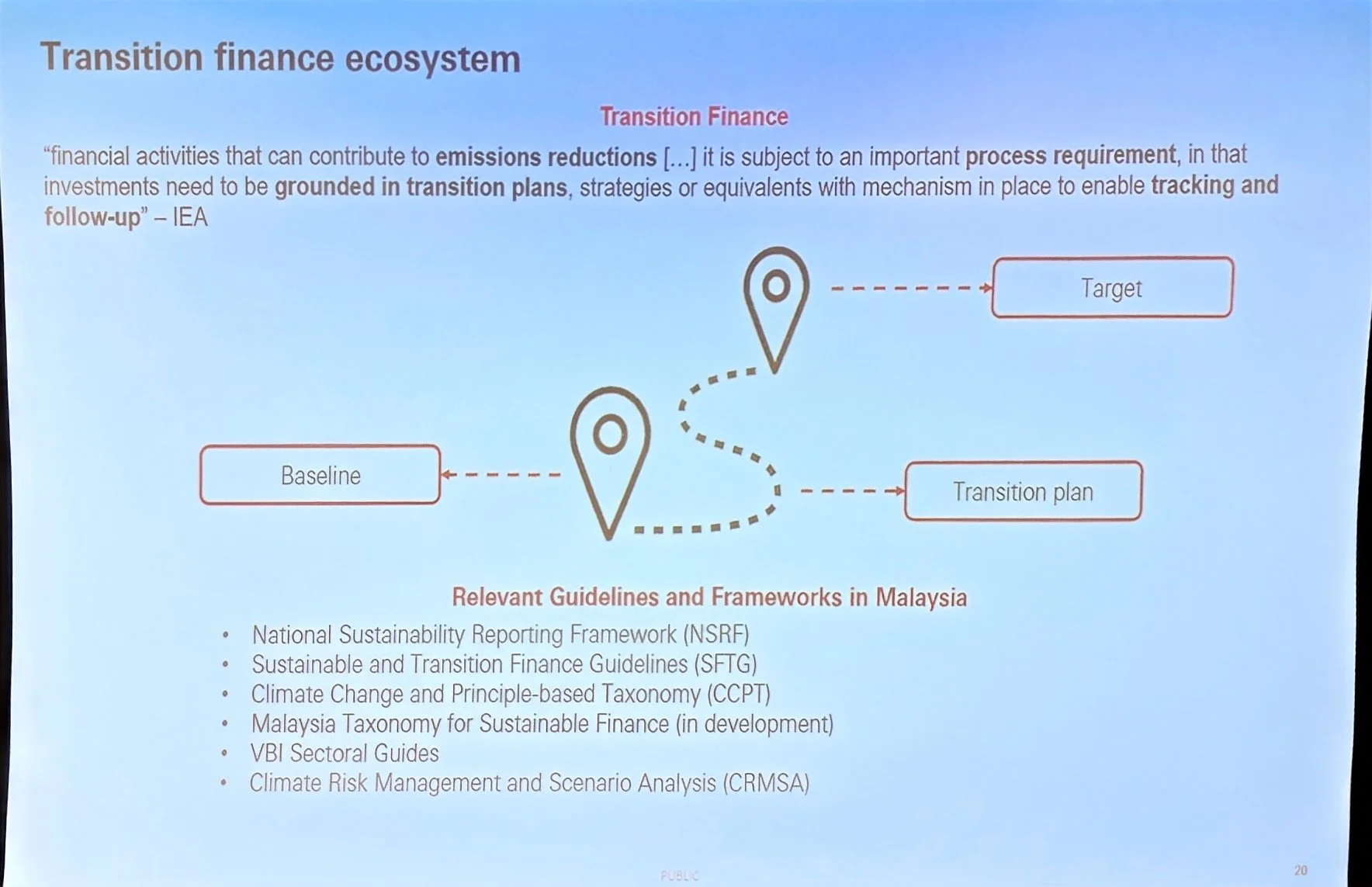
Speakers explained how sustainability reporting is rapidly evolving from a compliance exercise into a strategic management tool. Organisations are expected not only to disclose environmental impacts but also to explain how climate-related risks and opportunities influence governance, business strategy, financial performance and long-term resilience.
Workshops covered practical implementation approaches, transition planning, governance responsibilities, materiality assessments and the integration of sustainability information into corporate reporting systems.
For businesses beginning their sustainability journey, the sessions highlighted that early preparation can significantly reduce future compliance challenges while strengthening investor confidence.
Nature and Biodiversity as Economic Assets
The fourth day shifted attention towards nature and biodiversity.
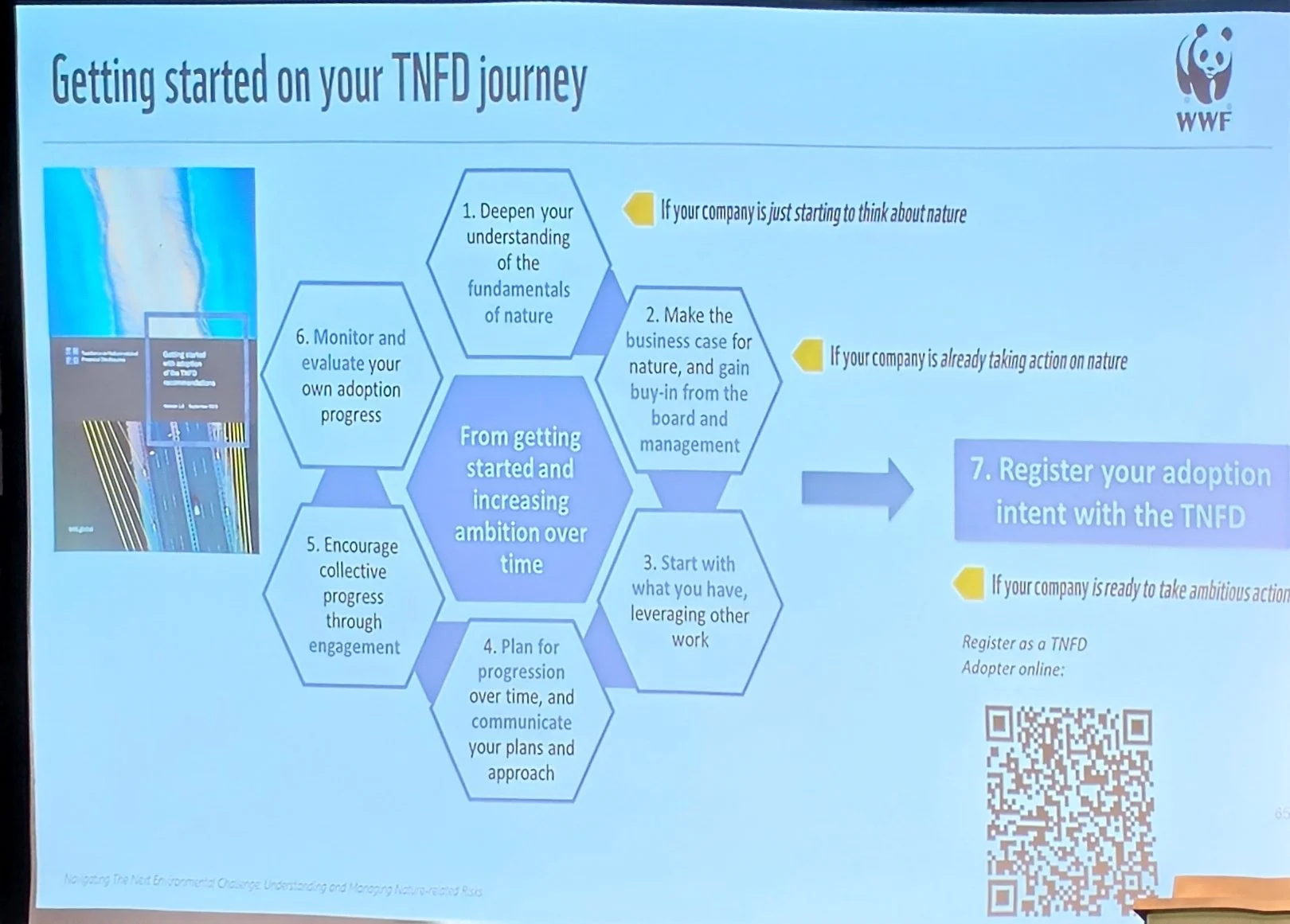
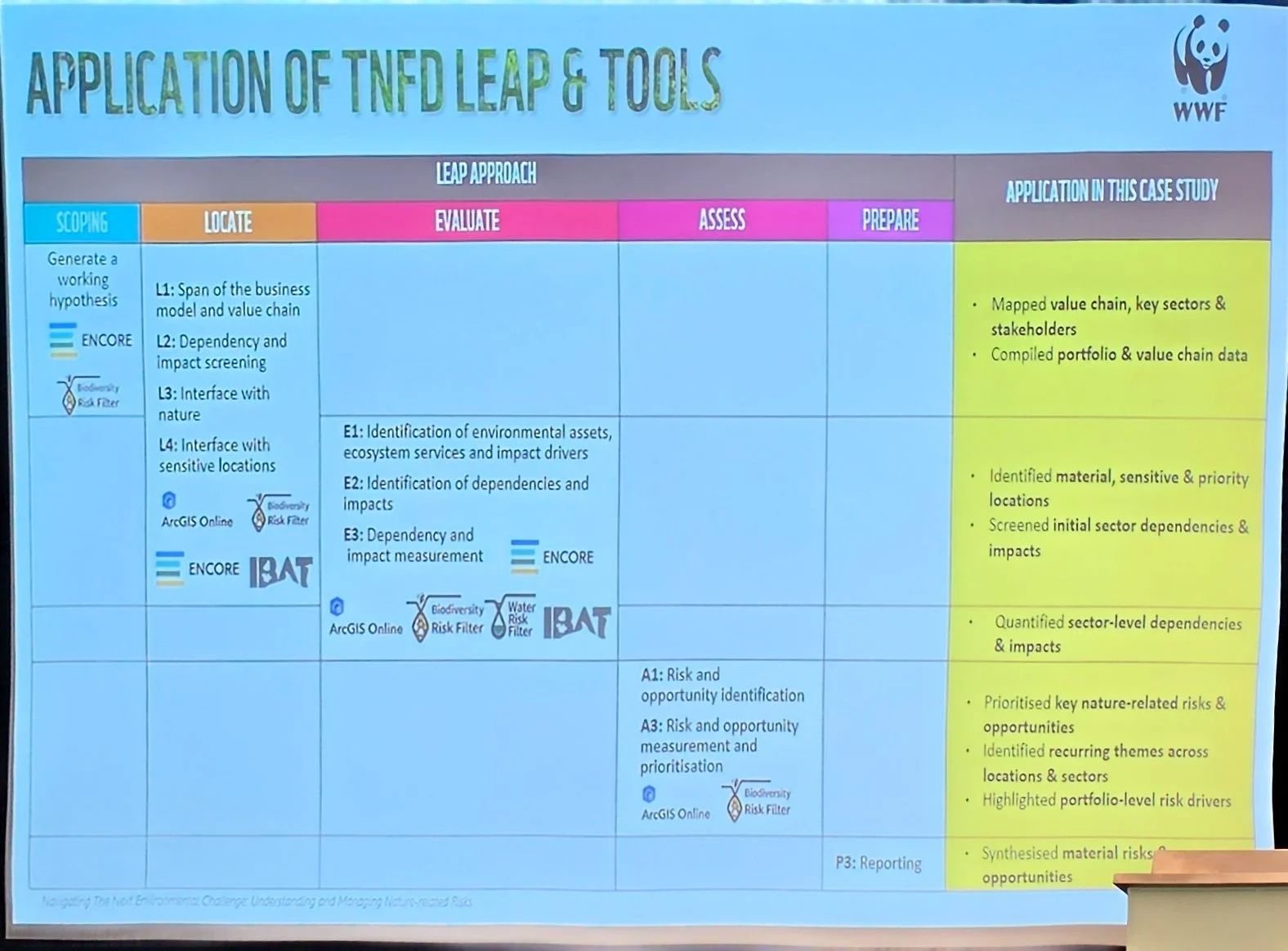
Masterclasses explored a broad range of topics including biodiversity conservation, the Taskforce on Nature-related Financial Disclosures (TNFD), conservation finance, biodiversity valuation, regenerative tourism, climate and health, and nature-related business risks.
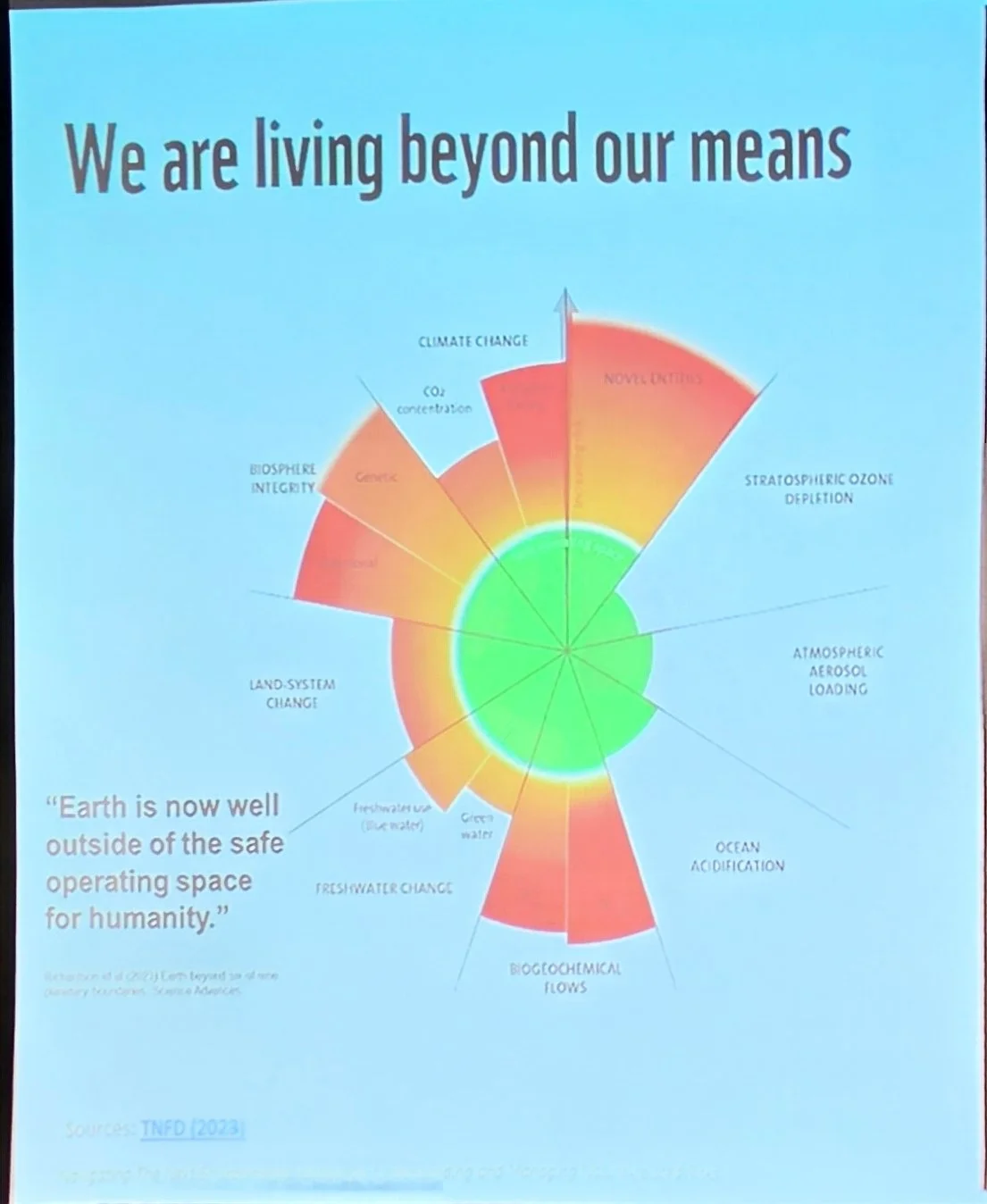
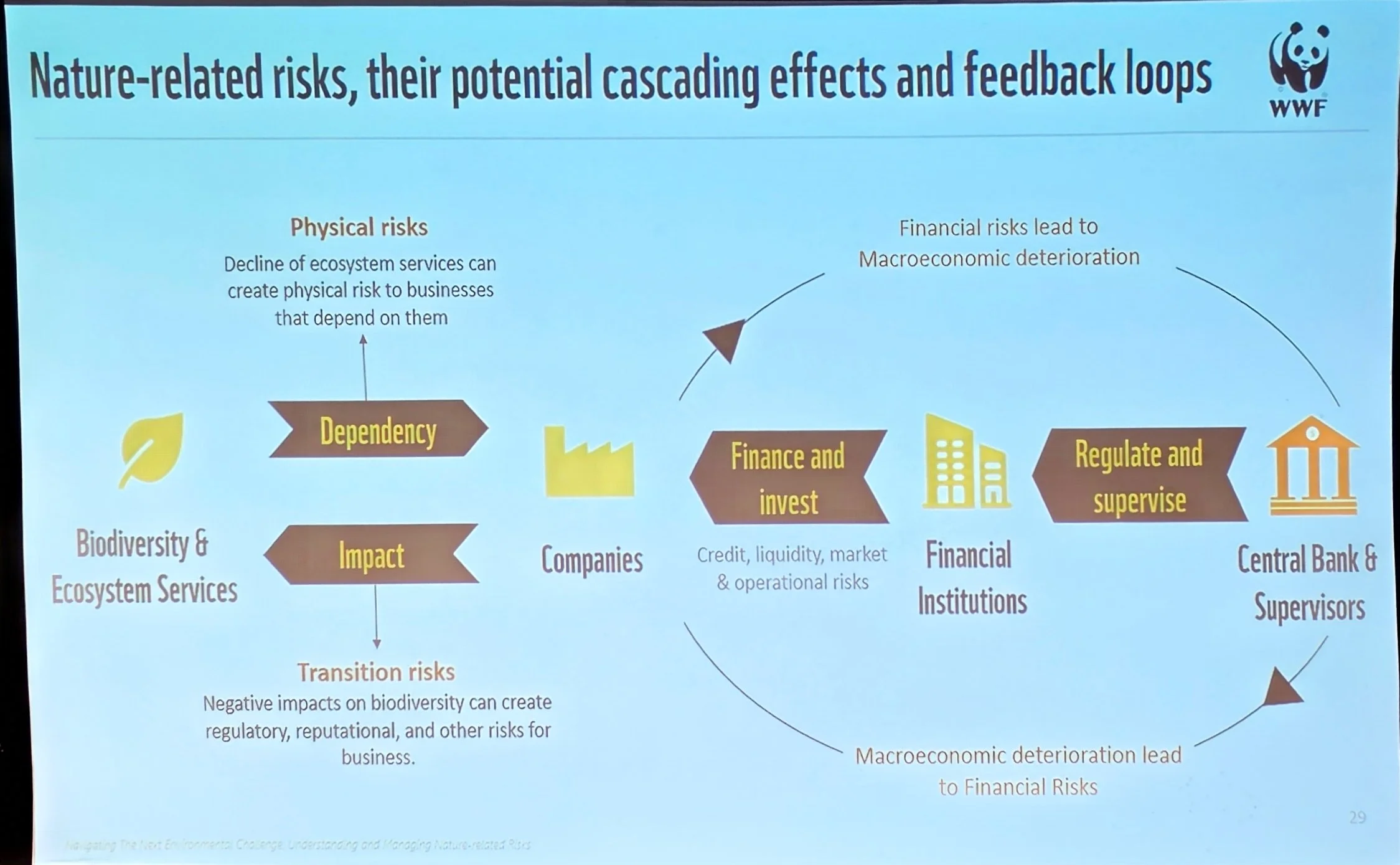
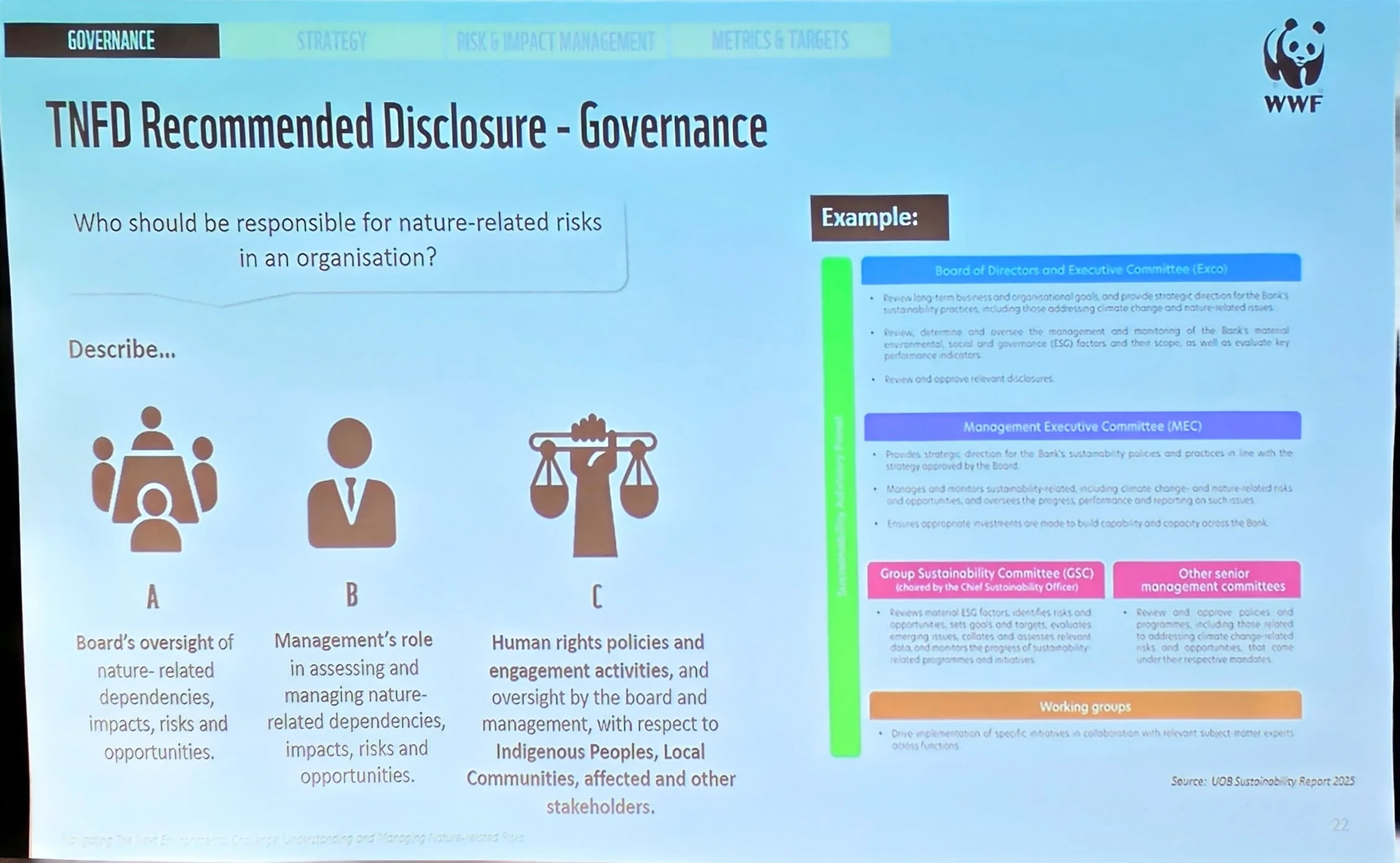
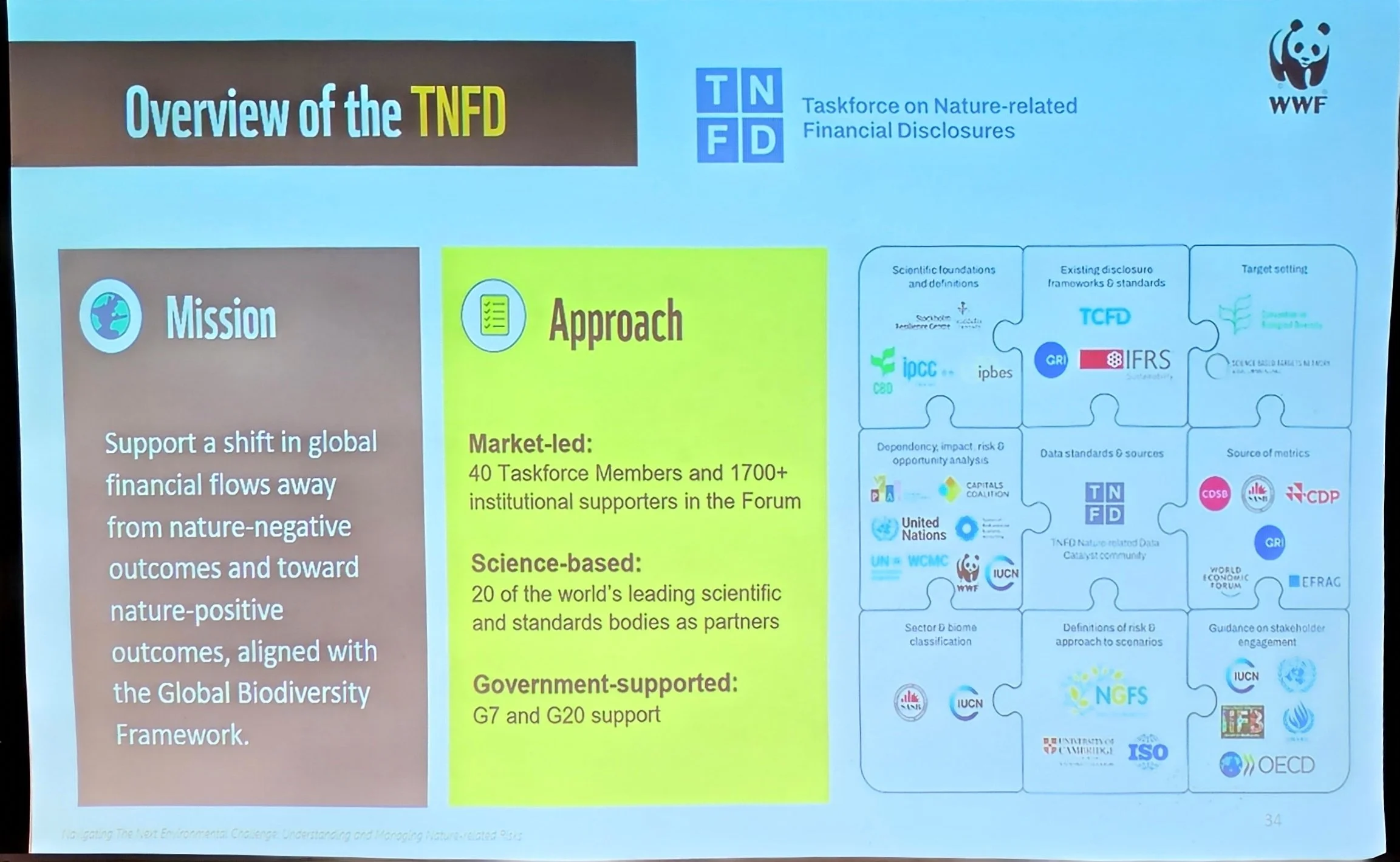
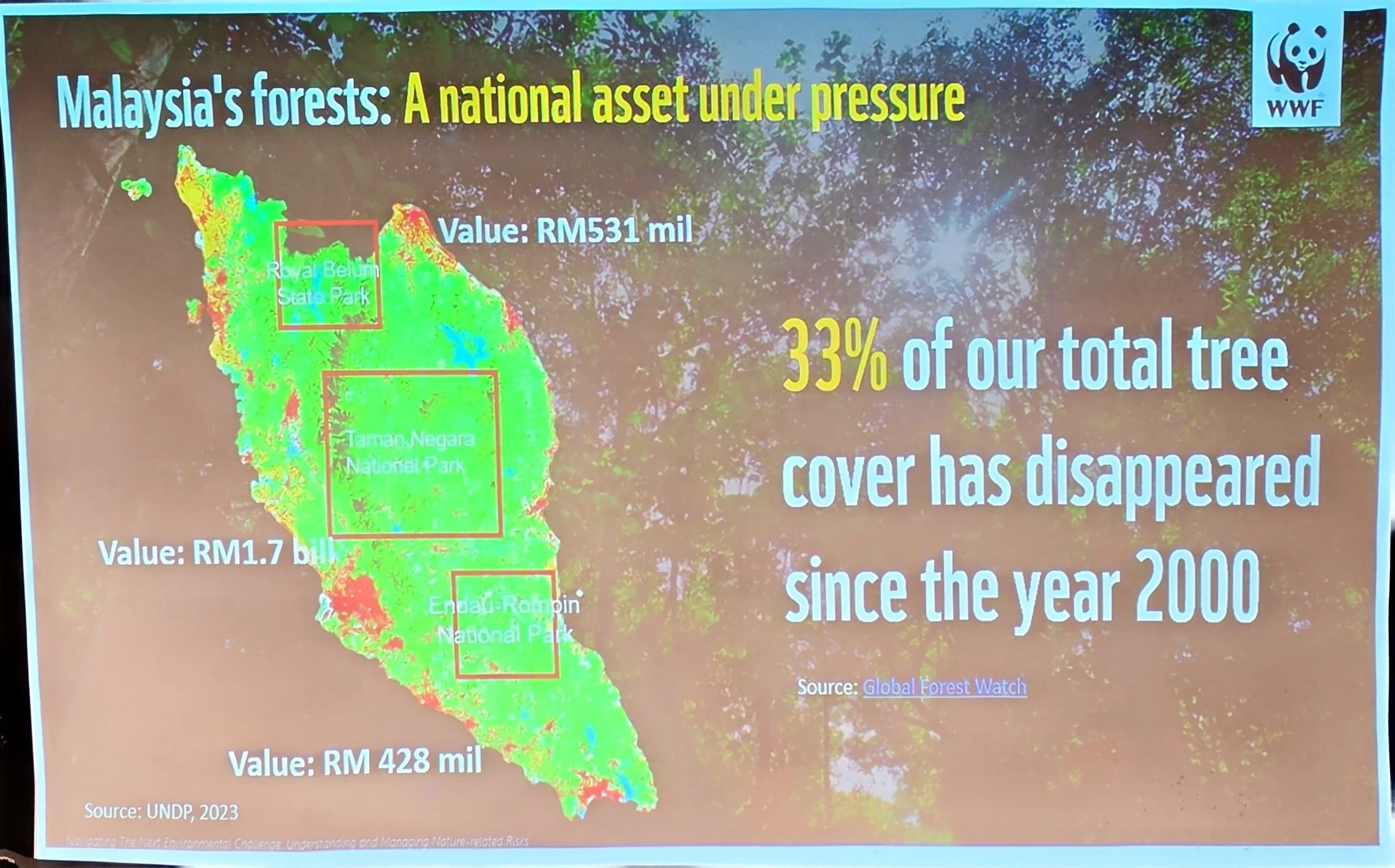

A recurring message throughout these discussions was that ecosystems should not simply be regarded as environmental assets, but as fundamental economic infrastructure.
Healthy forests, wetlands, rivers and coastal ecosystems contribute directly to water security, food production, disaster resilience, climate adaptation and community wellbeing. As these ecosystem services become increasingly recognised within financial and policy frameworks, organisations are expected to better understand and disclose their dependencies and impacts on nature.
For Planters International Berhad, these discussions closely align with the organisation's work in ecological restoration, biodiversity surveillance and long-term ecosystem management, where environmental outcomes are measured through scientific monitoring and evidence-based approaches.
Carbon Pricing Continues to Mature
The final day concentrated on carbon markets and carbon pricing.
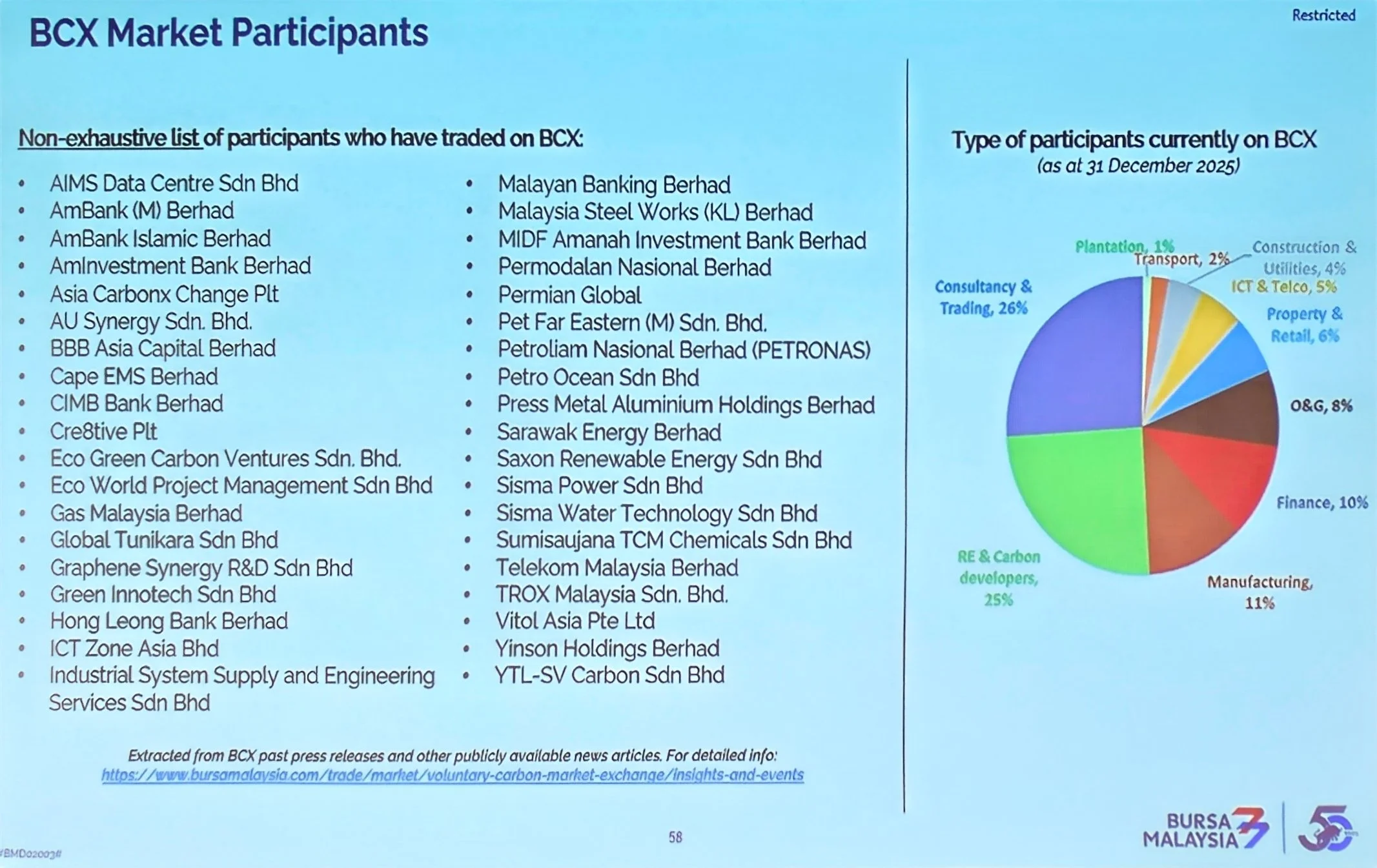
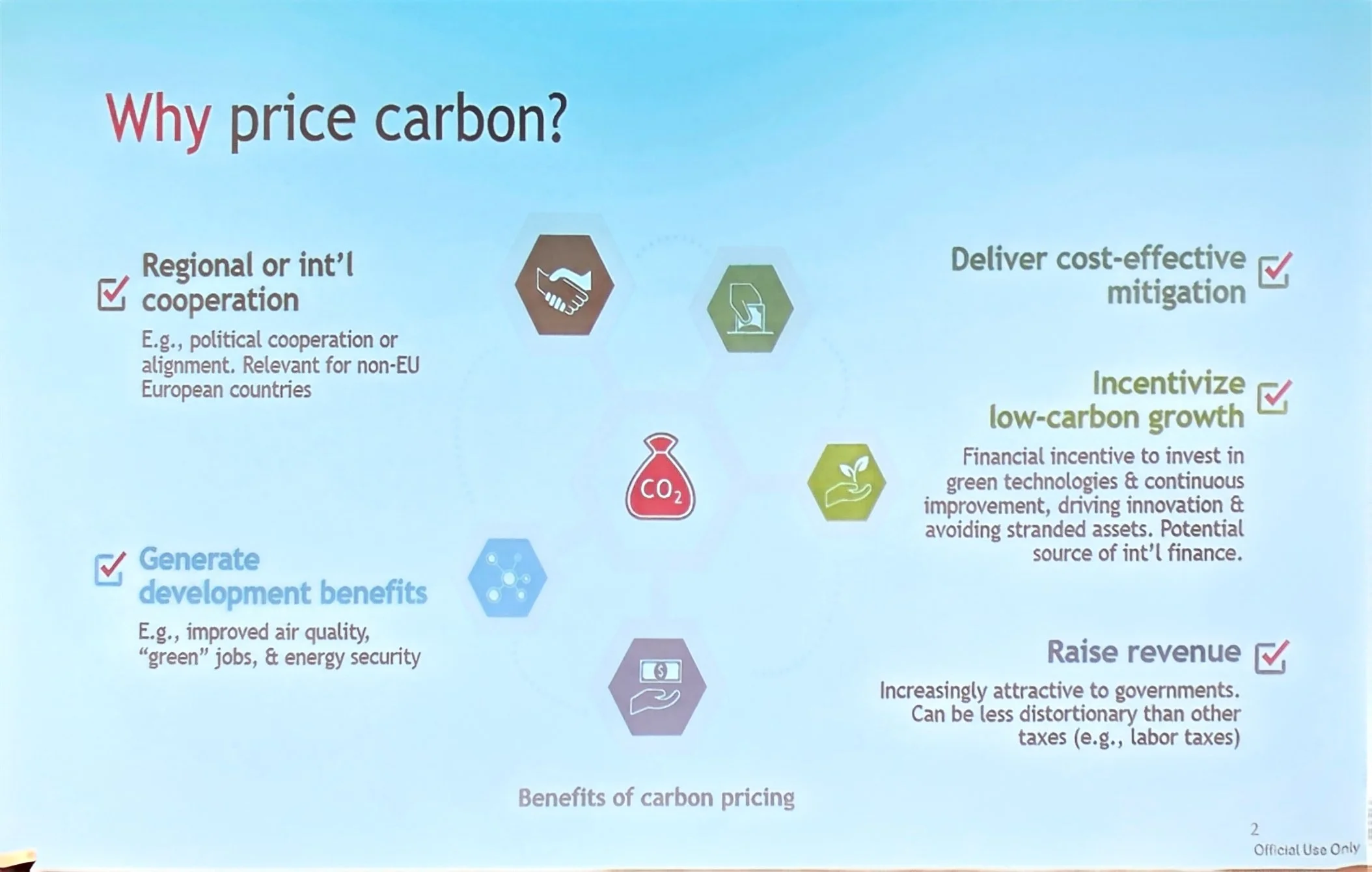
International experts together with representatives from Bursa Carbon Exchange (BCX) explored how carbon pricing is evolving from an environmental policy instrument into an increasingly important component of business strategy.
Sessions examined:
Internal Carbon Pricing (ICP)
Voluntary carbon markets
Compliance carbon markets
Carbon taxation
Emissions trading systems
Article 6 mechanisms
Renewable Energy Certificates (RECs)
Market readiness
Carbon governance
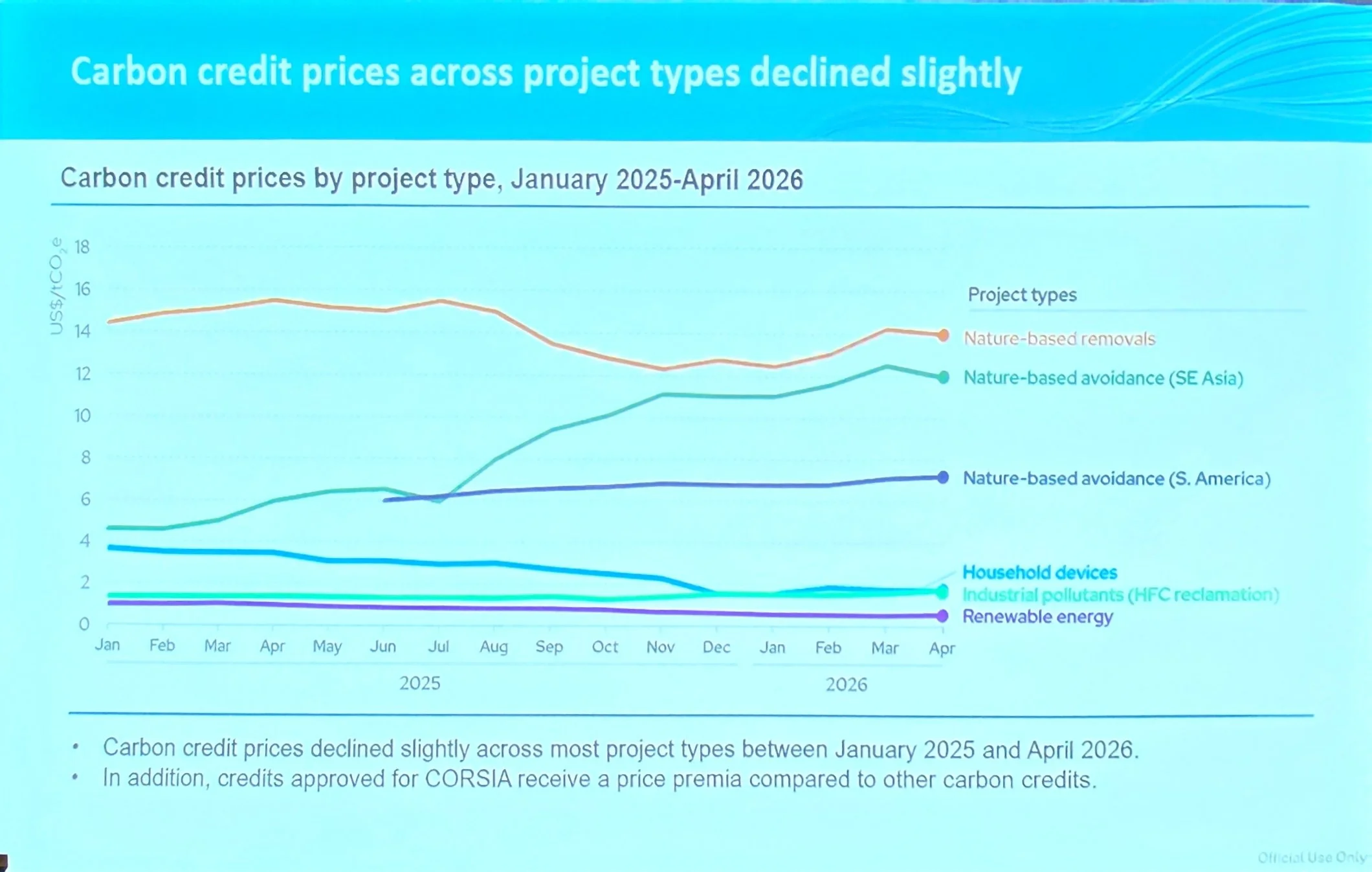
One of the key observations was that carbon pricing is influenced by considerably more than simple supply and demand.
Project methodology, registry standards, jurisdiction, vintage year, project quality, co-benefits, market confidence and buyer requirements all influence pricing dynamics.
This explains why carbon credits from different projects may trade at substantially different prices despite representing the same quantity of carbon dioxide equivalent.
The discussions also acknowledged that while voluntary carbon markets continue to evolve, compliance markets and Article 6 implementation are expected to play increasingly important roles in strengthening demand and market confidence over the coming years.
Understanding MRVA
Another important technical topic throughout the summit was MRVA — Monitoring, Reporting, Verification and Accreditation.
Experts explained that effective climate governance begins with credible measurement.
MRVA systems underpin:
National greenhouse gas inventories.
Corporate emissions reporting.
Carbon pricing mechanisms.
Carbon credit generation.
Product-level emissions accounting.
International reporting obligations.
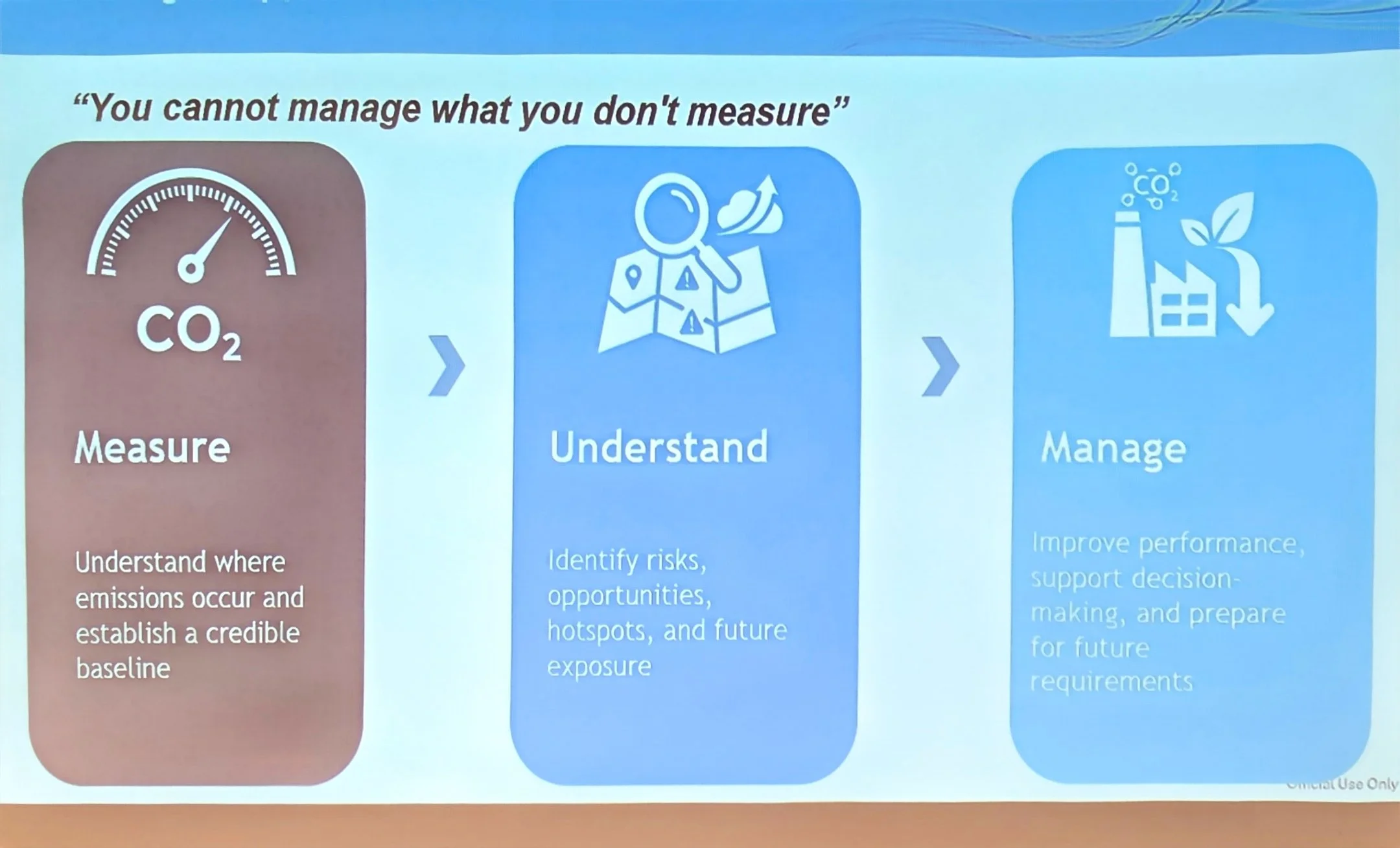
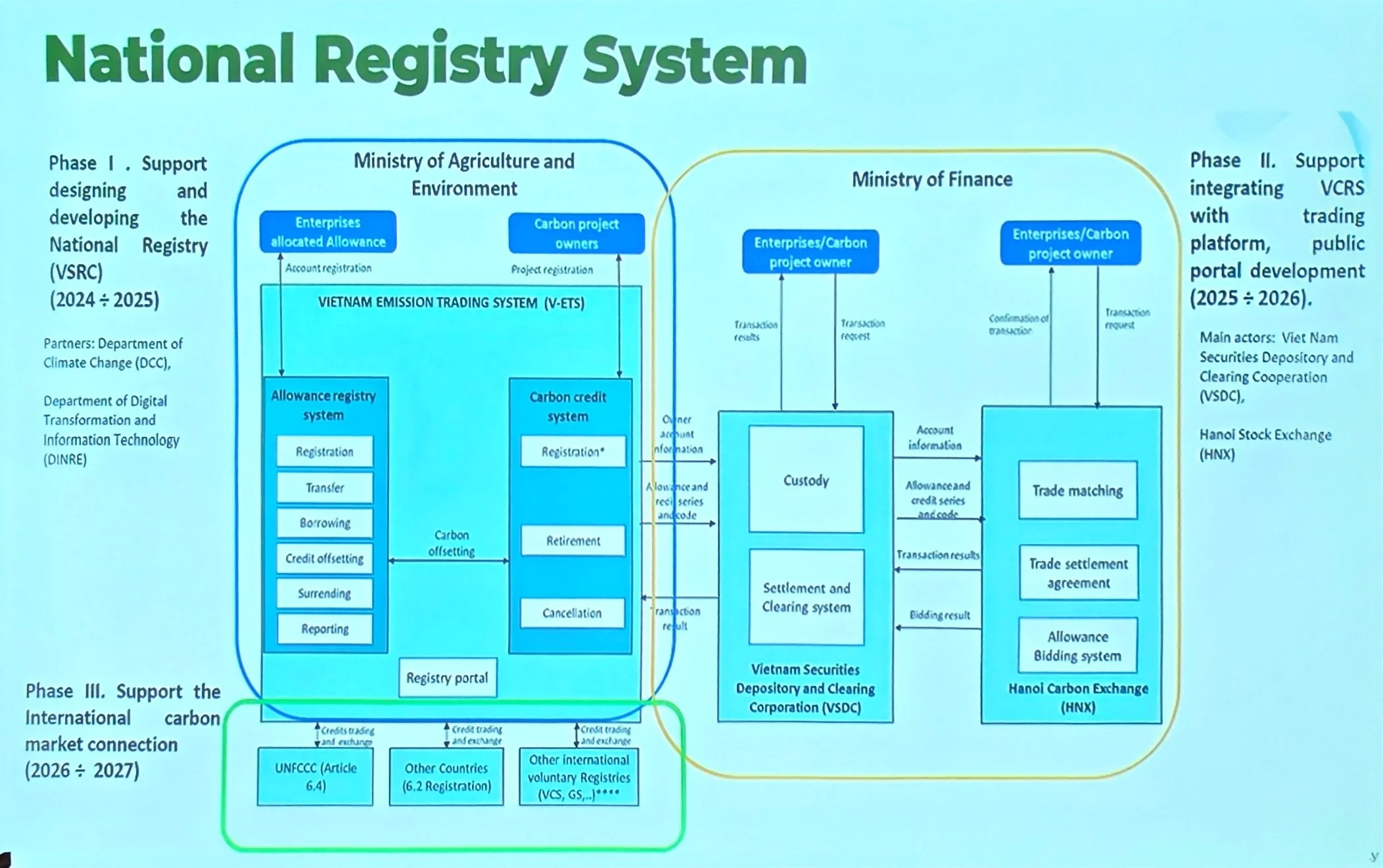
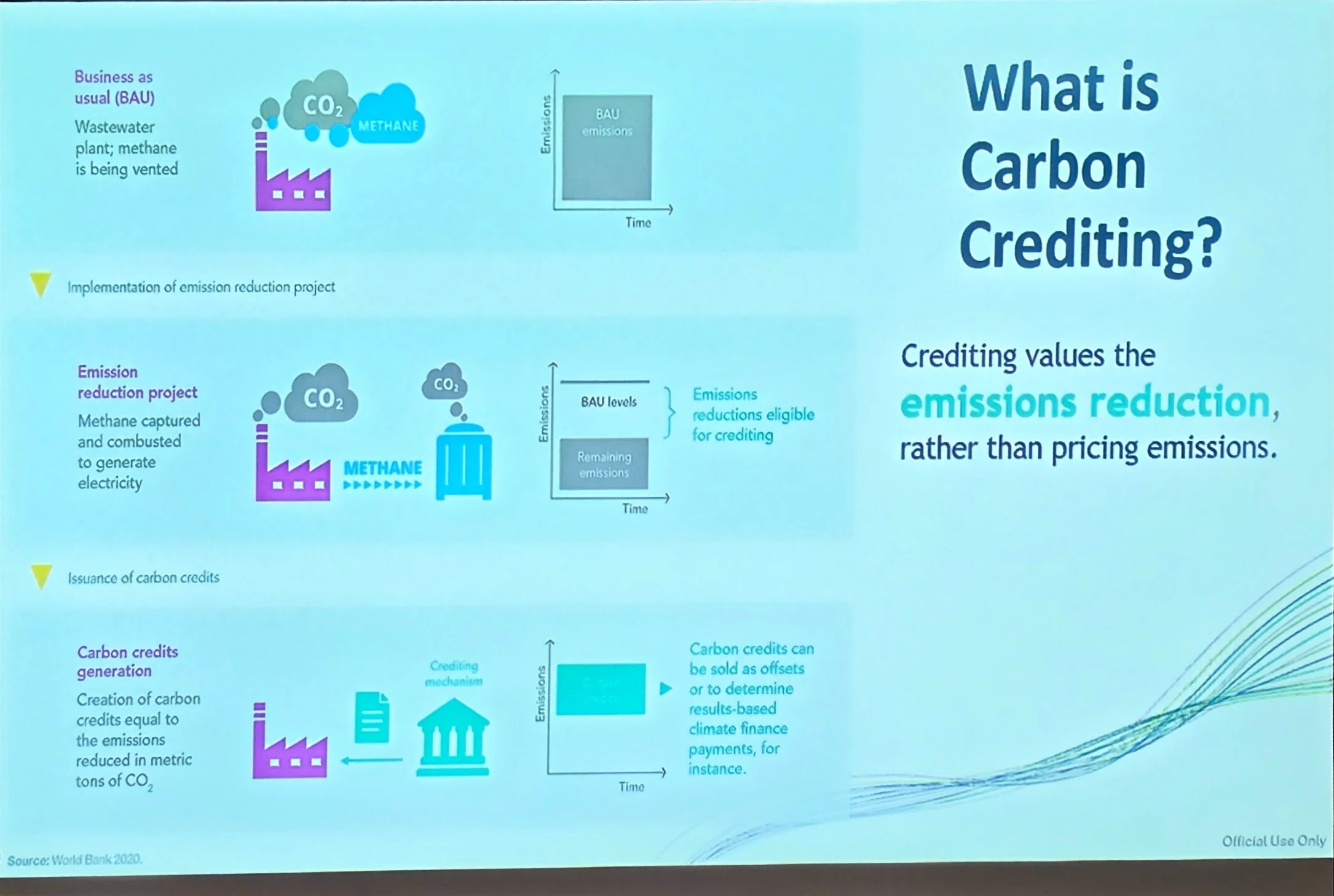
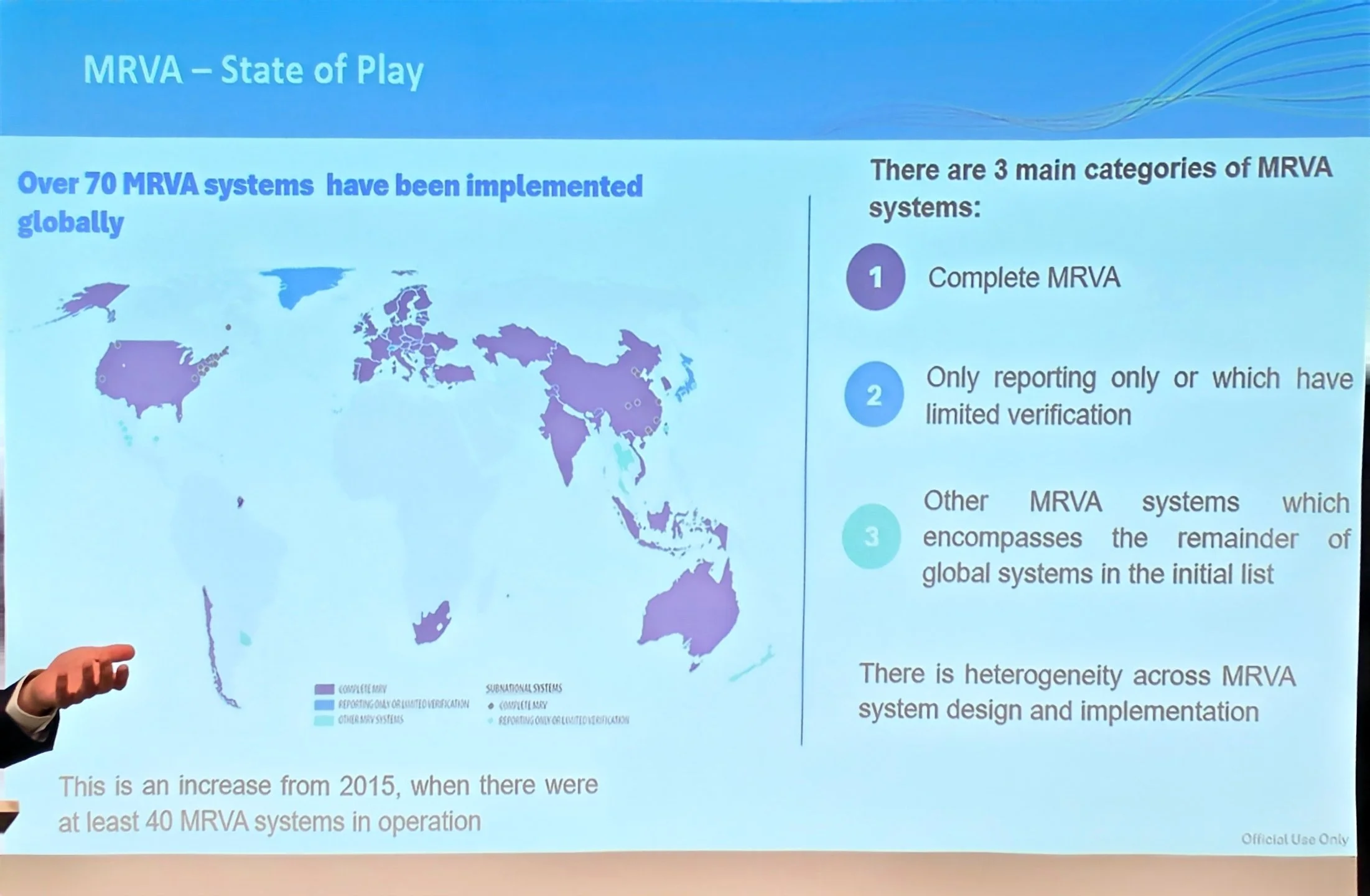

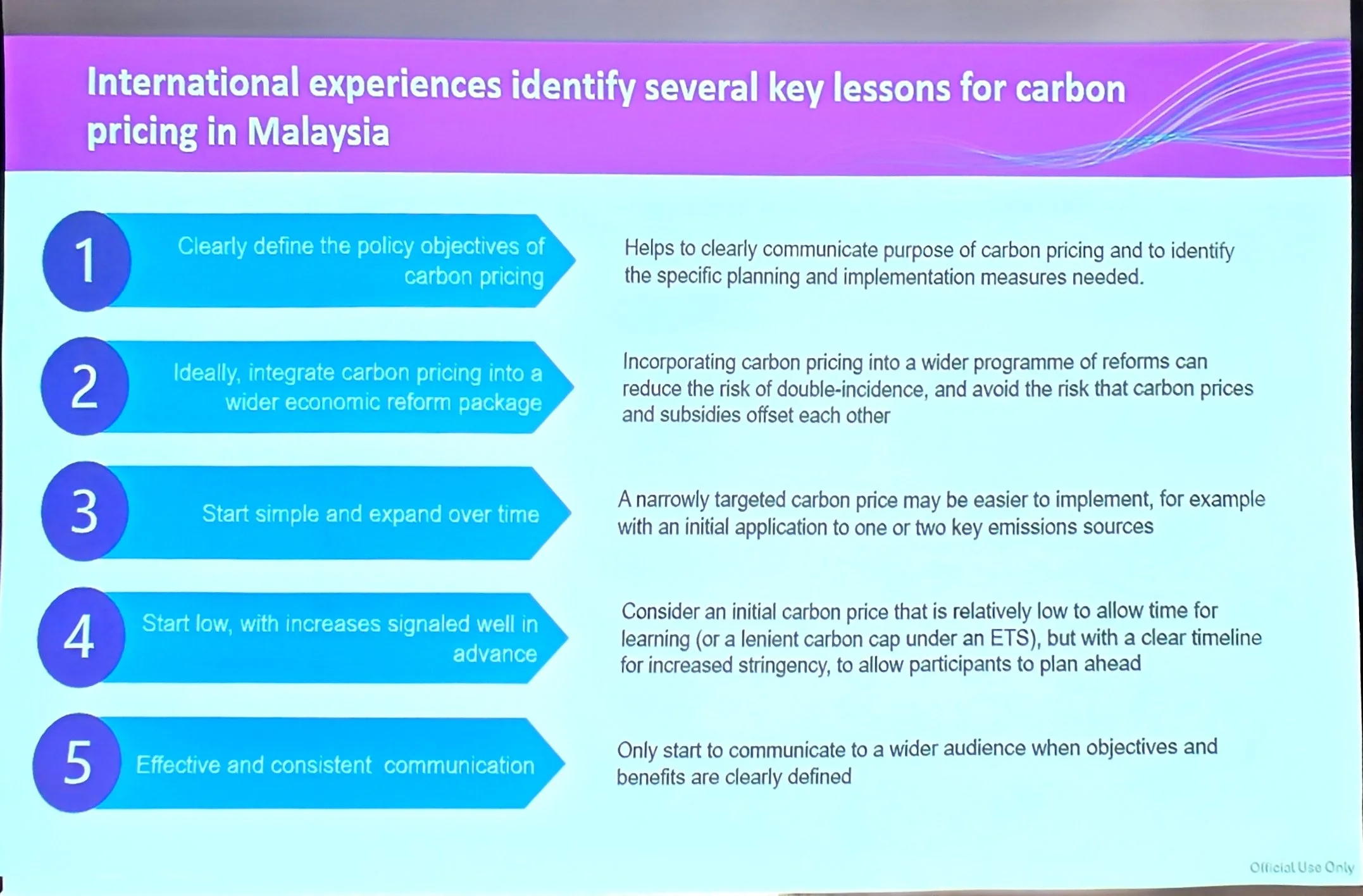
Rather than treating MRVA solely as a compliance requirement, speakers encouraged organisations to view it as a management tool capable of identifying operational risks, improving performance and supporting better investment decisions.
The principle repeatedly emphasised throughout the sessions was simple:
"You cannot manage what you don't measure."
This message strongly resonates with Planters International Berhad's ongoing development of integrated environmental monitoring systems that combine field observations with remote sensing, drones, LiDAR, SLAM, biodiversity monitoring and digital environmental intelligence.
Market Integrity Remains Fundamental
Several discussions addressed market confidence within voluntary carbon markets.
Topics included project quality, additionality, permanence, independent verification, governance, tokenisation, transparency and greenwashing.
While technologies such as blockchain and tokenisation may improve market efficiency and traceability, speakers agreed that technology alone cannot replace credible project design, robust methodologies or independent verification.
Market confidence ultimately depends upon strong governance, transparent standards and rigorous monitoring throughout the project lifecycle.
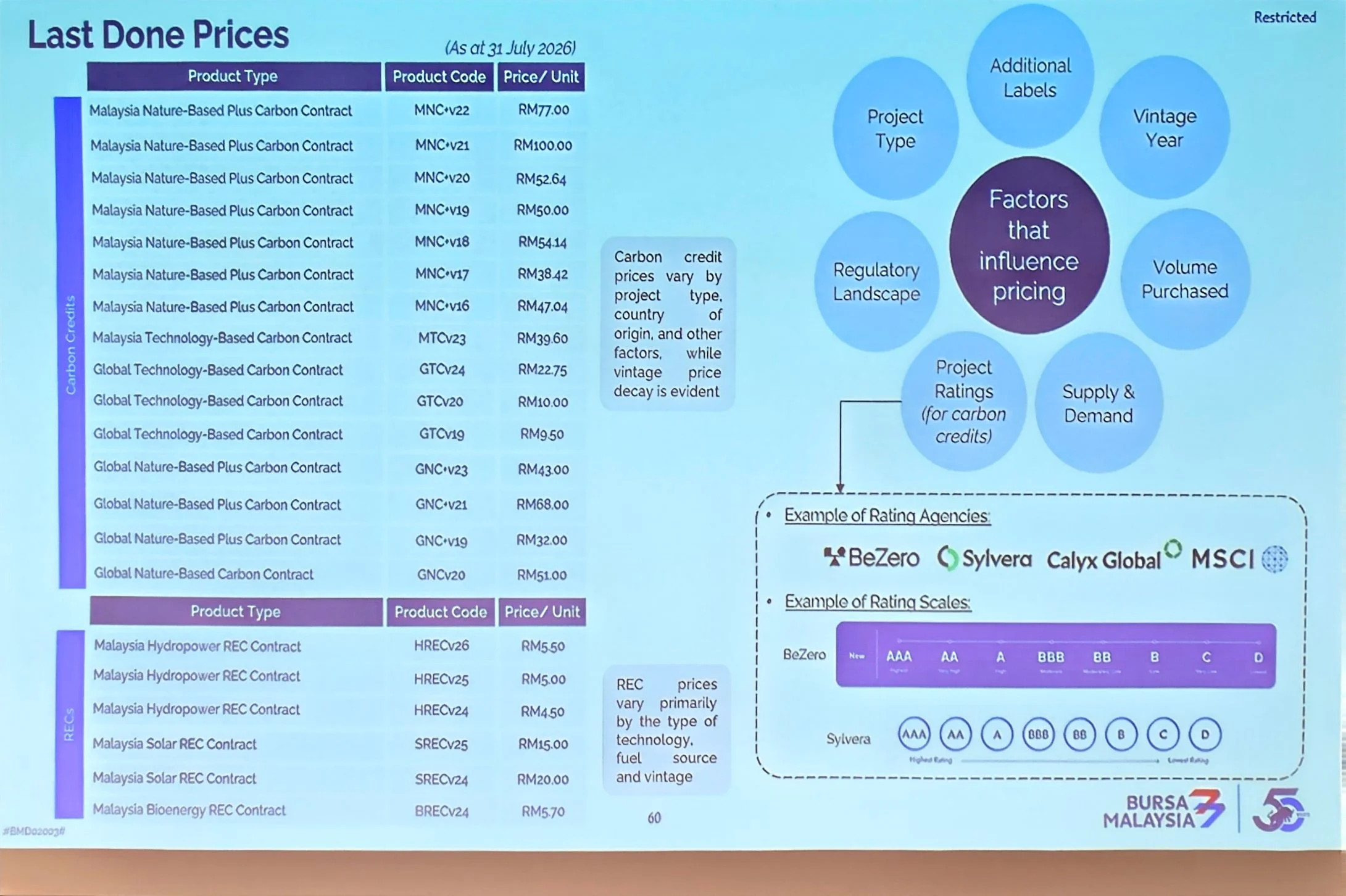
The Bursa Carbon Exchange sessions also demonstrated how Malaysia's carbon market ecosystem continues to mature through improved governance structures, new market participants and greater institutional support.
Preparing for the Future
Across all five days, a consistent message emerged.
Climate governance is becoming increasingly interconnected with finance, trade, investment, corporate governance, biodiversity conservation and technological innovation.
Organisations that prepare early by strengthening governance, improving environmental measurement, understanding climate-related risks and investing in credible sustainability practices will be better positioned to navigate future regulatory developments and market expectations.
For Planters International Berhad, the summit reaffirmed the importance of integrating science, technology and governance to deliver measurable environmental outcomes.
Through initiatives spanning forest and mangrove restoration, biodiversity surveillance, environmental monitoring, MRV systems and nature-based solutions, Planters remains committed to supporting Malaysia's climate ambitions while contributing practical, science-driven solutions that strengthen ecosystem resilience and long-term environmental stewardship.
As Malaysia's climate governance framework continues to evolve, meaningful collaboration between government, financial institutions, academia, industry and conservation practitioners will remain essential in translating policy into measurable environmental, social and economic impact.