TERNS Takes Environmental Learning to Sungai Klang with Planters International
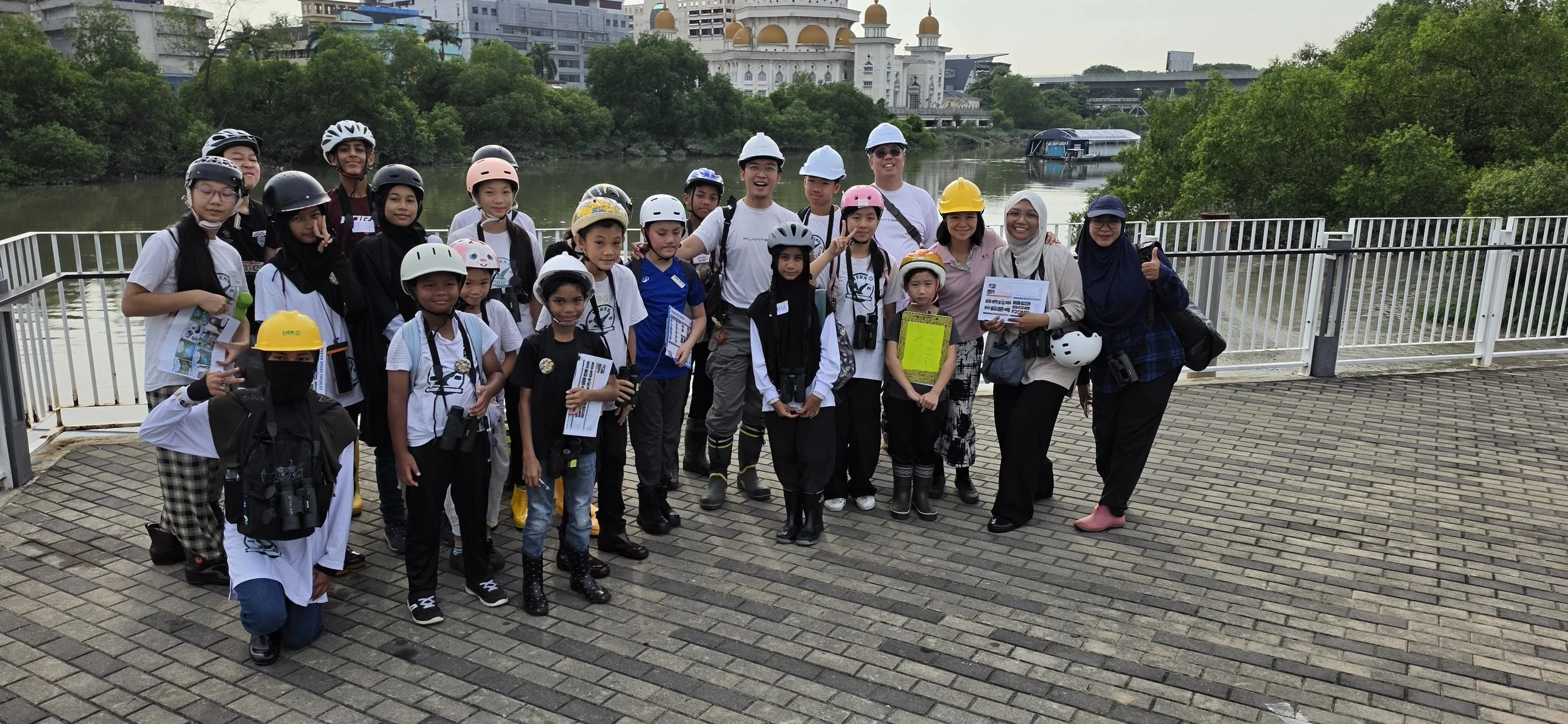
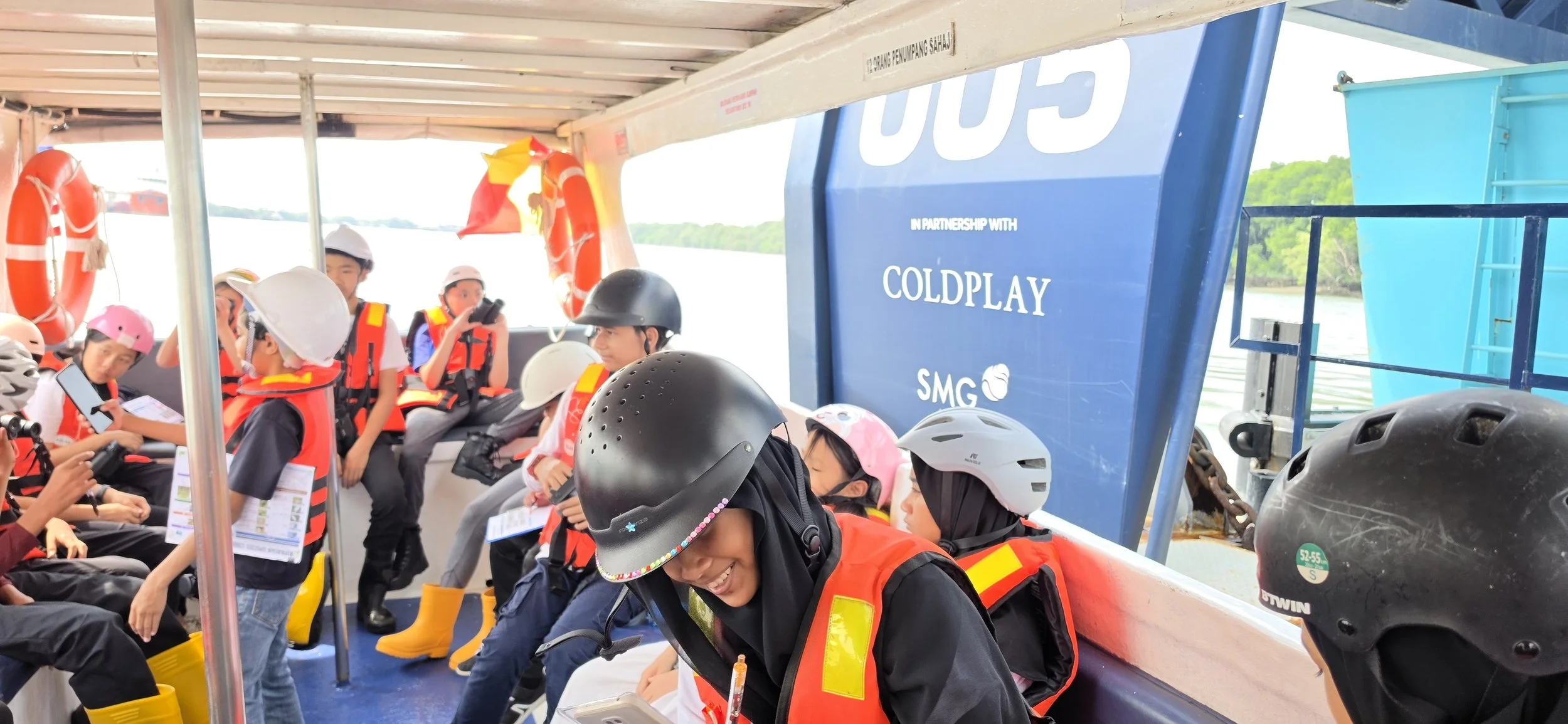
10 August 2026 | Sungai Klang, Selangor - A much-awaited journey finally took young participants from TERNS (Train, Educate & Responsibility to Nature and Society) onto Sungai Klang today, transforming the river into a living classroom for biodiversity, conservation and environmental discovery.
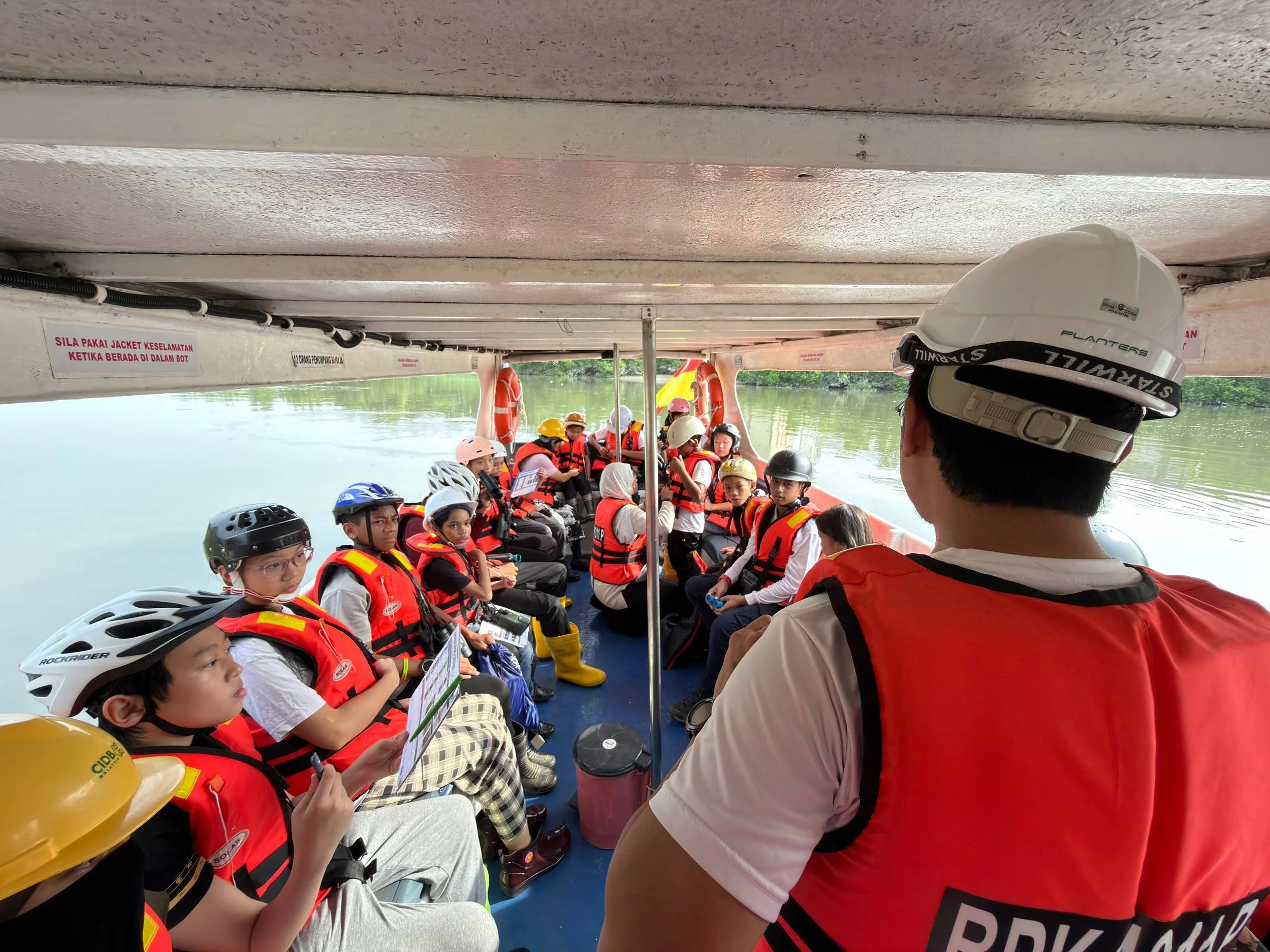
The Sungai Klang Riparian Education Trip, facilitated by Planters International Berhad, supported by Pertubuhan Kelestarian Ekosistem Alam (NEST), brought TERNS participants along the river to observe its riparian and mangrove ecosystems, wildlife, human pressures and the conservation challenges shaping Sungai Klang today.
For Planters, the programme also continued a relationship with TERNS that has developed over several years.
Planters has supported TERNS in its efforts to expose younger generations to nature, environmental responsibility and stewardship through experiential learning. Previous activities have included nature-based learning at Taman Tugu Kuala Lumpur and Taman Botani Negara Shah Alam. This time, the learning environment moved from the forest to the river — and into the wider landscape of Coastal Oasis: Sungai Klang & Coastal Isles - Eco-Restoration and Biodiversity Innovation Program.
From Nature Education to a Living River
TERNS has been engaging young people in environmental and social responsibility since 2019, encouraging participants to develop not only an appreciation of nature but also leadership, stewardship and a sense of responsibility towards their surroundings.
Today's programme extended that philosophy into an increasingly important environment: the river.
Rather than approaching Sungai Klang simply as a sightseeing trip, participants were encouraged to investigate it as a functioning ecosystem.
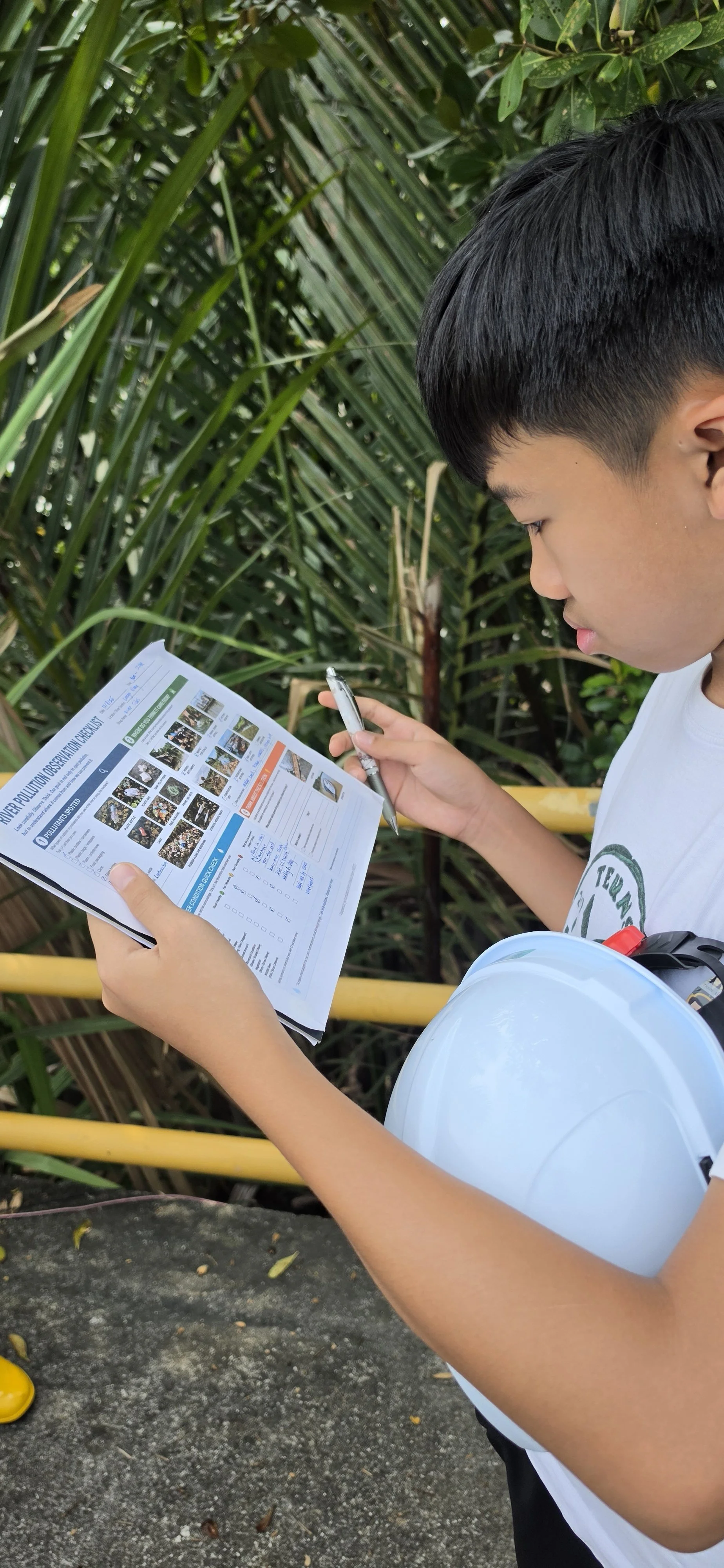
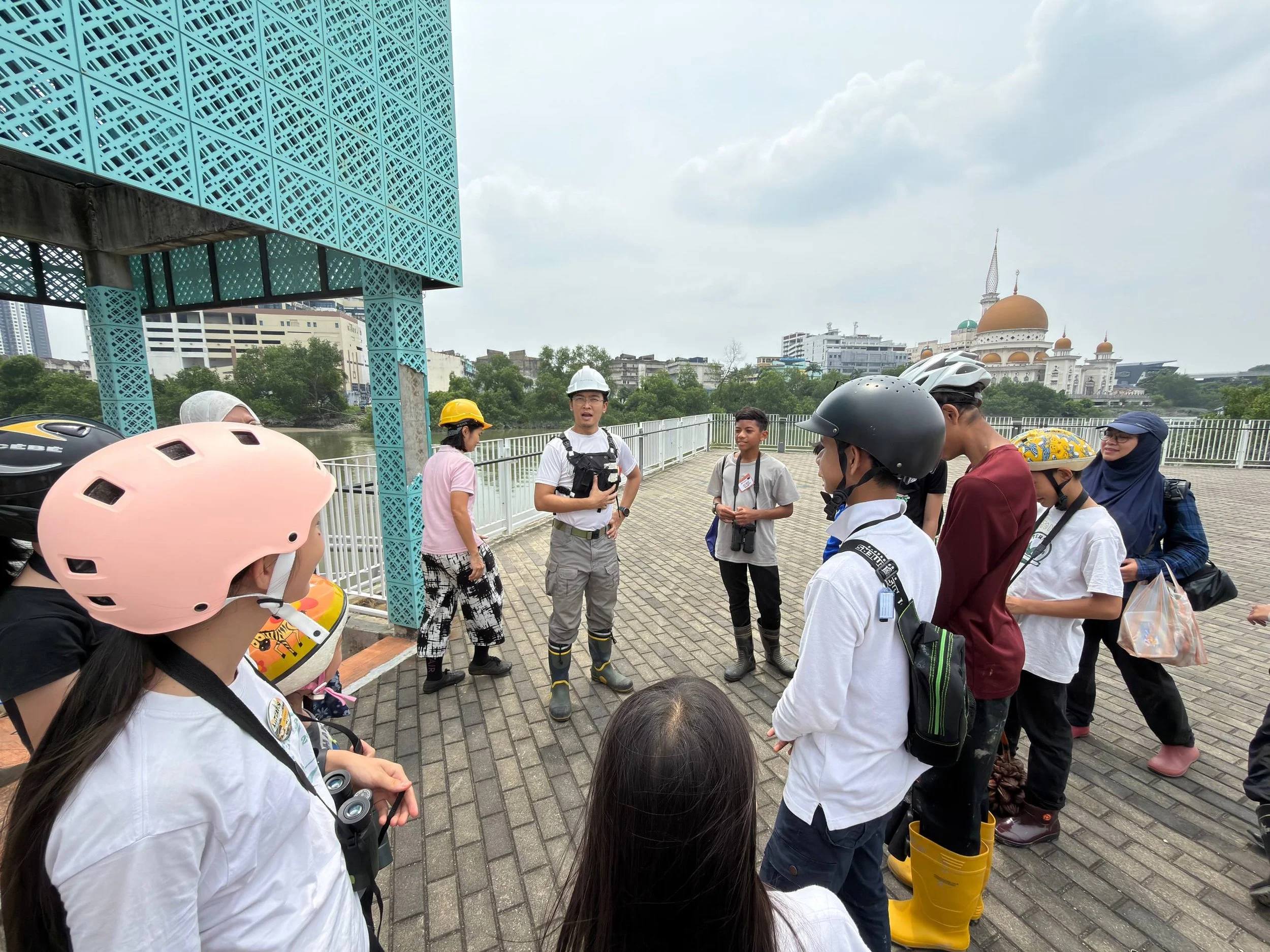
Before the journey, the children became "Sungai Klang River Detectives", working in groups on different aspects of river ecology and management. Their assignment was deliberately designed around curiosity rather than memorisation: prepare questions first, then go into the field to observe carefully and search for real evidence.
Five themes guided their investigation: river tides, mangrove ecosystems, river pollution and waste, technology used to address river pollution, and invasive species and river biodiversity.
Observing Biodiversity Along Sungai Klang
Once on the river, those classroom questions became real observations.
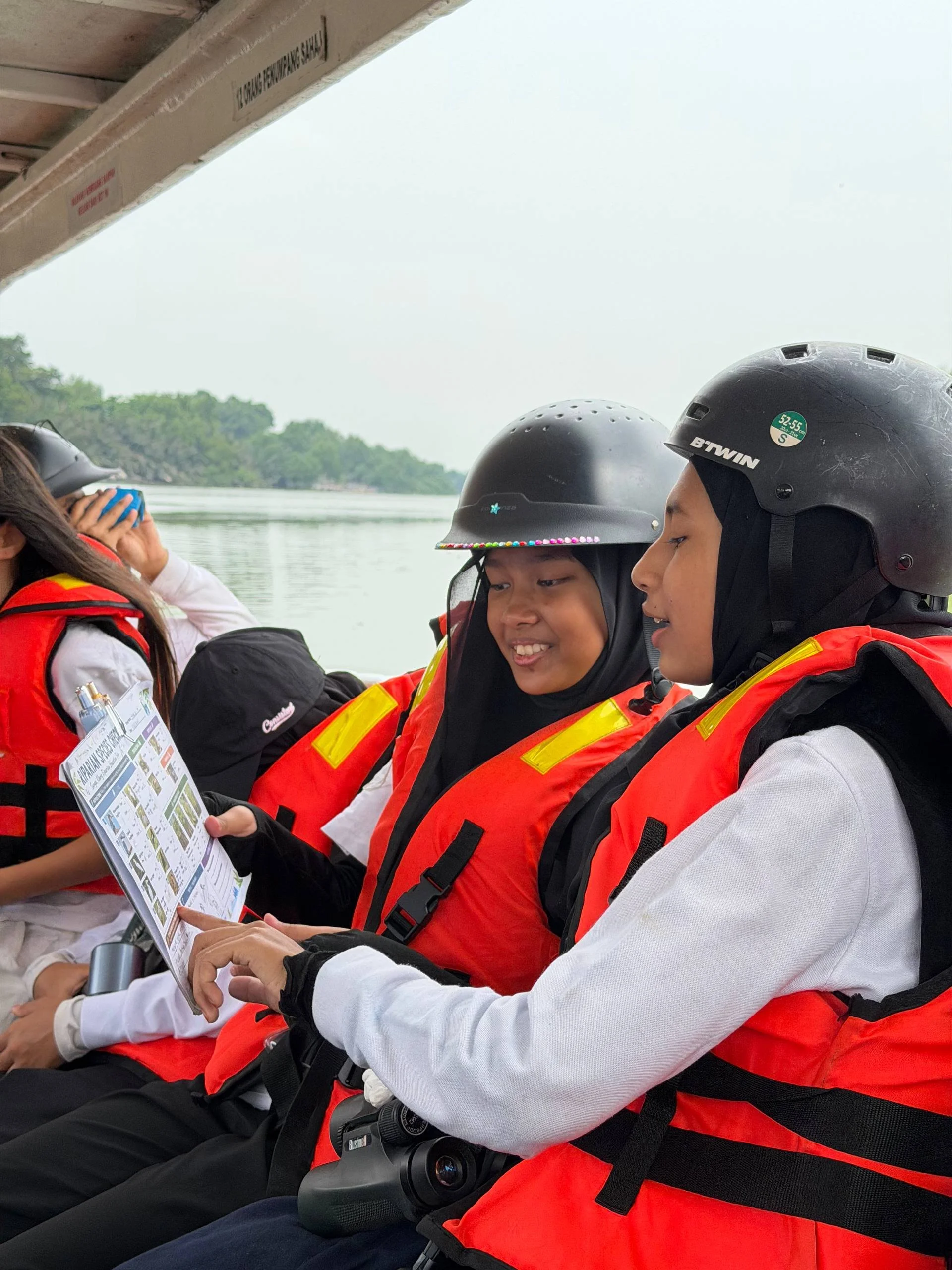
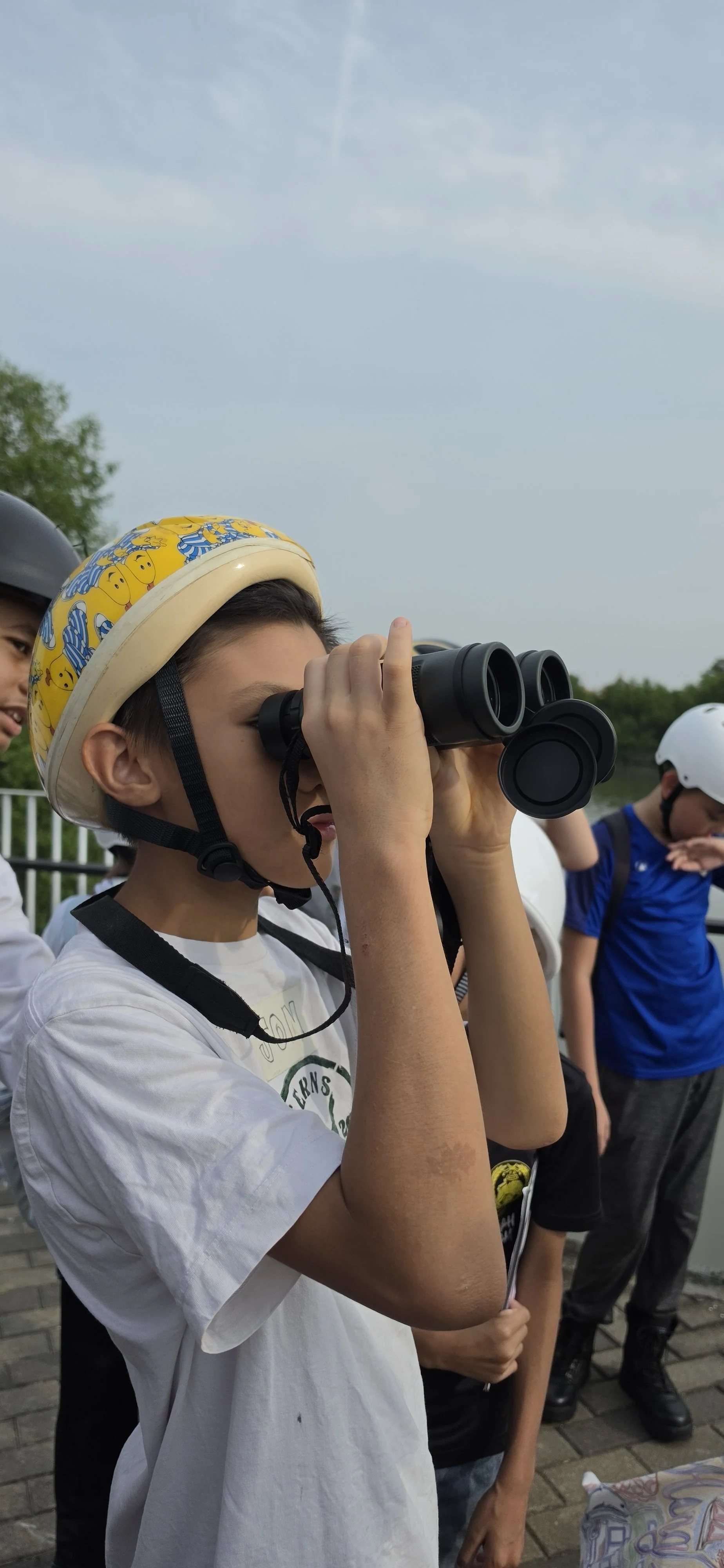
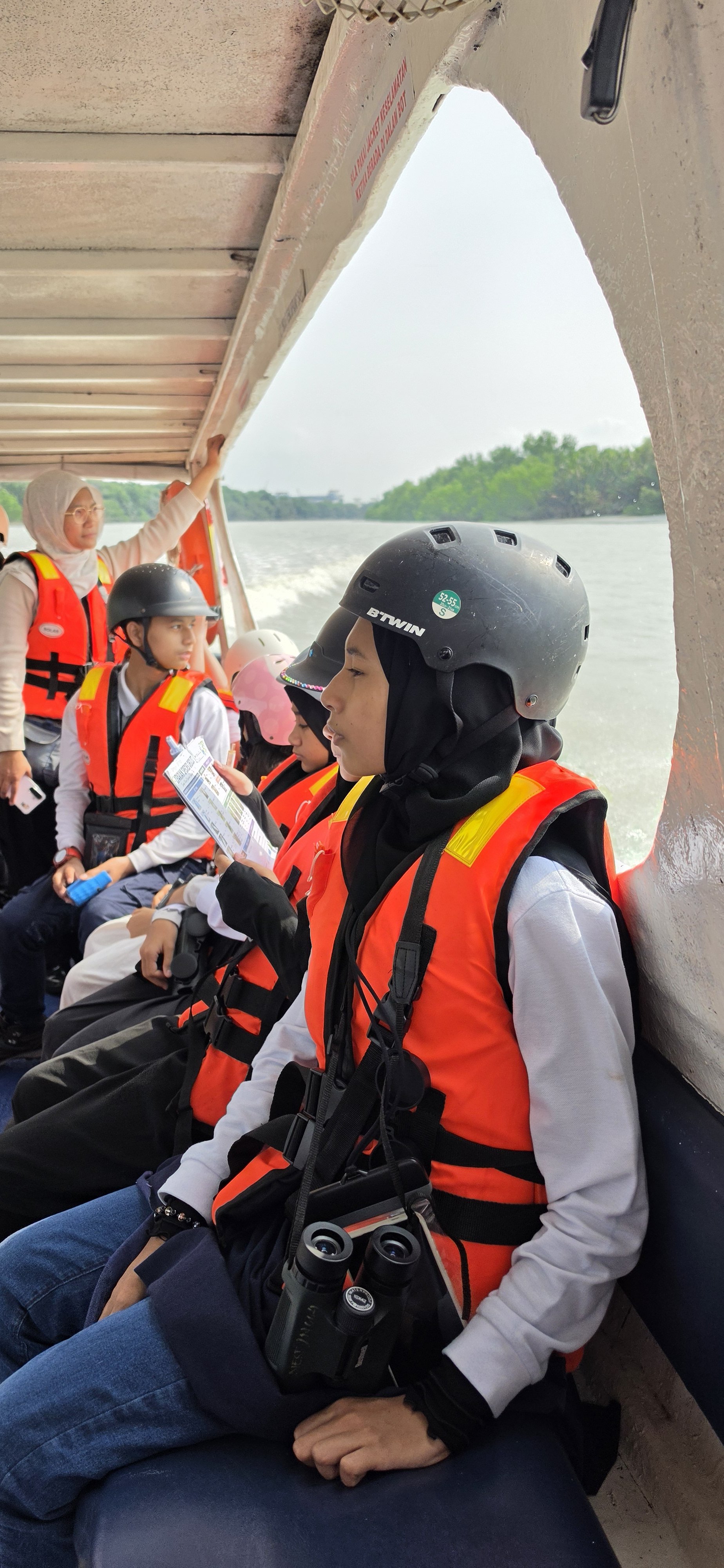
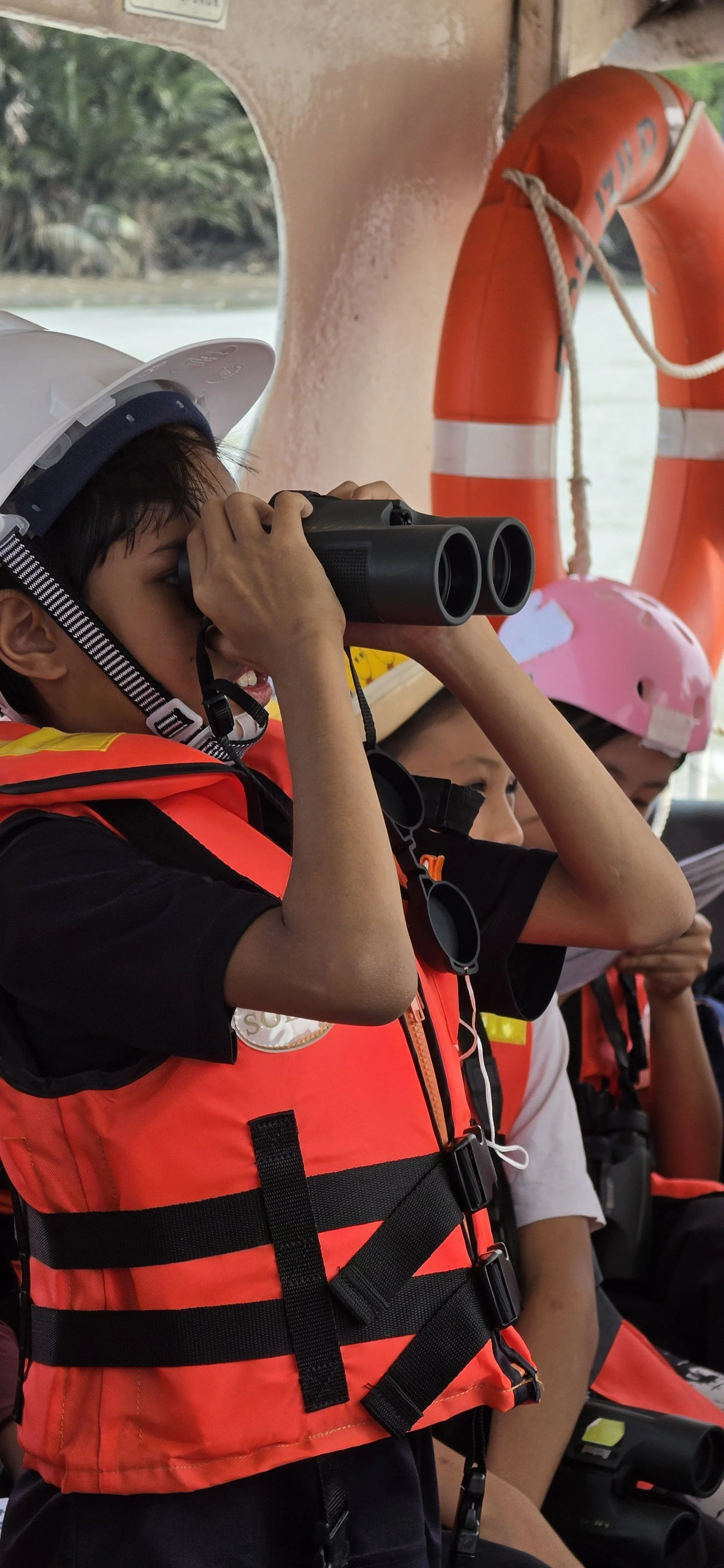
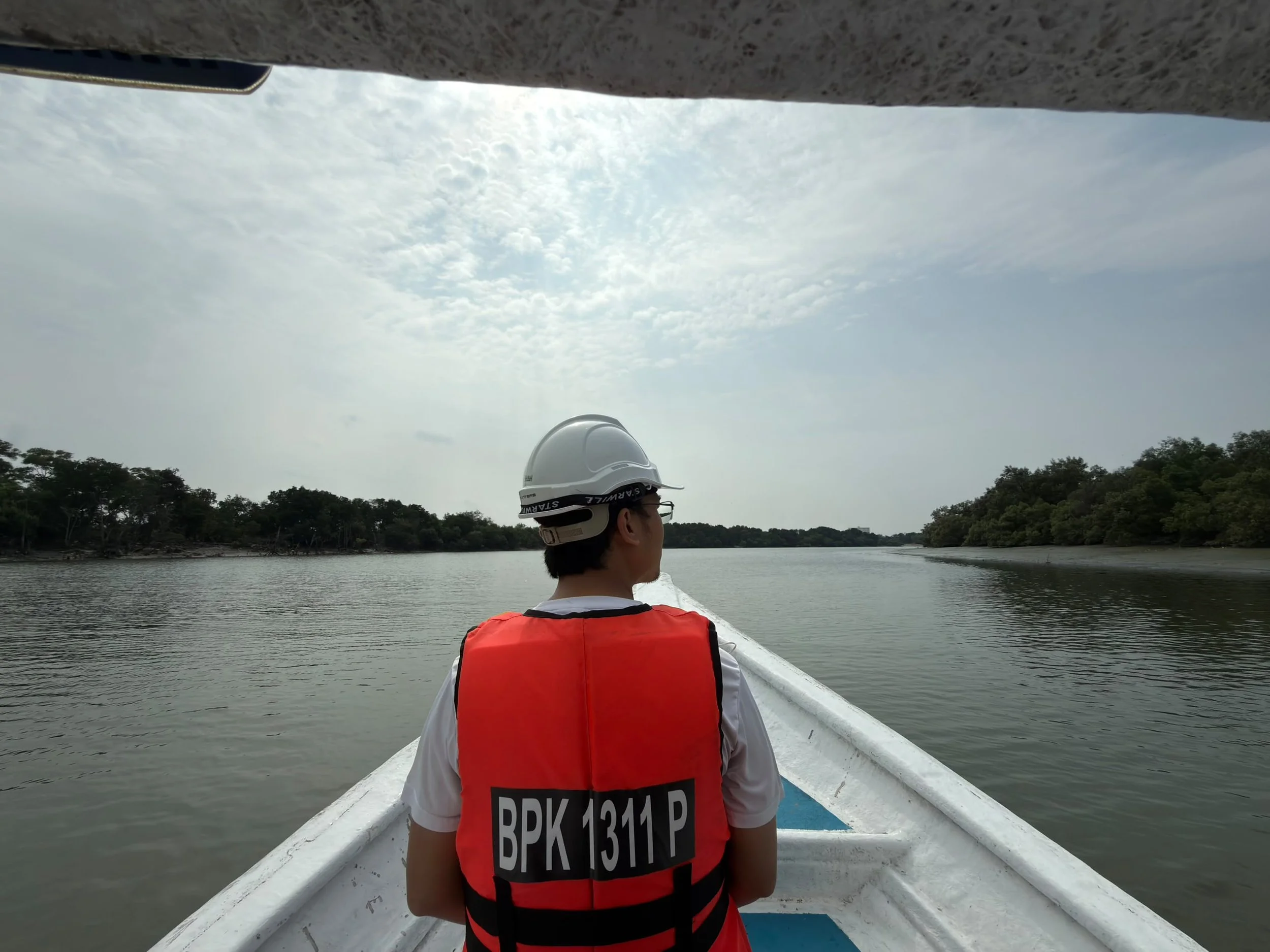
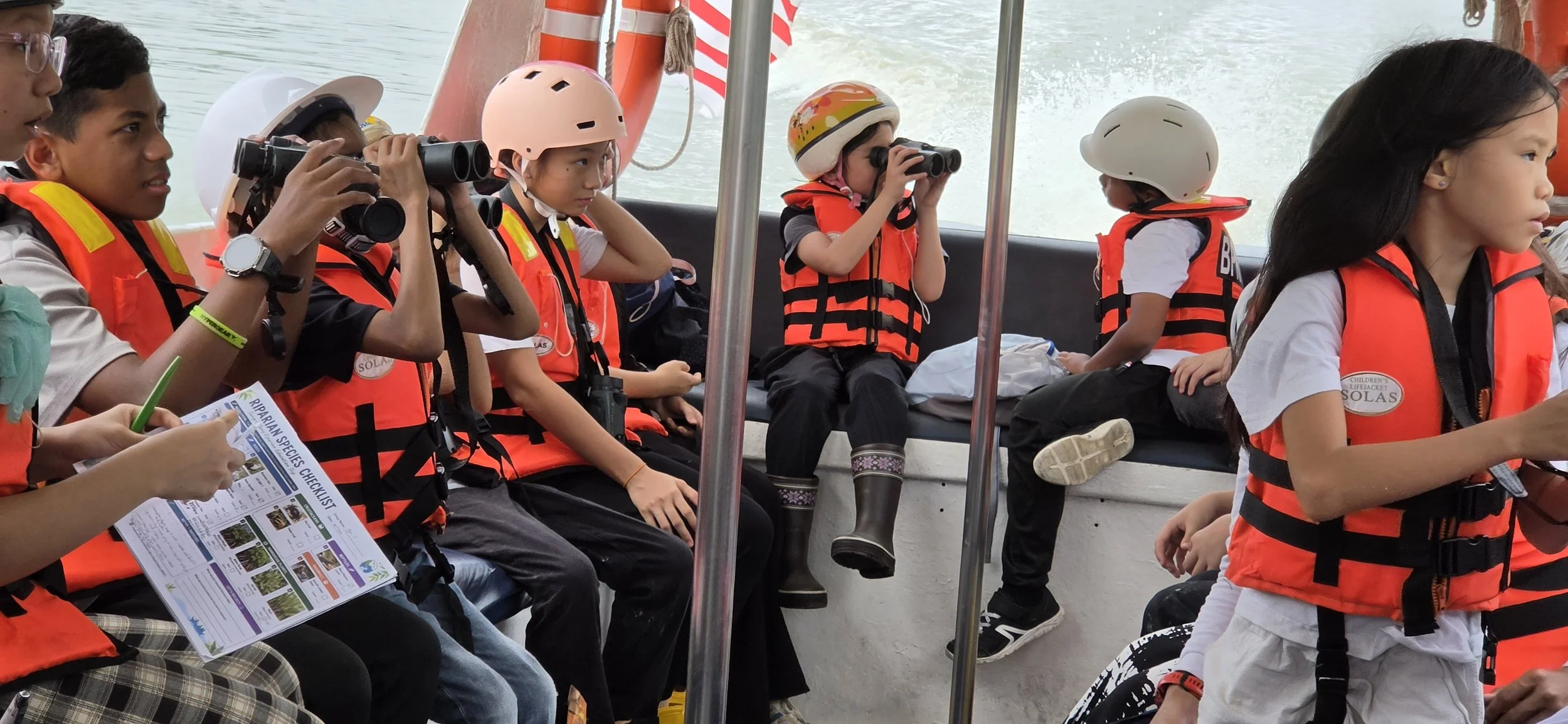
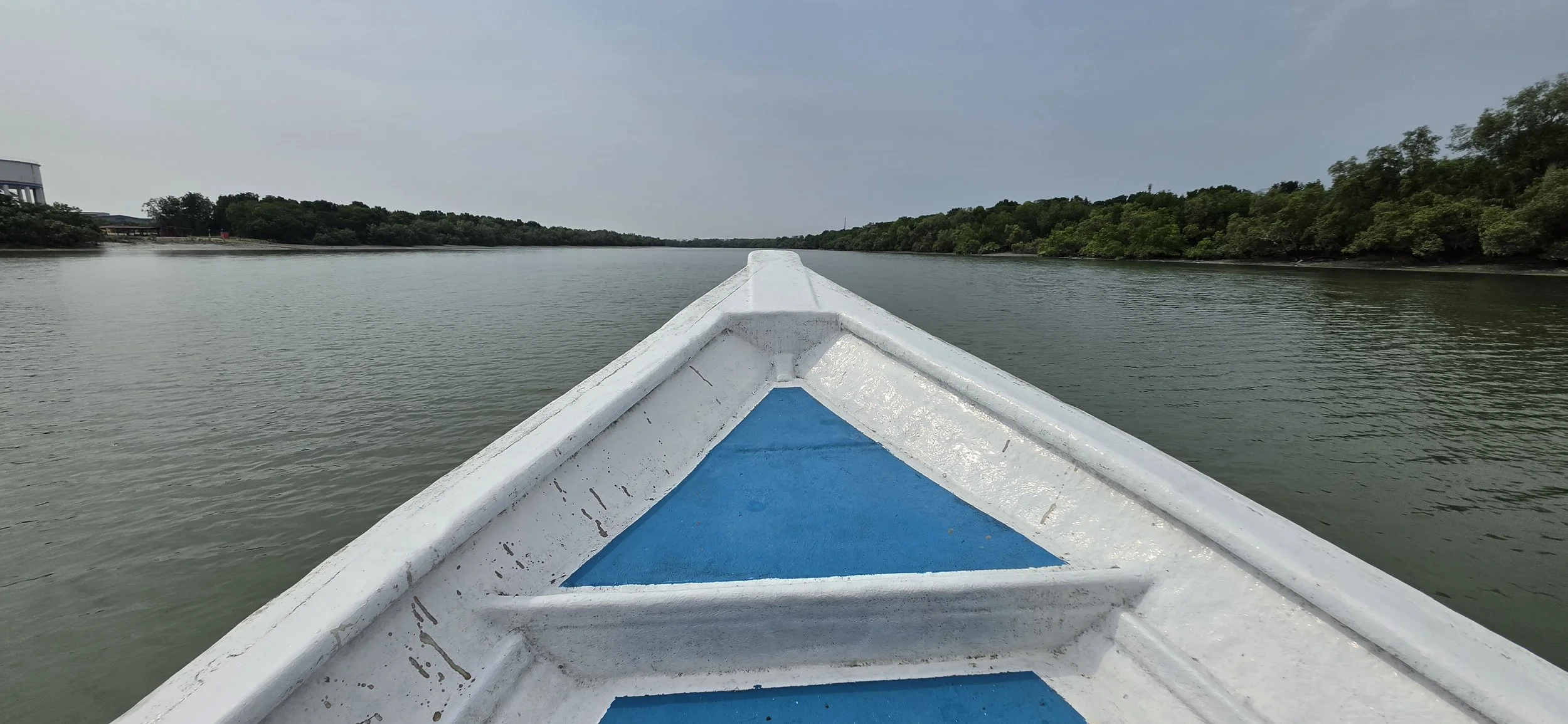
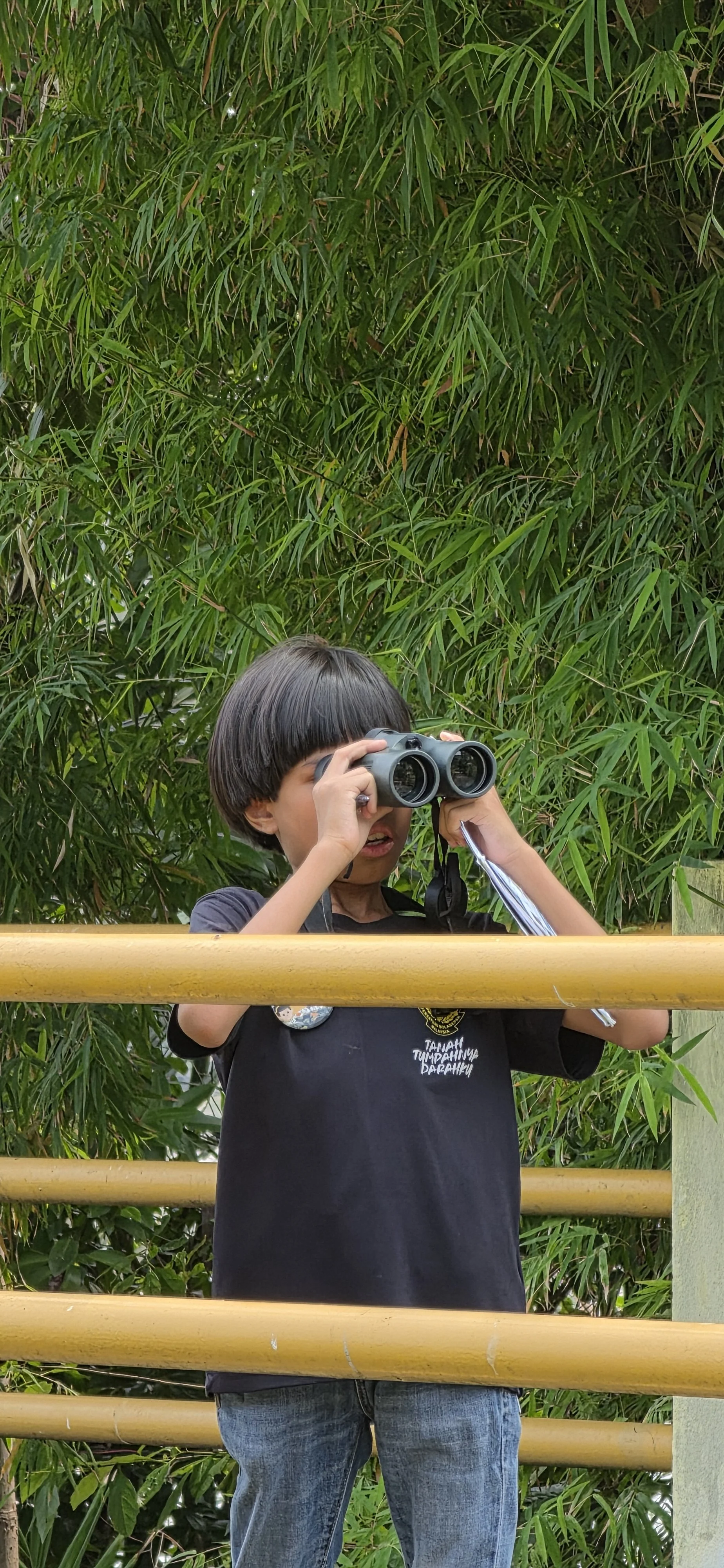
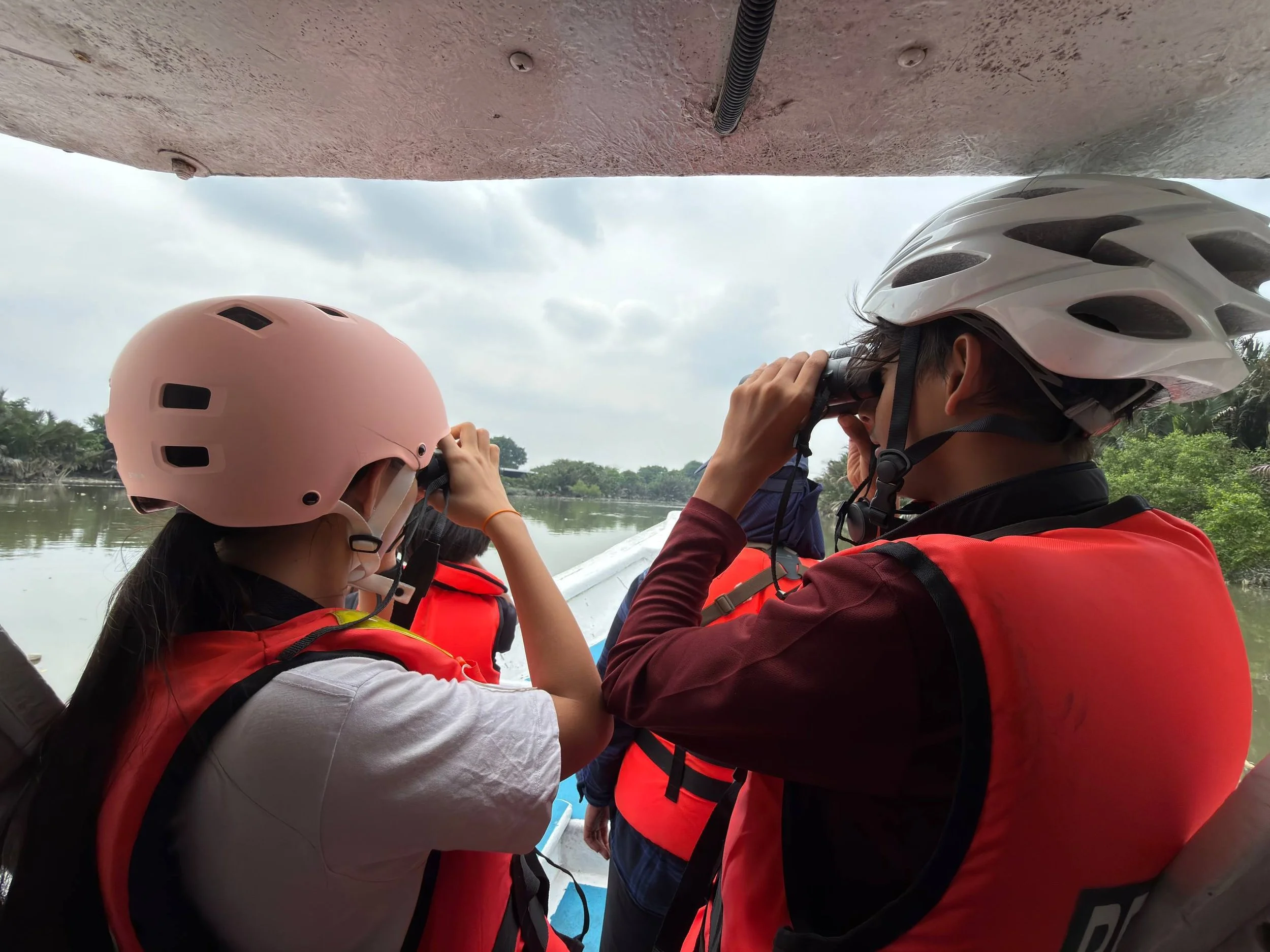
Travelling along Sungai Klang allowed the TERNS participants to look closely at the riverbanks, mangrove vegetation and signs of wildlife while considering how different species depend upon the riparian environment.
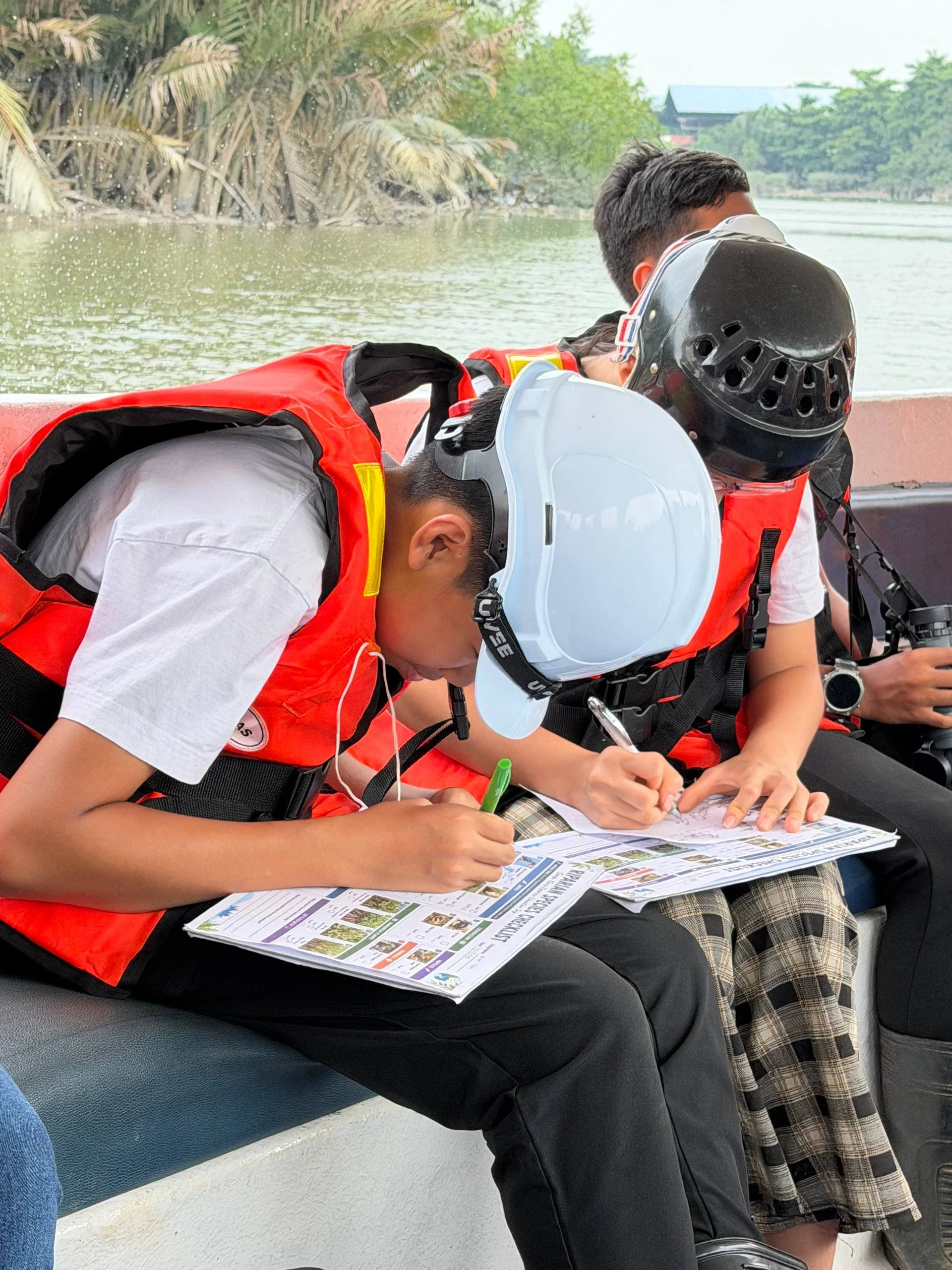
A dedicated Riparian Species Checklist, prepared by NEST, guided participants in looking for birds including kingfishers, egrets, herons, Brahminy kites and Asian openbills, alongside mud crabs, fiddler crabs, water monitor lizards and possible signs of smooth-coated otters.
The children were also introduced to characteristic mangrove and riparian vegetation including Rhizophora apiculata, Rhizophora mucronata, Avicennia species and Nypa fruticans.
But the exercise was about more than ticking species off a list.
Participants were encouraged to observe where wildlife occurs, how mangrove roots interact with tides and sediment, where young vegetation establishes itself, and how the condition of the river influences the biodiversity it supports.
Seeing the Pressures Facing the River
Environmental education also means seeing the difficult parts.
Alongside biodiversity observations, the TERNS participants examined pollution and waste within the river environment.
Their field materials encouraged them to identify different forms of rubbish, consider where pollution might originate, assess visible river conditions and think about how waste moves from communities and activities on land into waterways.
This brought an important dimension to the day's learning.
Cleaning a river is one part of the solution. Understanding why pollution enters the river in the first place — and how it can be prevented — requires participants to think about the entire river system.
The children were therefore encouraged not simply to ask, "What rubbish can we see?", but to consider where it may have come from and what interventions could prevent it from reaching Sungai Klang.
Can Technology Help Protect a River?
Another TERNS group investigated the role of technology in addressing river pollution.
Participants looked for waste interception systems, the types of rubbish being captured, water-monitoring equipment, people operating or maintaining infrastructure and evidence of waste that may still escape existing barriers.
This allowed the children to consider a question that is also highly relevant to real-world river restoration:
How much can technology solve, and what still requires changes in human behaviour and better environmental management?
For Planters, this is particularly relevant to the approach being developed through Coastal Oasis.
Restoring a river ecosystem cannot be reduced to planting trees. Biodiversity protection, riparian and mangrove restoration, pollution interception, water-quality monitoring, environmental intelligence, community participation and long-term stewardship must work together.
Today's young participants were able to see parts of that challenge for themselves.
A Continuing Journey with TERNS
Planters' relationship with TERNS has always been grounded in a simple principle: young people understand environmental responsibility differently when they are given the opportunity to experience nature directly.
Over the years, that has meant supporting TERNS participants in nature-based learning and environmental exposure.
Today, it meant taking them onto Sungai Klang.
The setting may have changed, but the purpose remains consistent — encouraging young people to observe, question, understand and ultimately care for the natural systems around them.
For some participants, the memorable moment may have been spotting a bird or examining mangrove roots. For others, it may have been seeing river pollution or the infrastructure used to intercept it.
Each observation contributes to a larger understanding that a river is not simply water flowing through a city. It is an ecosystem connected to communities, biodiversity, coastlines and ultimately the sea.
Partnerships for the Next Generation
Planters International Berhad extends its appreciation to TERNS and Colonel Allan Lai for the continuing opportunity to support environmental learning among the programme's young participants, and to Pertubuhan Kelestarian Ekosistem Alam (NEST) for sponsoring and supporting today's Sungai Klang programme and contributing its educational field materials.
The programme demonstrates what can be achieved when environmental organisations, corporate partners and community initiatives combine real conservation landscapes with structured environmental education.
Through Coastal Oasis and Planters' wider environmental programmes, similar experiences can be developed with corporations, educational institutions and community organisations — incorporating biodiversity discovery, river and mangrove ecology, pollution awareness, restoration, environmental monitoring and conservation technology.
For organisations looking to create meaningful CSR, ESG, employee-family, youth or community biodiversity programmes, the objective does not have to be another one-day environmental activity.
It can be an opportunity to give participants a genuine role in understanding the ecosystem being protected — and to build relationships with conservation landscapes that continue long after the programme ends.
For TERNS, today's journey along Sungai Klang was another step in a learning journey that has already been years in the making.
And for the young river detectives, Sungai Klang provided the best classroom of all: the river itself.
Continue Exploring
1. Coastal Oasis – Integrated Environmental Infrastructure Ecosystem
Discover how Planters integrates restoration, biodiversity protection, environmental intelligence, conservation infrastructure and community stewardship.
2. NRES Conducts Technical Site Visit to Coastal Oasis: Sungai Klang
See how government, technical and conservation stakeholders are engaging with river restoration and environmental monitoring along the same Sungai Klang landscape experienced by the TERNS participants.
Explore NRES Technical Site Visit
3. Coastal Oasis: Sungai Klang Advances at JC3 CFIL Capital Solutioning Lab
Explore how the Sungai Klang programme is progressing from field implementation towards scalable environmental infrastructure, biodiversity protection and climate-finance solutions.
Read the CFIL Capital Solutioning Story
4. Mangrove Tree Planting at HSK Raja Lumu
See another example of Planters combining hands-on environmental participation with mangrove ecology and conservation education in Selangor. This one is particularly relevant to prospective corporate clients because it involved corporate and student volunteers working alongside Forestry officers.