NRES Conducts Technical Site Visit to Coastal Oasis: Sungai Klang, Advancing Collaborative River Restoration
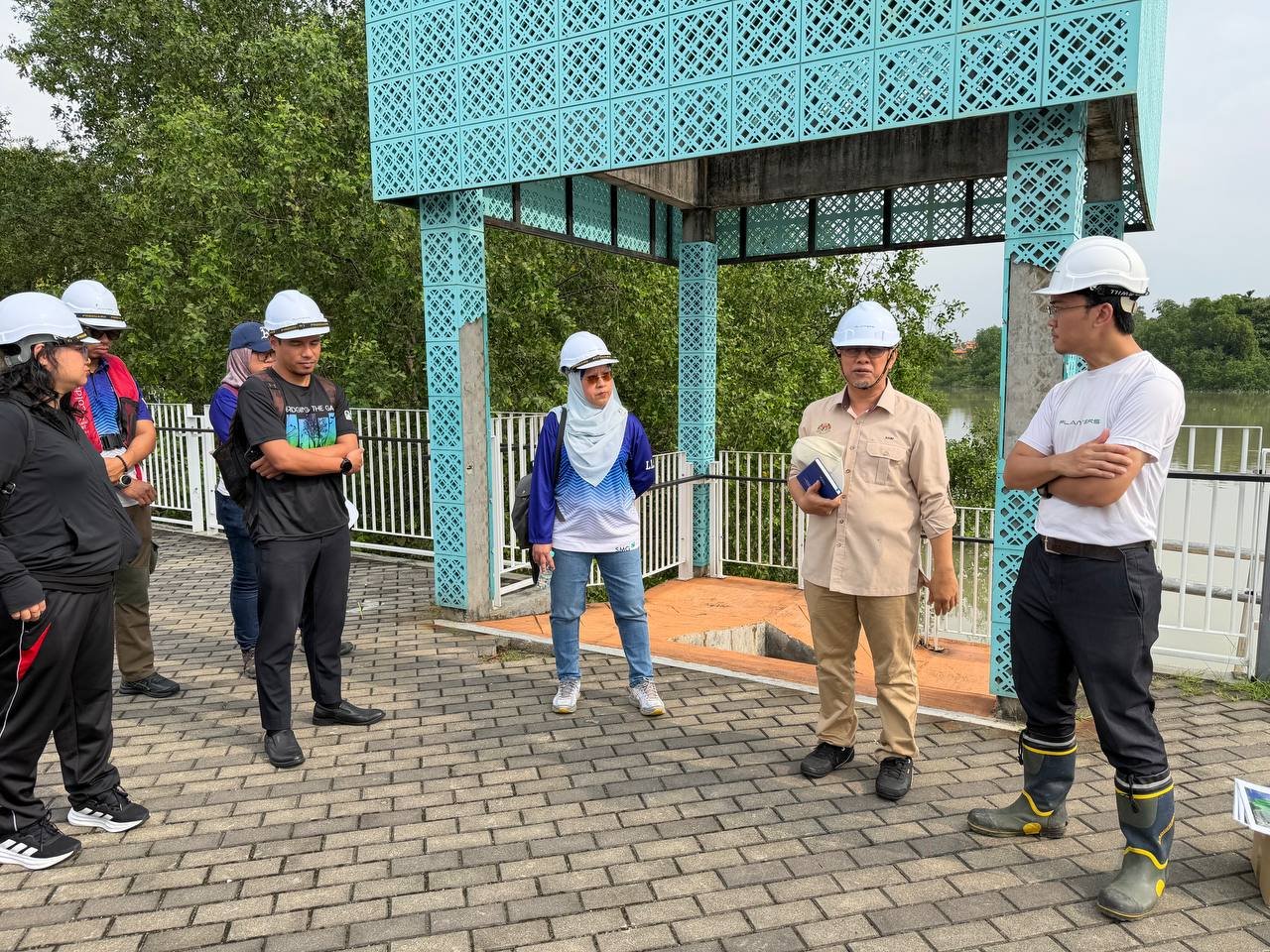
KLANG, 20 July 2026 – Planters International Berhad, together with Landasan Lumayan Sdn. Bhd. (LLSB), welcomed a delegation from the Ministry of Natural Resources and Environmental Sustainability (NRES) for a technical site visit to the Coastal Oasis: Sungai Klang (COSK) Initiative, providing first-hand insight into the implementation of integrated river restoration, biodiversity conservation and environmental monitoring activities along the Sungai Klang corridor.
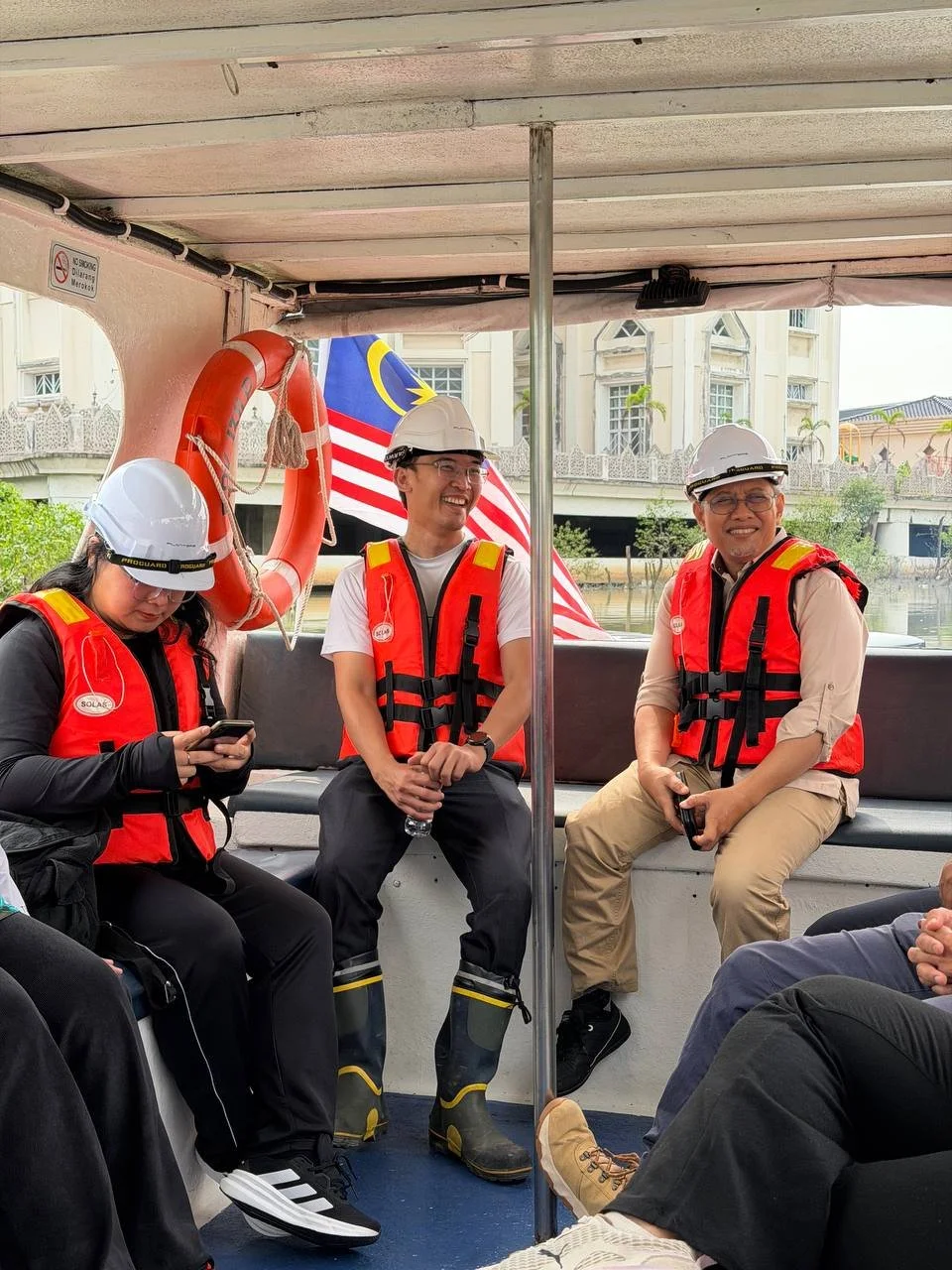
NRES delegation was led by Ts. Dr. Khairul Naim bin Adham, Deputy Undersecretary, Biodiversity and Forestry Management Division
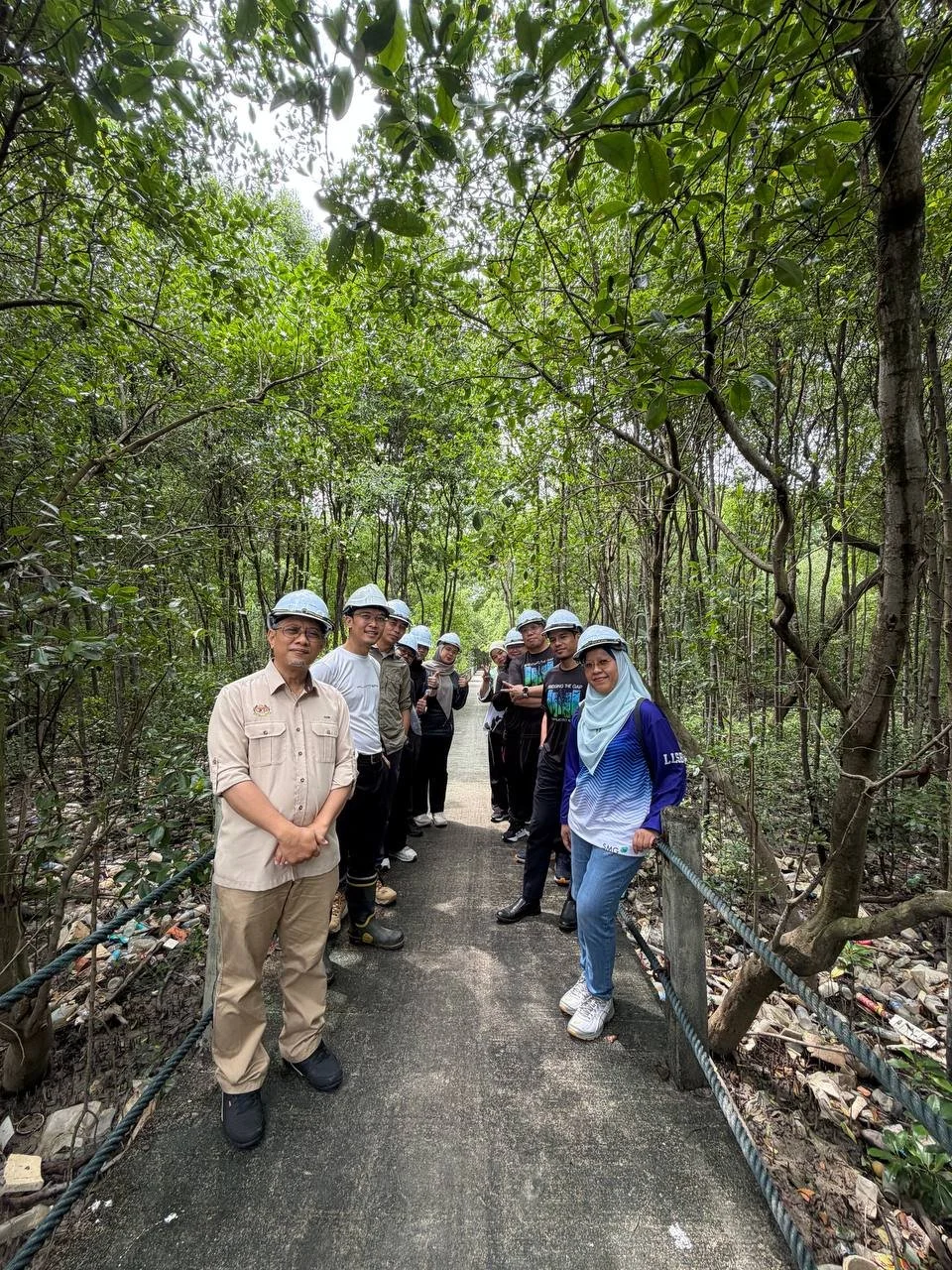
The NRES delegation was led by Ts. Dr. Khairul Naim bin Adham, Deputy Undersecretary, Biodiversity and Forestry Management Division, accompanied by officers from the Ministry. The delegation was received by representatives from Planters International Berhad and Landasan Lumayan Sdn. Bhd. (LLSB), the master developer of Selangor Maritime Gateway (SMG). The visit formed part of ongoing engagements to better understand the environmental challenges, restoration priorities and conservation initiatives being undertaken within the Sungai Klang corridor.
The programme commenced with a technical briefing at Pengkalan Batu, introducing the vision and implementation framework of the Coastal Oasis: Sungai Klang Initiative. The briefing highlighted the importance of integrating ecosystem restoration, biodiversity conservation, environmental monitoring and critical conservation infrastructure into a coordinated long-term approach for river rehabilitation.
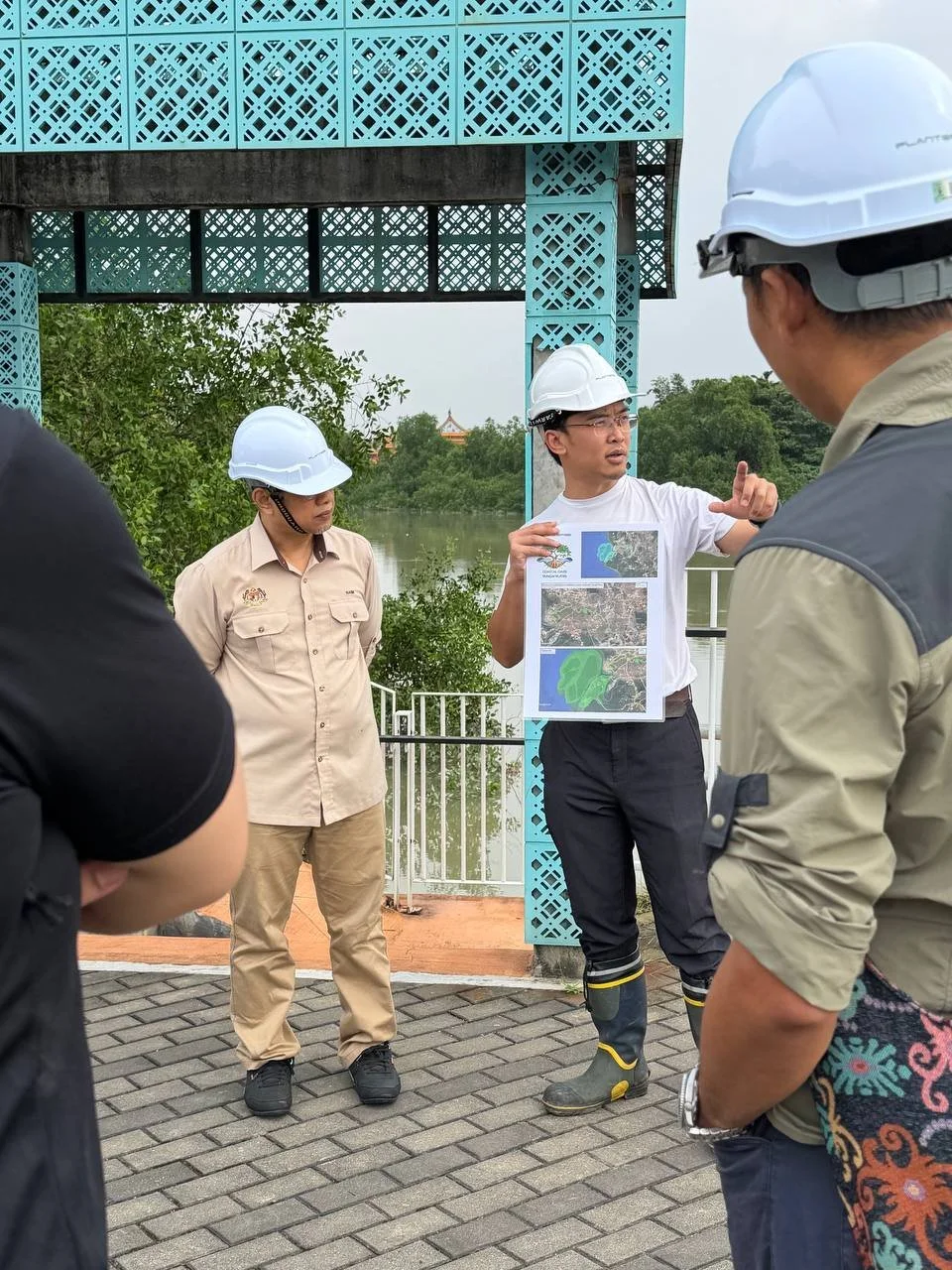
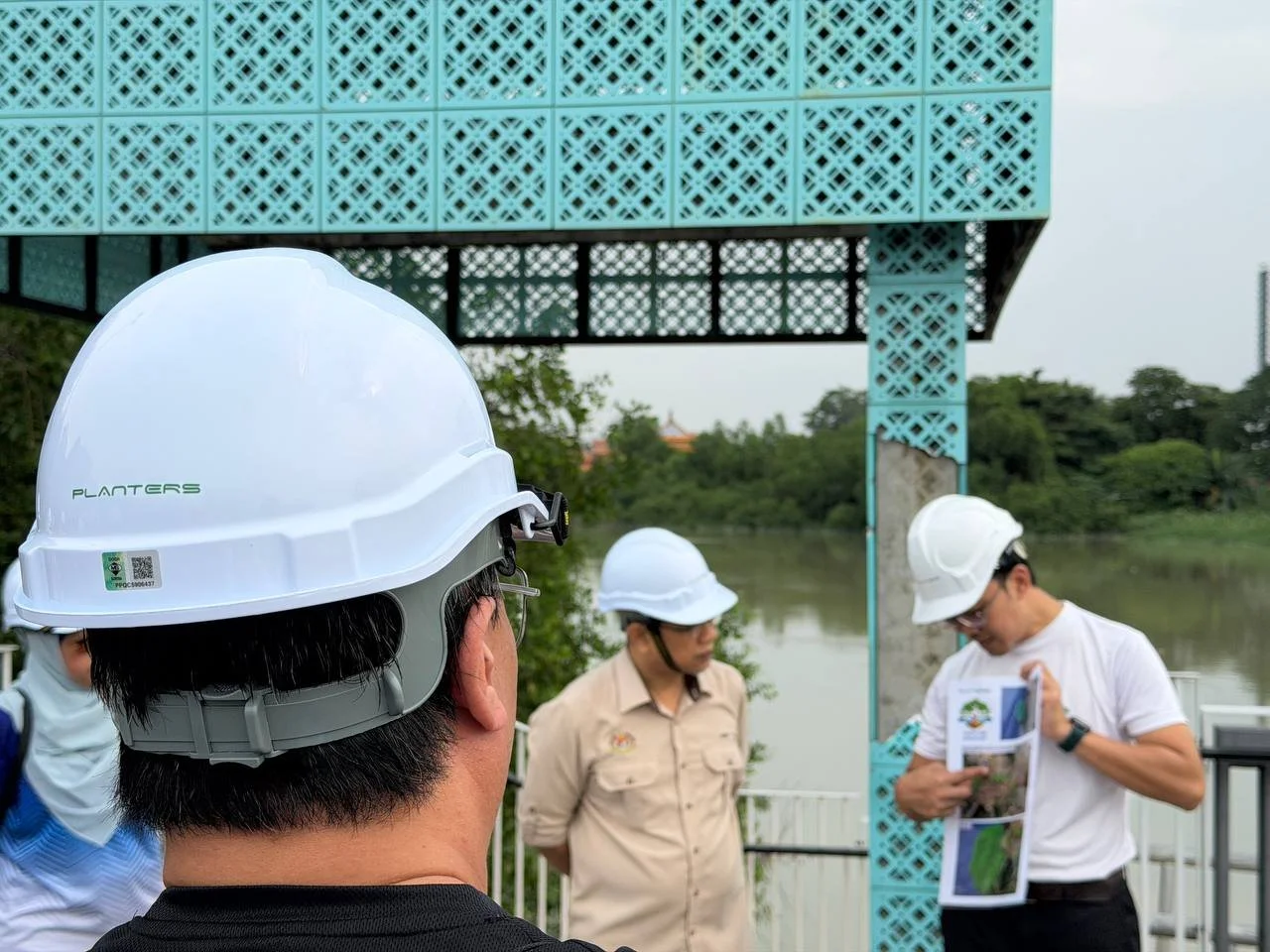
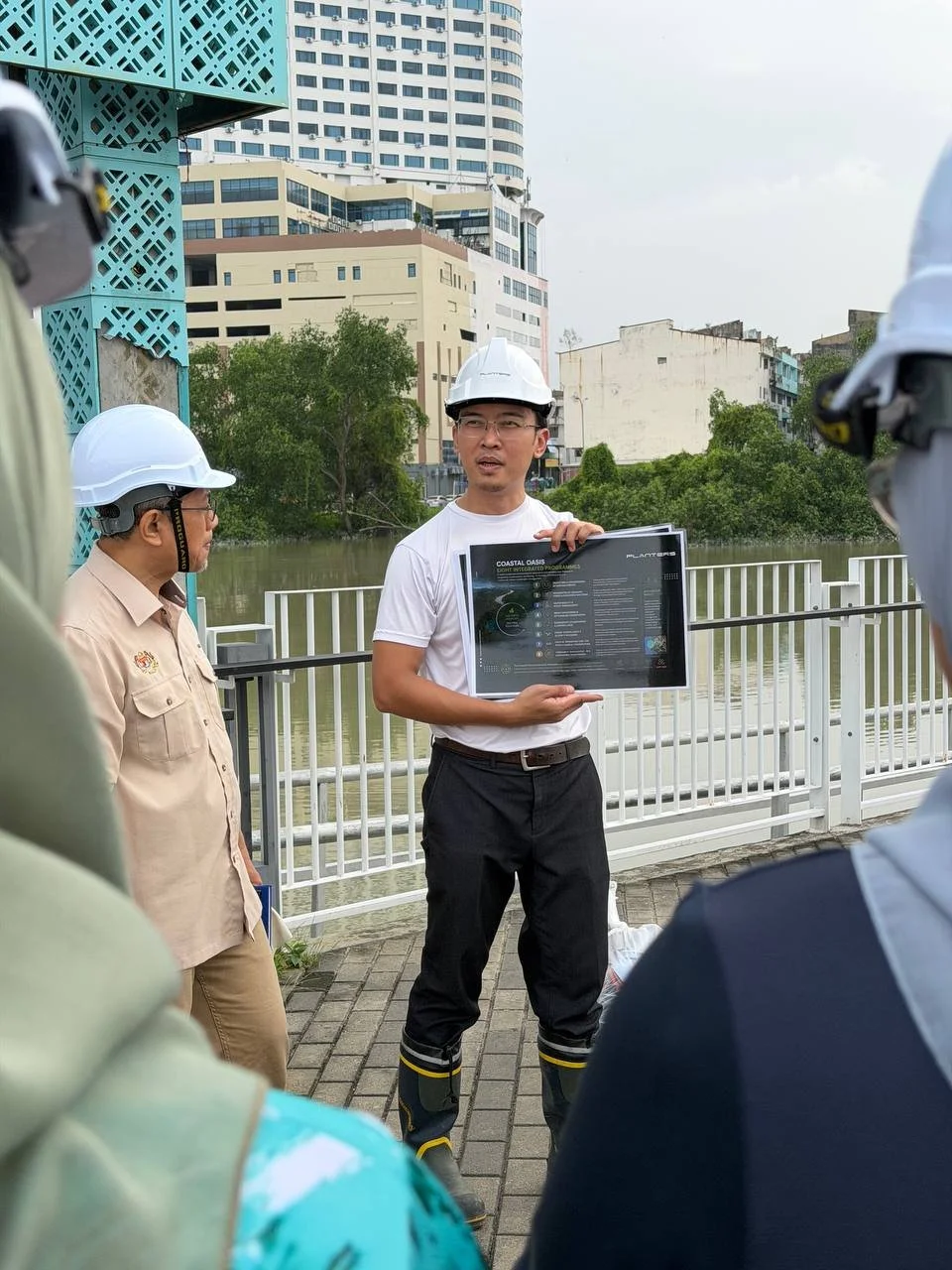
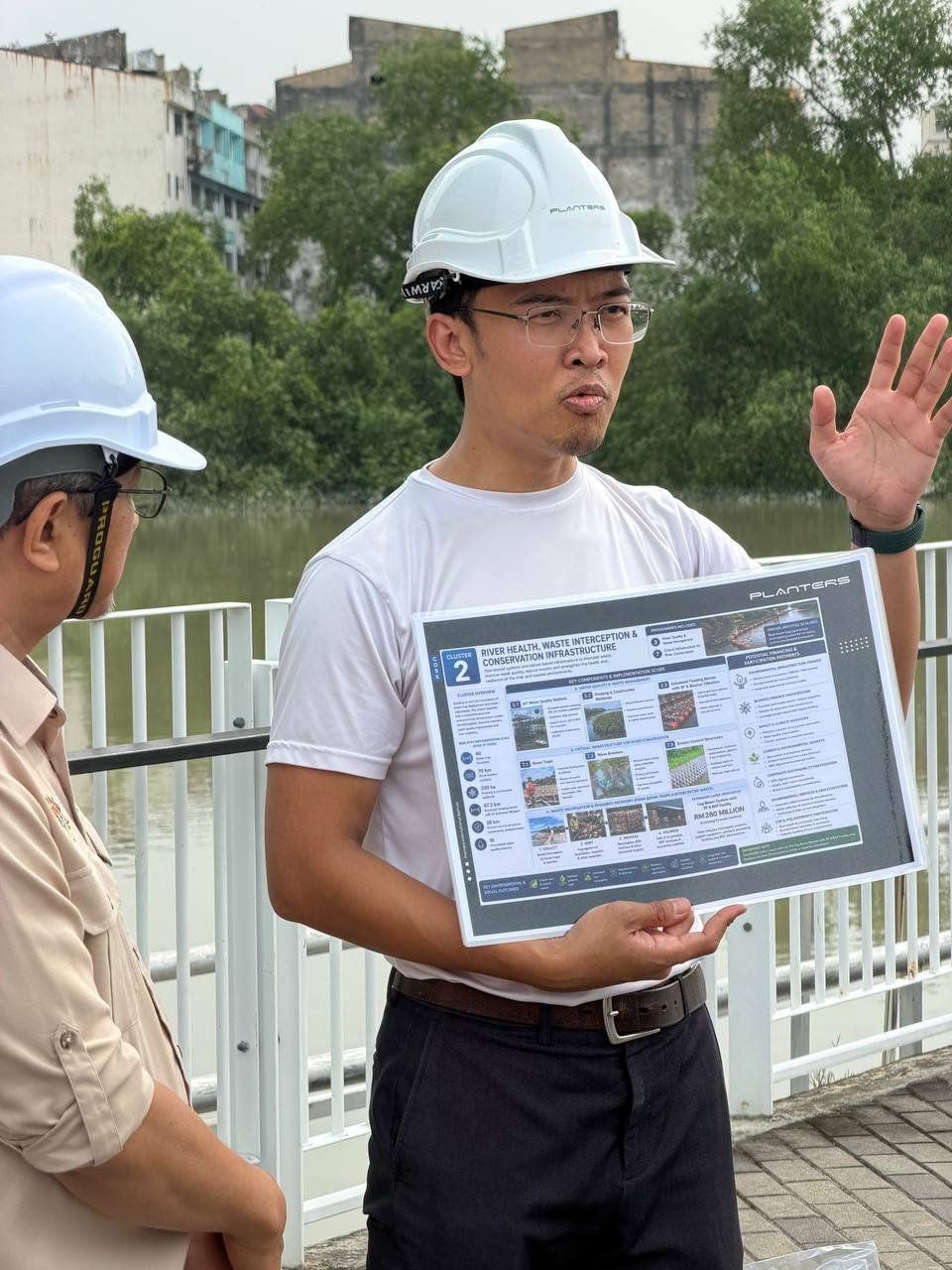
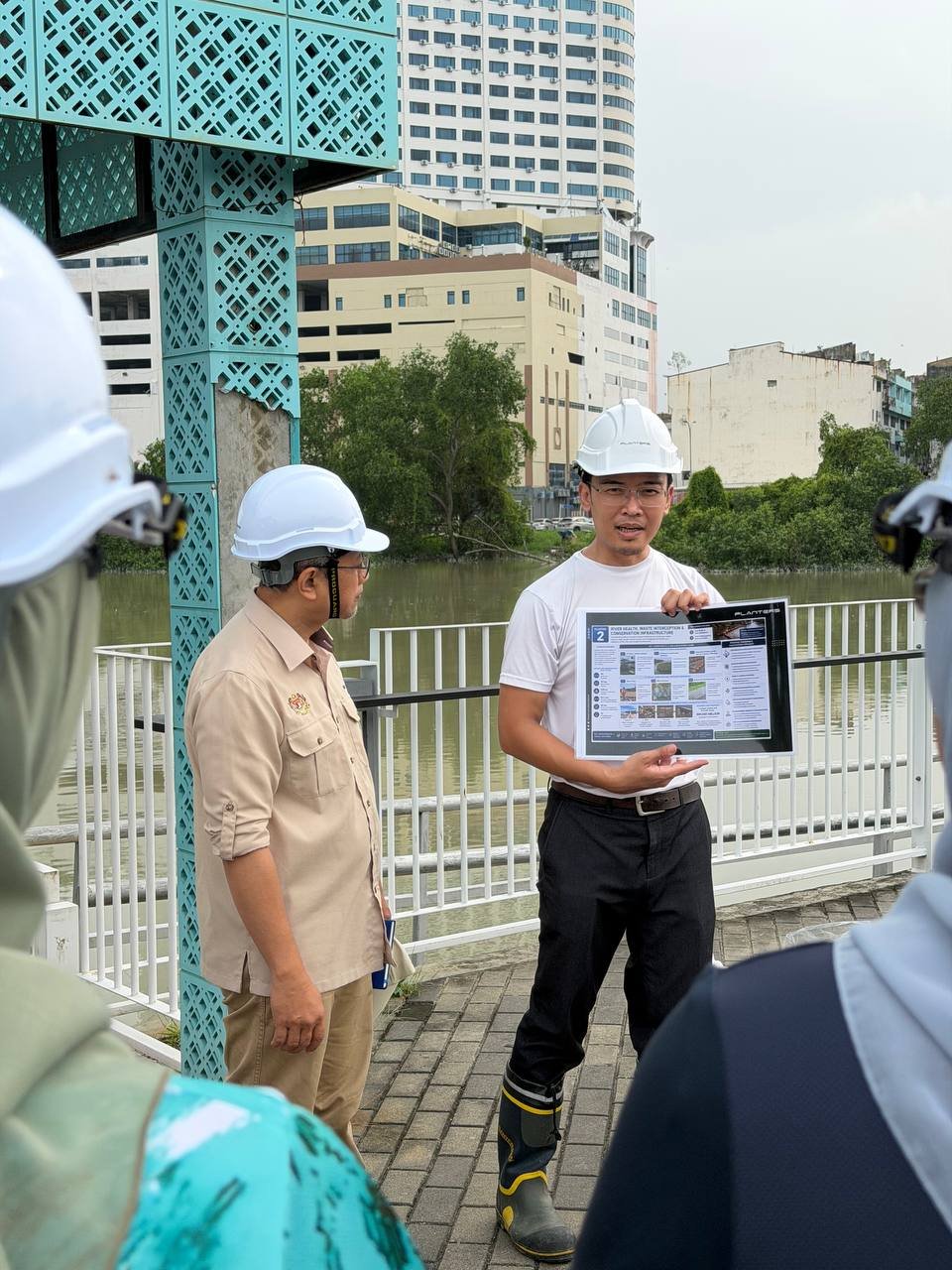
During the briefing, Planters also shared its role in facilitating collaboration between federal and state agencies, local authorities, strategic partners, scientific institutions and industry stakeholders. Such collaboration is essential to support integrated planning and effective implementation of large-scale river restoration programmes.
Technical Field Visit Along the Sungai Klang
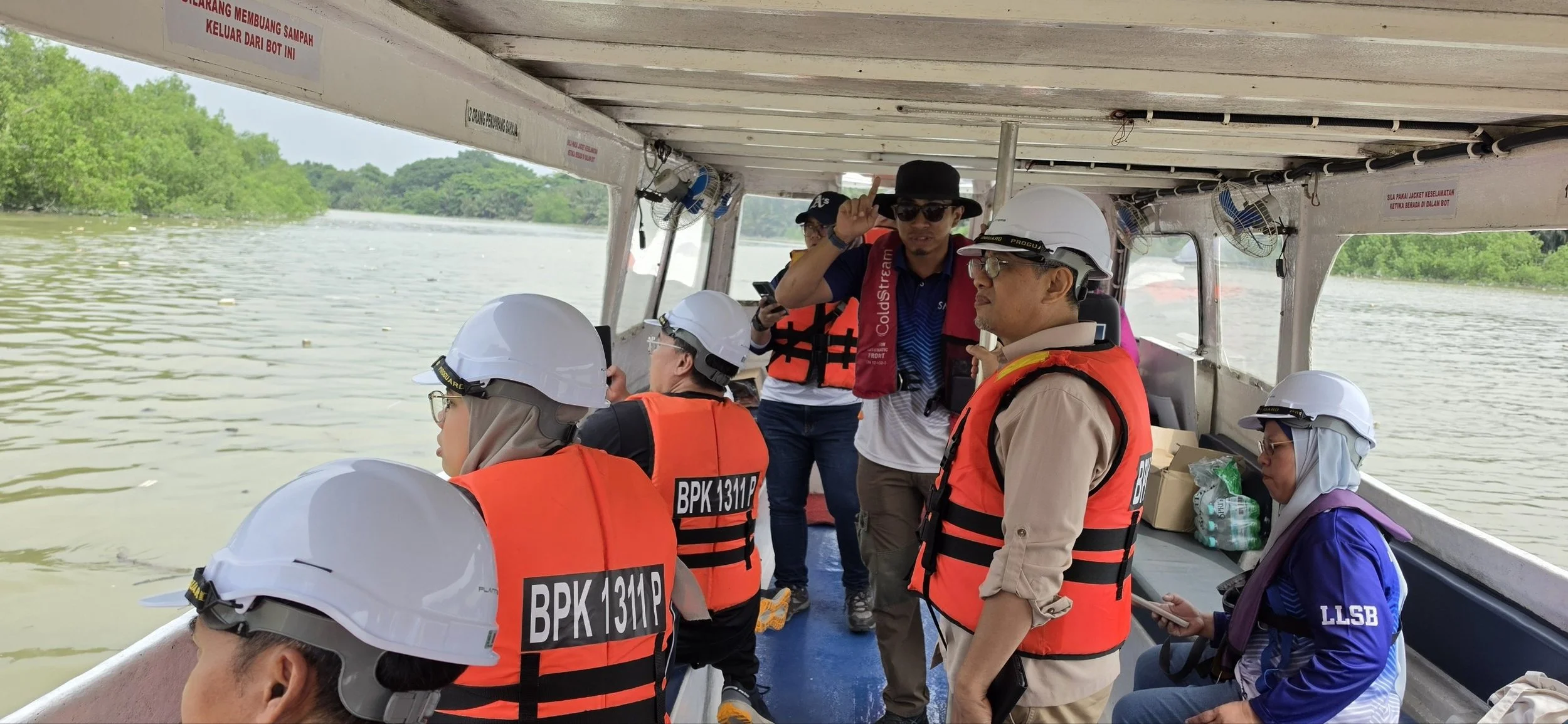
Following the briefing, the delegation embarked on a field inspection covering several key operational locations along Sungai Klang, including:
Pengkalan Batu
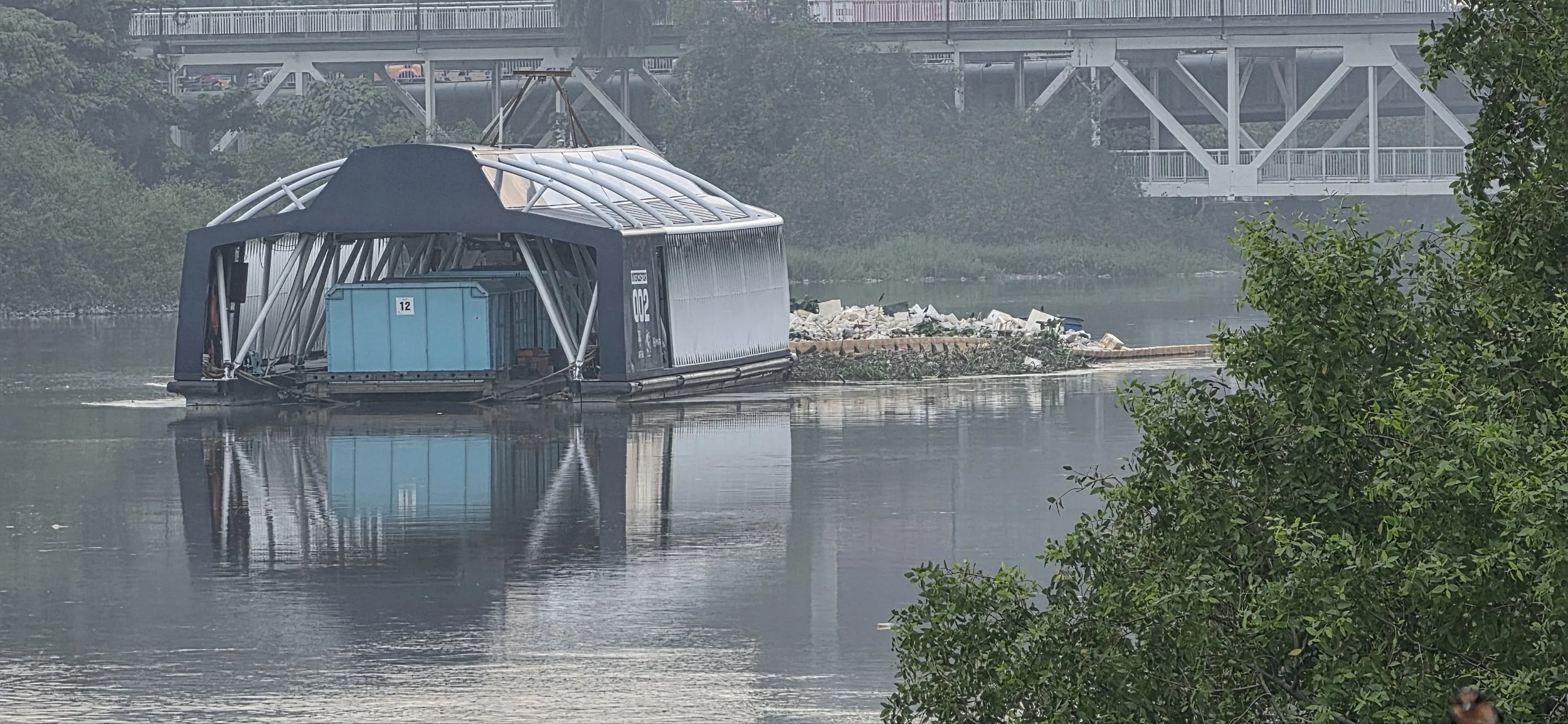
River Interceptor 002
Log Boom Sungai Pinang
Water Quality Monitoring Station
Log Boom Sungai Delek
River Interceptor 005
Mangrove Point
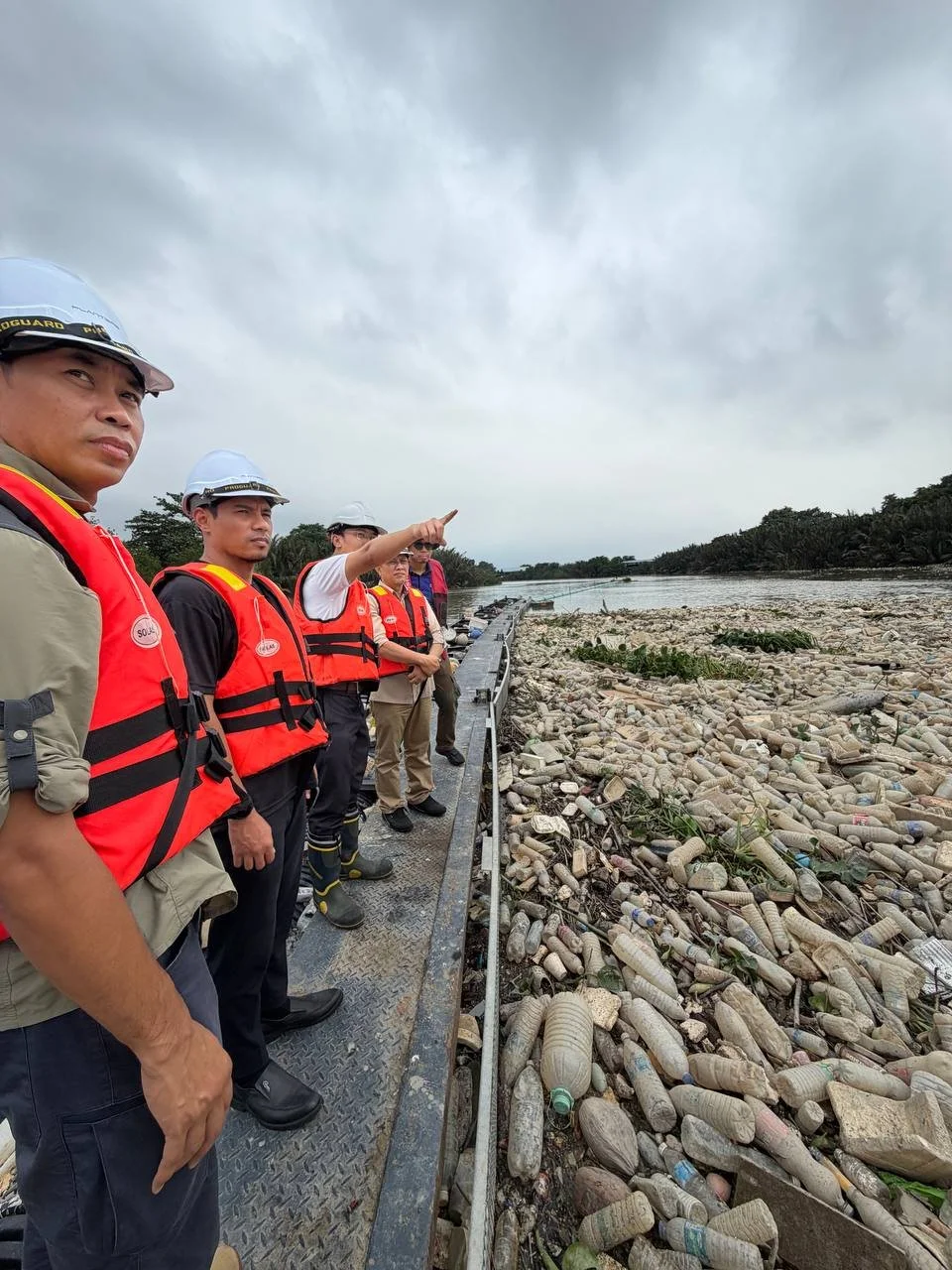
At each location, the delegation received technical briefings on the operational role of the river interception system in reducing floating debris before it reaches downstream ecosystems. The visit also provided first-hand insight into the scale of waste accumulation and the importance of sustained river management in protecting both freshwater and coastal environments.
As part of the technical programme, water samples were collected from selected locations for laboratory analysis as part of ongoing environmental monitoring efforts. These assessments contribute valuable scientific data to better understand river conditions and support evidence-based conservation planning.
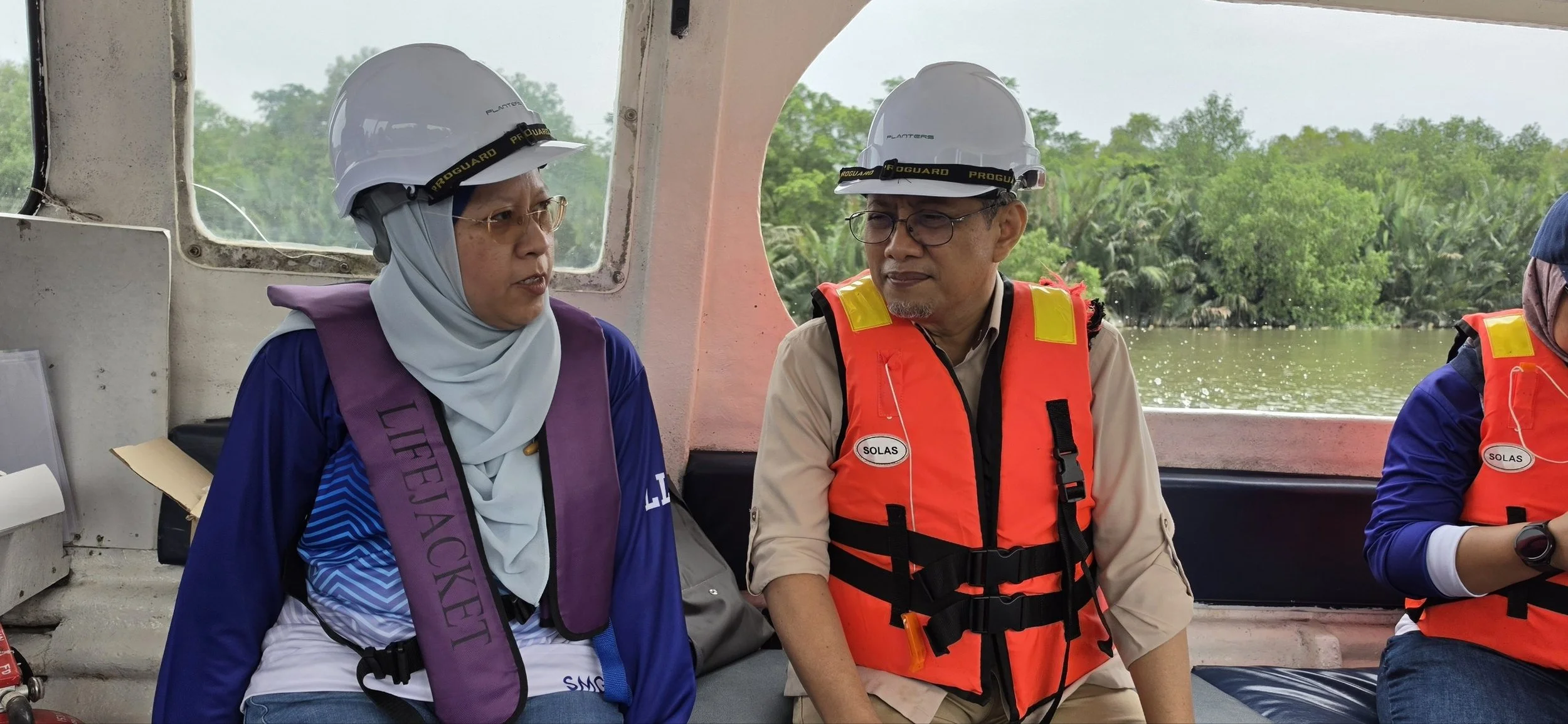
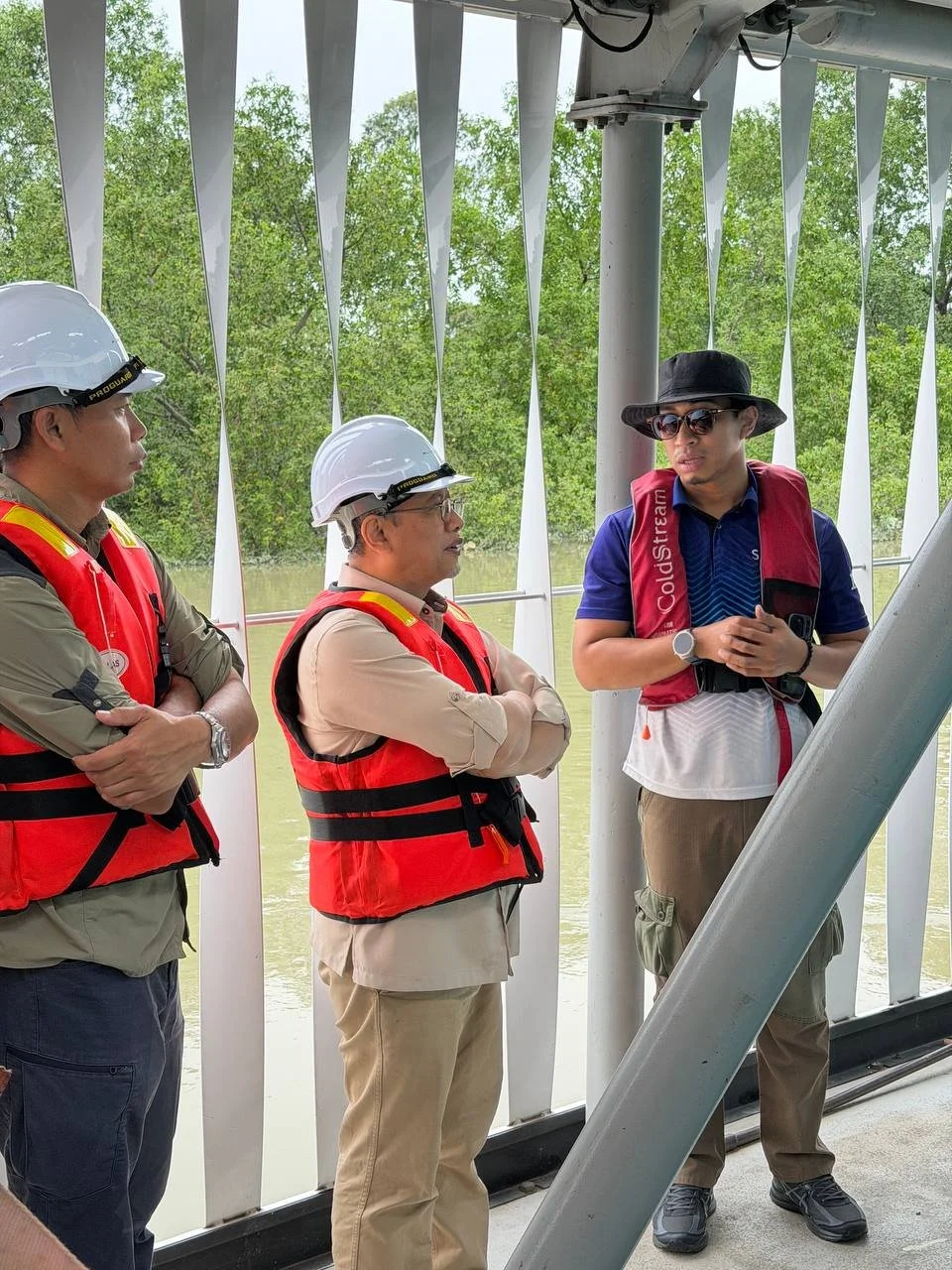
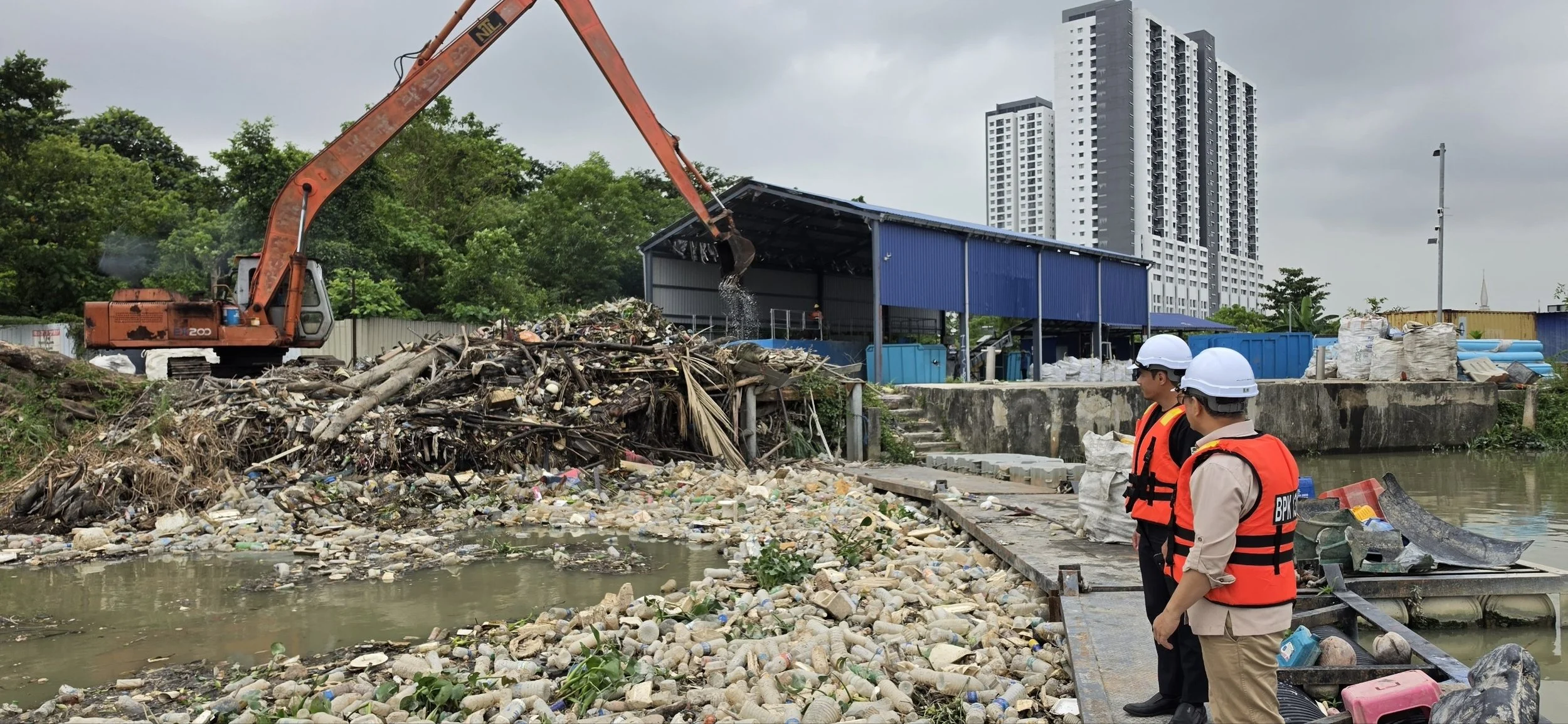
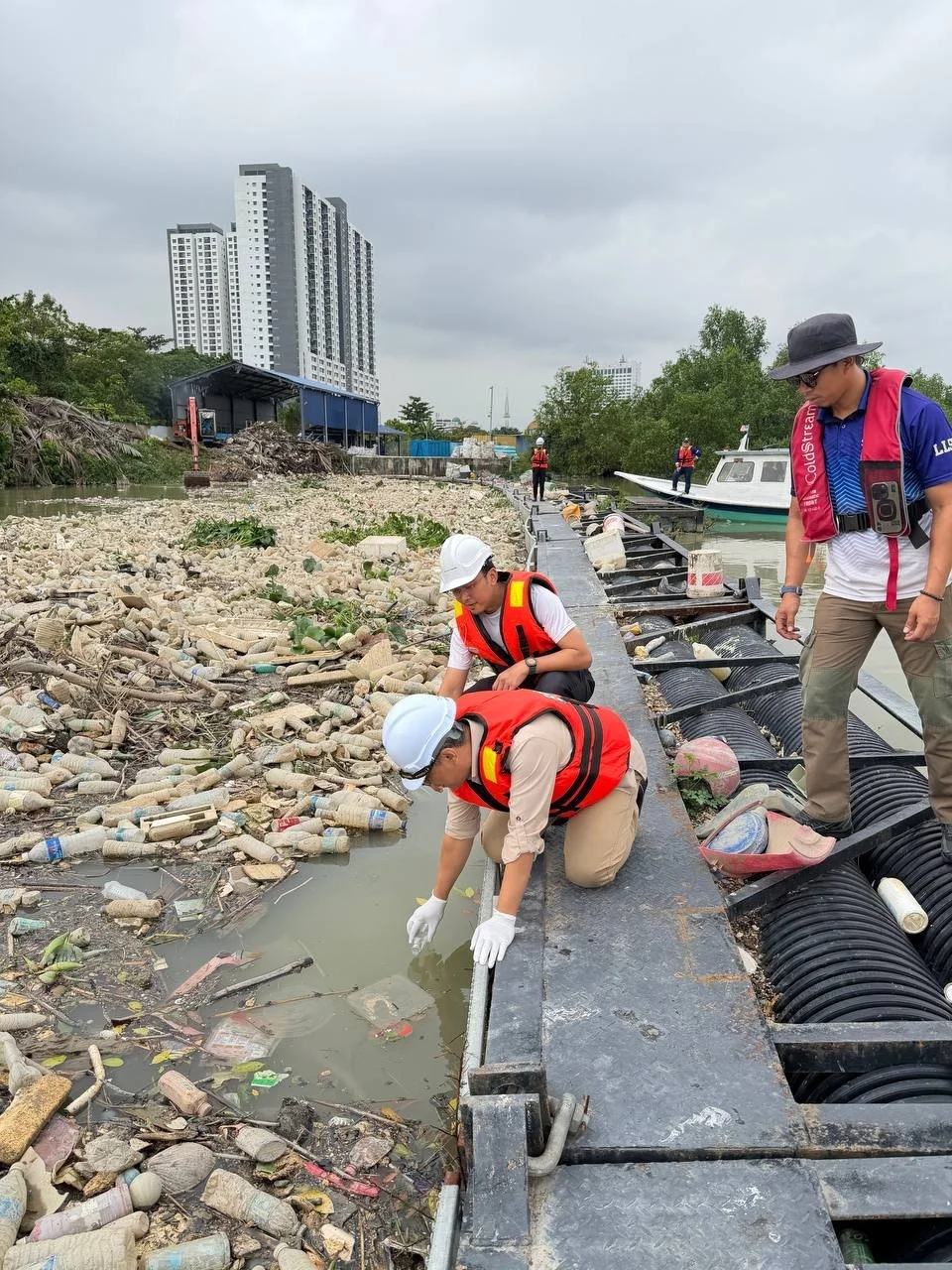
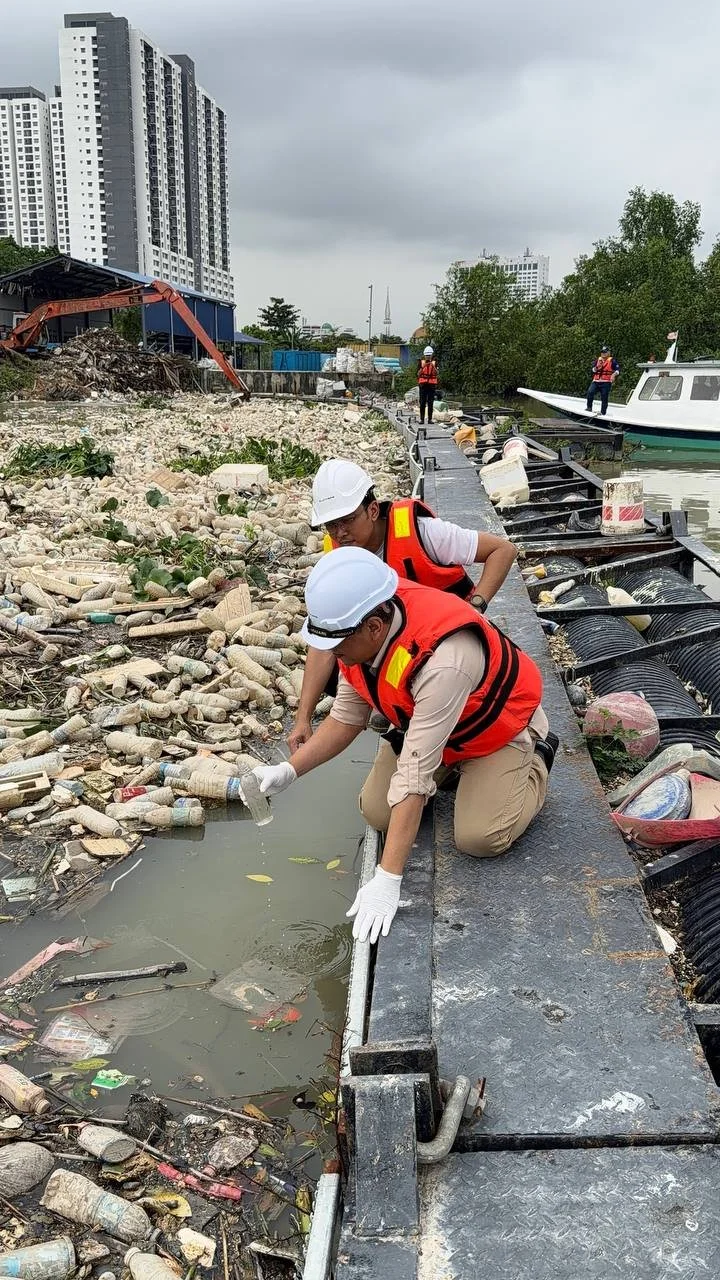
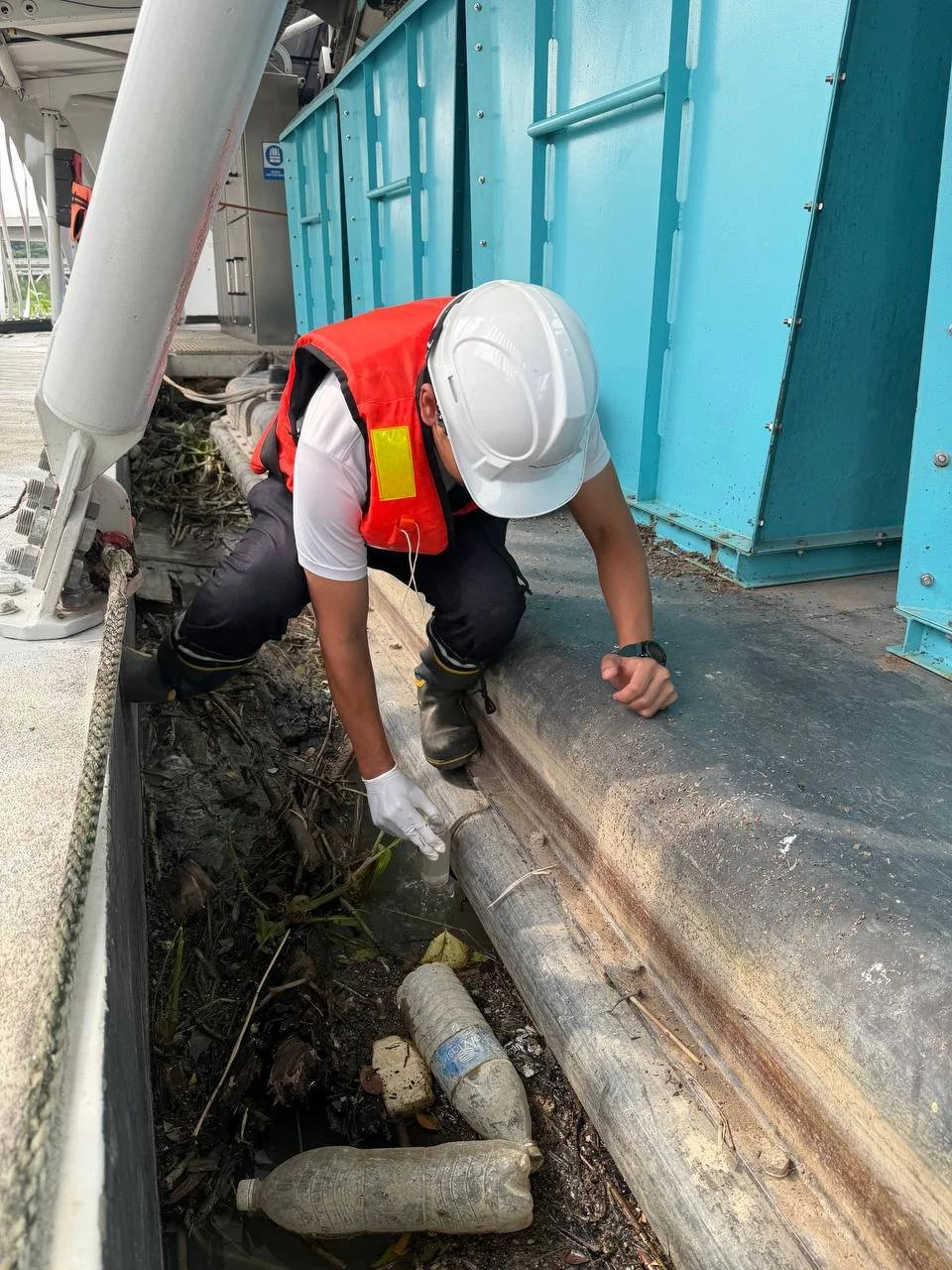
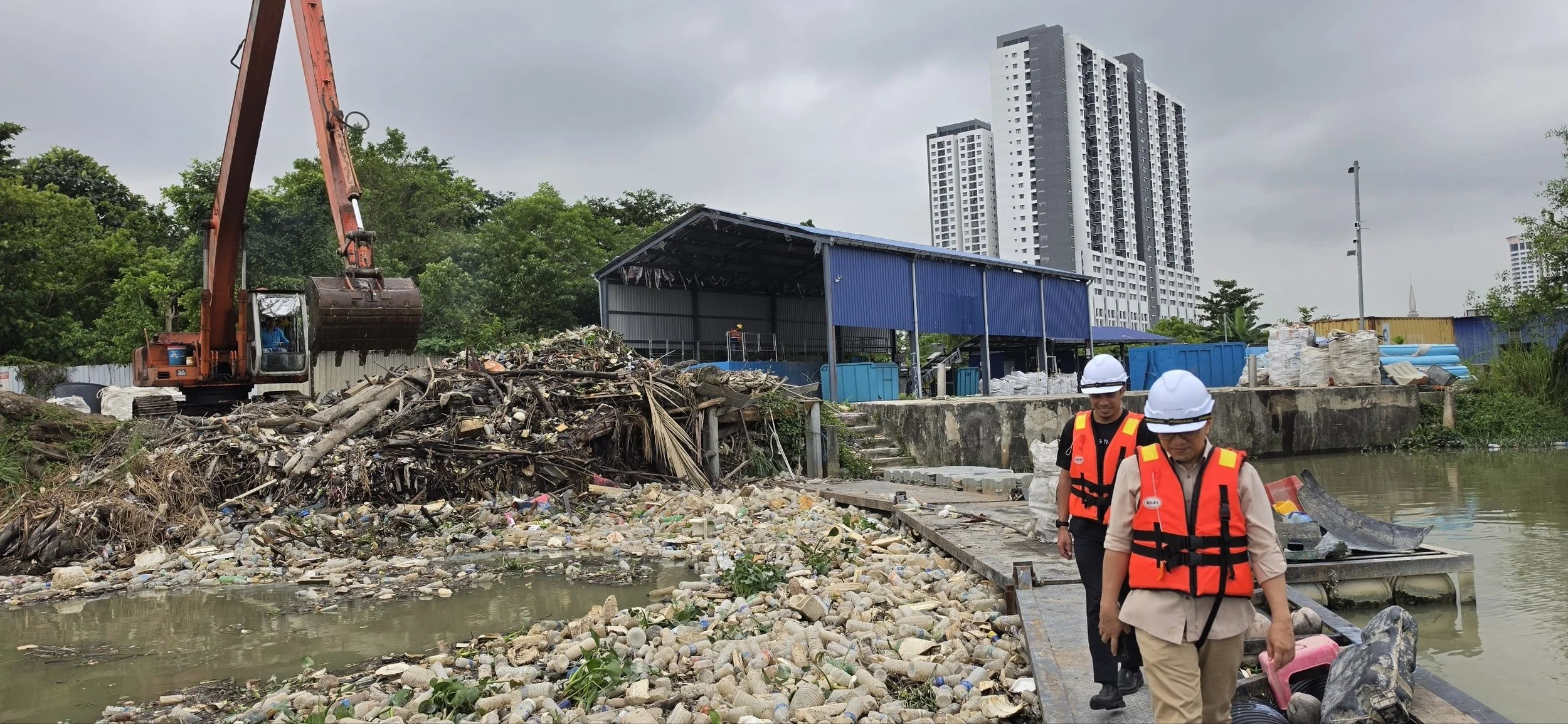
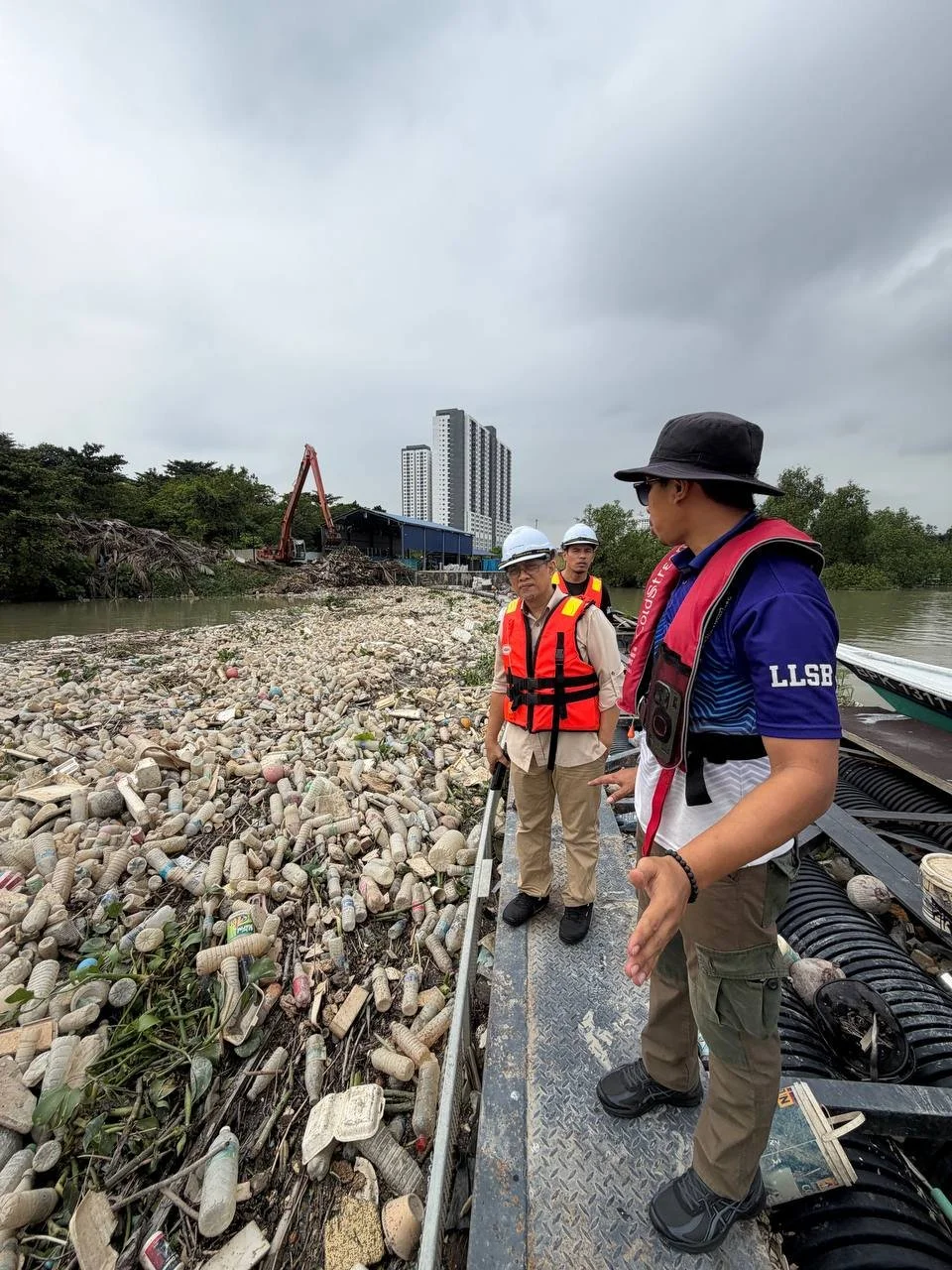
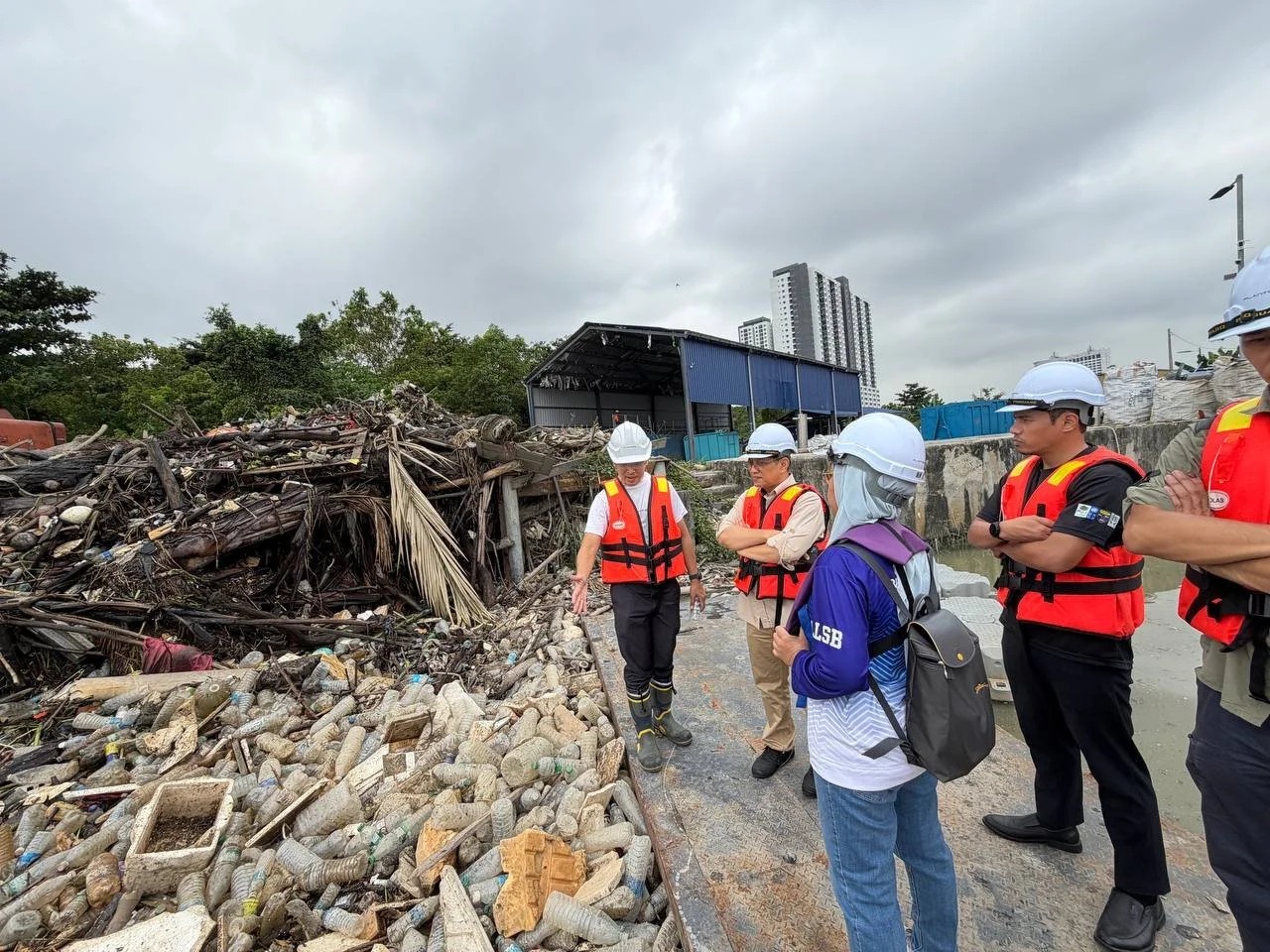
Throughout the field visit, discussions also highlighted how critical environmental infrastructure—including river interceptors, log booms and future conservation support systems—serves as an essential enabler for long-term ecosystem restoration. While restoration activities remain fundamental, effective conservation also depends on infrastructure that protects habitats, improves environmental resilience and supports continuous monitoring.
Biodiversity Observations at Mangrove Point
The programme concluded at Mangrove Point, where the delegation observed the ecological significance of the Sungai Klang estuary and its mangrove ecosystem.
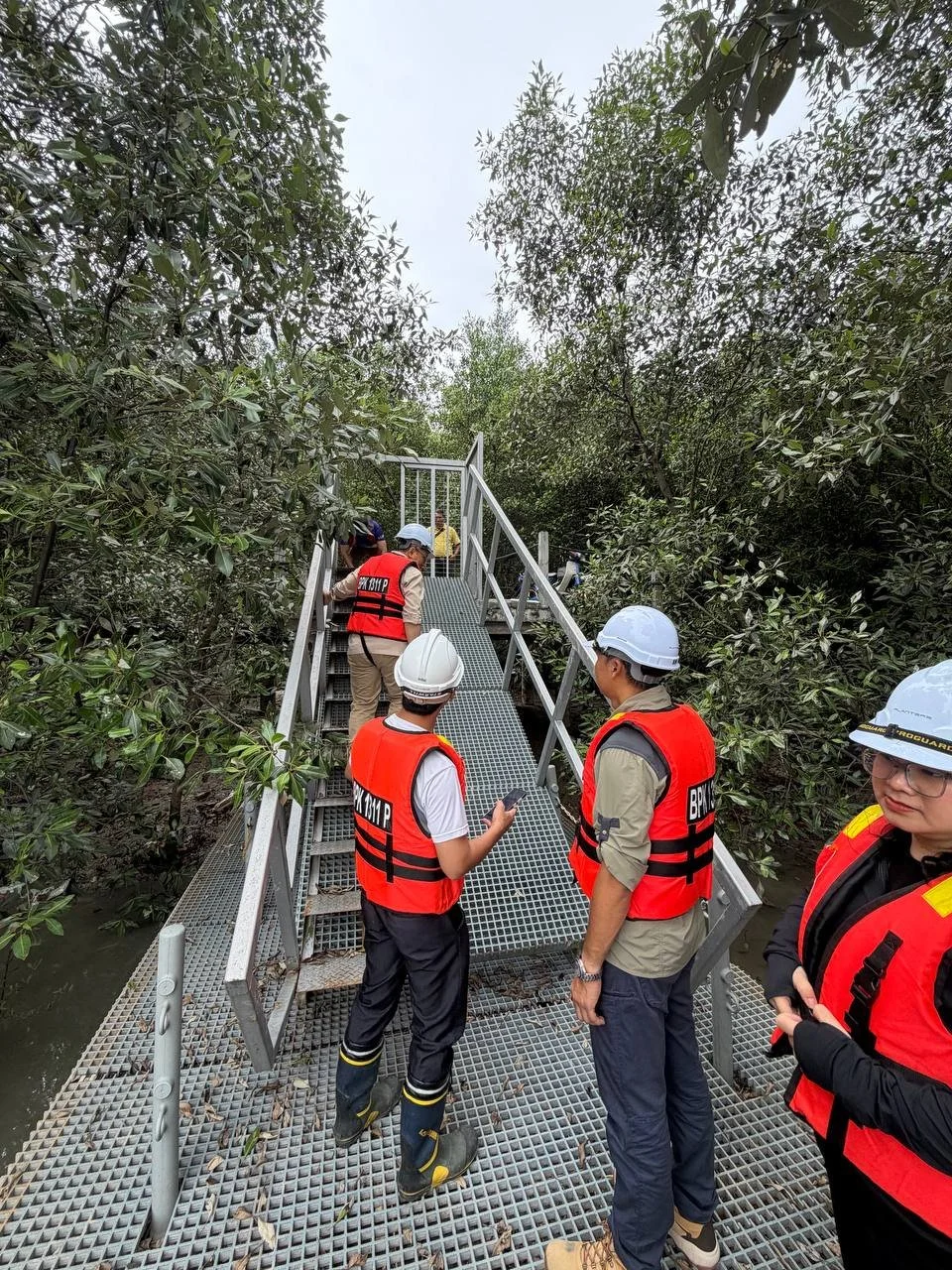
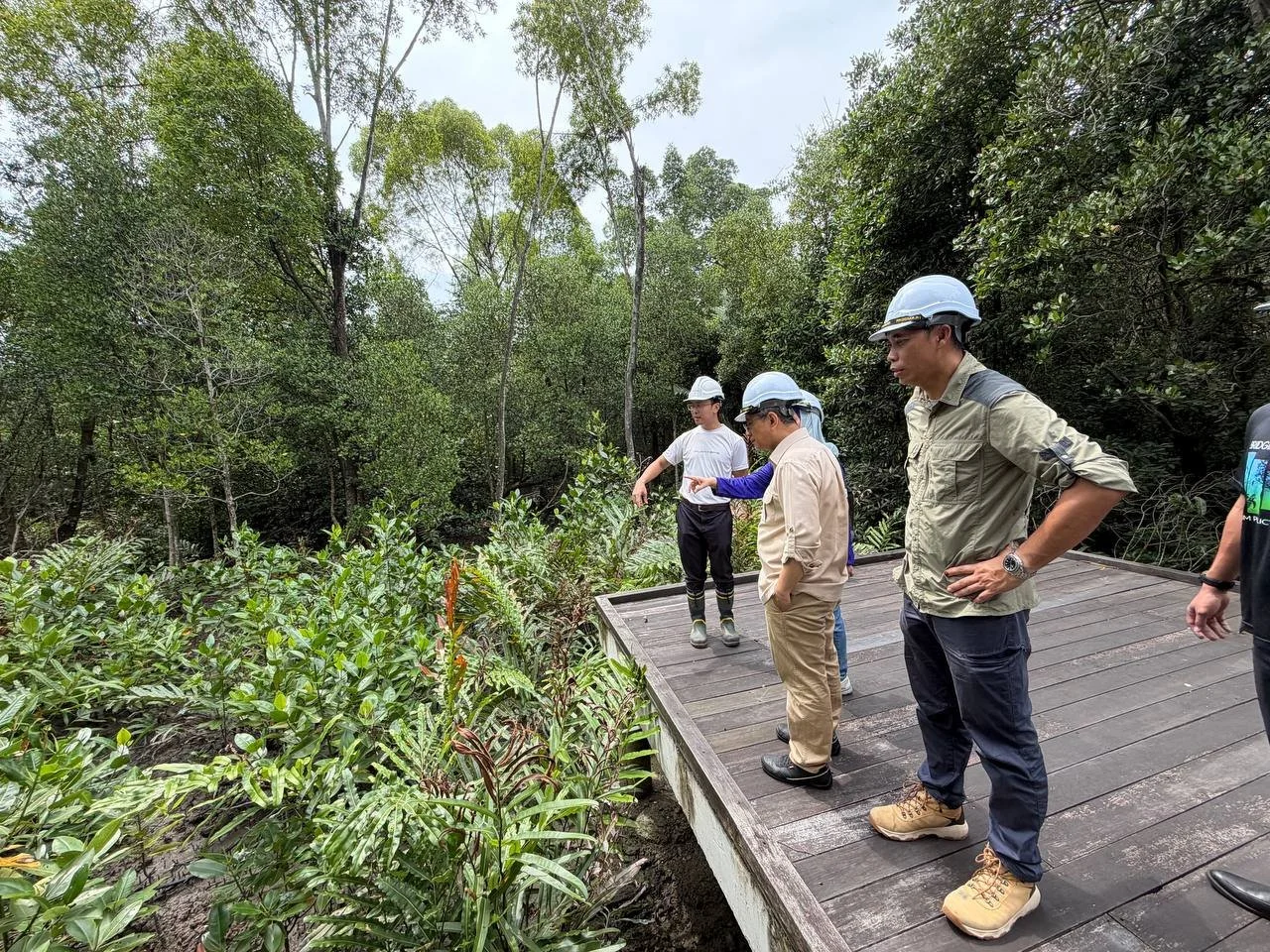
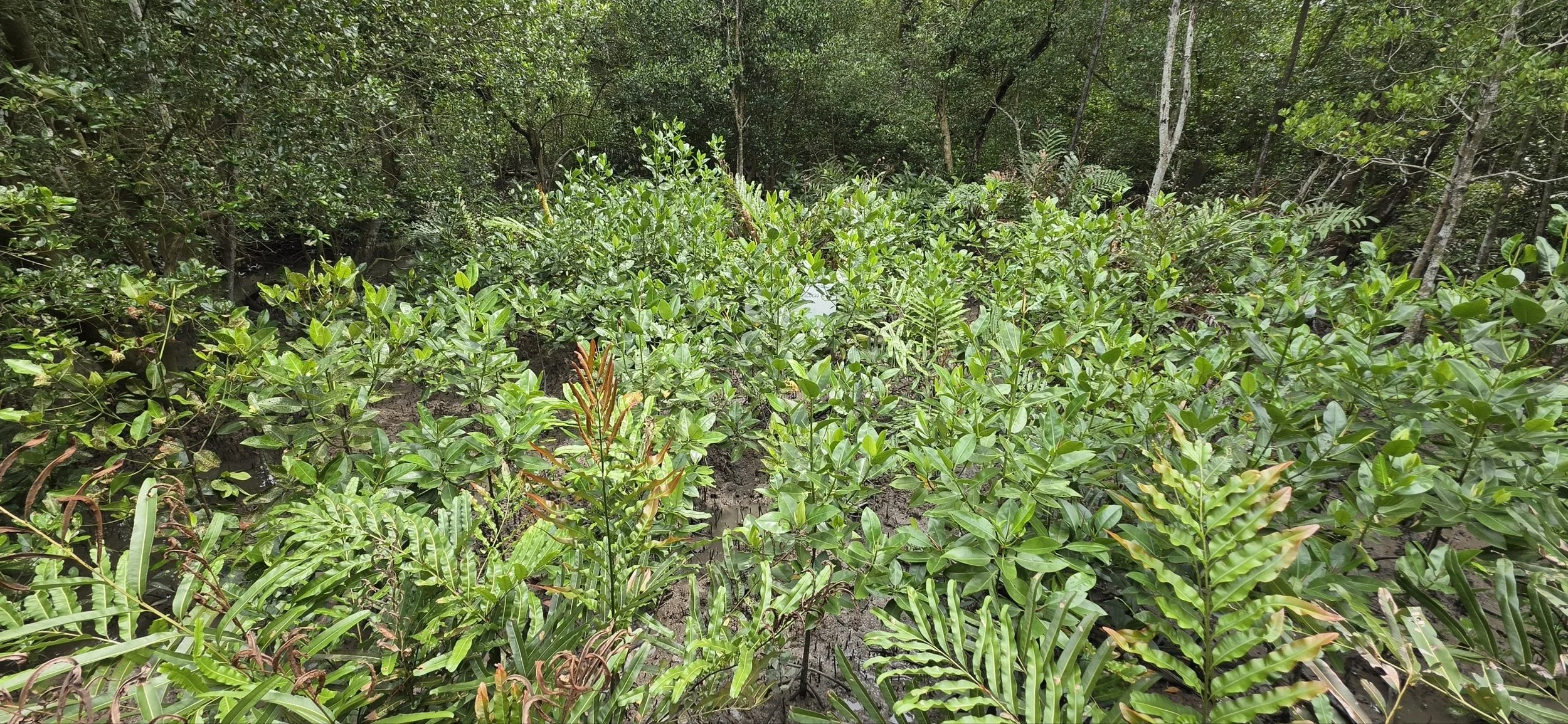
Representatives from Planters highlighted the role of mangrove forests in shoreline protection, carbon sequestration, biodiversity conservation and coastal resilience. The delegation observed naturally regenerating mangrove propagules embedded within the mud substrate, demonstrating the natural regeneration processes that sustain healthy mangrove ecosystems.
The visit also revealed the significant accumulation of floating debris trapped within the mangrove vegetation. While mangrove forests naturally function as the final ecological barrier by intercepting waste before it reaches coastal waters, this places considerable pressure on these sensitive habitats. Planters explained that mangrove rehabilitation and restoration alone cannot provide a sustainable solution if upstream pollution continues unabated. Without effective river interception systems and other critical environmental infrastructure to reduce waste before it reaches the estuary, newly restored habitats can rapidly become re-impacted by incoming debris, increasing maintenance requirements and limiting the long-term effectiveness of restoration efforts.
Wildlife observations during the river journey included mudskippers, various bird species and a monitor lizard swimming across the river, demonstrating that the ecosystem continues to support native biodiversity despite the environmental pressures it faces.
The observations reinforced a key principle of the Coastal Oasis: Sungai Klang Initiative—that nature-based solutions and critical environmental infrastructure must work hand in hand. Restoring ecosystems alone is insufficient if the sources of pollution remain unmanaged; protecting these habitats requires both healthy natural systems and effective upstream interventions.
"River restoration is not achieved by removing waste alone, nor by planting mangroves alone. Lasting conservation requires critical environmental infrastructure, scientific monitoring and strong collaboration working together as one integrated system."
— Dean Sadruddin, Chairman, Planters International Berhad
Demonstrating Circular Economy Through Pleco Biochar
The delegation was also briefly introduced to Planters' Pleco Biochar Initiative, an innovative circular economy approach that converts invasive pleco harvested from Malaysian rivers into biochar through controlled carbonisation.
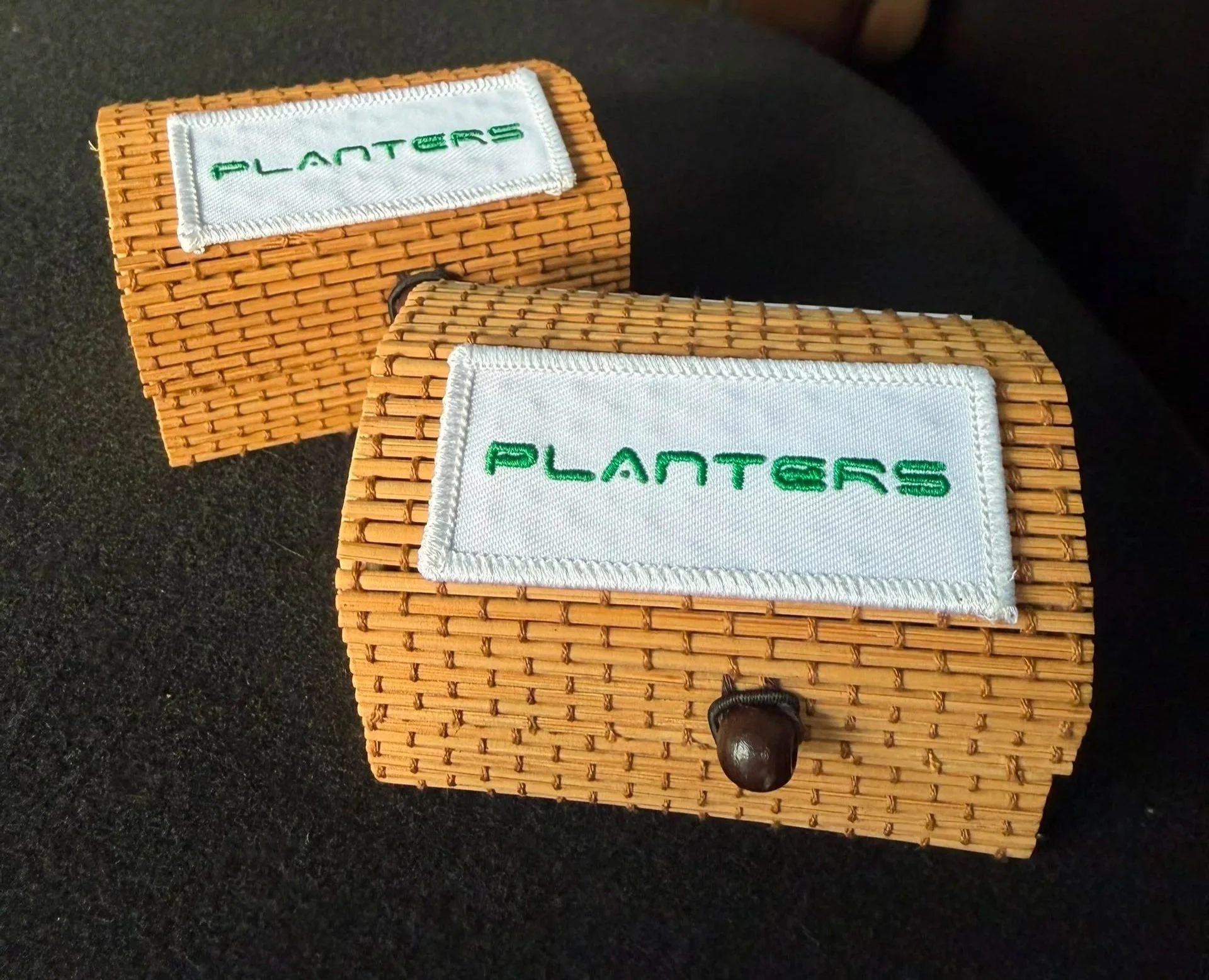
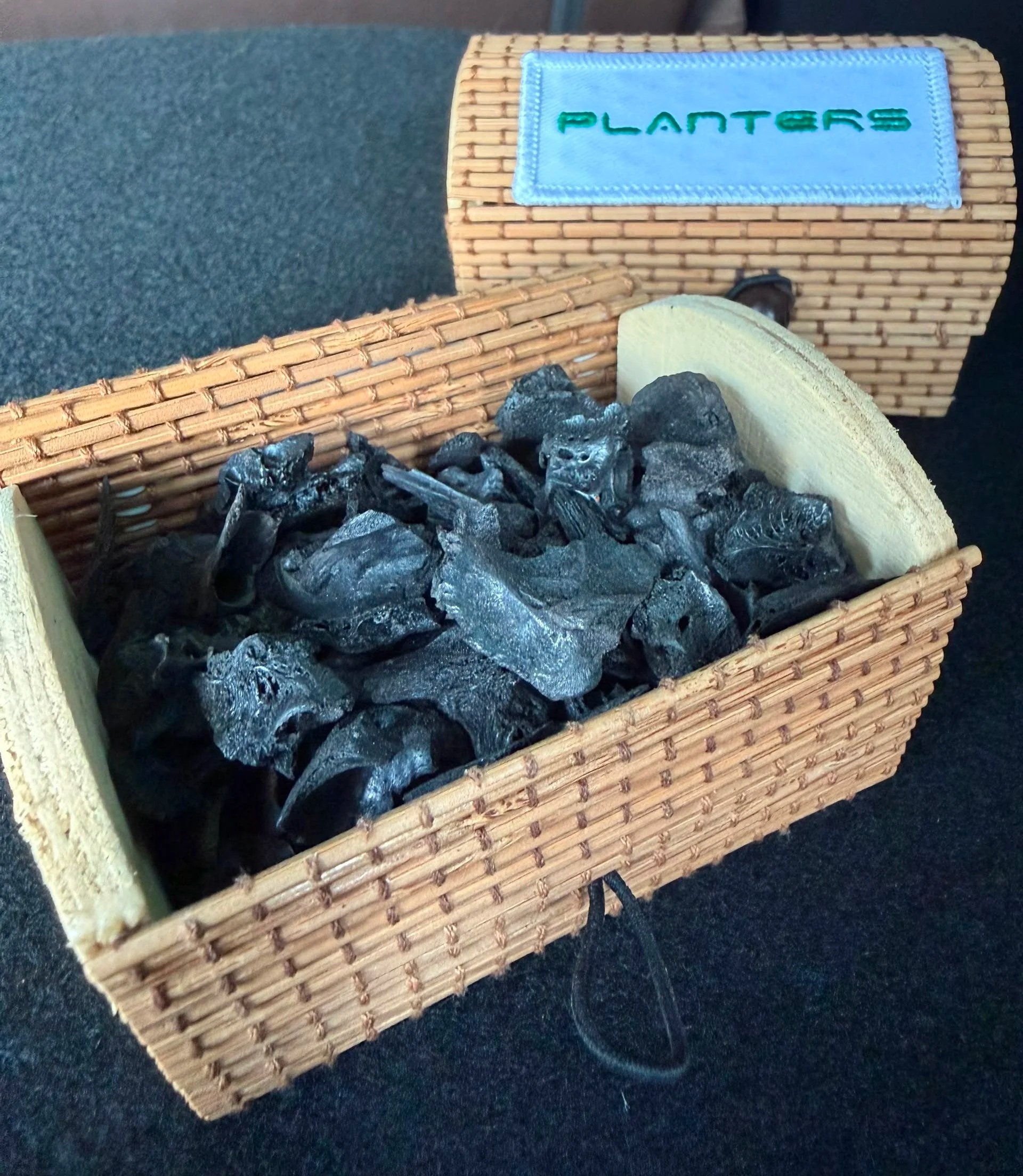
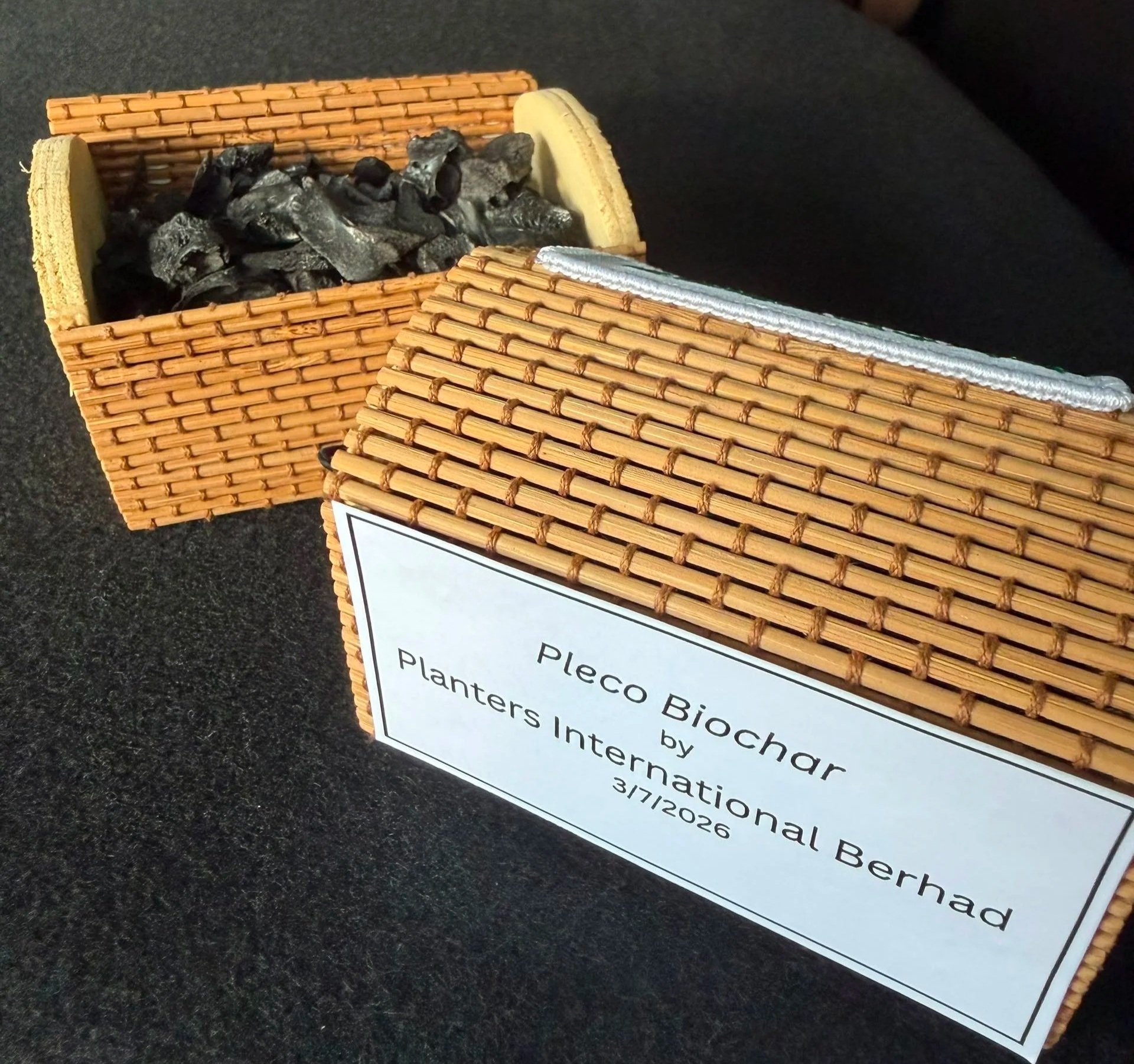
Samples of the finished biochar were presented during the visit, demonstrating its odourless characteristics following the carbonisation process. Commemorative samples were subsequently presented to members of the delegation as tokens of appreciation while showcasing one example of how invasive species management can be integrated with environmental restoration and resource recovery.
Strengthening Collaborative Conservation
Despite overcast conditions throughout the morning, favourable weather enabled the technical field programme to proceed successfully. The itinerary was carefully coordinated with the tidal cycle to ensure safe navigation across each inspection point along the Sungai Klang corridor.
The technical site visit reflects the importance of continued engagement between government agencies, implementation partners and strategic stakeholders in advancing integrated river restoration. Through the Coastal Oasis: Sungai Klang Initiative, Planters International Berhad remains committed to supporting science-based conservation, strengthening critical environmental infrastructure and fostering collaborative approaches that contribute to the long-term resilience of Malaysia's rivers and coastal ecosystems.
The visit also reaffirmed the importance of strengthening cooperation between government agencies, landowners, implementation partners and the scientific community in delivering practical, long-term conservation outcomes.
As environmental challenges continue to evolve, collaborative initiatives such as Coastal Oasis: Sungai Klang demonstrate the value of combining scientific monitoring, practical implementation and cross-sector partnerships to deliver meaningful and lasting conservation outcomes for future generations.
Related Articles
Coastal Oasis: Sungai Klang Briefed to Deputy Minister NRES
Continues the engagement with NRES, from the initial briefing to the technical field visit.Coastal Oasis: Sungai Klang (COSK) Advances Strategic Discussions at JC3 CFIL Capital Solutioning Lab Session 2
Learn how the initiative is progressing through Malaysia's Climate Finance Innovation Lab (CFIL).Coastal Oasis Showcased at Malaysia's Climate Finance Innovation Lab as Model for Integrated Conservation
Explore how the initiative integrates conservation, environmental infrastructure and climate finance.Coastal Oasis: Integrated Environmental Infrastructure Ecosystem
Discover the overarching Coastal Oasis framework and its four strategic pillars—Restore, Protect, Monitor and Empower.Planters International and Restor Partner to Advance Ecological Impact Reporting, Restoration Transparency and Nature Finance
Learn how international collaboration is strengthening ecological monitoring and restoration transparency for Coastal Oasis.